
Ocasiones especiales
Capturing the spirit of spring in everyday moments
A guide to photographing spring through natural light, simple composition and the moments happening right around you

7 Apr, 2026
Ocasiones especiales
A guide to photographing spring through natural light, simple composition and the moments happening right around you
7 Apr, 2026
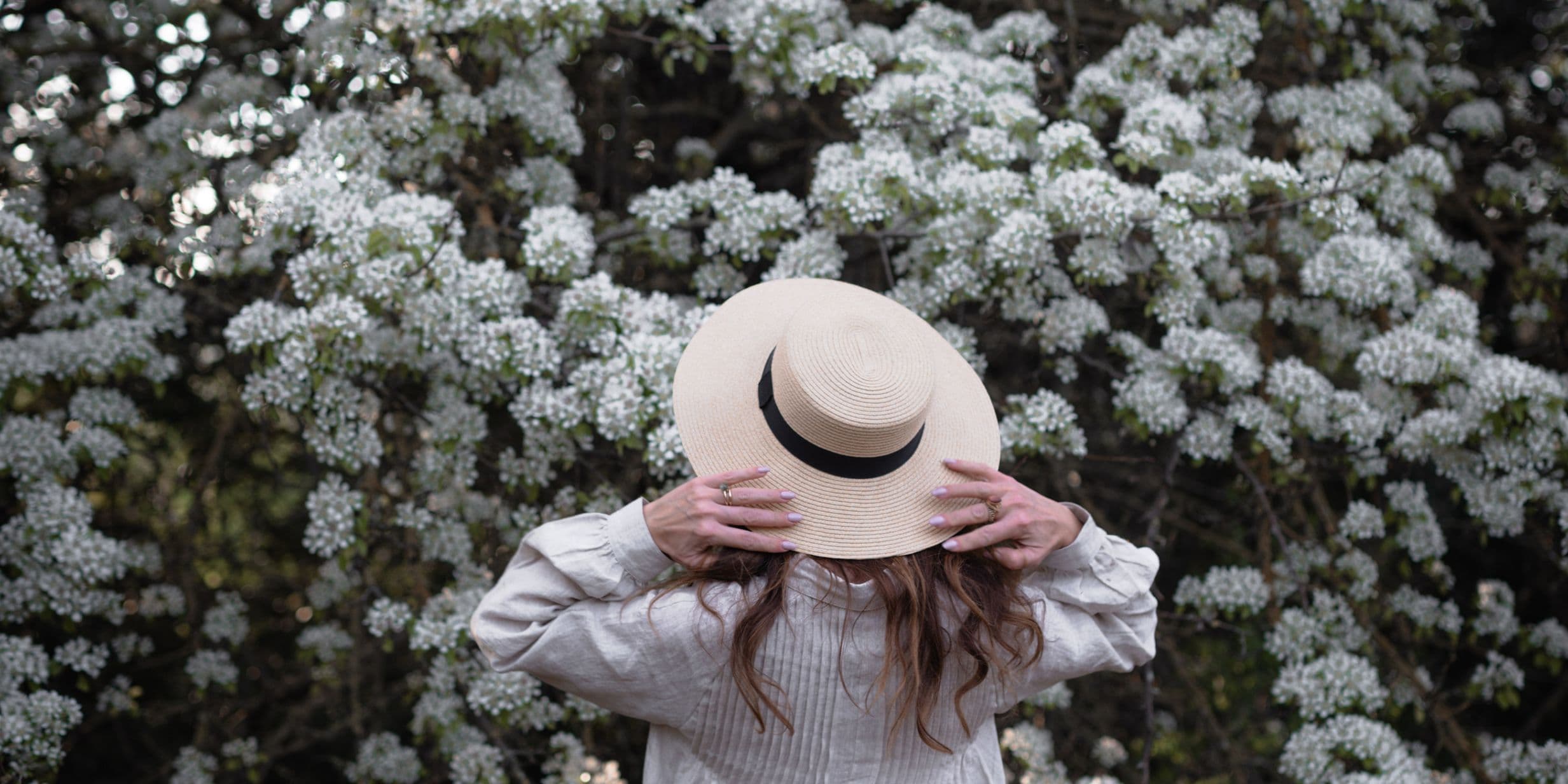
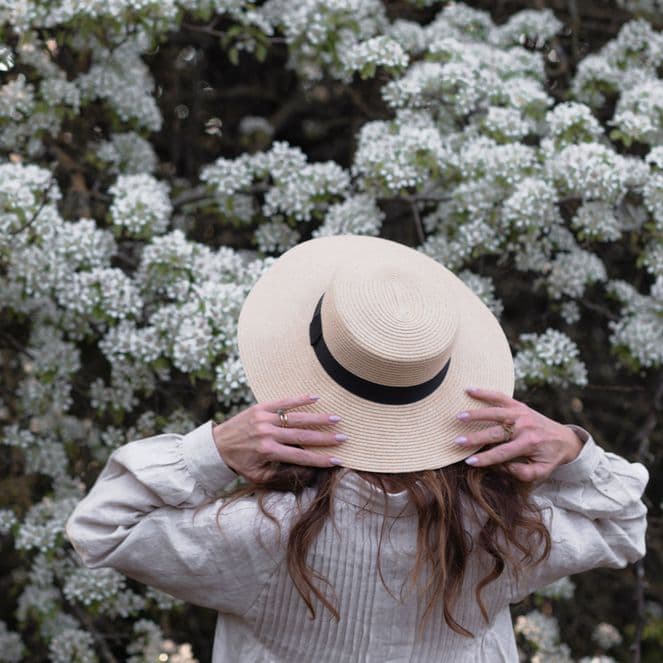
Spring doesn’t arrive all at once. It shifts in quietly, replacing winter’s stillness with softer light, lighter air, and small changes you only notice if you’re paying attention. One day trees are bare, the next they’re starting to bud. Colour returns gradually, not dramatically, and that’s what makes the season feel so personal. Unlike summer or autumn, spring isn’t about intensity. It’s about transition. It asks you to slow down a little and notice things you might usually miss. That’s also why it’s such a compelling season to photograph. You’re not chasing big, obvious scenes - you’re capturing moments that feel fleeting and often quite subtle. The best part is you don’t need to go anywhere special. Spring is already happening around you - at home, on your street, in the way light moves across familiar spaces. Photographing it is really about learning to see those everyday places differently.
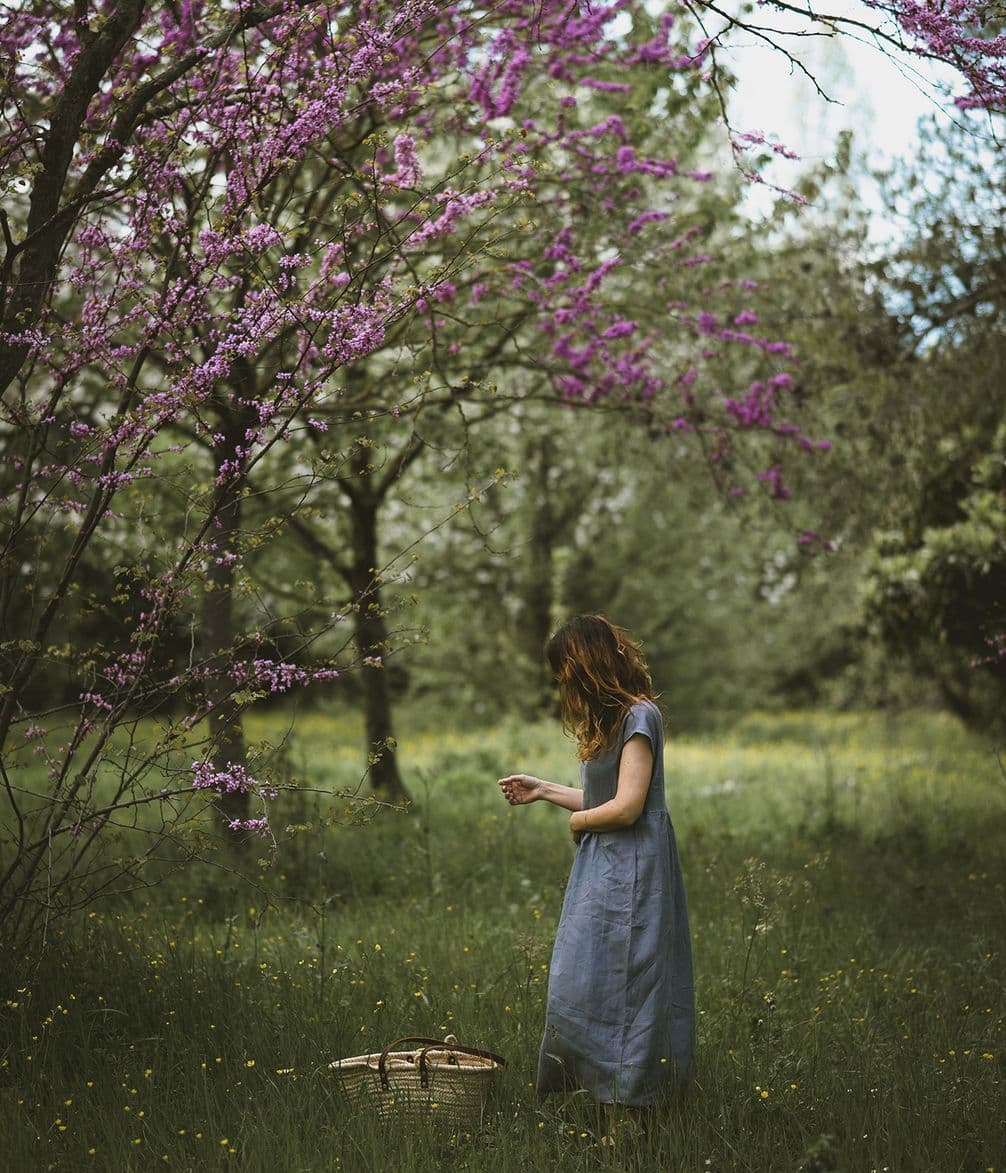
Spring light is one of the biggest shifts after winter. It’s softer, warmer and much easier to work with. You don’t get the harsh shadows of summer, instead, everything feels more diffused and calm, which naturally adds atmosphere to your photos. It helps to pay attention to how light changes throughout the day. Early mornings tend to feel fresh and quiet, while late afternoons bring a warmer, slightly nostalgic tone. These are often the best times to shoot, not because they’re dramatic, but because they add a natural depth to whatever you’re capturing.
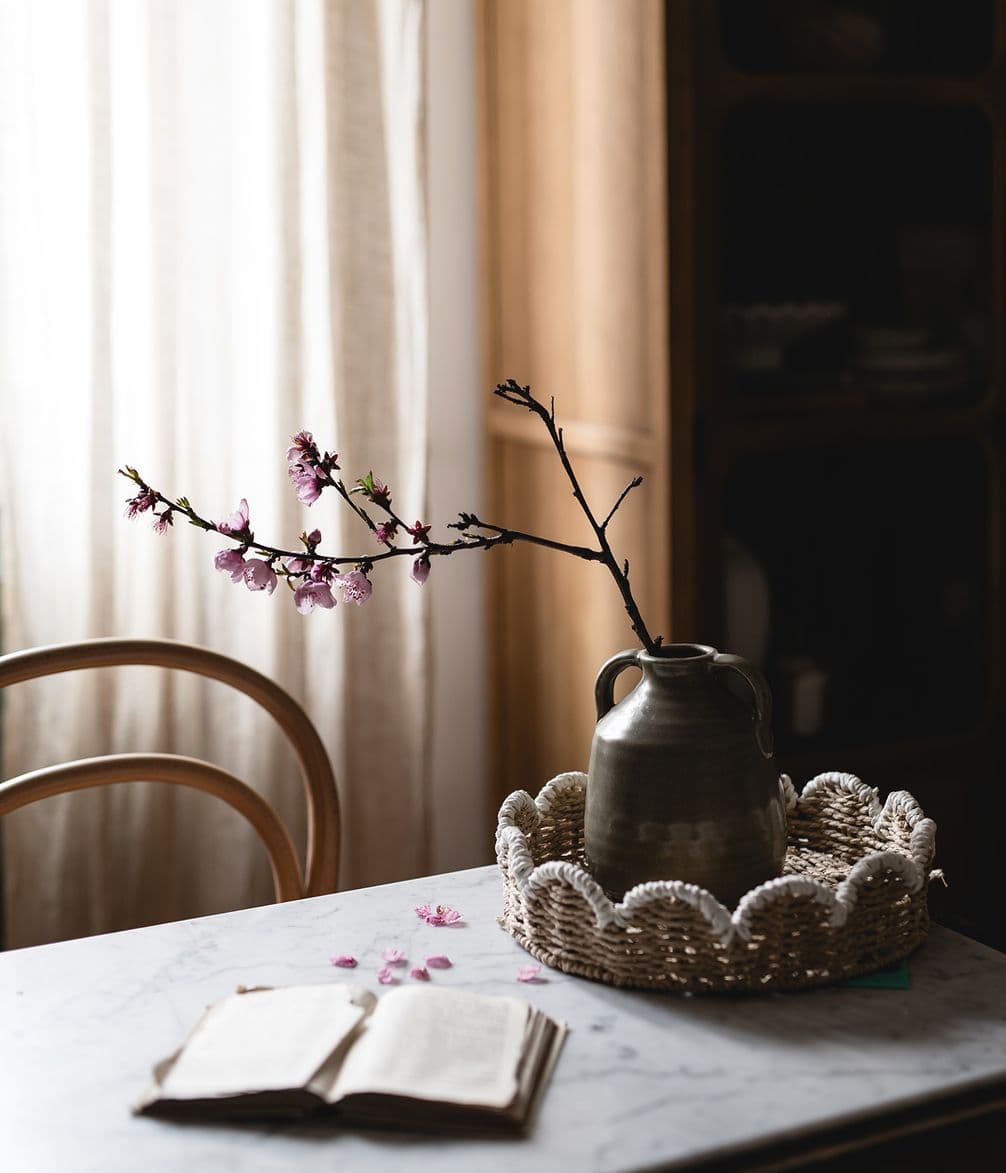
Indoors, keep things simple. Use window light as much as possible and let it guide your composition. Even ordinary objects can feel more considered when they’re shaped by natural light. You don’t need to overcomplicate it, just notice how the light falls and work with it.
If you’re shooting on a phone, small adjustments go a long way. Lowering exposure slightly helps keep highlights soft and avoids that over-bright, washed-out look. Spring images tend to work best when they feel gentle rather than high-contrast.
Spring doesn’t always show up in obvious ways. More often, it’s in small, everyday details. You might notice it in fresh flowers on a kitchen table, rain on a window, new leaves starting to appear, or fabric moving in a breeze from an open window. Even a trip to a market can feel seasonal, with produce and colour changing almost overnight. These moments matter because they’re familiar. A single flower at home can feel more meaningful than a wide landscape because it’s part of your daily life. Try getting closer to what you’re photographing. Focus on textures and details rather than trying to capture everything at once. The surface of petals, the pattern of leaves, the way light hits fabric - these are the things that make an image feel more considered and more personal.
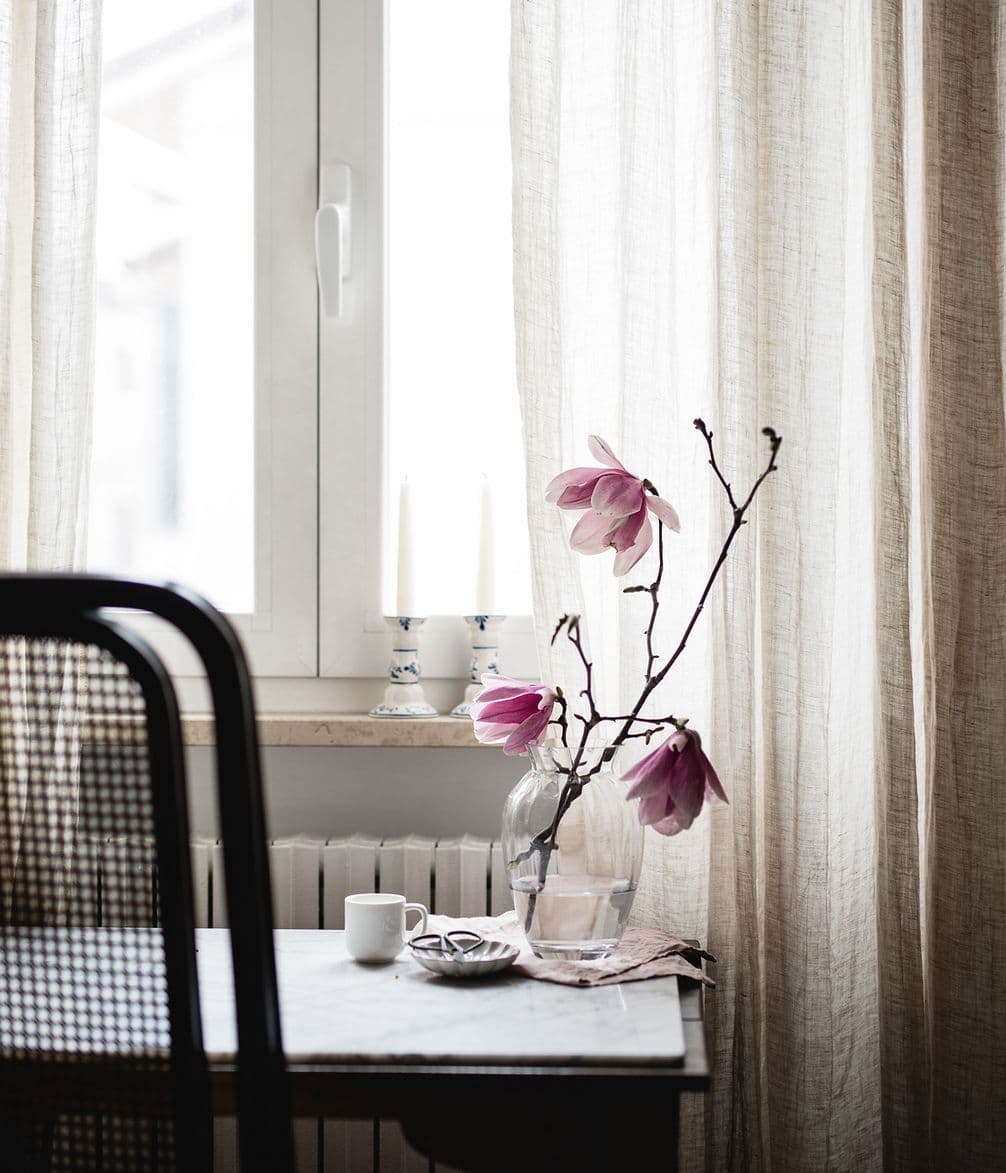
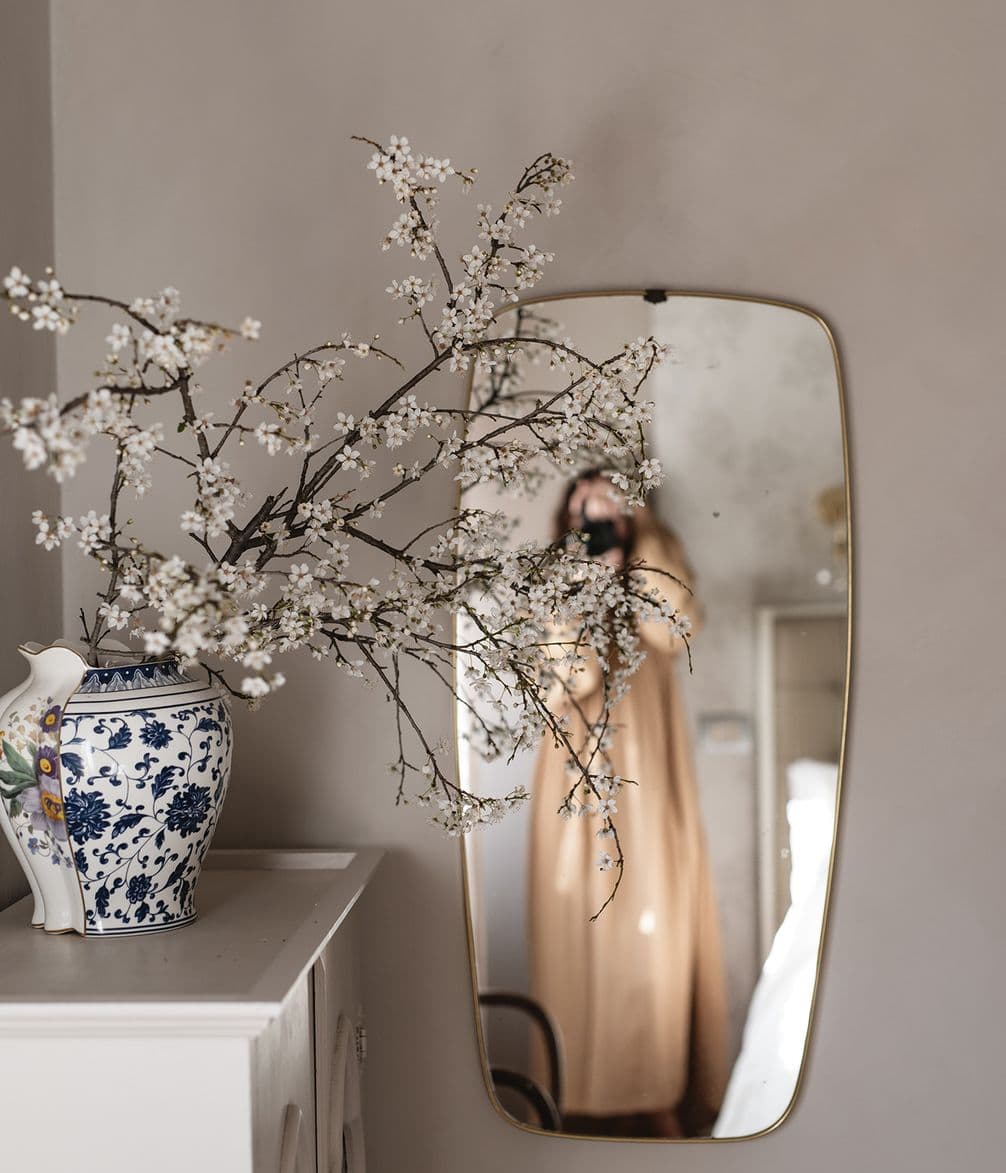
There’s no need to over-style spring. The season already brings enough colour and texture, so keeping things simple usually works best. Clean backgrounds help - wood, linen, neutral tones. They give your subject space and let seasonal colours stand out without distraction. If you’re photographing flowers, try leaving them where they are. There’s something more honest about capturing them in place rather than rearranging them too much. Spring is about noticing what’s already there, not creating something new. This is especially true with phone photography. A single, well-framed shot will almost always feel stronger than something busy or overcomplicated. Often, the simplest image is the one that stays with you.
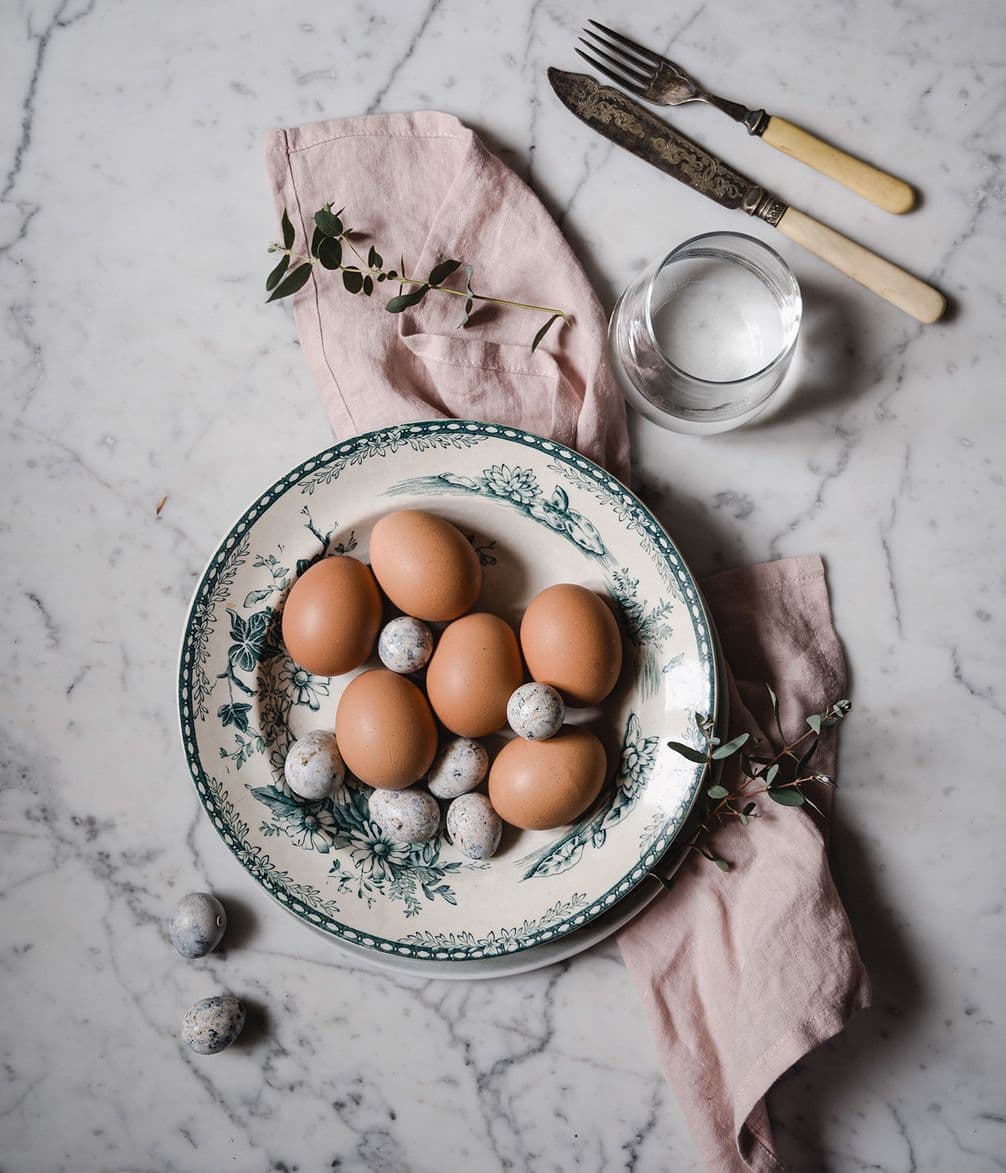
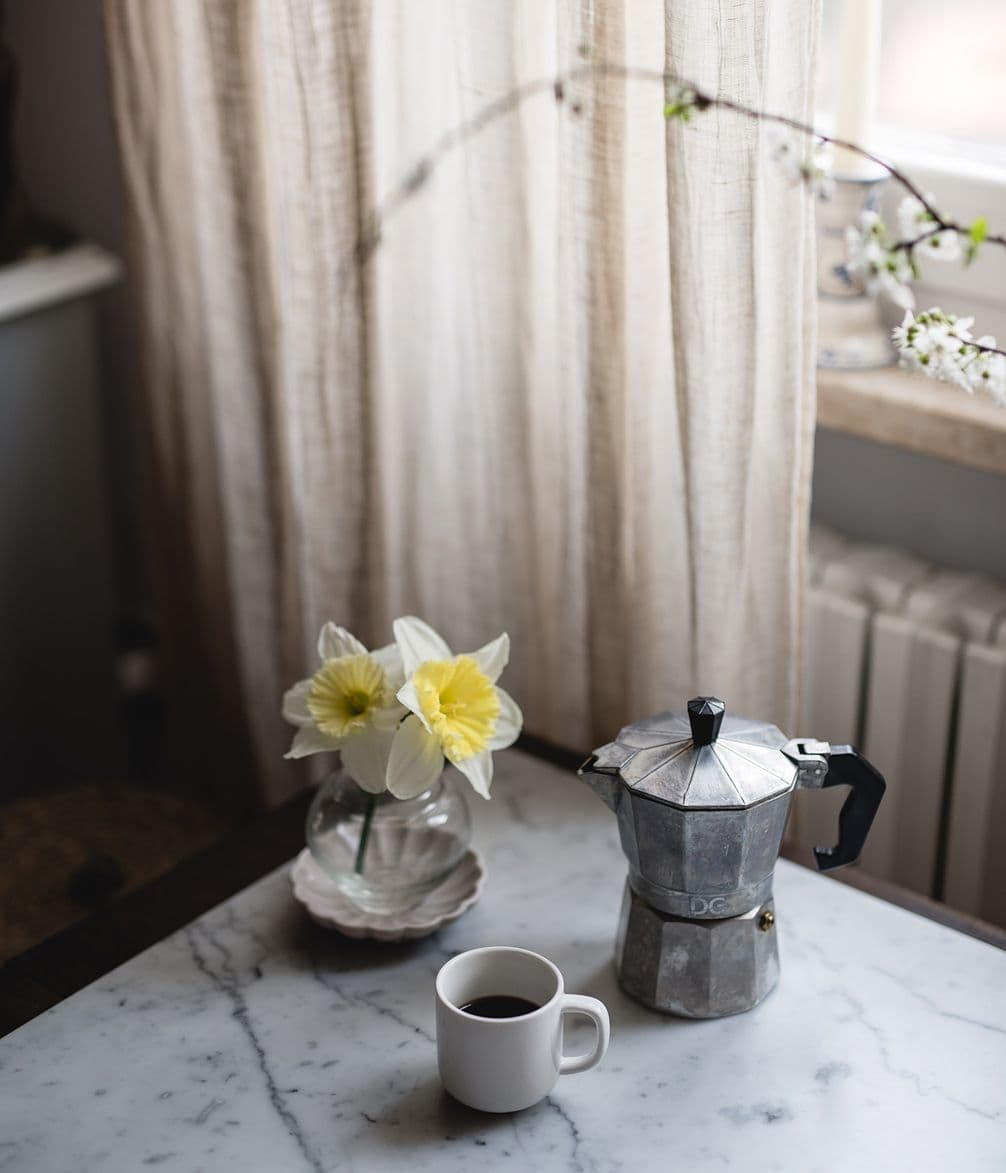
In spring, there’s a sense of starting again, of things opening up after a slower season. When you’re taking photos, it helps to think beyond objects and focus on mood. What does spring feel like to you? Calm, light, hopeful? It might be opening your windows after months of keeping them shut, having a slow coffee in soft morning light, or walking somewhere that’s just beginning to come back to life. These are small moments, but they carry a lot of meaning. Photographing them turns them into something you can come back to.
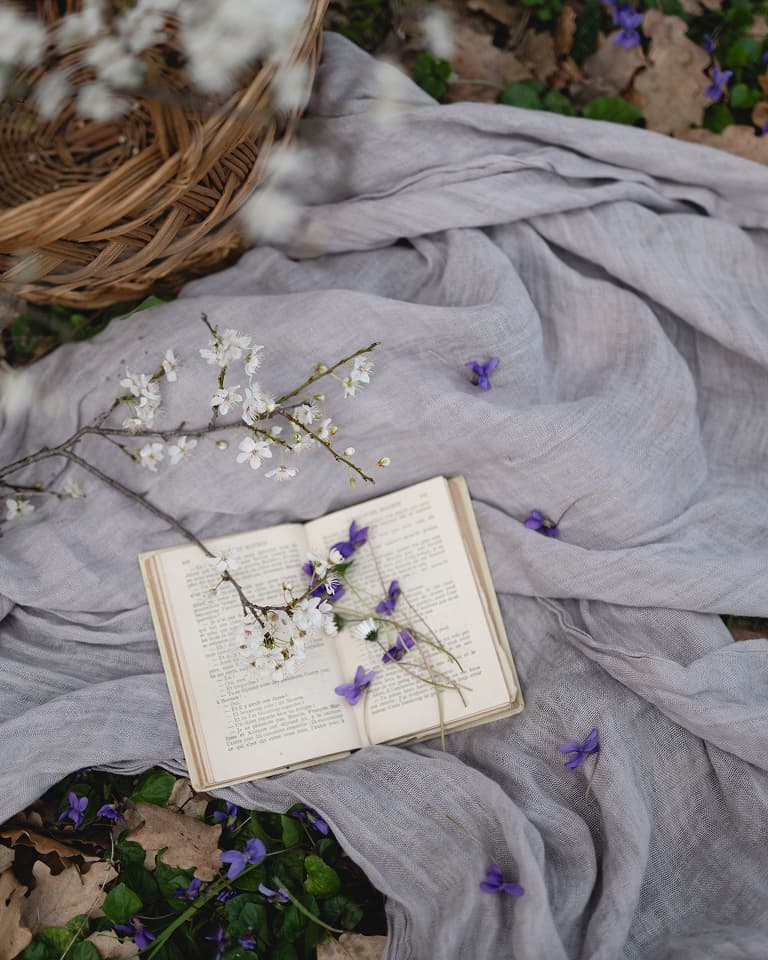
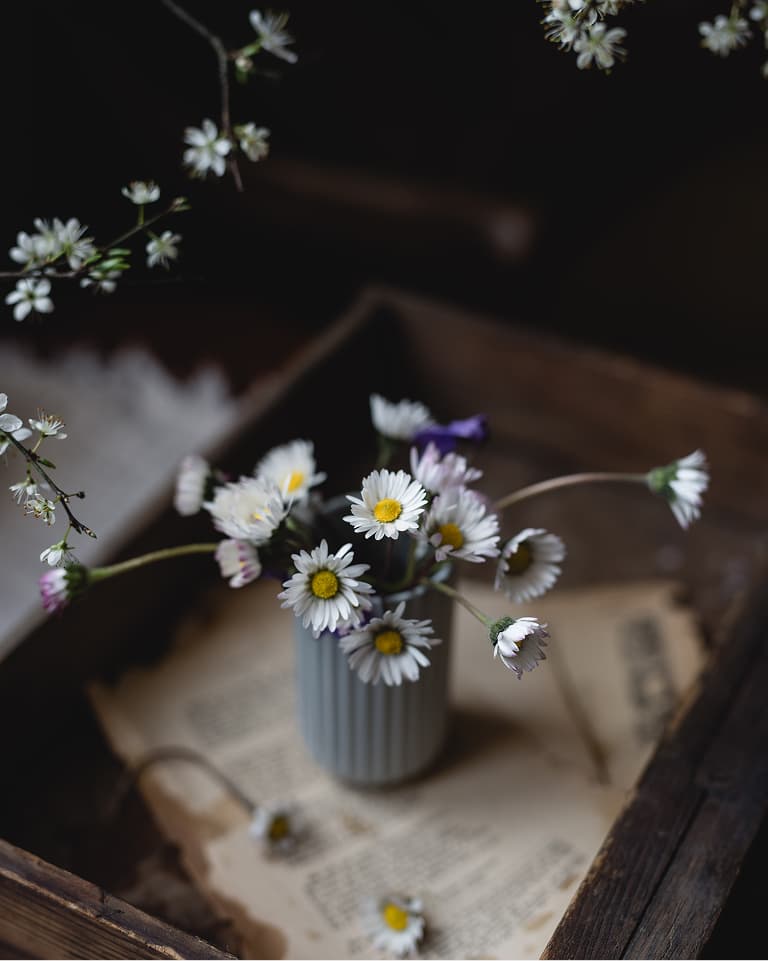
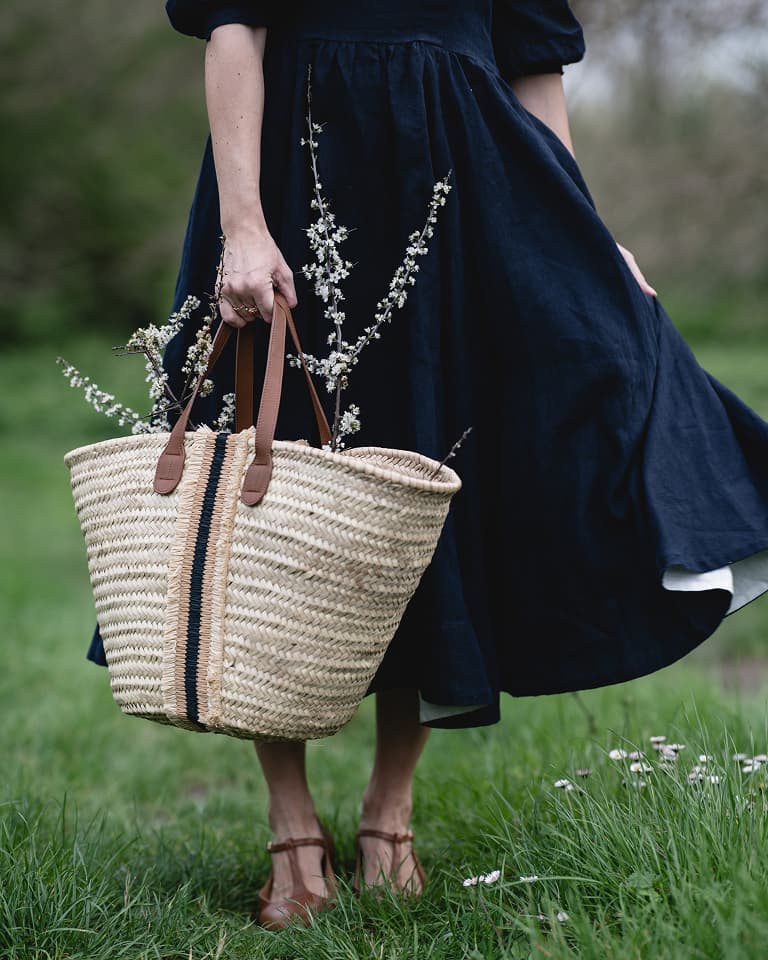
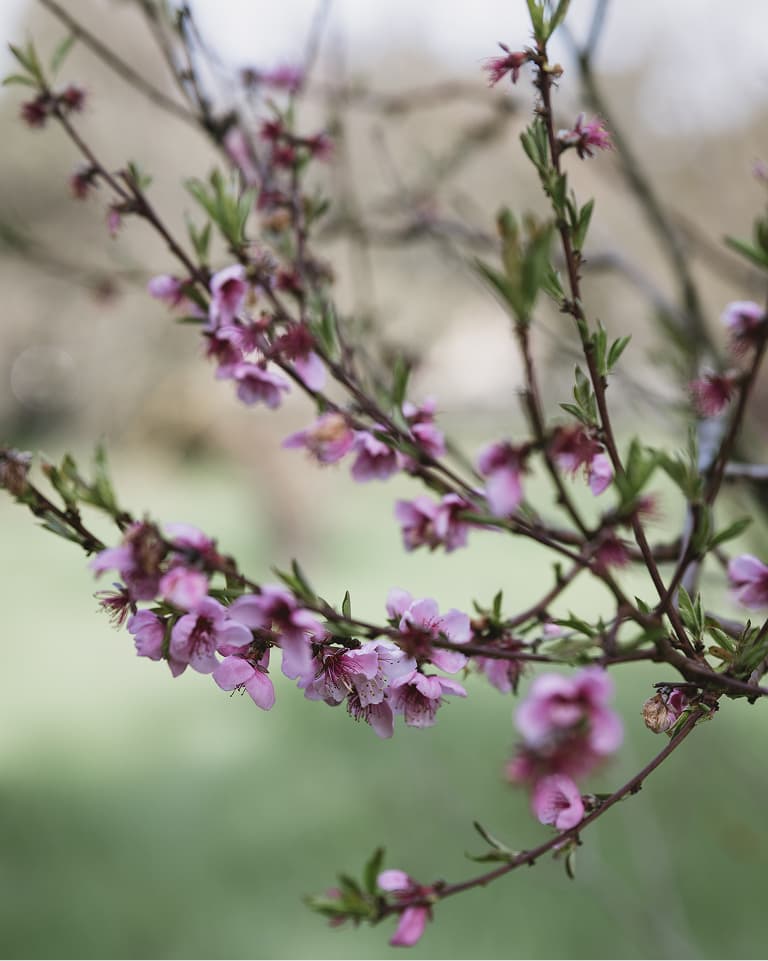
Spring isn’t static. Things move - leaves in the wind, curtains in open air, light shifting throughout the day. Let some of that movement stay in your photos. It doesn’t need to be perfectly sharp. A bit of softness or motion can make an image feel more real and less staged. Texture is just as important. Notice how different materials interact - soft petals against rough surfaces, light against shadow, fabric against wood. These small contrasts add depth without needing anything complicated. You can also experiment with how you frame things. Shooting through windows, doorways, or branches adds layers and makes the image feel more observational, like you’ve caught a moment rather than set it up.
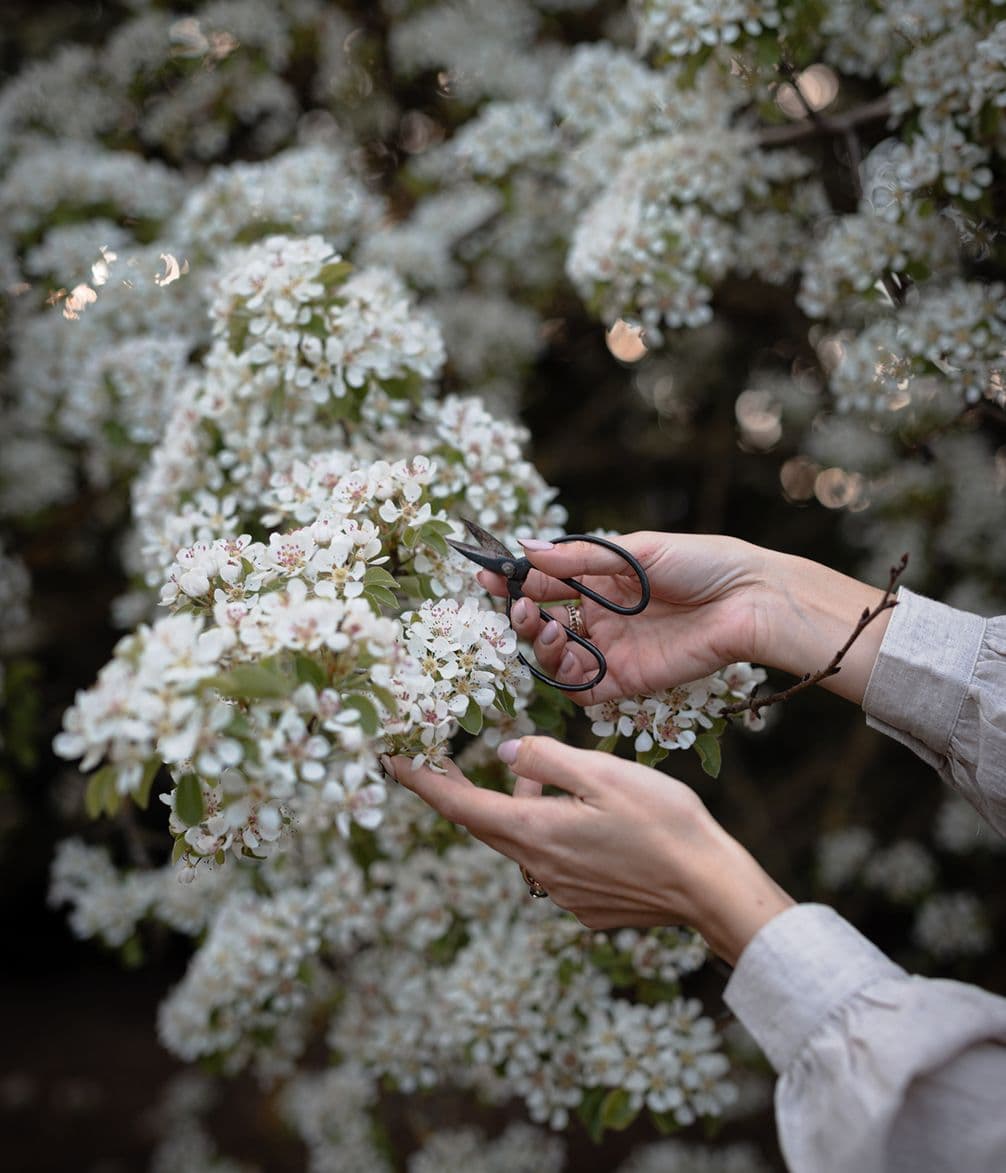
One of the reasons spring feels so special is that it doesn’t last long. Blossoms fall quickly, colours deepen, and before you realise it, the season has shifted again. That’s what makes photographing it meaningful. It can be worth collecting these images somewhere intentional. That might be a printed photo book, a simple digital album, or just a small edit of your favourites to look back on later.
Descubre recuerdos más rápido con funciones exclusivas como las del reconocimiento facial y los álbumes inteligentes.




&w=96&q=75)
Jason Kaye
Redactor en Popsa
20 Aug, 2025∙7 min
&w=96&q=75)
Alma Rosaz
Fotógrafa
30 Oct, 2025∙6 min
Jason Kaye
Redactor en Popsa
29 May, 2025∙7 min


 Estados Unidos