

Travel
21 Photos: The Isle of Man beyond the map
Rediscovering the island through Viking myths, vintage railways and wild Irish Sea light

Apr 22, 2026∙7 min
Travel
Rediscovering the island through Viking myths, vintage railways and wild Irish Sea light
Apr 22, 2026∙7 min
Rupert Clague is a Canadian-British documentary director and journalist drawn to writing about places and people that resist being explained. Here, he returns to the Isle of Man – the island he first fell for as an eight-year-old – with a camera and a fresh eye.
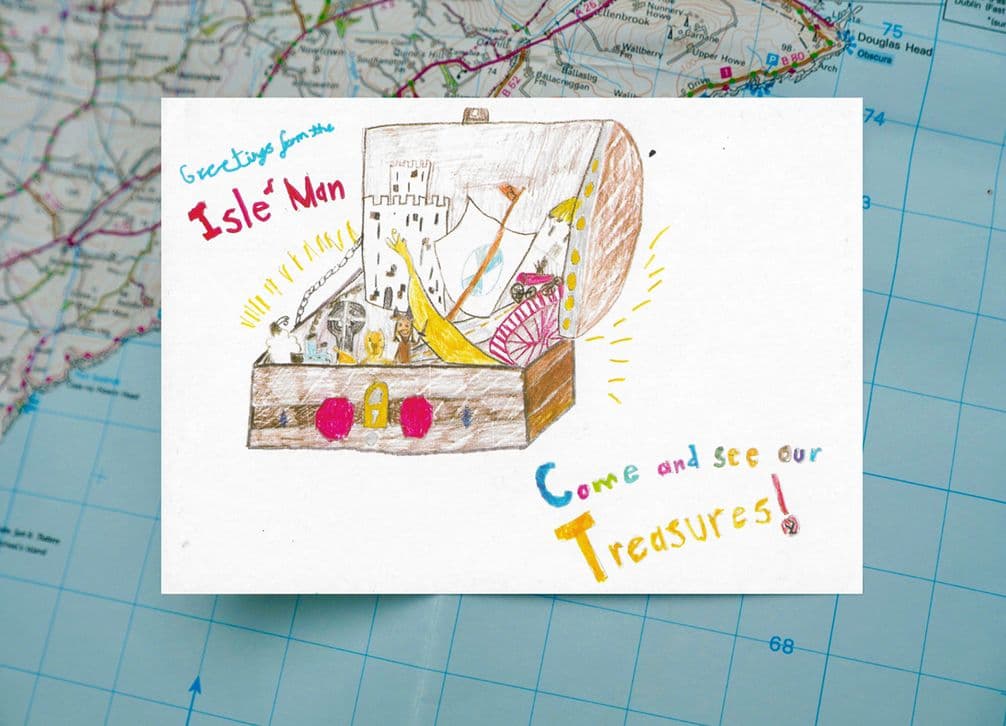
Eight-year-old Rupert’s postcard design
I was eight years old the first time I put the Isle of Man on the map. I’d just moved from Canada, swapping the second largest country in the world for what felt like the smallest, and had entered a “design a postcard” competition. My entry featured a treasure chest spilling castles, a Viking longship inexplicably flying the BMW logo, and a Manx cat. I won. The postcard was duly printed and, for one glorious summer, was available to buy in all good gift shops. A few decades later, I’ve come back with a camera in search of its treasures again.
The Isle of Man has a habit of disappearing. Manannan, the Celtic sea god from whom the island takes its name, was said to draw his cloak of mist across it to keep unwanted visitors at bay. The island still falls through the cartographic cracks today: missing from weather forecasts, absent from news graphics that can’t quite decide which country it belongs to. The answer, strictly speaking, is none – the Isle of Man has governed itself since 979 AD and remains fiercely independent today.
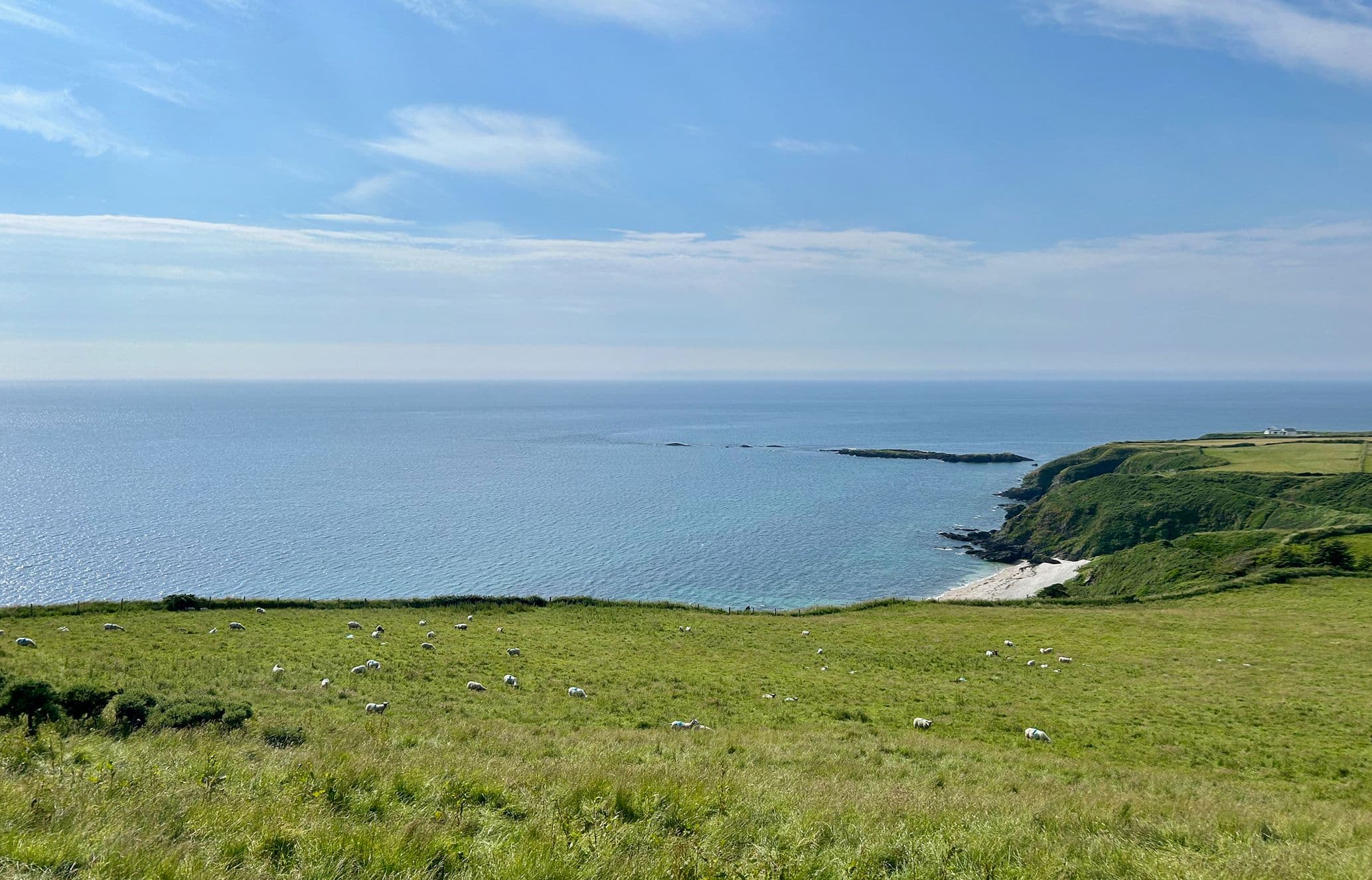
Photo: Rupert Clague
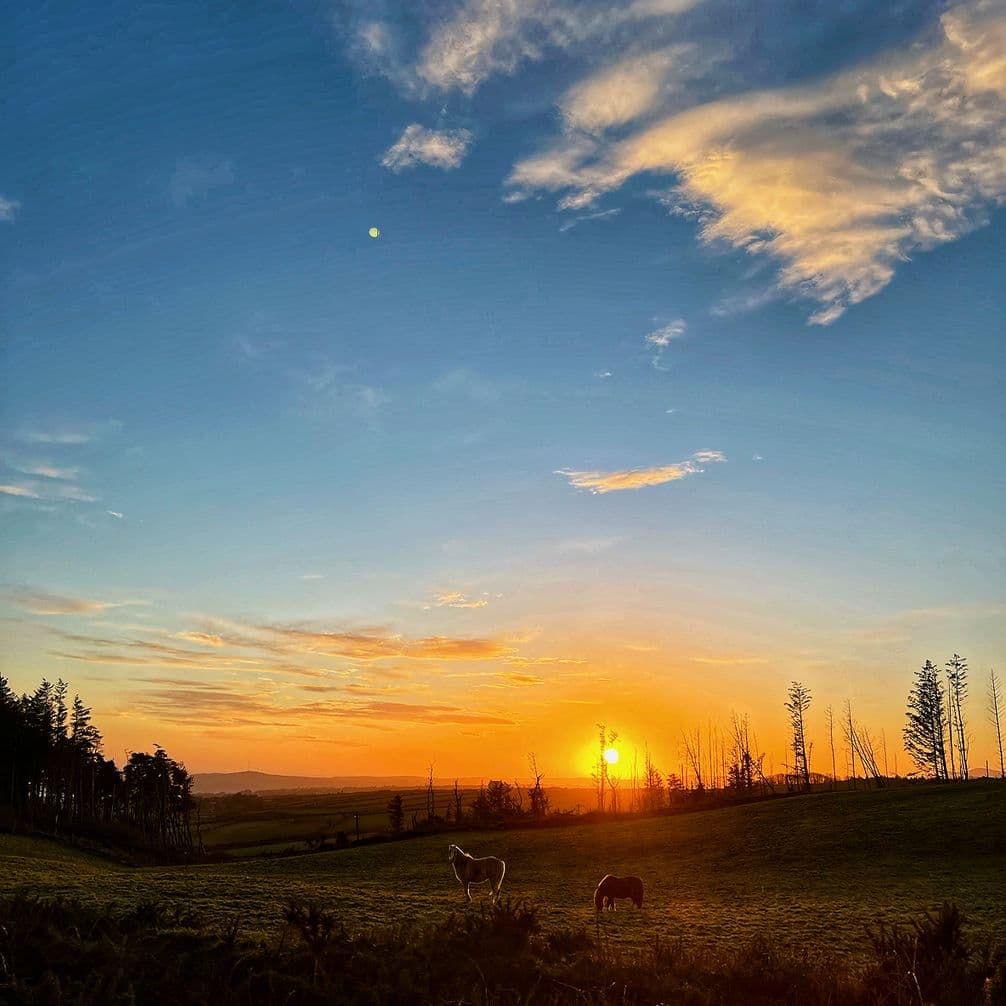
Photo: Rupert Clague
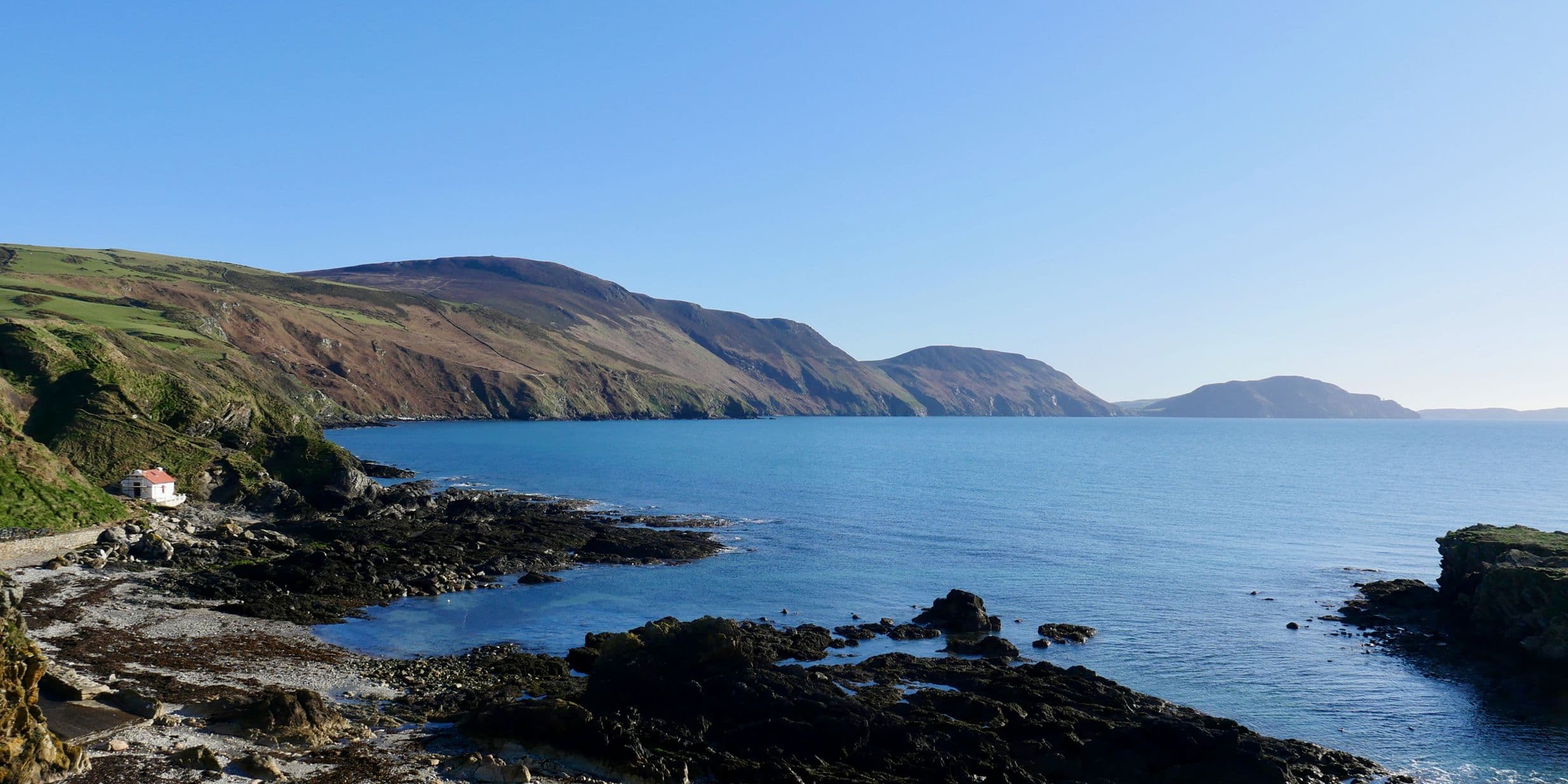
Take the flight. The ferry from Liverpool is not for those with delicate constitutions. Either way, the island appears like Avalon as the curtain of grey silk parts: monolithic, silent and impossibly green. The Irish Sea glows beneath you, luminous and shifting. From the moment you land, the light will surprise you. The skies change mood by the minute, so keep your camera ready.
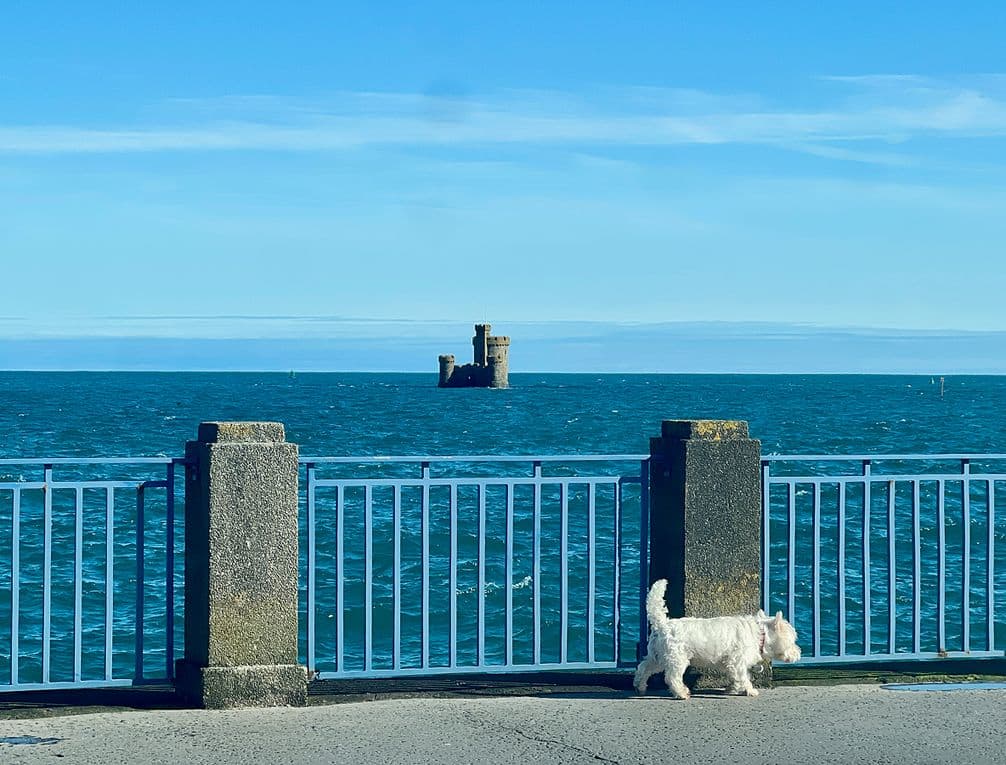
Photo: Rupert Clague
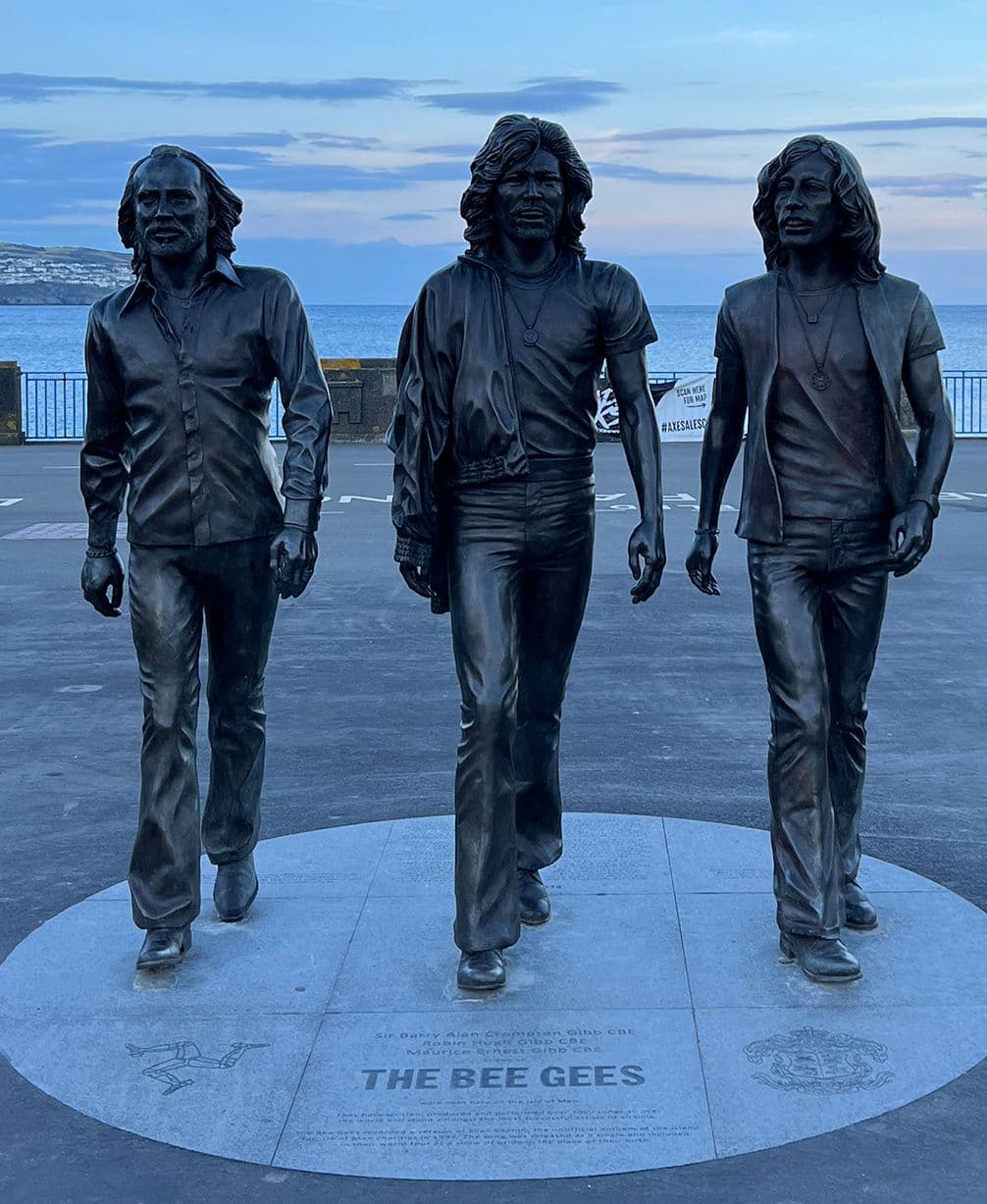
Photo: Rupert Clague
The first thing you’ll see from Douglas promenade is the Tower of Refuge – a miniature castle that appears to float in the middle of the bay. It was built in 1832 by Sir William Hillary, founder of the Royal National Lifeboat Institution, for those in peril on the sea. It makes for some surreal photographs. More so when framed by the statue of the Bee Gees just in front – proud sons of the island.
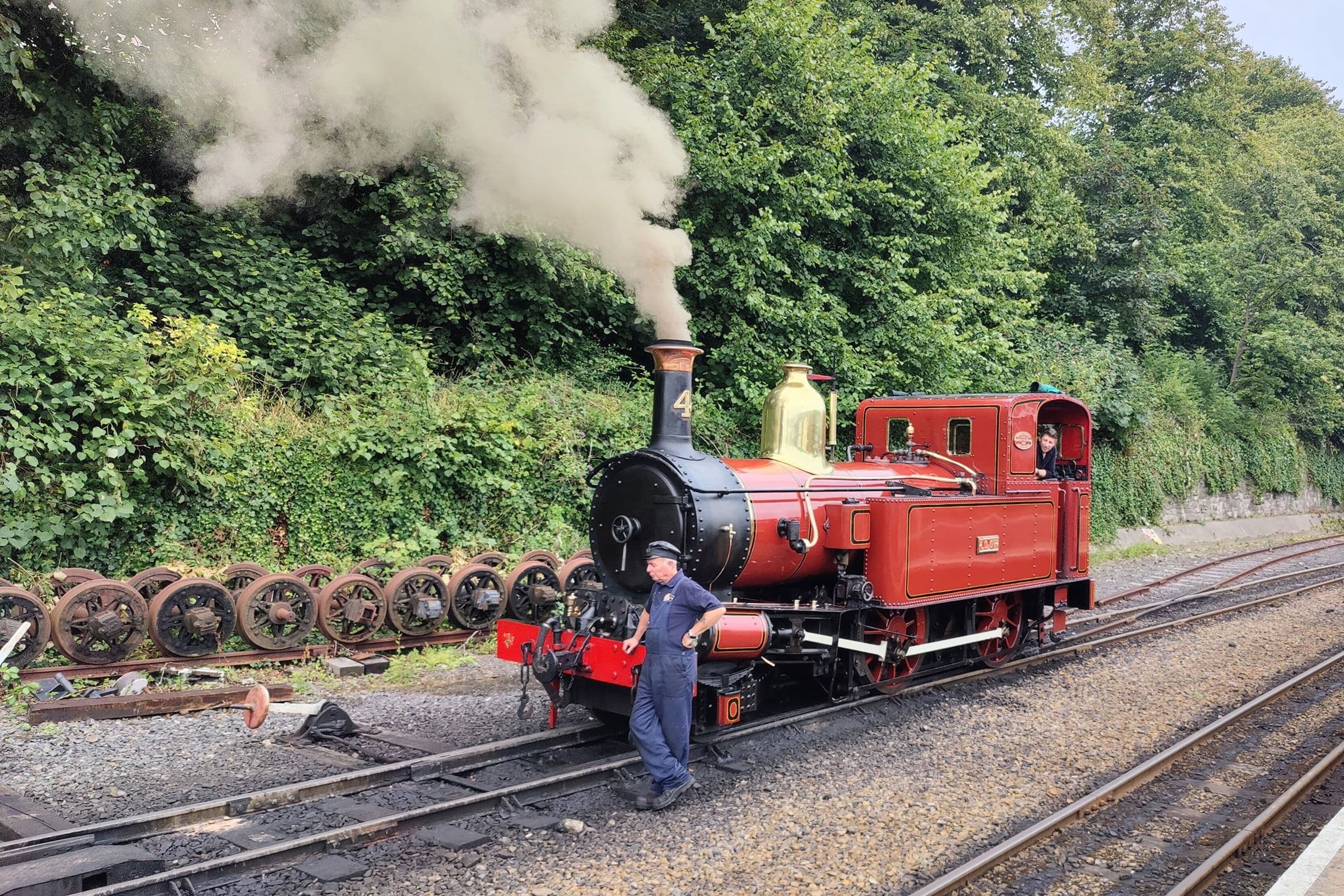
Photo: Rupert Clague
&w=3840&q=75)
Photos: Rupert Clague
&w=3840&q=75)
&w=3840&q=75)
For an island famed for the world’s most dangerous motorcycle race, its day-to-day transport is charmingly slow. The Victorian steam railway still runs between Douglas and Port Erin – allegedly, the inspiration for Thomas the Tank Engine. The Manx Electric tram, with mahogany panelling and red velvet seats, clings to the eastern coastline all the way to Ramsey, while a horse tram runs along the capital’s seafront. Take the steam railway first thing when the light is low and the carriages are nearly empty. Dramatic landscapes flicker past the window like frames in a zoetrope.
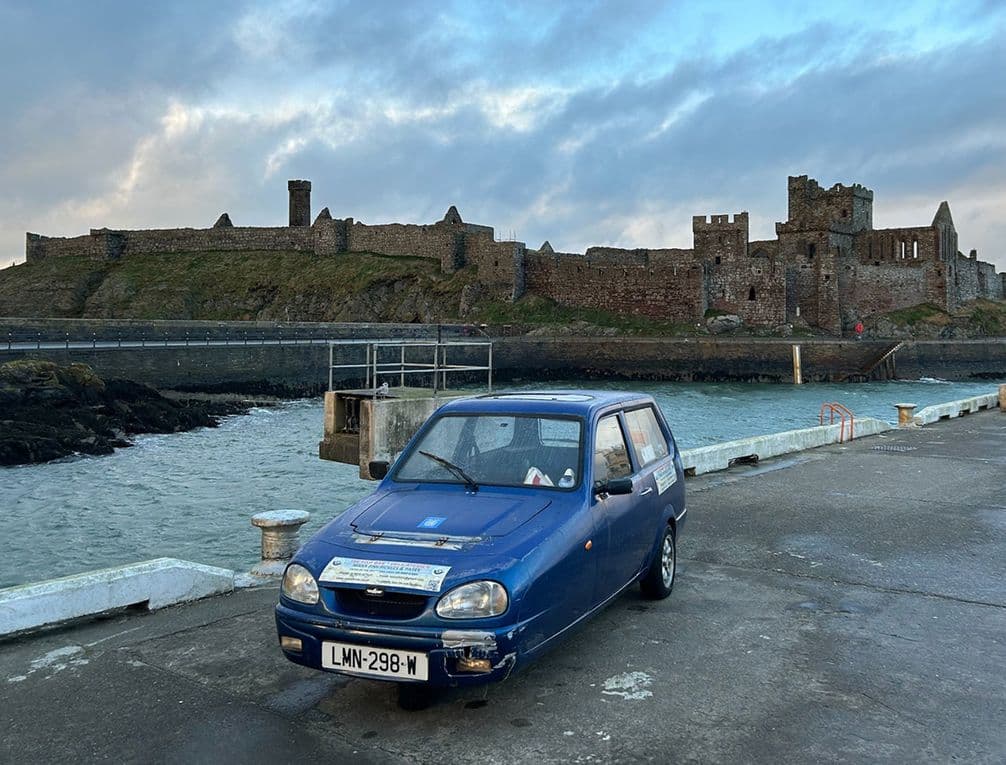
Photo: Rupert Clague
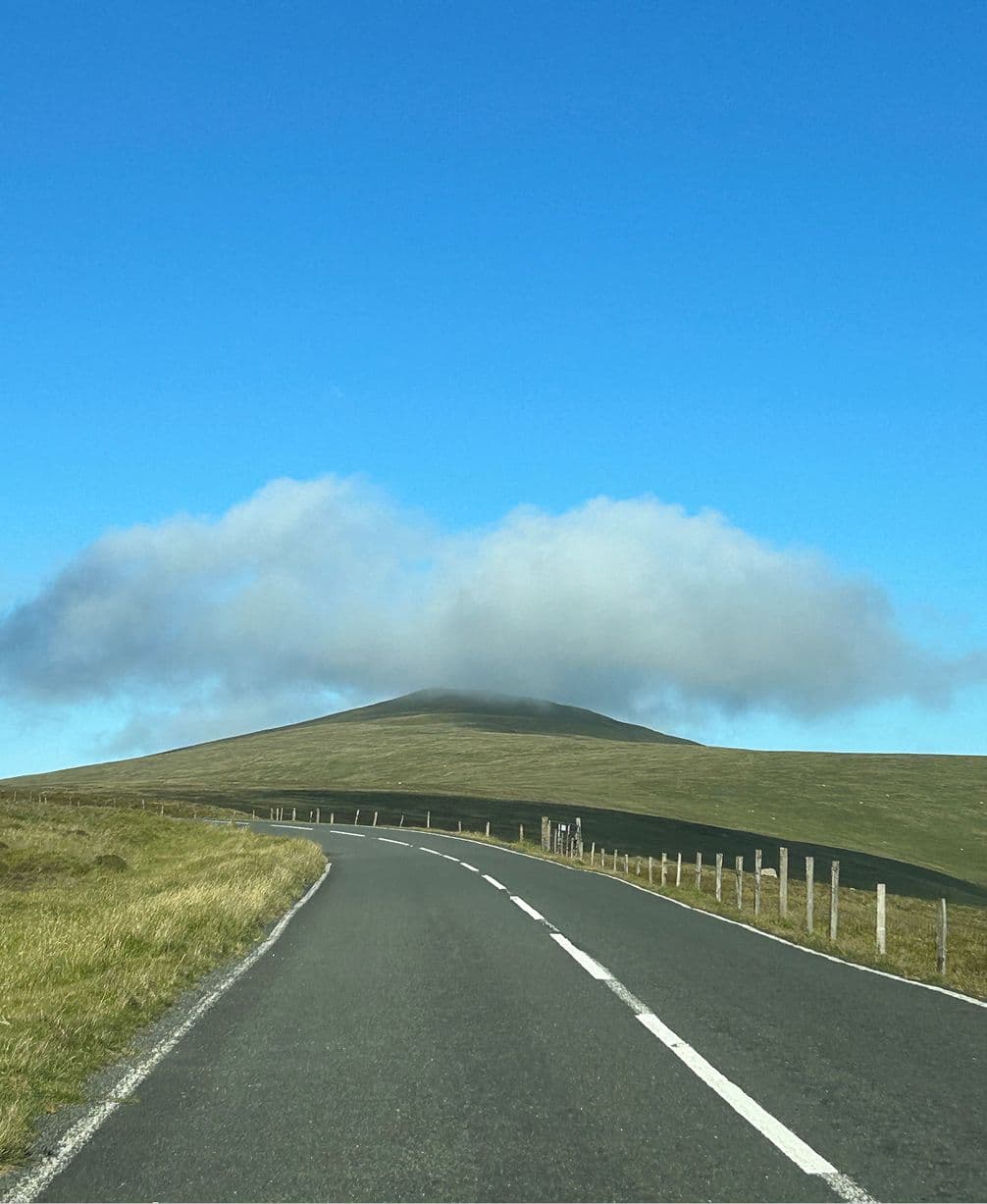
Photo: Rupert Clague
If you want to cover more ground, rent a car or a motorbike. The mountain road holds no speed limit and dissolves into the clouds. Once a year, the famous Tourist Trophy race turns public roads into a racetrack and doubles the island’s population. Follow the sun from Douglas to Peel, paying mind to stray Loaghtan sheep – the ancient, dark-fleeced breed native to the island, with horns that curl like Mephistopheles. They’ll approach with unsettling confidence. In Peel, you’ll find a magnificent castle occupying its own tidal island.
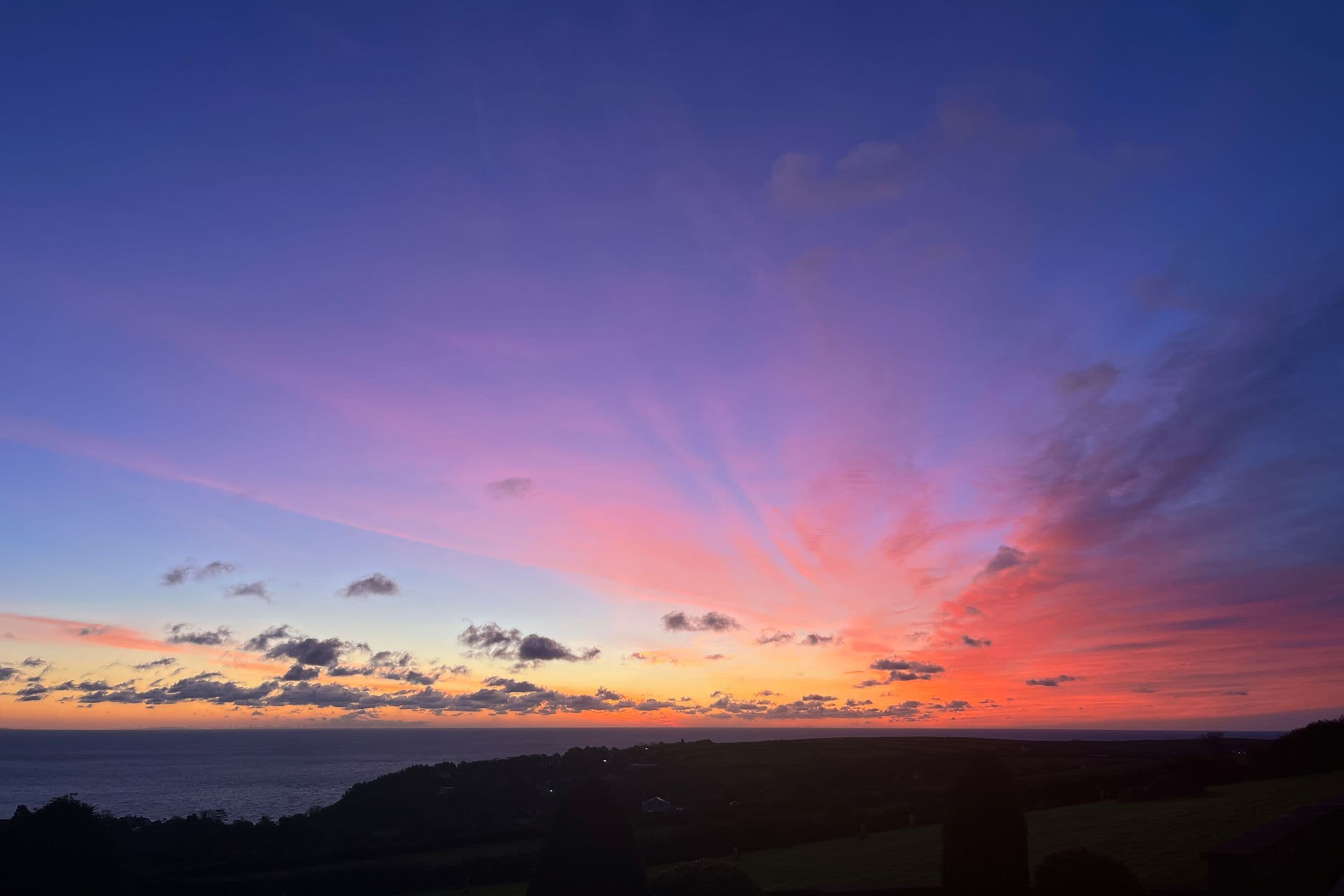
Photo: Rupert Clague
Come in summer for long golden evenings: the sun sets at 10pm in June, heather turning the hillsides purple, gorse blazing yellow, white thatched cottages blinding in the sun. The colours of the Manx tartan suddenly make sense. Come in winter for drama: crashing seas, bruised skies and gale-force winds that the Manx call blowing a hoolie. The island has a dual personality – tender and brutal – and both reward the camera.
Photo: Rupert Clague
From the summit of Snaefell – the island’s only mountain – you can see what locals refer to as the seven kingdoms: the Isle of Man, England, Ireland, Scotland, Wales, heaven and the sea. The Raad ny Foillan, Manx Gaelic for “Way of the Gull”, winds its way around the island’s coast – 100 miles of footpaths threaded with seasonal wildflowers and hidden coves far below. With almost no light pollution and 26 Dark Sky Discovery Sites, by night the stars are remarkable. Bring a tripod and a thermos.
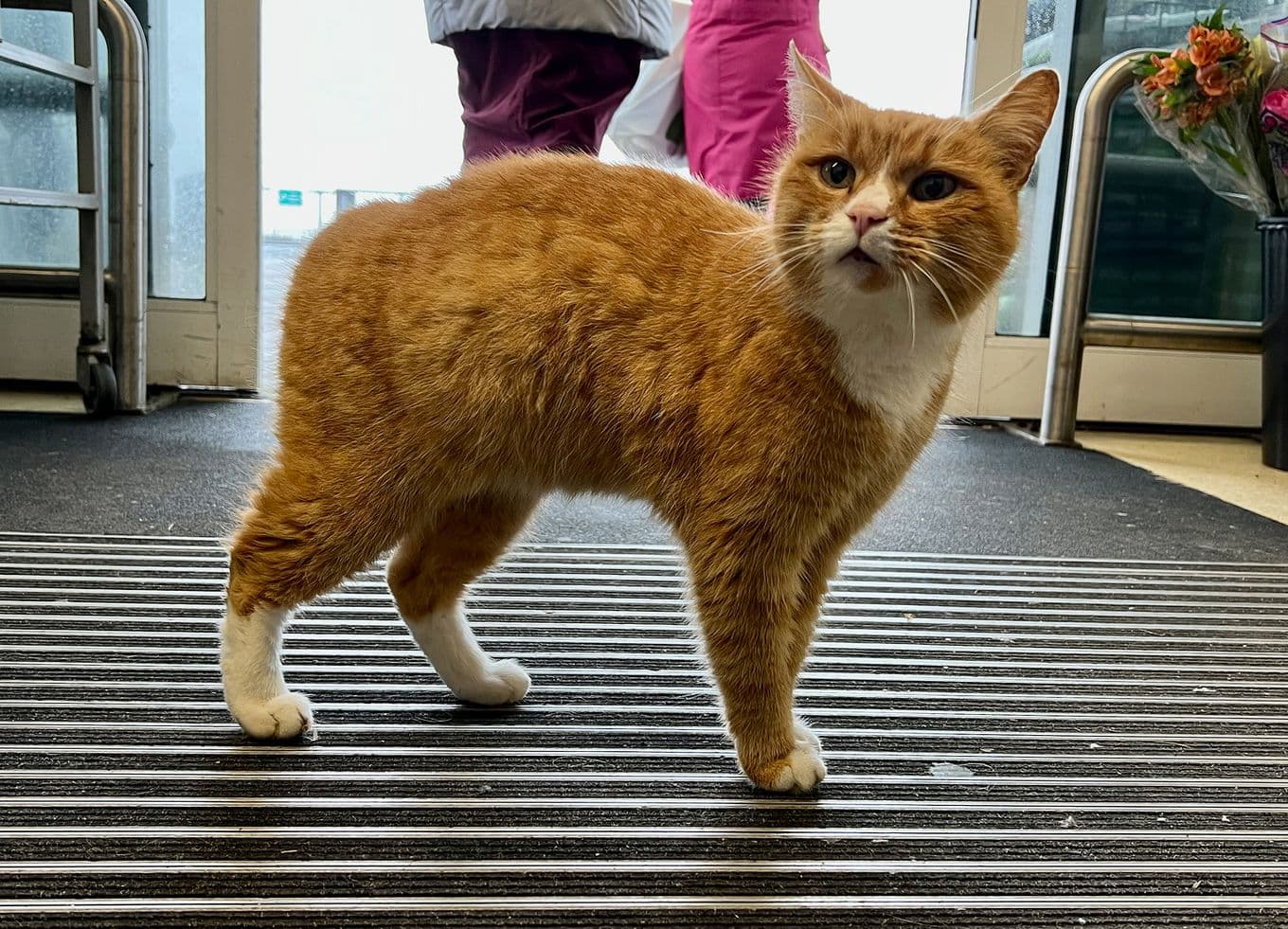
Photo: Rupert Clague
The island is the first to hold Unesco Biosphere status. The Manx cat, famously tailless, comes in two varieties: the stumpy (a partial tail) and the rumpy (no tail at all – a peculiar sensation when you stroke one). You’ll find them presiding over various corners of the island with the authority of minor officials.
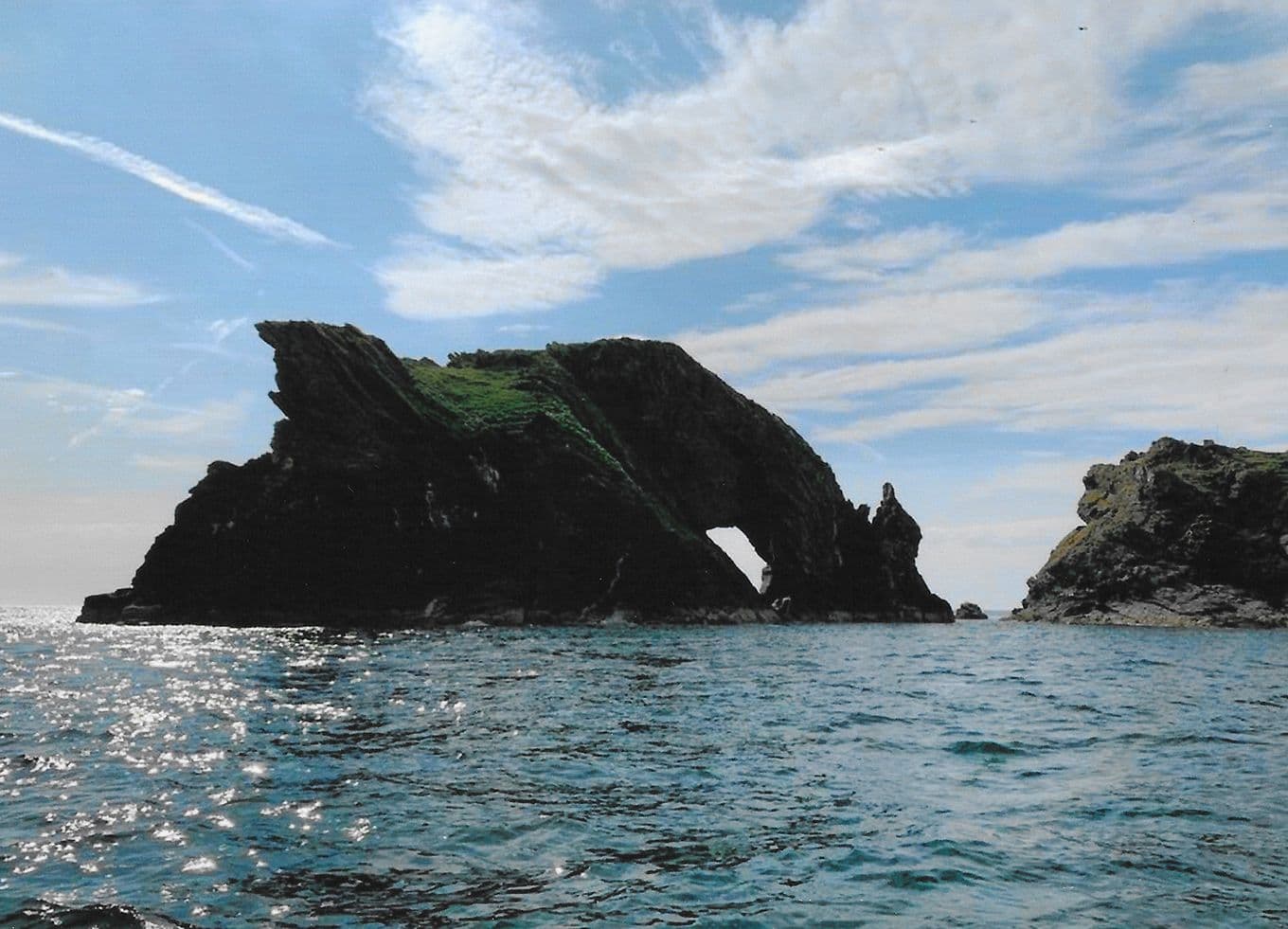
Photo: Rupert Clague
Offshore, basking sharks patrol the waters around the Calf of Man, a small island off the southwestern tip and one of the best places in Europe to see them from a boat – or unnervingly from a kayak. Grey seals haul out on the rocks. Puffins nest on the Calf’s cliffs. Wallabies – escapees from the island’s wildlife park – abound. There’s also a dragon. The Drinking Dragon is a natural rock formation off the southwest coast that, from the right angle, resembles a beast sipping from the Irish Sea. You’ll need a boat and good timing with the light.
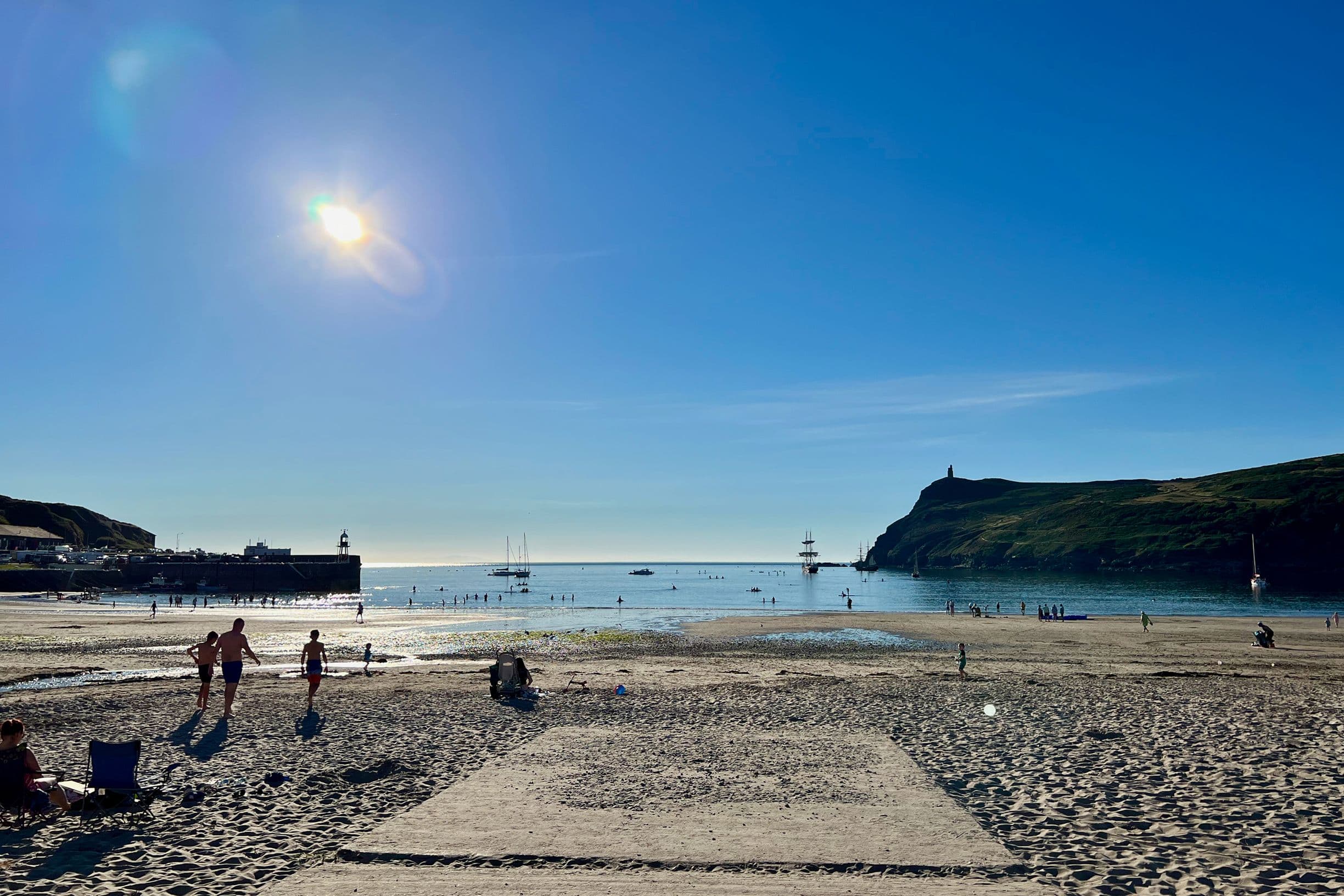
Photo: Rupert Clague
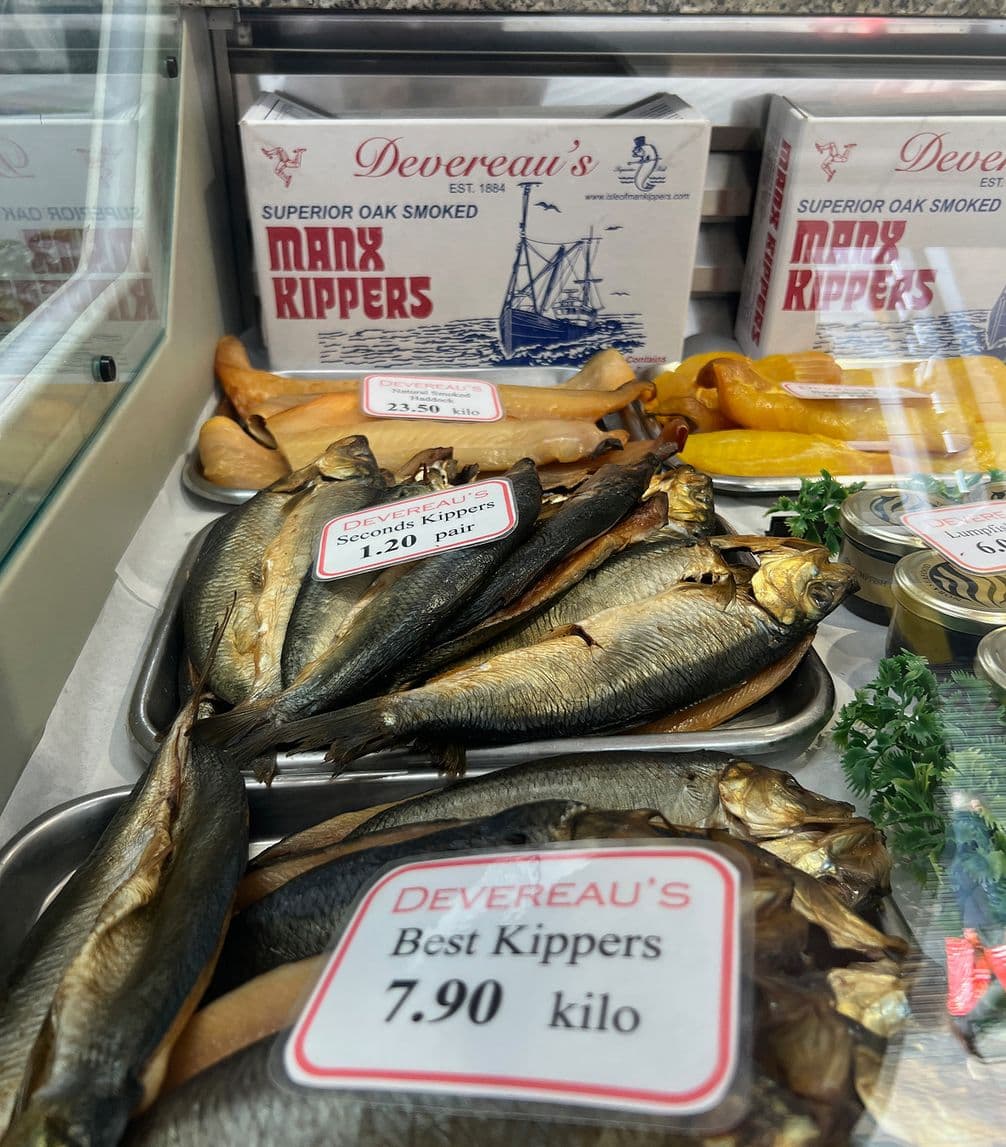
Photo: Rupert Clague
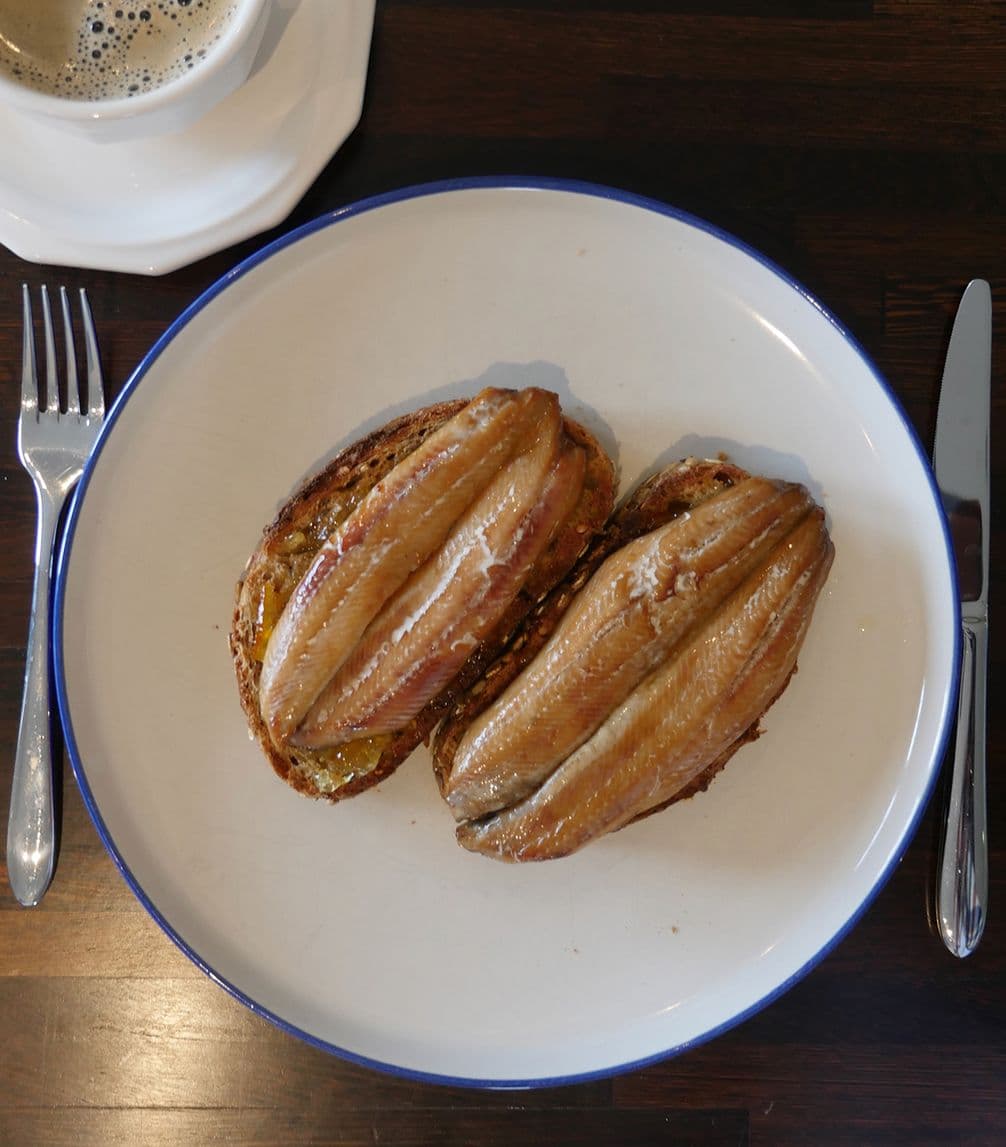
Photo: Rupert Clague
Smoked kippers, traditionally served with marmalade on toast, are non-negotiable. The local late-night dish of chips, cheese and gravy is fiercely defended by island residents and should be approached with respect. Queenies (small scallops) are ideally fried with bacon, garlic and cream on the shore.
The island runs on Traa-dy-liooar, a Manx phrase meaning “time enough”, and you’ll feel it within an hour of arriving. Nobody is in a rush. The news reflects this: newspaper billboards outside quiet corner shops carry headlines like “Man attacked by seagull”, “Doubt cast on talking mongoose story”, and “Man hid pork down trousers”. This is not a place that takes itself too seriously, which is all part of the charm.
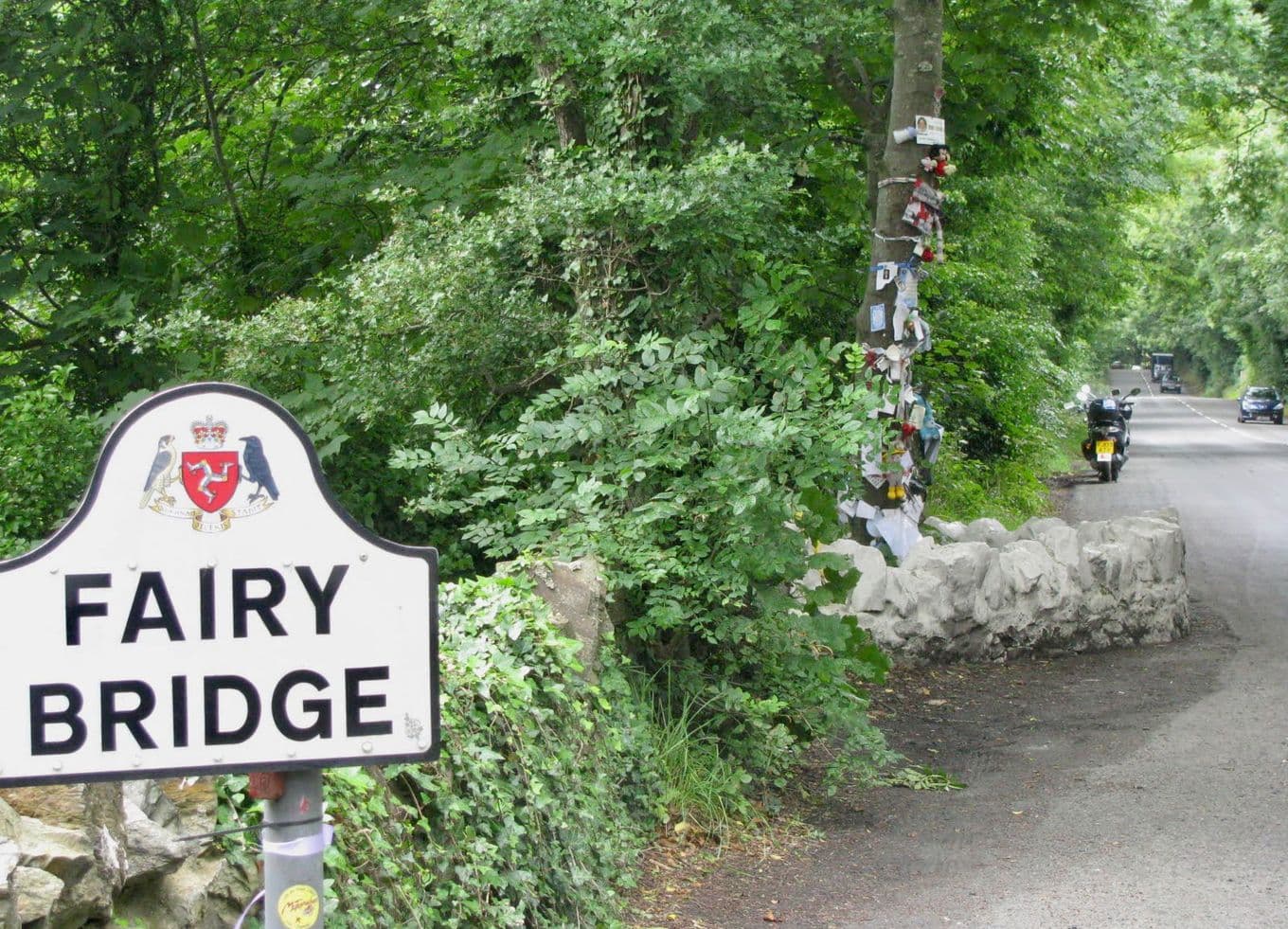
Photo: Rupert Clague
A few things the guidebooks don’t always mention: the fairy bridge on the main road south of Douglas requires you to greet the fairies as you cross. On public buses, the tannoy announces Moghrey mie Vooinjer Veggey (good morning little people) and invites passengers to wave.
The island’s parliament, Tynwald, is the oldest continuous legislature in the world and the first to give women the vote. It has its own currency – pounds, but with Manx illustrations – and its own Gaelic language carrying traces of Old Norse from the Vikings, once nearly extinct and now being actively revived. It isn’t quite British, isn’t quite Irish, isn’t quite anything but itself.
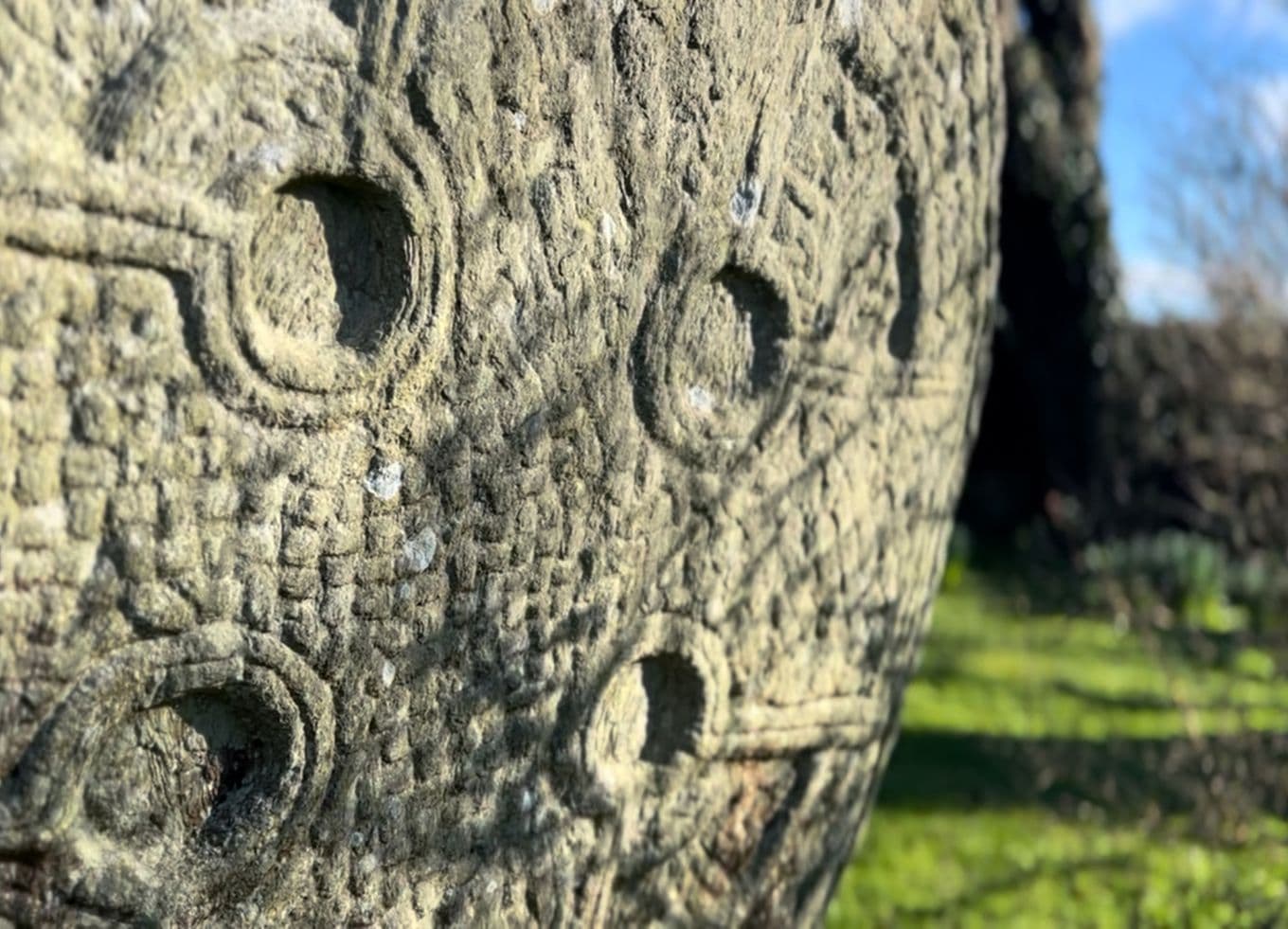
Photo: Rupert Clague
Looking back at the postcard I made at eight years old, it was more accurate than I knew. The castles are real. The cats are still tailless. The Celtic crosses abide. What it couldn’t capture was the quality of light on the water, the sound of a waterfall in a rain-soaked glen, the pleasure of a place that exists, contentedly, outside the map. The Isle of Man rewards the unhurried eye. If you slow down, it starts to reveal itself. If you don’t like it – as the locals say – there’s a boat in the morning.
Discover memories faster with exclusive features like facial recognition and smart albums.



&w=96&q=75)
May 19, 2026∙10 min
&w=96&q=75)
Aug 17, 2026∙7 min
&w=96&q=75)
Aug 27, 2026∙7 min


 United States