

Historias
Memory Architects: the pastry chef, Roger Pizey
The Fortnum & Mason pâtissier on discipline, the rituals of cake and why Britain’s baking classics need no reinvention

29 de jul de 2026∙7 min
Historias
The Fortnum & Mason pâtissier on discipline, the rituals of cake and why Britain’s baking classics need no reinvention
29 de jul de 2026∙7 min
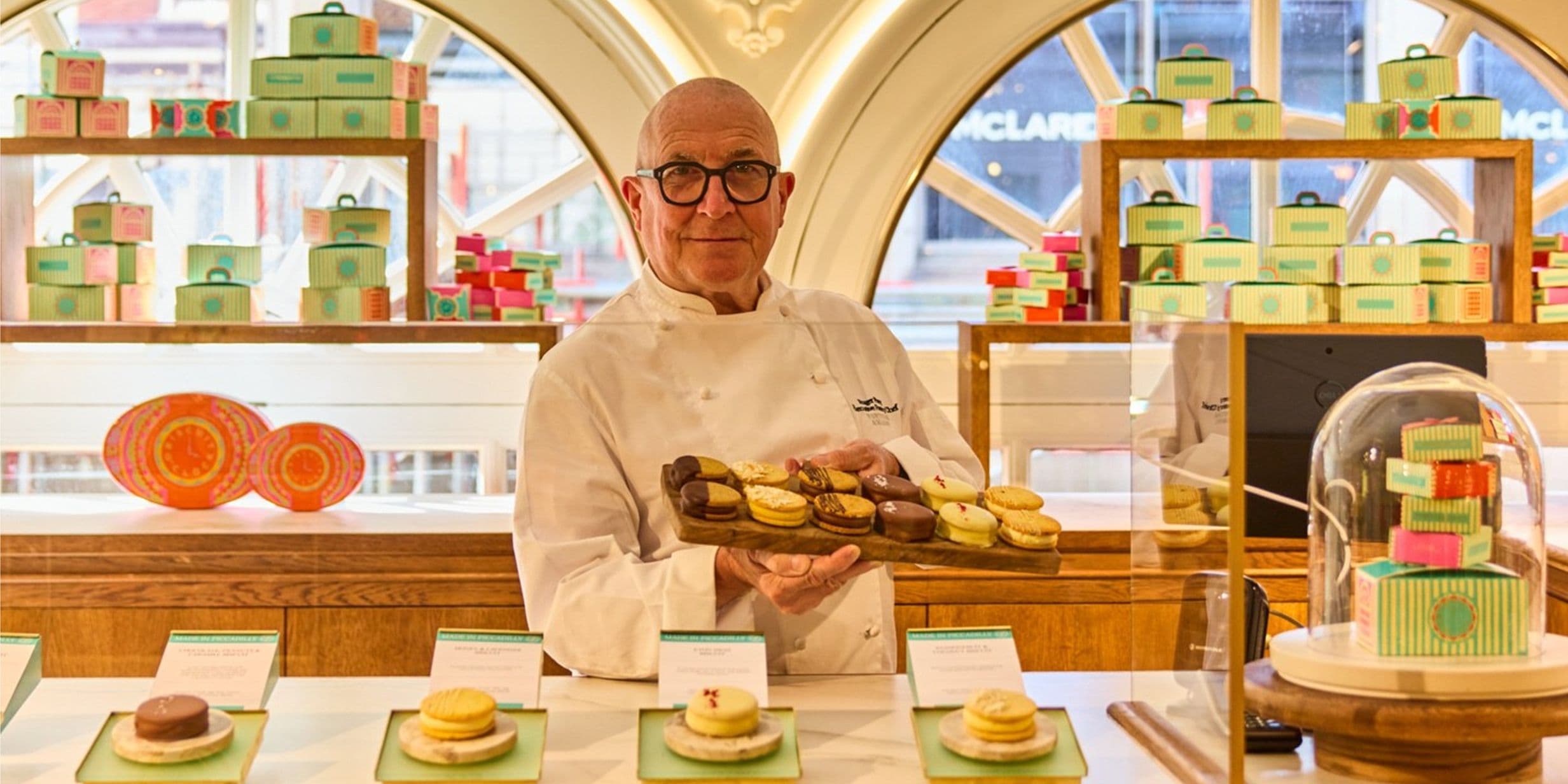
From the first birthday candles we blow out to the wedding cakes we cut, sweetness has a way of fixing moments in the memory. Few people understand this better than master pâtissier Roger Pizey, the latest subject of our Memory Architects series. Trained in some of London’s most formidable kitchens – including an apprenticeship under Albert Roux at Le Gavroche – he is now executive head of pastry at Fortnum & Mason. It’s here that he keeps the fire burning for British baking and its overlooked classics, which carry centuries of regional history and still delight customers from every corner of the world.
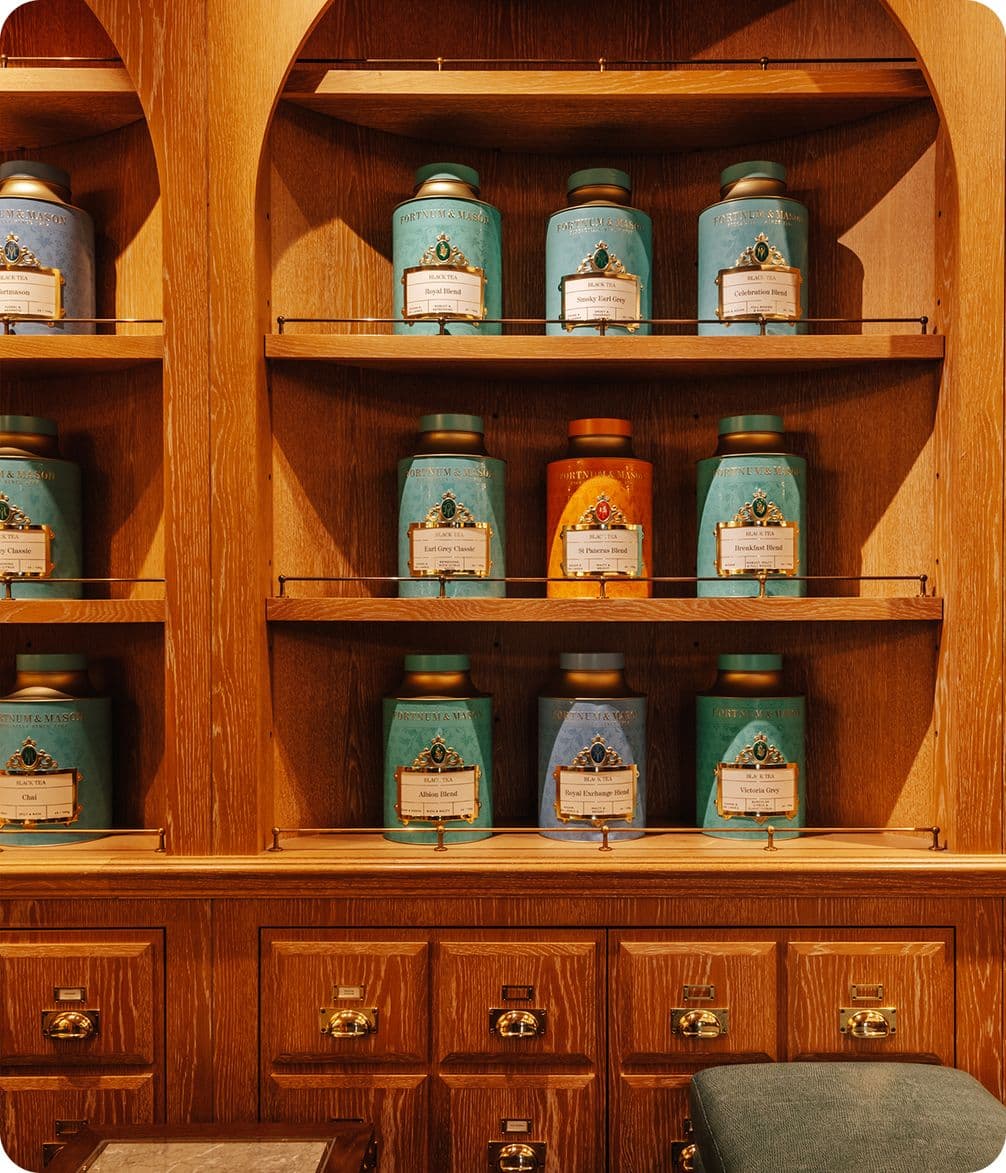
Fortnum & Mason tea blends. Photo: Fortnum & Mason

The Diamond Jubilee Tea Salon at Fortnum & Mason. Photo: Fortnum & Mason
From school age, I was a herdsman – I’d milk the cows, then deliver the milk to a little baker’s shop nearby. They sold Manchester tart, Wimberry tart, freshly baked bread, and I just loved it – you never forget that smell. My grandmother played her part too: she made a caraway seed cake and I can still picture watching her, asking her about it, and then my sister and I fighting over who got to clean the mixing bowl. After catering college I met Albert Roux, who took me on as an apprentice at Le Gavroche. I wasn’t the fastest in the kitchen, so I ended up in pastry – and that’s where I found my craft.
Finesse, discipline and standards. If your whites weren’t spotless or you weren’t properly shaved, you’d be sent straight back out – everything had to be exact. It was character-building. I always say it was military. Kitchens are very different now. You can’t lead people the same way anymore, nor should you – we nurture people differently these days. But that discipline shaped me, and what I try to carry forwards is maintaining the highest standards possible while building an environment where people can grow.
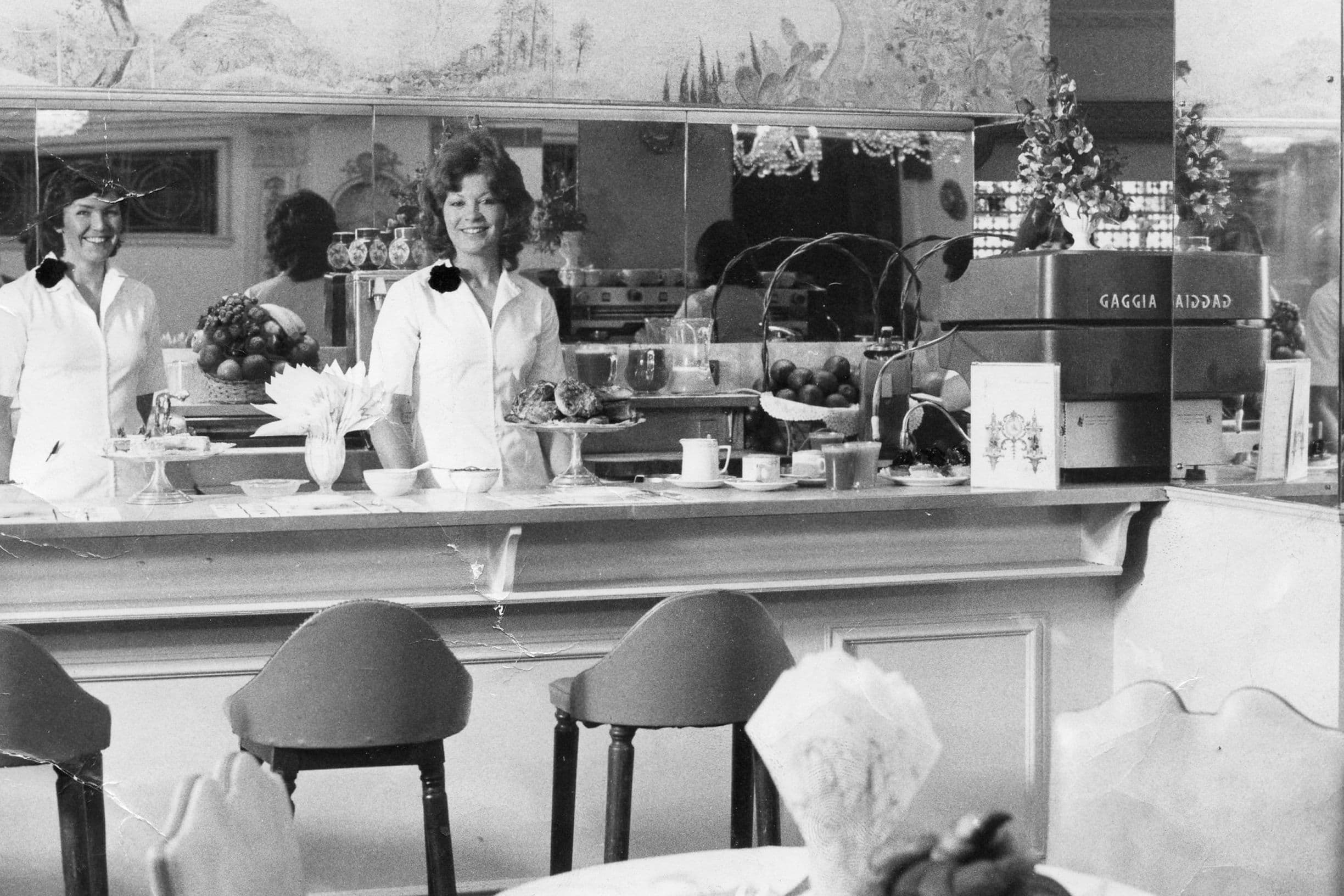
The former Patio Restaurant at Fortnum & Mason, 1970s. Photo: Fortnum & Mason
British baking has an extraordinary history but we sometimes forget just how brilliant our own traditions can be. When I joined Peyton and Byrne, British baking had lost confidence in itself – everyone was chasing trends and trying to reinvent the wheel. An Eccles cake eaten with a piece of cheese is extraordinary. A Chelsea bun has a history rooted in 18th-century London. Manchester tart belongs to Manchester, Chorley cake to Lancashire. These are pieces of regional identity as much as recipes – and they’re delicious. What excited me then, and still excites me now, is bringing those classics back into fashion simply by making them properly again.
Pastry is still a science – that hasn’t changed. You still need the right amount of aeration, fat and sugar for something to work structurally. Though over the years I’ve tried to reduce sugar slightly; I think all pastry chefs have a responsibility there. People still want beauty and indulgence but they don’t necessarily need excess. When I was at Harvey’s, one tart might have been cut into eight portions. Now we might cut it into 12.
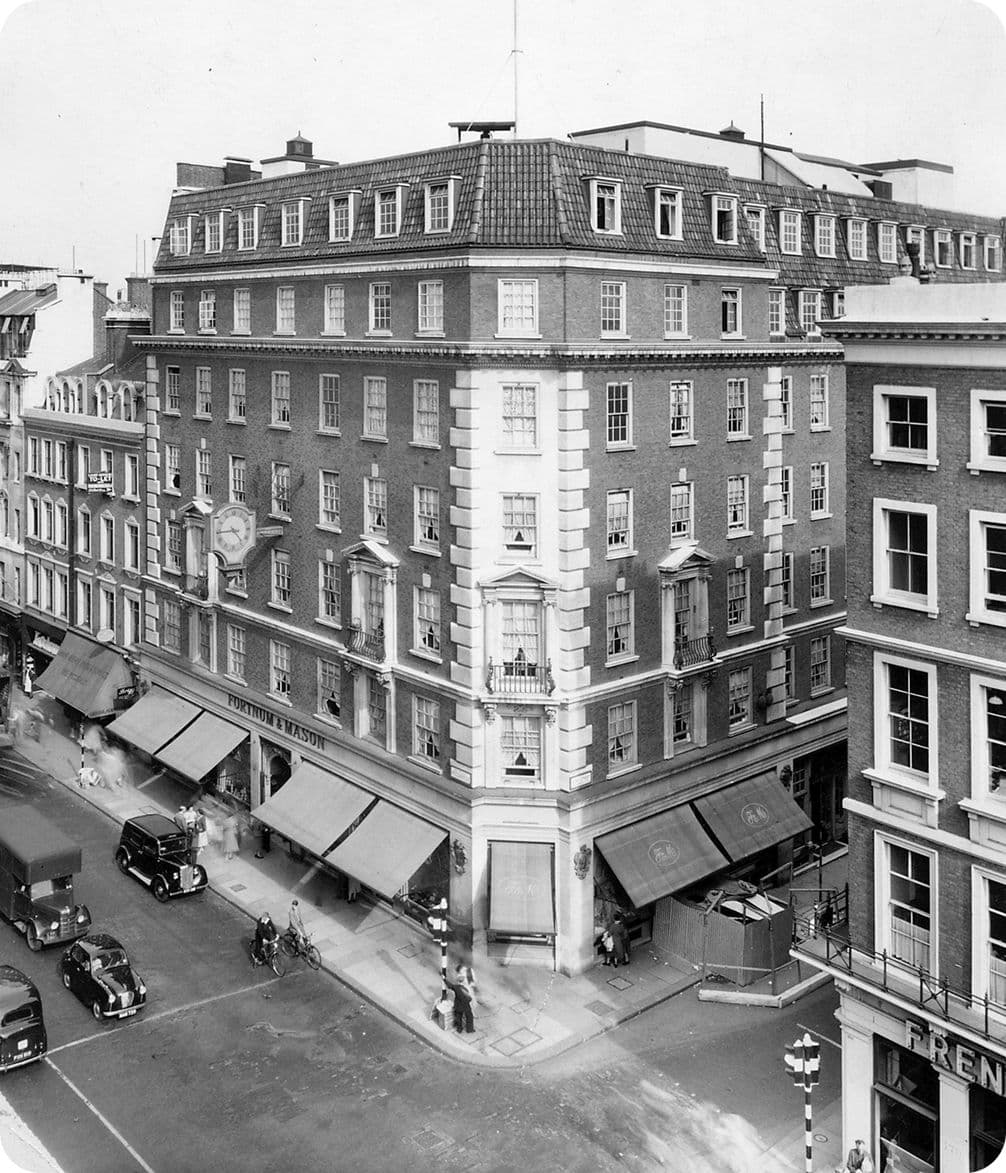
Fortnum & Mason exterior, 1948. Photo: Fortnum & Mason

Fortnum & Mason salon waitress, 1955. Photo: Fortnum & Mason
The history is always there in the background. We’ll always have a tart, an éclair, a loaf cake – those classic forms matter. Within that we work seasonally and try to elevate things as much as we can. In summer, that might mean strawberries on a tart – because that’s when they’re at their absolute best. The flavours stay rooted in tradition, but refined and carefully thought through. And some items simply never need changing – scones are the perfect example.
Everyone in the team is encouraged to contribute ideas – creativity is genuinely nurtured here. We have people from all nationalities and backgrounds, and that diversity brings a huge amount. And then there’s pride. When someone creates a cake that ends up in the shop, I’ll often say to them: “Bring your mum in – you made a cake for Fortnum & Mason.” That sense of pride matters.
&w=3840&q=75)
The Diamond Jubilee Tea Salon at Fortnum & Mason. Photos: Michael Barrow
&w=3840&q=75)
&w=3840&q=75)
&w=3840&q=75)
&w=3840&q=75)
There’s something emotional about the ritual itself. When the candles are blown out on a birthday cake, everyone stops to make a wish. When a wedding cake is cut, the room pauses. Cakes create memory because they bring people together in a shared moment. Even the simplest ones carry meaning – a pound cake is nothing more than equal weights of butter, sugar, eggs and flour, but if someone makes one for you, it feels incredibly personal. That gesture of “I made you a cake” still means something.
The smell of brioche, immediately. Back at Le Gavroche, the pastry kitchen ran 24 hours a day, and walking in while the brioche was baking was unforgettable. I also love ingredients like meadowsweet and sweet woodruff, they taste almost medieval and take me straight back to the countryside. Flavours like that can transport people somewhere emotionally, even if they can’t quite explain why.
Personally, as a good dad. Professionally, for my tarte tatin and my lemon tart – those are the dishes people always come back to. The tarte tatin, especially, has followed me everywhere since Le Gavroche; I must have made thousands over the years. And here, I’d like to be remembered for maintaining the standards and traditions of Fortnum & Mason, while mentoring a large team at a serious scale.
Descubra memórias mais rapidamente com funcionalidades exclusivas, como o reconhecimento facial e álbuns inteligentes.


&w=96&q=75)
20 de jan de 2026∙6 min

&w=96&q=75)
23 de jun de 2026∙7 min
30 de set de 2026∙6 min


 Estados Unidos