What is The Memory Economy?
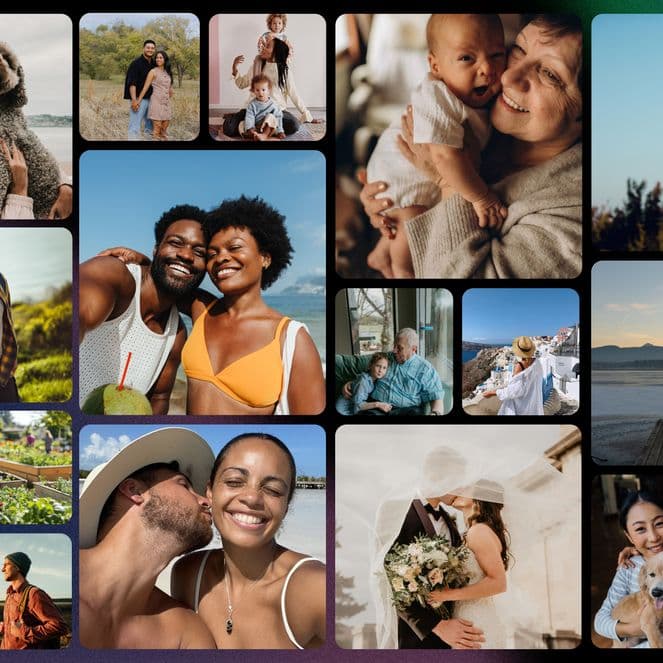
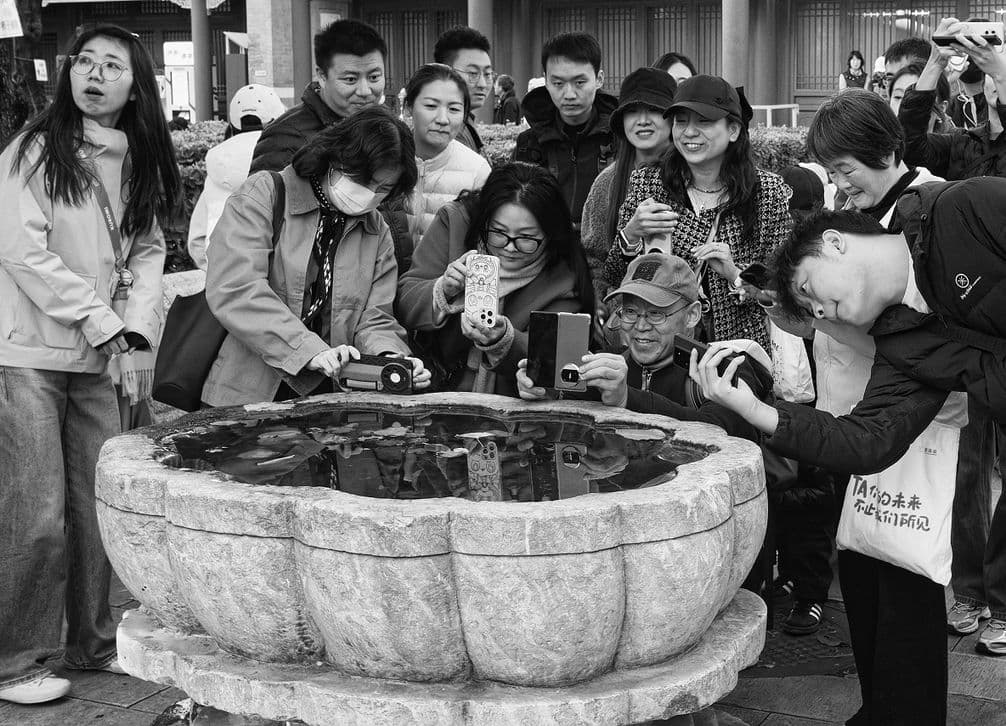
Our greatest life moments are just one click away. Never before have we been able to document so much of our lives, effortlessly capturing everything from milestones to everyday moments as they happen. A first step, a sunset on holiday, a quiet Sunday morning: all recorded and kept.
But this accessibility has come at a cost, as revealed in our new global trend report, The Memory Economy, which explores how people's relationship with their photos and memories is rapidly changing.
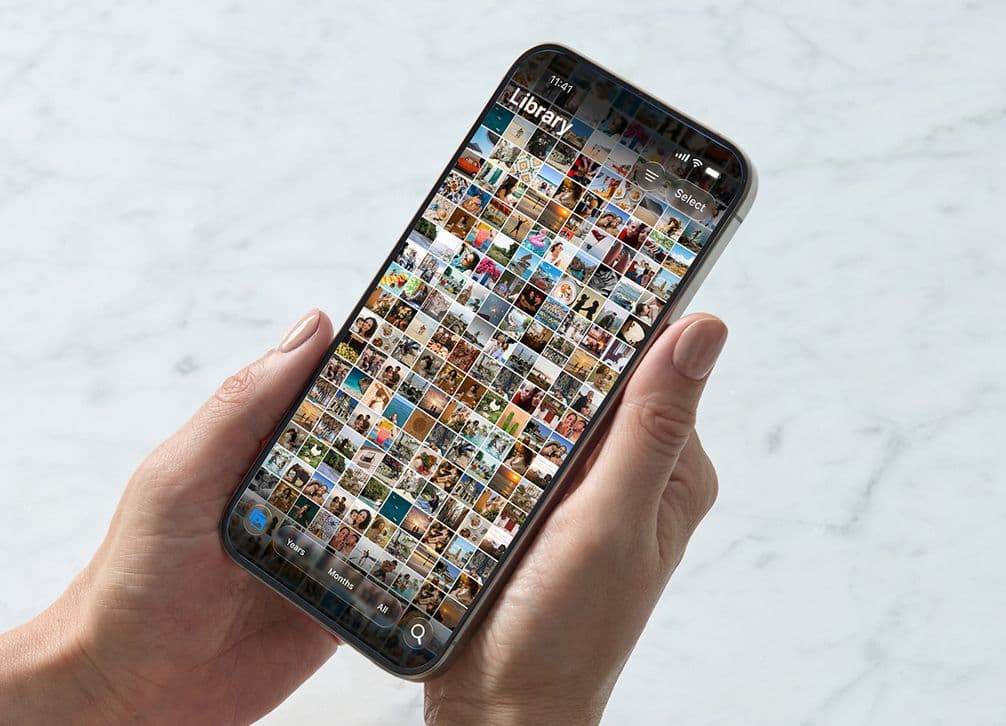
As the volume of photos we take has grown, so has the distance between what we capture and what we meaningfully experience later. We capture, but don't reflect. We accumulate, but allow meaning to be buried. And we hold onto everything, but remember almost none of it.
Our photos are among the most valuable things we own. Yet while we care about them more than almost any other possession, we have less control over them than ever. People want to decide what matters and revisit it easily, but the scale and effort of doing this manually make it unrealistic for most.
Conducted by Censuswide in February 2026, the survey of 8,000 people spans the USA, UK, France and Germany. It uncovers the psychology behind photo behaviours: when and why we capture, what makes curation feel impossible, and where trust in technology begins and ends.








&w=96&q=75)

&w=96&q=75)

%3Agrayscale()&w=96&q=75)


 Estados Unidos