

Inside Popsa
The Memory Economy: Globaler Trendbericht 2026
Neuer Maßstab dafür, wie wir Erinnerungen festhalten, erleben – und wieder vergessen

17. Apr. 2026∙5 min


Inside Popsa
Neuer Maßstab dafür, wie wir Erinnerungen festhalten, erleben – und wieder vergessen
17. Apr. 2026∙5 min
Unsere größten Erlebnisse sind heute oft nur einen Klick entfernt. Noch nie war es so leicht, so viel festzuhalten – von großen Meilensteinen bis zu kleinen Momenten im Alltag, genau in dem Augenblick, in dem sie entstehen.
Doch diese ständige Verfügbarkeit hat ihren Preis. Genau das zeigt unser globaler Trendbericht The Memory Economy 2026. Darin untersuchen wir, wie sich unser Verhältnis zu Fotos und Erinnerungen rasant verändert.
Je mehr Fotos wir aufnehmen, desto größer wird der Abstand zwischen dem, was wir dokumentieren, und dem, was wir später wirklich bewusst erleben. Wir halten fest, aber wir halten nicht inne. Wir sammeln, doch dabei gerät die Bedeutung in den Hintergrund. Und wir bewahren alles auf – erinnern uns jedoch an fast nichts davon.
Neue Daten zum weltweiten Umgang mit Fotos
Wichtige Trends, die die Zukunft von Erinnerungen und persönlichen Inhalten prägen
Einblicke in die Spannung zwischen Festhalten und bewusstem Erinnern
Fünf emotionale Profile, die zeigen, wie Menschen zu ihren Fotos stehen
Was sich Verbraucher wirklich von KI wünschen – und wo klare Grenzen verlaufen
Relevante Erkenntnisse für Marken, Marketingverantwortliche und Produktverantwortliche
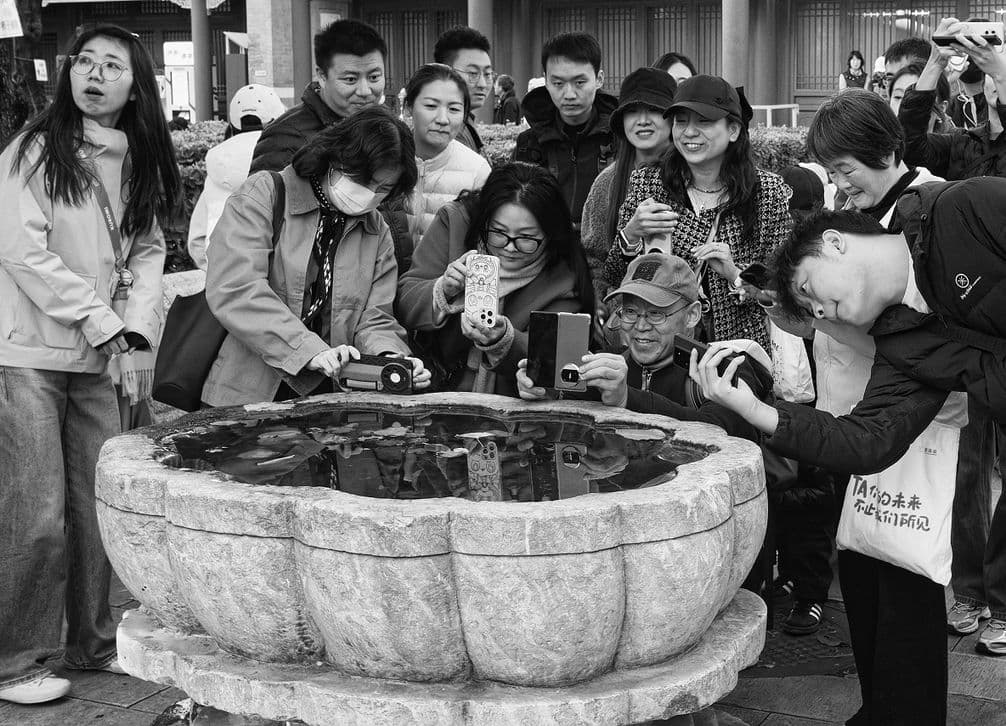
Die Studie wurde im Februar 2026 von Censuswide in den USA, Großbritannien, Frankreich und Deutschland durchgeführt. Sie beleuchtet die Psychologie hinter unserem Umgang mit Fotos: wann und warum wir Erinnerungen festhalten, weshalb das Sortieren oft überfordert – und wo Vertrauen in Technologie beginnt und endet.
Sieben von zehn Fotos werden nie wieder angesehen. Die Hälfte aller Befragten empfindet Stress aufgrund einer unübersichtlichen Fotosammlung. Und 77 % haben keine Vorkehrungen getroffen, was mit ihren Fotos nach ihrem Tod geschehen soll.
Wir sind die fotografischste Generation der Geschichte – und zugleich haben wir so wenig Kontrolle über unsere visuellen Erinnerungen wie nie zuvor.
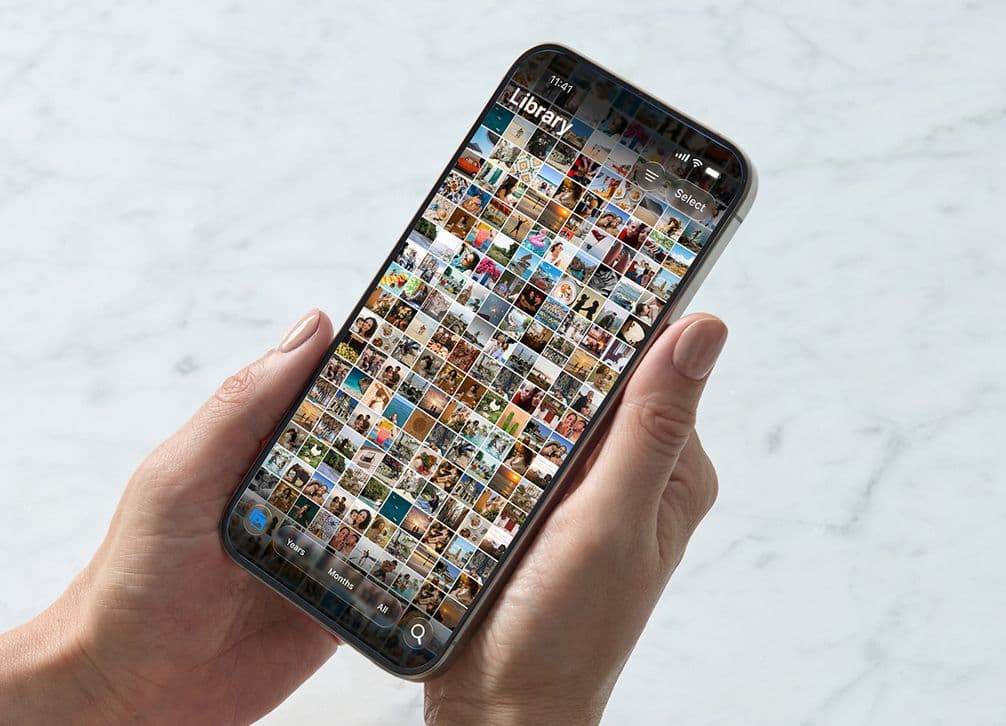
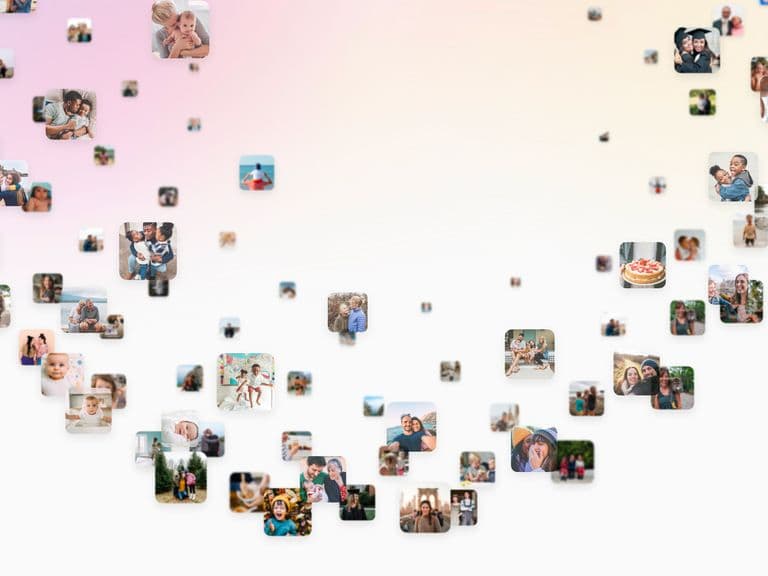
Das Problem ist nicht nur praktisch, sondern auch emotional. Fast die Hälfte der Befragten meidet bewusst Fotos aus bestimmten Lebensphasen. Jüngere Generationen versinken regelrecht in ihren eigenen Archiven: Sie machen fast dreimal so viele Fotos wie Menschen über 55 – und fühlen sich gleichzeitig am stärksten davon überfordert. Immer mehr Menschen beschreiben ihre Kamerarolle nicht als Ort der Erinnerung, sondern als Ablage. Es beruhigt, dass alles da ist. Doch was damit passieren soll, bleibt unklar.
Lade den Bericht unten herunter und erfahre mehr.
As the volume of personal data grows, so does the need for new ways to engage with it, helping people reconnect with the experiences important enough to capture in the first place. For brands, marketers and product leaders, this is both a challenge and an opportunity. The businesses that help people bring order to their memories, while respecting their need for control and privacy, will define the next chapter of the Memory Economy.
New data on global consumer photo behaviours
Key trends shaping the future of memory and personal content
Insights into the tension between capture and meaningful recall
The emotional profiles shaping how people relate to their photos
What consumers really want from AI, and where the red lines are
Essential insights for brands, marketers and product leaders
Dank Popsas praktischer Gesichtserkennung und unseren Intelligenten Alben kannst du Erinnerungen jetzt noch schneller wiederfinden.



%3Agrayscale()&w=96&q=75)
Liam Houghton
CEO und Mitgründer
19. Dez. 2025∙9 min
&w=3840&q=75)
Liam Houghton
CEO und Mitgründer
1. März 2023∙4 min

%3Agrayscale()&w=96&q=75)


 Vereinigte Staaten