

Lifestyle
Table Talk: food, family and identity with Su Scott
Why author and chef Su Scott’s cooking is rooted in memory, migration and the quiet rituals of family life

29 apr. 2026∙7 min

Lifestyle
Why author and chef Su Scott’s cooking is rooted in memory, migration and the quiet rituals of family life
29 apr. 2026∙7 min
This month’s Table Talk shines a spotlight on Su Scott, the London-based chef whose work is rooted in a deep respect for heritage, seasonality and the stories carried through food. Born in Seoul and raised between cultures, Su’s cooking is shaped by memory and migration, blending Korean traditions with a thoughtful, contemporary sensibility. Her debut cookbook, Rice Table, is a quietly powerful exploration of Korean home cooking, centred around rice as both a staple and a symbol of comfort, connection and care. Through restrained, elegant recipes and personal reflections, she invites readers into a way of eating that values balance, patience and intention. We talk to Su about the rituals that define her kitchen, the cultural threads woven through her cooking and a dish that continues to anchor her to home.
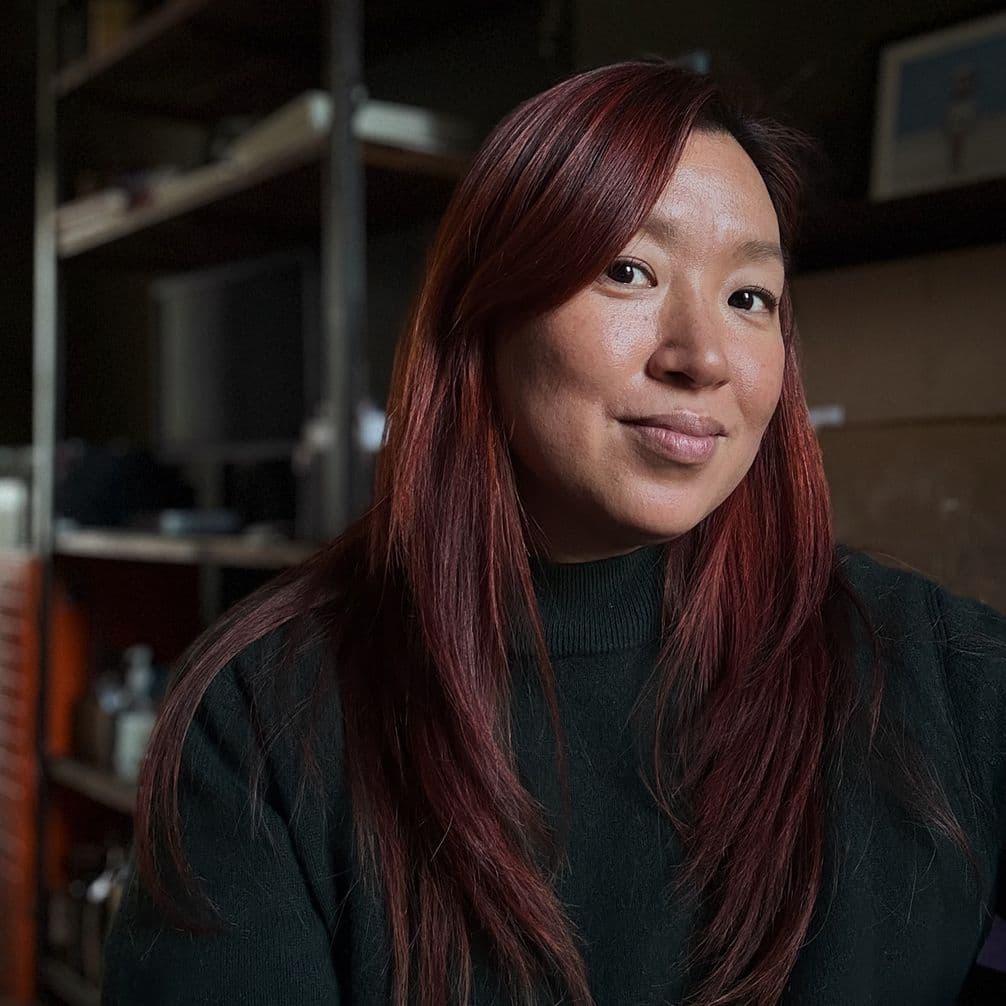
Su Scott
In Korean, one of the words for “family” is sikgu, made up of the characters for “eat” (sik; 식; 食) and “mouth” (gu; 구; 口), meaning quite literally “people who eat together”. It speaks to the idea that shared meals are the foundation of family life. I grew up in a household where food was the fabric of our everyday, which quietly held us together. My mother carried the responsibility of daily cooking, and I learned a lot from watching and taking part in the small, repetitive tasks that made up our meals. Cooking was never presented as “a thing” – it was simply what we did as a family.
The turning point came when my daughter was born in 2015. The responsibility of being the sole bearer of my culture and heritage weighed heavily on me, and was made worse by my cultural identity crisis. It was through cooking the dishes of my childhood that I found my way back – reconnecting with my Korean identity in a way I hadn’t before. That journey eventually became my first book, Rice Table.
In returning to those recipes, I realised that the seemingly ordinary moments – the tastes and rituals of everyday life – are what pieces our lives together to make us feel whole. My father used to say that “a family that eats together stays together”, and it’s a belief I carry into my own home in London.
Photos: Toby Scott
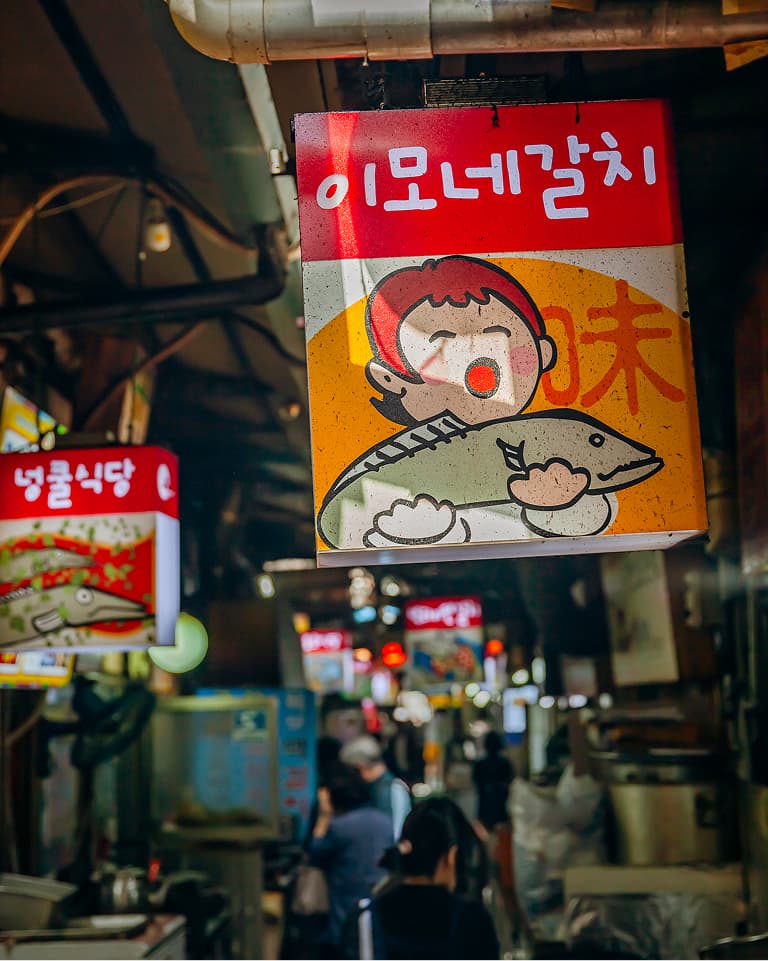
My earliest influences were firmly within my family. My father, in particular, was deeply passionate about food and the rituals that surrounded it. He approached eating with curiosity and a huge appetite for life – always excited to discover new restaurants and unafraid to try something unfamiliar. He had a sharp eye for sourcing the best produce and an almost meticulous attention to detail.
But beyond that, food was also his way of holding on to something more personal. My paternal grandfather was from North Korea, and my father was very particular about how certain dishes should be prepared for family gatherings. I can really appreciate that it was his way of safeguarding a part of our family’s history and identity through food.
Outside of my family, growing up in Korea in the 1980s and 1990s was an exciting time. The country was rapidly expanding, with new road networks and rising household incomes transforming daily life. With that came a boom in the restaurant industry. There was access to foods and dining experiences that had once felt distant – Western-style cooking and fast food chains I had only ever seen in movies. It felt like a window into another world. Experiencing those new flavours and cultures broadened my understanding of food beyond tradition, and sparked a curiosity.

Photo: Toby Scott
I’ve found it fascinating to witness how Korean food has become a global phenomenon. During my years in London, I’ve seen how the rise of Korean culture more broadly has played a powerful role in bringing Korean food into the spotlight. Through this growing cultural visibility, my daughter has been exposed to Korean food in ways that go beyond what I knew as a child. What we explore together now sits somewhere between the traditional dishes I grew up with and the newer, evolving expressions of Korean cuisine that she encounters. For me, that shift has made my relationship with Korean food feel more dynamic and expansive. It is no longer something rooted solely in my own memories or nostalgia. Instead, it has become something I experience with my daughter in the present.
I came to truly love cooking during some of the darker moments of early motherhood. It gave me a way to ground myself – a quiet space where I could notice and hold onto the small, joyful rhythms of everyday life. Today, my cooking is simple and intuitive. I try not to overcomplicate it and I make a conscious effort to weave in traditional Korean home-style meals once or twice a week. It’s important to me that my daughter grows up with those flavours – that they feel familiar to her, and that they help shape a broad and curious palate. More than anything, what matters is that we eat together. Cooking, for me, is not just about the food on the table, but about creating the space for the three of us to come together as a family.
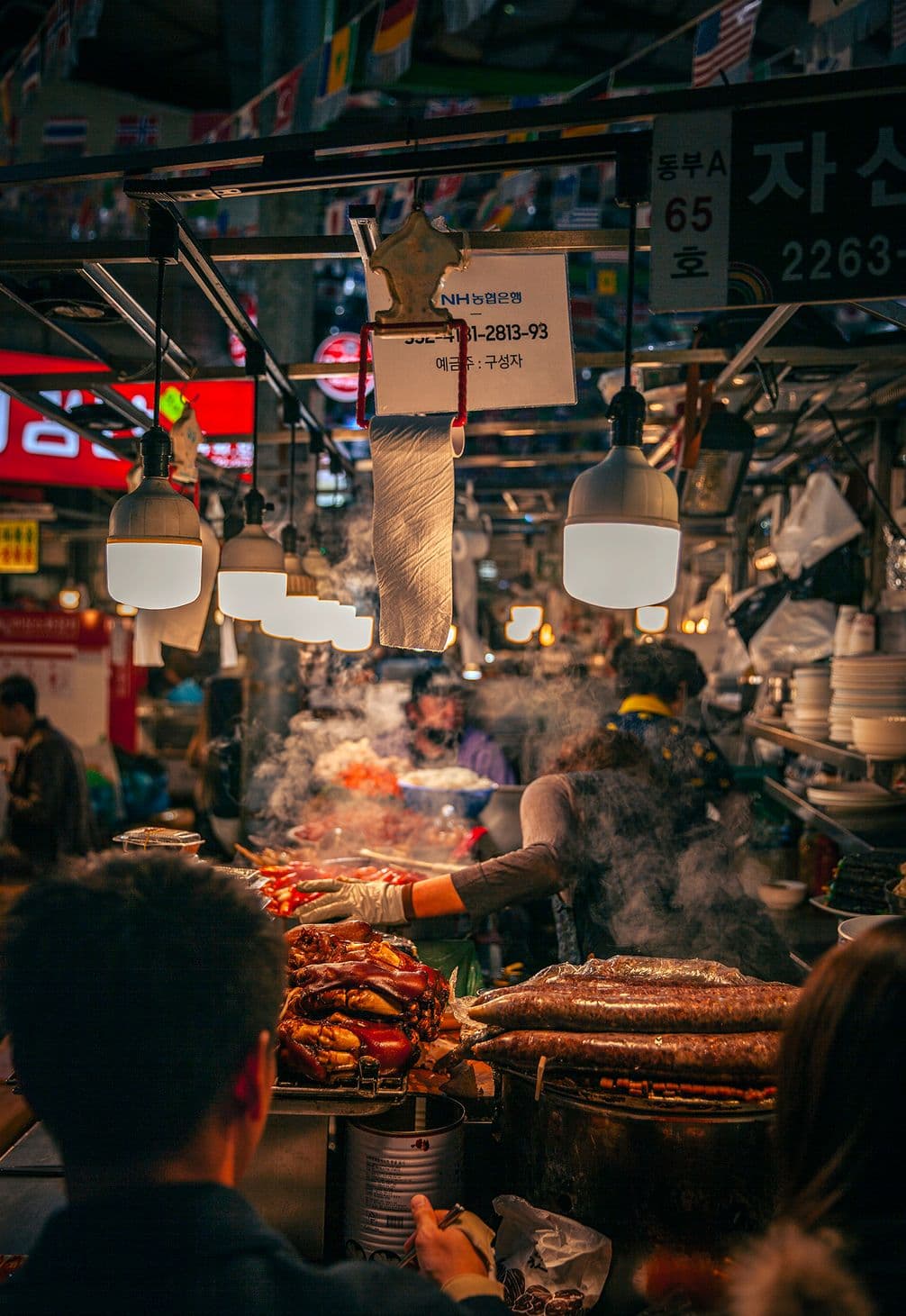
Photo: Toby Scott
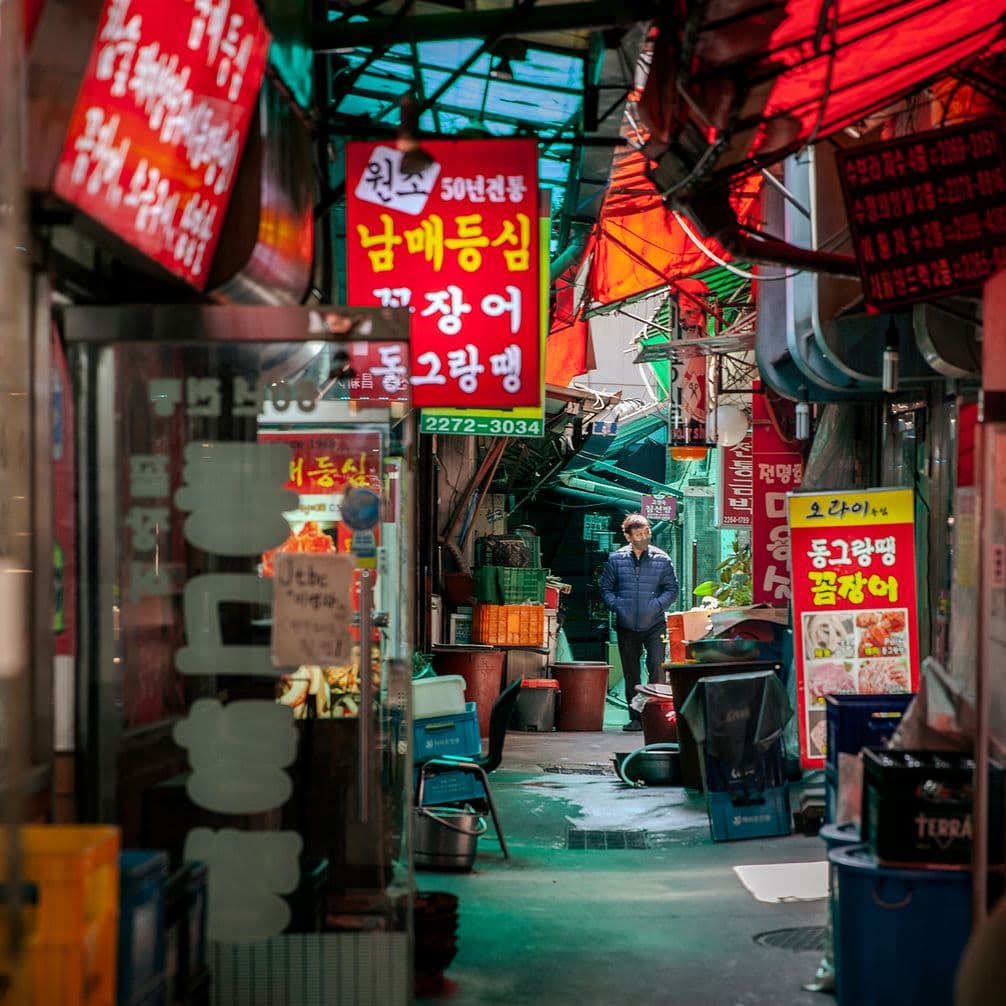
Photo: Toby Scott
Memory, especially the memory of taste, sits at the heart of both my cooking and my writing. I like to remember the small details – texture, smell, colour and atmosphere – because they reveal far more than the food itself. They carry emotion, time and place. I love how the scent of caramelising sugar or smoky charcoal can take me straight back to Korean barbecues in Seoul, bringing not just the memories of food, but the feeling of it all. The warmth of the air, the way it clung to my skin, soft and dewy; the closeness of being among family. For me, food is a gateway to a larger story where taste becomes memories that we want to savour forever – a thread that connects past and present, and carries meaning across generations.
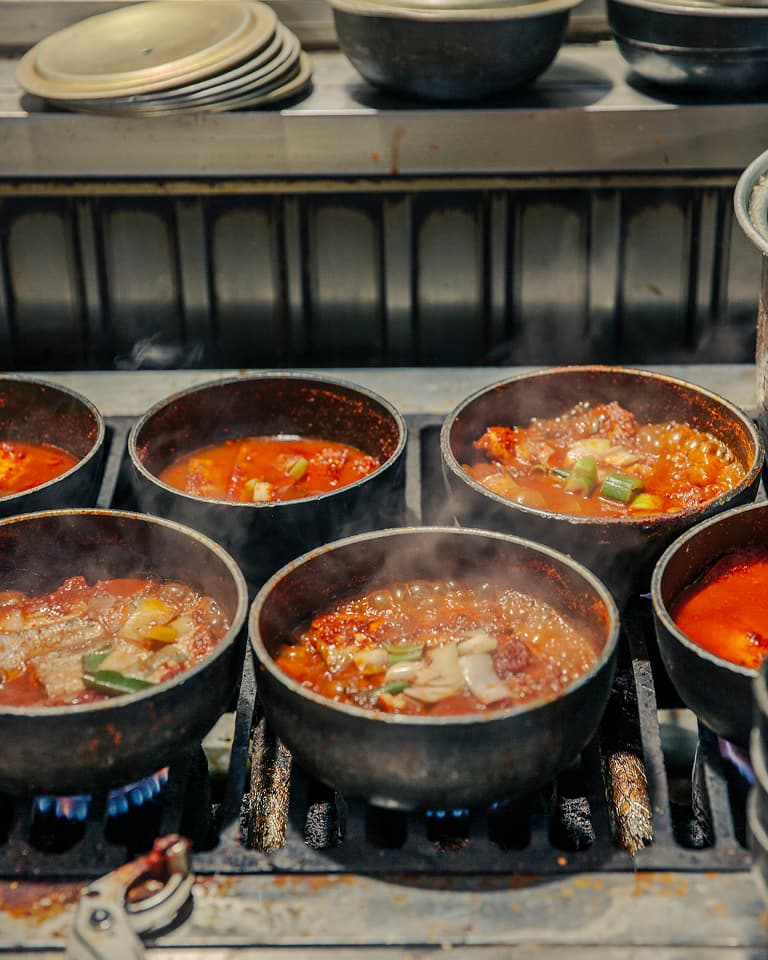
Over the years of visiting Korea, the three of us – my husband, my daughter and I – have each formed our own relationship with the country. While it holds slightly different meanings for us individually, collectively, there are certain rituals we hold sacred. One of them is a dish we now return to every time: spicy stir-fried chicken. We stumbled upon this particular restaurant by chance, tucked away in a small shopping mall in Insadong, a neighbourhood known for its traditional teahouses and artisanal shops. Now, every time we arrive in Seoul, this is the first meal we eat, and often the last before we leave, marking both arrival and departure. Our order is always the same. There is something deeply comforting in that familiarity – it has become our way of easing into the city, and of saying goodbye.
But the dish carries many layers of memory. For my husband and me, it was one of the last meals we shared in Korea before becoming parents when I was pregnant with my daughter, in the region where it originated. I remember being both excited and quietly terrified, on the cusp of becoming a mother. I would walk the streets, stroking my growing bump, hoping that somehow my child would absorb a sense of who I was, and where I came from.
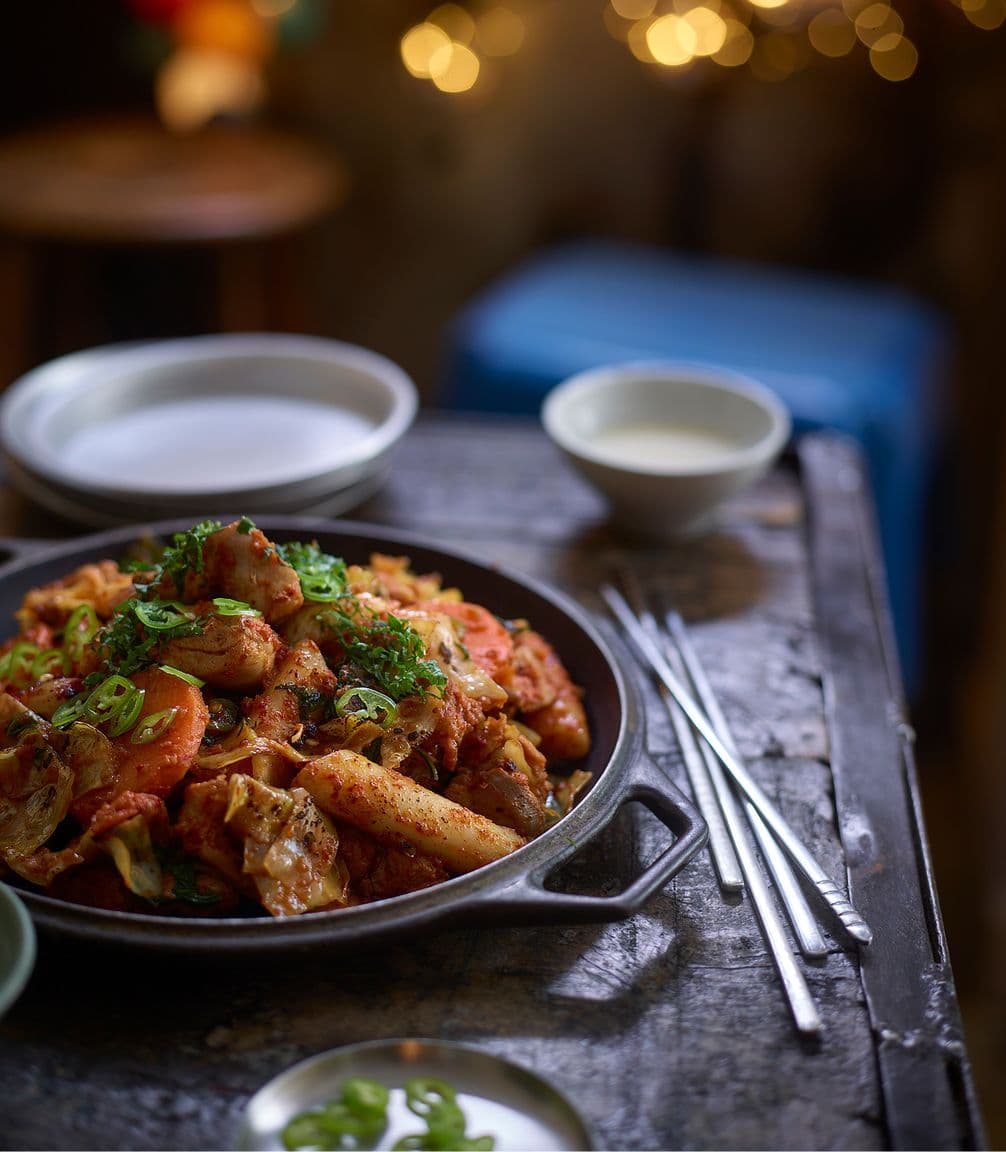
Photo: Toby Scott
Serves 4
Prep time: 20 minutes
Cooking time: 20 minutes
Ingredients
600g (1Ib 5oz) boneless chicken thighs (or leg meat)
250g (9oz) white cabbage
1 sweet potato
200g (7oz) cylinder-shaped rice cake (fresh or frozen)
4 spring onions
15 perilla leaves
1 mild green chilli
2 tbsp vegetable oil
sea salt flakes, to taste
For the marinade
1 onion, roughly chopped
1/2 apple (a sweet variety such as fuji or gala), roughly chopped
5 garlic cloves, crushed
2 tsp grated root ginger
2 tbsp mirin
4 tbsp soy sauce
2 tbsp gochugaru (Korean red pepper flakes)
2 tbsp light soft brown sugar
1 tbsp gochujang (Korean red pepper paste)
2 tsp toasted sesame oil
1 tsp mild curry powder
1/2 tsp freshly cracked black pepper
Method
Remove the skin from the chicken, if preferred, and slice into bite-sized chunks, about 3cm sq. Transfer to a large mixing bowl.
Purée the onion, apple, garlic, ginger and mirin in a food processor until smooth, then pour over the chicken. Add the rest of the ingredients for the marinade to the bowl and massage well – ideally by hand – to evenly coat the meat. Cover and refrigerate while you get on with the rest of prep, or leave to marinate overnight, if you wish.
Meanwhile, prepare the vegetables: roughly chop or tear the cabbage into large bite-sized pieces. Peel the sweet potato, if you prefer, then slice into rounds about 5mm thick. Soak the rice cake in cold water, if using frozen, then drain and set aside. Slice the spring onions into 5cm long batons. Trim the top of the perilla leaves, then cut them into quarters. Thinly slice the chilli.
Remove the marinated chicken from the refrigerator.
Heat the vegetable oil in a heavy-based frying pan (skillet) over a medium heat and add the chicken, including the marinade, evenly across the pan. Notice the sizzling sound. Layer on top the cabbage, sweet potato and rice cakes. Cook without disturbing for 2 minutes to lightly colour the bottom side of the chicken, then flip and toss everything together. The pan may appear quite dry to start with but don’t worry; as the vegetables start to cook, they will release enough water to bring everything together.
Stir continuously and energetically to prevent the mixture from burning or browning too quickly. Continue to cook this way for 8–10 minutes until the chicken has almost cooked through and the cabbage pieces have collapsed. Stir in the spring onions and perilla leaves and continue stir-frying for about 5 minutes until the chicken and rice cakes are cooked through. Scatter with the sliced green chilli before removing from the heat. Check for seasoning and adjust it with a pinch of salt if needed. Serve immediately in a family style for everyone to help themselves.
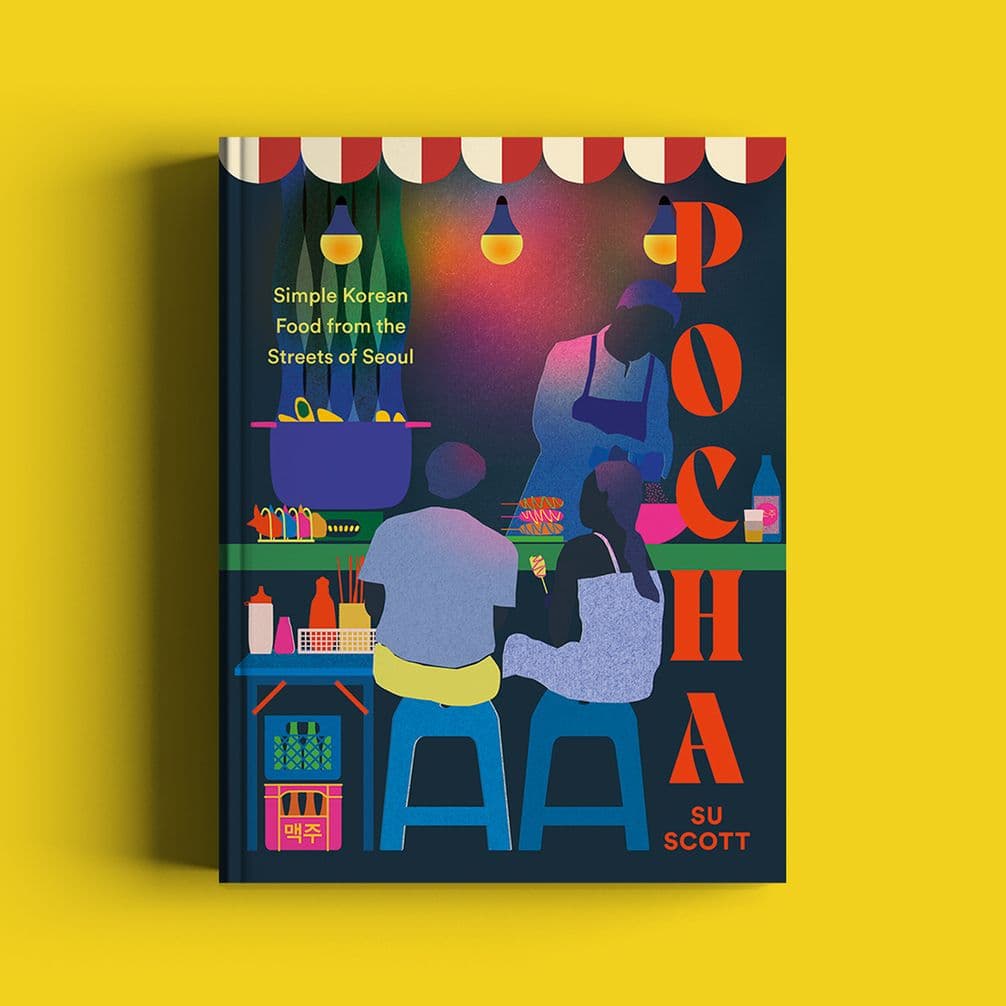
POCHA: Simple Korean Food from the Streets of Seoul is published by Quadrille.
Herontdek herinneringen sneller met speciale functies, zoals gezichtsherkenning en Smart Albums.


&w=96&q=75)
25 sep. 2026∙6 min

&w=96&q=75)



 Verenigde Staten