
Stories
Why your everyday snapshots matter – and how to take them more mindfully
When a full camera roll forced a digital declutter, one writer discovered the real value isn’t in perfect images – it’s in the ordinary moments

9 Apr, 2026∙7 min
Stories
When a full camera roll forced a digital declutter, one writer discovered the real value isn’t in perfect images – it’s in the ordinary moments
9 Apr, 2026∙7 min
Recently, my iPhone ran out of storage. Mystified, given that my device has generous capacity, I took a closer look. Oh dear. A whopping 16,399 photos hogging 32GB of space.
The only answer was to do a major digital declutter. Honestly, I expected it to be a tedious task. But scrolling back through the weeks, months and years, I became immersed in a series of long-forgotten moments. I’m not referring to highlight-reel events such as weddings, epic holidays or graduations. Those events were already vividly etched in my imagination.
The occasions I’m talking about were sweet interludes on humdrum days when seemingly nothing much was going on. As I reviewed the images, I felt inexplicably happy. This isn’t surprising because research by Fujifilm has found that looking at old photos induces a state of happiness and calm.
I enjoyed revisiting a blurry snap of some lilac trainers in a shop window I’d sent to my purple-crazy best friend. It made me feel more connected to her in the moment, recalling her excited reaction when, years ago now, I sent her the photo. Another image depicted a favourite ex-colleague posing underneath some silly street art outside our office. I didn’t know it then but it would be the last time I saw him for 10 years because he moved to America shortly afterwards.
That’s the thing about looking at old photos – they help us to remember the little details that make our favourite humans so dear. There are other benefits too. One study found that looking at personal photos boosted children’s self-esteem. For older generations, reliving happy memories through photos improved cognitive function, lifted mood and increased social engagement. The shared stories and memories triggered by looking at old photos can deepen emotional bonds. The Fujifilm study found that sharing photos helps people stay in touch with friends and to feel closer to loved ones.

That’s the thing about life, and photography too; you never know the significance of a particular moment until you have the benefit of hindsight
The picture that really hit home for me was one of my mum that I don’t remember taking. My exuberant four-year-old nephew is also in the frame, zooming across the room in a red and yellow fire engine. It brought back to me how exasperated my mum got about the deafening siren the toy emitted. I recalled too how my nephew would add to the chaos by shrieking with laughter every time it went off. I had no way of knowing that this would be the last photo I would ever take of my mum. Although she had been in poor health for a long time, she passed away quite suddenly just three weeks later.
That’s the thing about life, and photography too; you never know the significance of a particular moment until you have the benefit of hindsight. What I learned from looking at these old photos felt profound. Photography isn’t just a creative pastime – it also offers the opportunity to create a meaningful archive of everyday moments.
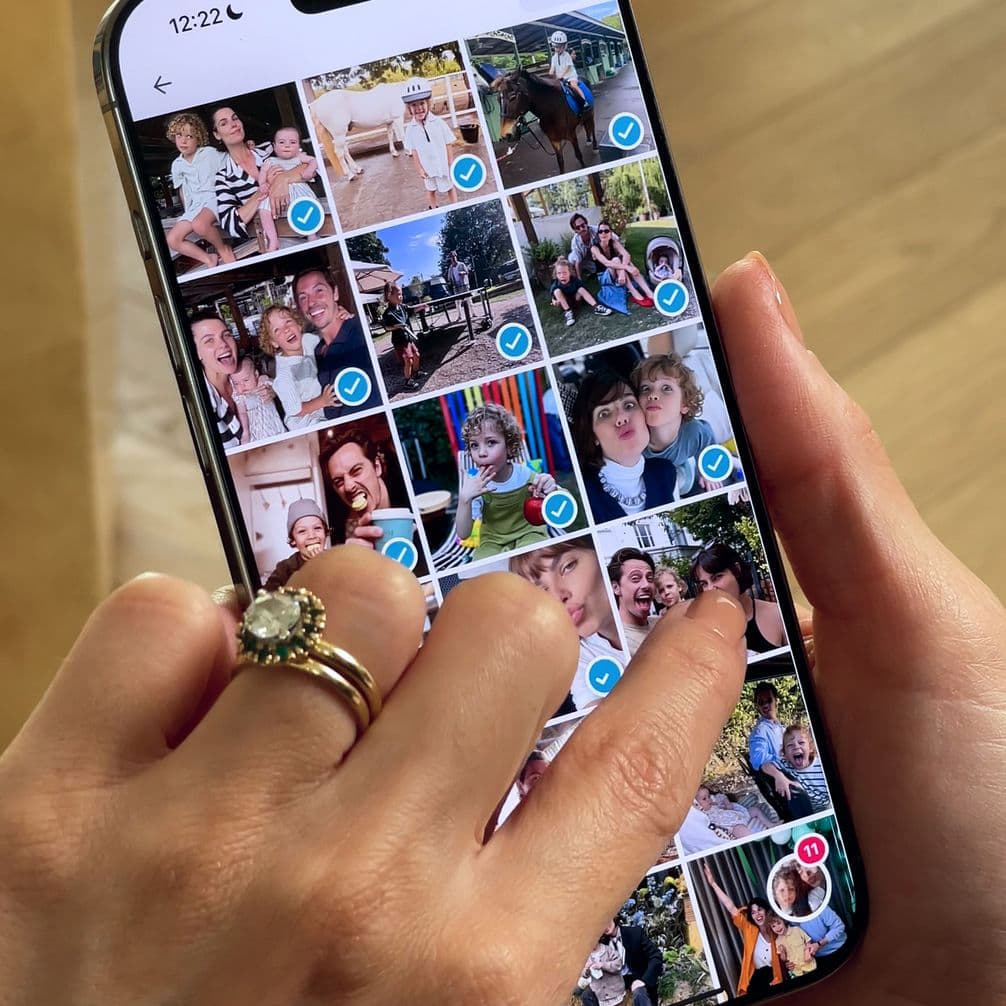
If that sounds grandiose, it needn’t be. Simply reining in our tendency for mindless photo-taking and hoarding would be a good start. A reported 35 per cent of us have more than 20,000 photos languishing on our phones. Although taking photos has many benefits, taking too many can annoy others and interfere with living in the moment.
One sustainable solution is to adopt a mindful photography habit. No need to panic, this doesn’t involve going all zen and meditating on top of a mountain. At its simplest, mindful image-making is about using your camera to create a vivid and alert connection to your surroundings. It’s about setting clear intentions and observing the world through non-judgemental eyes before you press the shutter. Don’t get too hung up on finding “worthy” subject matter – anything that brings a smile, from a favourite mug to the sunrise from your window or your sleeping pet are all great.
When I took a six-week mindful photography course, we revisited the same small London square each session. The first half hour was spent sitting in silence, observing what was going on inside our minds as well as before our eyes. Mindful photography is all about taking in a scene using all of your senses, not just sight, as well as paying attention to your emotional state. Afterwards, we were given 45 minutes to walk around the space taking photos – but we were only allowed five shots.
By slowing down and really taking time to look, as well as rationing my photo-taking, I forgot all about striving for perfection. Immersed in the moment, I abandoned fancy camera effects. This more intuitive approach led to making images that came from the heart rather than a mind overloaded with ideas from other people’s instagram feeds. So often we can feel pressured to create “perfect” images when actually, documenting what is true for you in the moment is more valuable.
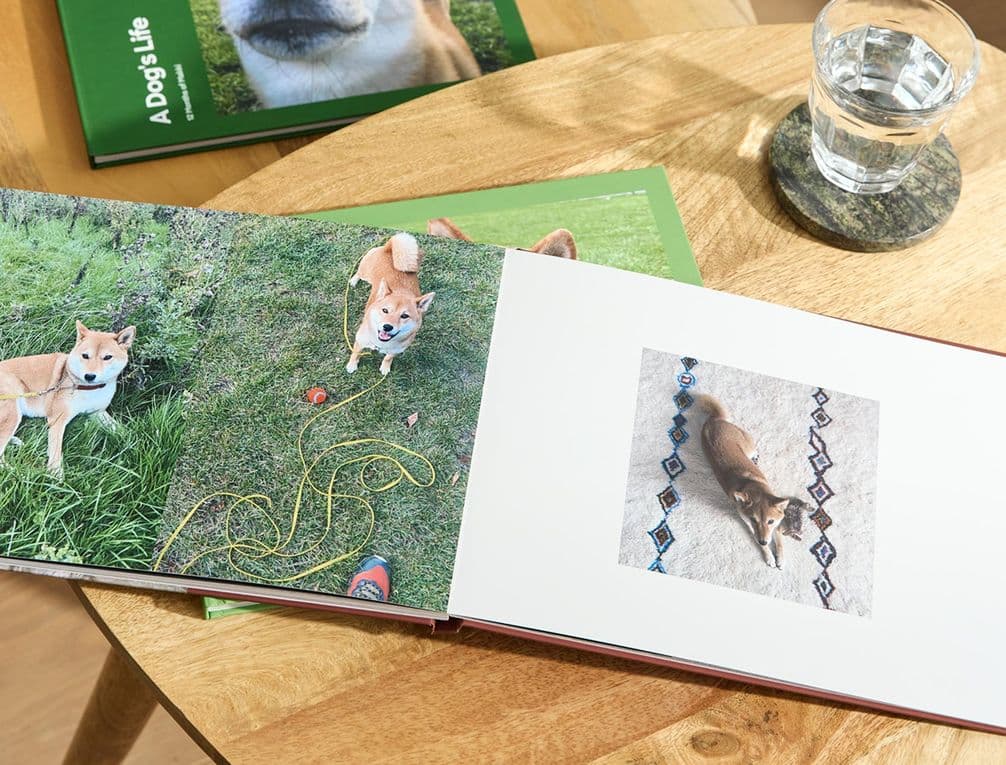
The cherished old photos I stumbled upon in my camera roll were ones I’d never shared online. They were quirky, sometimes random and only meaningful to me
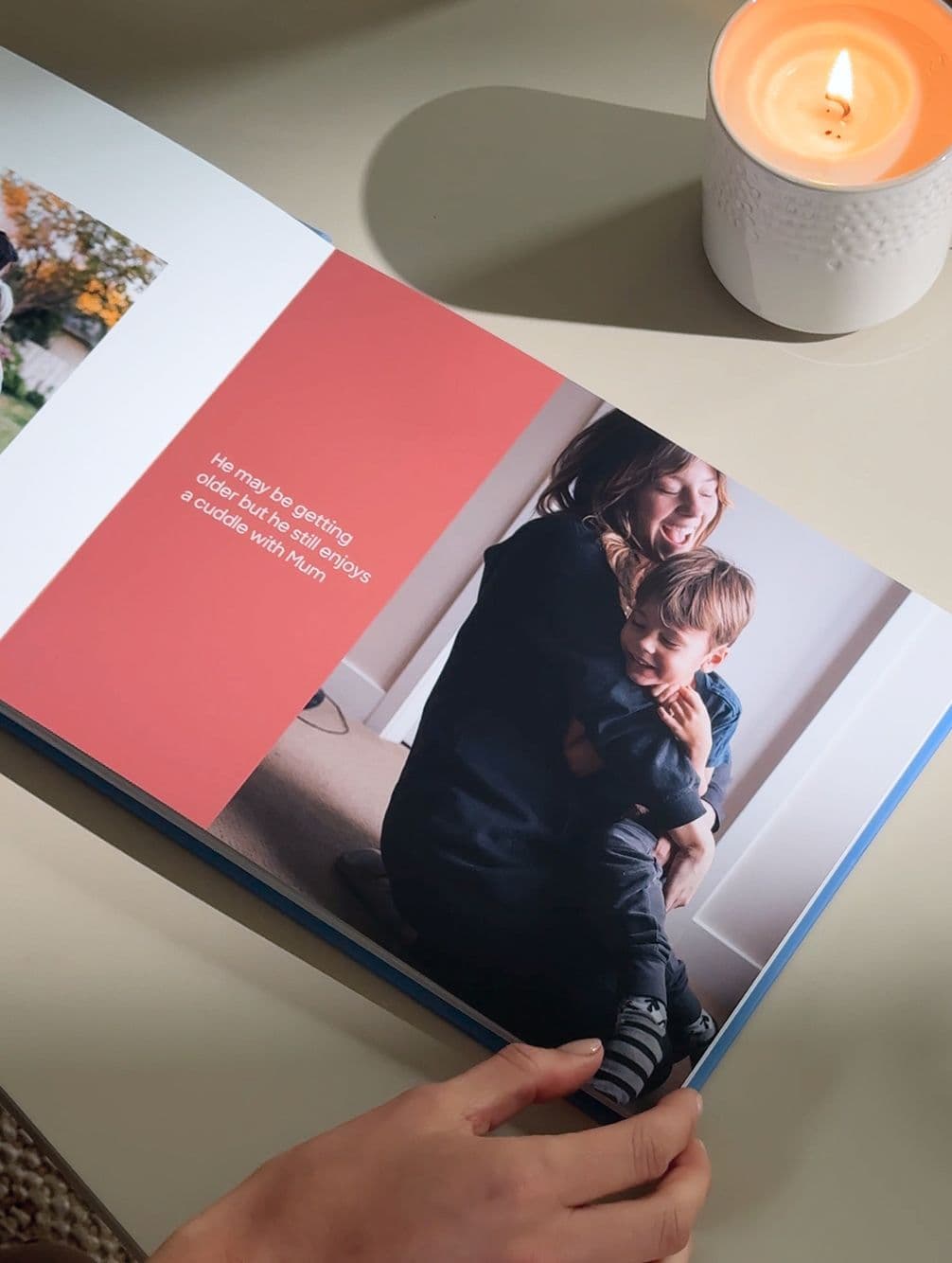
The second part of the practice was to print out our 30 images at the end. Some people made a gallery wall with their pictures, enjoying reliving the moments. Others, like me, made a photo book telling the story of our course journey. We added words too, using prompts about how we felt at the time, fragments of journals, poetry and song lyrics.
Looking at the book today, I’m amazed by how vividly I can still recall those times, and also how many things have changed since then. Flower beds have been removed, the cafe has closed and the pub next door has had a makeover. My photo book documents a time and place that has moved on, even though it once felt like it would stay the same forever.
For many of us, a primary purpose of taking pictures is to share them on social media. While this can be great in terms of helping to feel connected to others, it can also take us away from authentically documenting the people, places and things that truly matter to us. It was revealing that the cherished old photos I stumbled upon in my camera roll were ones I’d never shared online. They were quirky, sometimes random and only meaningful to me. Which is why taking time to savour them makes them feel all the more special.
Vind herinneringen sneller met exclusieve functies als gezichtsherkenning en slimme albums.



&w=96&q=75)

&w=96&q=75)
&w=96&q=75)


 Verenigde Staten