
Ispirazione
The photos you’ve been avoiding – and what they might be telling you
A behavioural change specialist on avoidance, self-compassion and what happens when you finally look back

15 lug 2026∙6 min
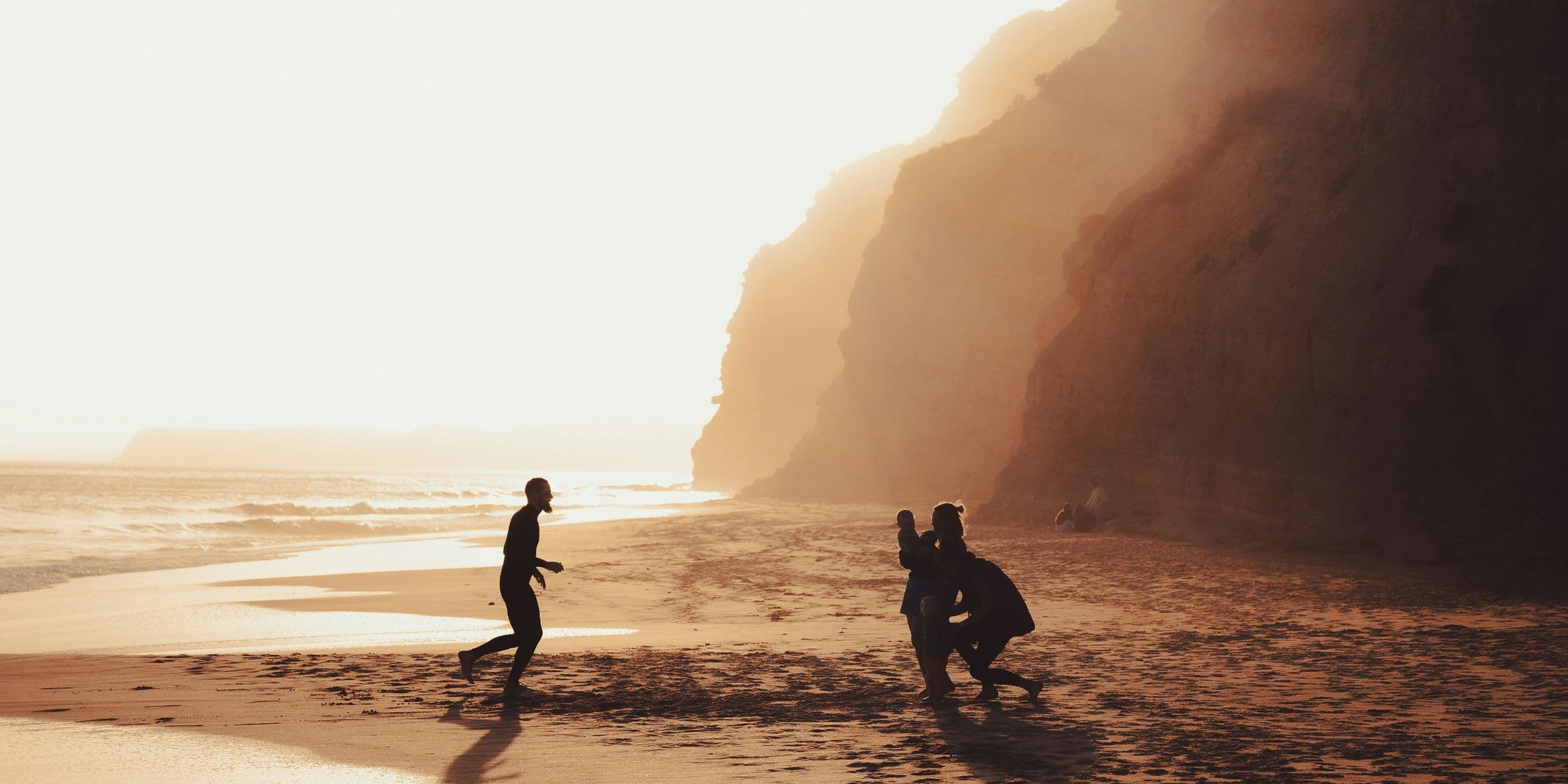
Ispirazione
A behavioural change specialist on avoidance, self-compassion and what happens when you finally look back
15 lug 2026∙6 min
Think for a moment of a particular photograph you always scroll past. The chances are it isn’t a dramatic one. It’s much more likely to be ordinary – a holiday picture from a year that looked good on the outside but didn’t feel that way on the inside; a group photo from a stretch of life you’re not yet sure how to feel about; a picture of yourself that looks perfectly normal to anyone else, in a year you’ve decided you’d rather not look at too closely.
You probably have a few in mind. When one surfaces – in a memory, in a scroll or in an “On This Day” notification – it’s possible you do something small and almost automatic. You swipe past. You close the app. You put the phone face down. The gesture, though reactive, is often so understated that most of us don’t even register we’ve done it.
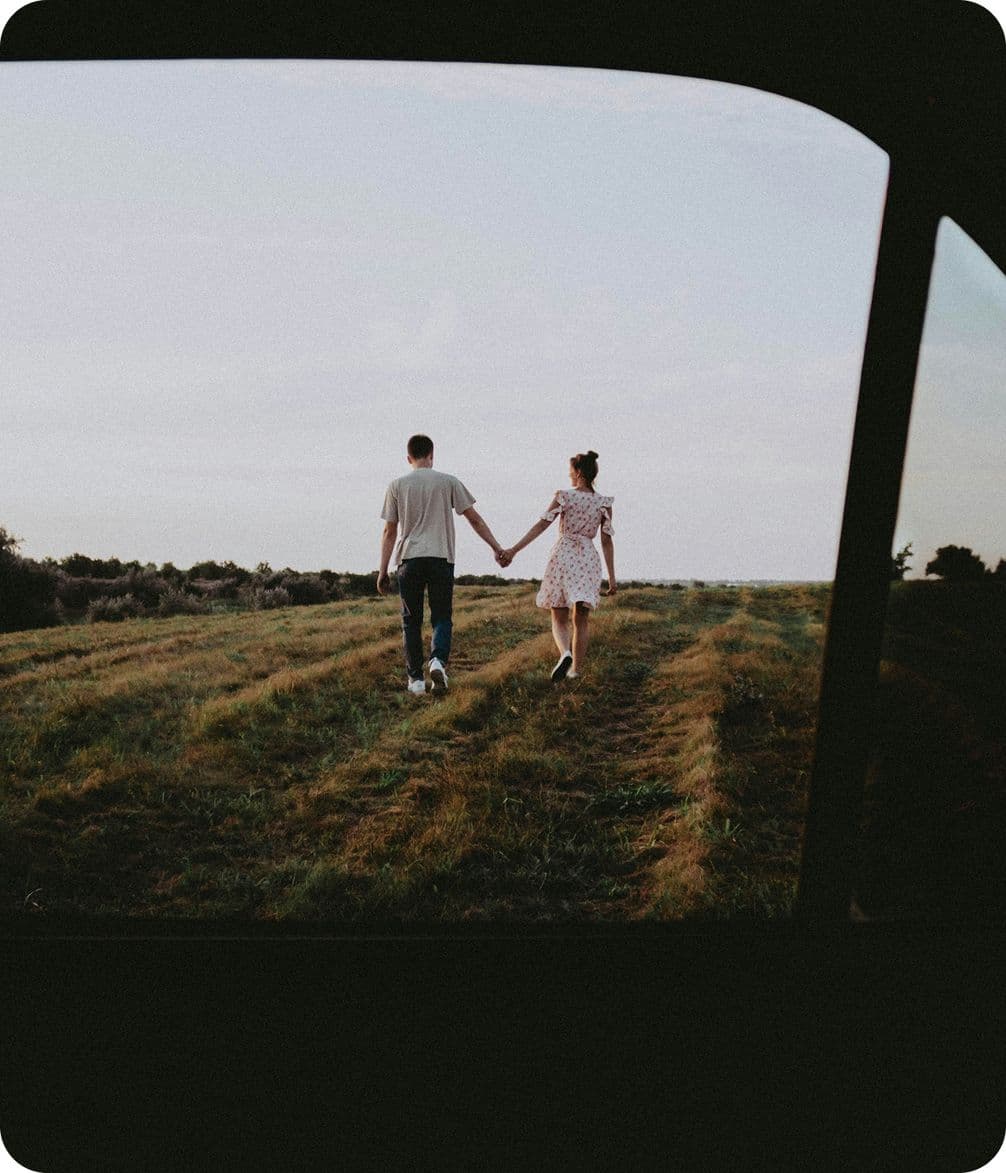
Photo: Freddie Addery, Unsplash
As a behavioural change specialist who’s spent more than a decade helping people be kinder to themselves and break unhelpful patterns, I was fascinated to delve into Popsa’s recent survey of 8,000 people across the UK, the US, France and Germany about the relationship we have with our photographs. One finding in particular stayed with me because it echoed themes that come up constantly in my work around avoidance and self-criticism: nearly half of us actively avoid photos from particular periods of our lives. The same research found that seven out of every ten photographs we take are never looked at again. We’re arguably the most documented generation in history, yet many of us are quietly drowning in our own archives, with whole eras of our lives sitting in folders we never open.
One finding stayed with me because it echoed themes that come up in my work around avoidance and self-criticism: nearly half of us actively avoid photos from particular periods of our lives
The finding about avoidance is the one I keep coming back to, partly because it’s the one we’re often least keen to examine too closely. We think of ourselves as people who are simply too busy to scroll back, too disorganised or not very sentimental. But it can be insightful to consider whether we’re forgetting or avoiding. Forgetting is what happens when something genuinely fades out of relevance and memory – when a holiday from a few years ago melts into other holidays and you can’t recall whether the boat trip was the year before or the year after. Avoidance often centres on an image we’re very aware of. We’re familiar with it – not because we’ve been meaning to print it, but because it carries a more personal story that only we can still truly feel.
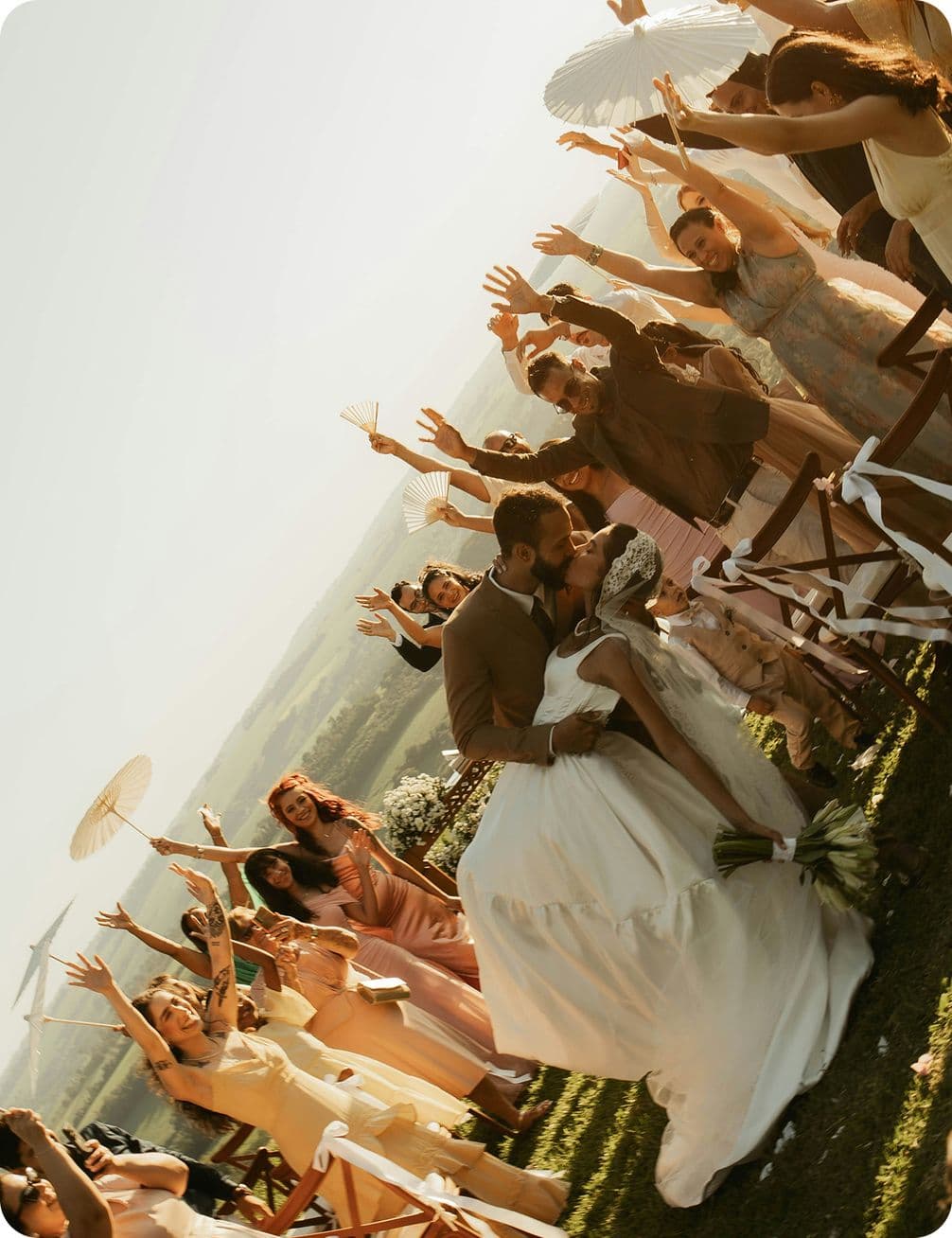
Photo: Camila Cordeiro, Unsplash
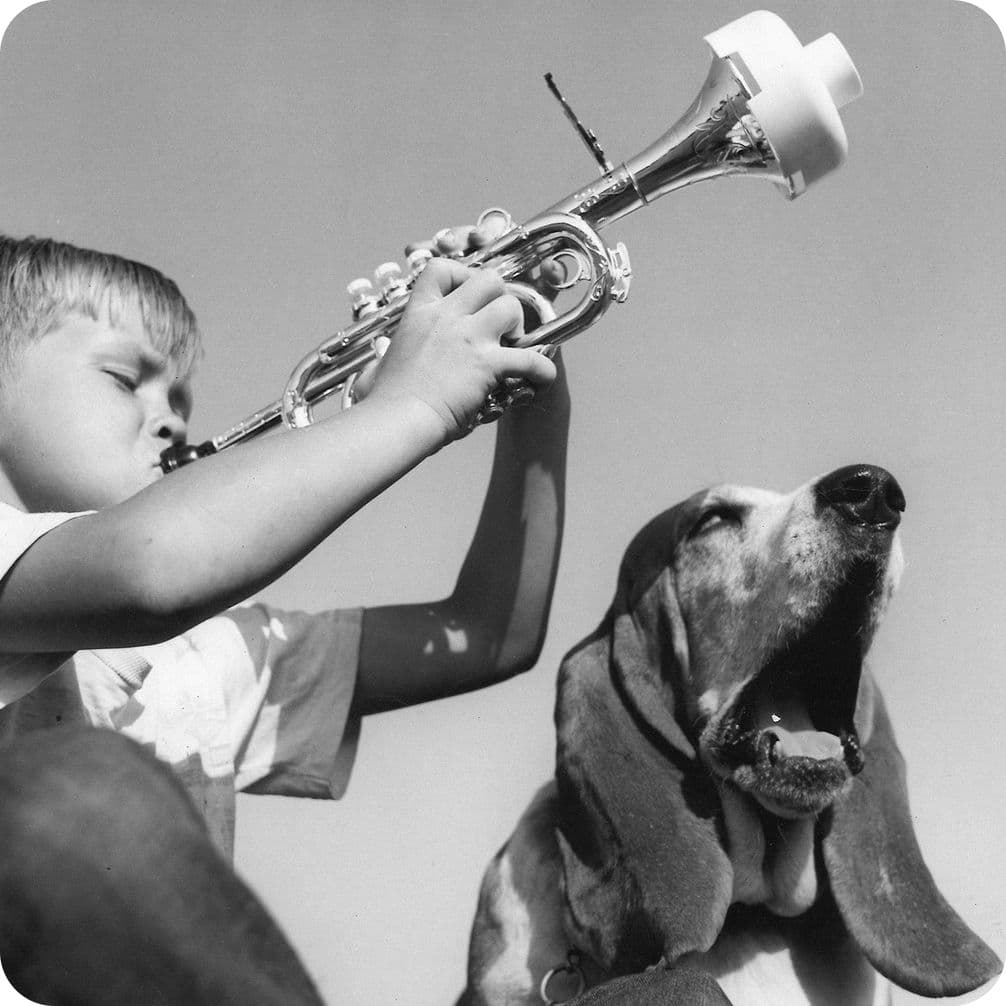
Photo: Marshall Public Library, Unsplash
What strikes me about the photographs people tell me they keep at arm’s length is how they’re rarely remarkable or significant to the external viewer. They’re usually the everyday ones, from stretches of life we haven’t fully made peace with. A year we were less well, more lost, or even happier than we want to remember, for deeply personal reasons. A relationship we look back on with a feeling we don’t quite have a story for. A period of life that, for better or worse, never feels like the right one to revisit or linger on; an era we haven’t worked out how to feel about. And yet, at the time, it was important enough to capture.
Part of why these photographs feel the way they do is that when we’re in the middle of a difficult chapter of our life, we can only really see what’s directly in front of us. The version of ourselves we don’t like. The choices we’re making and wish we weren’t. Often, when we look at snapshots in isolation, we think about what came next: the loss we didn’t anticipate, the change we didn’t know was coming.
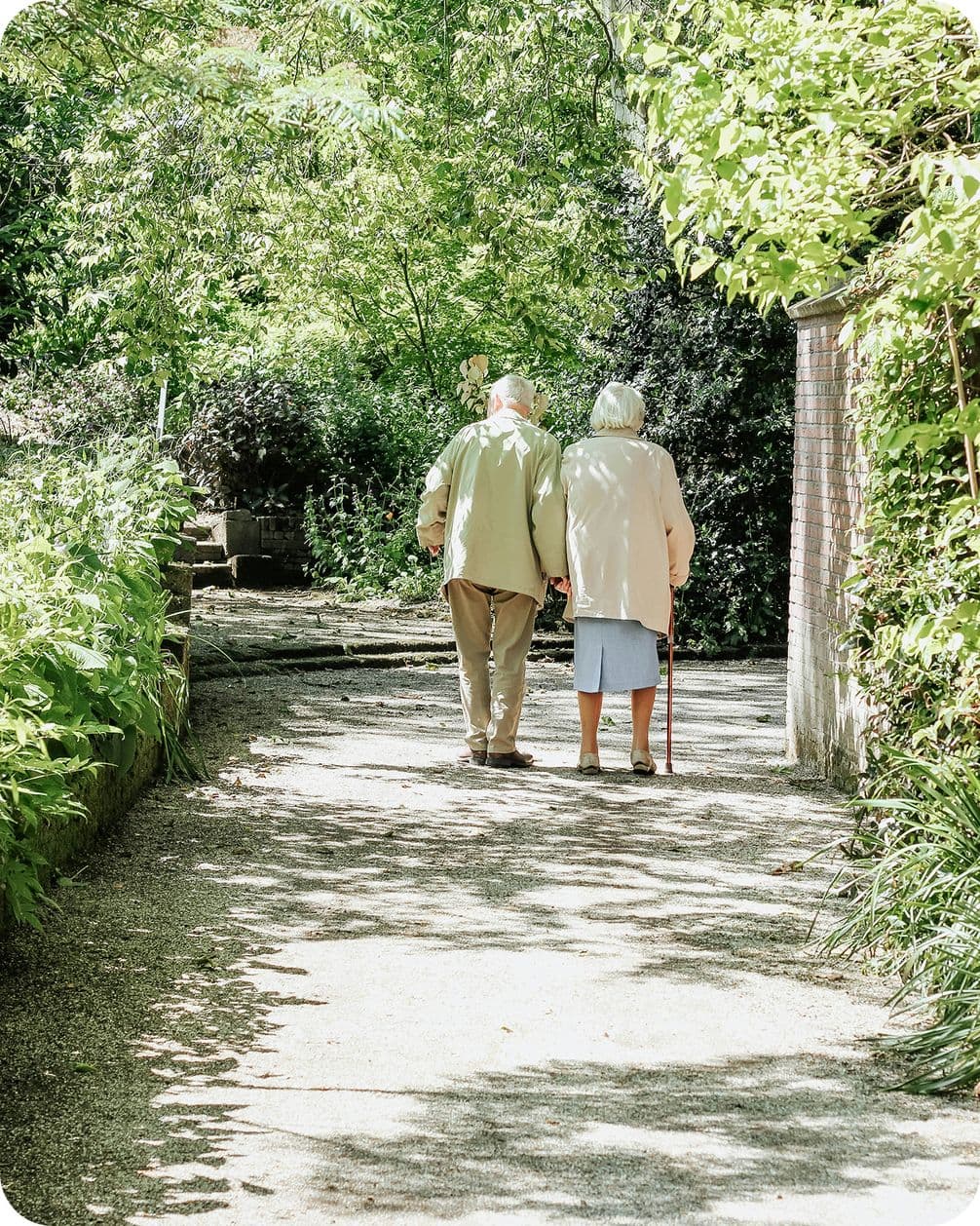
Photo: Micheile Henderson, Unsplash
The photographs we keep at arm’s length are usually the everyday ones, from stretches of life we haven’t fully made peace with
What I’ve noticed when I speak to people about photos they avoid looking at for too long – let alone printing or framing – is that when they eventually give themselves a moment to truly reflect, to add some context and look through today’s lens, their response is often very different from what they expected. We’re not the same person who took the photograph, or the same person who avoided it for so long. By the time we return to it intentionally, we have something we didn’t have at the time: distance. And distance allows us to see a wider frame than the one we were standing inside when the picture was taken. The image stayed still. We’re the ones who moved.
What that wider frame reveals can be difficult to reconcile. Many of the people I work with struggle with things like body image, and have spent years associating certain photographs with negative self-talk – either because they strongly disliked what they saw or because the image represented a version of themselves they spent years trying to become again. It isn’t until they reflect years later – once they’ve come to appreciate what their bodies have enabled them to do, their health, and the reasons they value people beyond the measures their younger selves prioritised – that they’re able to soften their gaze, soften their judgment, zoom out and realise how hard they were on themselves. Hard on how they looked in a way that simply isn’t as important, or no longer aligns with how they see the world.
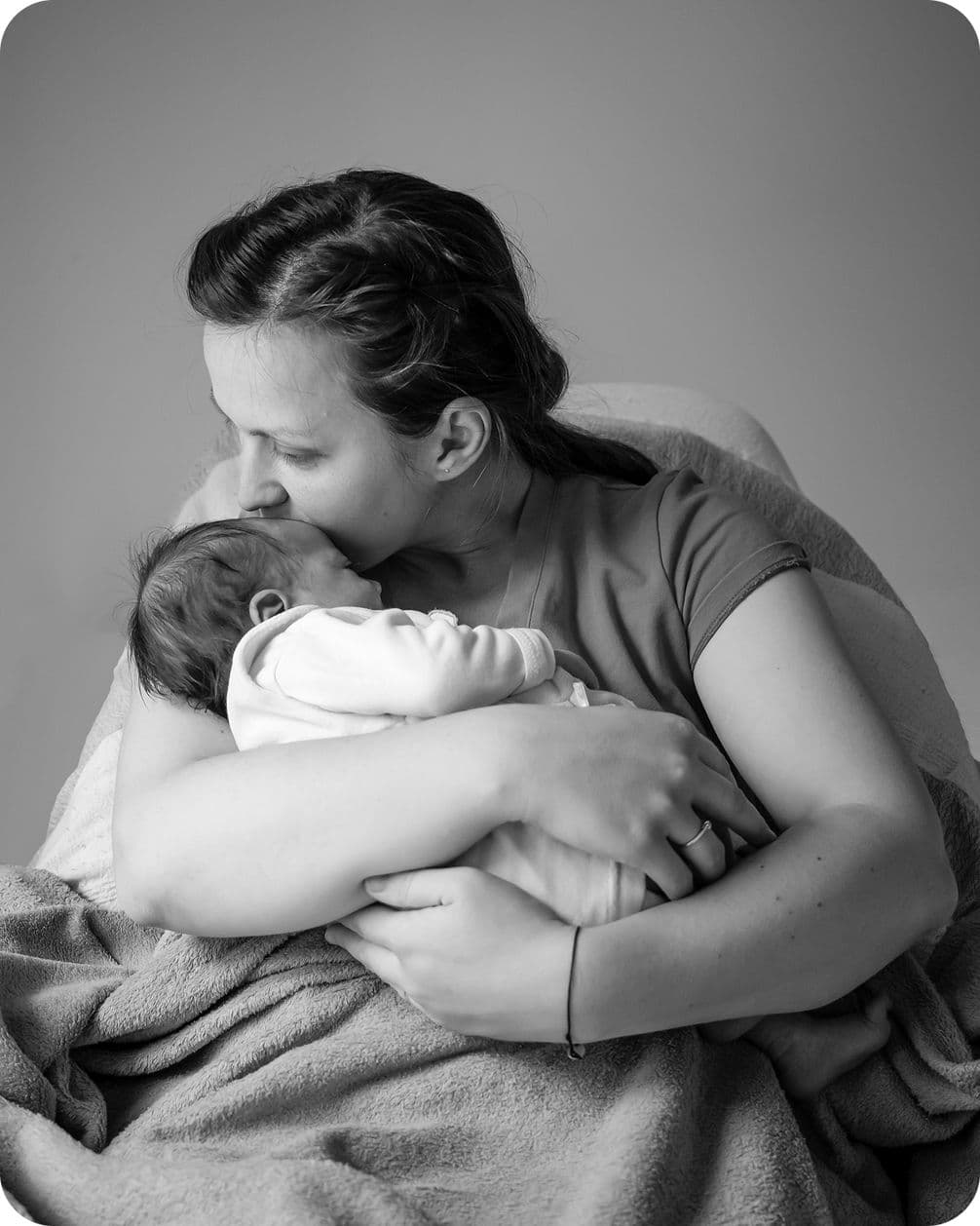
Photo: Ksenia Makagonova, Unsplash
It isn’t until people reflect years later that they’re able to soften their gaze, soften their judgment, zoom out and realise how hard they were on themselves
That, to me, is what self-compassion actually looks like when applied to your own life story and the images that help tell it. It isn’t forced positivity. It isn’t deciding the difficult periods were fine. It’s the willingness to look at a photograph and meet not just the person in it, but the whole situation they were in – kindly, generously, and through the wider lens that only distance and intentional reflection can provide. With wisdom, perspective, life experience and a changed internal and external landscape, we realise we hadn’t considered that the avoidance may have been serving a purpose it no longer needs to.
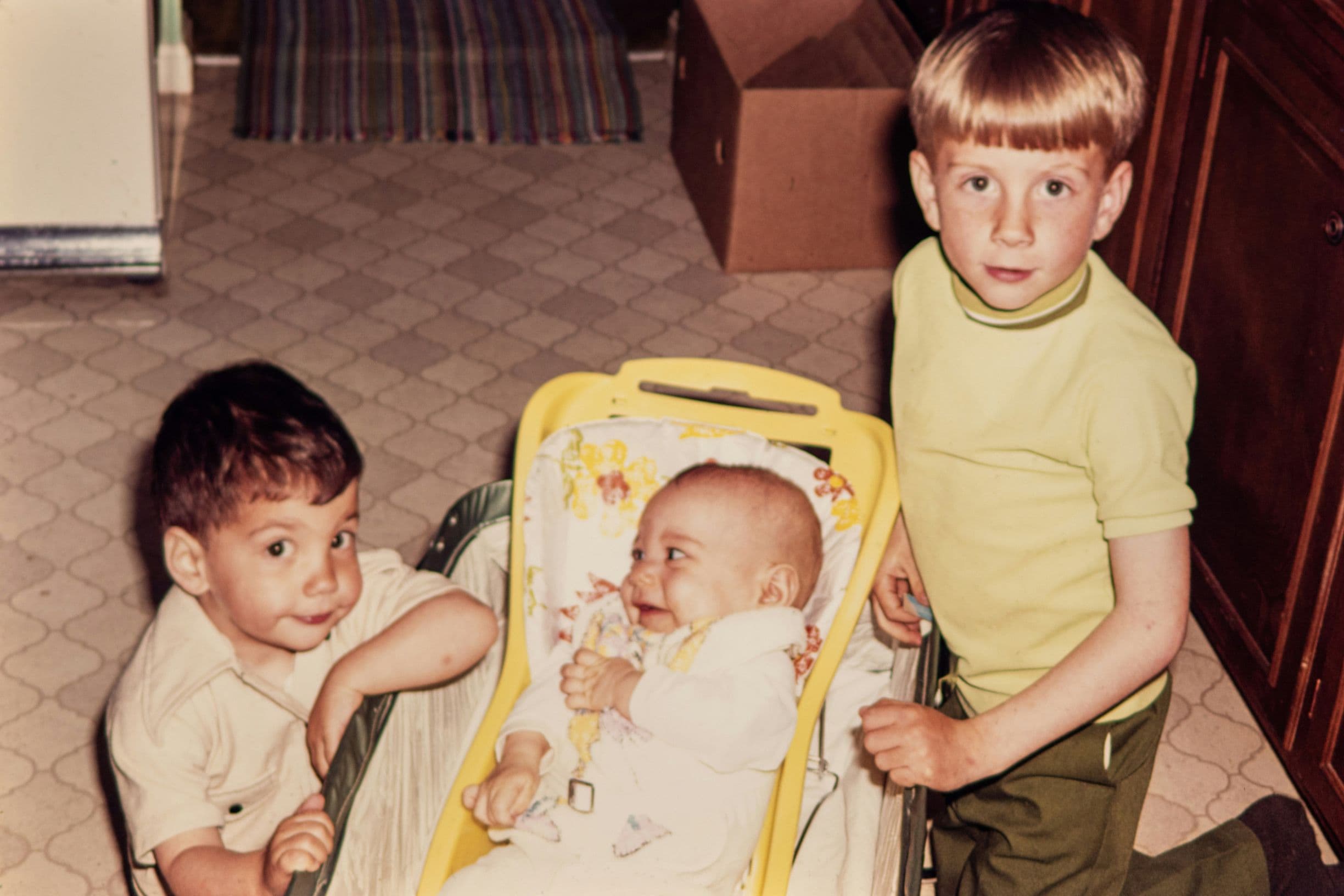
Photo: Annie Spratt, Unsplash
There’s something quietly hopeful in the Popsa findings when you turn it the other way round. If nearly half of us are avoiding photographs from particular periods of our lives, then nearly half of us are also carrying around an enormous, untapped record of where we’ve been and what we’ve come through. The albums we haven’t printed. The folders we haven’t opened. We’re sitting on evidence of our own lives that, with the wisdom we have now, we might finally see with a generosity we couldn’t extend at the time.
For the quieter avoided photos – the ones that aren’t triggers but provoke a recurring cringe or an automatic urge to look away – you might find yourself pleasantly surprised if you give yourself a chance to linger. Ask yourself whether your opinion of that image, the story it tells and the people in it has changed along with the landscape of your life, your values and the way you now see the world and yourself.
Sometimes, to our relief and delight, we realise the lens has shifted.
Trova più velocemente le foto che stai cercando con funzionalità esclusive come il riconoscimento dei volti e gli album smart.




&w=96&q=75)
Claire Brayford
Redattrice e autrice
28 ott 2025∙8 min
&w=96&q=75)
Lucy Halfhead
Responsabile editoriale di Popsa
28 mag 2026∙5 min

&w=96&q=75)


 Stati Uniti