Histoires

Memory Architects: the photographer – Lou Bopp

Photographer Lou Bopp reflects on a career shaped by authenticity – from photojournalism and major campaigns to All the Empty Rooms, a haunting project documenting the preserved bedrooms of children lost to school shootings

Memory Architects: the photographer – Lou Bopp

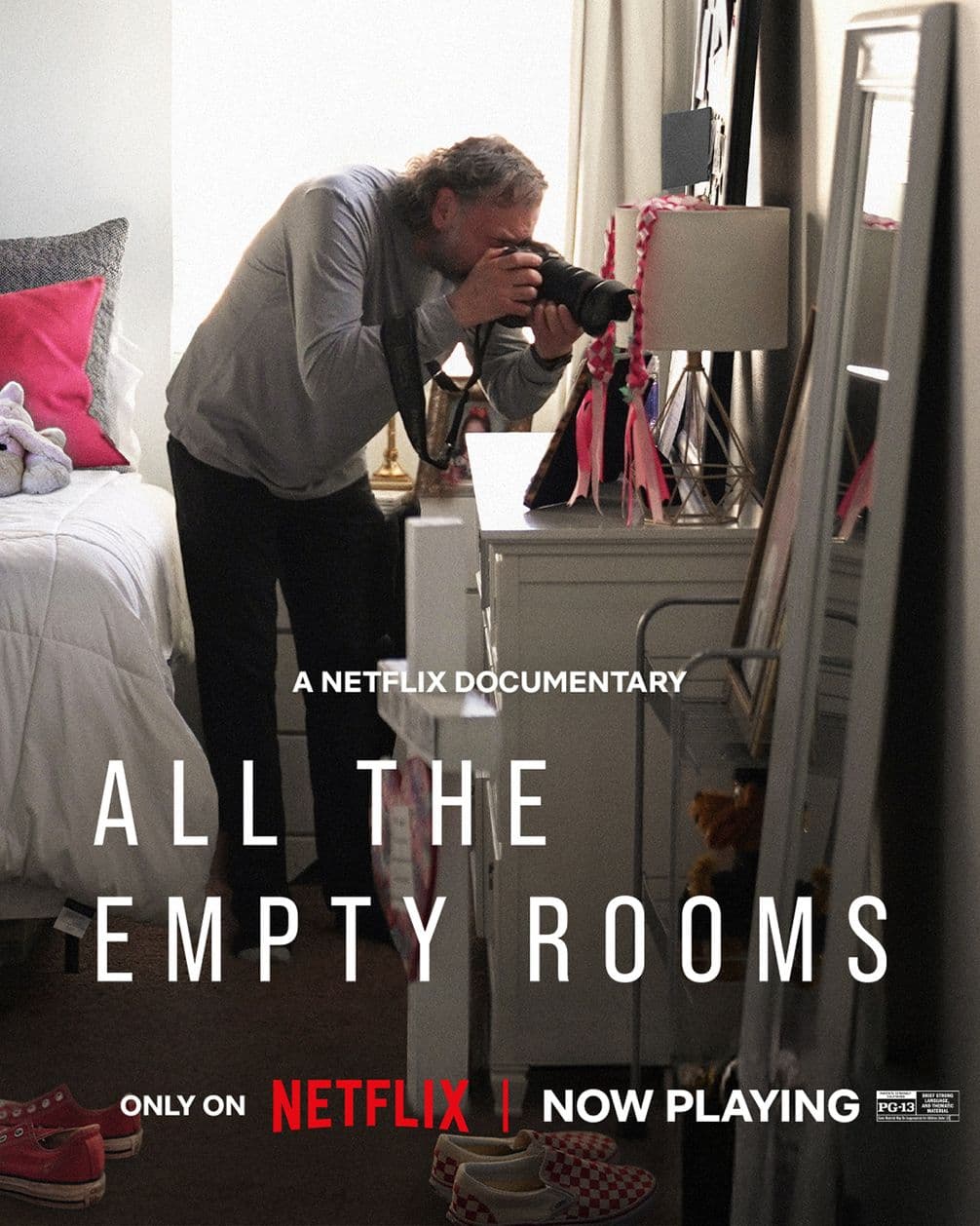
For this edition of Memory Architects, we sat down with the photographer Lou Bopp to explore how a lifelong commitment to authenticity has shaped his work – from early photojournalism to large-scale commercial campaigns, and ultimately to All the Empty Rooms. The project, now a Netflix documentary, documents the preserved bedrooms of children lost to school shootings. Lou speaks candidly about earning families’ trust, photographing absence, and the role photography plays in preserving memory, emotion and meaning over time.

How did you first get started in photography? Who or what were your early influences?

Two pivotal experiences set me on the path to photography. The first was an entrepreneurial experiment: I hired a small plane and a pilot, flew over St Louis taking aerial photographs of people’s homes, and then tried to sell the prints back to the homeowners. It was my first taste of combining photography with storytelling and business.

The second moment was far more historic. I happened to be near Berlin when the Wall came down and rushed there to witness it firsthand. I made a photograph that became fairly iconic – standing astride the wall with one foot in West Berlin and the other in East Berlin, shooting straight down its centre. The image captured the stark juxtaposition of jubilant crowds celebrating in the West and a lone East German border guard on the other side. I sold the photo to the Associated Press, and from there my career truly took off.

Another major break came when I landed an internship at Sports Illustrated, which prompted my move to New York City and helped solidify my path as a professional photographer.

My early influences were primarily photographers from Magnum and Sports Illustrated, including Elliott Erwitt, Burt Glinn, Sebastião Salgado, James Nachtwey and Walter Iooss. I was also deeply influenced by portrait photographers such as Richard Avedon, Albert Watson and Platon, among many others.

Your career spans lifestyle, portrait, industrial and commercial work – what stays consistent for you across such different types of shoots?

Authenticity. Commercial photography is what I do – people and pets on location, happy-go-lucky moments, sun flares, action, positive emotion. Even within the commercial realm, I want my photos to feel believable and to evoke emotion. I’m always trying to capture peak moments. It may not be Michael Jordan dunking a basketball, but if you put two people in a room having a conversation, there will be peak moments, and that’s what I’m always after.

You’ve spoken about the importance of authenticity in your work. What does an “honest” photograph mean to you?

For me, authenticity is vital. I photograph a lot of large advertising campaigns with big crews and big productions. Even in those environments, I’m trying to create genuine moments – for example, between a dog and its owner or talent. I don’t want models to model; I want them to be themselves. I don’t want my images to feel forced or staged, even though some inevitably are. There’s a fine line, and it may take hundreds and hundreds of photos to get there, but I believe it makes all the difference.

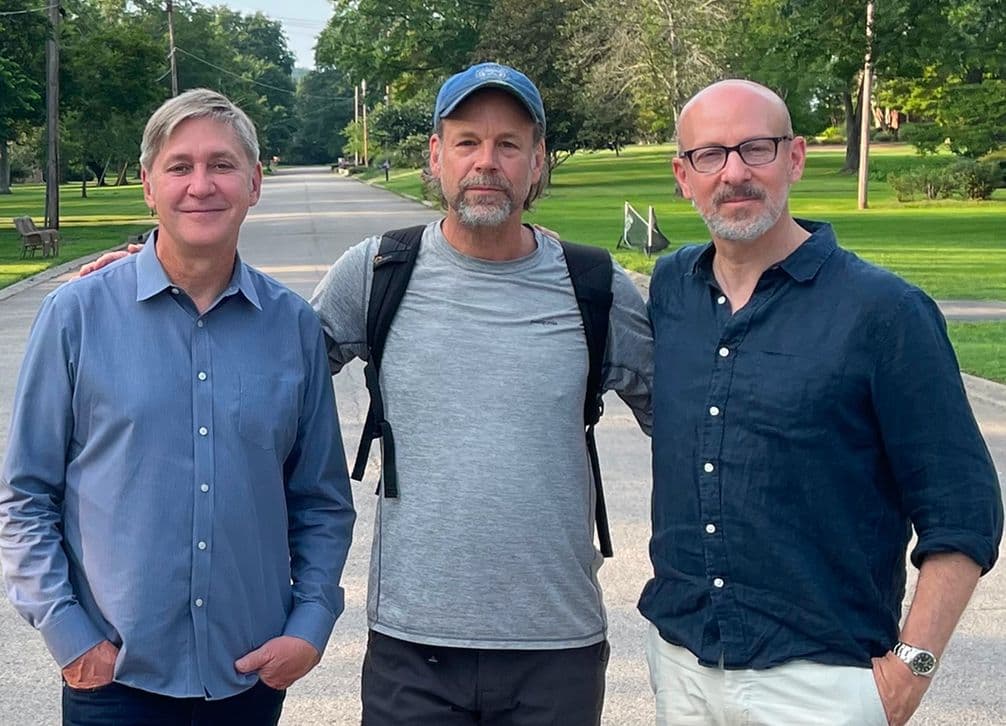
Lou Bopp (centre) with journalist Steve Hartman (left) and director Josh Seftel (right)

How did you first become involved in the project that became All the Empty Rooms?

My good friend Steve Hartman called me one day to share an idea he was developing and asked for my thoughts. I trust Steve immensely, and I immediately felt it was a strong concept. I also recognised the magnitude of what he was proposing right away. Even so, there was never any question of saying no, especially with him.

When families invited you into their homes, how did you approach photographing spaces so closely tied to their memory of their child?

With huge respect. Trust is vital. I spoke to the parents ahead of time. I took off my shoes upon entering, if I hadn’t already taken them off at the front door. I didn’t touch a thing. I didn’t use lights or a tripod, and I used one camera body and one lens. I took photographs that spoke to me – images I felt captured the essence of their child’s personality.

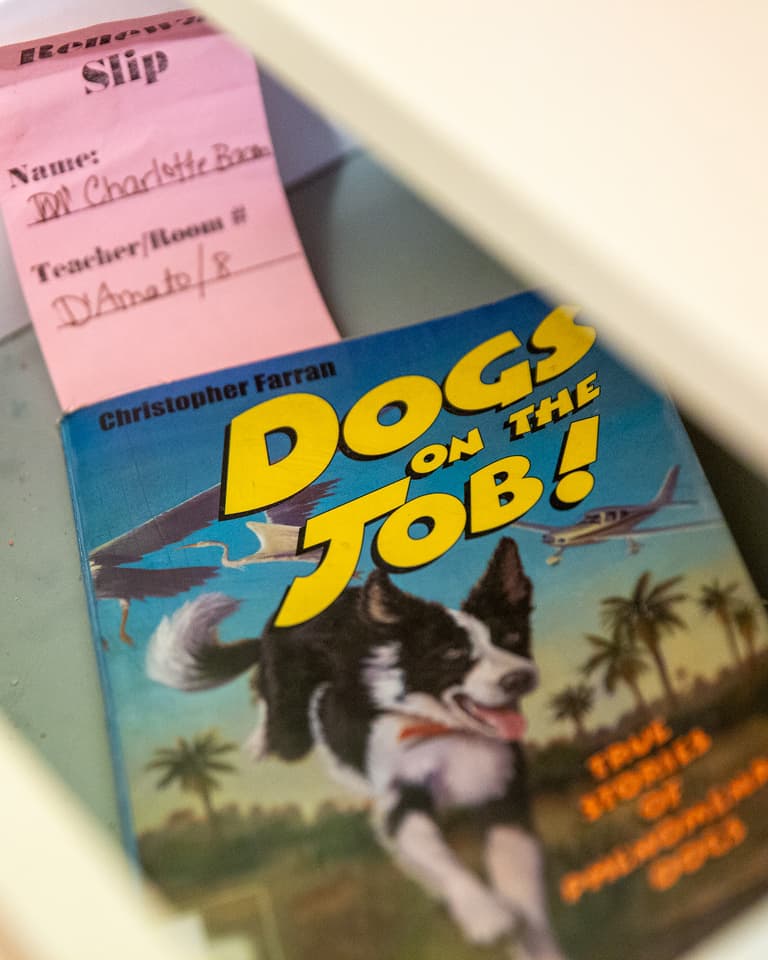
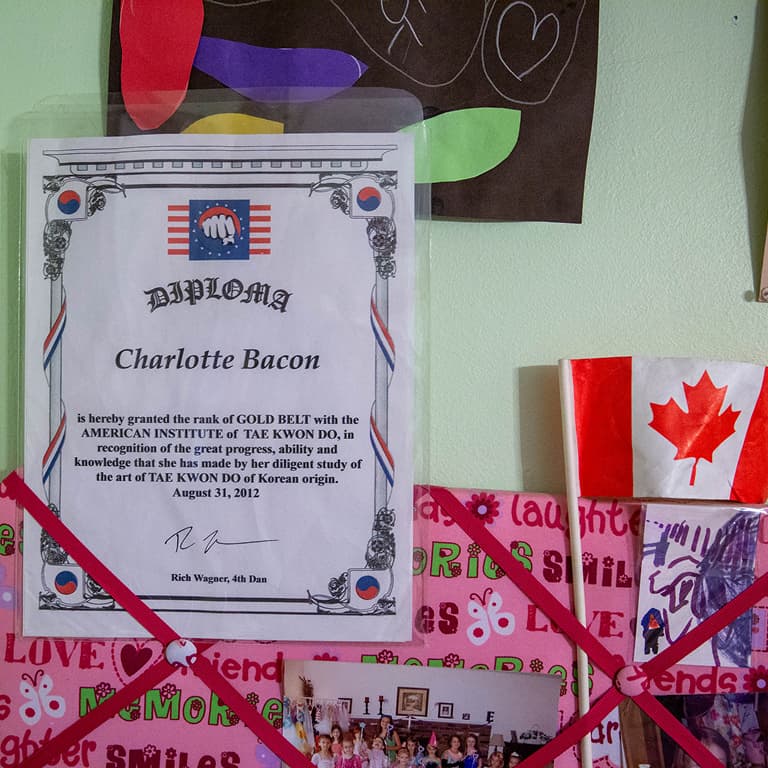
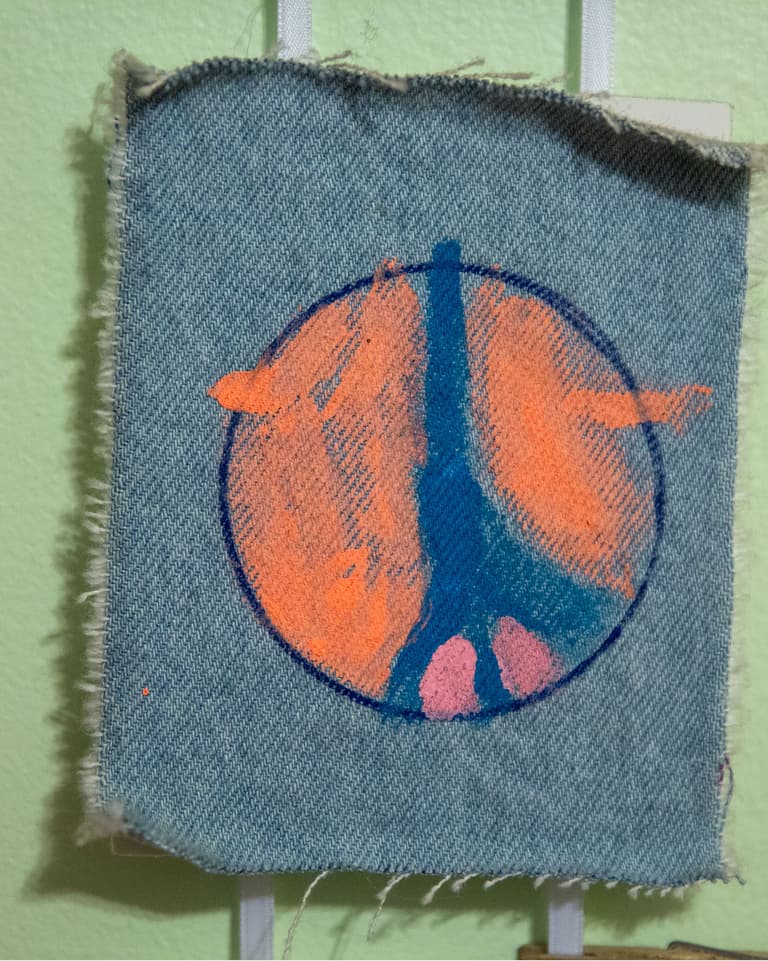
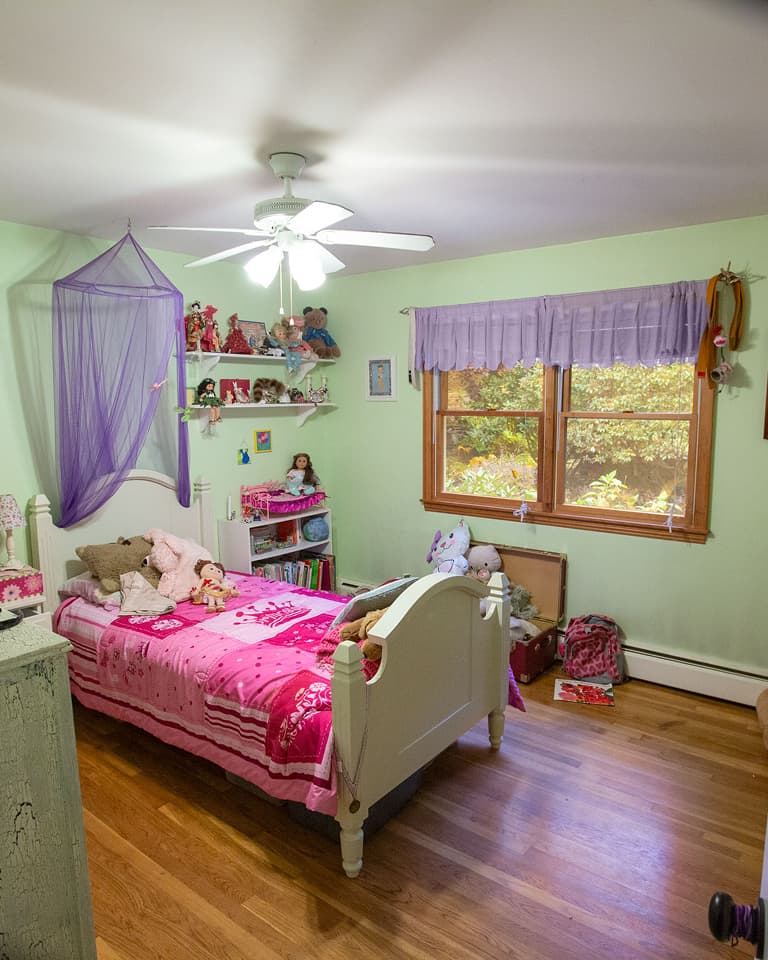
Charlotte Helen Bacon, 6. Photo: Lou Bopp

Charlotte Helen Bacon, 6. Photo: Lou Bopp

Charlotte Helen Bacon, 6. Photo: Lou Bopp

Charlotte Helen Bacon, 6. Photo: Lou Bopp

Charlotte Helen Bacon, 6. Photo: Lou Bopp

Can you walk us through how you choose a frame in these bedrooms – what guides your eye when narrative and subject are implied rather than explicit?

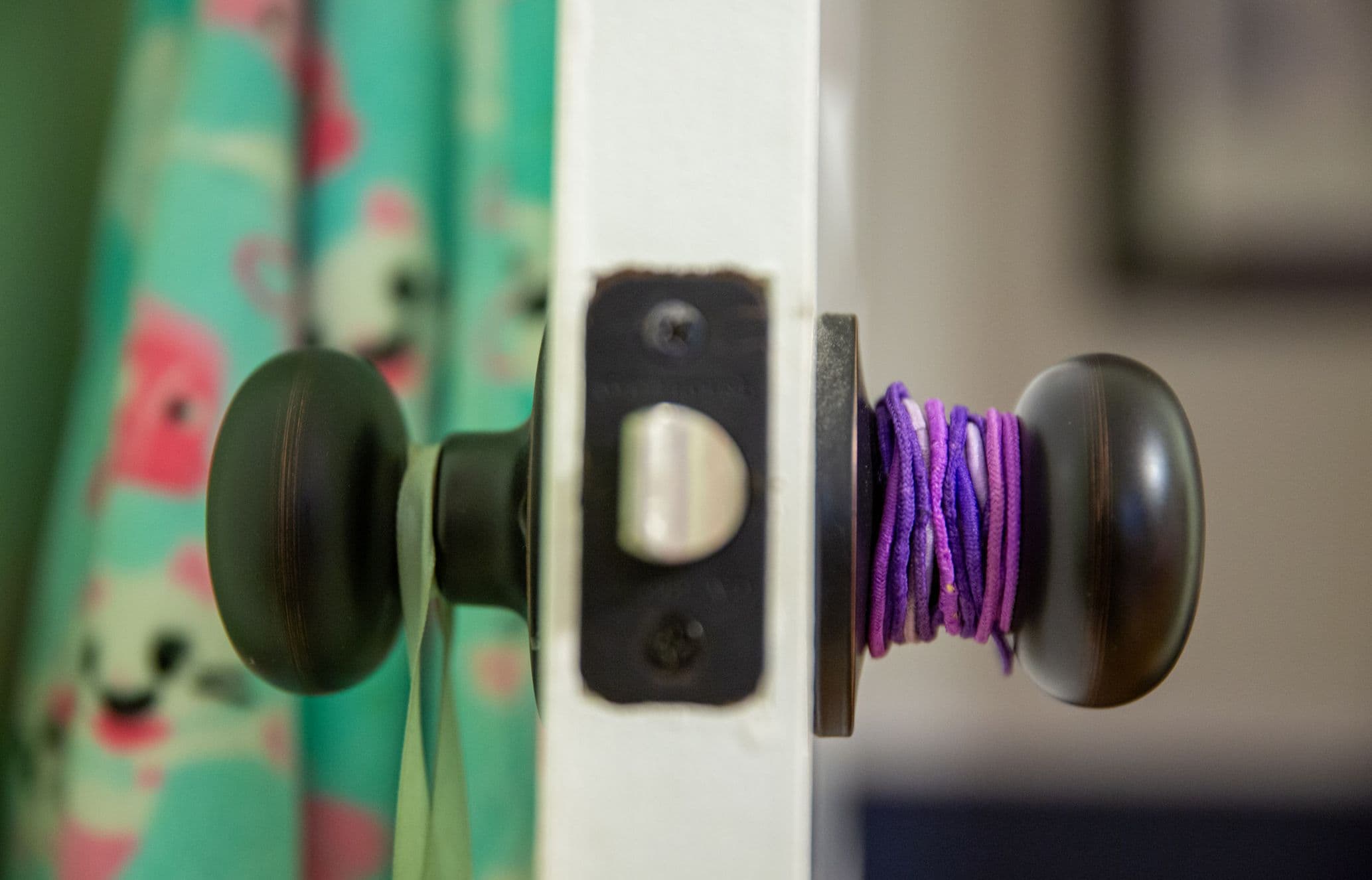
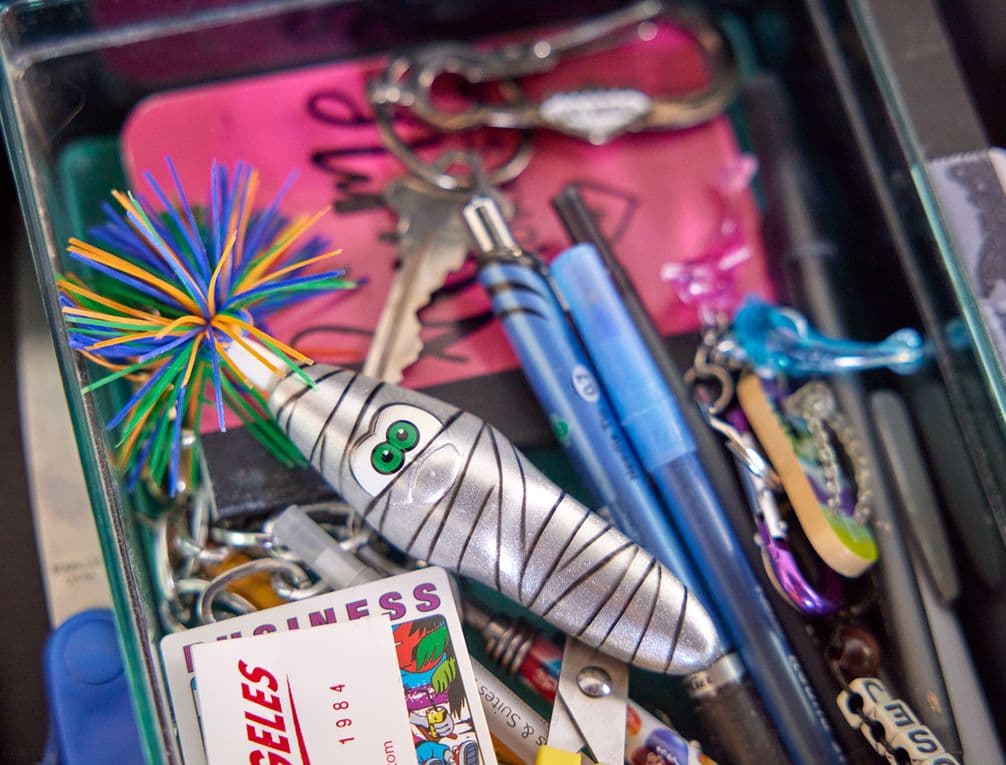
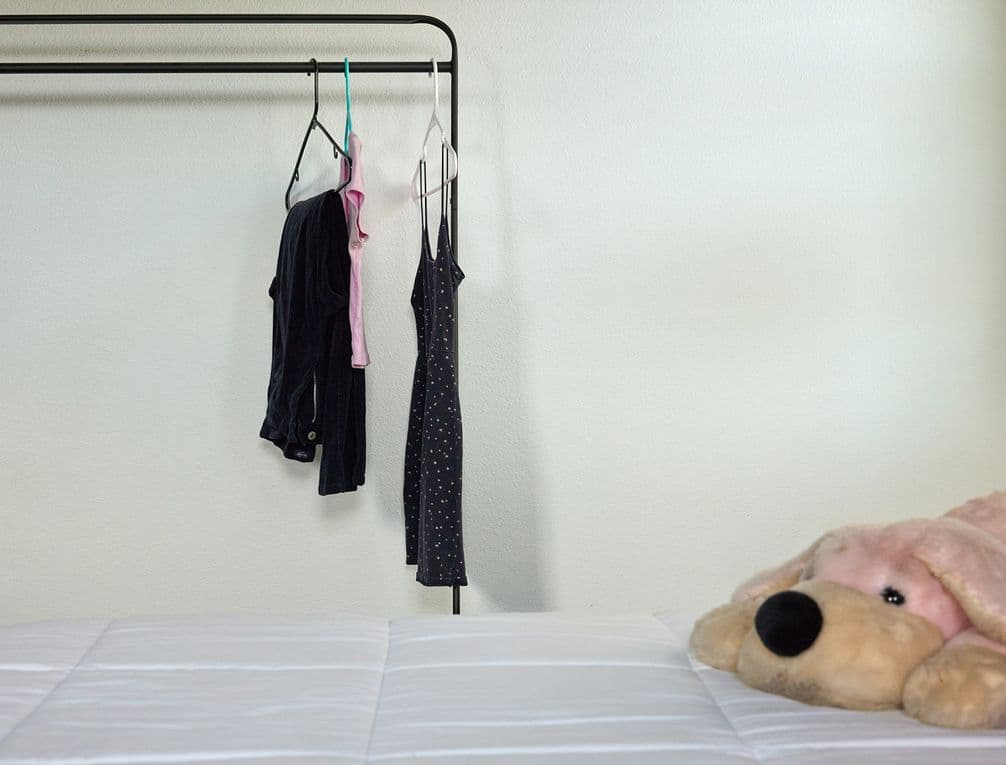
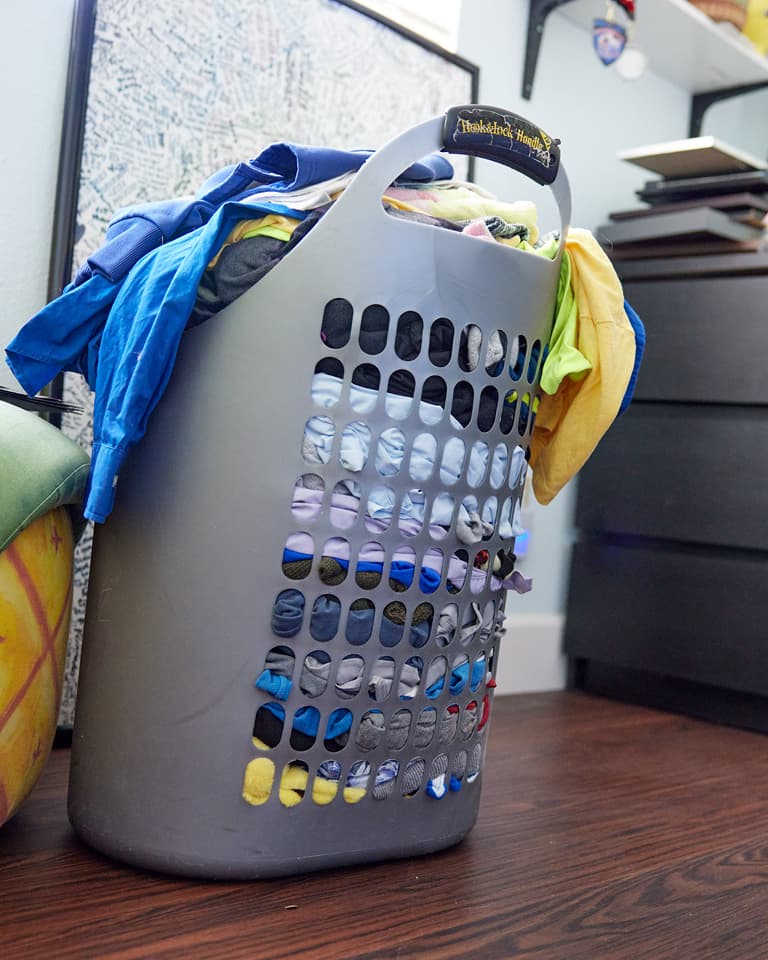
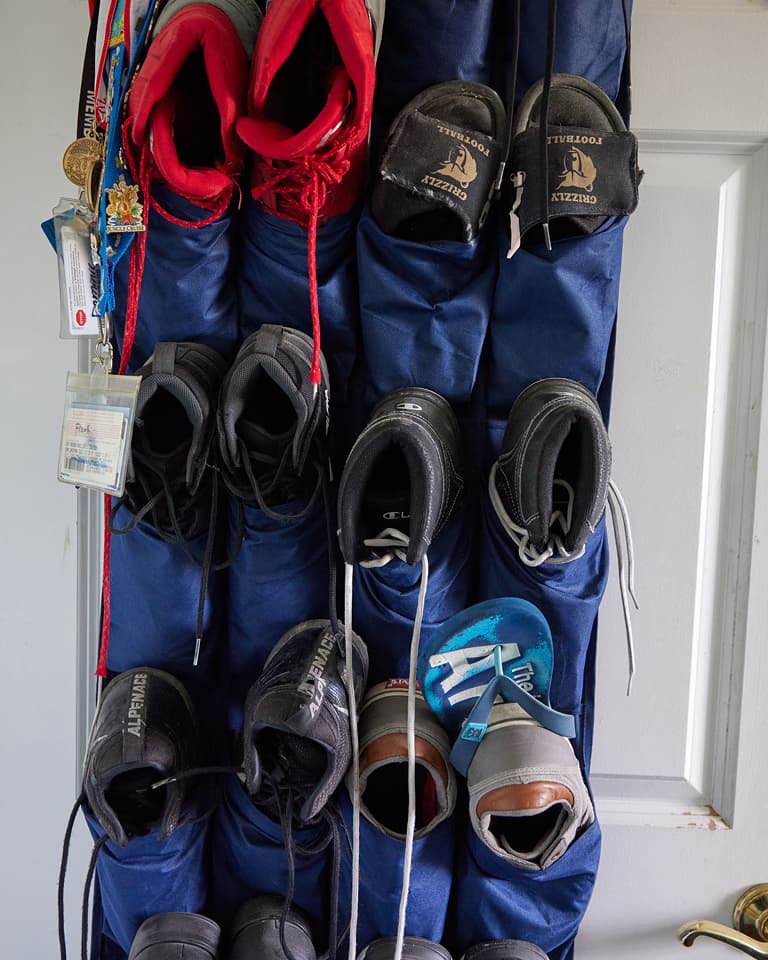
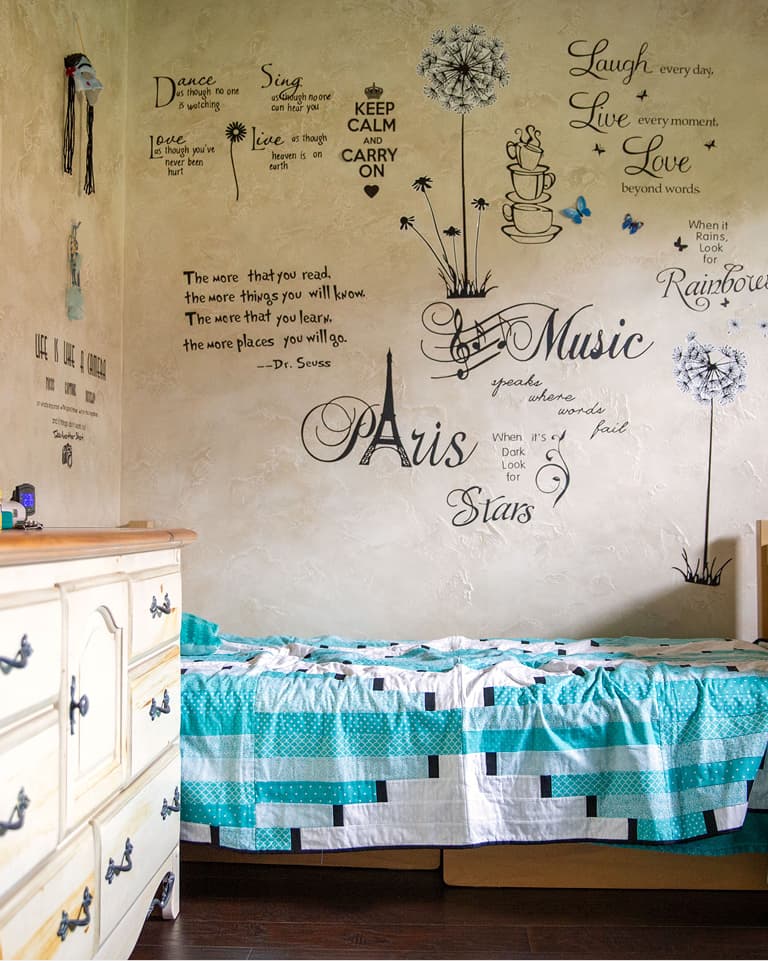
When I entered the bedroom, I think I stood there for a while to take it all in. And breathe. And feel. My eyes and emotions guided me. I was looking for clues that could tell a story about who this child was, what they liked, the life they lived. Children’s bedrooms are incredibly personal. They’re safe spaces and deeply representative of who they are. Their personalities come alive in those rooms. Whether it was the colour palette, hair bands on a doorknob, a basket of dirty laundry, or what I discovered under the bed, it was all part of the story. Essentially, I was taking a portrait of a child who was not there.

Gracie Anne Muehlberger, 15. Photo: Lou Bopp

Gracie Anne Muehlberger, 15. Photo: Lou Bopp

Gracie Anne Muehlberger, 15. Photo: Lou Bopp

What technical choices did you make for this project, and how did they support your emotional goals?

From the beginning, I made a conscious decision not to bring in lighting or tripods. Because of those restrictions, I handheld the camera and shot at a relatively high ISO, which introduced grain and grit. I felt that texture added something emotionally appropriate. I also didn’t line up all the horizons perfectly. I liked the cinéma vérité feel – it made the images more dynamic and real. And I knew I was not going to disturb a single thing in the room, even if it meant a “better” photograph. I had a self-imposed no-touch policy. These are sacred spaces, and the families were kind enough to trust me with access. I approached the work with the utmost respect.

Many parents have kept their child’s bedroom exactly as it was. What did those rooms communicate to you?

Those rooms are locked in time. They’re time vaults. Even as time marches on, the rooms remain frozen. Ultimately, each parent processes grief and memory differently – as we all do.

Dominic Michael Blackwell, 14. Photo: Lou Bopp

Dominic Michael Blackwell, 14. Photo: Lou Bopp

Dominic Michael Blackwell, 14. Photo: Lou Bopp

Dominic Michael Blackwell, 14. Photo: Lou Bopp

Were there particular objects or details that helped you understand who the child was beyond the tragedy?

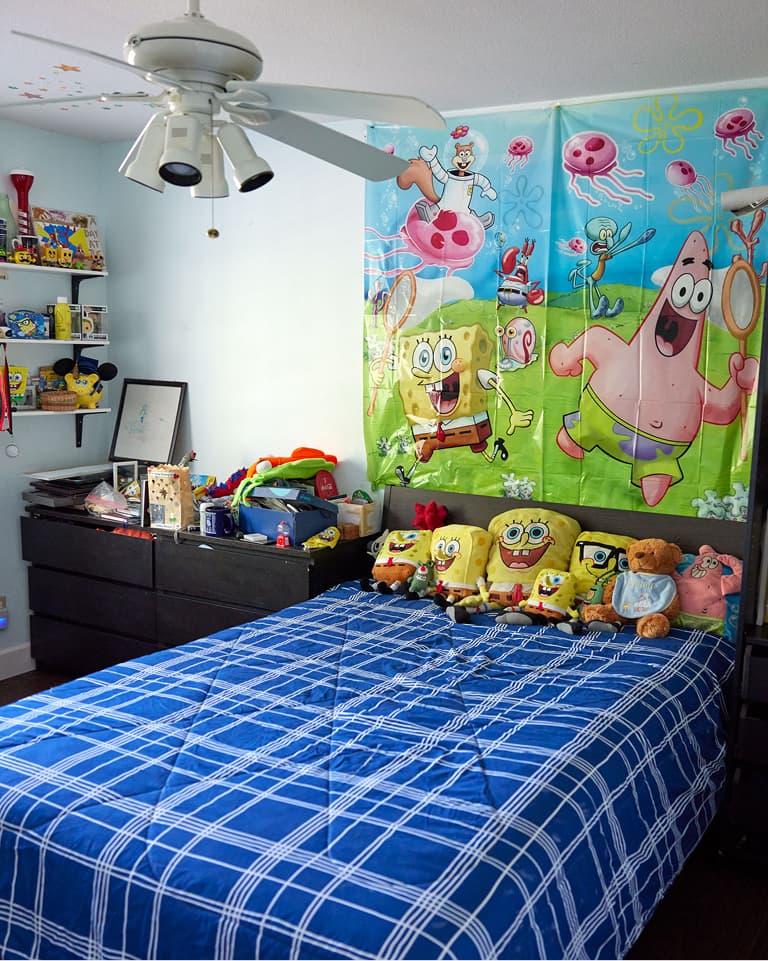
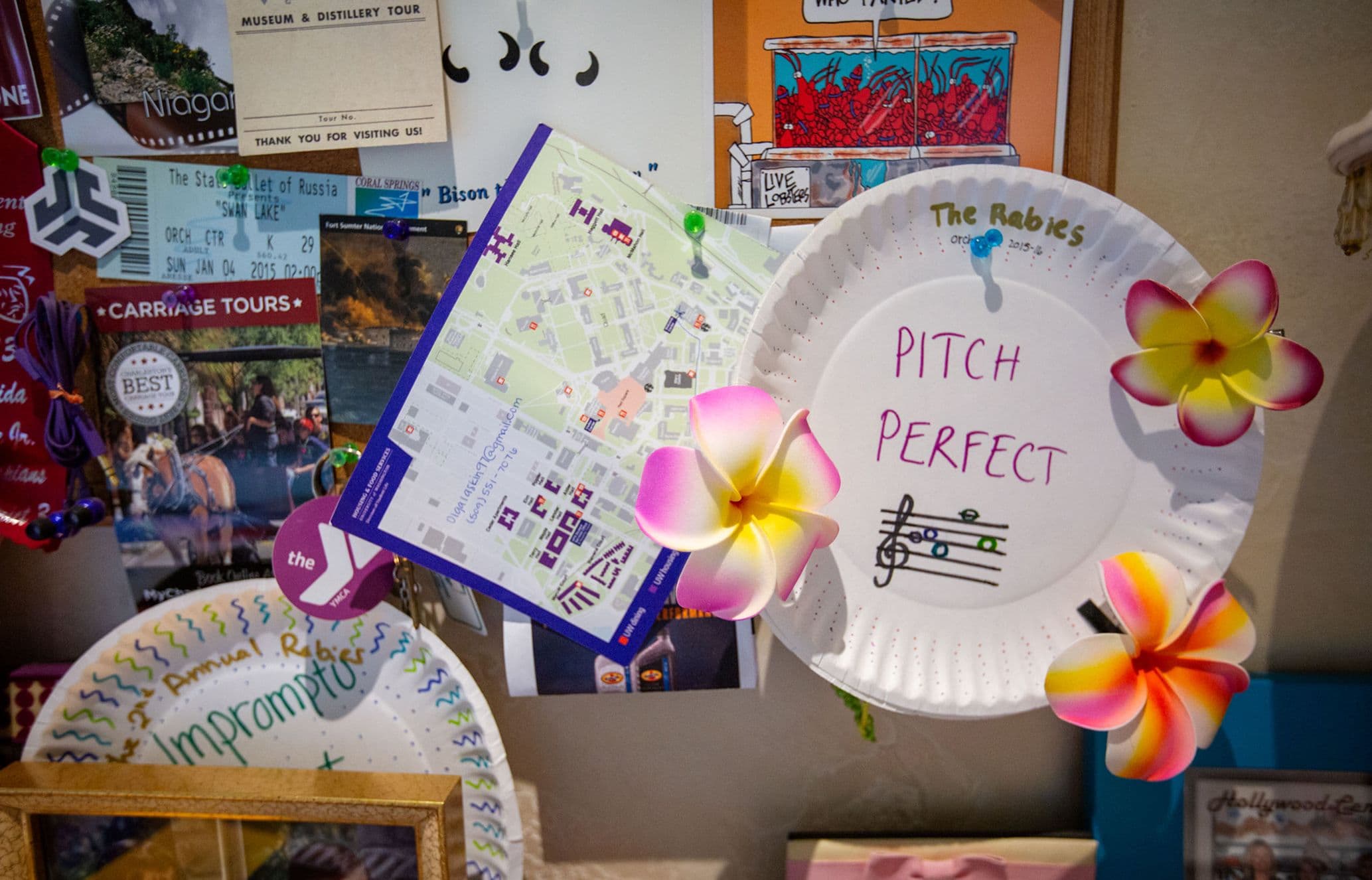
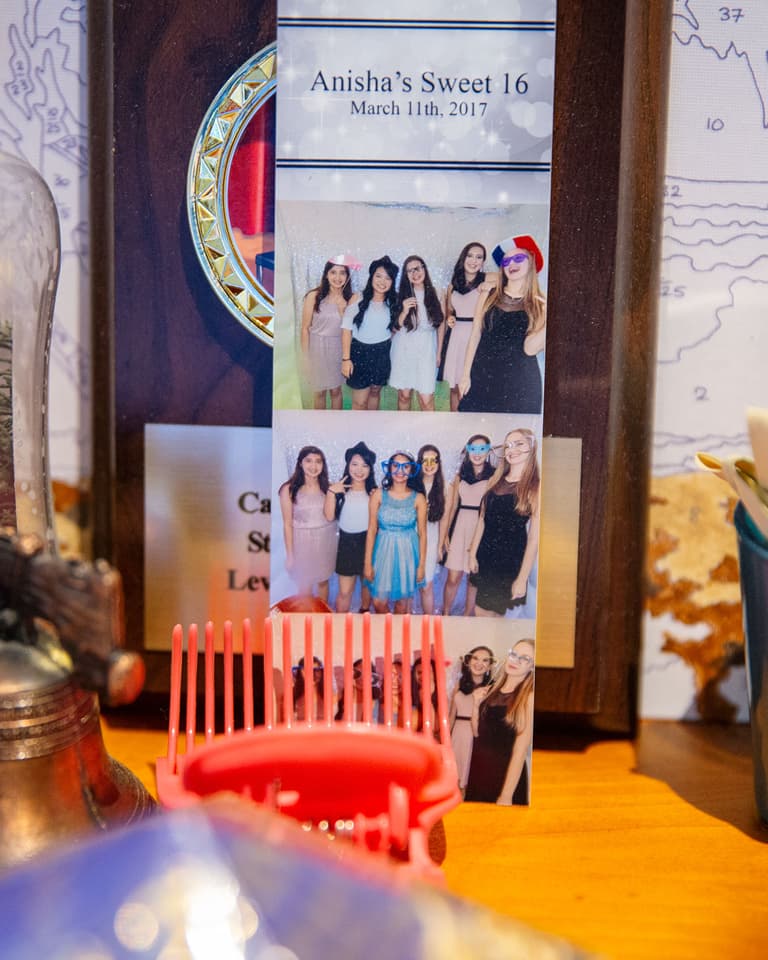
Yes, 100 per cent. Every room offered countless clues: torn prom ticket stubs, photos from a trip to Washington DC, stuffed animals, dirty clothes, wall colours, seashells, SpongeBob memorabilia, bedspreads, the inside of a trash can, class projects. The list goes on.

Carmen Marie Schentrup, 16. Photo: Lou Bopp

Carmen Marie Schentrup, 16. Photo: Lou Bopp

Carmen Marie Schentrup, 16. Photo: Lou Bopp

Carmen Marie Schentrup, 16. Photo: Lou Bopp

Were there moments during the project that stayed with you long after the shoot ended?

Absolutely. More than anything, it was the feeling of loss and helplessness. When I take on a project, I’m all in – fully present and emotionally vulnerable – and I believe that comes through in the photographs. I photographed eight rooms over eight years. Before and after each one, my soul was crushed. It still is; it’s just not always front and centre. That sense of helplessness really wreaks havoc inside you.

Has spending time with these families changed how you think about memory?

I think my sensibilities are largely the same as they were eight years ago, just more intense. I think a lot about memory and time. In the film, they document my daughter Rose and me taking our daily “morning photos”. That project is about time passing and memory – trying to lock in each day and stop time.

I know that’s unrealistic, but I started the project when we found out her mother was pregnant, and I continue it to this day: one photo a day. I don’t think the brain truly processes time on a daily basis. You look up and suddenly wonder – where did my thirties go? My forties?

Has working on All the Empty Rooms changed how you think about your role as a photographer?

Not yet. It may in time. I’m still processing it, to be honest. There’s a lot to figure out.

Now that the documentary is out in the world, what do you hope viewers take away from these images and stories?

I hope the film and photographs provoke thought, emotion, hope and, ultimately, change. This is one issue most of us can agree on: children deserve to be safe at school.

One of the most powerful choices the filmmakers made was the conscious decision not to use the word “gun” in the film. I thought that was brilliant. The film doesn’t take sides; instead, it creates space for reflection and empathy.

At the end of the day, I believe that if every American, or at least our lawmakers, could stand in one of these rooms, real change would happen. If nothing else, I hope these images bring viewers one step closer to that experience, allowing them to feel the weight and aftermath of these tragedies, and motivating meaningful action.

All the Empty Rooms is available on Netflix.