

Photography
What Yellowstone taught me about photographing wildlife
From dawn starts and ranger radio tips to a lesson in preparation – one week shooting wildlife in America’s wildest national park

3. heinä 2026∙7 min
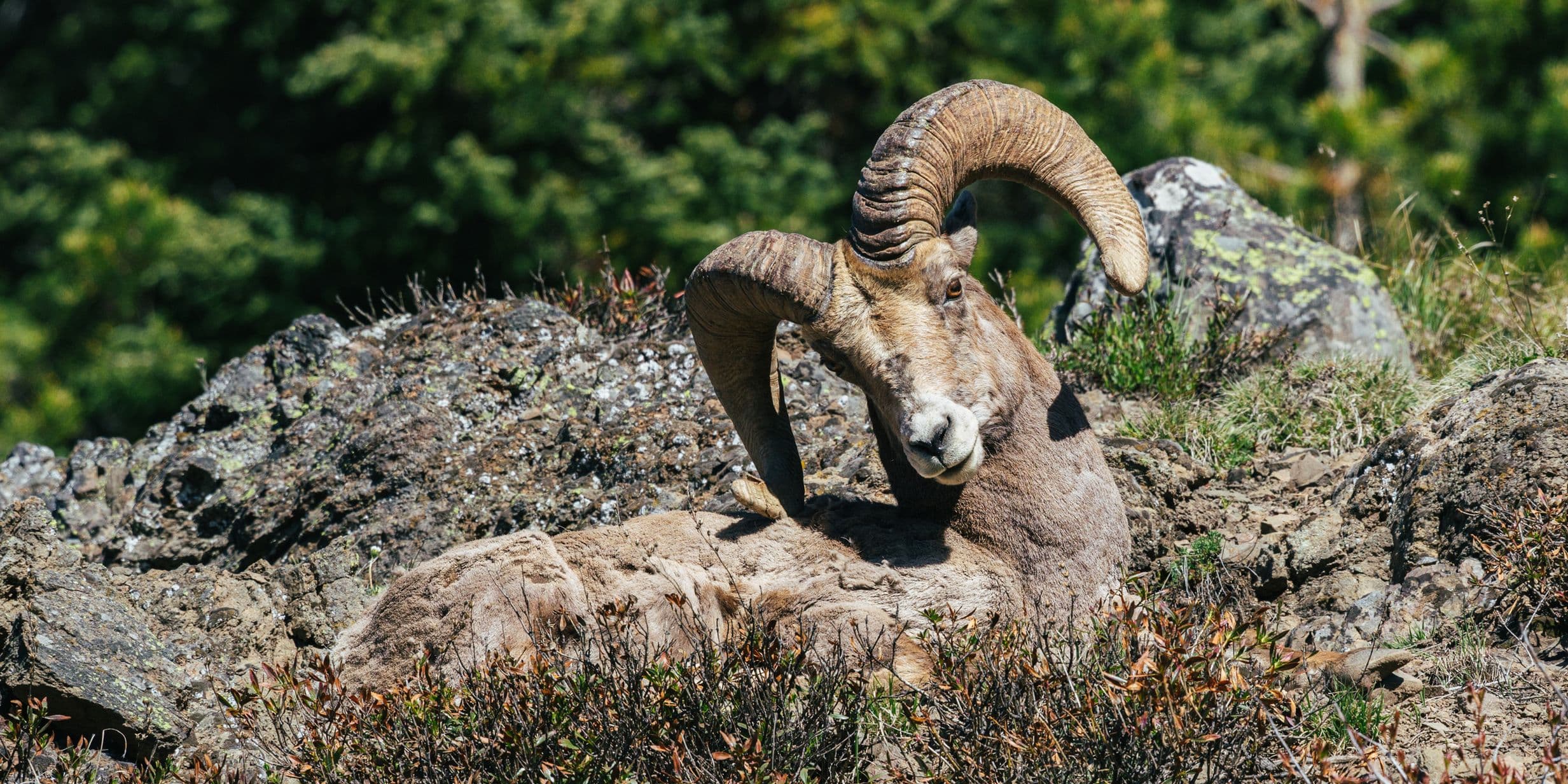
Photography
From dawn starts and ranger radio tips to a lesson in preparation – one week shooting wildlife in America’s wildest national park
3. heinä 2026∙7 min
When I quit my full-time job as an editor, I was ready to reward myself with an adventure. Restless after a few years of spending too much time glued to my desk, I wanted a bite-sized but still epic trip to help me shift gears after all of those long days in the newsroom.
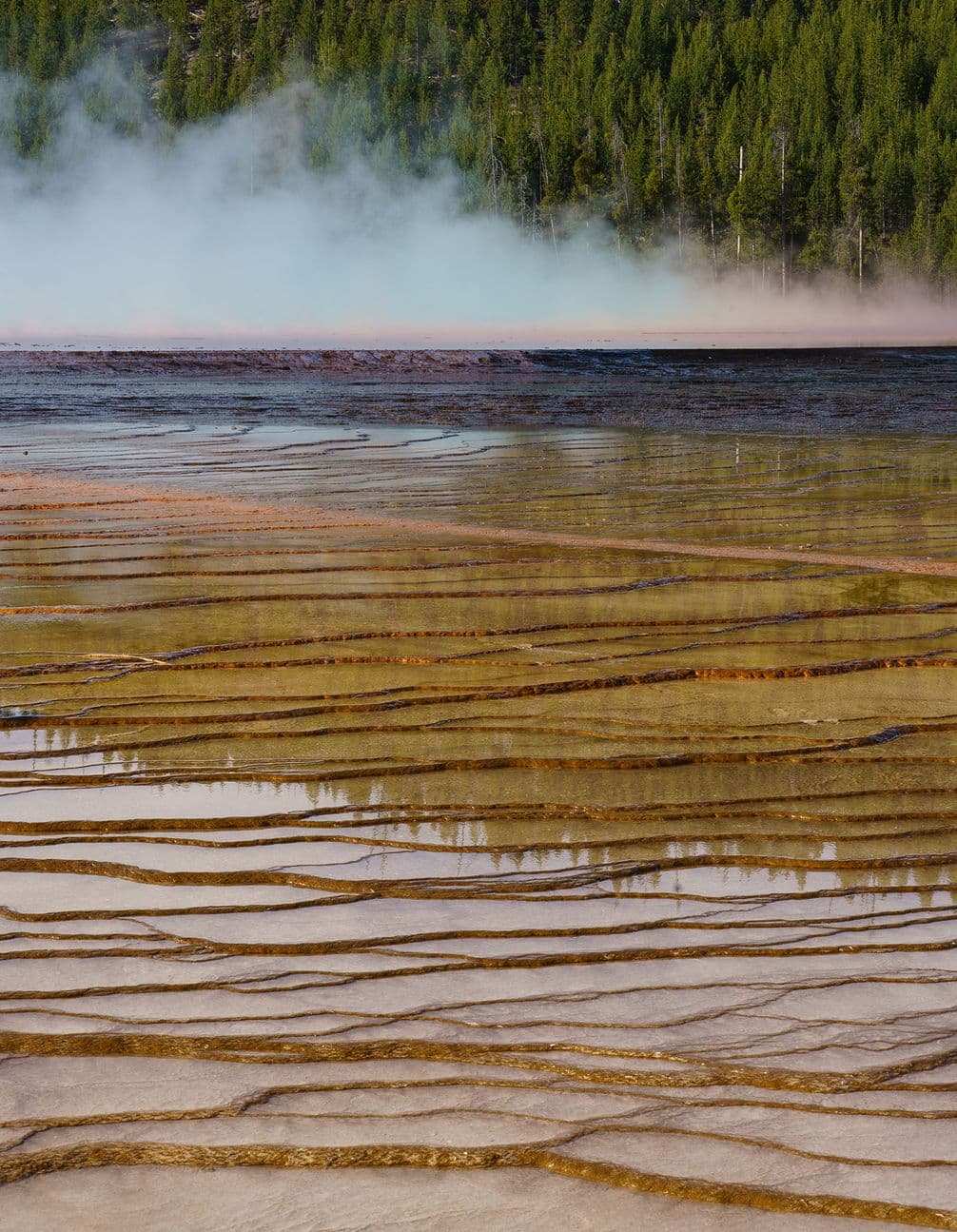
Photo: Taylor Hatmaker
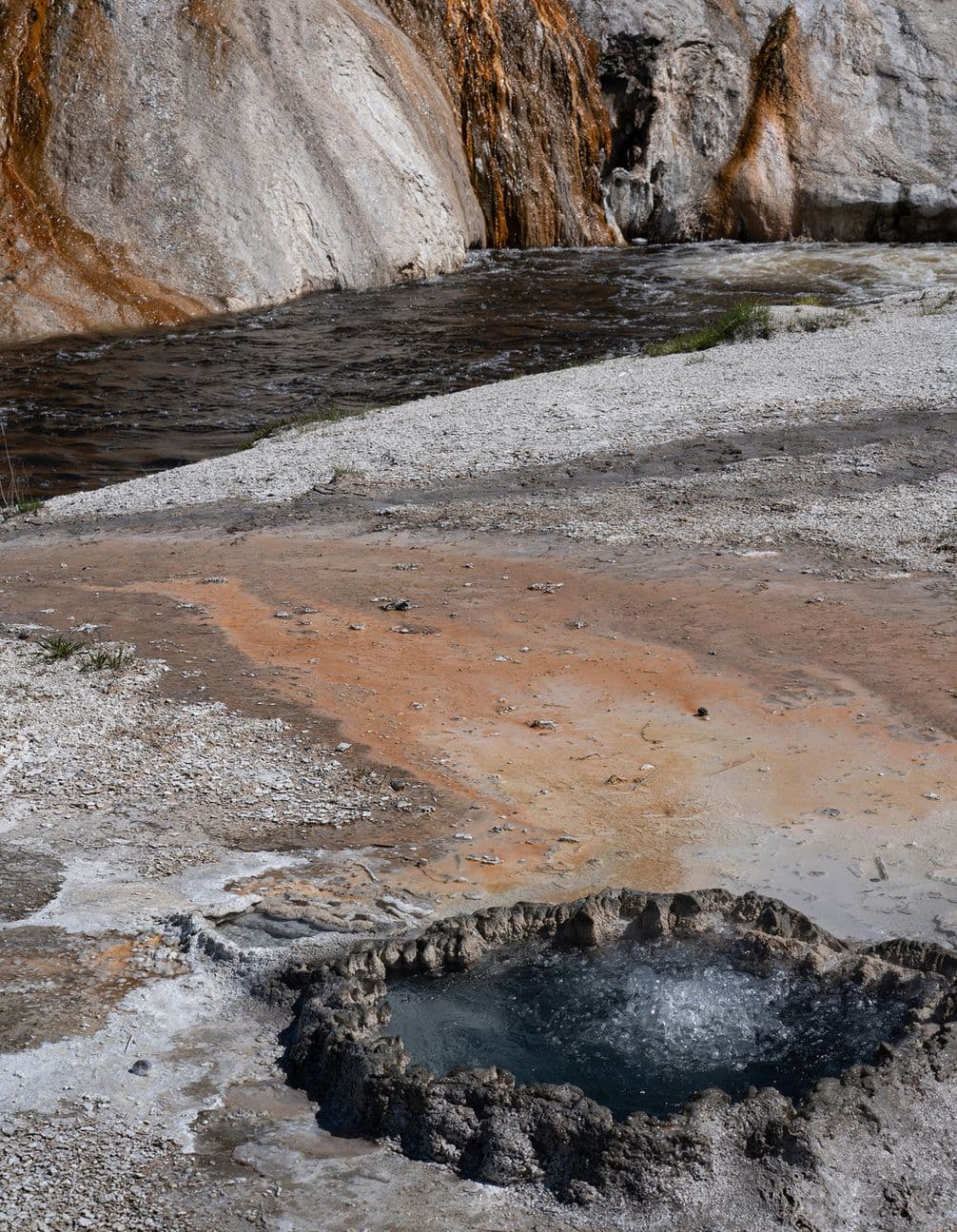
Photo: Taylor Hatmaker
When it comes to epic, America’s National Parks always deliver. But in spite of many nights spent framing the stars on dusty roads in Joshua Tree or picking my way through a blanket of lupine in Mount Rainier’s foothills, I’d never made the trek to Yellowstone, the oldest – and arguably grandest – of them all. While many of the parks were selected for their sweeping vistas, towering granite formations and impossible canyons, Yellowstone beckons visitors with its living landscape. The park is literally bubbling with geothermal activity, but it’s also the premier destination in the lower 48 states for wildlife watching.
For me, very much not a wildlife photographer, Yellowstone was the perfect testing ground for a form of photography I hadn’t explored yet (unless you count a few photos I took once of some blackbirds having a lover’s quarrel). The next thing I knew I was signed up for an intensive wildlife photography field seminar through Yellowstone Forever, a nonprofit tied to the park that hosts educational experiences on everything from the park’s colourful geology to wolf family systems. With less than a week to prep before the impromptu road trip, I jumped into the deep end, ready to learn.
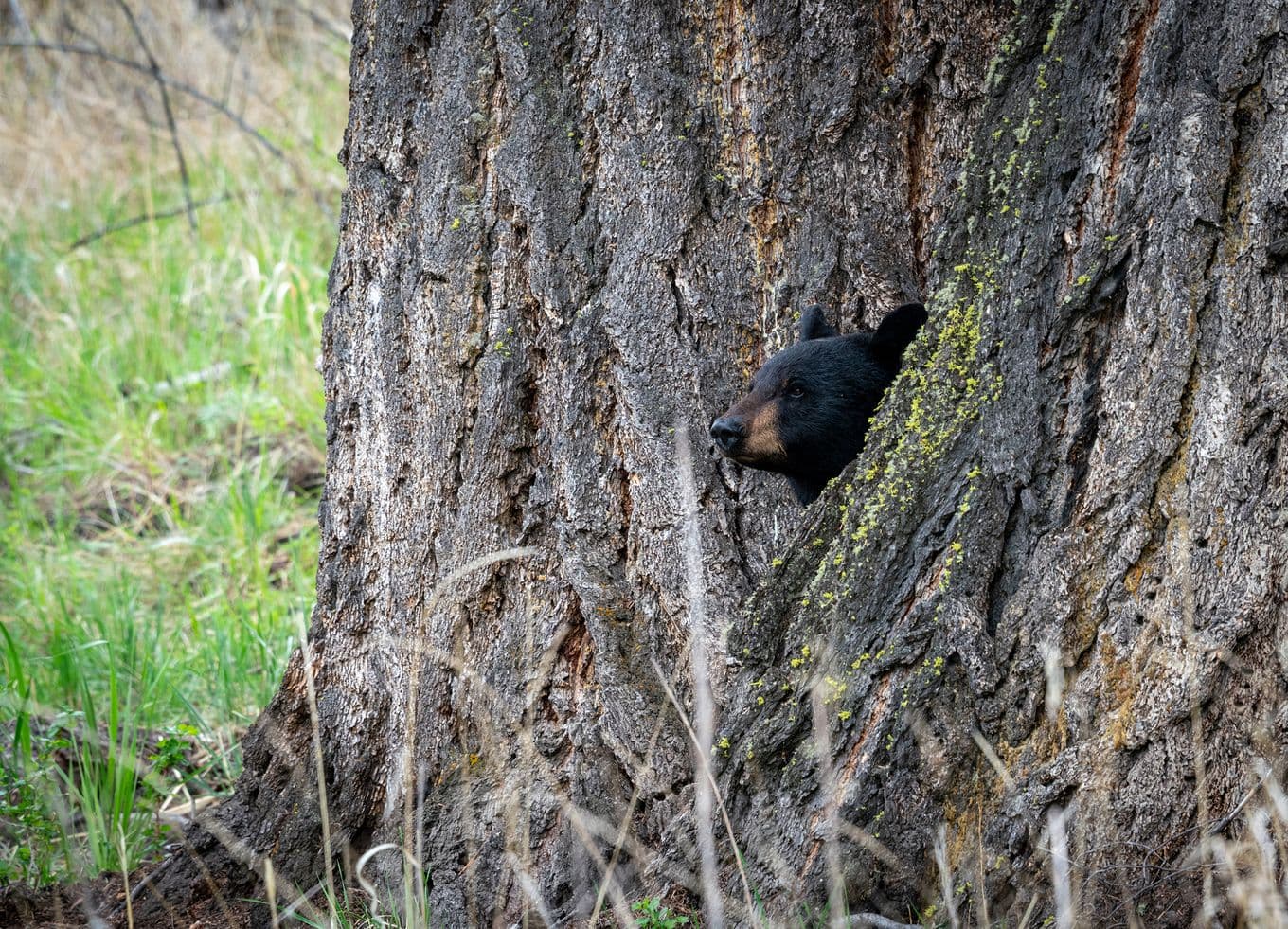
Photo: Taylor Hatmaker
As an avid camper and sometimes solo backpacker, I’m known in my group of friends as someone who is always prepared. But even my (admittedly last minute) preparations were put to the test for my Yellowstone field course. In less than a week, I had to pack not only everything I needed for five days at the field campus in Yellowstone’s magical, wildlife-rich Lamar Valley, but I’d also have to round up the right gear for a totally new flavour of photography. Many frantic checklists and one rush-delivered lens rental later, my Subaru was stuffed to the gills. I squeezed in among the Pelican cases, wool layers and jars of peanut butter.
For a hopefully not once-in-a-lifetime experience, I rented a Sony FE 200-600mm f/5.6-6.3, a super-telephoto lens that could bring far, fast-moving subjects close. Because all of my prep time was taken up with packing and ticking off tasks, I barely had time to try it out before shuffling out bleary eyed at 5am to catch Yellowstone’s animal life during its flurry of pre-dawn activity.
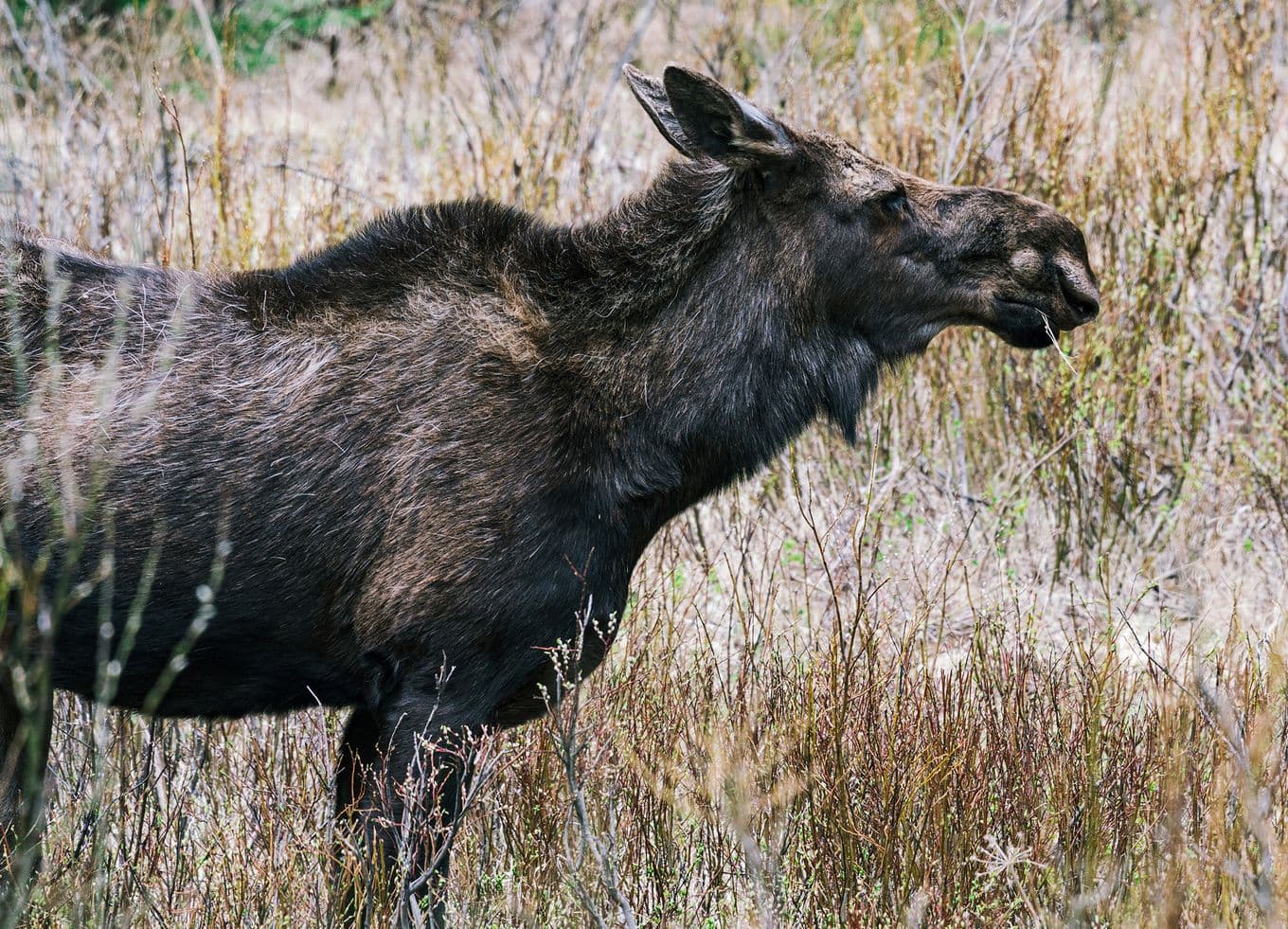
Photo: Taylor Hatmaker
In spite of the ton of technical advice I received from my instructor, a longtime pro wildlife photographer who spends most of her days shooting bears, I quickly discovered how much I had to learn.
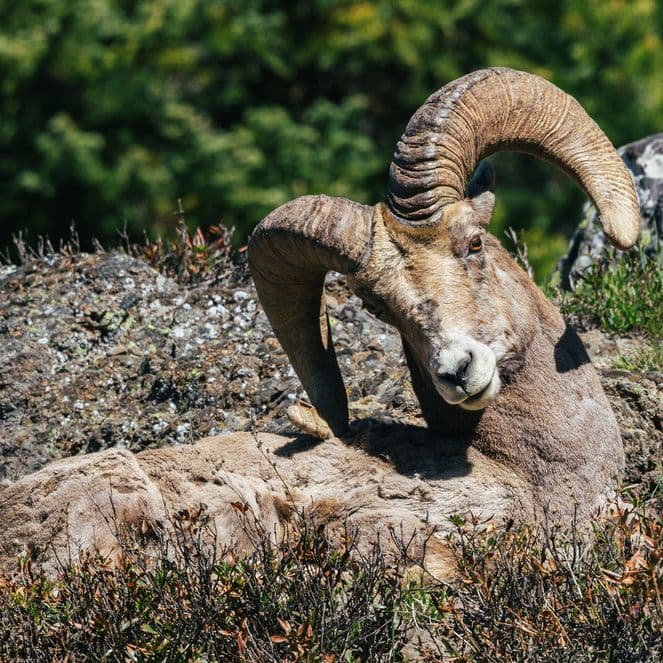
Wildlife is unpredictable, which makes wildlife photography more high adrenaline than the casual street shooting and landscape photography I’m used to. Yellowstone’s northern range is home to an incredible array of animals that are tough to observe anywhere else, but you need to be in the right place at the right time, and ready for the moment. Beautiful shots of bald eagles, grizzly bears, pronghorn, pikas, coyotes and bison are just a few of Yellowstone’s rewards for deep preparation.
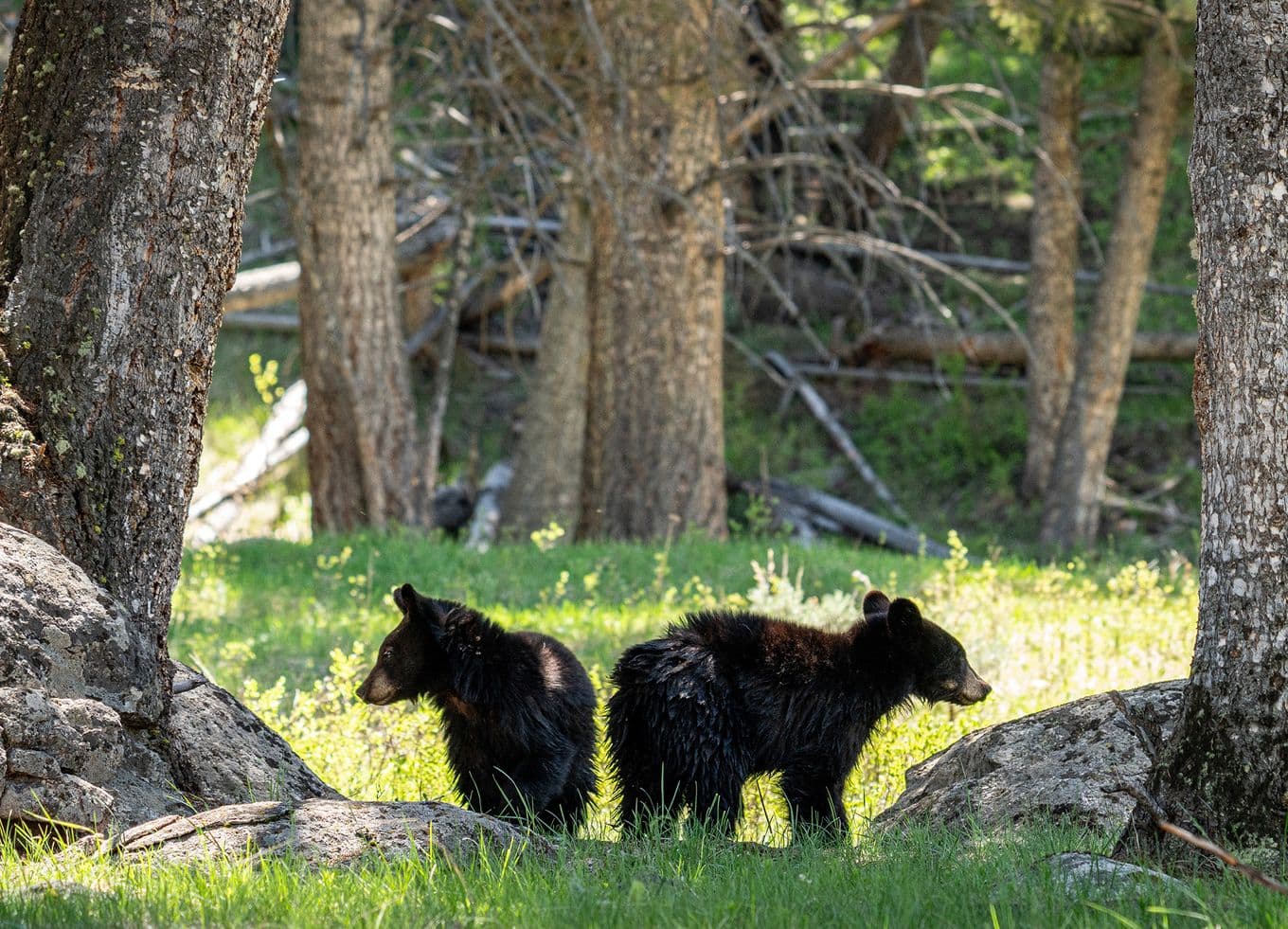
Photo: Taylor Hatmaker
Slightly sleep-deprived and wired with excitement, day one was not a resounding success. I wrestled with mounting my camera and its huge, unfamiliar lens onto the gimbal head I bought last minute for my tripod. I wasted valuable time head-down in settings menus to find the focus mode, ISO and aperture to nail sharp shots in tough conditions, like shooting through bright light and dense shadows when we spotted a pair of black bear cubs in a clearing.
I still feel a twinge of regret for not taking an extra day to familiarise myself with the new equipment in a zero-stakes setting. And while I may not have a pin-sharp shot of the two young grizzlies pressing their noses together in the harsh midday light, I did learn a valuable lesson about being even more prepared than you think you need to be.

Photo: Taylor Hatmaker
Two days later I was redeemed when I managed to capture a few shots of a tiny, short-tailed weasel as it darted between rocks. Weasels are a favourite animal of mine and their diminutive size and quick movements makes them hard to spot, much less shoot. The weasel was no grizzly cub, but it was special to me and an emblem of my wildlife photography progress.
Visiting Yellowstone’s wildlife hotspot was an incredible experience, largely thanks to the knowledge of my instructor, the programme’s volunteers and my classmates. I’m often a solo adventurer, particularly when shooting outdoors, but I would have been totally without my bearings trying to find and shoot Yellowstone’s wildlife on my own.
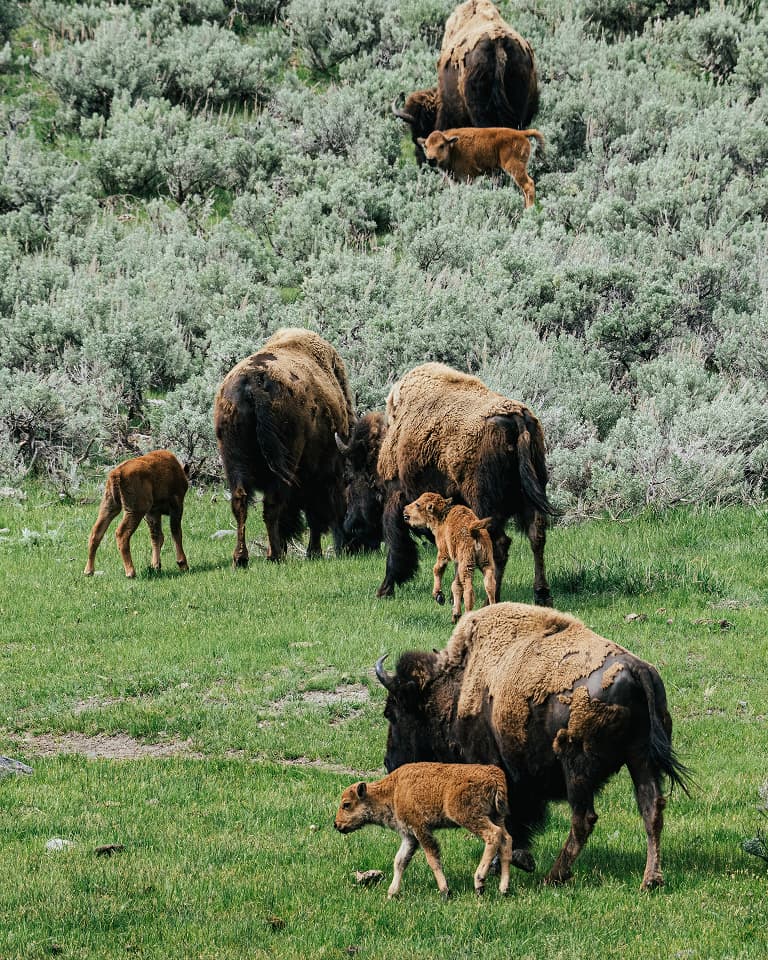
Photos: Taylor Hatmaker
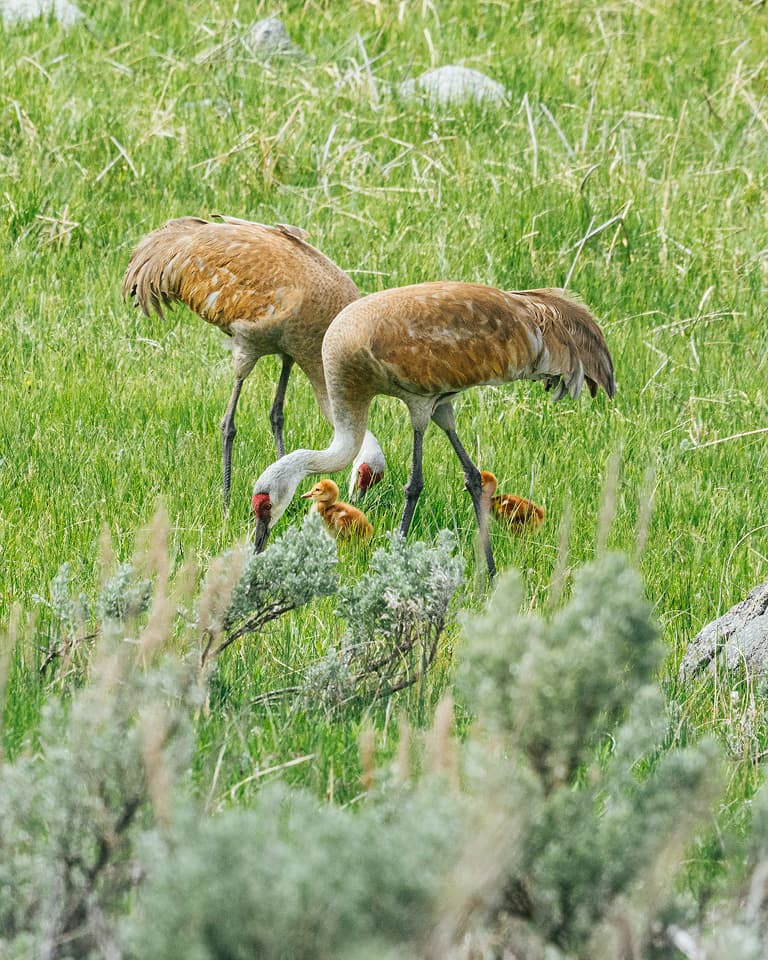
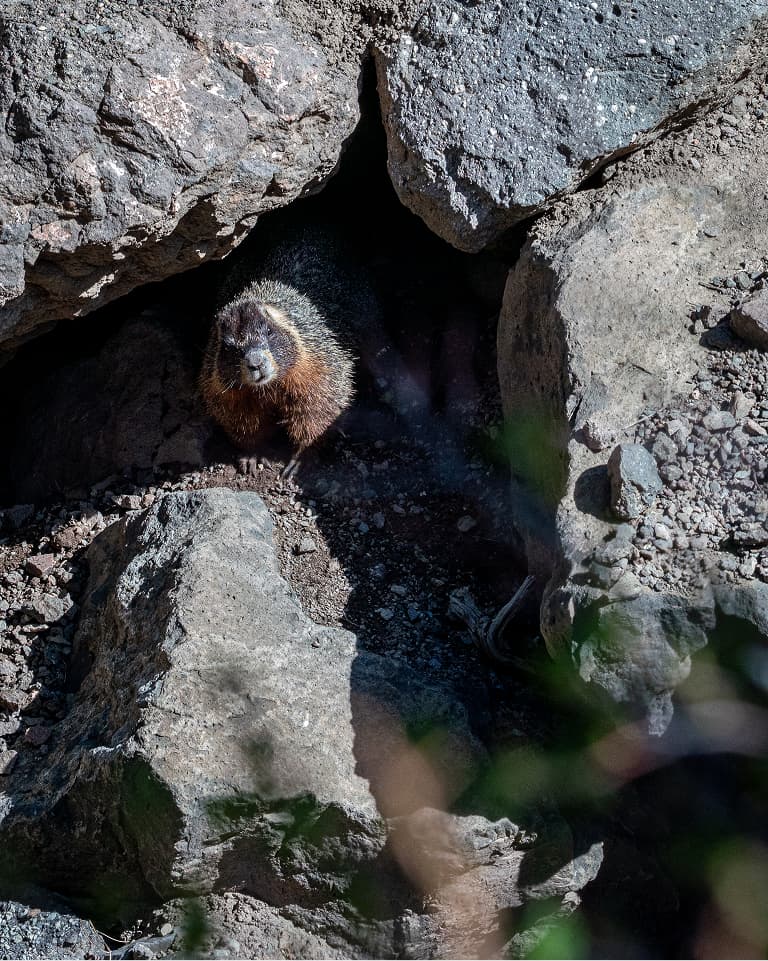
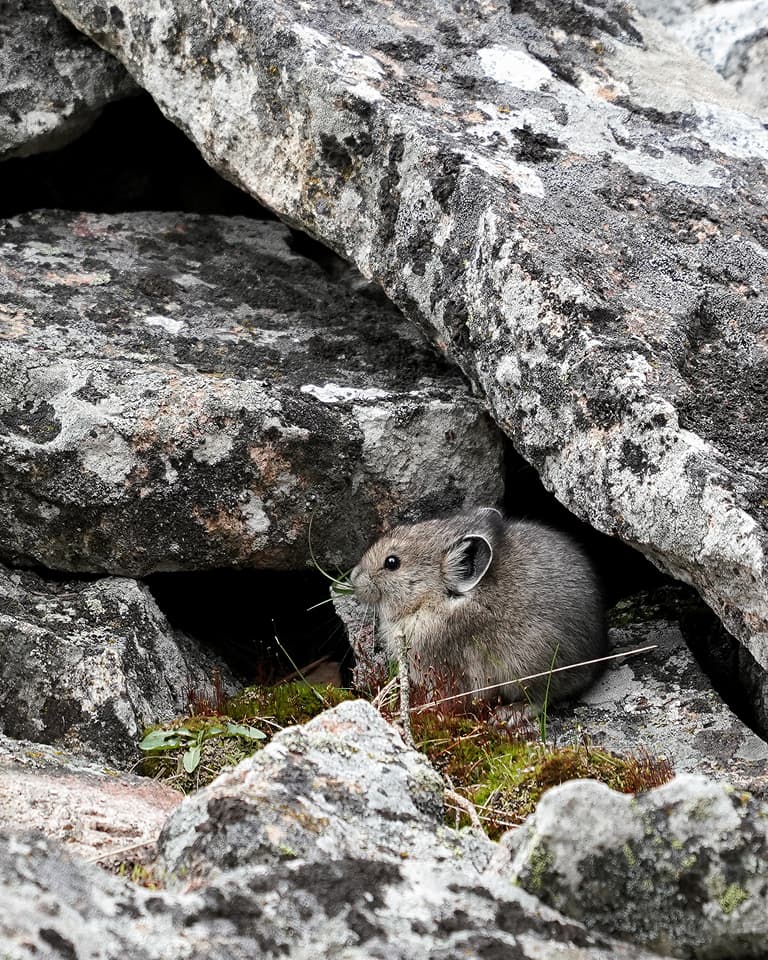
Up at dawn every morning, we’d file into our official park bus and head out in search of the day’s wildlife leads. If the volunteers heard a ranger radio the night before about a fresh elk carcass in a far-flung corner of the park, that’s where we’d head. Later in the afternoon, we’d follow a tip about a moose bull hanging out near the park’s wooded northeastern entrance. On the way, we might check out lesser-known wildlife hotspots with recent visits from families of foxes, badgers, cranes or marmots. Newborn bison calves, affectionately known as “red dogs” for their ruddy fur, romped through fields of sage everywhere we went.
Like the animals, we were most active in the morning and the evening, the day’s two best phases for soft, interesting light. As we criss-crossed Yellowstone together, our ragtag group of aspiring wildlife photographers collected little bits and pieces of environmental knowledge. Our instructor deftly wove them together into a full picture of the park’s animal activity from sun-up to sundown, applying her decades of wisdom.
During my week in Yellowstone, every day was rich with wildlife encounters, fresh insights into animal behaviour, and an ever-deepening respect for nature’s dramatic cycles of life, death and regrowth. Much like the wilderness itself, wildlife photography is full of broader lessons. Slow down. Study your surroundings. Anticipate what will happen next. Cultivate stillness. You don’t have to be a serious wildlife photographer to see what kind of magic happens when you sync your senses to the natural world.
Löydä muistoja nopeammin kasvojentunnuksen, älykkäiden albumeiden ja muiden ainutlaatuisten ominaisuuksien ansiosta.



&w=96&q=75)
26. maalis 2026∙5 min
&w=96&q=75)
16. heinä 2026∙7 min
&w=96&q=75)


 Yhdysvallat