

Elamantyyli
Memoir of the Month: What We Left Unsaid by Winnie M Li
How an annual solo walk became an act of healing after rape – and why documenting it resonated with millions of people

17. elo 2026∙7 min
Elamantyyli
How an annual solo walk became an act of healing after rape – and why documenting it resonated with millions of people
17. elo 2026∙7 min
Novelist, activist and educator Winnie M Li writes and speaks about trauma, survival and consent, drawing on her own experience as a rape survivor to found the UK’s first festival, Clear Lines, on sexual assault and the arts.
On the second Saturday of every April, I lace up my hiking boots and set off on a walk in nature, alone. It’s an annual ritual I’ve undertaken for the past 18 years, a sort of slow pilgrimage, where I document each walk through photographs. On the surface, these might appear to be simple shots of nature and the landscape – a close-up of a flower in bloom, a panoramic view from a hilltop. But there is so much unspoken beneath the surface. The walk commemorates something far darker and more complex in my life – it falls on the anniversary of the day I was raped by a stranger while I was out hiking.
In 2008, I similarly donned a pair of walking boots, eager to see the hills outside Belfast in springtime bloom – but I never finished that particular hike. That afternoon, I was followed, then confronted by a stranger who violently assaulted me.
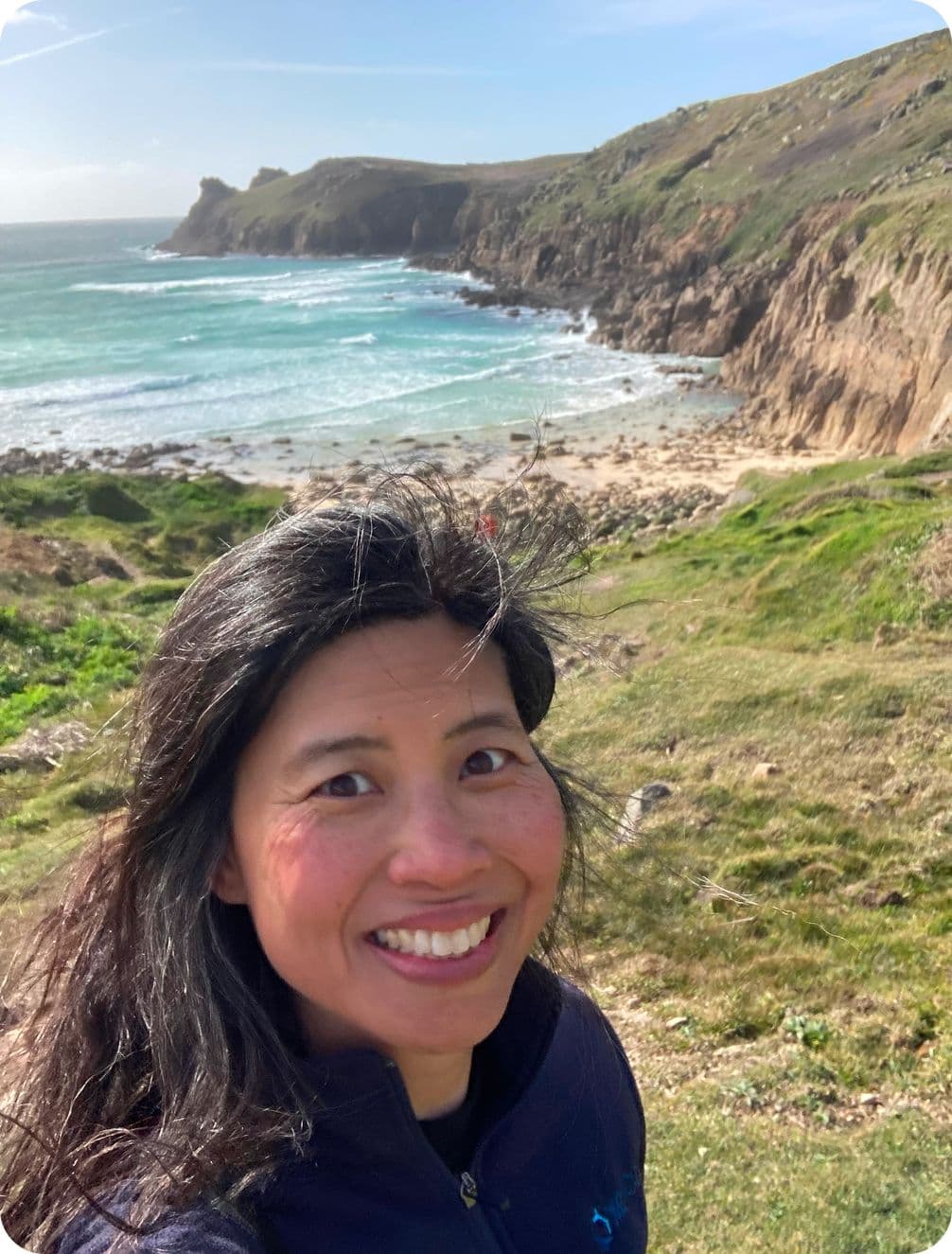
Winnie M Li
I came out of that encounter alive, but with 39 separate injuries (according to the police report) and the deeper, invisible wounds of trauma – post-traumatic stress disorder, anxiety, depression and a complete loss of confidence. Agoraphobia set in almost immediately, and my love of being alone in the outdoors was extinguished by a debilitating, primal fear of what might happen next.
And suddenly, one of my greatest joys – being on my own in nature – had become inextricably linked to my trauma.
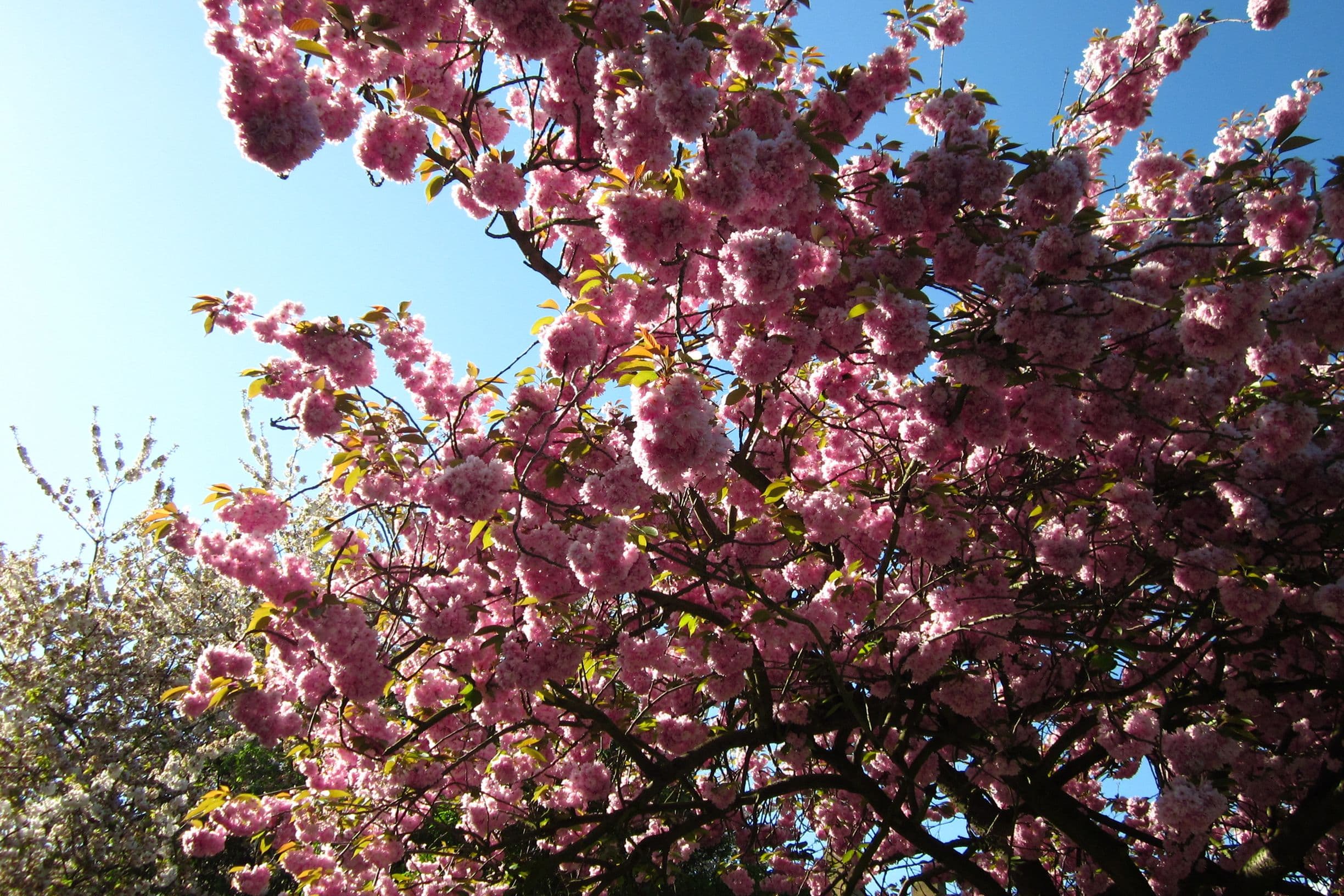
Hampstead Heath, London, 2014. Photo: Winnie M Li
It took years of therapy to overcome that fear. But on the first anniversary of my assault, I realised I needed to somehow acknowledge the enormity of what had happened to me. It was a way of reminding myself that I was safe now, and that I could still appreciate the beauty of springtime. So I asked two friends to accompany me on a walk through a city park on a Saturday afternoon. My only rule was “no talking”. We were there to observe and silently appreciate nature on a fine spring day.
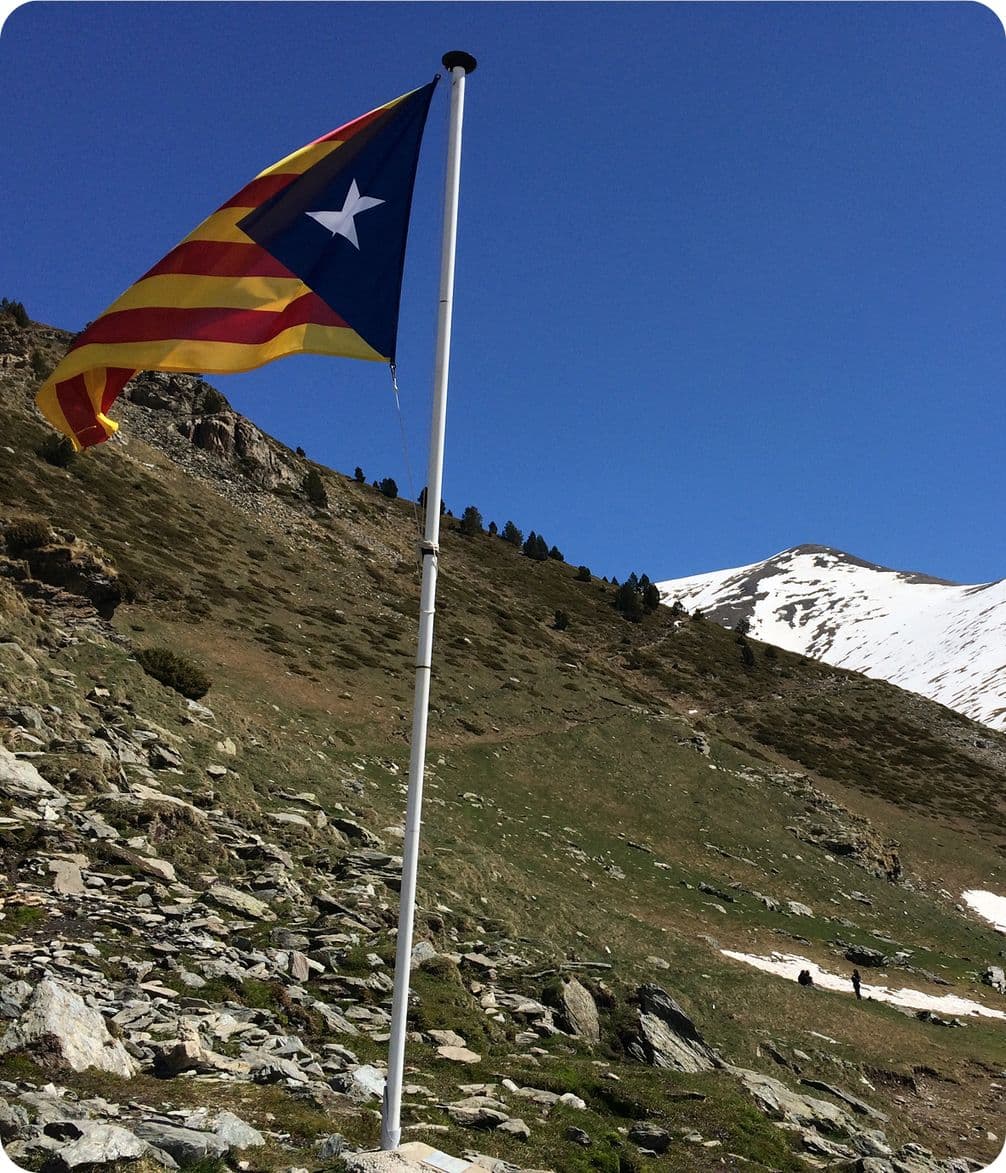
Ribes de Freser, Spain, 2017. Photo: Winnie M Li
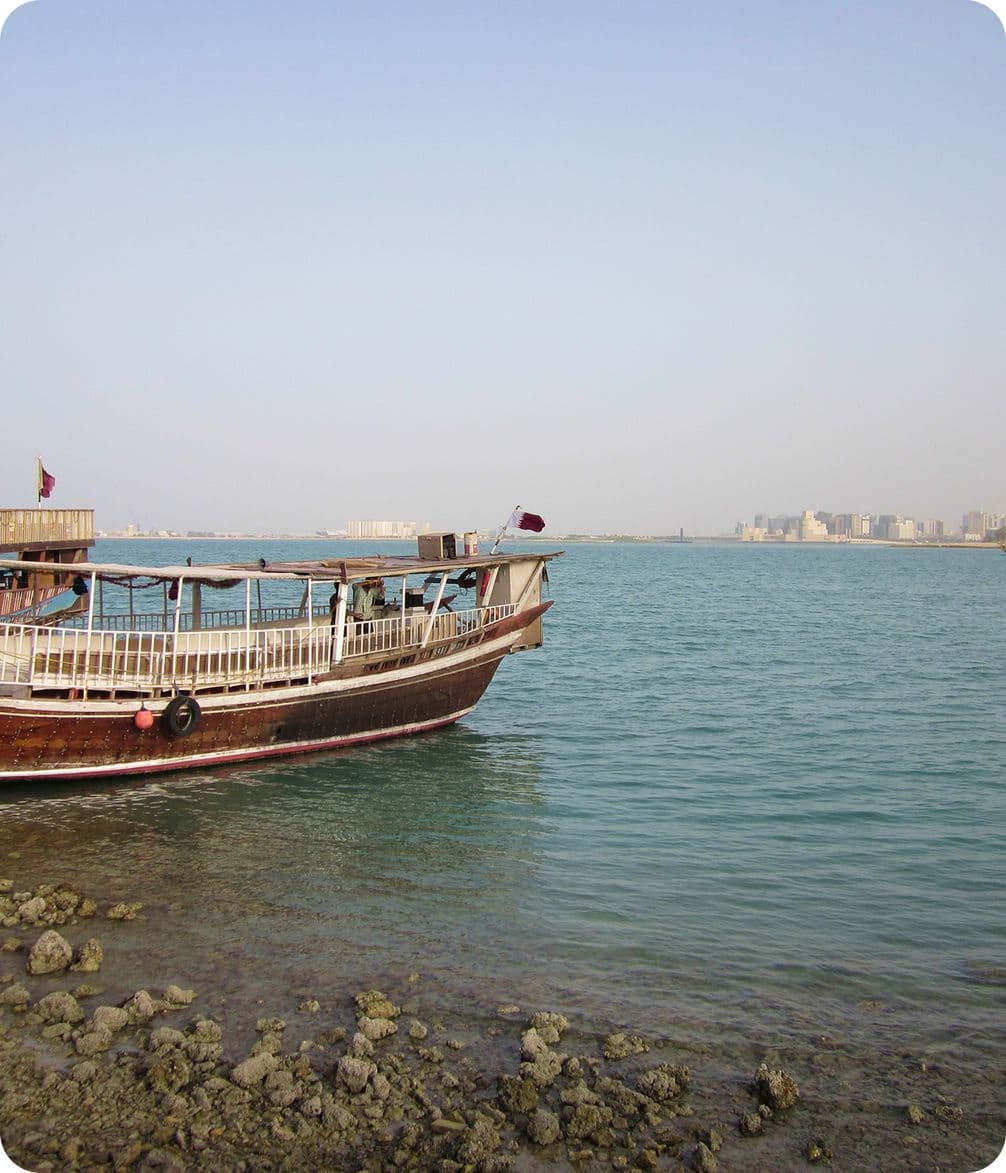
Doha, Qatar, 2012. Photo: Winnie M Li
I realised I needed to somehow acknowledge the enormity of what had happened to me. It was a way of reminding myself that I was safe now, and that I could still appreciate the beauty of springtime
The following year – two years after my rape – I felt strong enough to attempt the walk on my own. I made a small, mindful circuit of a south London park, always paying close attention to the tiny details I might otherwise miss: the daffodils pushing up through the ground at the park’s edge, a crushed blue robin’s egg in the grass.
In later years, I grew comfortable travelling on my own again, and wherever I happened to be on the second Saturday in April, I would go for my solo anniversary walk. In New York, I circled the lower half of Central Park during an unseasonable snowfall. I walked in the desert air at Al Bidda Park in Doha, Qatar, and in the tropical humidity of Fort Canning Park in Singapore the following year. When I moved back to London to begin my Master’s in creative writing, I wandered Hampstead Heath.
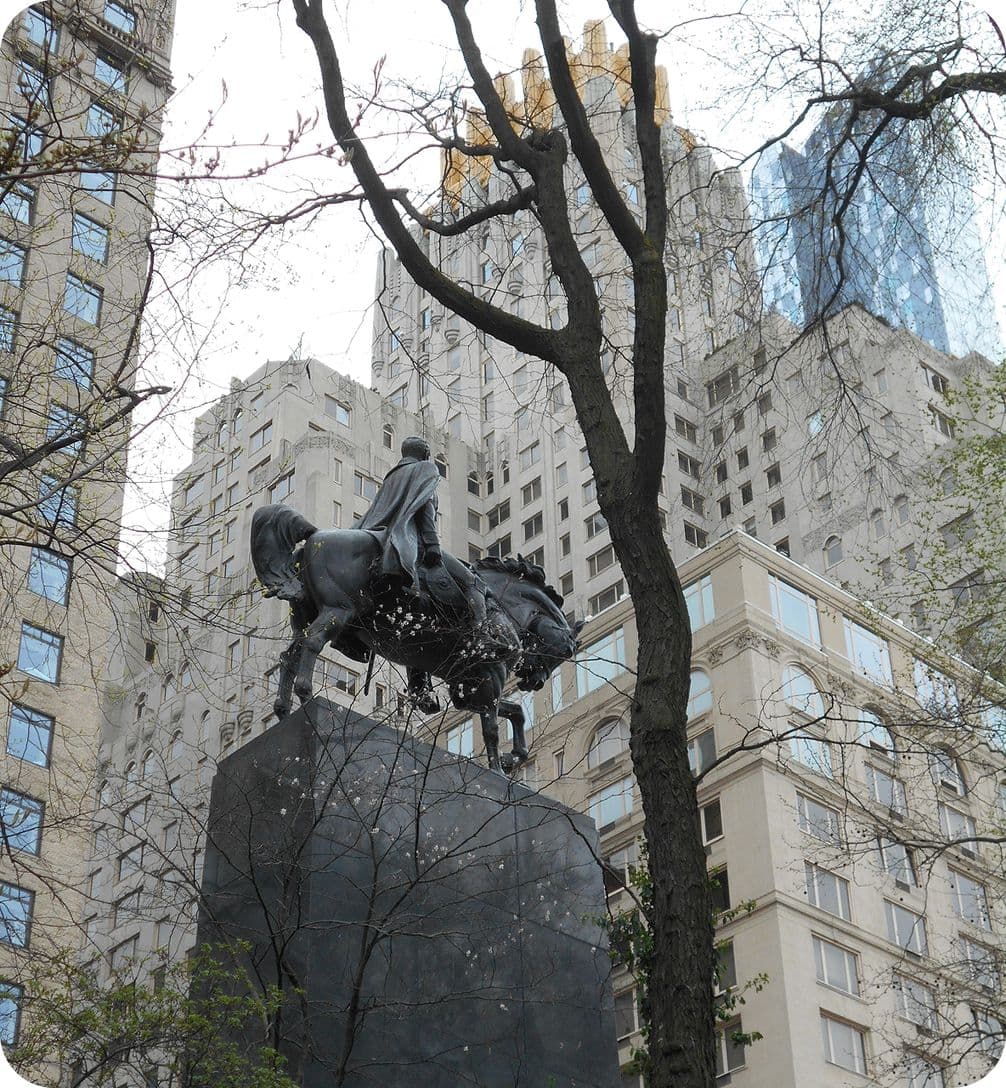
Central Park, NYC, 2016. Photos: Winnie M Li
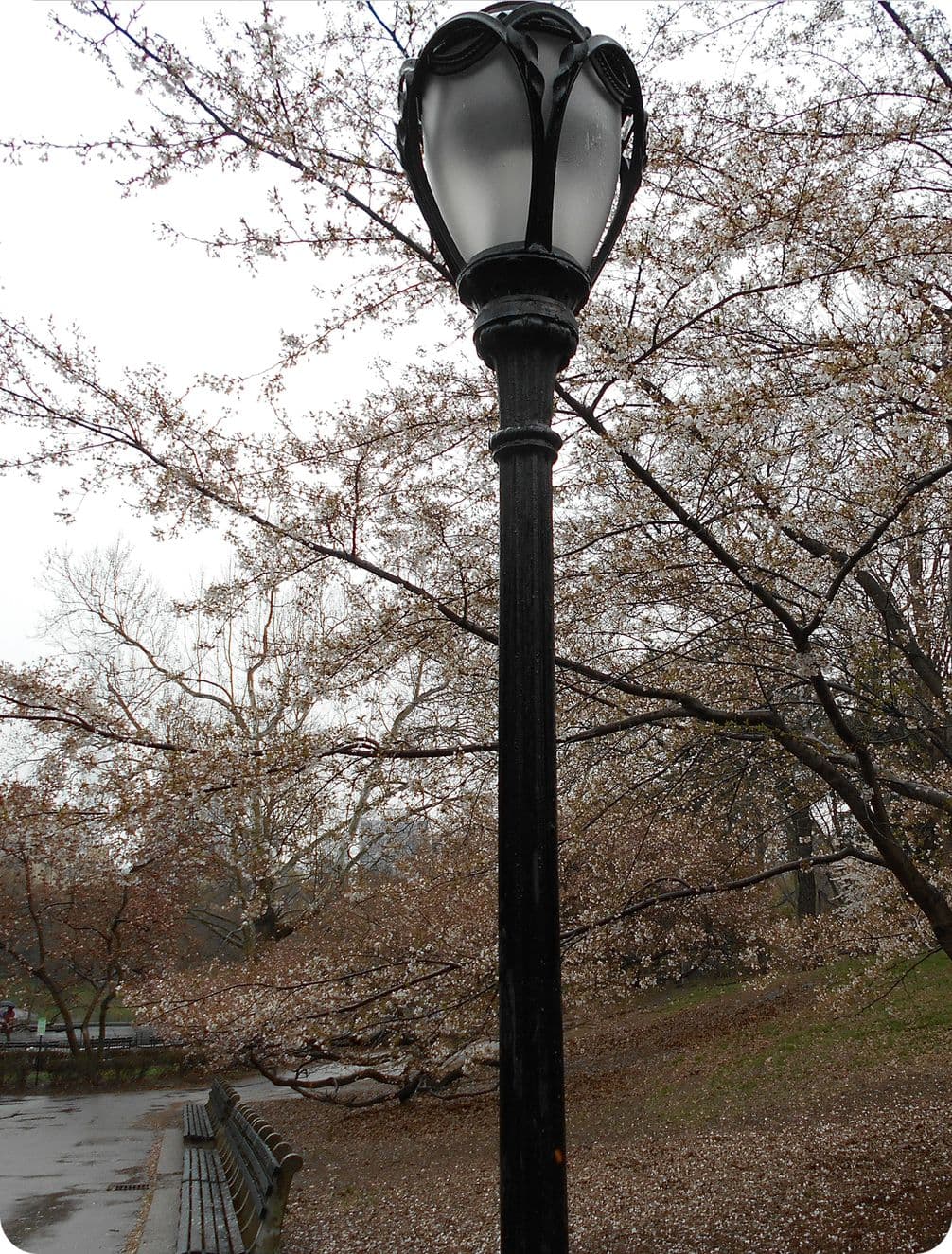
I aim to explore a different location each year, because by now, the walk is less about overcoming my fear and more about commemorating how far I’ve come in my recovery – acknowledging that there are always new places to explore, new ground to cover, despite the trauma that had come before.
When I finally got a smartphone in 2013, I began taking photos on my anniversary walks. A magnolia blossom, a beam of sunlight against the moss of a tree, a mother duck and her ducklings. On the surface, these were everyday springtime shots. But for me, they were proof that even after the violence and fear that had been forced upon me, every year, the trees still blossomed and new life still sprang from the earth. And every year, I get to celebrate witnessing that beauty.
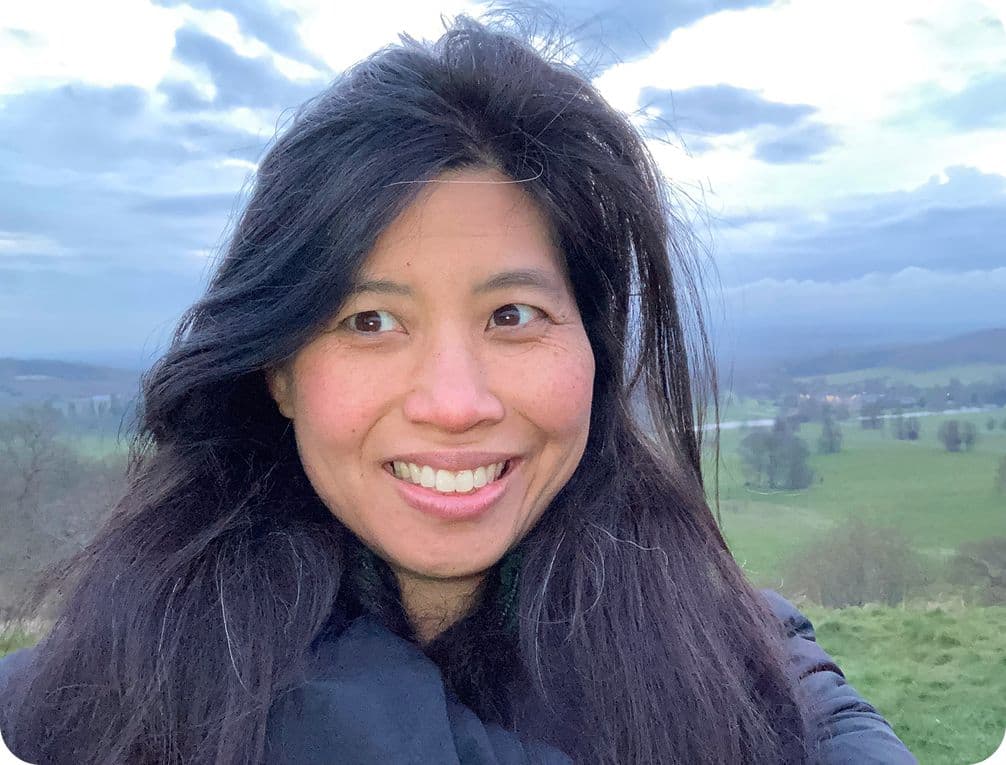
Winnie in Wiltshire, 2022. Photo: Winnie M Li
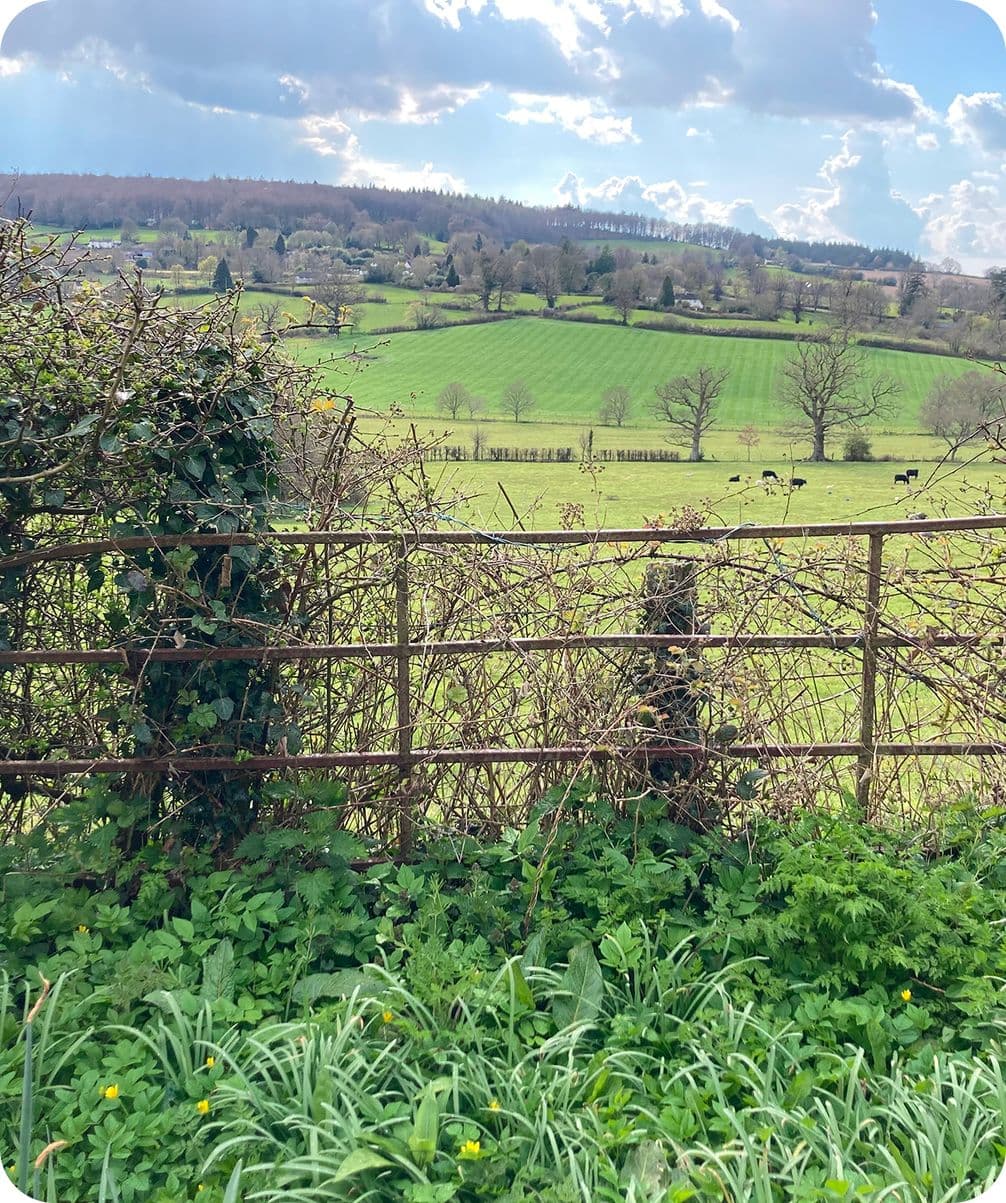
Horningsham, Wiltshire, 2021. Photo: Winnie M Li
I began posting these photographs on social media, alongside a thread about what had happened to me years before and why I went on these annual walks. Unexpectedly, these posts began to go viral. When I walked Brimsdown Hill in rural Wiltshire, my thread on X was seen by six million people around the world. Perhaps it was the combination of the striking visuals, my narrative of recovery or my candour in sharing my past trauma, but other women responded on X by confiding in me about their own fears of being alone in the wilderness, or how violence had impacted their ability to move through the world. Conversely, other women began proudly sharing snapshots of their favourite places in nature.
For me, these shots were proof that even after the violence and fear that had been forced upon me, every year, the trees still blossomed and new life still sprang from the earth
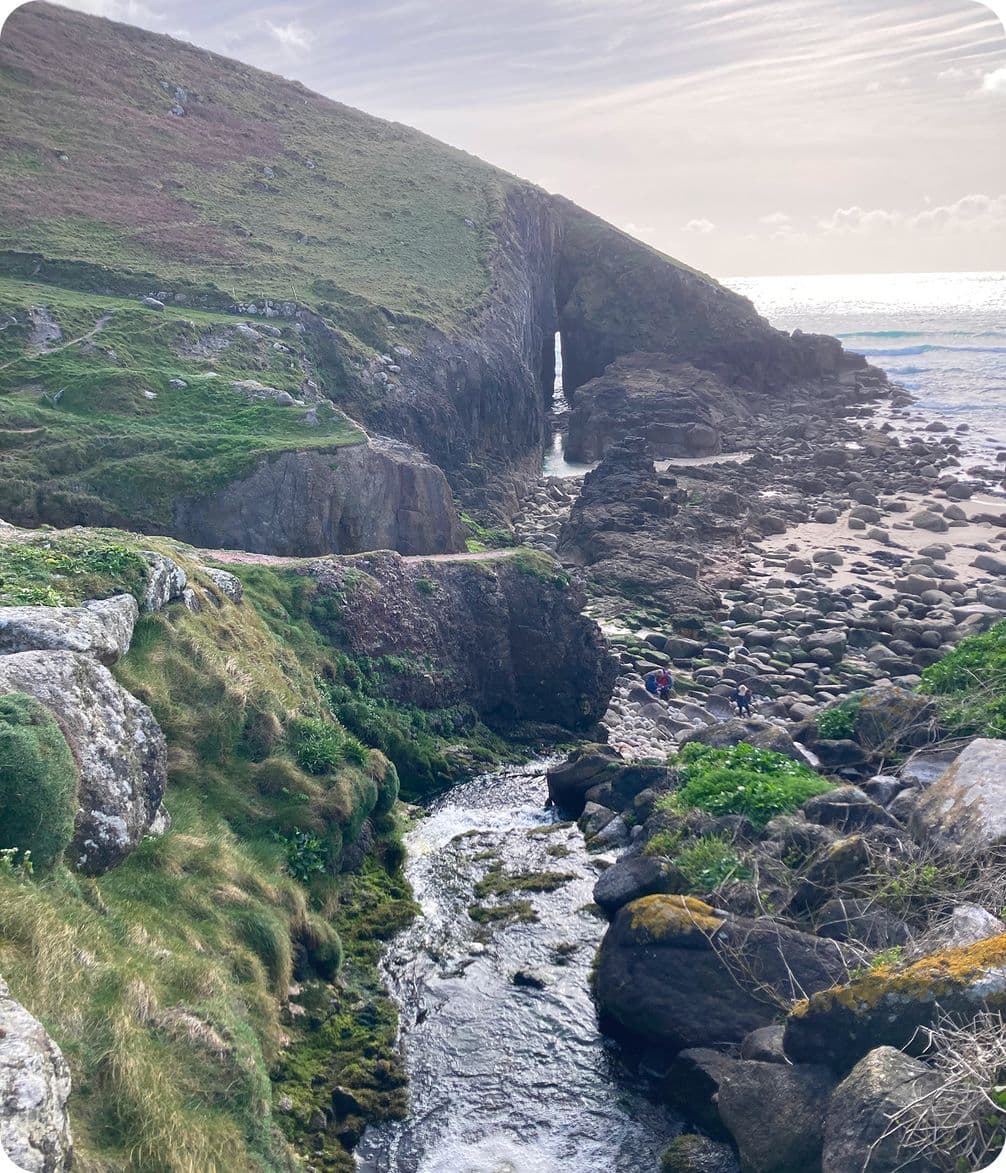
Nanjizal Bay, Cornwall, 2026. Photo: Winnie M Li
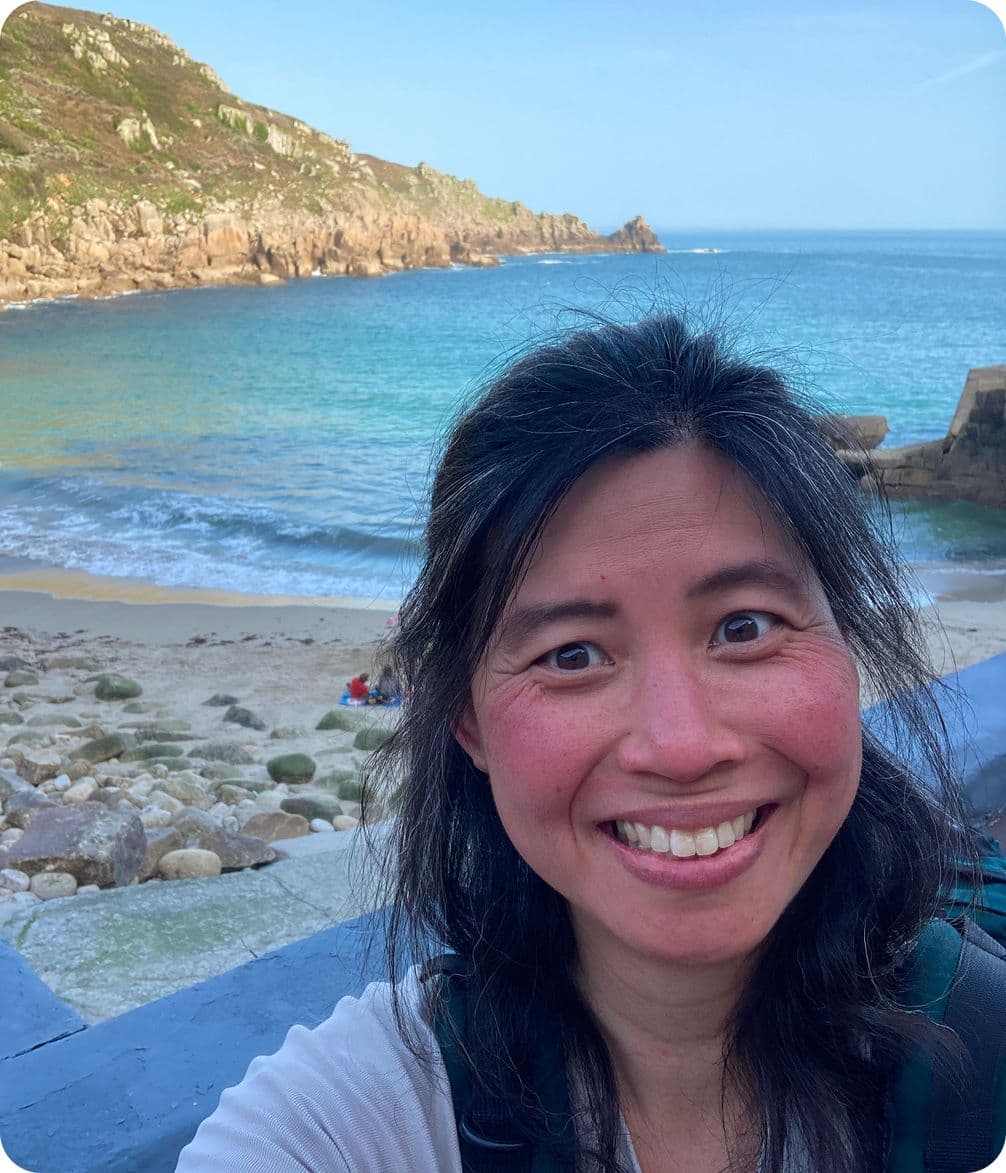
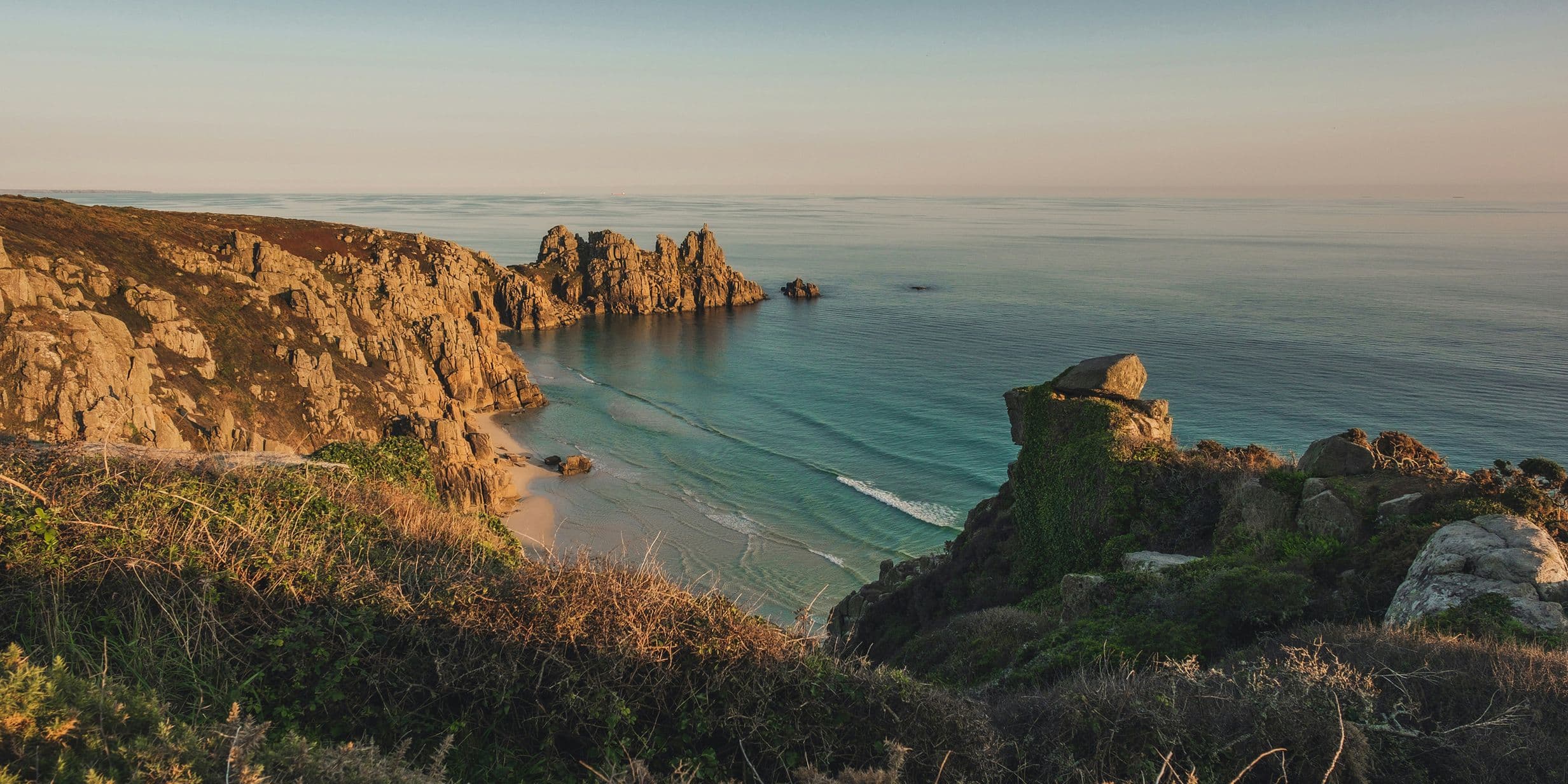
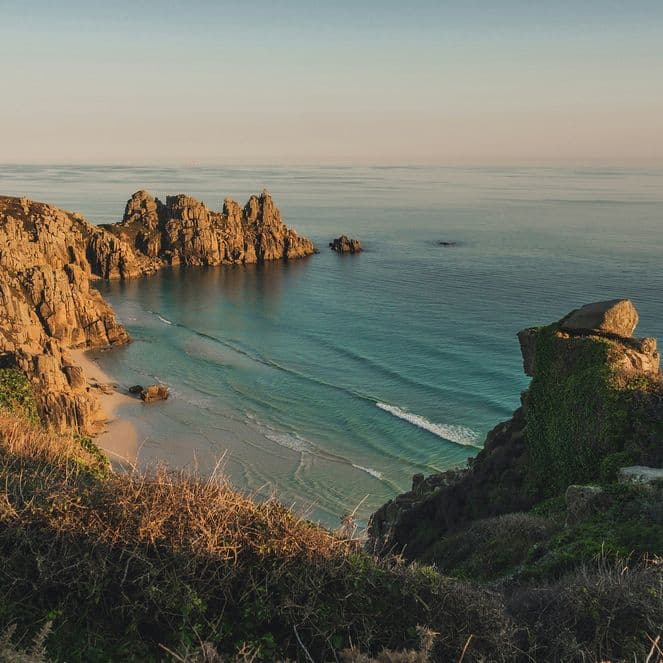
The South West Coast Path, Cornwall, 2026. Photo: Winnie M Li
I found myself overwhelmed by the solidarity, support and stories from women around the world – and at the same time, uplifted by what could happen simply by posting a few photos and thoughts on social media.
This year, on the 18th anniversary of my rape, I hiked a section of the South West Coast Path in Cornwall. More than 19 million people saw my post on X, and over seven million saw it on Instagram, from places as far-flung as Japan, New Zealand and Argentina. When one user identified the remote, otherworldly Song of the Sea Cave in Nanjizal Bay from my photo, another woman commented that she had long wanted to visit. She ultimately wrote that if I could witness that sea cave, after everything I had been through, then surely she could too. Perhaps my photo and story inspired her to journey to Cornwall and see it for herself. I don’t think I’ll ever know, but I’d like to think it did.
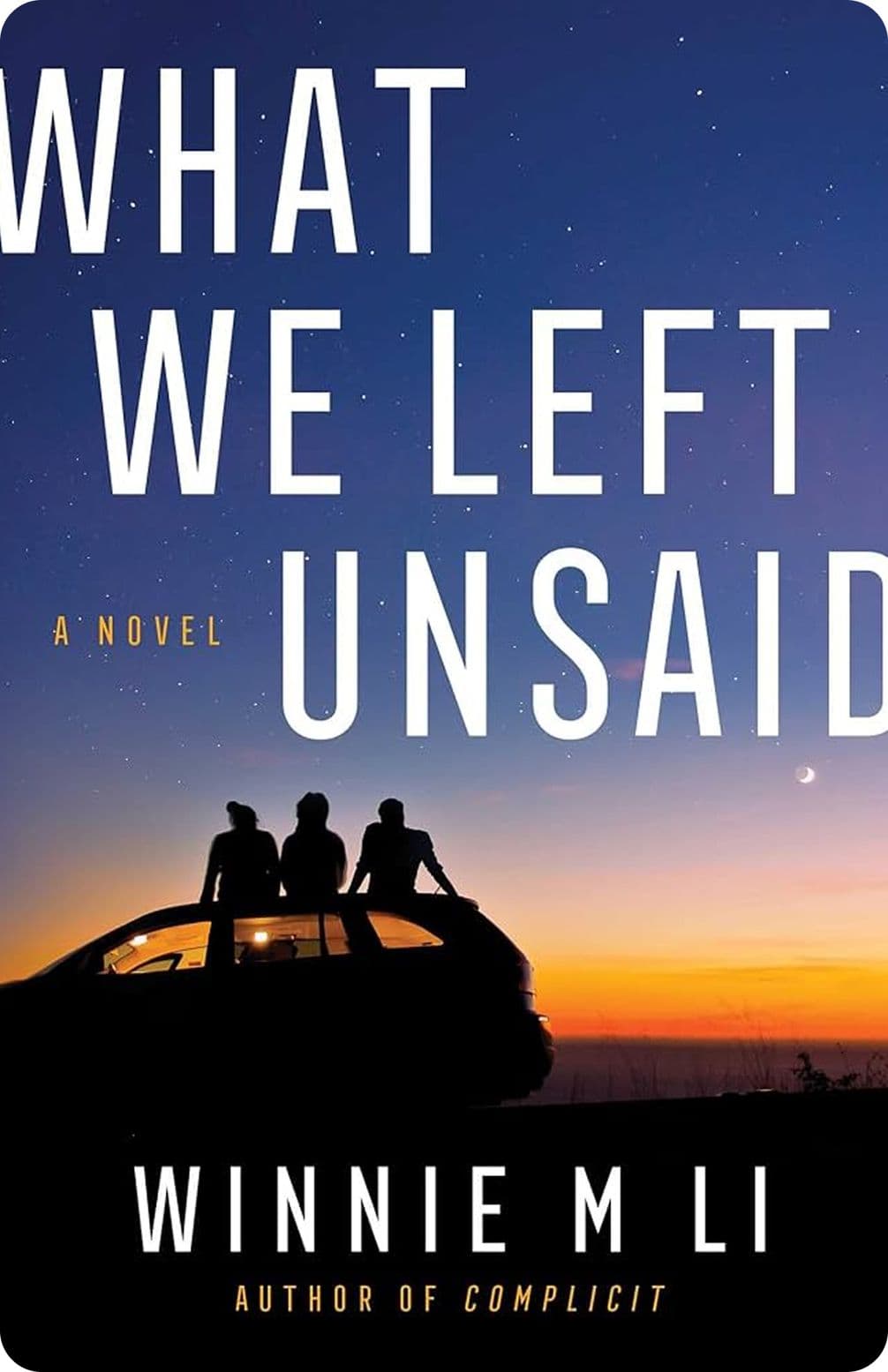
What We Left Unsaid by Winnie M Li
The truth is, I don’t think these social media posts would have gone viral without the accompanying photographs. While my story of overcoming trauma is moving, what resonates is pairing the beauty of these images with the complexity and loss. After all, that is life. It holds both great wonder and great pain, which we must learn to carry in balance with each other. In my own life, and in my writing, it’s something I’m all too aware of – many of us privately carry our traumas and losses. Yet you would never know, unless we write or speak about it.
There’s a scene in my most recent novel, What We Left Unsaid, where three adult siblings study a photograph of their immigrant parents from the 1970s, long before they were born. They try to imagine the joys and the fears of their much younger parents, the unspoken traumas they may have had to endure and how the after-effects went on to quietly shape their family.
By speaking just a little about what has been left unsaid, our community might move forwards, even infinitesimally, in understanding and connection. Sometimes it’s worth stopping to think about the story behind each image. And often the most powerful thing in a photograph is what sits outside the frame.
To learn more about Winnie’s work, visit winniemli.com.
What We Left Unsaid is published by Simon and Schuster and is available now.
Löydä muistoja nopeammin kasvojentunnuksen, älykkäiden albumeiden ja muiden ainutlaatuisten ominaisuuksien ansiosta.


&w=96&q=75)
28. huhti 2026∙7 min

&w=96&q=75)


 Yhdysvallat