
Lifestyle
Why Gen Z is turning back to film cameras and printed photos
A house move led to the discovery of forgotten film rolls – and a reminder that sometimes the best memories are the ones you can hold in your hands

2 Apr, 2026∙6 min
Lifestyle
A house move led to the discovery of forgotten film rolls – and a reminder that sometimes the best memories are the ones you can hold in your hands
2 Apr, 2026∙6 min
On one particularly busy day at work a few months ago, I looked down at my phone to find three missed calls from an unknown number. I called back on my way to the airport that evening, the restless city whistling past in the taxi’s rear view mirror, to hear my estate agent on the other end of the line, explaining my rented London flat is on the market. And, the viewing requests were already flooding in.
A weekend away later, I returned to London to find my flat already let, notice served and only an excruciating hunt for somewhere new awaiting me. What I didn’t know then was that this inconvenient disruption (anyone who has rented in London can attest that flat-hunting can feel like another full-time job) would end up offering a few small, unexpected moments of joy.
Fast forward a month or so, and I’m mid-move, frantically unpacking and repacking, trying to make sense of boxes of things that have followed me from one chapter of life to another. Until, tucked away in an untouched corner of my bedroom, I found something I’d completely forgotten about. A few rolls of undeveloped film tumbled out from a dusty corner, which had most likely fallen out of my suitcase following a hasty post-holiday unpack.
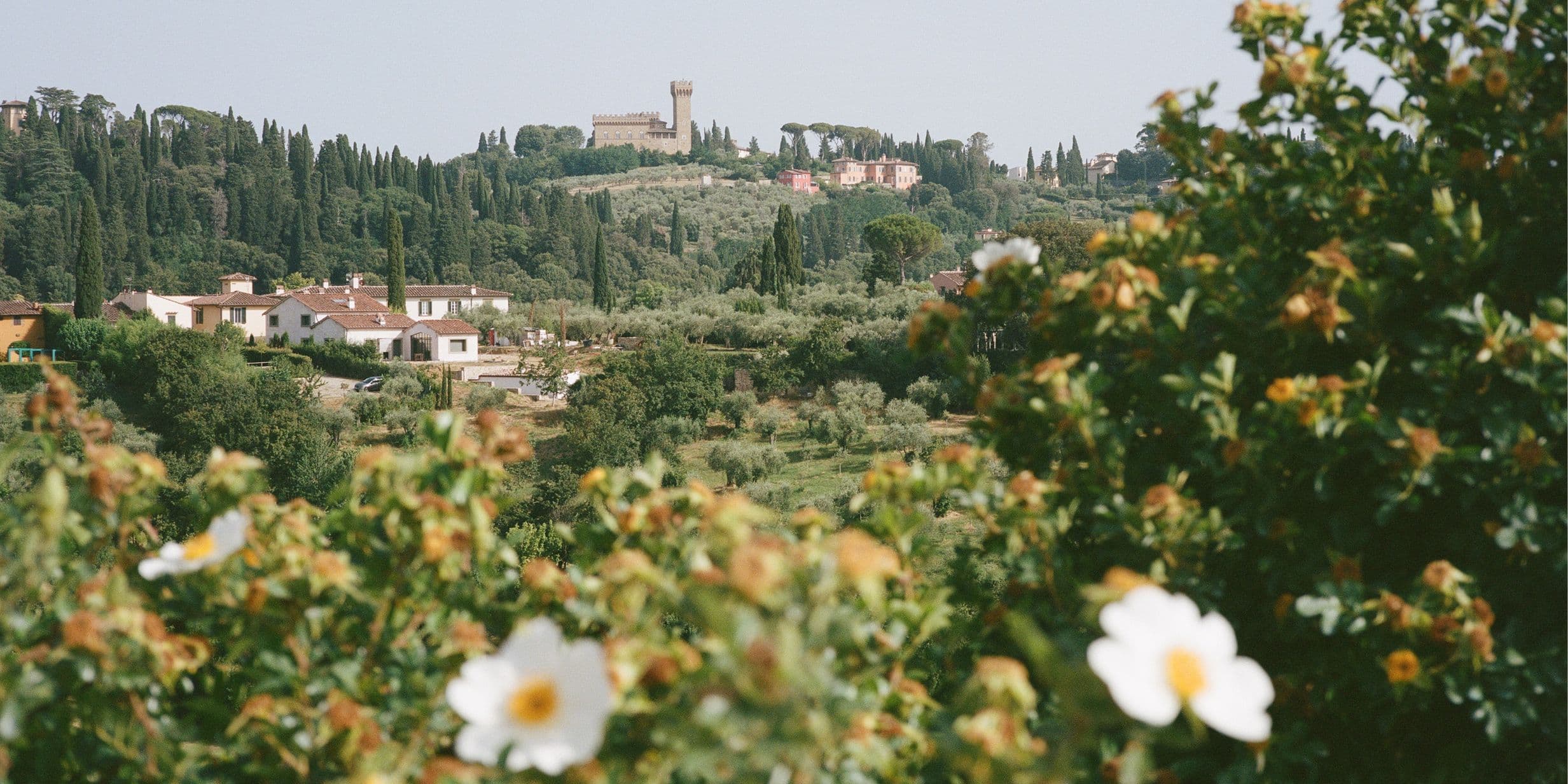
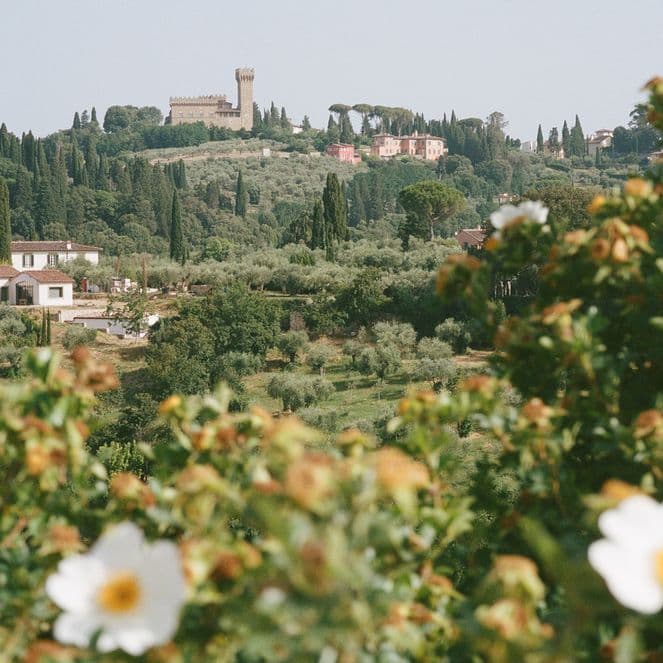
Fresh from the photo lab a couple of weeks later, I had pictures of friends on balconies and group shots where no one’s quite looking at the camera in my hands. These moments felt oddly intimate. No endless camera roll. No pressure to choose the one. They weren’t by any means “good” photos, but these memories were perfect in their messiness. And suddenly I was reminded of the pleasure of living analogue, of having something tangible in my hands to mark a recent trip, to remember a forgotten moment with friends, or to even enjoy a photo of myself I once thought I’d hate but now can’t quite remember why. And it turns out, I’m not the only one feeling this pull. Scroll and you’ll see it: film cameras reappearing, records replacing playlists, book clubs filling up. The hashtags for “analogue” and “filmcamera” are steadily growing.
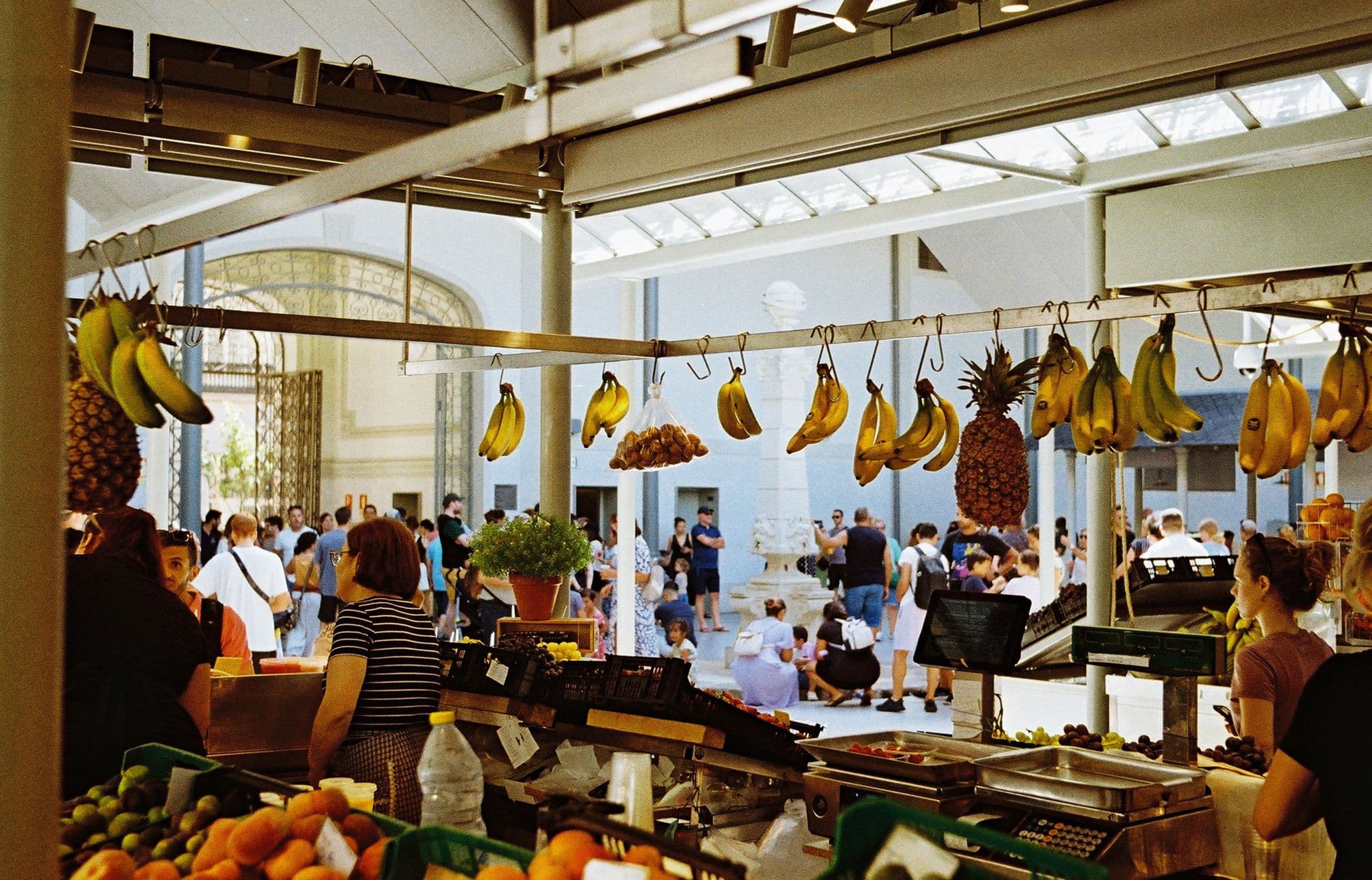
Photo: Ella Mansell
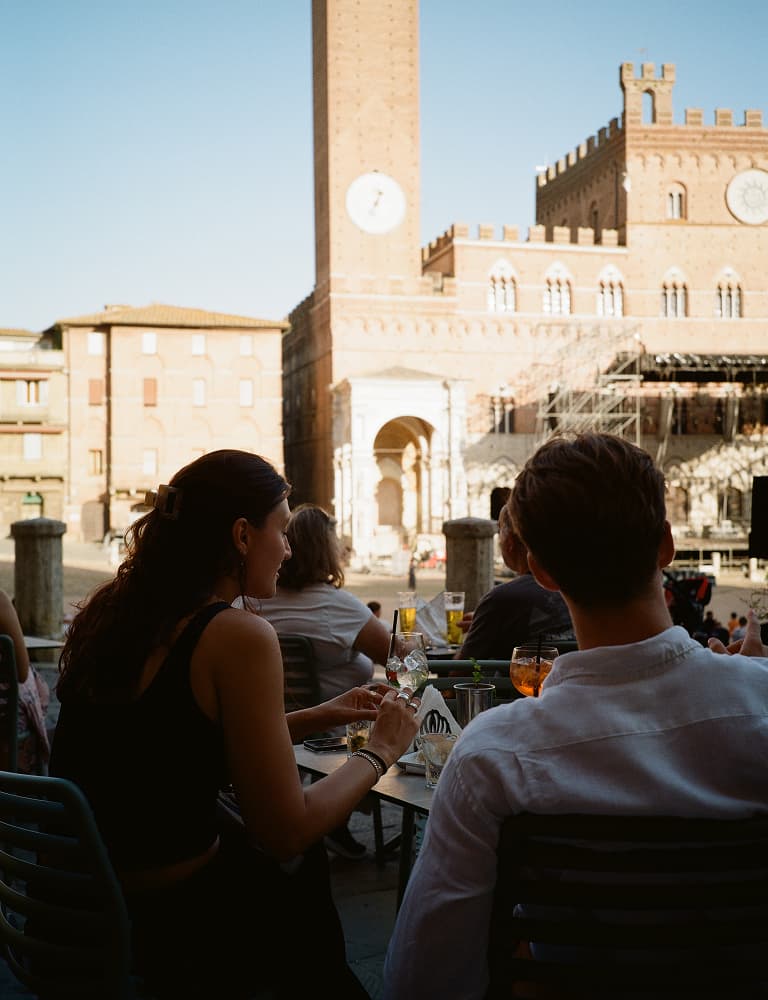
Photos: Ella Mansell
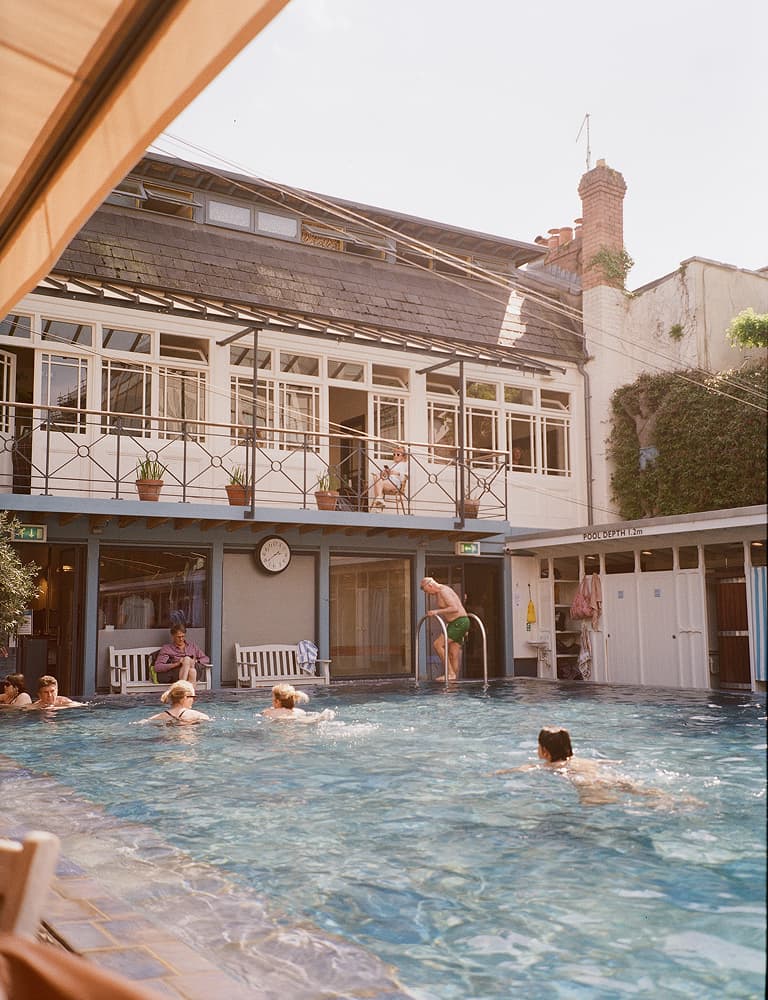

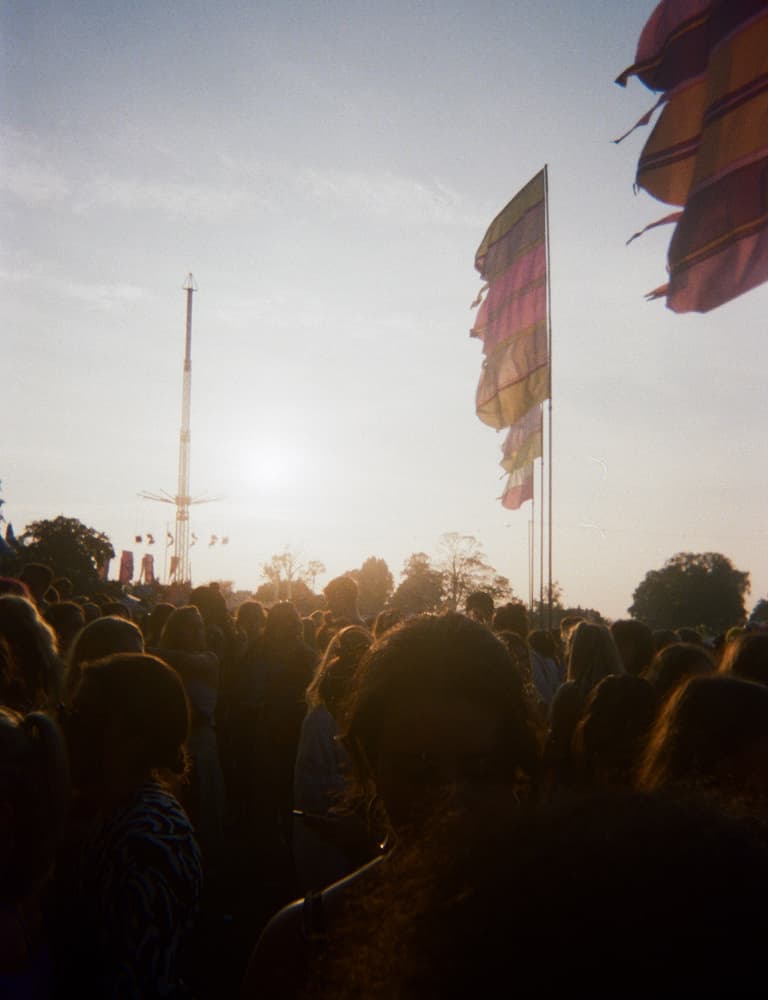
These moments felt oddly intimate. No endless camera roll. No pressure to choose the one. These memories were perfect in their messiness
I’m not fluent in the Chinese zodiac, but I think there’s something slightly ironic about 2026 being the Year of the Horse – a symbol of forward momentum and progress – while culturally, we seem to be looking back.
First came the 2016 revival: a softer nostalgia for filters, grainy food shots, and less curated feeds. Now it’s something deeper and a bit more permanent: a turn towards analogue. Not a rejection of digital life entirely but an adjustment of sorts. Perhaps we are all just searching for a better everyday balance between the online and the physical. Well, I definitely think I am.
For some, that looks like a date night without the latest trending Netflix series – swapping screens for something hands-on and creative. For others, it’s signing up to a craft club or journaling every morning. What’s clear is that this isn’t a fast fad – it feels more like a lifestyle shift. As part of this, bookshops and book clubs are regaining their popularity and social ranking: “People want depth, they want to get out of the scroll, and they want the pleasure of finishing something,” London’s Libreria bookshop explains. “Physical bookshops matter more than ever: they’re not just retail spaces, they’re attention spaces, places that slow time down and make reading feel social again.”
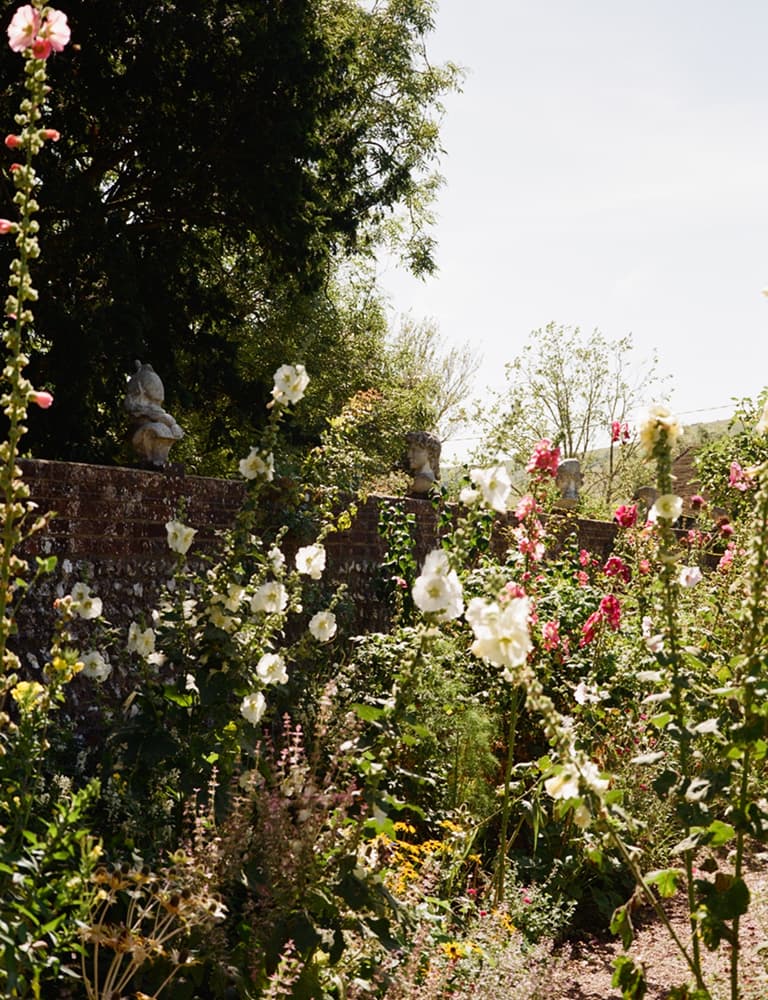
Photos: Ella Mansell
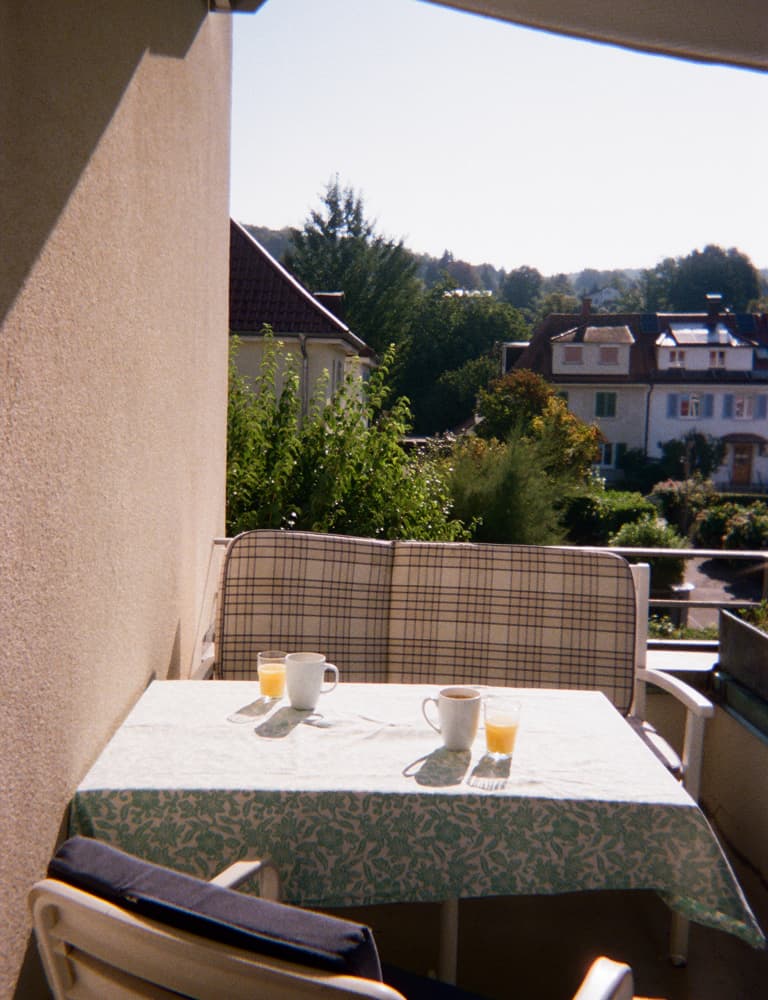
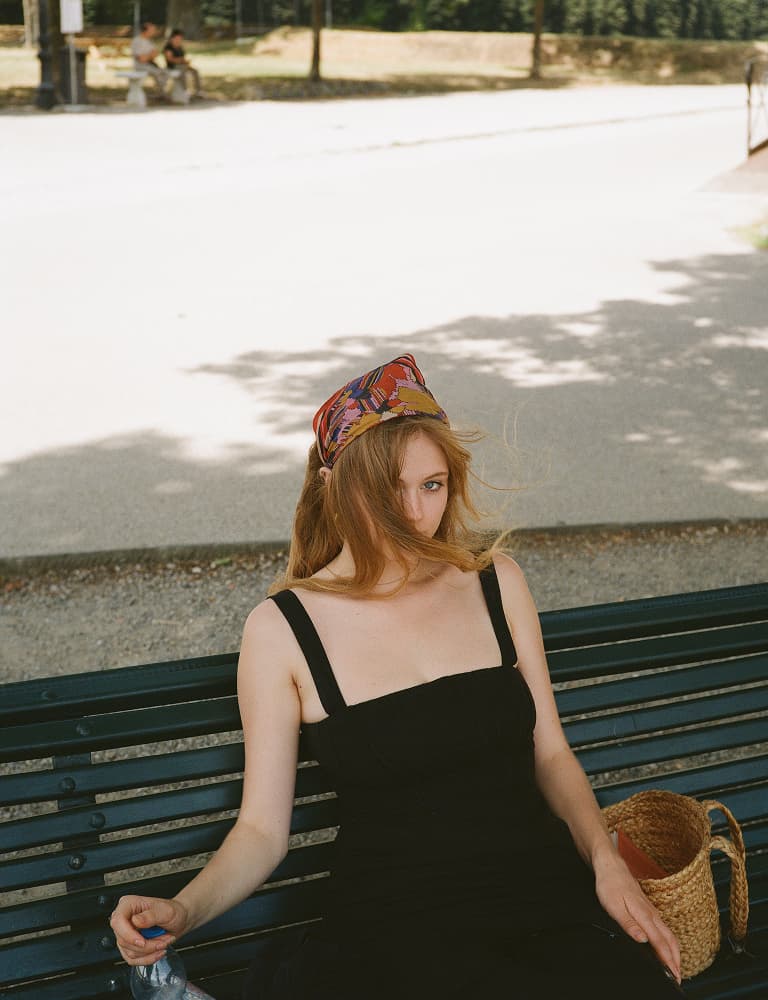
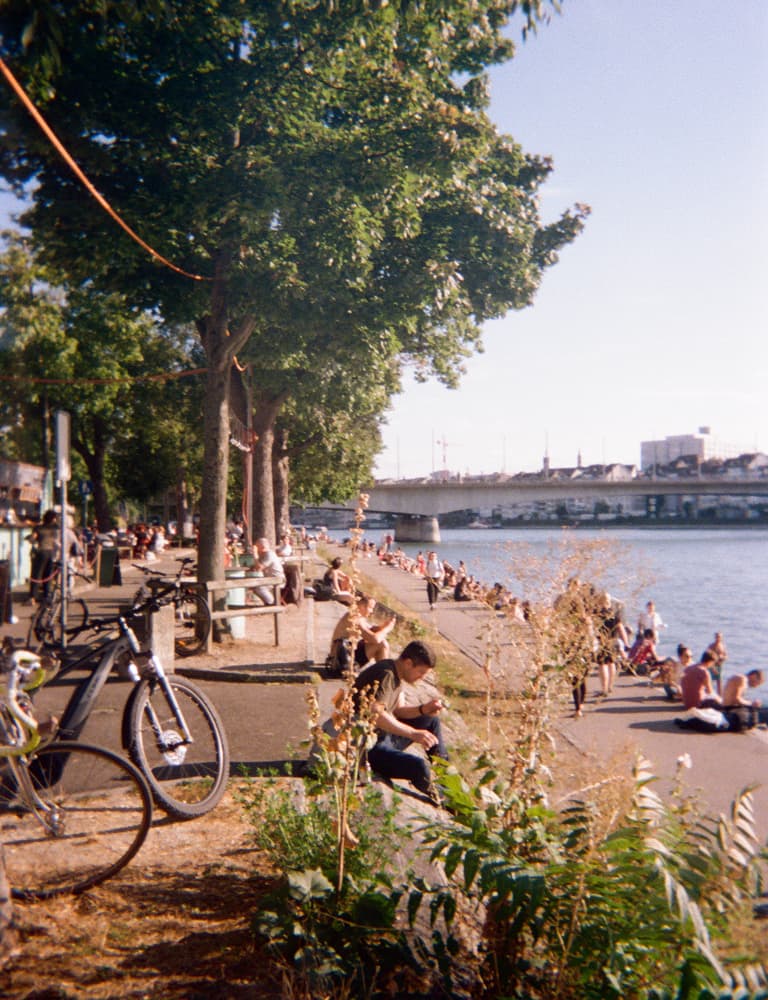
Analogue offers friction in a time where we are obsessed with – or maybe just used to – instant access: the latest movie, the constant news updates, the Instagram story from someone you haven’t spoken to in years. Maybe we want a bit of that friction back. The feeling of thumbing through an old photo album with our morning coffee, the stillness of looking at a page that doesn’t refresh itself every time you open it.
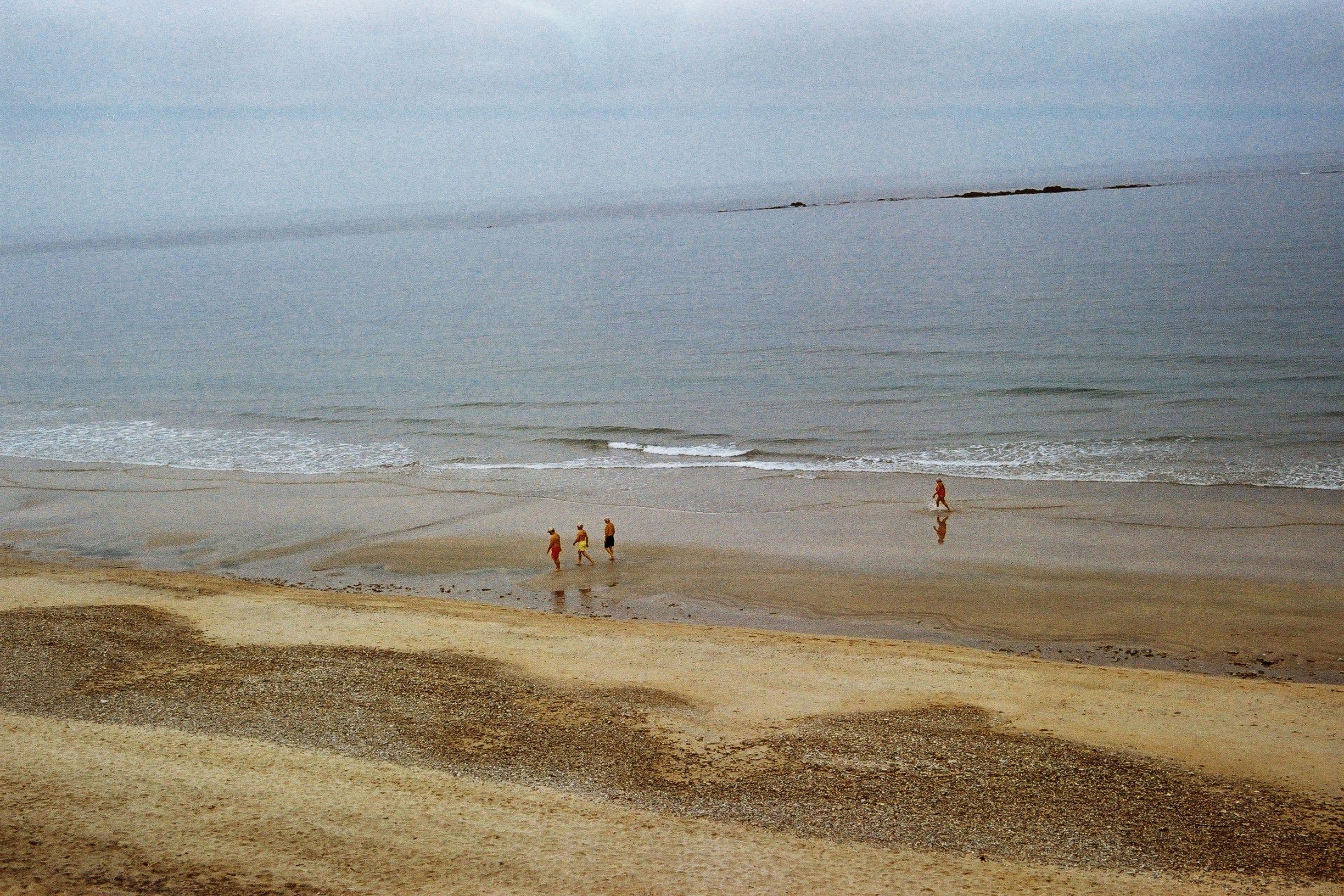
Photo: Ella Mansell
Maybe we want a bit of that friction back. The feeling of thumbing through an old photo album with our morning coffee, the stillness of looking at a page that doesn’t refresh itself every time you open it

Photo: Ella Mansell
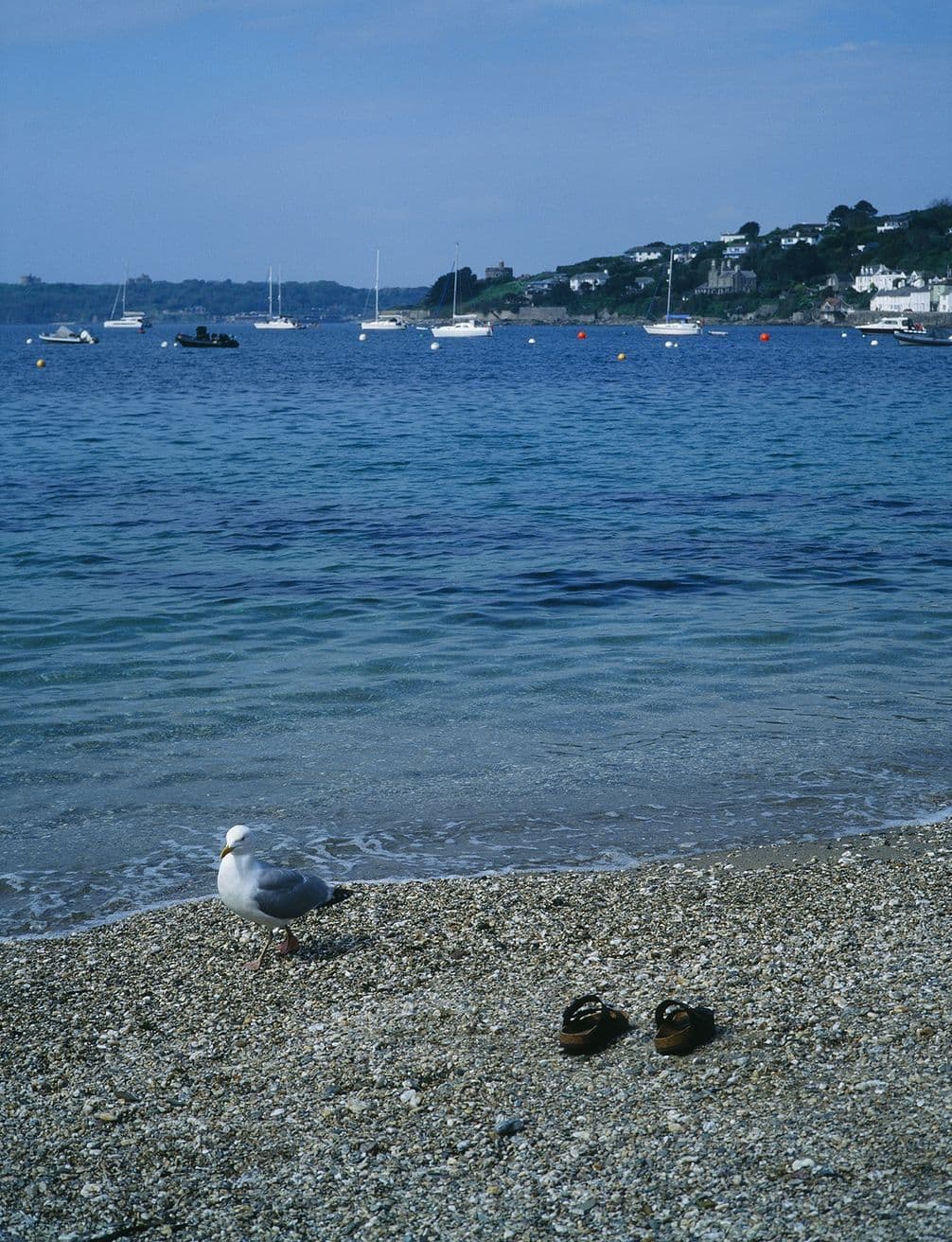
Photo: Ella Mansell
Importantly, analogue living allows us to decide how and if to share things – and with who. Reportedly, fewer 16 to 24 year olds are posting on their feeds than in recent years, with even more are switching their social accounts to private. I took my developed photos around to my friends house and we went through them, laughing over a bottle of wine. It felt nice to share them this way, instead of sending out an Instagram tag. Will I ever give up digital media or Instagram? Probably not. I think it’s an incredibly rich way to connect with the wider world. But it’s good to be reminded of other mediums, and I had forgotten how much I liked looking at printed photographs that were mine.
Photos from these forgotten rolls are now pinned to my fridge in a new flat, held up with garishly mismatched magnets I have collected from different corners of the world. The only people who see them are close friends who come over for supper. Still, in small moments like reaching for butter in the morning I am reminded of these memories. It was once digital fluency and followers that we prided ourselves on; now there is definitely a greater interest in stepping back into the real world to watch it unfold in real time. And it feels right to mark that with something physical: a framed photograph, a printed album – some kind of record that exists off-screen too.
This might sound strange – or even obvious, or maybe even sad – to older generations, but Gen Z reportedly spend an average of 9 hours on screens a day, fuelled by work, study and social lives that have migrated into these mediums. Sometimes the choice and the constant chatter around “trends” and “virality” is a lot, so I think this shift is refreshing. Just like finding these film photos was.
And the best part about these photos? I had to really live in the moment first.
Löydä muistoja nopeammin kasvojentunnuksen, älykkäiden albumeiden ja muiden ainutlaatuisten ominaisuuksien ansiosta.

&w=96&q=75)
26 Nov, 2025∙6 min
&w=96&q=75)
16 Oct, 2025∙10 min
&w=96&q=75)
5 Feb, 2026∙6 min


 Yhdysvallat