
Viajes
Capturing the journey, not just the destination
From plane windows to train carriages, a photographer on how to capture the in-between moments that make travel truly memorable

Luke Abrahams
Redactor y editor
8 Apr, 2026∙6 min
Viajes
From plane windows to train carriages, a photographer on how to capture the in-between moments that make travel truly memorable
Luke Abrahams
Redactor y editor
8 Apr, 2026∙6 min
“It’s all about the journey, not the destination.” Something I tell myself over and over again the moment I leave my house and set off for some distant wonder on the other side of the planet. Travelling is all about movement but seldom do we stop and take note of the joys of living in the “in-between” rather than the outcome. Instead, we often complain about the setbacks and challenges: delayed flights, cancelled trains and late taxis to the airport. But that’s all part of the fun, right? Without all the strain, stress and unexpected surprises, travel would simply be boring.
In photography, journalising – whether it be visual or written – turns memories into stories. For those behind the lens, this means appreciating the entire mise-en-scène as opposed to just focusing on the final shot. Think of it as constantly living in some sort of creative limbo between the journey and the arrival. As with a movie, build-up trumps the final resolution and that’s part of capturing the journey’s overall allure.
Take plane travel, for example. From the moment you wake up, the excitement builds all the way until you reach the airline check-in desk. The rush and thrill of adrenaline then suddenly morphs into a feeling of relief as soon as you take off and watch the world below transform into a sea of clouds. It’s as though all of life’s problems no longer matter anymore – and that’s part of the thrill.
In photography, journalising turns memories into stories. For those behind the lens, this means appreciating the entire mise-en-scène as opposed to just focusing on the final shot
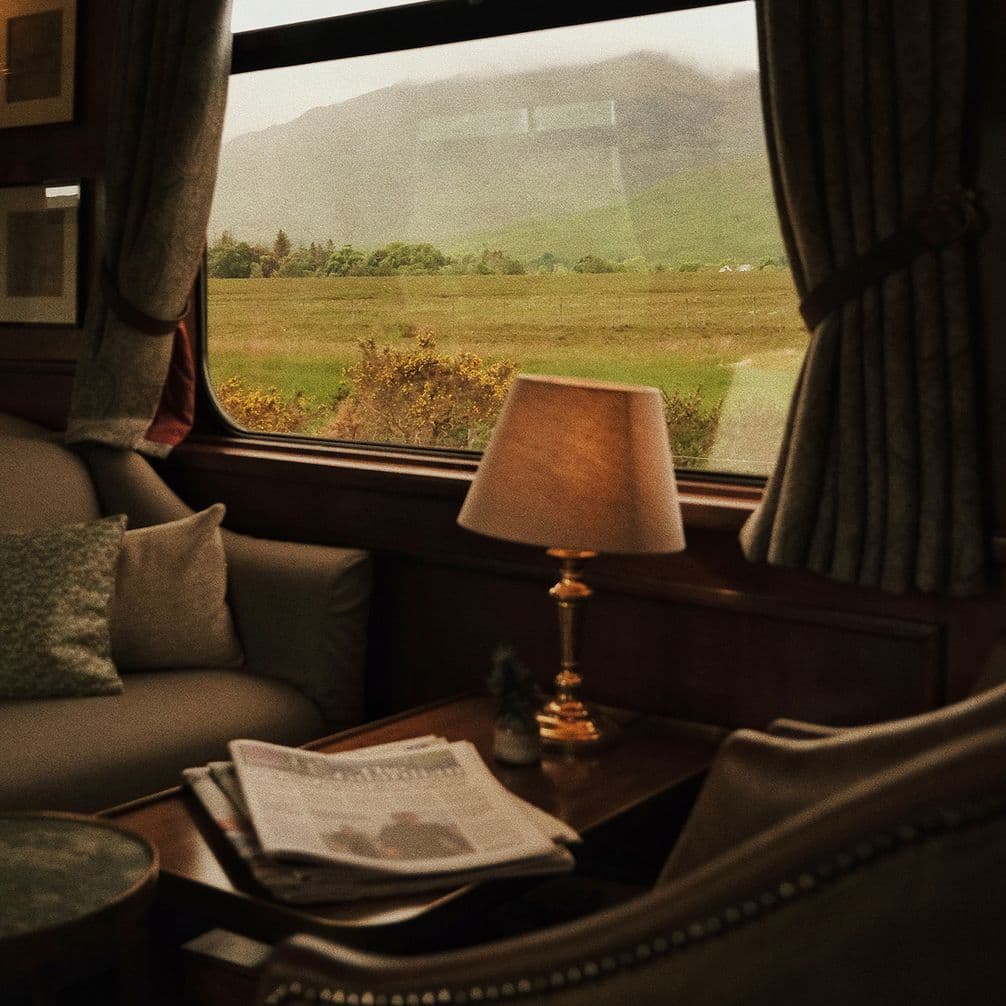
Photo: Luke Abrahams
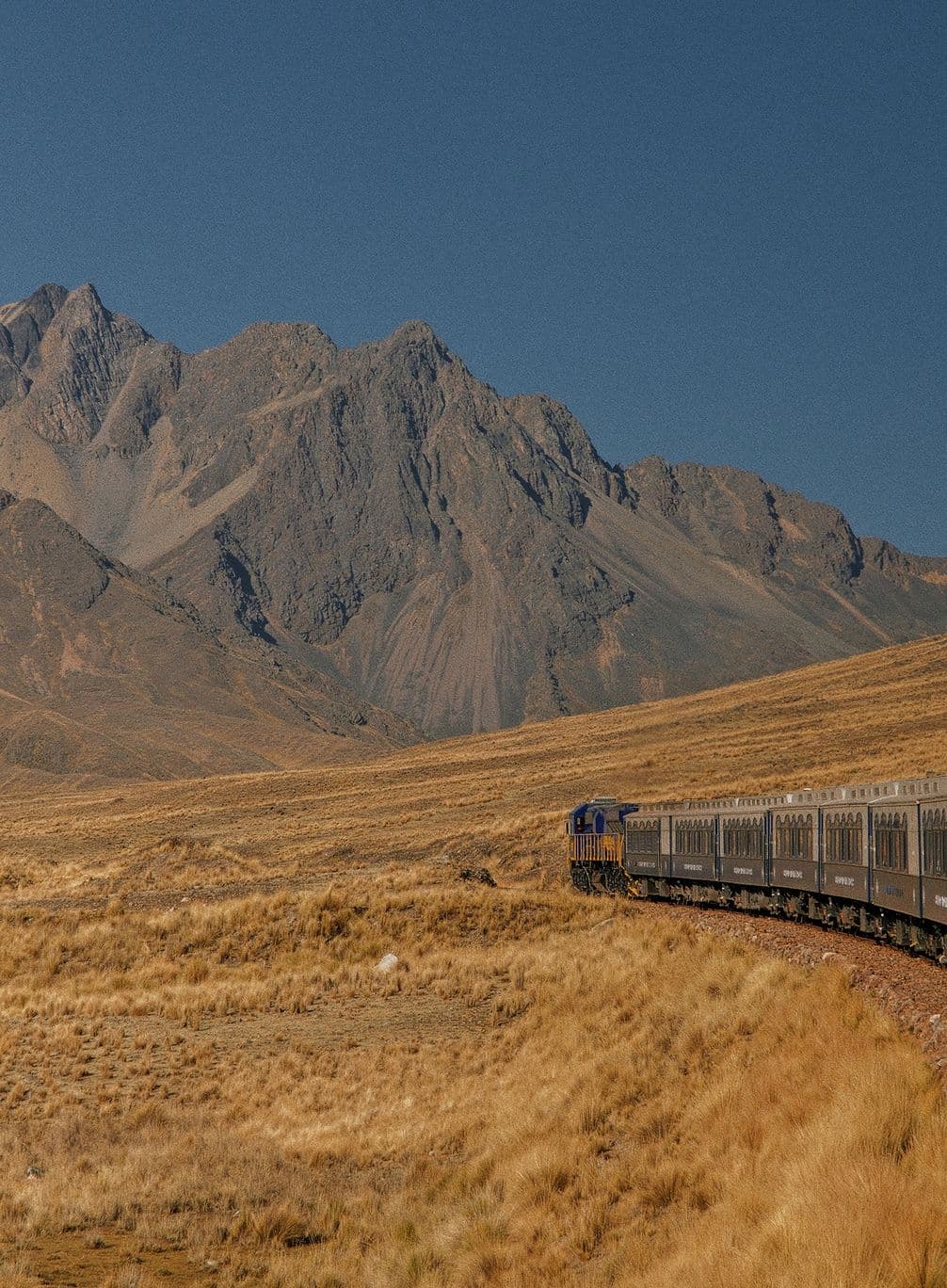
Photo: Luke Abrahams
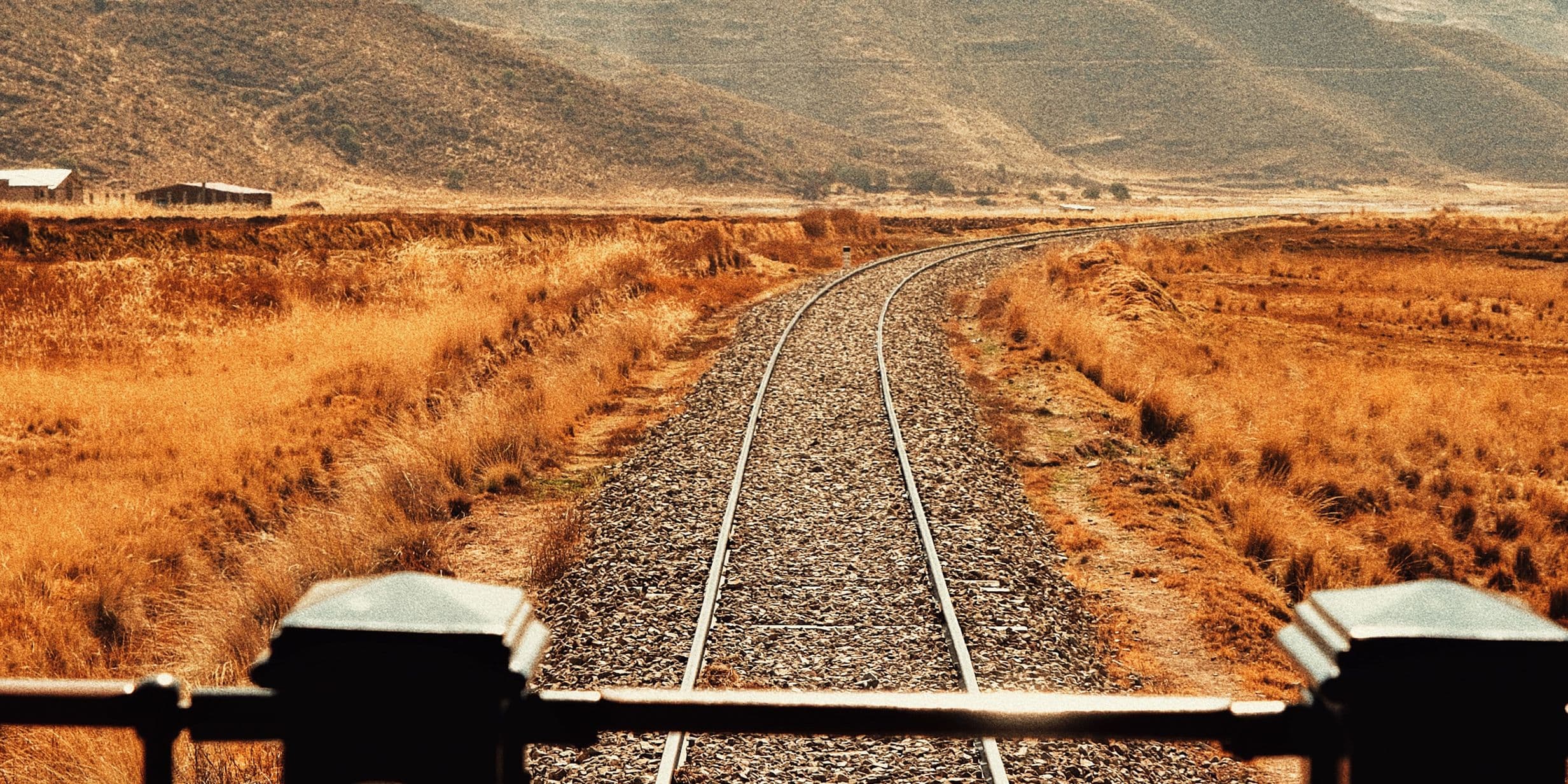
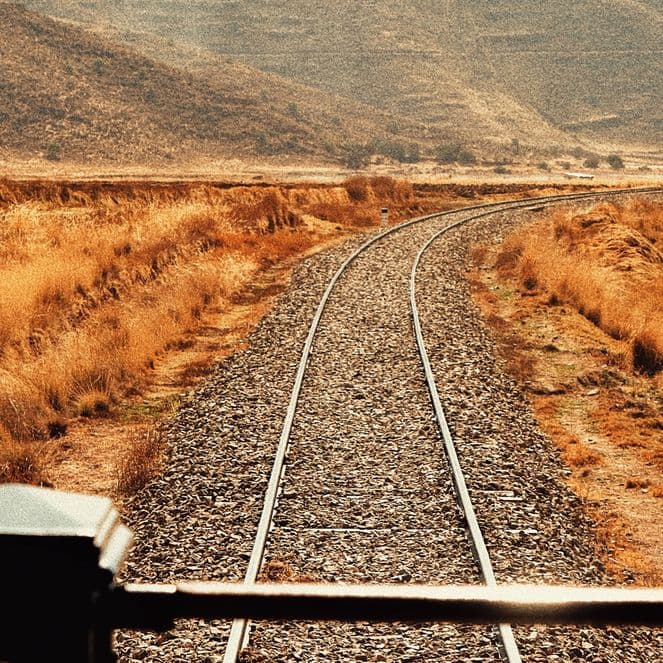
Then there’s train travel, the nexus of throwback nostalgia. Whether you are on a luxury sleeper to nowhere or a commuter train to the office, the rhythmic, hypnotic sway of a carriage is the epitome of slow travel. Through those big windows, your seat is a place for reflection and intrigue where the art of enjoying yourself at a sedate pace reigns supreme – a luxury in this fast-paced era.
When you photograph any mode of transport, set-up, composition and angles are key. First ensure you use a low ISO to minimum noise and utilise aperture priority (f/8 – f/16) for deep focus. The idea behind these settings is to capture motion or give a sense of movement in the perspective of the image. For motion blur, set your camera to a slower shutter speed (1/30s to 1/60s, for example) and follow the vehicle with your camera to capture the desired effect. For light trails, use a tripod and long exposure. This is especially true for night photography and if you want to capture moving satellites while on the go in a speeding safari jeep or onboard a motorcycle.
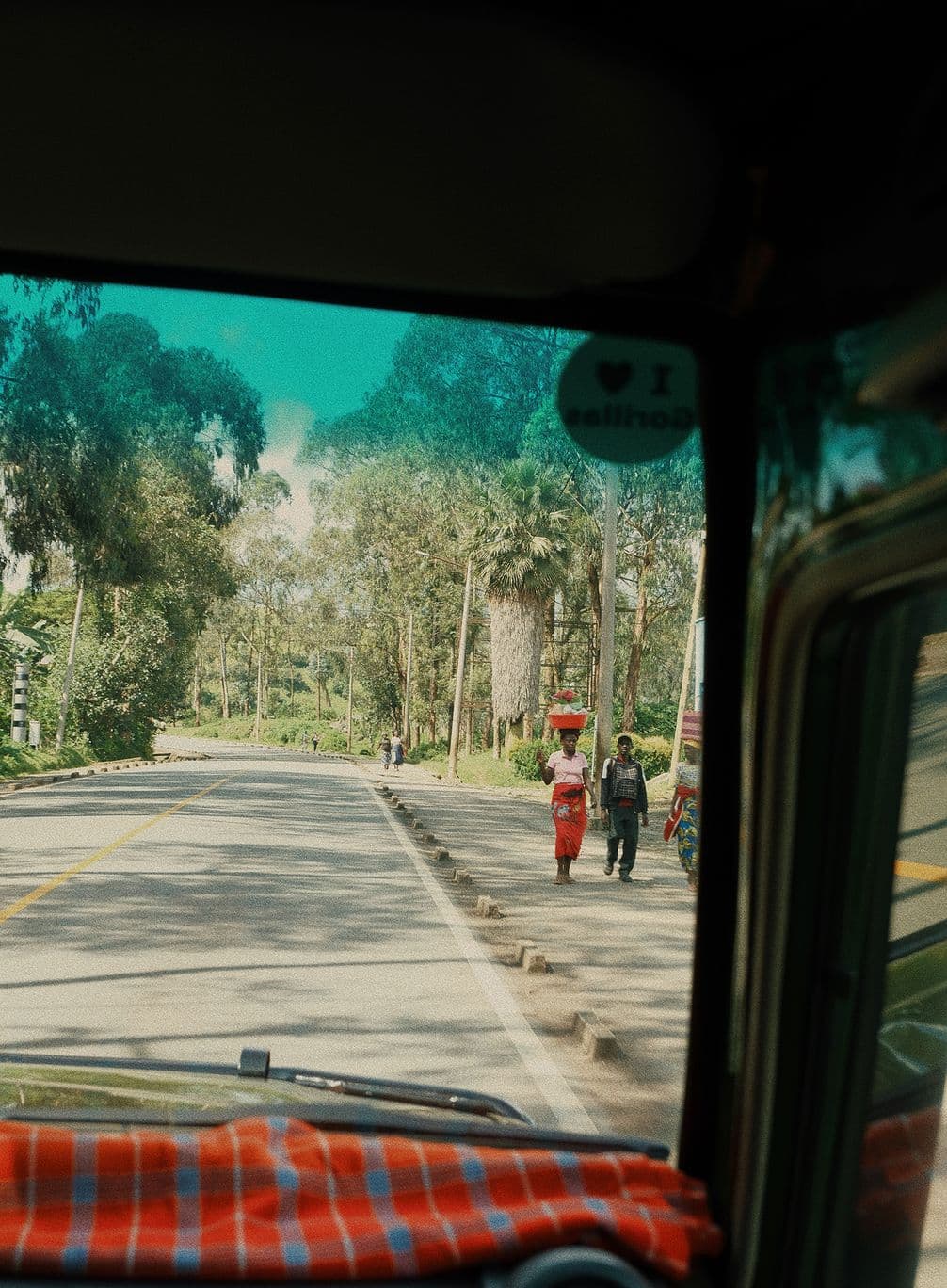
Photo: Luke Abrahams
As for the angles, it all depends on your focus. If you are sitting on a plane, zoom out and slowly pan in, focusing on the outside in. The trick is to focus on the farthest object – a mountain or river – and let the window frame do the rest. The same goes for when you are trying to shoot a fast-moving vehicle like a tuk-tuk. This is where the “rule of thirds” comes in real handy. In short, the rule is to focus on your key focal point (the vehicle or headlights) along the imaginary lines of a 3x3 grid rather than simply centring it. The effect is a more balanced, dynamic and engaging photo – one that allows the viewer’s eyes to explore the typography of the entire mise-en-scène instead of one principal point. Think of it as capturing a moving moment in time and the technique will easily fall into place.
If you are sitting on a plane, zoom out and slowly pan in, focusing on the outside in. The trick is to focus on the farthest object – a mountain or river – and let the window frame do the rest
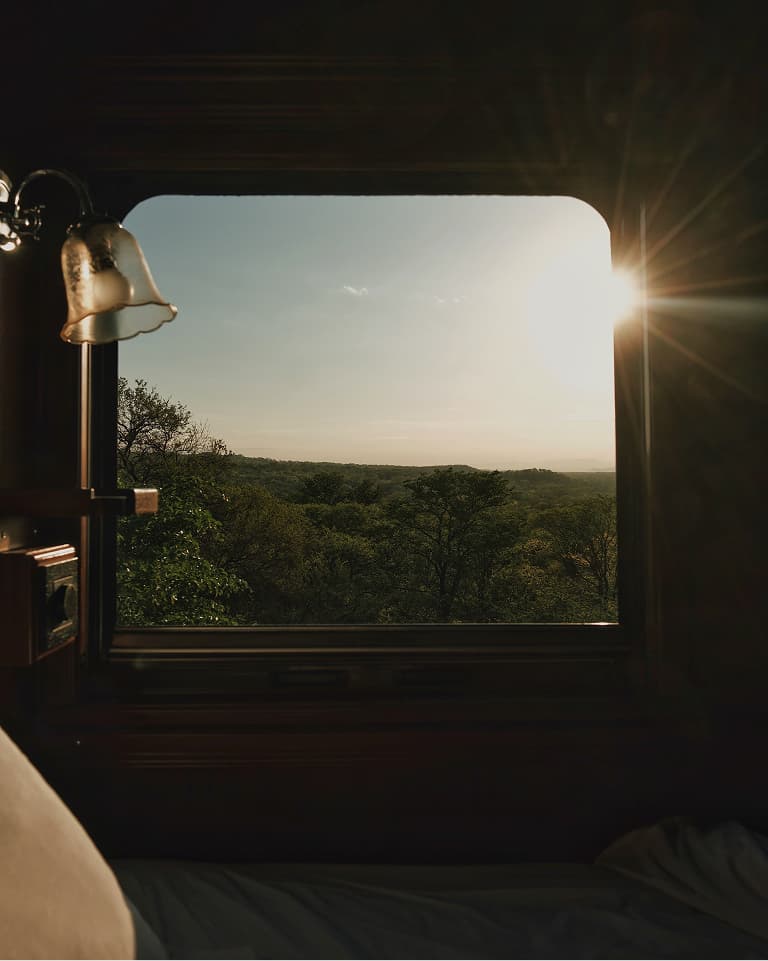
Photos: Luke Abrahams
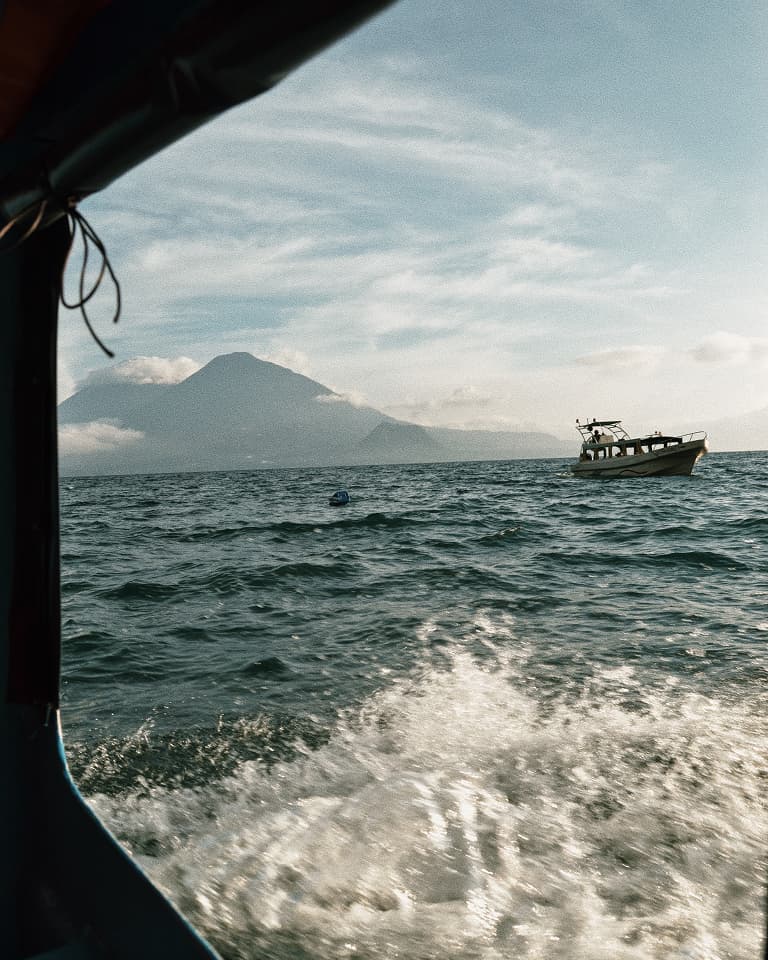
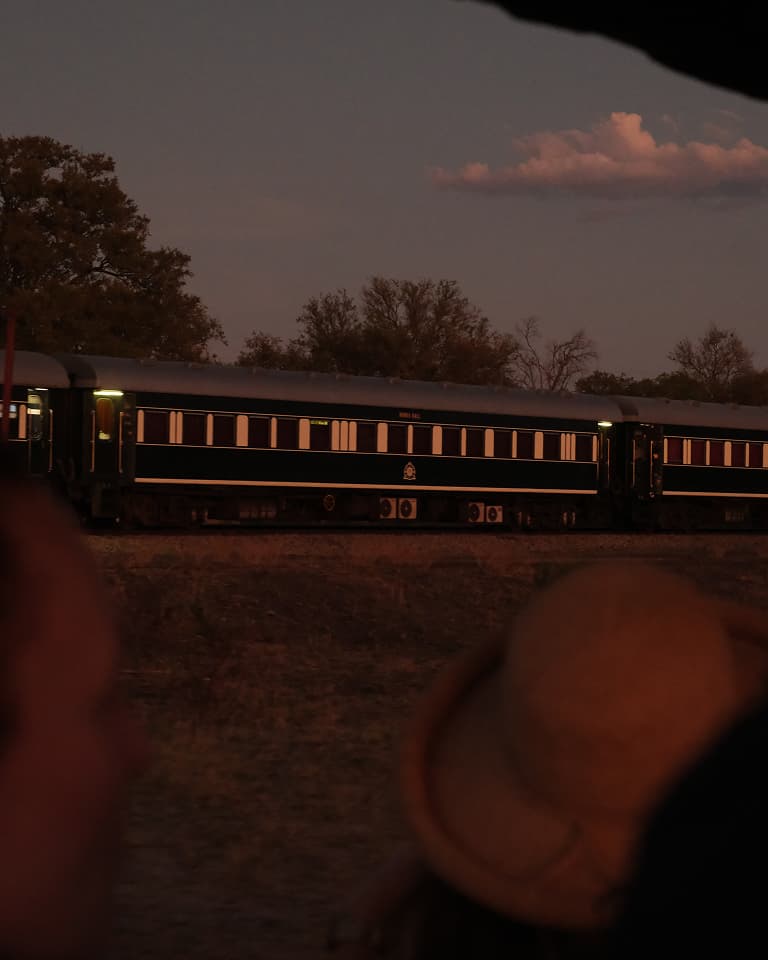
Then there’s perspective. When shooting any moving object, give yourself plenty of space. Stand back and utilise a longer focal length. This helps to avoid distortion, as well as add to your photograph’s depth and range. Crouching down can also bring interest to the frame, as well as adding to the depth and size of your subject. Lighting, as ever, also plays an integral role. Sunrise or sunset serves best and adds an extra layer of feeling to the image. If you are finding this tricky, use a polarising filter to help you cut through the glare. This is especially helpful if you are photographing through windshields or over water, allowing you to see into the vehicle as well as the outside.
Transport photography is also about those candid moments. Without the people, you seldom feel the emotion of the experience. If you are going to photograph people, silence your shutter speed, give yourself plenty of space or simply just ask for permission to snap them. The more natural the pose, the better, and if you can, capture faces rather than the back of heads as this tells a more personal and nuanced story. Think smiles, tears and laughter. The key is to make this moment as relatable and engaging as possible to the viewer, so that they feel something when they see it.
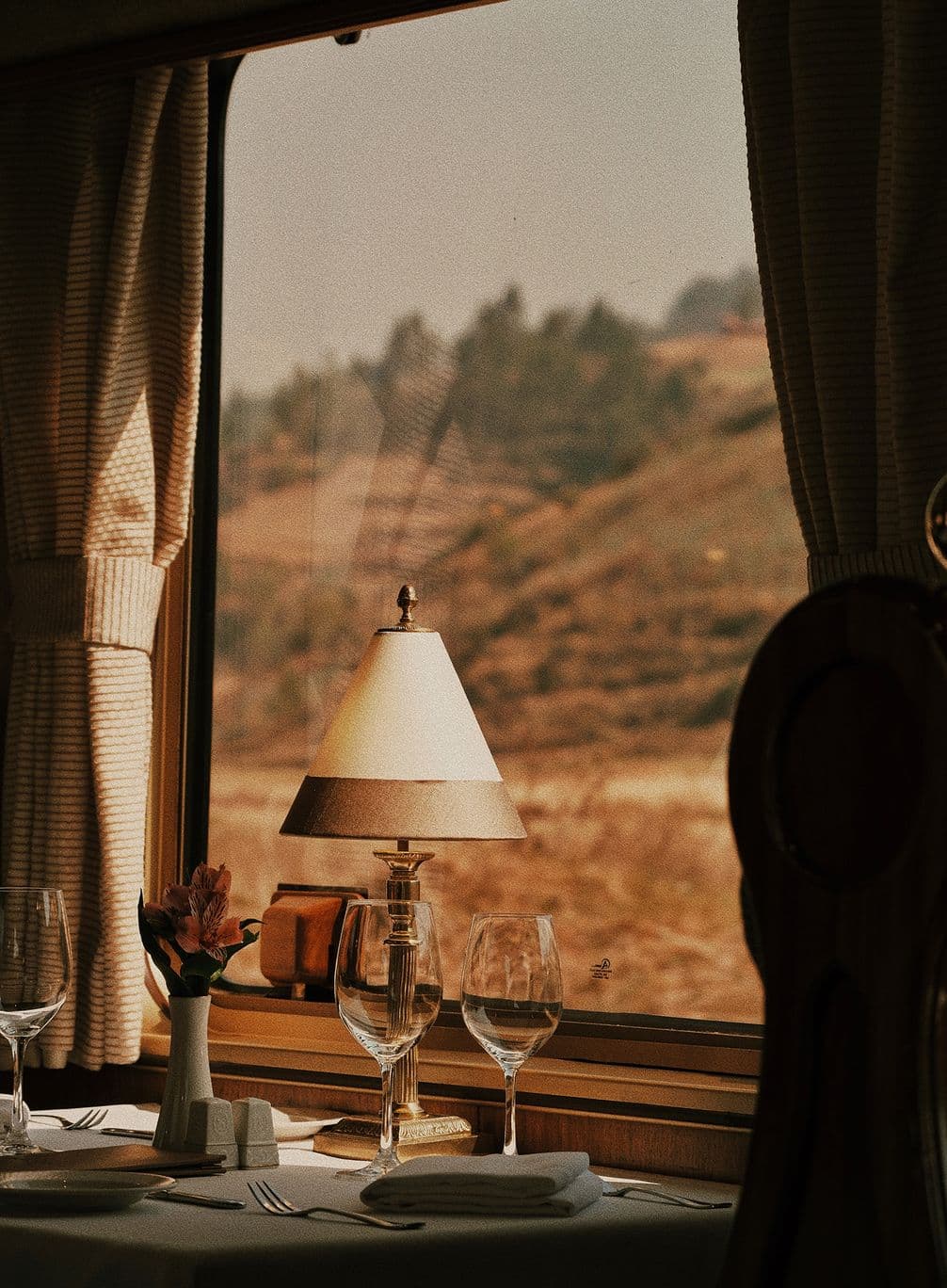
Photo: Luke Abrahams
Interiors are another highlight. Focus on dials, conductor suits, badges, the patterns of seats, bold colours and textures. All of these features add context, and in some cases, give more idea of a sense of place and time than the mode of transport itself.
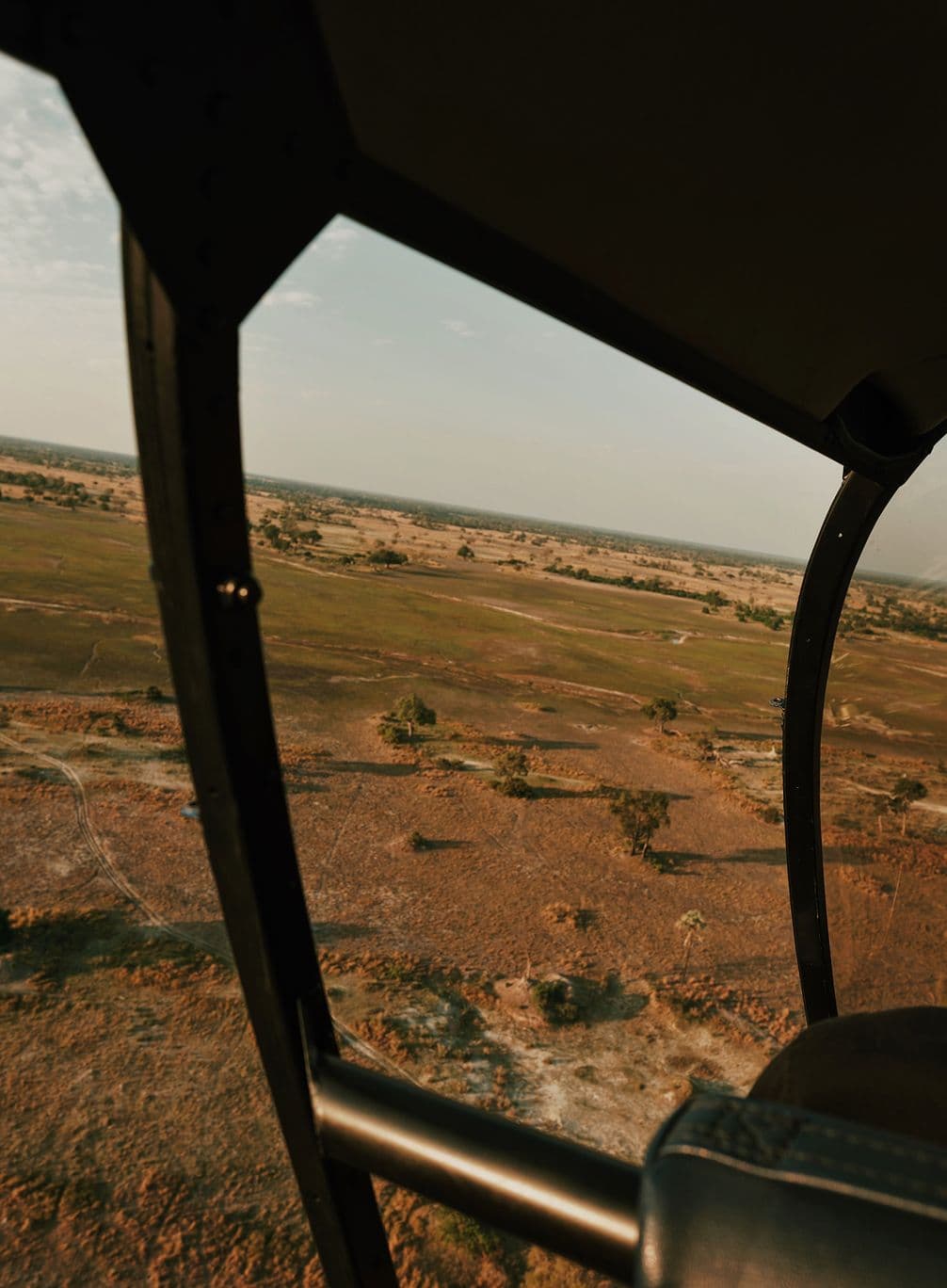
Photo: Luke Abrahams
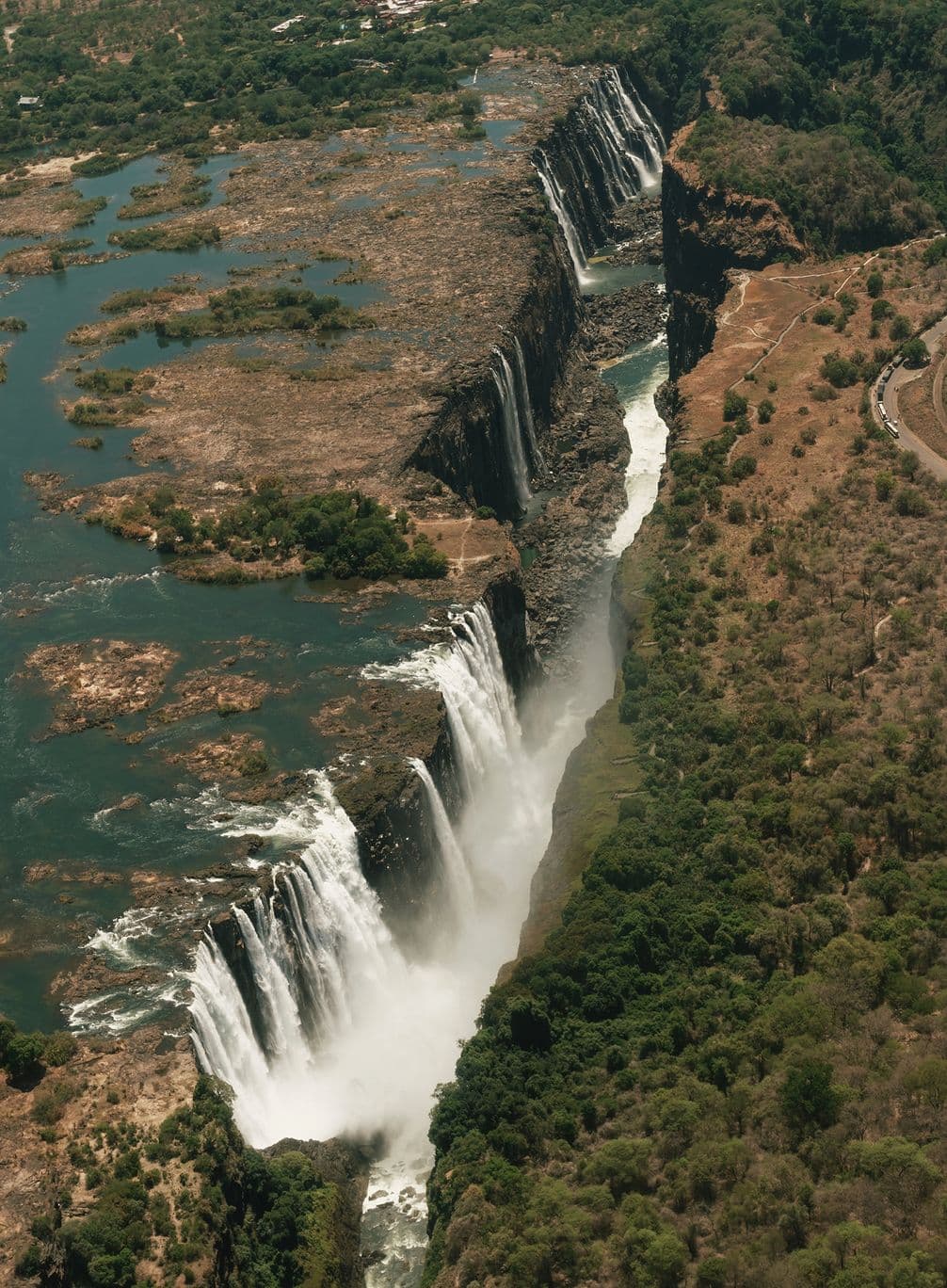
Photo: Luke Abrahams
Timing is of the essence, too. If you are on a boat or helicopter, plan and pace your shot, and if you have the time, research a backlog of images on what you plan to snap so you know what to expect in advance. Helicopters are notoriously difficult to photograph on, not just for the speed, but also those rallying propellers. If you do find yourself on one, sit opposite the direction of the sun to reduce glare, especially during “windows on” flights. For open-air helicopter flights, sitting at the back helps reduce the image noise and blur in your photographs. The wind is also less ferocious and you will be able to position and steady your camera with better ease.
Descubre recuerdos más rápido con funciones exclusivas como las del reconocimiento facial y los álbumes inteligentes.



&w=96&q=75)
4 Feb, 2026∙8 min
&w=96&q=75)
Gemma Louise Deeks
Redactora y editora
2 Mar, 2026∙6 min
&w=96&q=75)
Siobhan Ferguson
Fotógrafa
24 Oct, 2025∙9 min


 Estados Unidos