

Inspiración
Table Talk: Mexican traditions and local flavours with Santiago Lastra
The Michelin-starred chef on his roots, his recipes and why Mexican soul food belongs in every British kitchen

25 ago 2026∙7 min
Inspiración
The Michelin-starred chef on his roots, his recipes and why Mexican soul food belongs in every British kitchen
25 ago 2026∙7 min
In a city celebrated for its diverse dining scene, it’s not easy for a chef to turn heads. Yet Santiago Lastra has been doing just that since opening his fine-dining tasting menu restaurant KOL in London’s Marylebone in 2020 – a Michelin-starred hotspot that retained its star for a fourth consecutive year in early 2026. His second restaurant, Fonda in Mayfair – known for its sharing plates and farmhouse-inspired design – has also found a loyal following, driven by Santiago’s commitment to making Mexican cuisine accessible without compromising on quality.
Santiago found culinary fame back in 2017 when he managed the now-legendary pop-up Noma Mexico in Tulum. He went on to launch sell-out supper clubs around the world before bringing his distinctive take on Mexican cuisine to London. More recently, he collaborated with Tate Modern on a tasting menu to coincide with the Frida Kahlo exhibition. This month, he adds a cookbook to the mix – Mexican Soul, a collection of 80 recipes built around local, seasonal ingredients and everyday staples.
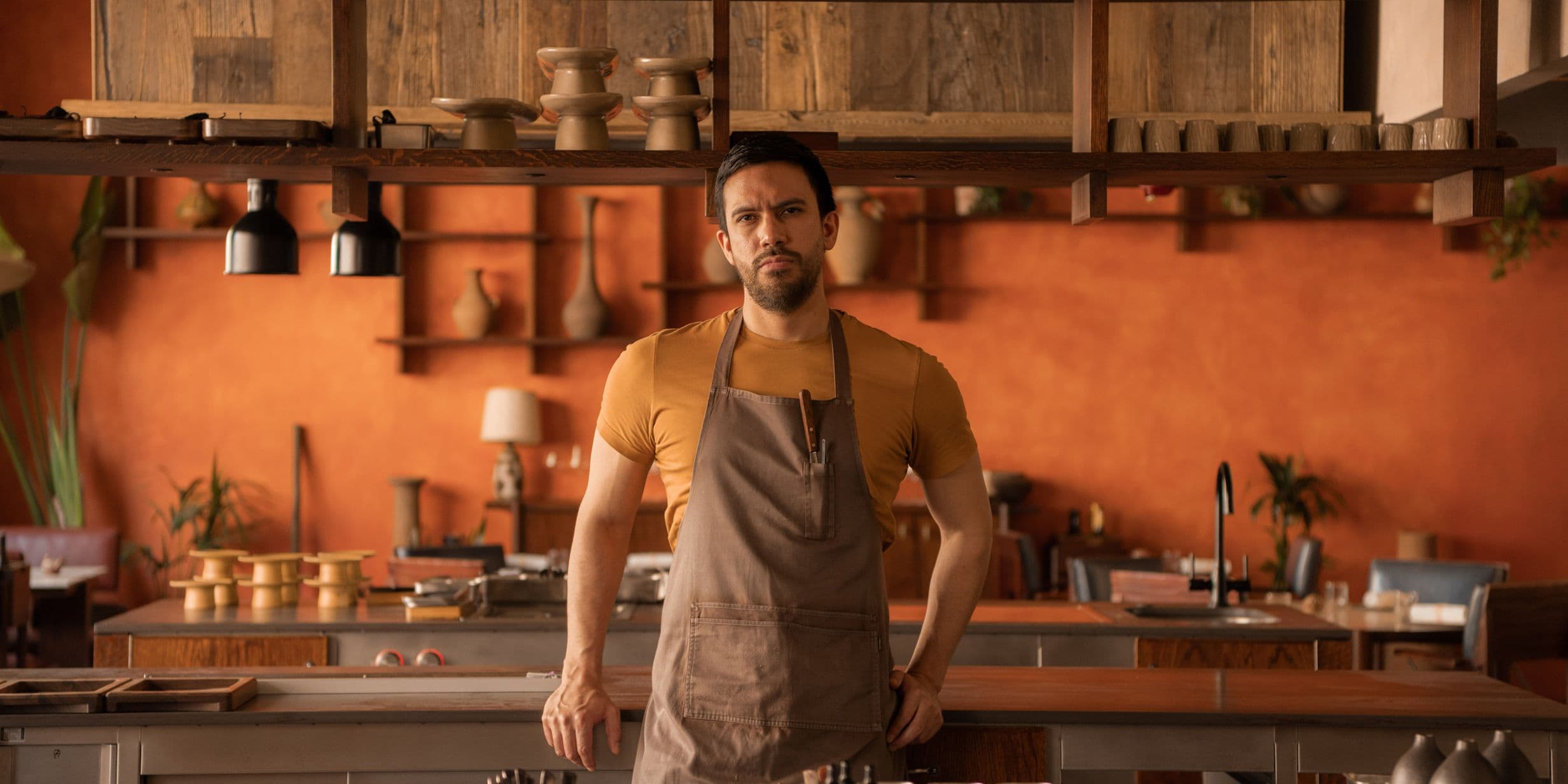
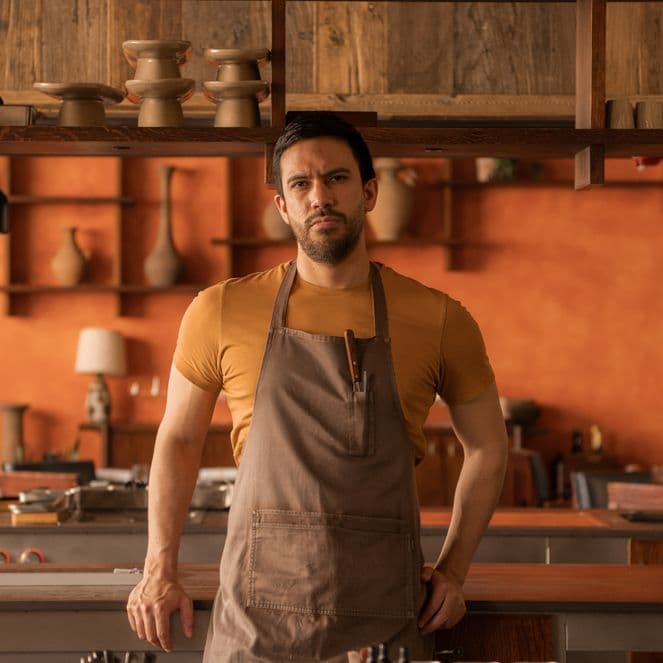
Photographed here with his brother Eduardo, Santiago reflects on what first drew him to the kitchen, how memory has shaped his cooking style and the food trends he’s loving right now.

Santiago and Eduardo Lastra. Photo: Tanya Chavez
My parents didn’t cook at home but I always loved eating. When I was 14, I saw a recipe for a crab dip on a Ritz crackers box. I decided to make it, and both my mum and dad loved it. That simple moment sparked my curiosity. I went back to the supermarket, bought a recipe book and started cooking everything in it. I realised that cooking could transform an ordinary day into something special. You could set the table, light some candles and make people feel happy. I loved that cooking had an immediate impact – it brought people together and created joy.
I didn’t have a mentor until I started working in restaurants. At 15, I worked in an Italian restaurant where the chefs were like family. When I moved to Restaurante Europa in Pamplona, Spain, chef Pilar Idoate became my greatest mentor. She taught me the discipline and foundations of traditional Michelin-star cooking. Even today, when I make a stock or a sauce, I find myself wondering what Pilar would say.

Santiago Lastra. Photo: Anton Rodriguez
Mexican food has an incredibly strong identity. It’s colourful, fresh, vibrant and full of layers of flavour, texture, herbs and spices. Those qualities have become part of who I am. Even when I cook something very simple, there’s a Mexican sensibility somewhere. That balance of freshness, heat, complexity and generosity is in my blood, and it naturally finds its way into my cooking.
My cooking is as an expression of Mexican identity rather than recreating traditional dishes. I deeply respect traditional Mexican techniques, flavours and culinary traditions, but I believe identity goes beyond geography. It’s understanding why a dish works, not simply reproducing it. For me, the soul of Mexican cooking lies in the balance of acidity, freshness, spice, texture and generosity. Once you understand those principles, you can create food that feels unmistakably Mexican, even when using local ingredients that aren’t found in Mexico. That’s how traditions remain alive – they evolve while remaining true to their essence.
It all started with the desire to bring Mexican cuisine to more people and share what we do, beyond the restaurant. I realised that if we really wanted to change how people see Mexican food and culture, we had to bring it into their homes. Cooking is one of the most powerful ways to connect with a culture, and that’s how Mexican Soul began. It’s a tool to help people understand what the food really is, while giving them the confidence to cook it at home. The recipes use ingredients you can find in your local supermarket, so wherever you live, you can make Mexican food part of your everyday life. I hope people cook from the book, make the recipes their own, and even bring a little Mexican soul to the dishes they already cook.
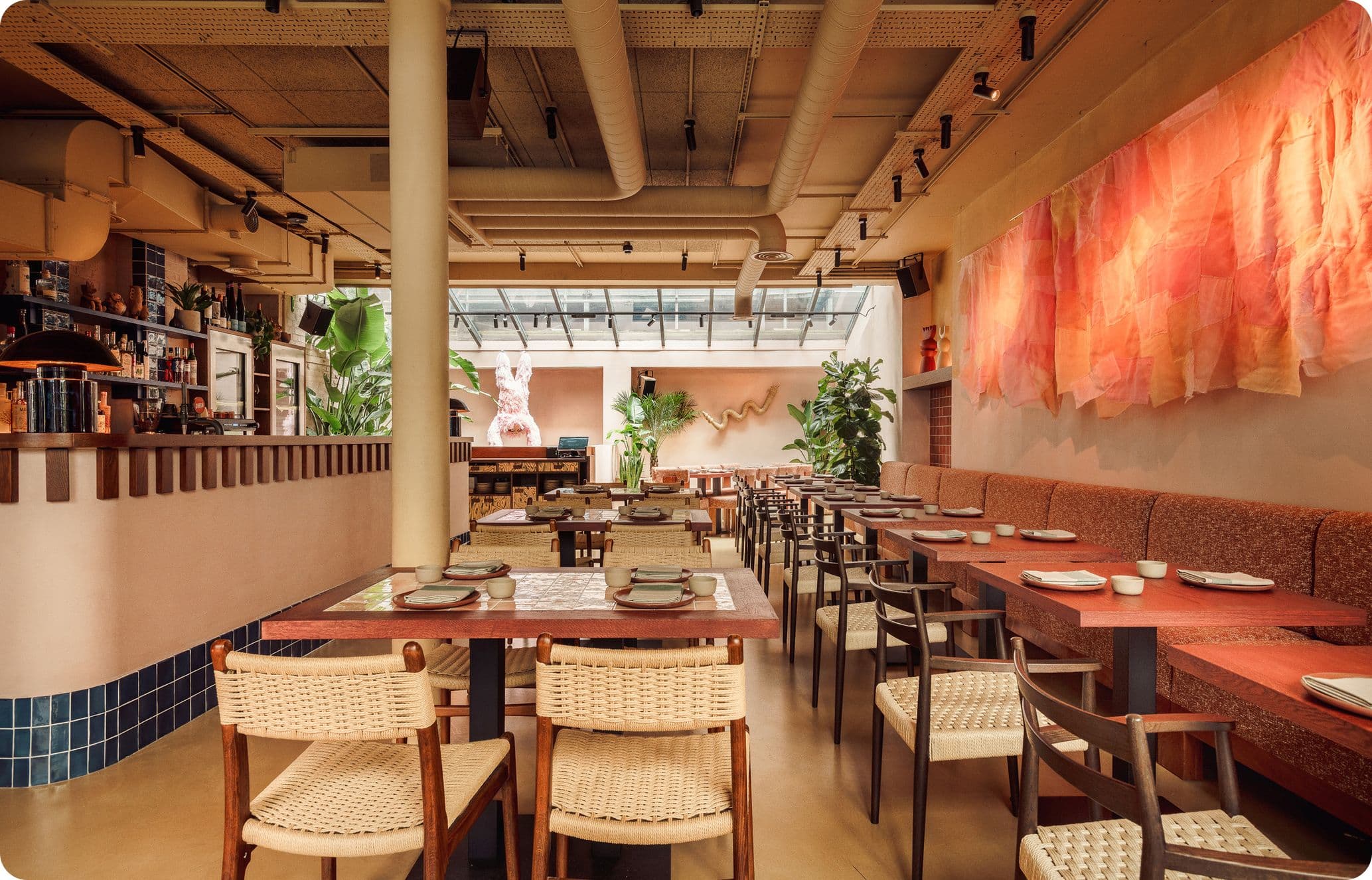
Fonda, Mayfair. Photo: David Cleveland
&w=3840&q=75)
KOL’s mezcal trolley. Photo: Anton Rodriguez
&w=3840&q=75)
The Chef’s Table at KOL. Photo: Eleonora Boscarelli
&w=3840&q=75)
KOL main dining room. Photo: Charlie McKay
KOL is a fine-dining restaurant in Marylebone where we use ingredients from the UK, served as a tasting menu. It’s my artistic expression of Mexican food, using international techniques to create elegant and personal interpretations of my favourite dishes.
Fonda is much more accessible: an à la carte restaurant with a great energy and a more traditional approach to Mexican cooking. We’re more flexible with ingredients, using the best produce available, rather than limiting ourselves to what is grown in the UK.
Storytelling and memory are at the heart of everything I cook. Each dish carries a story – whether it comes from somewhere I’ve travelled, someone I’ve met or a meal that has stayed with me. With Mexican Soul, I didn’t just want to share recipes; I wanted to share the traditions, memories and philosophy behind them. I hope people create their own memories around the table and begin telling their own stories through Mexican food.
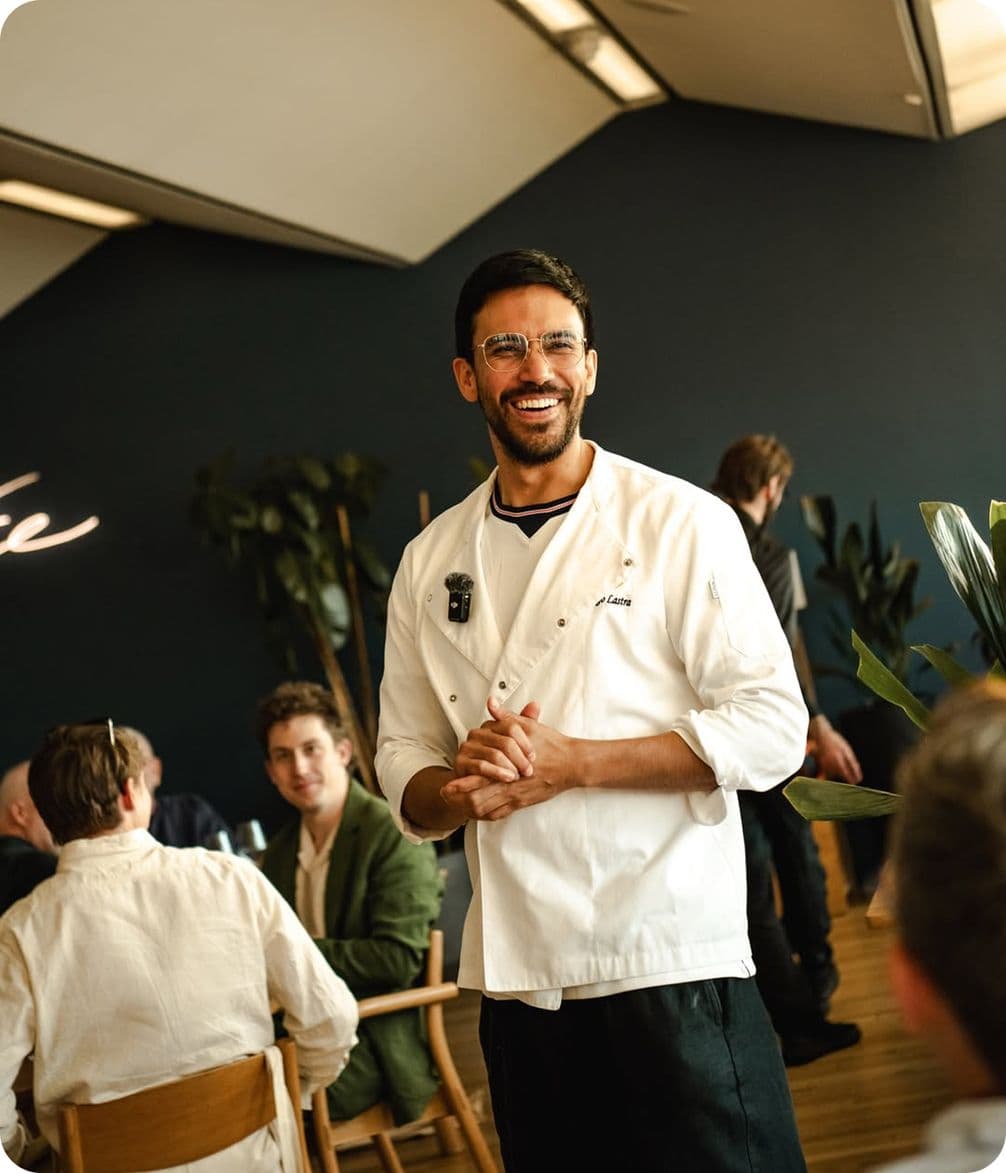
Santiago Lastra. Photo: @santiagolas
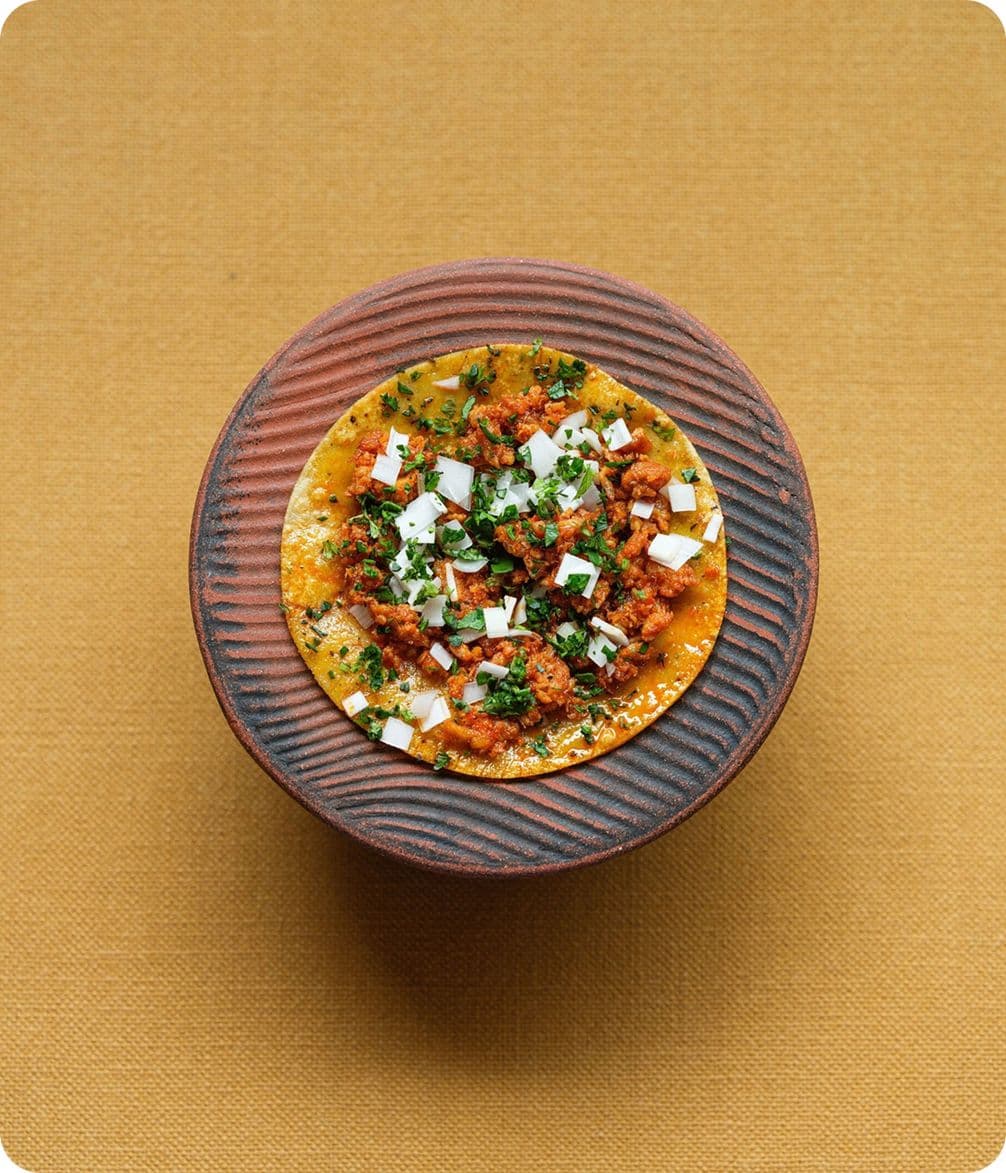
KOL’s chorizo and duck confit taco. Photo: @santiagolas
I’m excited to see more chefs using local ingredients to express their own heritage and identity. I think it’s encouraging to see a growing interest in healthier eating, with more attention on protein, gut health and nutrition. In London, some of my favourite restaurants for tasting menus are The Clove Club, Da Terra, Row on 5, AngloThai, Angler and A.Wong.
The dish that means the most to me is my grandmother’s Mexican meatballs. She would make them in the morning, then go back to bed to rest, encouraging me to sit at the table and eat them on my own. Every time I did, I felt completely loved. That dish was her way of showing affection, and I still carry that feeling with me today.
Years later, when I was living alone in Spain and training at Restaurante Europa, Pilar taught me a completely different way of making meatballs – soft, delicate and beautifully textured. On my days off, I would cook them myself, trying to perfect the technique. They brought back the same feeling I had when eating my grandmother’s meatballs as a child.
For Mexican Soul, I brought those two memories together. I kept my grandmother’s traditional Mexican recipe with its tomato and chipotle sauce, but applied the technique I learned from Pilar to create lighter, more delicate meatballs. It’s a recipe that represents my journey: rooted in family, shaped by travel and learning, and ultimately brought together with love. This is one of my favourite Mexican dishes, and one I would often choose to make if I am hosting friends for dinner.
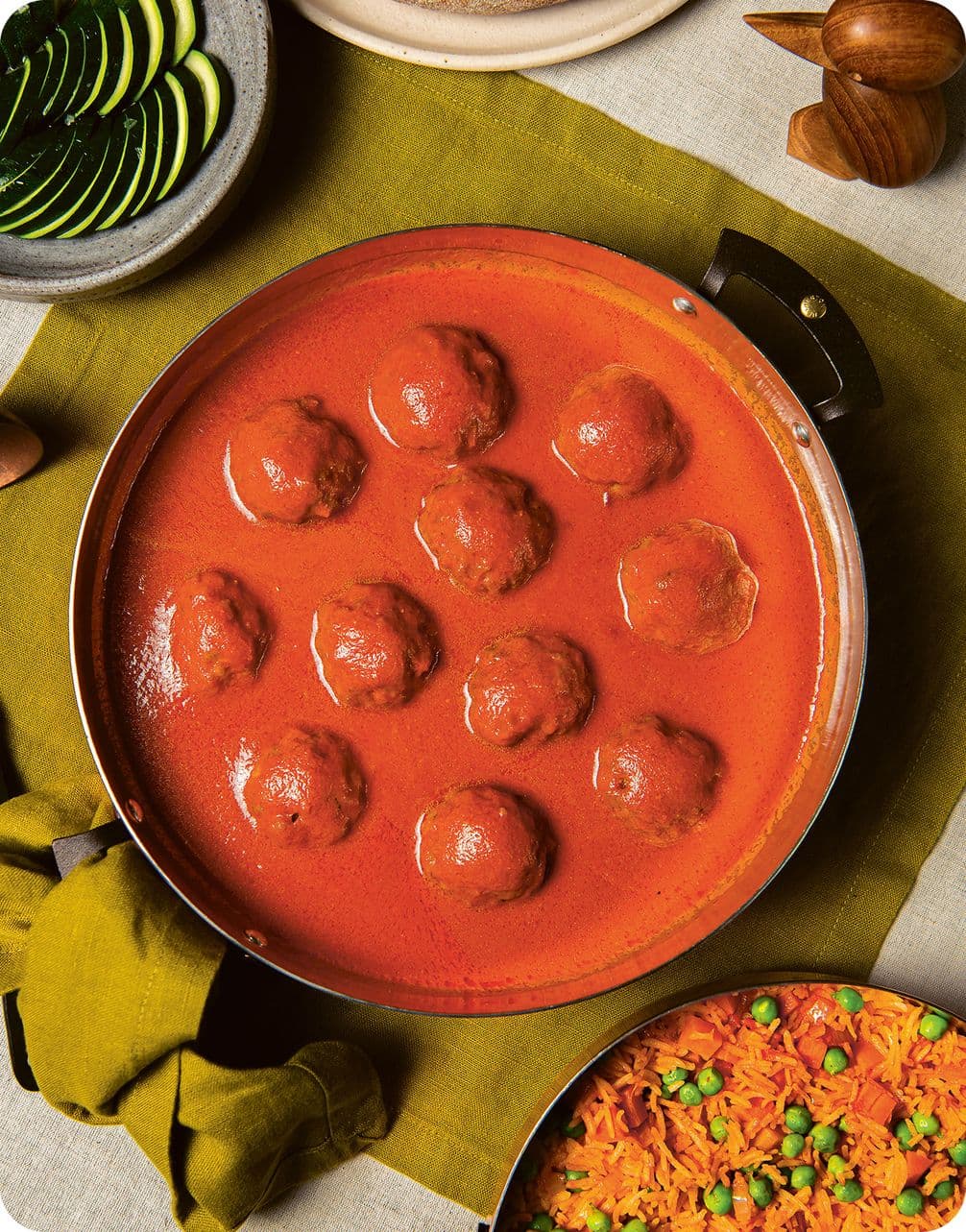
Santiago’s meatballs
Serves 4
Ingredients
For the meatballs
500g minced (ground) beef
1½ tsp sea salt flakes
1 tsp ground black pepper
15g peppermint, with stalks, finely chopped
6 large eggs, hard-boiled and quartered
plain (all-purpose) flour, for dusting
1 quantity tomato caldillo
vegetable oil, for deep-frying
For the bread cream
100g crustless white bread
100ml double cream
6 large eggs
1 roasted garlic clove
To serve
red Mexican rice
bread or tortillas
sliced cucumbers
Method
First, make the bread cream: combine all the ingredients and allow the bread to soak for at least five minutes. Then blitz in a food processor or with a hand-held blender until smooth.
Put the beef, salt, pepper and peppermint into a bowl and combine with your hands, then add the bread cream and work with your hands until smooth. Cover and leave in the refrigerator for 20 to 30 minutes to set.
Remove the meat from the refrigerator and use an ice-cream scoop or spoon to divide it into 50g balls. Press two boiled egg quarters into the centre of each ball and close the meat around them, then dust the balls with flour.
Half fill a saucepan with oil and heat to 190C (375F) and fry the meatballs for three minutes, turning and basting as needed, until golden but still pink on the inside (they will finish cooking in the caldillo). Remove the meatballs from the oil with a slotted spoon and place on a tray lined with paper towels to drain the excess oil.
Pour the tomato caldillo into a saucepan and bring to a simmer, then add the meatballs, cover and cook for five minutes.
Serve the meatballs and sauce hot with rice, bread or tortillas and cucumbers.
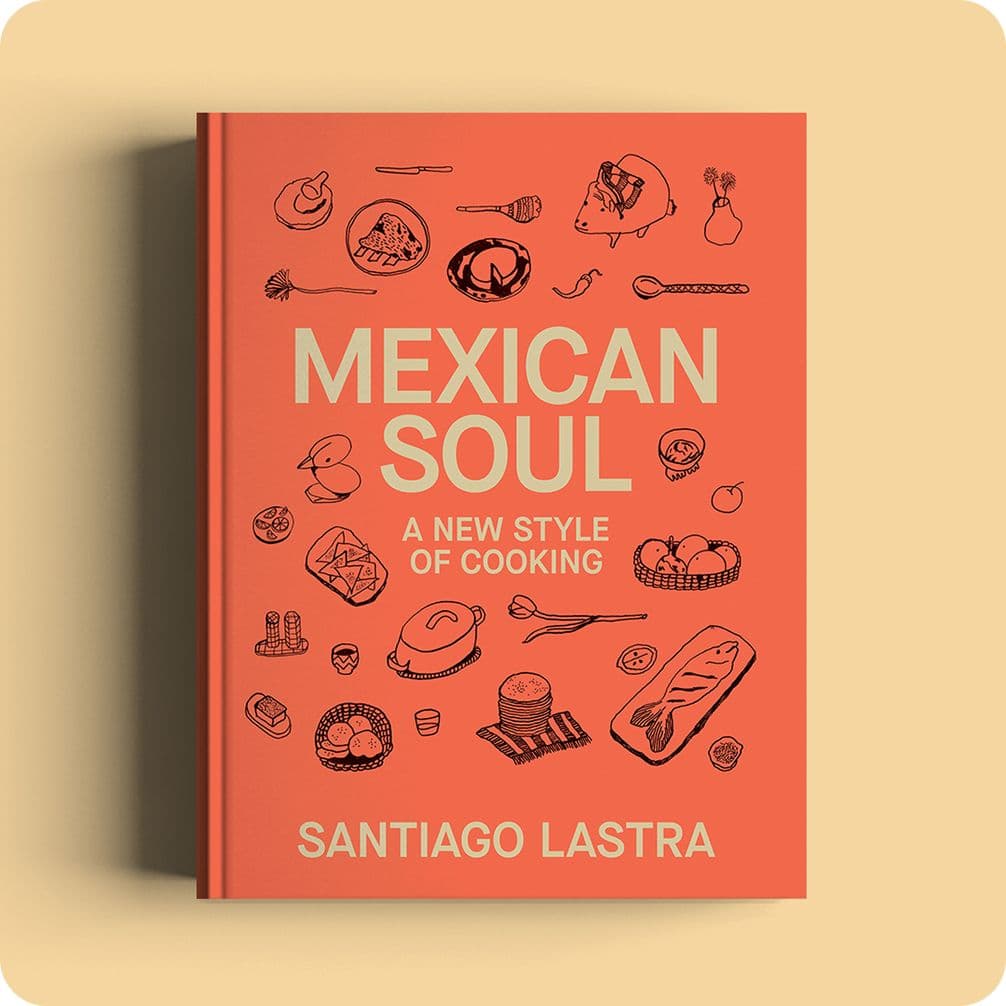
Mexican Soul: A New Style of Cooking by Santiago Lastra is published by Quadrille Books and is available now.
Descubre recuerdos más rápido con funciones exclusivas, como el reconocimiento facial y los álbumes inteligentes.



&w=96&q=75)
Rebecca Cope
Periodista
29 jul 2026∙7 min

&w=96&q=75)
28 abr 2026∙7 min

&w=96&q=75)


 Estados Unidos