Insights

The most photographed spots in Lisbon

The squares, castles and monasteries that Lisbon visitors love to photograph – ranked by real traveller data

Bradley Grantham

Bradley Grantham

Científico jefe de datos

23 jun 20268 min

The most photographed spots in Lisbon

Words by Georgina Groom-Rietschy

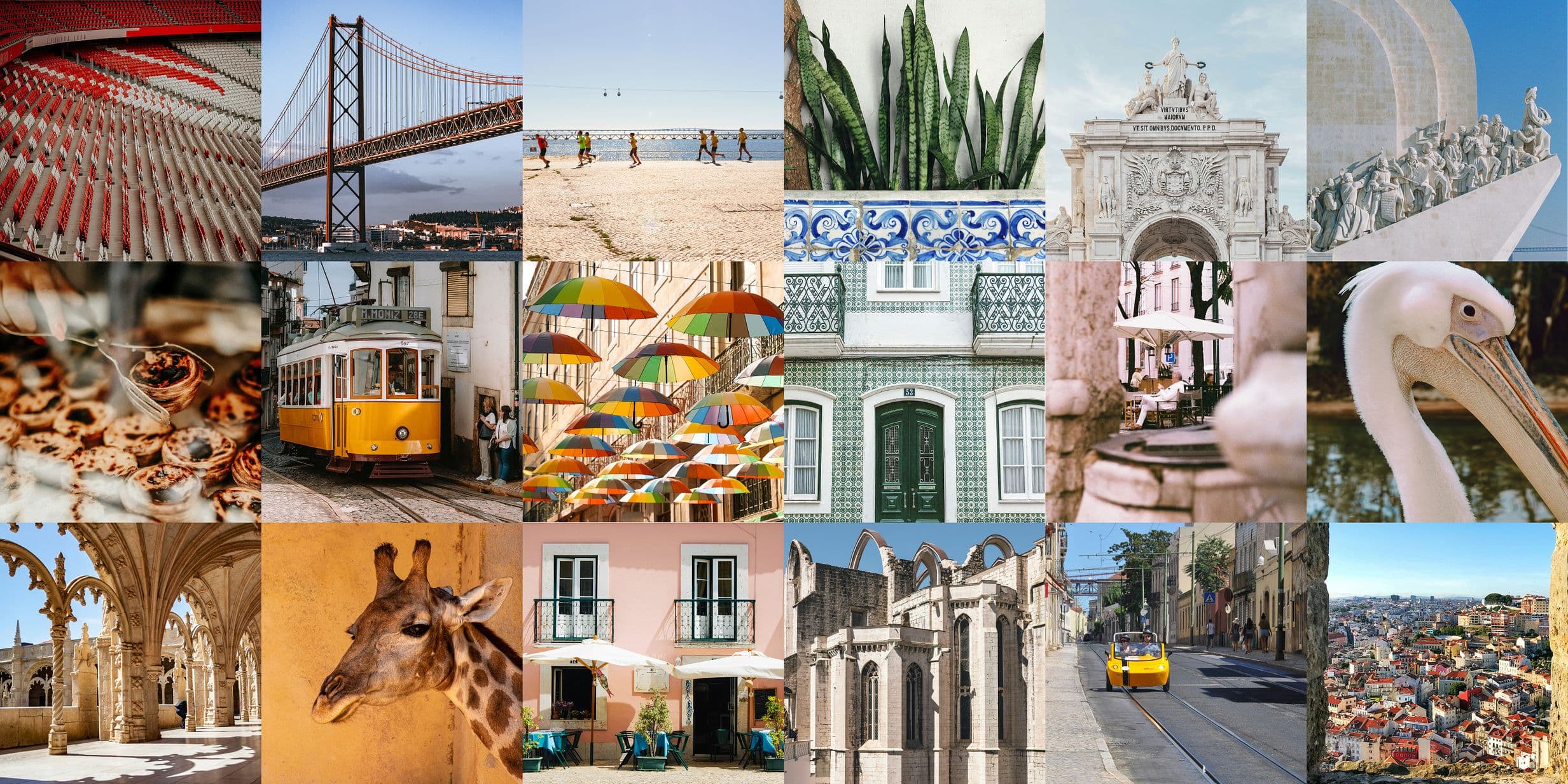
Lisbon’s cobbled streets unfold across hills, storied squares and a sun-kissed riverfront. In a city revered for its showstopping beauty – defined by azulejo-clad facades, centuries-old monasteries and a thriving arts, craft and culinary scene – it’s challenging to know where to start capturing the city. Yet with cinematic light and a free-spirited attitude etched into its core, you’d be hard pressed to find a bad angle. 

To uncover the locations that dominated Popsa travellers’ camera rolls in 2025, we analysed millions of customer photos using a rigorous, data-led approach. Comparing the results with our 2024 rankings, the harbour-facing Praça do Comércio held firm at the top, while Castelo de São Jorge and Mosteiro dos Jerónimos retained second and third place respectively. The Torre de Belém dropped out of the ranking altogether – understandably so, given that the 16th-century tower was closed to visitors for much of the year due to ongoing restoration works. Read on to discover the places that deserve a spot on every Lisbon itinerary. 

To learn more about how the data was analysed and how the photo index scores were calculated, see the methodology at the end of this article.

Top 10 photographed spots in Lisbon

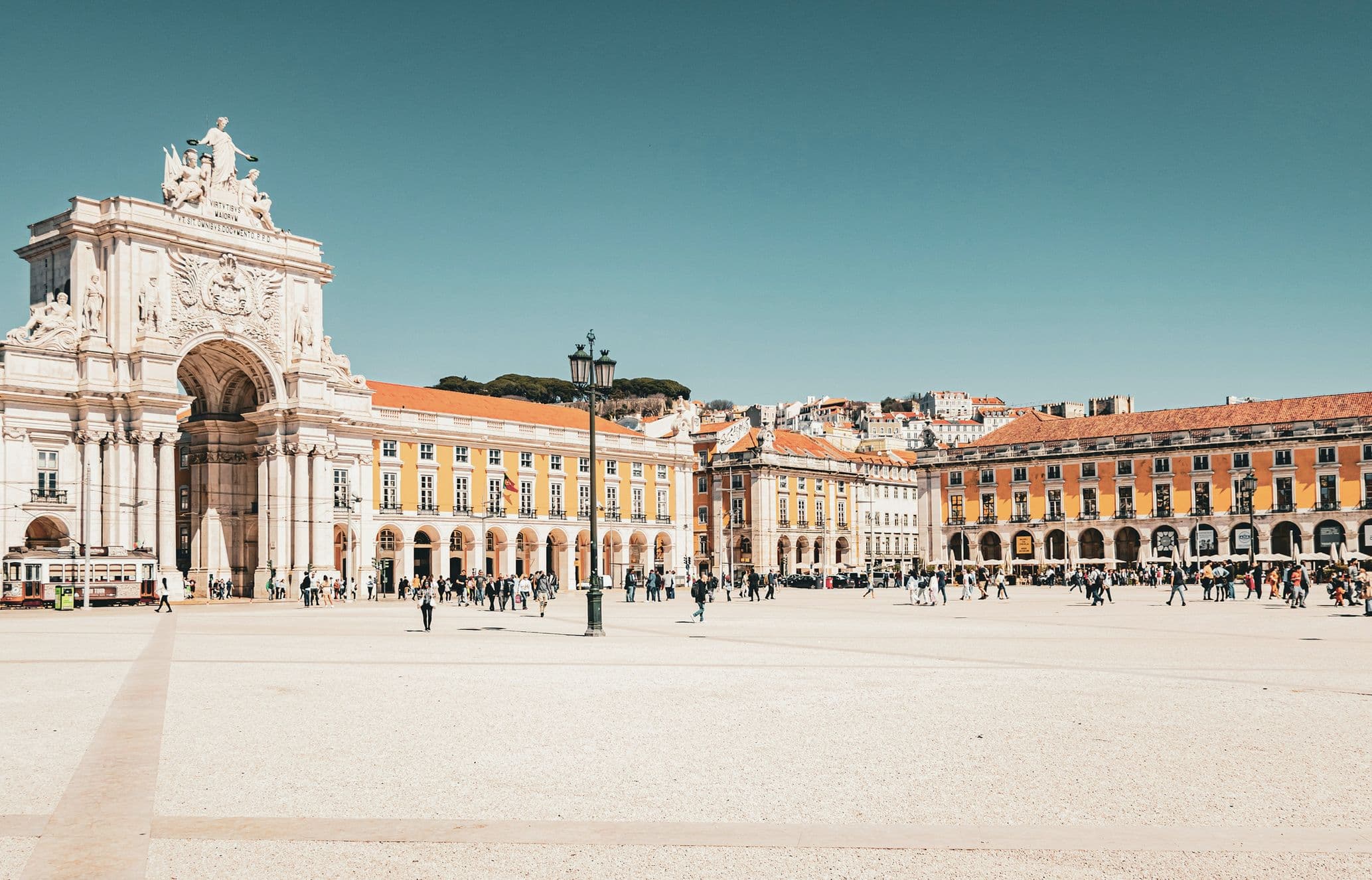
Praça do Comércio, Baixa. Photo: Joao Reguengos, Unsplash

Praça do Comércio, Baixa

Photo index score: 100

You’ll find Praça do Comércio at the heart of Lisbon’s historic Baixa district, directly opposite the glistening Tagus River. The striking yellow square was built after the catastrophic 1755 earthquake that devastated much of the capital. Before then, it was the site of the Royal Palace, which is why locals still refer to it as Terreiro do Paço. Pose beneath its triumphal arch or beside the equestrian statue of King José I before setting off on a walk along the waterfront – stopping for a bite to eat at Time Out Market. If you’re visiting in the morning, head through the arch to Rua do Comércio instead and make a beeline for Cotidiano, where exceptional coffee and brunch are served with a front row view of Lisbon’s historic Tram 28 rattling past.

Castelo de São Jorge, Alfama. Photo: Meina Yin

Castelo de São Jorge, Alfama

Photo index score: 75

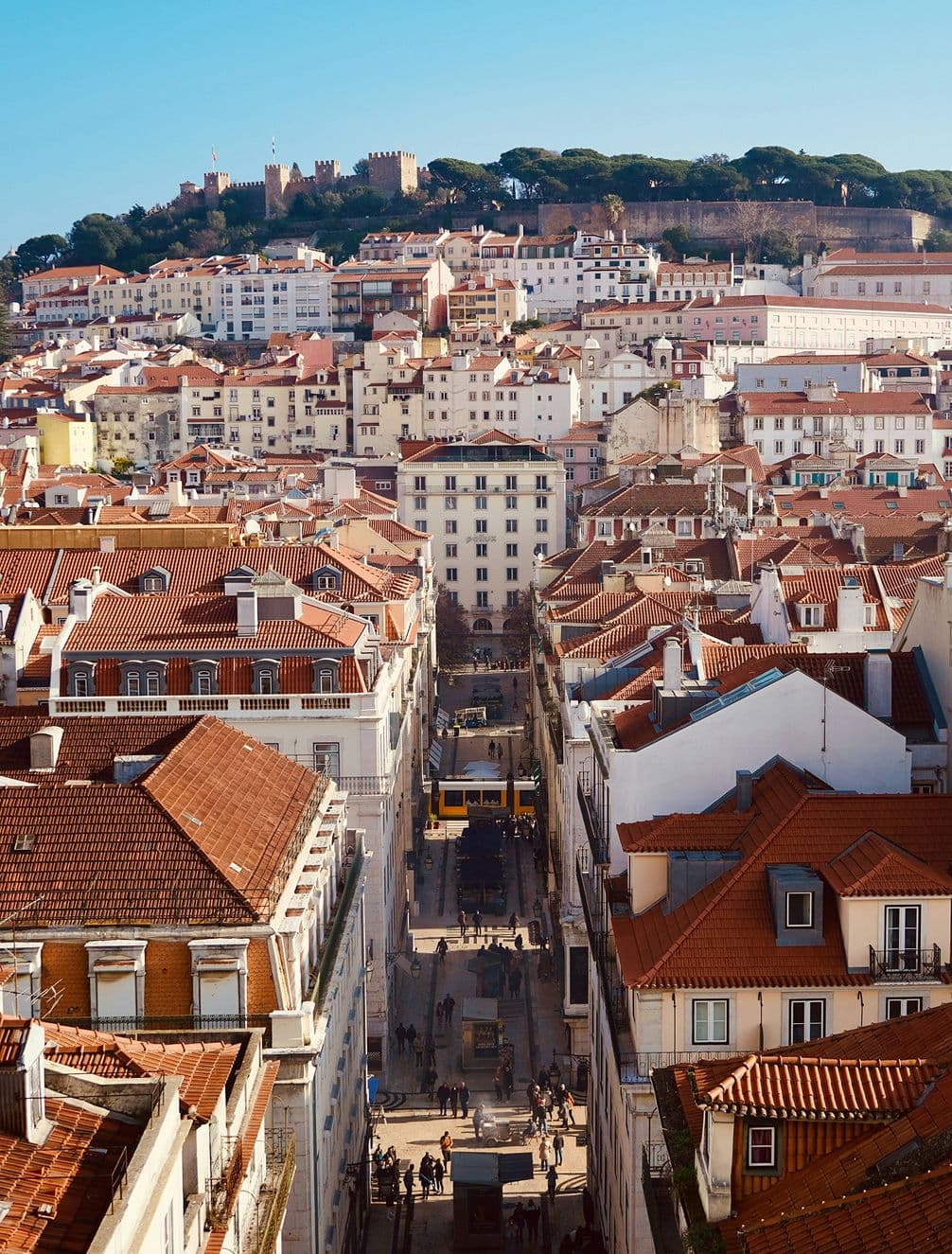
Lisbon’s Alfama neighbourhood is renowned for its steep, winding streets that seemingly tumble towards the waterfront. Crowning the area is Castelo de São Jorge, a Moorish fortress whose hilltop site has been occupied since ancient times, with its towers and courtyards bearing witness to centuries of Lisbon’s history – including its years as a royal residence from the 13th to the 16th century. Arrive early to wander along the castle walls before the heat and crowds set in, and enjoy sweeping views across the city’s terracotta rooftops. You might cross paths with the castle’s flock of free-roaming peacocks, but it’s the main observation terrace that offers the best photo opportunity. If you’re visiting on a Tuesday or Saturday, skip to nearby Feira da Ladra flea market for antiques and local crafts.

Mosteiro dos Jerónimos, Belém. Photo: Alex, Unsplash

Mosteiro dos Jerónimos, Belém

Photo index score: 75

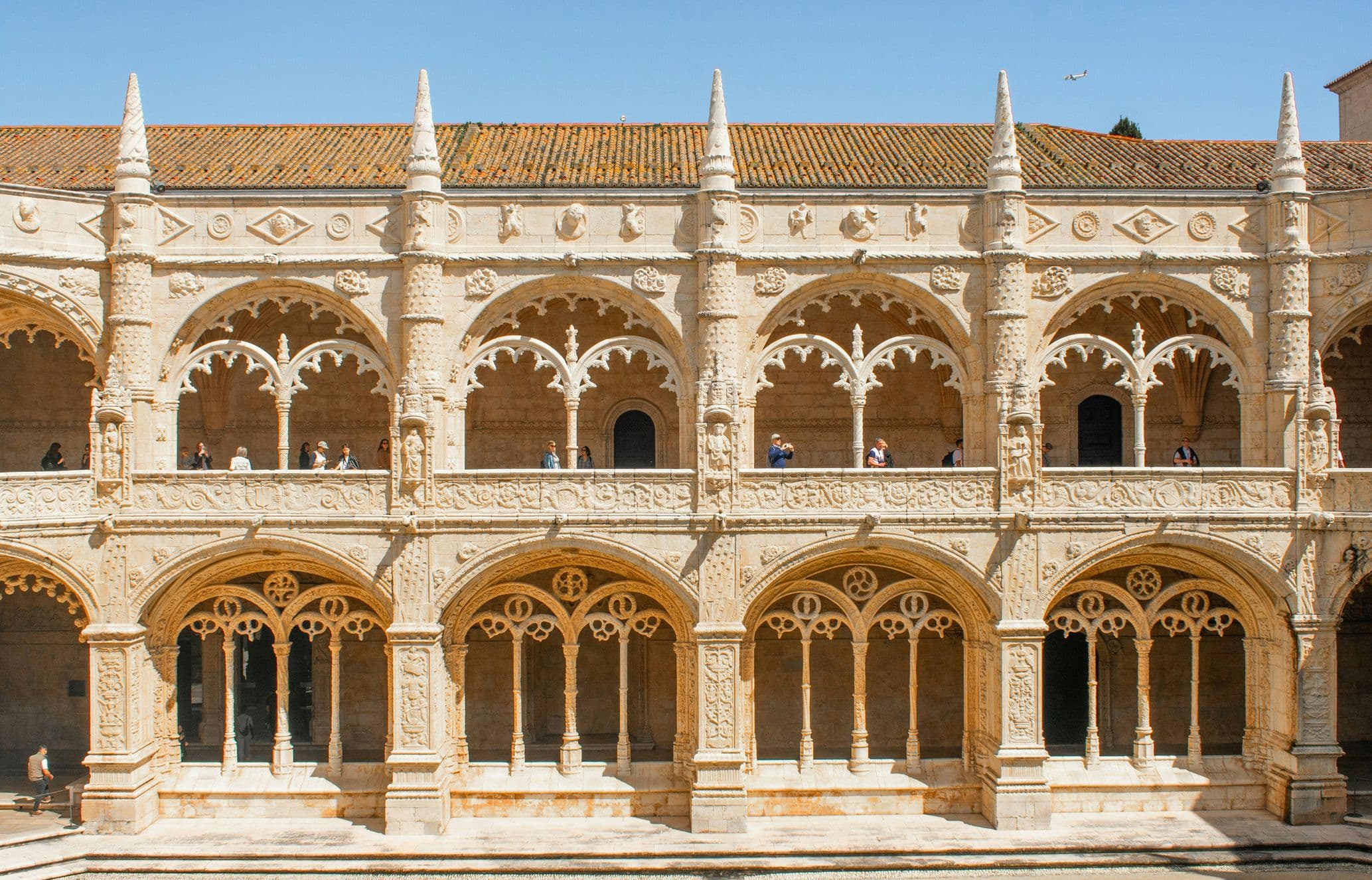
If there’s one spot on this list that is frame-worthy, it is Mosteiro dos Jerónimos. Commissioned by King Manuel I in 1501 to commemorate Vasco da Gama’s pioneering voyage to India and serve as a royal pantheon, the Unesco-protected site is celebrated for its Manueline architecture, effortlessly fusing Gothic grandeur with maritime motifs, carved from honey-hued limestone. Look out for the intricate details carved into columns, with ropes, anchors and sea creatures framed by scalloped arches, turrets and gargoyles. Once you’ve filled your camera roll, hop next door to Pastéis de Belém (it’s impossible to miss with its azulejo-tiled exterior), the birthplace of Portugal’s most famous delicacy, the pastel de nata. Originally crafted by monks, the recipe has been perfected and preserved on the same premises ever since.

Praça Dom Pedro IV, Baixa. Photo: Oksana, Unsplash

Santa Justa Lift, Baixa. Photo: Tharan Melo, Unsplash

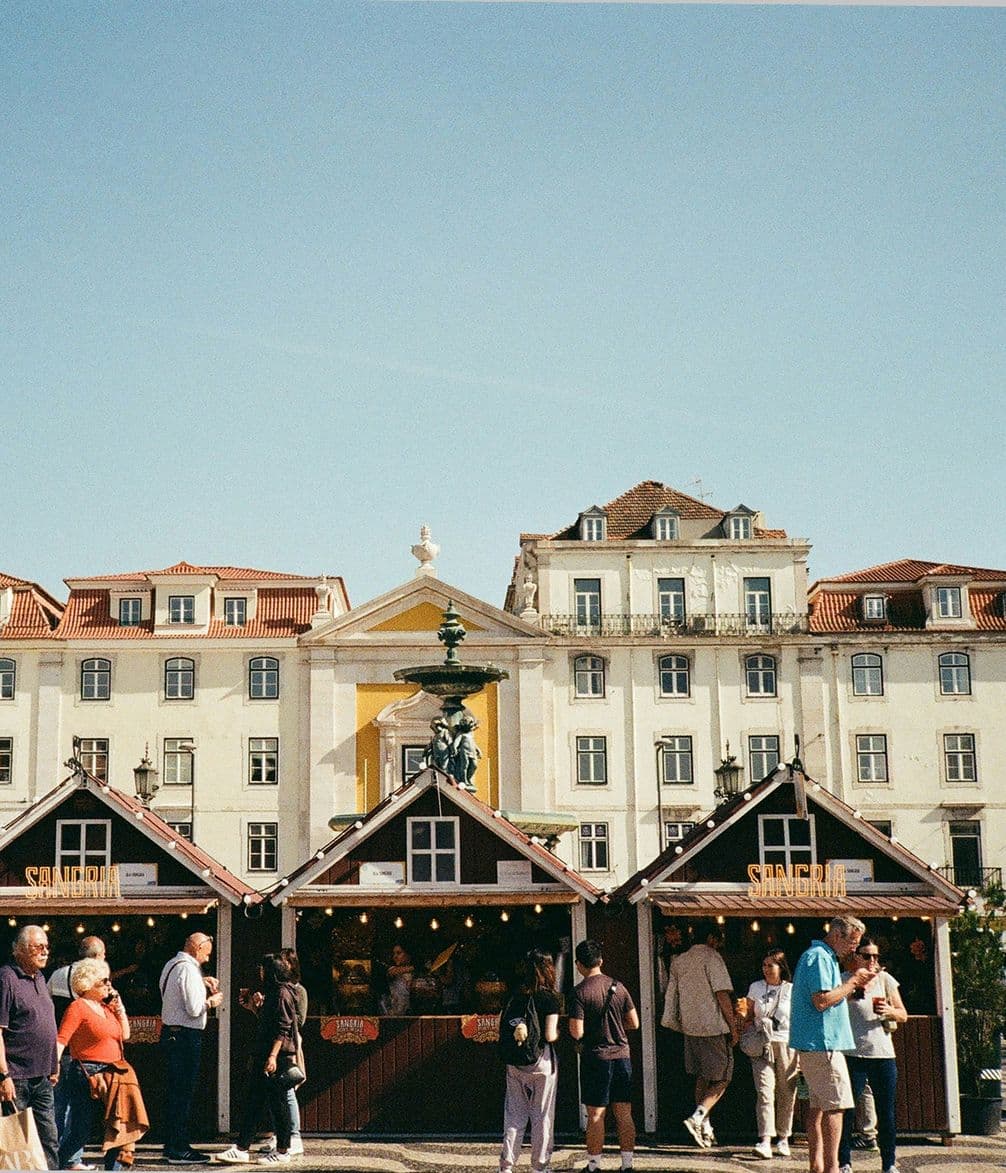
Praça Dom Pedro IV, Baixa

Photo index score: 56

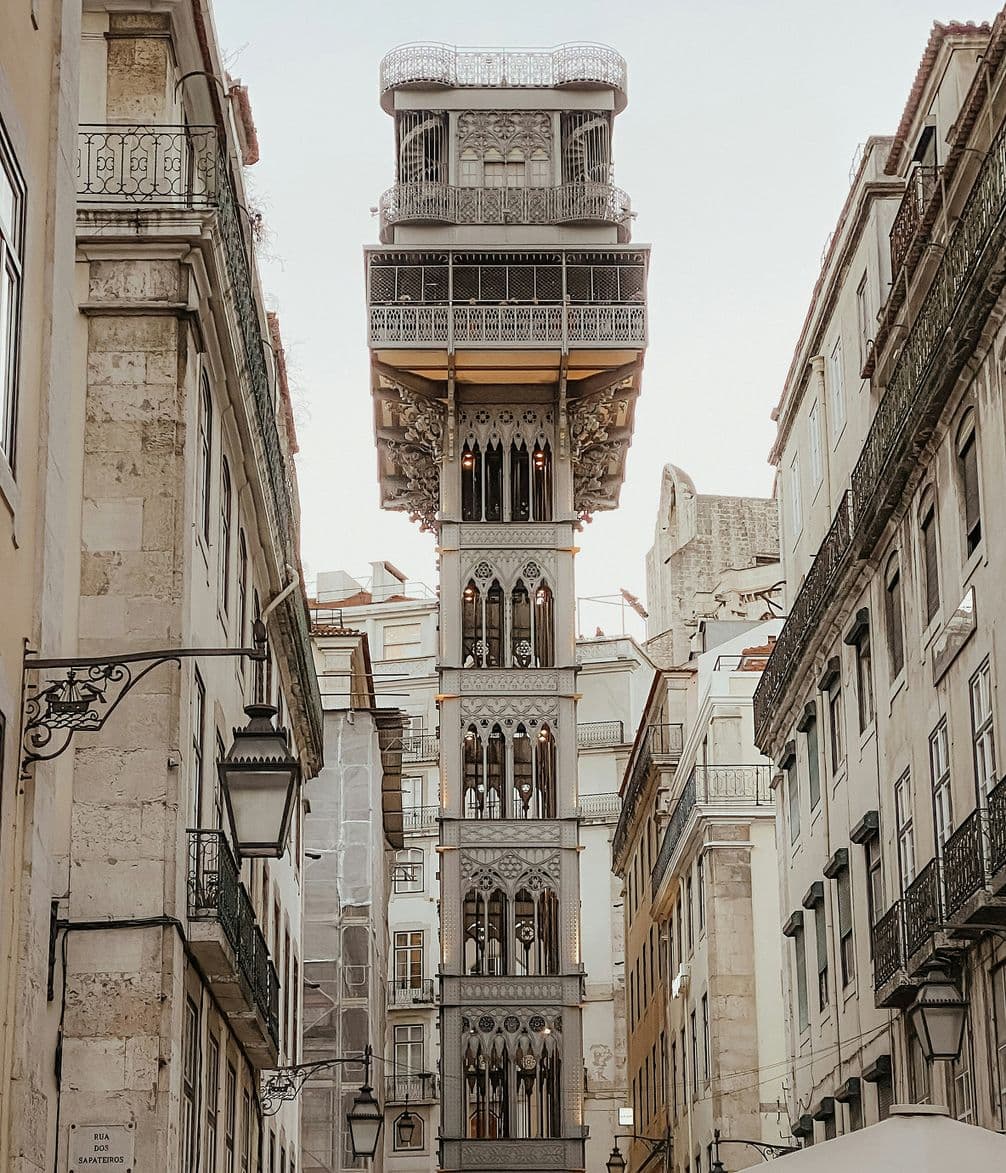
Praça Dom Pedro IV is one of Lisbon’s liveliest squares, wrapped with boutiques, restaurants and ornate fountains. It sits just a hop-scotch from the famous Santa Justa Lift – a neo-Gothic iron marvel standing 45m tall that connects Baixa to Largo do Carmo in Chiado, bypassing the city’s steep hills. Stroll its black and white wave patterned tiles, and – hear us out – duck into Zara. It’s the second-largest branch in the world, complete with an on-site bakery. In winter, the Rossio Christmas Market takes over the square, with more than 50 traditional chalets selling handcrafted goods including ceramics, textiles and leatherware, as well as regional specialities and local gastronomy.

Oceanário de Lisboa. Photo: Max Kukurudziak, Unsplash

Oceanário de Lisboa, Parque das Nações

Photo index score: 53

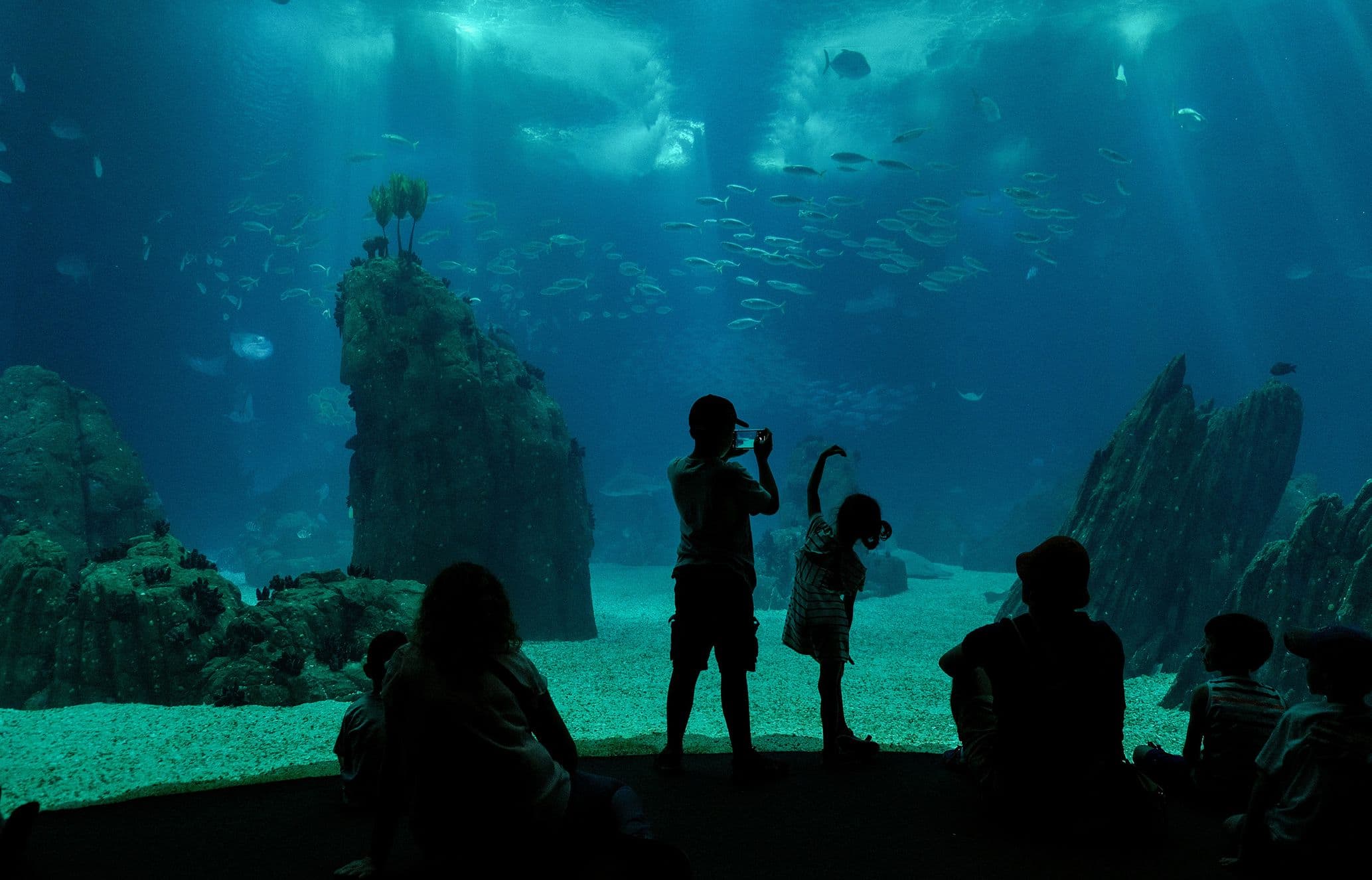
Anchored on a pier on the Tagus, this world-class aquarium is ideally located in the family-friendly Parque das Nações district. Its central tank – equivalent to two Olympic swimming pools – holds five million litres of seawater, with sharks, rays and barracudas gliding past. Four themed zones will delight little ones, representing the North Atlantic, Antarctic, Pacific and Indian Ocean habitats, with a mesmerising kelp forest among the highlights. Step outside and wander the Loures Riverfront Boardwalk, a 6km route skirting salt marshes, fishing piers and mudflats, with tunnels purposefully placed to offer shade from the midday heat. Alternatively, jump aboard the Telecabine Lisboa cable cars for sky-high views across the city.

Avenida da Liberdade, Avenidas Novas. Photo: Alice Kotlyarenko, Unsplash

Avenida da Liberdade, Avenidas Novas

Photo index score: 41

Stretching just over 1km from Praça dos Restauradores to Praça do Marquês de Pombal, Avenida da Liberdade is considered the luxury retail hub of Lisbon, with Prada, Gucci, Cartier, Louis Vuitton and Loewe dotted along its wide, tree-lined boulevards. But it’s also home to a swathe of the city’s hottest hotels, most notably aparthotel Locke de Santa Joana. It welcomes a cool crowd of locals thanks to its inviting pool, equipped with cocktails and a feel-good soundtrack, stylish bedrooms and a brasserie headed up by Michelin-starred chef Nuno Mendes. First-time visitors should note that open-top bus tours regularly depart from the leafy roundabout beneath the statue of Sebastião José de Carvalho e Melo.

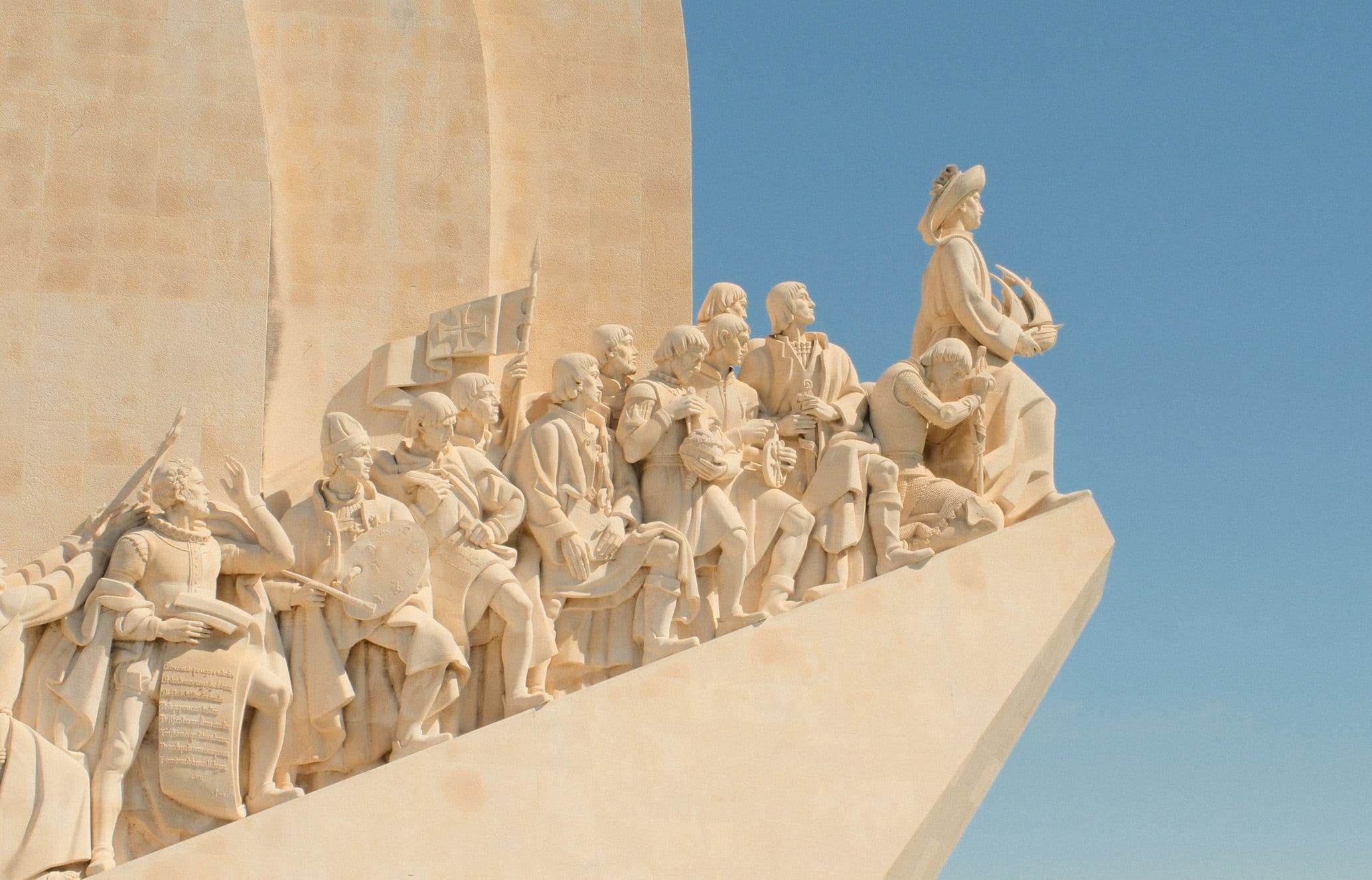
Padrão dos Descobrimentos, Belém Photo: Farnaz Kohankhaki, Unsplash

Padrão dos Descobrimentos, Belém

Photo index score: 41

Head to LX Factory and browse the multi-storey bookshop Livraria Ler Devagar, where floor-to-ceiling shelves form a dramatic backdrop to a bicycle suspended from the ceiling, before picking up beautiful handcrafted tableware from Cerâmica Factory. From there, take a short drive west to Padrão dos Descobrimentos, a towering monument shaped like the prow of a caravel, adorned with more than 30 notable figures including Vasco da Gama and Luís de Camões. Built in 1960 to mark the 500th anniversary of Henry the Navigator’s death, it has since become one of Lisbon’s most photographed landmarks and a symbol of the city’s maritime history. It neighbours Torre de Belém, which has recently reopened after a year’s closure following a restoration and conservation project.

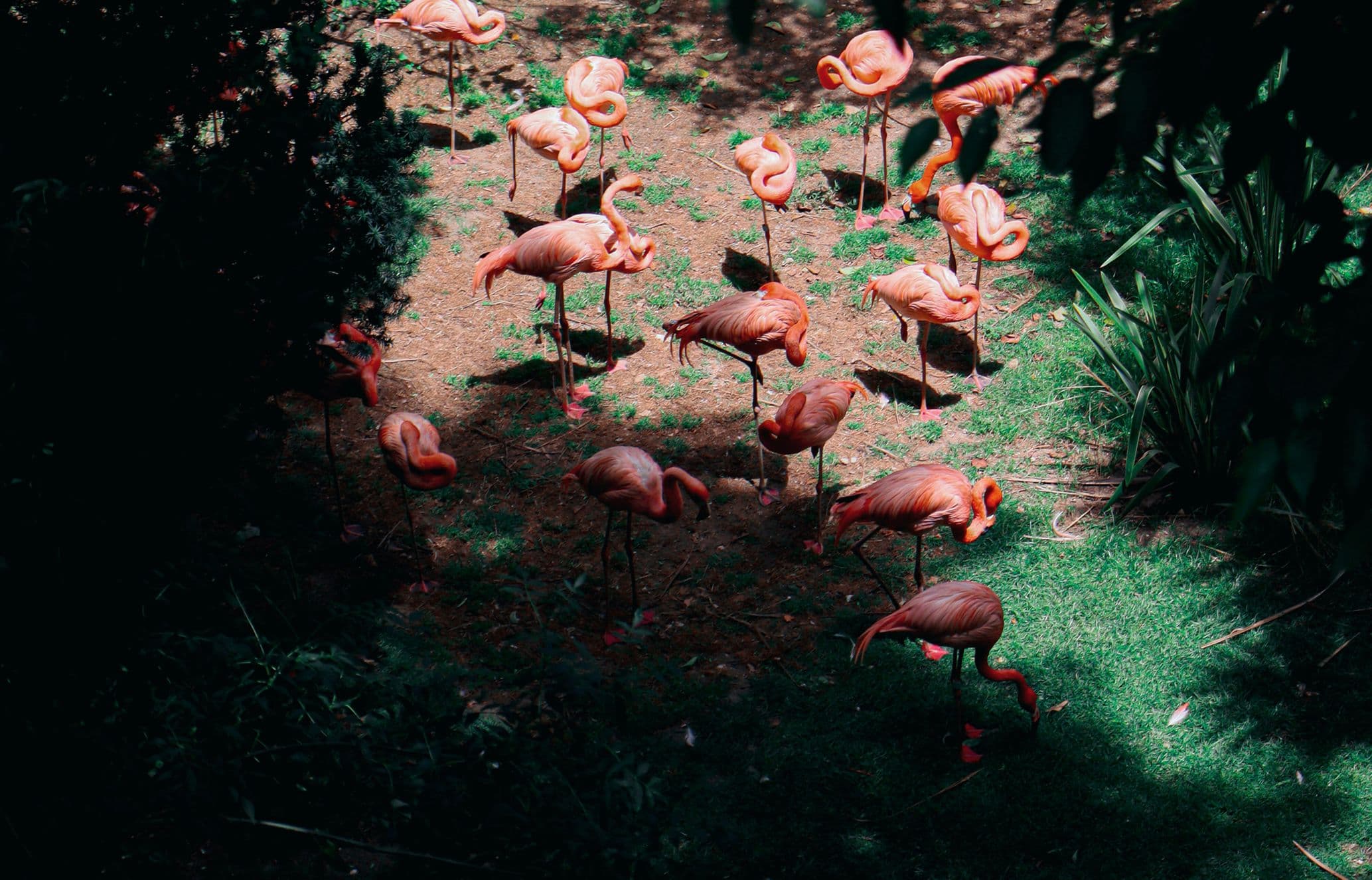
Jardim Zoológico de Lisboa. Photo: Aleksandr Zaitsev, Unsplash.

Jardim Zoológico de Lisboa, Sete Rios

Photo index score: 38

Tucked into one of Lisbon’s quieter residential neighbourhoods, the Jardim Zoológico de Lisboa makes for a serene afternoon escape from the city’s well-trodden streets. The zoo was the first park of fauna and flora to exist in the Iberian Peninsula when it opened in 1884, and has since moved twice before settling at its current home in Quinta das Laranjeiras. Today it is as much a conservation institution as a visitor attraction, with more than 2,000 animals and a mission that extends well beyond Lisbon through active participation in European endangered species breeding programmes. Highlights include the Dolphin Bay, the Reptile House and the cable car, which offers a bird’s-eye view of the grounds – all included in a single ticket.

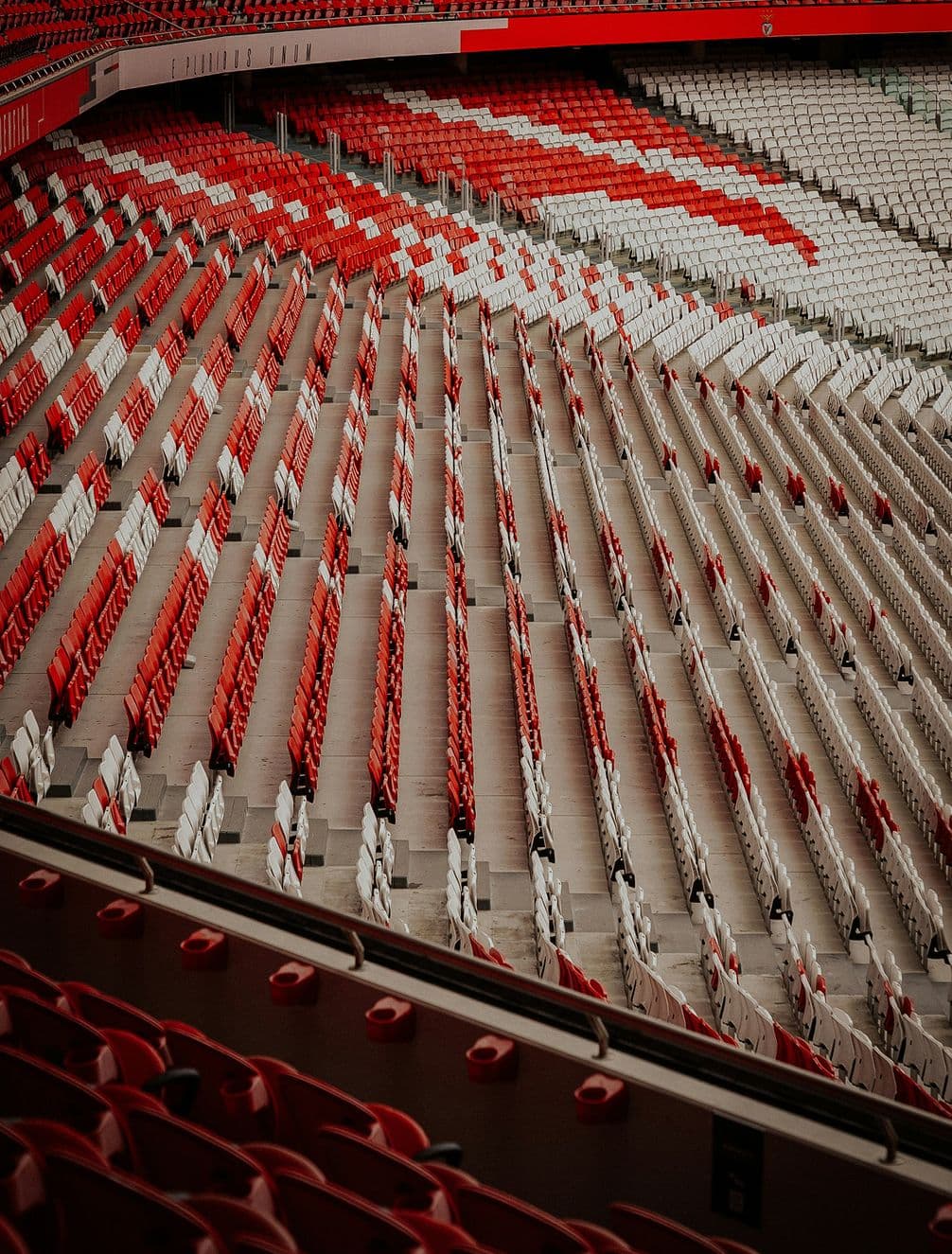
Estádio do Sport Lisboa e Benfica, Benfica. Photo: Chris Kursiko, Unsplash

Estádio do Sport Lisboa e Benfica, Benfica

Photo index score: 35

The Stadium of Light completed a major expansion in 2025 – increasing its capacity to 68,000 – while welcoming Taylor Swift and Ed Sheeran across a string of sold-out shows, so it’s little surprise it ranks among Lisbon’s most photographed landmarks. It’s better known as the home of SL Benfica, one of Portugal’s most decorated football clubs and the host of major moments in sporting history including the Champions League finals in 2014 and 2020. If you’re keen to visit but there isn’t an event on during your trip, you can book a tour and walk the players’ tunnel, take a sneak peek of the press room and browse the adjoining Cosme Damião Museum – named after the club’s primary founder and spanning three floors that together tell the story of one of football’s most storied clubs.

Igreja do Covento de Santa Maria do Carmo, Chiado. Photo: Kristijan Arsov, Unsplash

Igreja do Convento de Santa Maria do Carmo, Chiado

Photo index score: 31

During summer, this roofless convent hosts immersive multimedia shows combining visual effects, virtual dancers and a soundtrack of renowned Portuguese artists narrating over 600 years of the city’s history. Away from its seasonal offering, the skeletal Gothic arches open to the sky remain one of the city’s most haunting and photographed sights – a consequence of the catastrophic earthquake which brought the roof down on the congregation gathered for All Saints’ Day Mass and was never rebuilt. Visit early in the week to explore the Carmo Archaeological Museum at a slower pace, home to an eclectic collection ranging from medieval tombs to South American mummies.

Methodology 

To determine the most photographed spots in Lisbon, Popsa’s data science team analysed millions of photos uploaded by customers in 2025. Using location metadata, we identified images taken within the boundaries of Lisbon’s most visited locations and ranked them according to total photo volume. 

Each spot was assigned a photo index score reflecting the relative volume of photos taken there compared with all other locations in the dataset. Scores were then normalised on a scale of 0 to 100, with the most photographed spot used as the benchmark. The result is a ranking that reflects real traveller behaviour, highlighting not only where people visit, but also the places that most inspire them to capture their memories.

Descargar la aplicación

Descubre recuerdos más rápido con funciones exclusivas, como el reconocimiento facial y los álbumes inteligentes.

App StoreApp Store
Descargar la aplicación

Artículos relacionados

The most photographed cities in the US
Bradley Grantham

Bradley Grantham

Científico jefe de datos

7 may 20267 min

The most photographed beaches in France
Bradley Grantham

Bradley Grantham

Científico jefe de datos

3 jun 20268 min