

Inspiración
Table Talk: modern South Indian cooking with Prince Durairaj
On Tamil recipes, storytelling through food and his debut cookbook celebrating the flavours of home

17 sep 2026∙10 min

Inspiración
On Tamil recipes, storytelling through food and his debut cookbook celebrating the flavours of home
17 sep 2026∙10 min
It’s been an eventful year for Prince Durairaj, the chef-owner of the Tamila pub and restaurant group, which now counts five sites across the capital, including its recently opened Soho flagship on Poland Street. Alongside expanding his restaurant empire, he’s preparing to launch his debut cookbook, Tamila: Recipes From Southern India, this autumn – a collection of restaurant favourites, family recipes and dishes inspired by the food he grew up eating with his mum and siblings in Tamil Nadu.
Much of Prince’s journey has been shaped by family, from discovering his appetite for hospitality while cooking at his sister’s wedding to bringing his mother’s food to his menus and working with his wife, Sharmila, on signature dishes. At Tamilia, traditional Tamil flavours are given a playful, modern twist, paired with inventive cocktails and served sharing-style in a setting designed to make South Indian food feel relevant to the way we eat today.
From Sunday dinners to the flavours that remind him of home, we caught up with Prince to talk about heritage, modern Indian cooking and one of his favourite recipes.
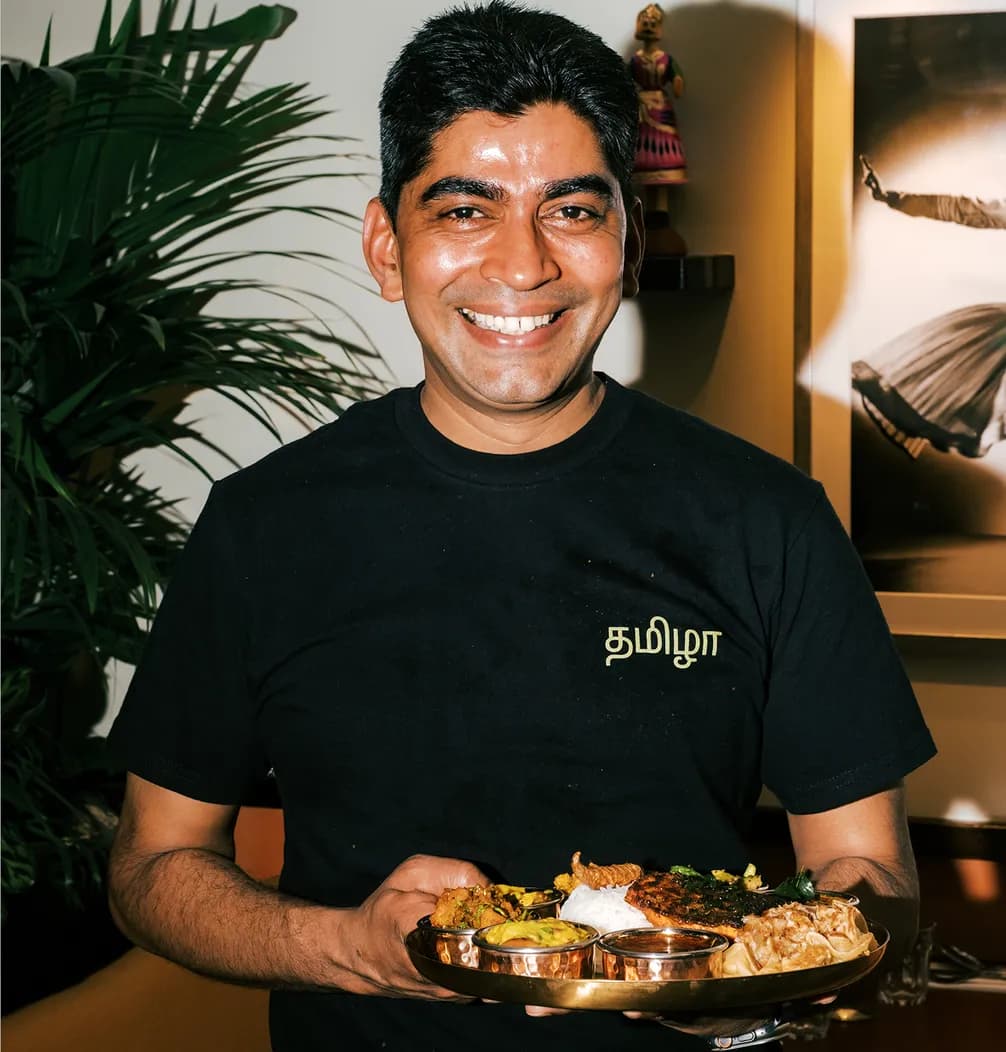
Prince Durairaj. Photo: Teo Della Torre
There are two dishes that remind me of home. Medu vada, a savoury doughnut made from lentil batter and served with chutneys and sambar. It’s typically eaten for breakfast in South India, but you can have it any time of day. After college, I became a tea boy, making masala chai tea at my uncle’s restaurant in my hometown, Thanjavur. The chefs took me under their wing and it was the first dish I made. My other favourite is my mum’s crab curry, which she’d make every Sunday and still makes for me when I visit her in India.
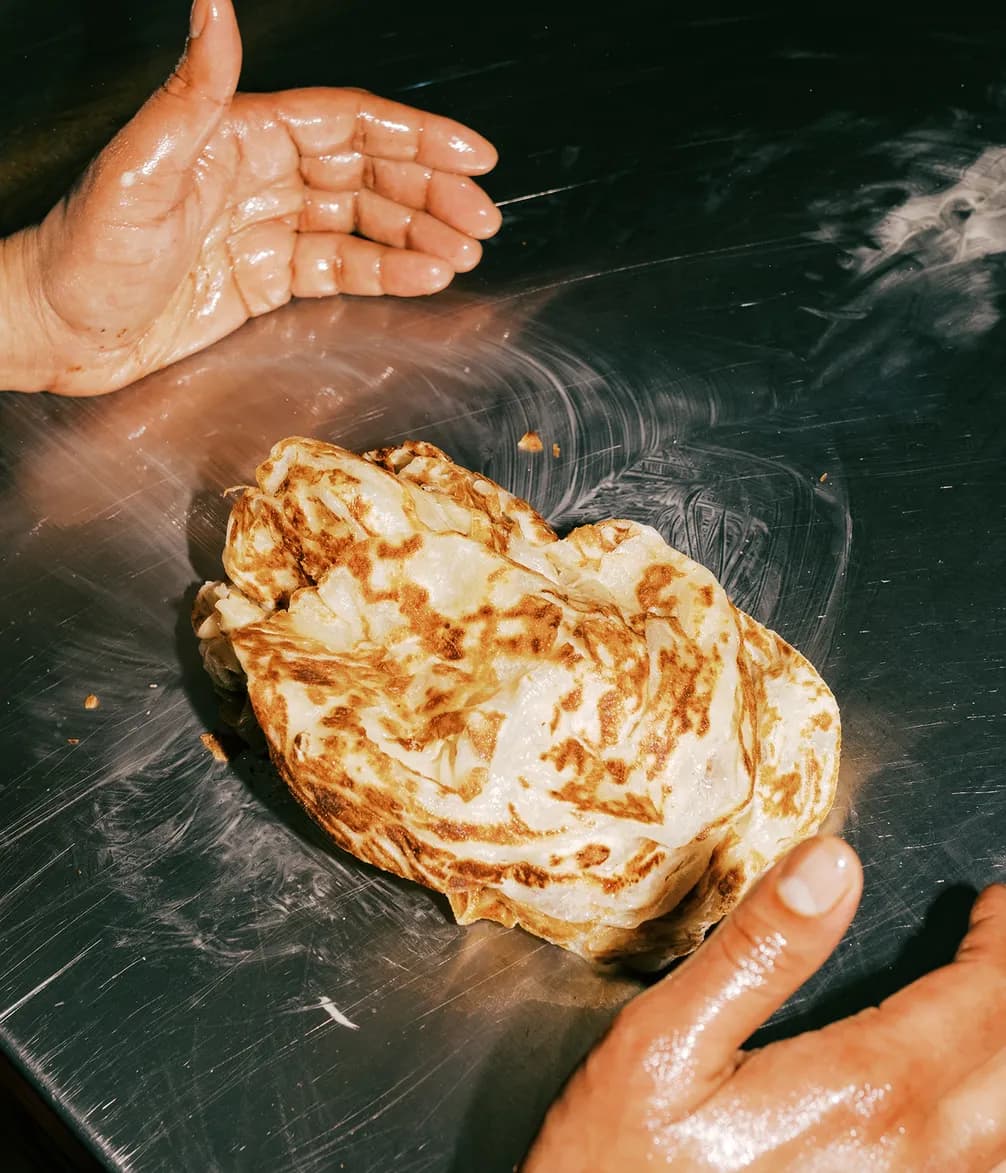
It all started with working the parotta [a soft, flaky, and layered flatbread] station for my sister’s wedding. I was 16 at the time – quite a big gig for my first taste of hospitality. I made parotta all night for the guests and absolutely loved it. That’s when I decided to go to culinary college.
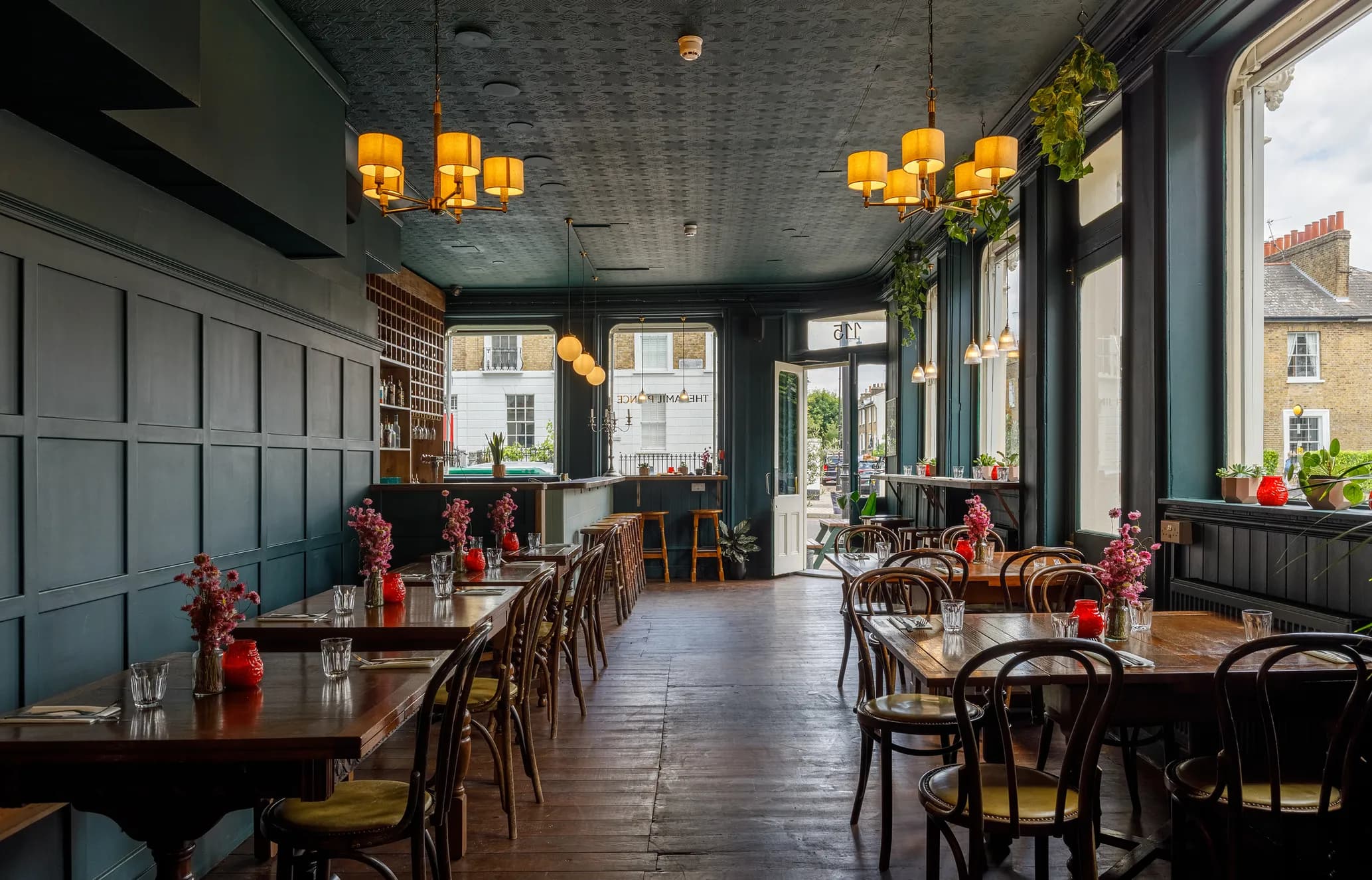
The Tamil Prince, Islington. Photo: Anton Rodriguez
My mum, Vasuki. She is a brilliant home cook and taught me the basics of South Indian curries. Her teachings really shaped the way I cook today. It was in my home kitchen that I learned about the different spices and elements that go into making so many dishes.
My Tamil heritage is in everything I cook. Tamil and South Indian cooking makes generous use of fresh curry leaves, tamarind and coconut, all of which are ingredients I love to cook with. I use lots of whole spices such as mustard seeds, cumin seeds, cinnamon and fenugreek seeds, which bring incredible depth to my dishes.
I’d describe my cooking as South Indian at its heart, but modern and approachable. I grew up in Thanjavur, in South India, and a lot of what I cook today comes from those early memories. When you grow up around food like that, you don’t necessarily think of it as something you’re learning – it’s simply part of everyday life. Those memories and sense of tradition are a huge part of my cooking and the story I’m trying to tell through my restaurants.
The idea is always to keep the food rooted in South Indian tradition while making it work for the way people want to eat now – whether that’s a quick plate with a pint, a few shared dishes with friends or a proper sit-down meal. I want people to experience South Indian food in a way that feels genuine, but also accessible and relevant to how we eat today.

A look inside Prince’s kitchen. Photo: Teo Della Torre
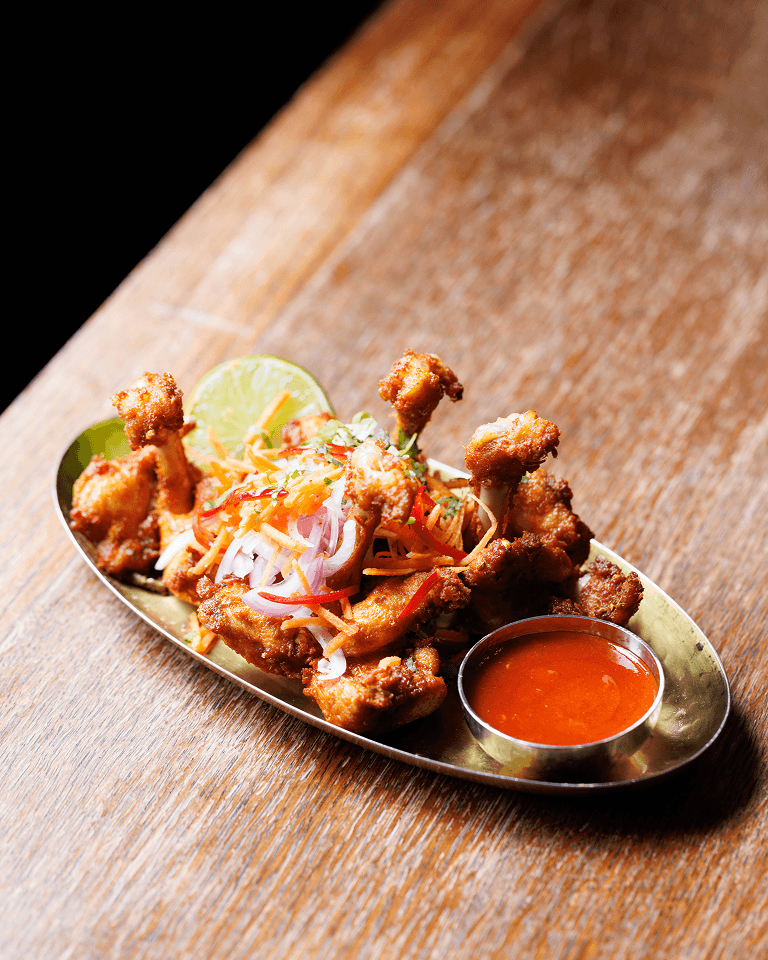
Chicken lollipops. Photo: Anton Rodriguez
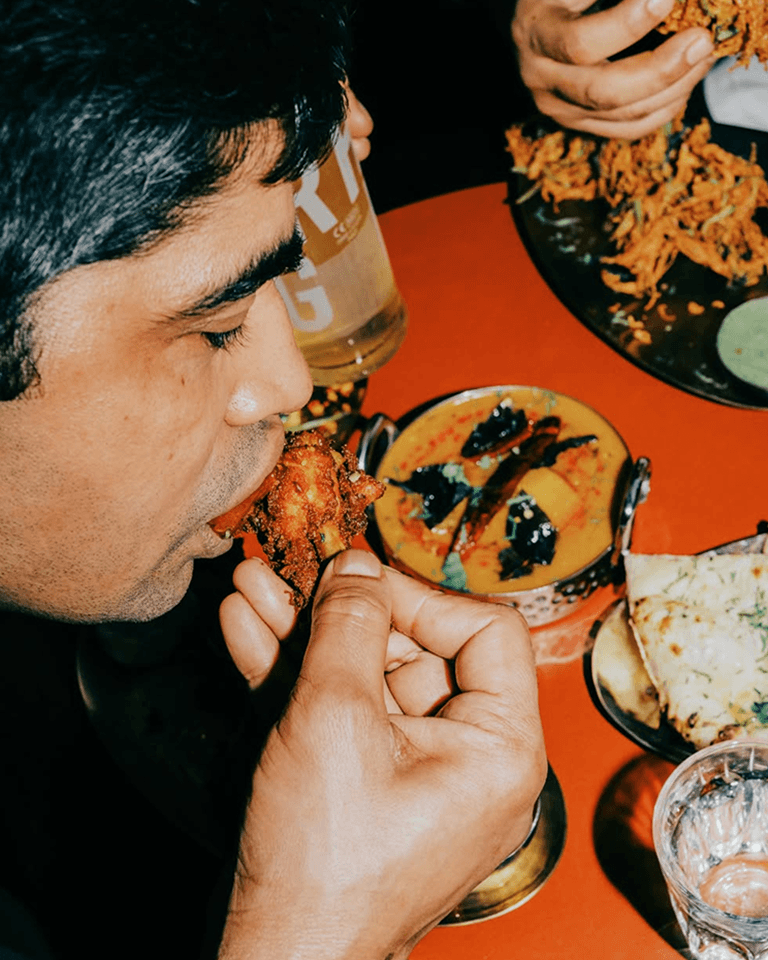
Prince Durairaj. Photo: Teo Della Torre
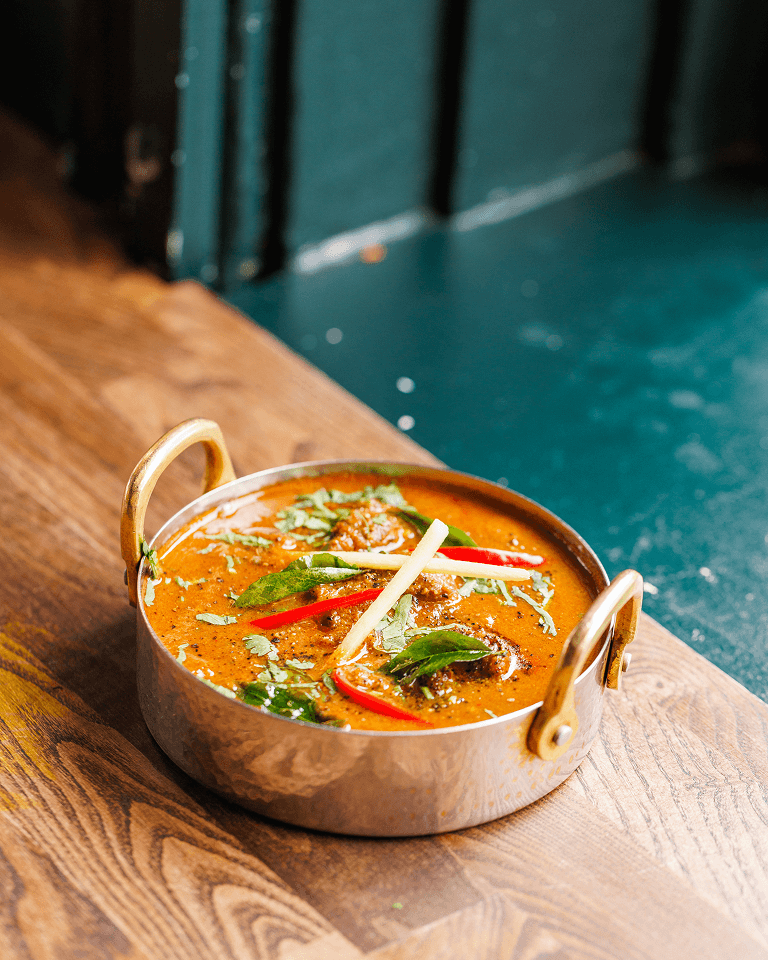
Lamb curry. Photo: Anton Rodriguez
The Tamil Prince was a brilliant accident. The plan was to use the kitchen, while the owners were going to handle the drinks and pub side of things. Eventually, we decided to take over the whole pub, which allowed us to develop brilliant Indian-spiced cocktails. Having the whole pub means we have full control over how we run it, from choosing beers and drinks that complement the menu to creating the perfect space.
If you had told me ten years ago that we would have five restaurants in London, I wouldn’t have believed you. What a journey it’s been. Each site has its own personality. Opening our first bricks-and-mortar curry house in Clapham was a real full-circle moment for me, as that’s where I lived for ten years, making it particularly meaningful to return to the neighbourhood. I love north London, so having a Tamila in King’s Cross felt like a natural fit. I’ve always dreamed of opening a restaurant in central London, which meant launching our flagship site in Soho incredibly special. Rubbing shoulders with some of London’s best-loved restaurants is an incredible feeling.
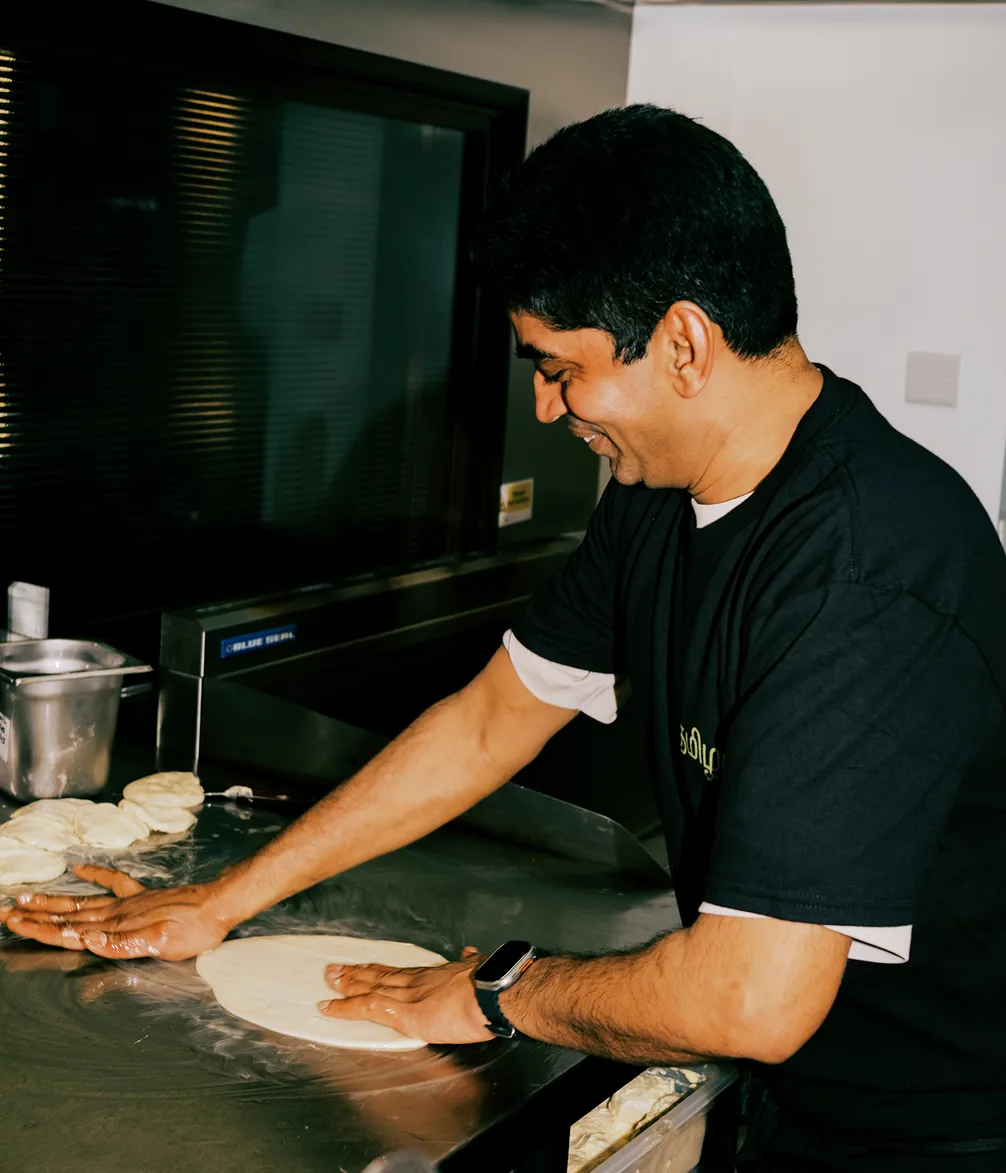
Prince in the kitchen. Photos: Teo Della Torre
Well, I hope you’re hungry. Start with a gunpowder margarita, then grab some onion bhajis and chicken lollipops. Next, I’d order a chilli cheese dosa, the lamb chops, marinated for eight hours in my homemade masala blend, and the tiger prawns. I’d get a few curries for the table – including the Thanjavur chicken curry and aubergine curry, which is my wife’s recipe. Add a few roti, and don’t miss the cardamom and Peshwari naan. If you’ve got room for dessert, the mango soft serve is just the right amount of sweetness to end your meal.
Our guests have been asking for a cookbook for some time, so it felt only right to give it a crack. It’s taken more than a year to get all the recipes together but I knew it was the right time. I started working on it before we opened Tamila Soho, so I had some time to get into the kitchen and recipe-test the dishes.
I knew I had to include restaurant favourites such as our roti, Thanjavur chicken curry, onion bhajis and chicken lollipops. But there are also a lot of dishes I enjoy making at home or eating when I visit my family in Tamil Nadu. Whenever we go to the beach, we always eat chana sundal – a simple chickpea dish with grated coconut and spices. It’s not on our restaurant menus but it’s a dish that always reminds me of home. It’s been such a brilliant experience bringing all these recipes together.

Prince’s chicken curry. Photo: Anton Rodriguez
My chicken curry. The first thing that comes to my mind when I think of it is home. It’s light and fragrant, thanks to the coconut used in it. There are many different variations of a South Indian chicken curry, and every household has its own version. The spices vary, but ultimately, it’s a really comforting dish. I learned this recipe from my mum and have tweaked it slightly over the years, playing around with the spices to give it more depth. It’s still the chicken curry I know and love.
Ingredients
400g red onion
2 medium-sized tomatoes
75ml sesame oil
50g ginger paste
50g garlic paste
15g salt
1 tsp turmeric powder
1 tbsp Kashmiri chilli powder
1 ½ tbsp coriander powder
1kg skinless, boneless chicken thigh
100ml coconut milk
30g fresh coriander
For the tempering
2 cinnamon sticks
1tsp fennel seeds
½ tsp cumin seeds
3 sprigs of curry leaves
50ml sesame oil
Method
Peel the onion, top and tail it, halve and slice very finely, repeating until all the onion is sliced. Place 100g of the onion into a blender. Cut the tomatoes into thin strips and add 100g to the blender, setting the leftover onion and tomato aside in a bowl. Blend the onion and tomato until smooth.
Set a large saucepan over a medium heat and add the sesame oil (or another oil, if you prefer). Add the reserved onion and tomato and stir, then add the onion and tomato paste. Cook for 10 to 15 minutes, stirring, until softened. Add the ginger and garlic paste, turn the heat down to low, and keep stirring for another 10 minutes.
Add the salt, turmeric and Kashmiri chilli powder and stir, keeping the heat low, then add the coriander powder and stir again. Once the mixture starts to turn into a thick paste, add 200ml of water and stir gently.
Add the chicken to the sauce, mixing well to coat, then cover and simmer. After 10 minutes, give it a good stir. Add 350ml of water and cook for another five minutes, then stir in the coconut milk and cook for a further two minutes. Remove from the heat and set aside with the lid on.
For the tempering, place a small saucepan over a medium heat and add the sesame oil. Once hot, add the cinnamon sticks, fennel seeds and cumin seeds and stir as they start to pop. Strip the curry leaves from their stalks, add to the pan, and cook for 30 seconds more.
Stir the tempered ingredients into the curry, return to the heat for a minute, then add the chopped coriander. Mix well and remove from the heat.
How to serve
I like to serve this with rice. It’s also lovely with warm naan or roti for scooping.
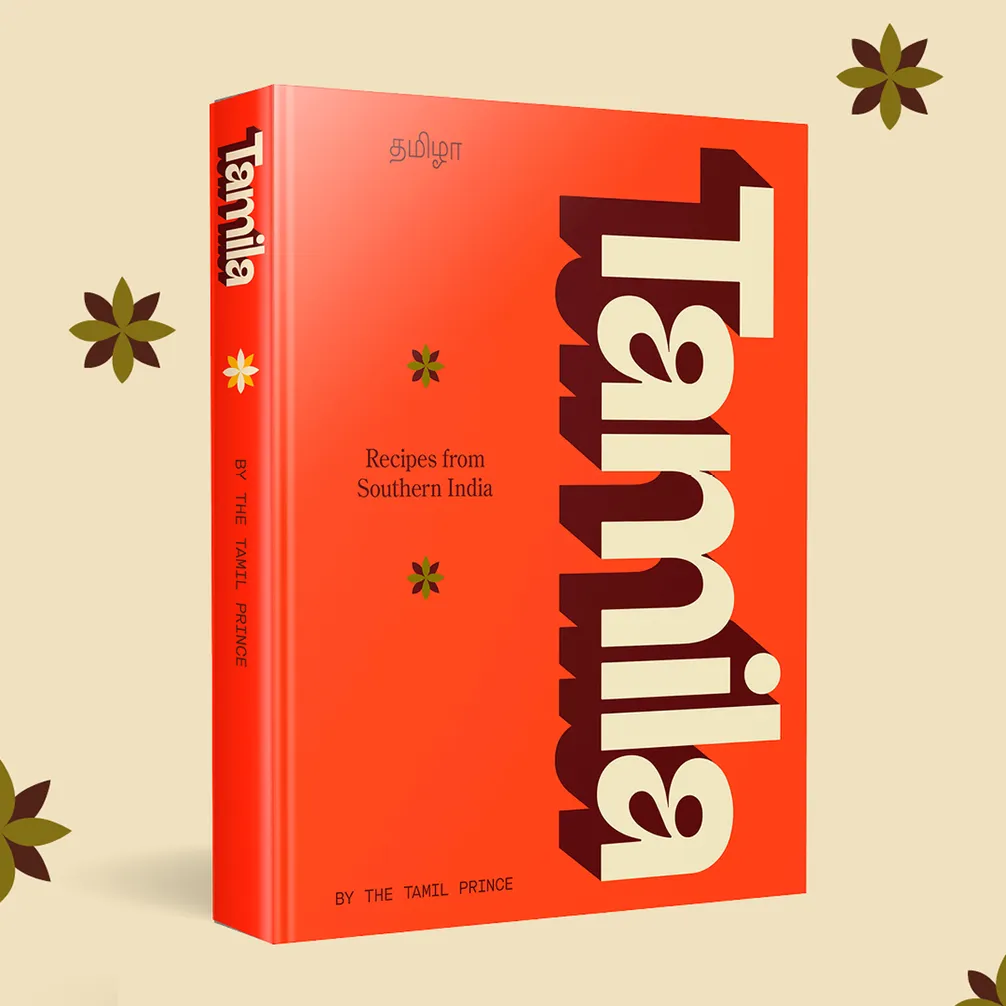
Visit the Tamila pubs and restaurants. Tamila by Prince Durairaj is published by Ebury Press and is available to pre-order now.
Descubre recuerdos más rápido con funciones exclusivas, como el reconocimiento facial y los álbumes inteligentes.



&w=96&q=75)

&w=96&q=75)
&w=96&q=75)


 Estados Unidos