
Lifestyle
Does real photography matter more in the age of AI?
Deepfakes, bias and a Pandora’s Box of misinformation – why the proliferation of AI imagery is forcing us to question everything we see

Rebecca Cope
Journalistin
29. Juli 2026∙7 min
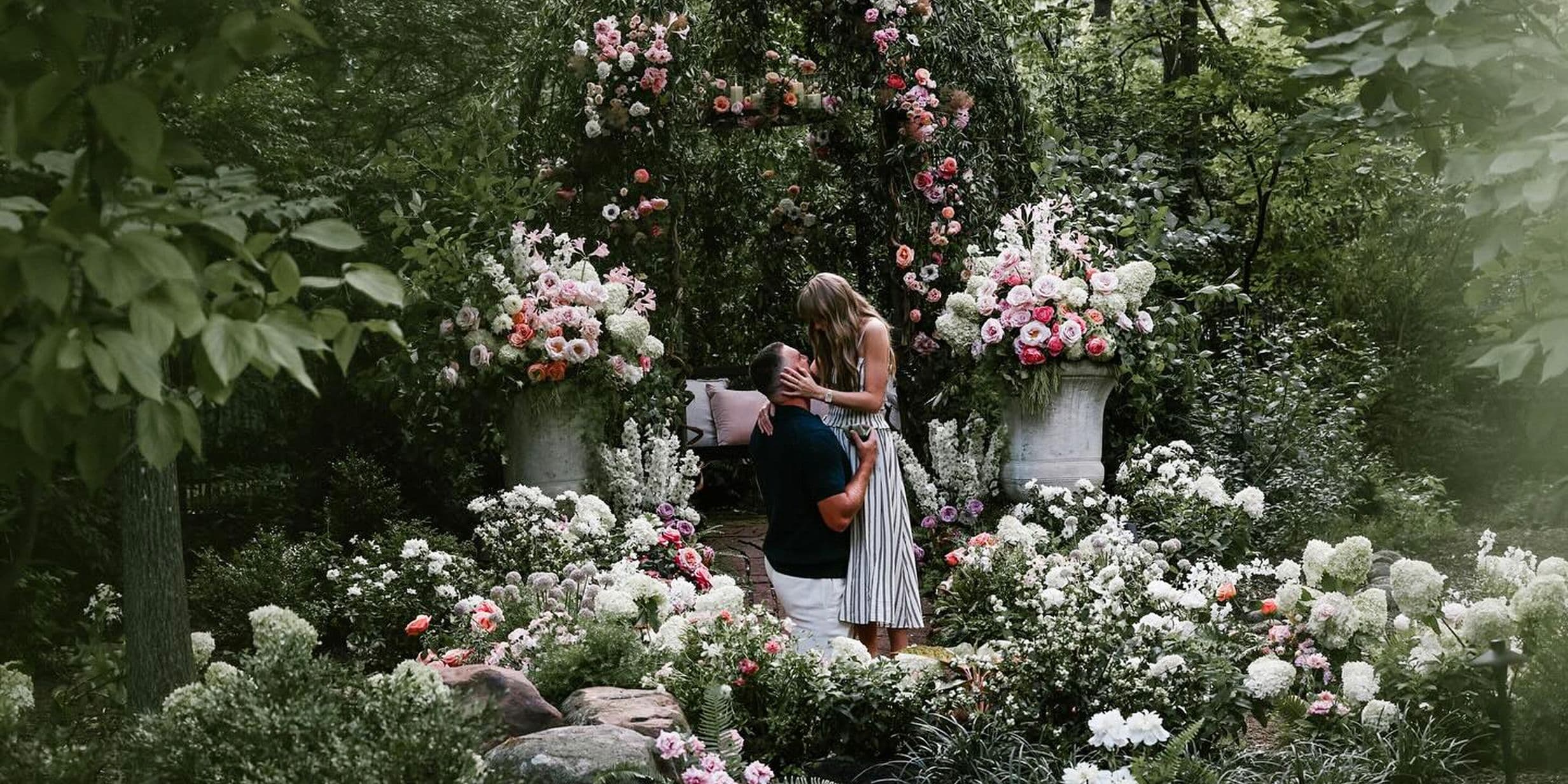
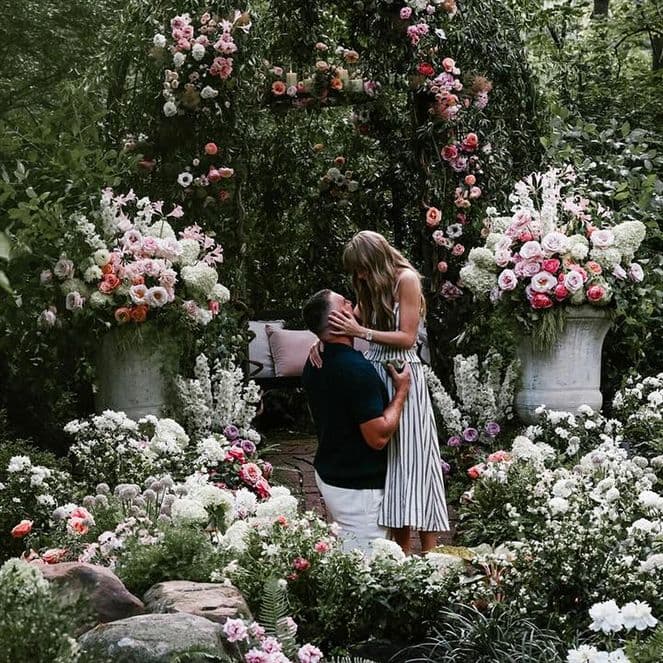
Lifestyle
Deepfakes, bias and a Pandora’s Box of misinformation – why the proliferation of AI imagery is forcing us to question everything we see
Rebecca Cope
Journalistin
29. Juli 2026∙7 min
“Is this real or is this AI?” is a question that I now often ask myself in my role as a journalist – particularly when it comes to imagery. I’ve been duped countless times, rushing to pitch a story about Zendaya’s (or Dua Lipa’s, or Taylor Swift’s) wedding dress, only to discover that the image is fake. In the past few years alone, there have been countless viral AI images that have caught people out, including but not limited to: Princes William and Harry reconciling emotionally at King Charles’s coronation; Donald Trump’s mugshot; Pope Francis in a puffer jacket; and Harry Styles wearing short shorts at the Grammys.
These images spread like wildfire on social media, which is also where people jump on trends involving AI-generated images. There have been the Barbie doll sets (or action figures, depending on which you went for), the caricatures, the “me and my younger self” trend, and even, bizarrely, a phenomenon that saw people posting themselves with hundreds of dachshunds. It seems that a week doesn’t go by without social media users manipulating their image in order to generate likes and perhaps a few laughs. After all, thanks to ChatGPT, it’s never been easier to see what your dog would look like as a human, or create a “wanted” poster about your grumpy toddler terrorising the household. This is despite the fact that the environmental consequences of wastefully using AI are well documented.
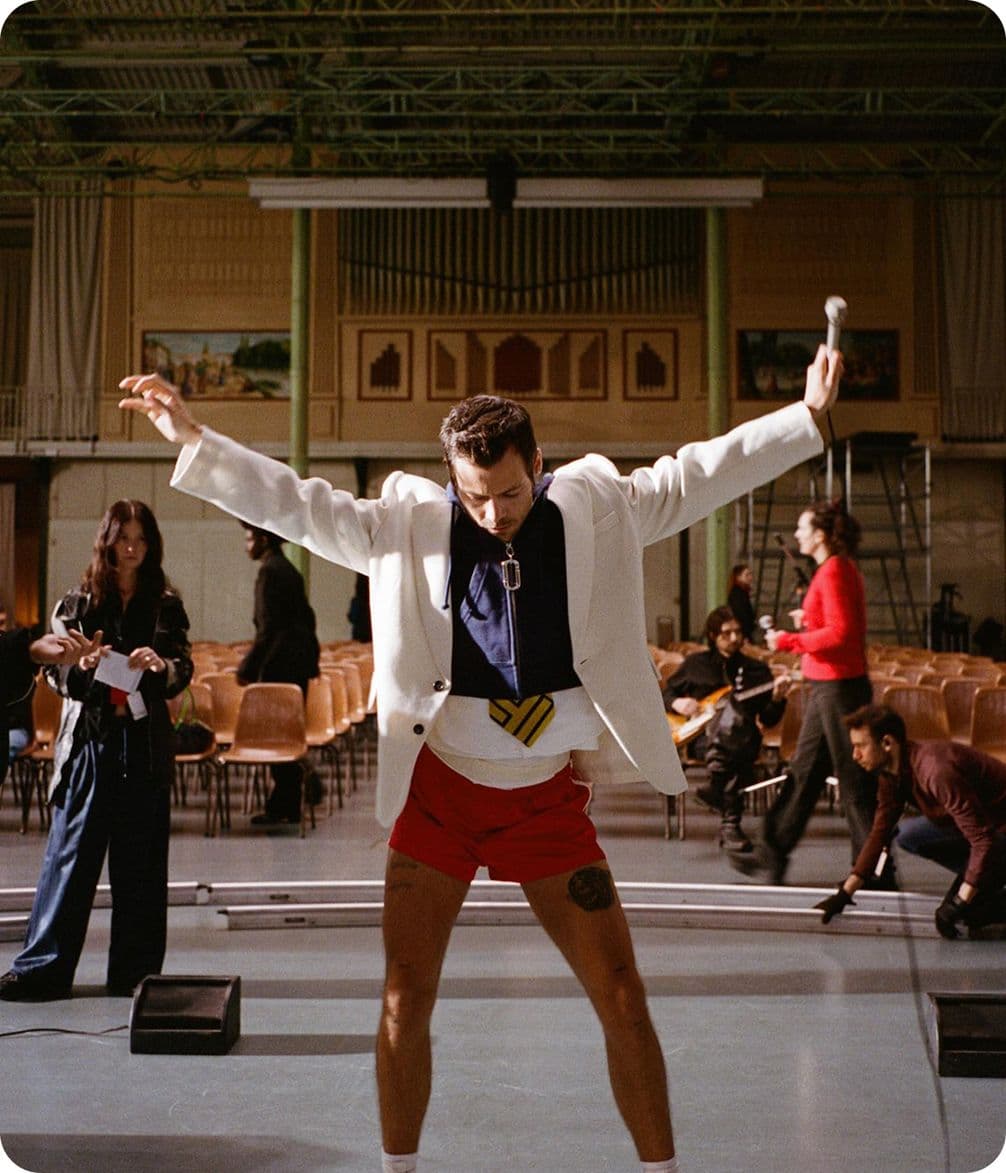
Harry Styles, Dance No More music video. Photo: @harrystyles
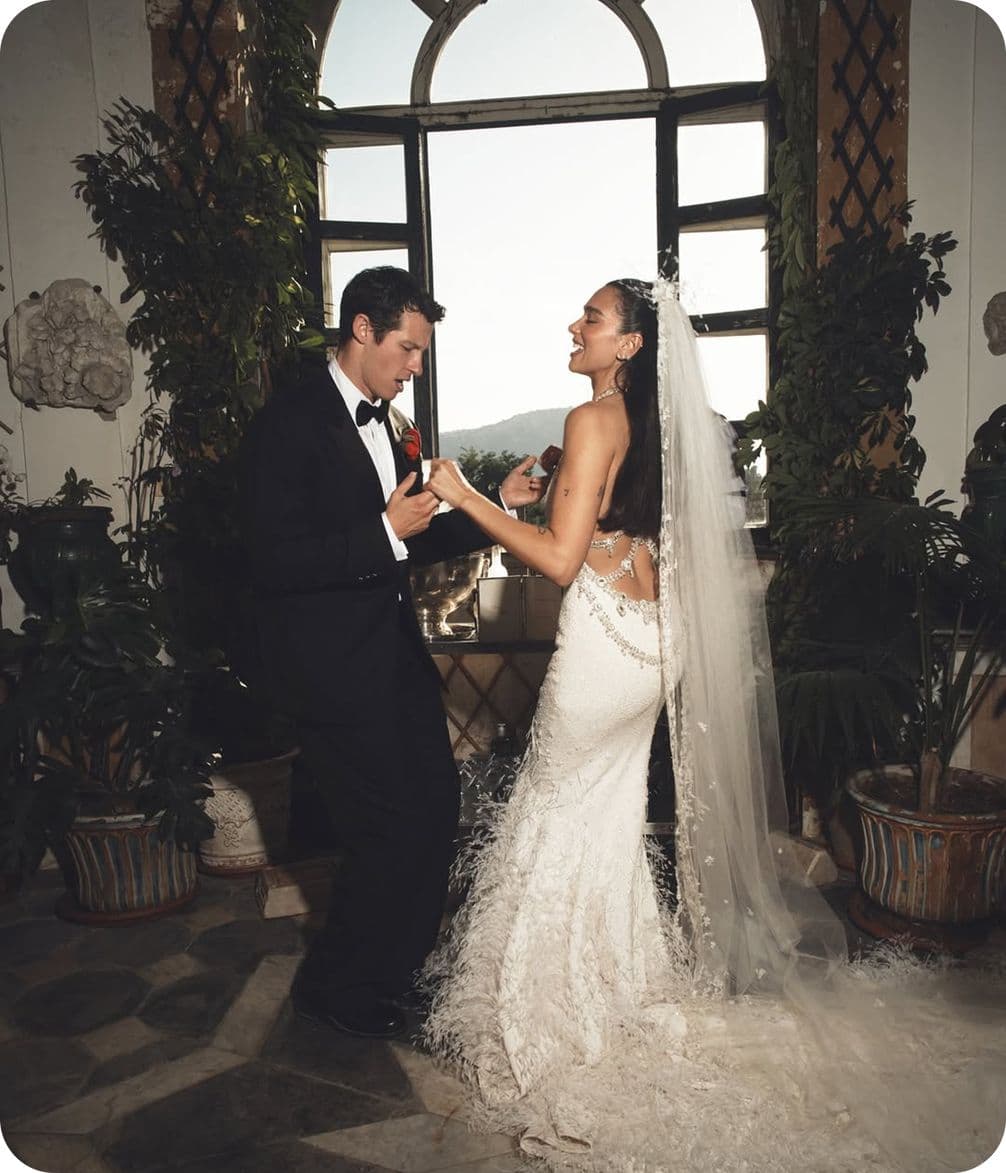
Dua Lipa and Callum Turner on their wedding day. Photo @dualipa
Within the visual industries, such as ad campaigns, fashion editorials and social media marketing, the use of AI is also becoming more prevalent – although in some instances it has been met with backlash. For his first ad campaign for Gucci, creative director Demna created a series of fake images ahead of his debut runway show in Milan, while fashion and lifestyle publisher SheerLuxe created and “hired” AI influencers – most notably ReemBot – a move that has been widely criticised. Some have dubbed these actions as “hate bait” but others argue these brands are just moving with the times.
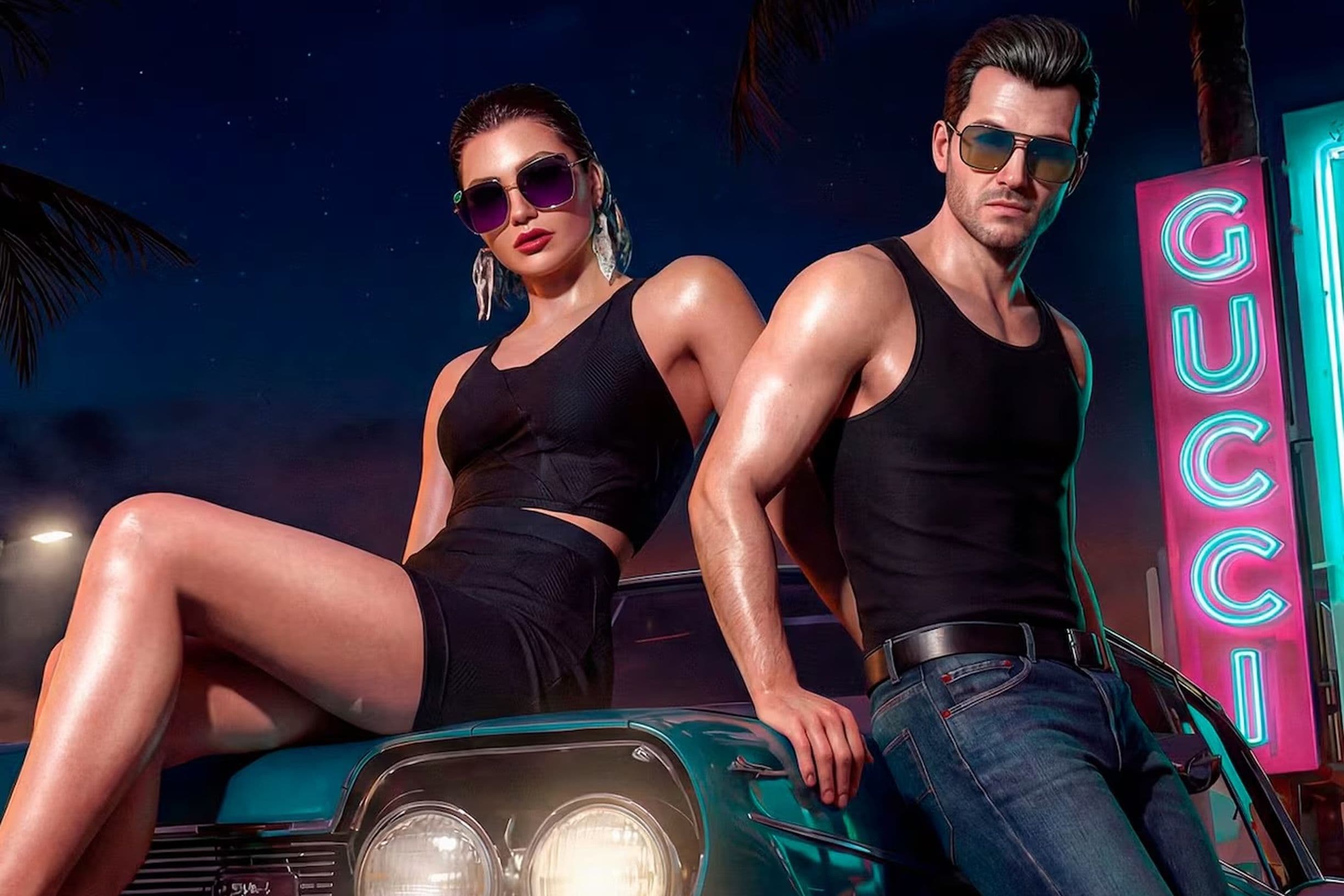
Gucci’s AI-generated marketing campaign. Photo: Gucci
Some have dubbed the visual industry’s use of AI as ‘hate bait’ but others argue these brands are just moving with the times
Thanks to the rise of AI-generated imagery, as a society we find ourselves in a curious position where we can no longer trust an image. And while there have been moments of distrust towards photography in the past – from the Cottingley Fairies hoax of 1917 to as recently as 2024 when the Princess of Wales was critiqued for badly manipulating her Mother’s Day photo, prompting the Press Association to issue a kill notice – we have perhaps never been so distrustful of images as we are now.
Professor Alice Hart, a senior lecturer and commissioner of photography, video, animation and illustration, agrees. “I think some of the distrust and questioning around photography actually started before AI,” she says. “Digital photography and digital filmmaking had already changed our relationship with images. People have always manipulated photographs – even historically, people edited images or painted over them – but tools like Photoshop made that process much quicker and easier. So the relationship between what was in front of the camera and what appears in the final image had already been challenged. Now AI is bringing that issue to the forefront in a much stronger way.”
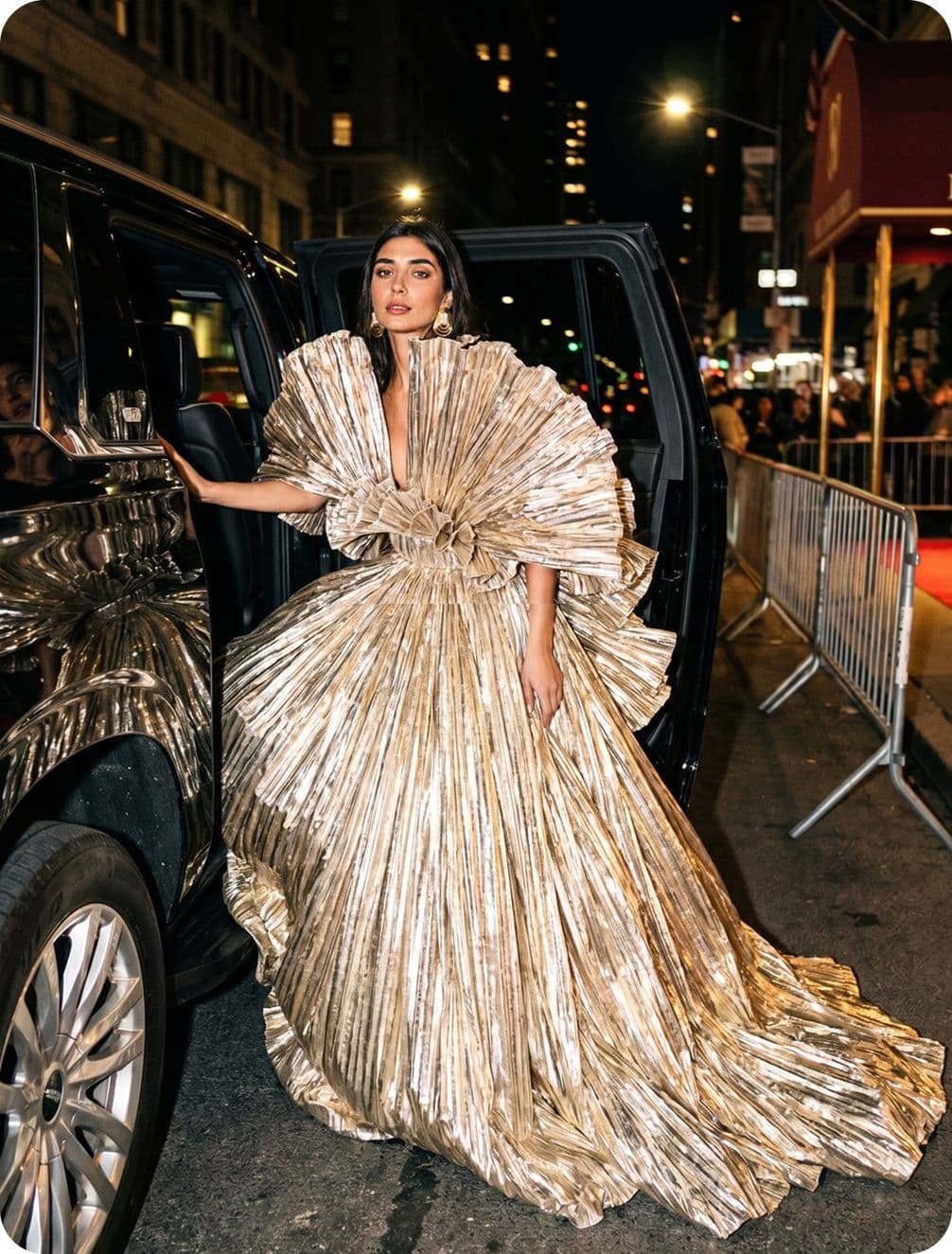
SheerLuxe’s AI broadcaster ReemBot attends the Met Gala. Photo: @reembot_
One of the biggest dangers of AI-generated imagery is that it can allow fake news to spread, creating a world in which we can never quite trust what we see. “The technology facilitates an ease with which deepfakes and misinformation can now be created by users with no previous experience of image manipulation or retouching – and this has opened a Pandora’s Box,” says photographer Nick Dunmur, who works as a business and legal adviser for the Association for Photography. “We must now question everything we see, read or hear if we are to find what passes for truth or evidence. Not everyone will take the time or make the effort to do this, and collectively we are much more at risk of manipulation and control than ever before.”
We must now question everything we see, read or hear if we are to find what passes for truth or evidence
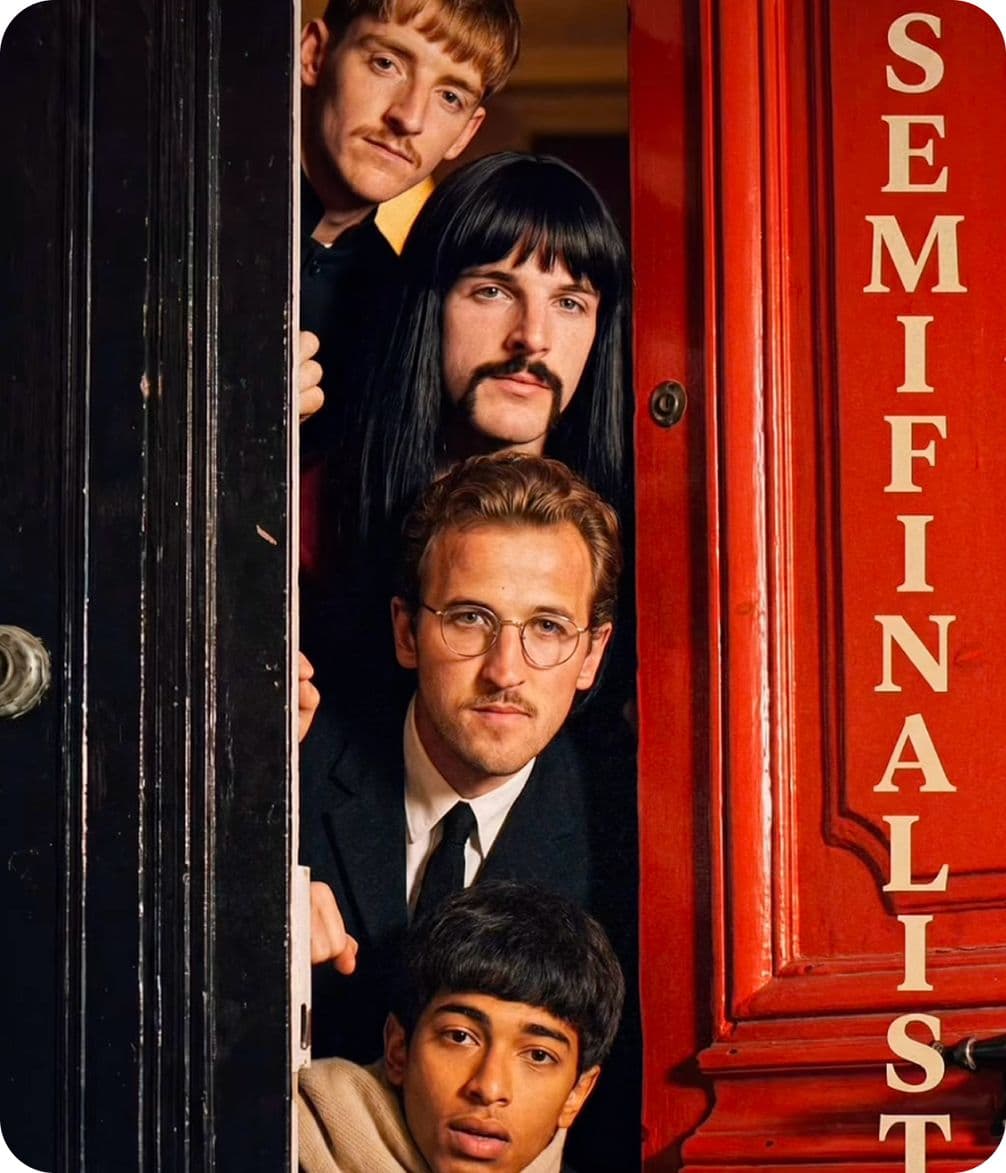
AI-generated images of England players as The Beatles. Photos: @seuzorza

As well as creating a culture of mistrust and a presumption of fake news, the proliferation of AI-generated imagery has other, more sinister drawbacks too. “Bias is a huge concern when it comes to AI-generated images,” Professor Hart says. “That includes things like racial bias and gender bias, but also less obvious forms of bias that we might not immediately think about – for example, Western bias or English-language bias. A lot of these systems are trained on data from the internet, and the internet itself is not a neutral representation of the world. The material that is most available online inevitably shapes what these systems produce.”
Traditionally, real photography has been valued because it documents something in one specific moment and acts as a witness to history. It’s why war photography is so important: it preserves the reality of atrocities and holds people accountable for them. Yet it is also true that photography is an artform, with an artist behind the camera, and this is of course valuable too – not just because of the technical skill, but because of the element of human connection.

AI-generated image of Zendaya and Tom Holland’s wedding. Photo: @aplasticplant
“At a fundamental level, photographers learn to use a visual language,” Dunmur says. “It’s a combination of an understanding of semiotics, the way light works and how people react to the presentation of both. The real value of photography lies in that human-to-human connection. Photographer and audience, and often subject too, if the subject is sentient. Generative AI technology, at its simplest, is rather a blunt instrument; a form of statistics-based pattern prediction, which is wholly reliant on training data in order to function.”
The real value of photography lies in that human-to-human connection – generative AI technology is rather a blunt instrument
With a predominance of so-called “AI slop” – whether that be its tendency to get hands, limbs and reflections wrong, the creation of fake news for clickbait’s sake or pointless social media trends – the relevance and importance of real photography has surely never been more certain. Yet where might the medium be in ten or 20 years’ time?
Professor Hart is convinced that there’s room for both. “Photography will survive but it will change,” she says. “AI will also remain but it will probably become more established and less chaotic. We might see renewed interest in things like photographs being physically developed, displayed and experienced in a gallery setting – things that perhaps we have taken for granted while constantly engaging with images online through platforms like Instagram. Photography made on film, for example, might regain a certain prestige.”
Dunmur is optimistic about real photography’s ability to prevail too. “Photography has already been made ‘disposable’, thanks in part to social media, and the consequent lessening of our attention spans,” he says. “But high-quality human-made work has value. So it follows that amid the noise of AI slop, photographs will be precious. Who knows where things will have moved to in ten or 20 years, but because the current technology is a cul-de-sac, it may be that the gen-AI bubble has properly burst, and we are in a position where we have learned some valuable lessons. One only needs to think of similar over-hyped ventures, such as NFTs, the Metaverse and cryptocurrency, to see a familiar pattern emerging – one that resembles a Ponzi scheme.”
Dank Popsas praktischer Gesichtserkennung und unseren Intelligenten Alben kannst du Erinnerungen jetzt noch schneller wiederfinden.



&w=96&q=75)
21. Okt. 2025∙6 min
&w=96&q=75)
28. Apr. 2026∙6 min
&w=96&q=75)
8. Juni 2026∙6 min


 Vereinigte Staaten