

Stories
Why I love shooting with vintage lenses
Photographer Taylor Hatmaker swapped autofocus and sharp edges for something better: images that feel like the moment they captured

29 de abr de 2026∙6 min


Stories
Photographer Taylor Hatmaker swapped autofocus and sharp edges for something better: images that feel like the moment they captured
29 de abr de 2026∙6 min
There’s nothing that makes me feel more present in the moment than being behind my camera. It’s a total flow state, and one that connects me deeply to the people and places around me. Because that process feels so special – emotional even – I try to protect it from the perfectionism I bring to other aspects of my life. I don’t need to nail the most “correct” shot – I’d much rather take pictures that look like how it felt to be there.
As a recovering tech journalist, the temptation to obsess over my gear is always there. It’s easy to get swept up in the minutiae, coveting the sharpest new lenses or even the most perfectly designed camera bags. But I find I enjoy photography so much more when I barely worry about any of that.
To rewire the gear-loving part of my brain, I’ve turned to shooting with vintage lenses. Without autofocus and usually without any zoom, I find myself forced to slow down and savour every part of the process. Whether I’m capturing a chaotic street scene or gazing up into the canopy of an ancient cedar tree, the moment becomes encoded into the image itself – and it’s only fitting to use lenses with memories of their own.
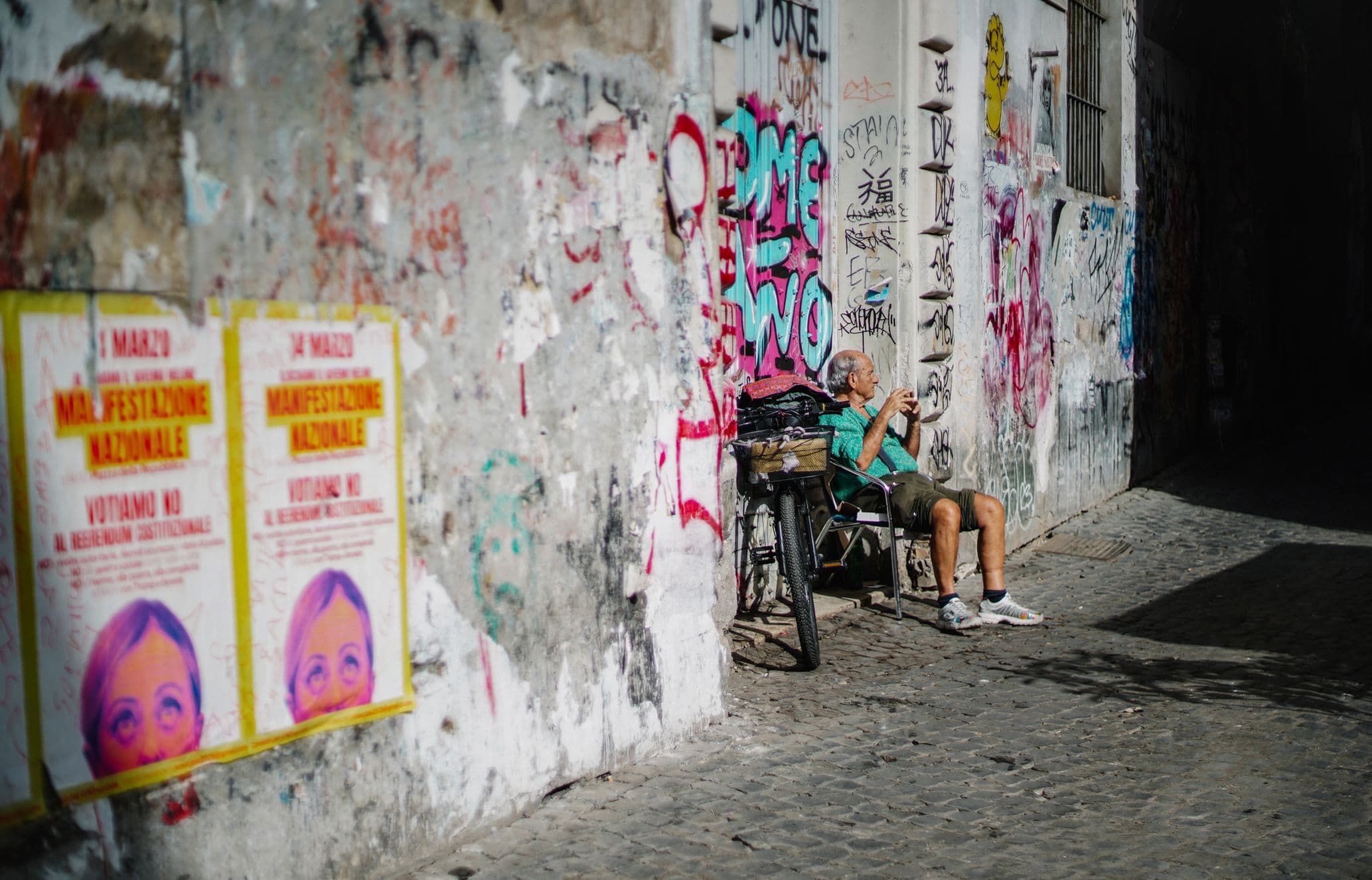
Photo: Taylor Hatmaker
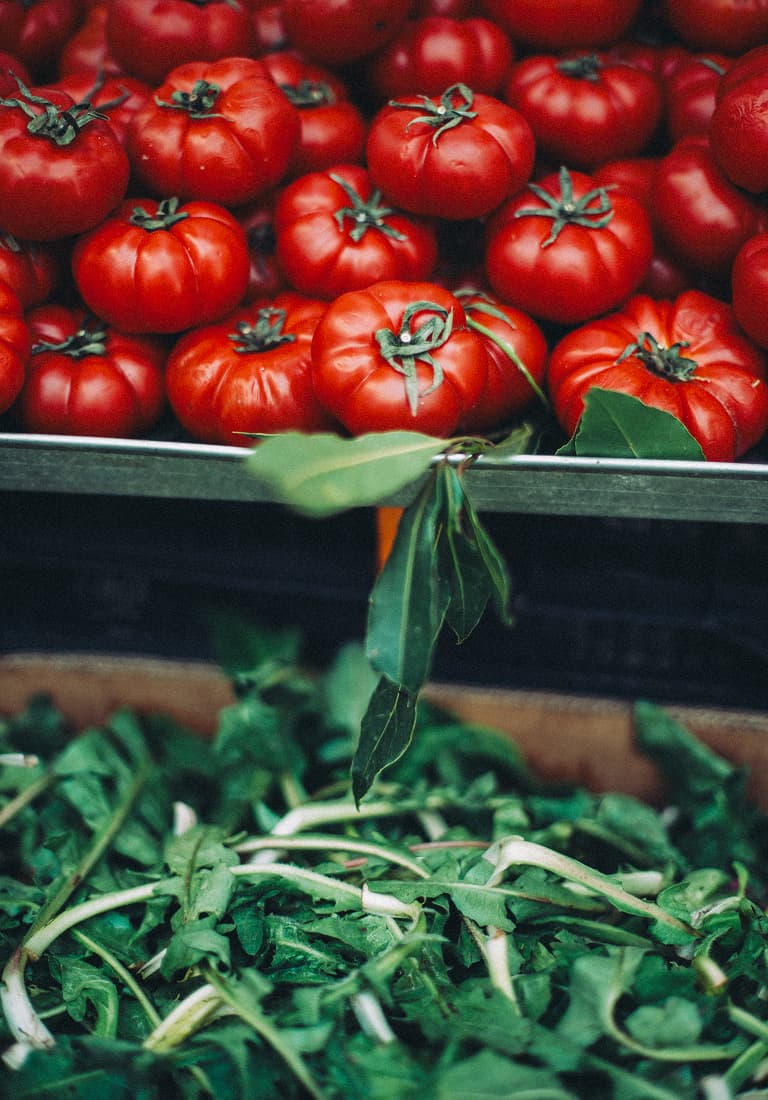
Photos: Taylor Hatmaker
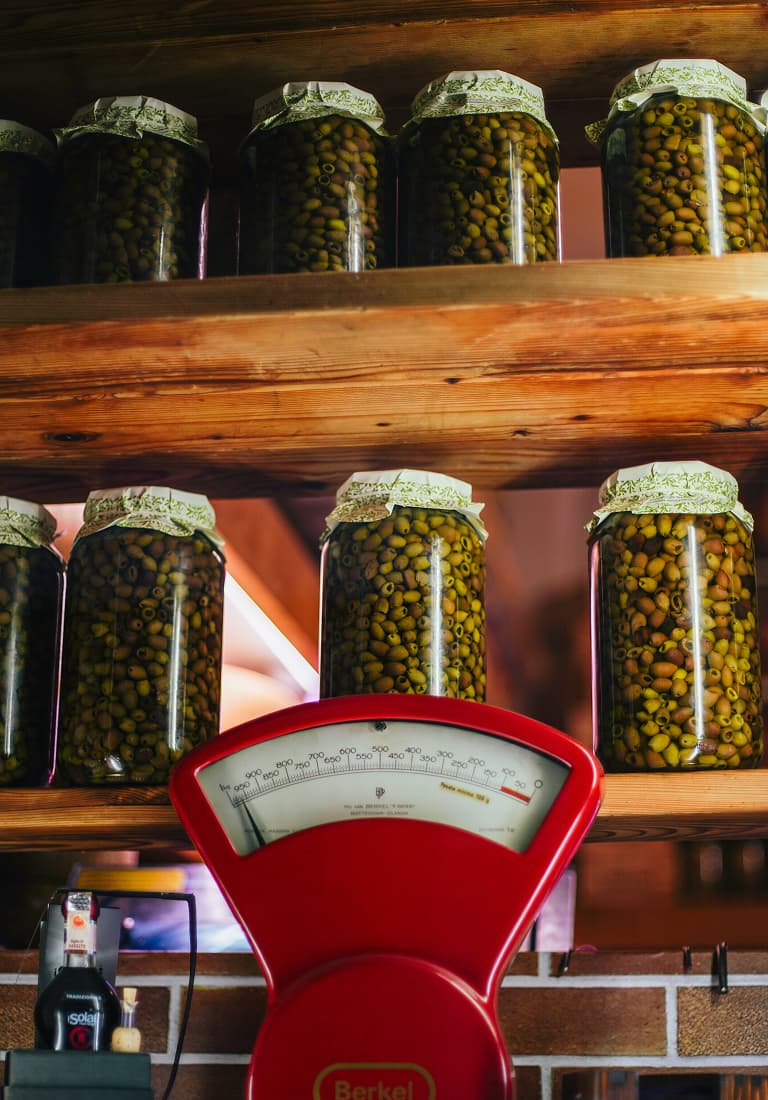
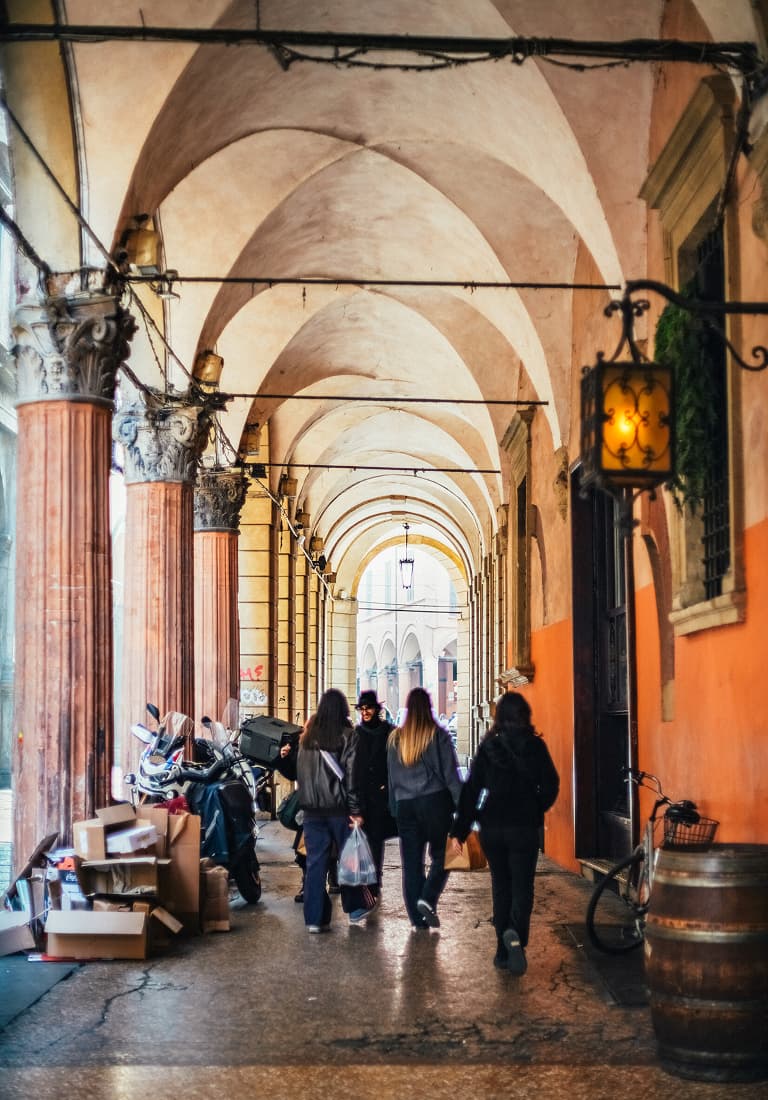
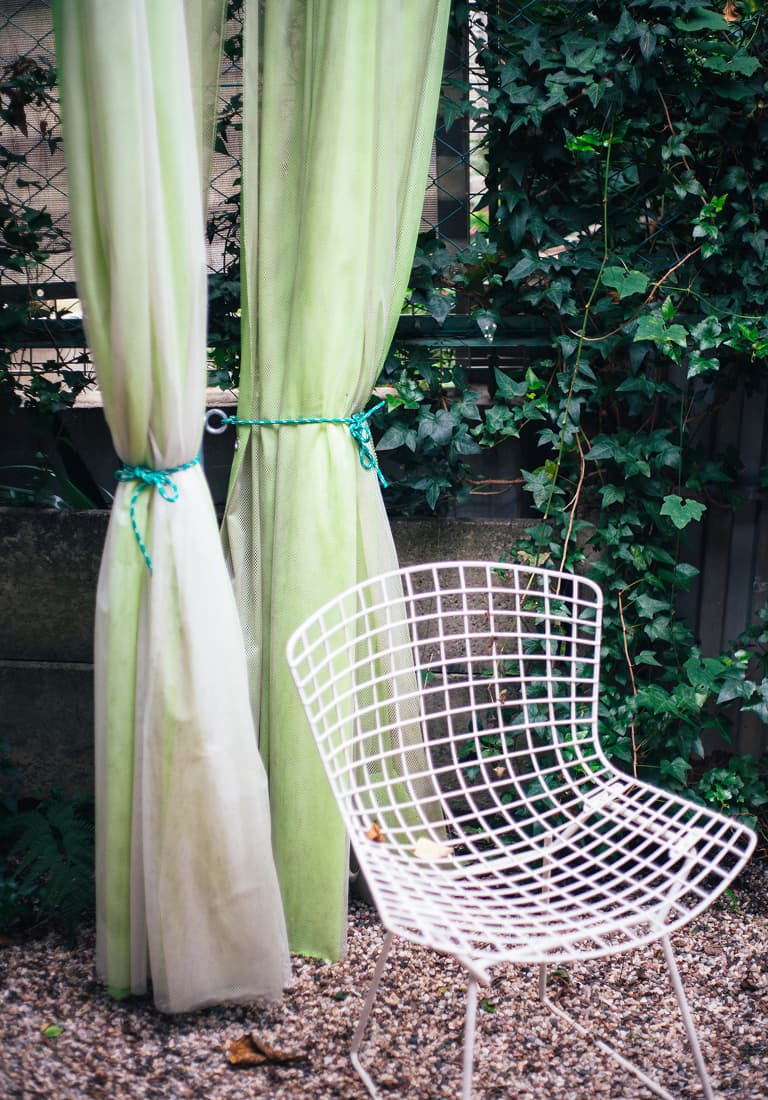

When I was in college, I signed up for a film photography class. After hearing my class schedule in one of our regular catch-up phone calls, my grandfather suggested I use his old 35mm camera so I didn’t need to buy one. The next thing I knew, he had boxed up his camera body and its 50mm kit lens and shipped it up to New York from his home in Kentucky.
My grandfather’s camera was a Canon AE-1, a wildly popular beginner film camera model destined to collect dust between family photo shoots in millions of homes from the 1970s into the ’80s. My grandfather didn’t consider himself a photographer – he was just a man prone to sentimentality who never let time spent with his family go uncaptured.
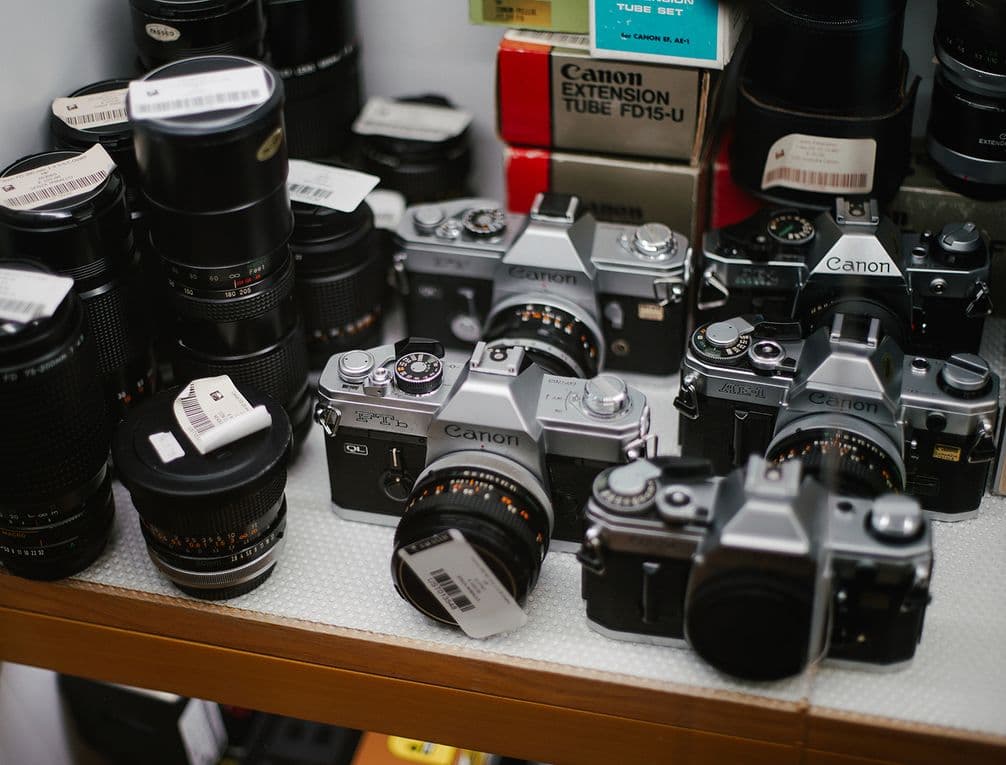
Photo: Taylor Hatmaker
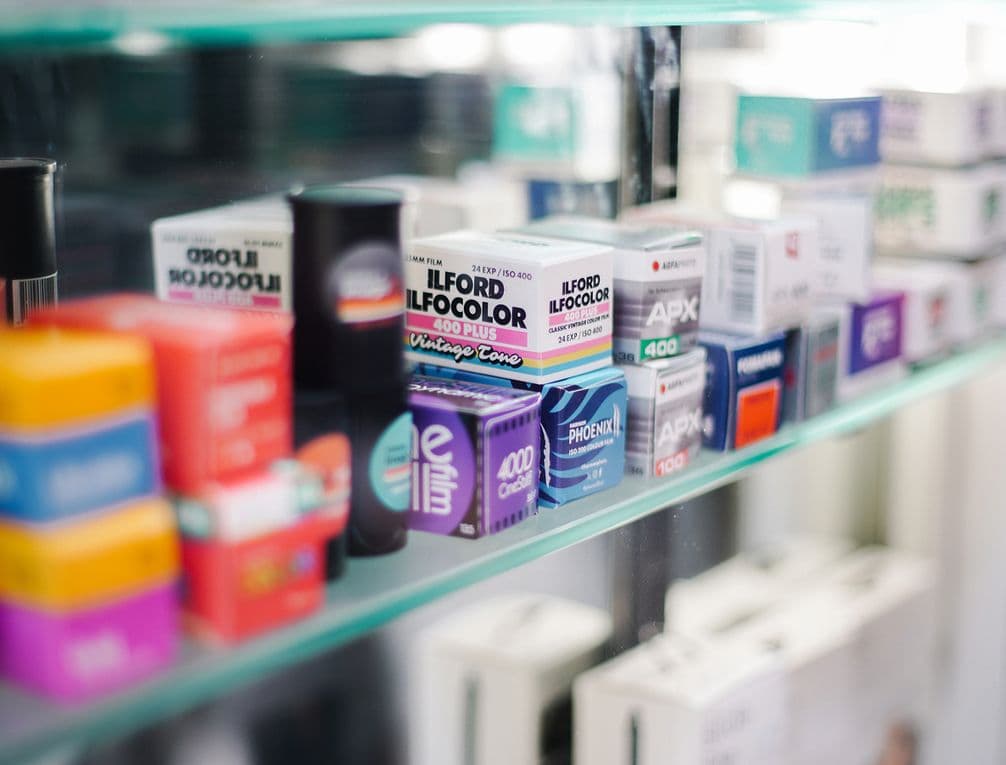
Photo: Taylor Hatmaker
The AE-1 did the job. I spent days proudly toting that hunk of inherited aluminium around lower Manhattan and many hours rewinding film with its sticky crank and taping up its plasticky film door to compensate for a light leak that my grandfather failed to mention. The camera was nothing fancy and it certainly wasn’t perfect, but over time its quirks became familiar and comfortable, melting into muscle memory.
After college, I bought my first digital camera, a budget-friendly Canon Rebel, and moved to California. My grandfather’s heart gave out and my photography practice began to feel distant, even empty. I missed the magic and idiosyncrasies of shooting with manual lenses and film, but didn’t want to give up the convenience of digital. It took me years to find the perfect middle ground, but I found it.

Photo: Taylor Hatmaker
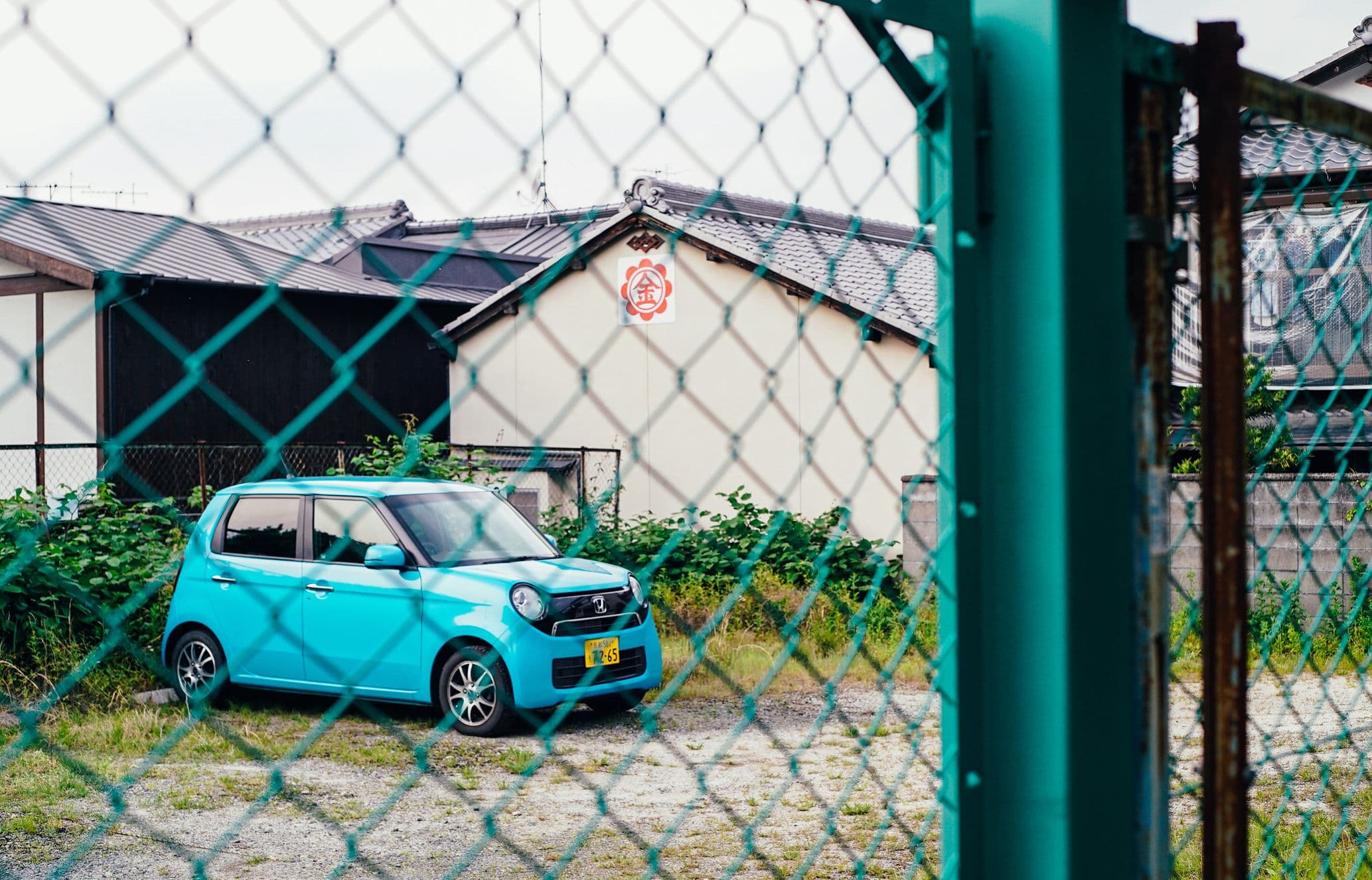
Photo: Taylor Hatmaker
If the notion of taking your sophisticated, modern digital camera and making it worse but more fun sounds intriguing, then you’re in for a treat. I’m kidding, but only a little. Shooting with vintage glass does have a few practical benefits. They’re often smaller and lighter than their digital counterparts, which makes them well suited to travel, low-profile street photography and shooting outdoors – particularly if you’re lugging a heavy pack. The main drawback is that you’ll be focusing the old-fashioned way. If you can live without autofocus, you can often buy old prime lenses designed for 35mm cameras for a fraction of what their digital counterparts would cost.
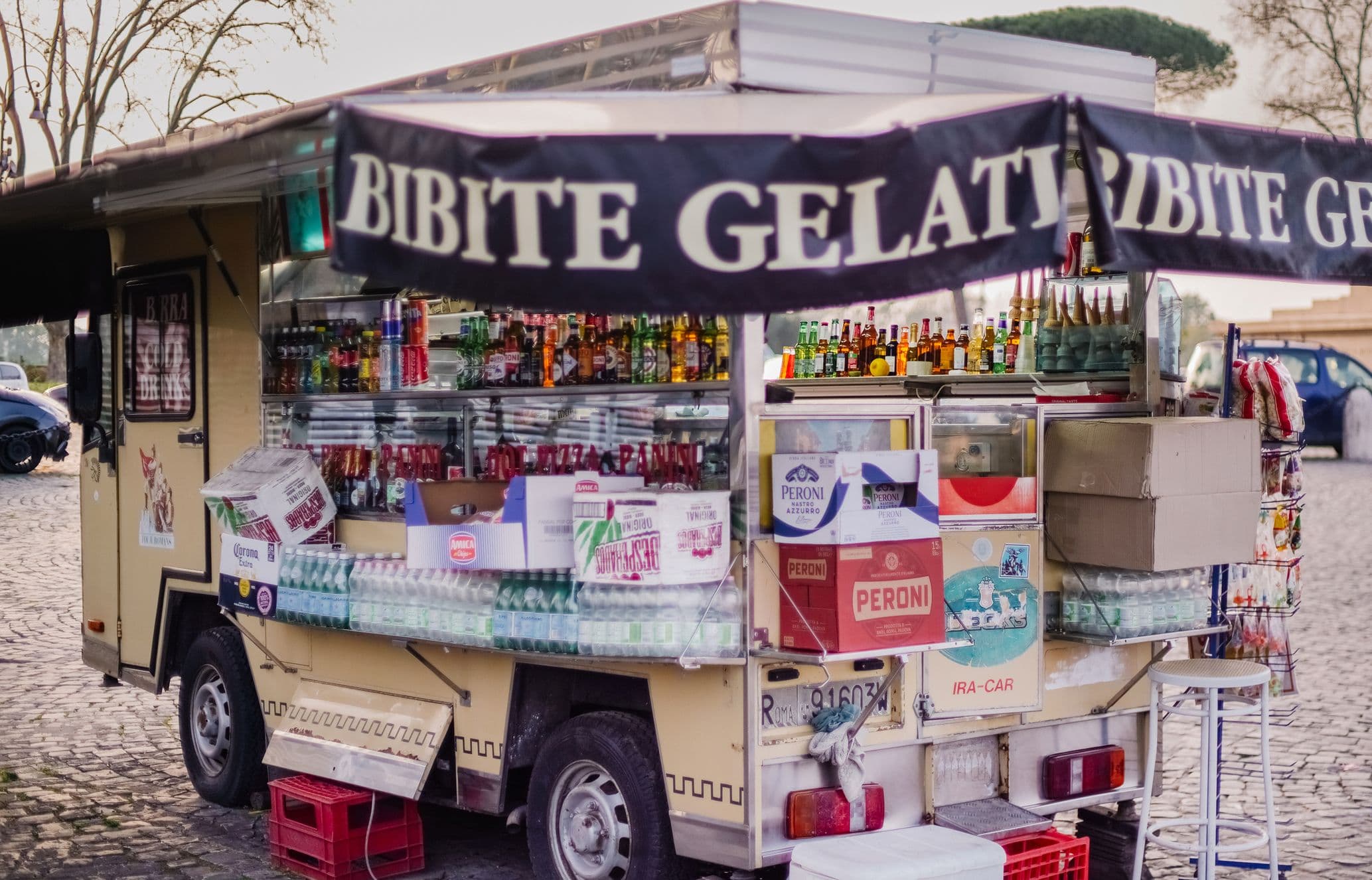
Photo: Taylor Hatmaker
Vintage lens hunters swear by the quality of old glass, but even better than that, old lenses bring their personalities to the table, offering the beautiful bokeh, dreamy vibes, and fun characteristics that give film photography such a sought-after look. One lens I picked up for $25 at a local camera shop just for fun, a Canon FD 35-70mm F3.5-4.5, feels like a cheap plastic toy, weighs nothing and imbues photos with a shiny, dream-like character that I find enchantingly strange. My modern lenses are much less opinionated.
Giving up digital camera perks like phase detection, auto eye focus and continuous focus isn’t easy. What you’ll get in exchange is the creative freedom of knowing your images often won’t be perfect – and that’s actually the point. And though you’ll be focusing manually, your camera body’s focus magnification, focus peaking and built-in image stabilisation options can help you keep images sharp.
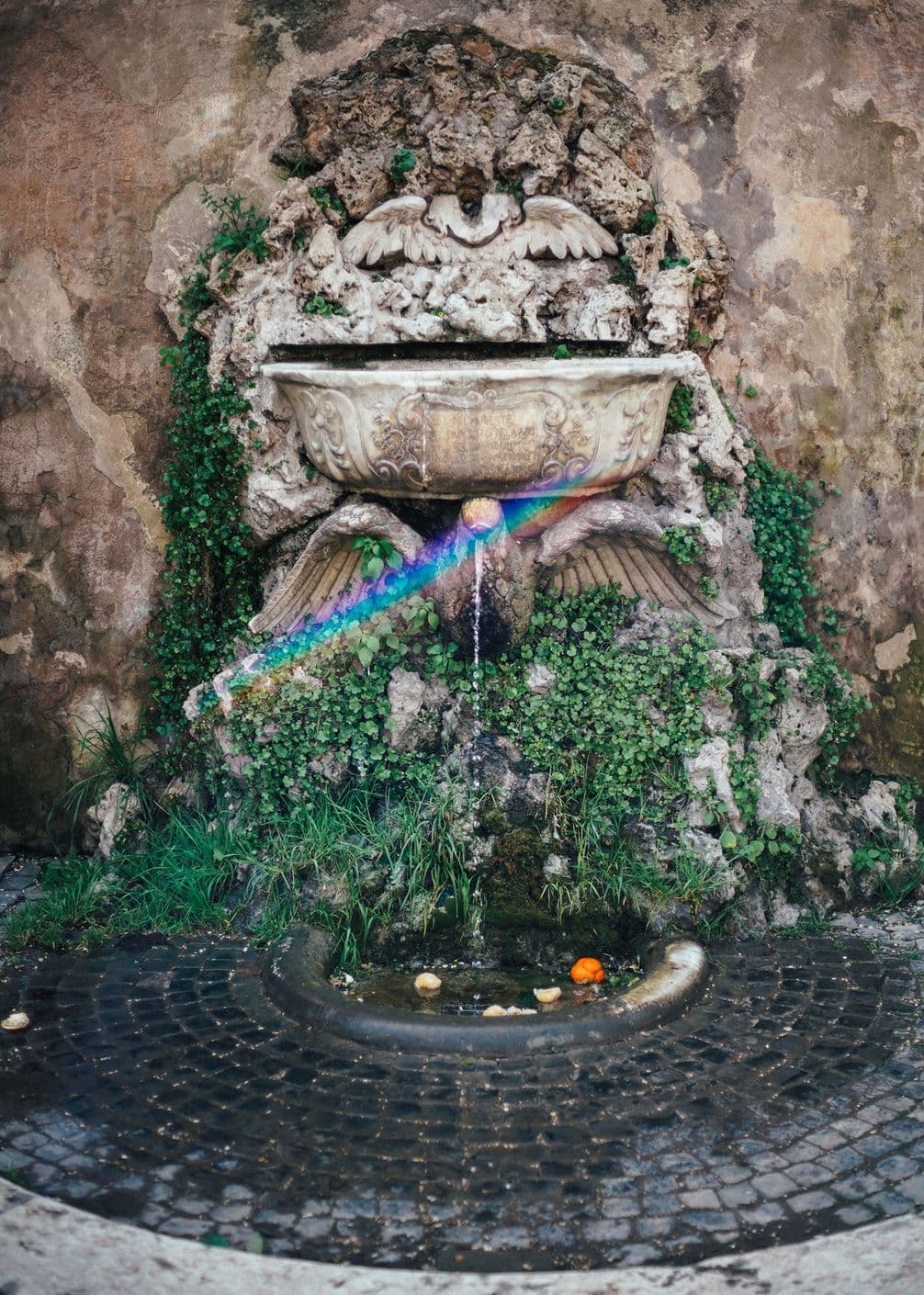
Photo: Taylor Hatmaker
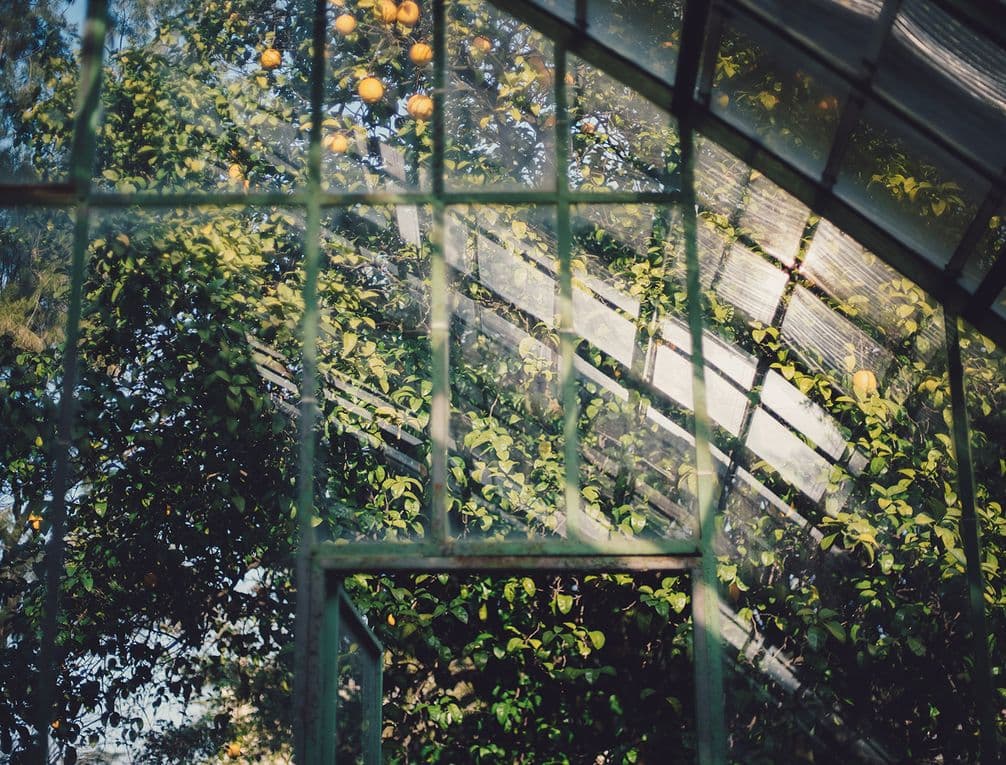
Photo: Taylor Hatmaker
Vintage lenses admittedly aren’t right for every project. When shooting sports, wildlife or anything else with a lot of movement, autofocus does a ton of heavy lifting. Still, I’ve enjoyed bringing my old lenses into normally pretty technical kinds of photography, like astrophotography. My photos never look like anyone else’s I see on Instagram, even if I shoot in some of the Pacific Northwest’s most famous spots.
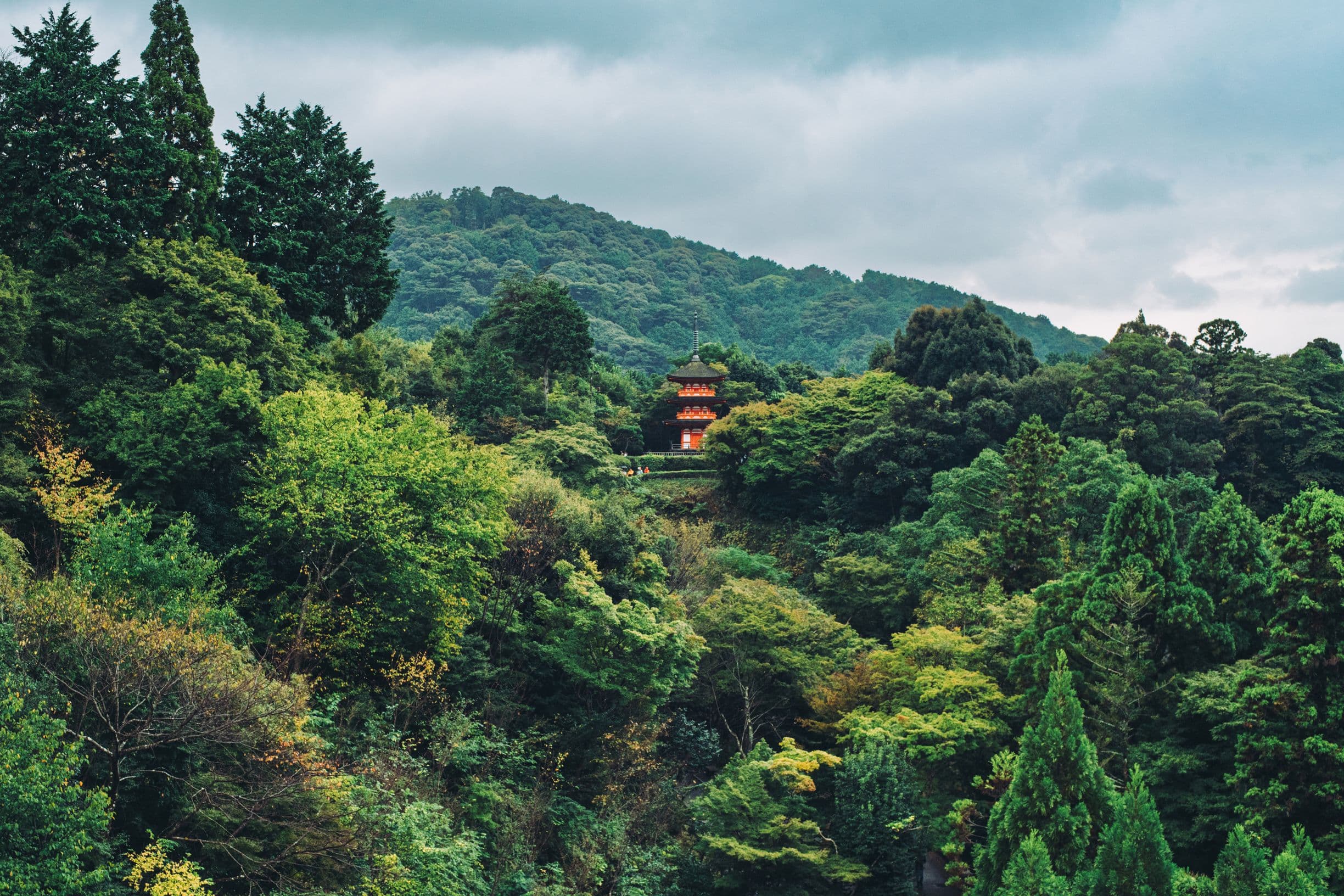
Photo: Taylor Hatmaker
I first fell down the vintage lens rabbit hole with a Sony camera, but many different cameras by major manufacturers like Canon, Nikon and Fuji can also support old lenses. The key piece of kit you’ll need to pick up is an extra metal ring that adapts an old lens to fit a modern camera’s mount system. The good news is these adapters are not expensive.
How this works: I shoot with a Sony A7SII and a Sony A7RIII, two full-frame mirrorless cameras that use FE mount lenses. Most of my vintage lenses are Canon, so I use an adapter that makes old Canon FD lenses fit onto a modern Sony full-frame camera body. When I shop for vintage lenses – full disclosure, that hunt is a huge part of the appeal – I look for lenses compatible with the adapters that I already own. In my quest for the most compact, lightweight setup, I recently picked up an adapter for old Olympus lenses that connects the Olympus OM mount to my Sony camera bodies. Visiting used camera stores and experimenting with the interesting glass you find is one of the most fun parts of going vintage.
Shooting with old manual focus lenses grounds me in the practice of photography. I feel more connected to the process itself through the tactile twist of a focus ring and the subtle click of the aperture shifting. Together with my muscle memory, vintage lenses have their own stories to tell. The results may not be perfect, but they always feel just right.
Descubra memórias mais rapidamente com funcionalidades exclusivas, como o reconhecimento facial e álbuns inteligentes.



&w=96&q=75)
16 de mar de 2026∙2 min
&w=96&q=75)
24 de jun de 2026∙6 min
&w=96&q=75)
30 de set de 2026∙6 min


 Estados Unidos