
Stories
How walking the same street twice can change how you see it
One photographer on why returning to familiar places – rather than constantly moving on – leads to deeper, more meaningful images

8 Apr, 2026∙8 min
Stories
One photographer on why returning to familiar places – rather than constantly moving on – leads to deeper, more meaningful images
8 Apr, 2026∙8 min
There is always a stretch of street that becomes yours. Not because it is the grandest or the most photographed, but because you have crossed it often enough for it to soften into familiarity. The first time, it is scenery. The second, orientation – you begin to understand how it connects one landmark to another. By the fifth or sixth return, it begins to hold something quieter, an accumulation of small recognitions: which doorway catches the light first, which café opens earliest, where the pavement narrows without warning.
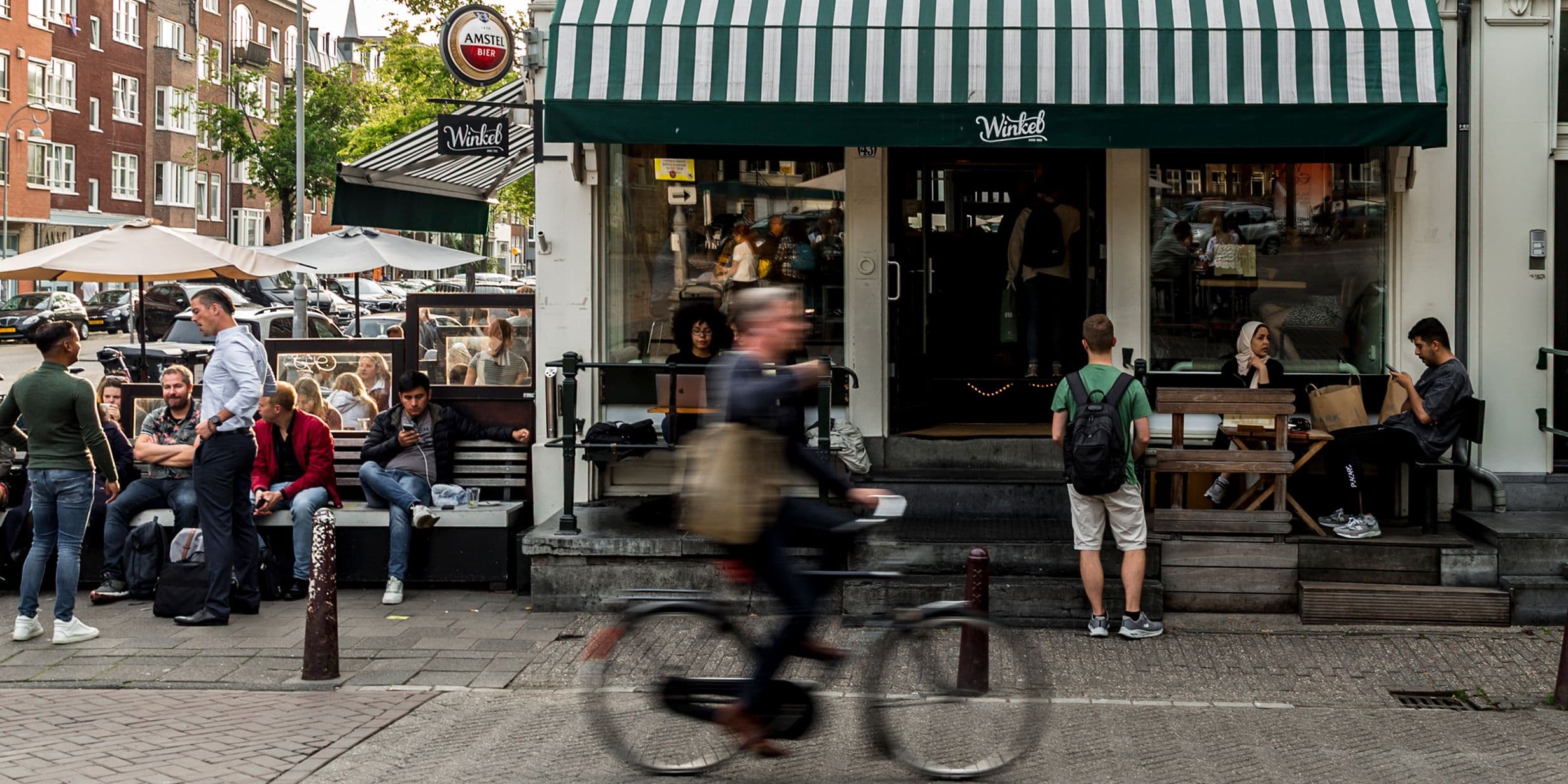
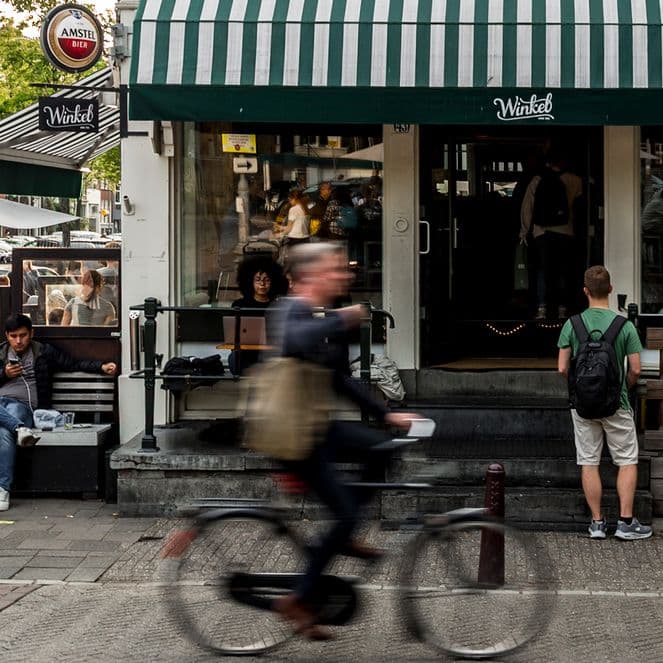
For me, early encounters with a city tend to be expansive. The instinct is to cover ground, to see widely, to gather neighbourhoods as though completeness were possible. There is often a subtle pressure to “do” a place properly and to leave no quarter unexplored. My first London book followed that impulse, borough to borough, long arcs across the map, days structured around distance rather than depth. With each subsequent project – Paris, New York, Dublin and Amsterdam – the radius narrowed. Not by design but by repetition – and perhaps by trust. Trust that returning to the same street would reveal more than constantly moving on.
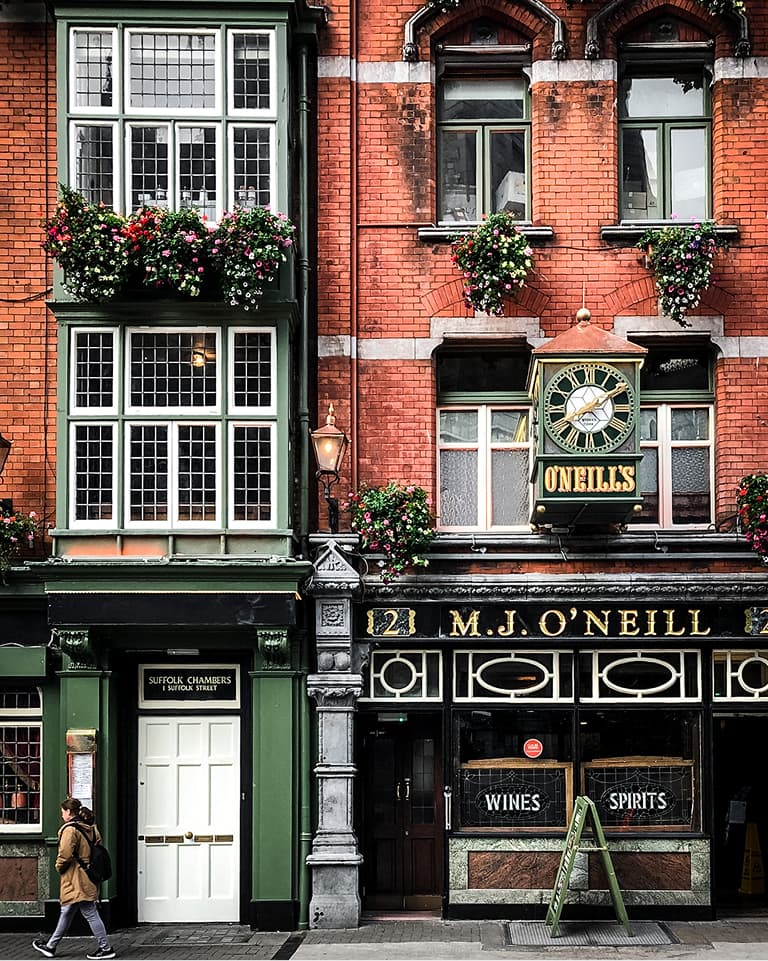
Dublin. Photos: Siobhan Ferguson
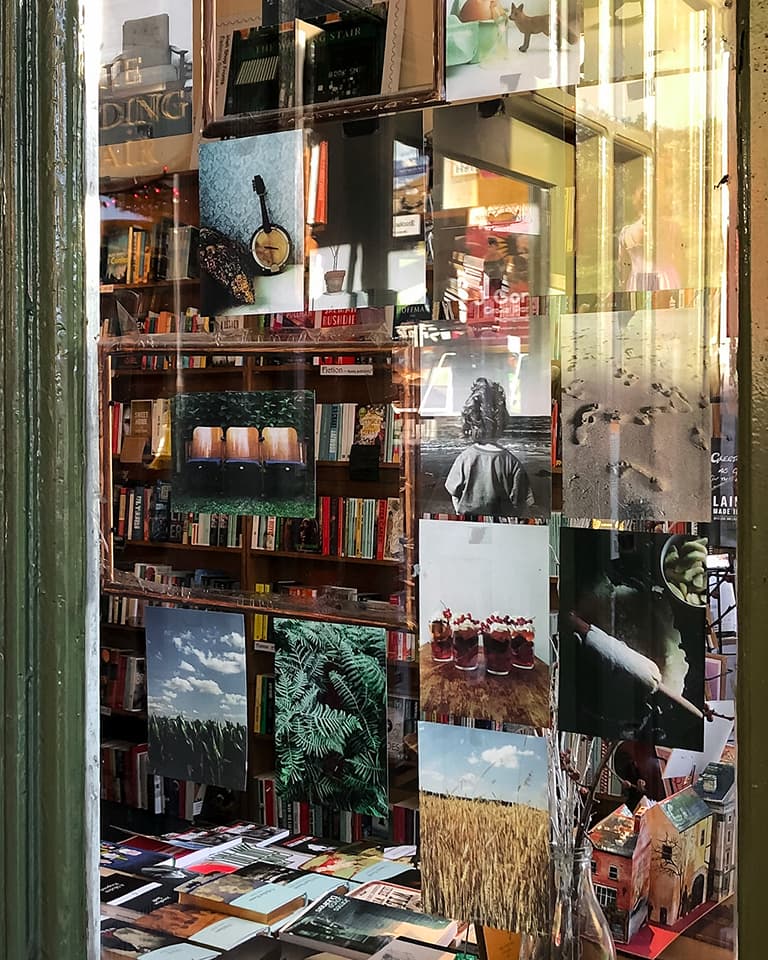
Dublin
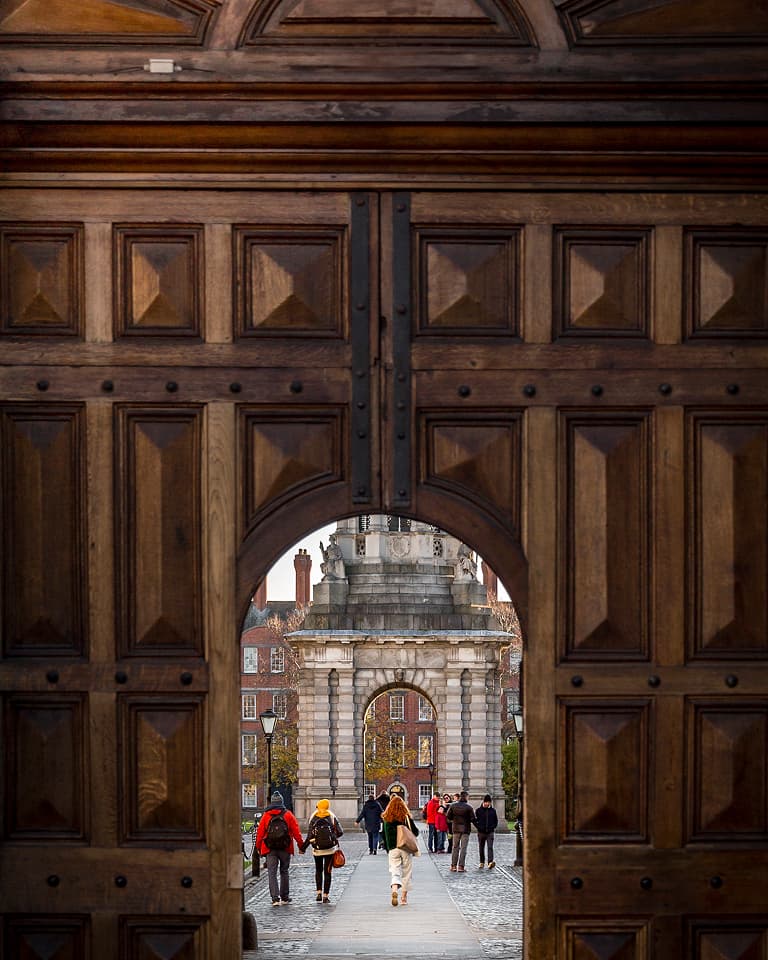
Dublin
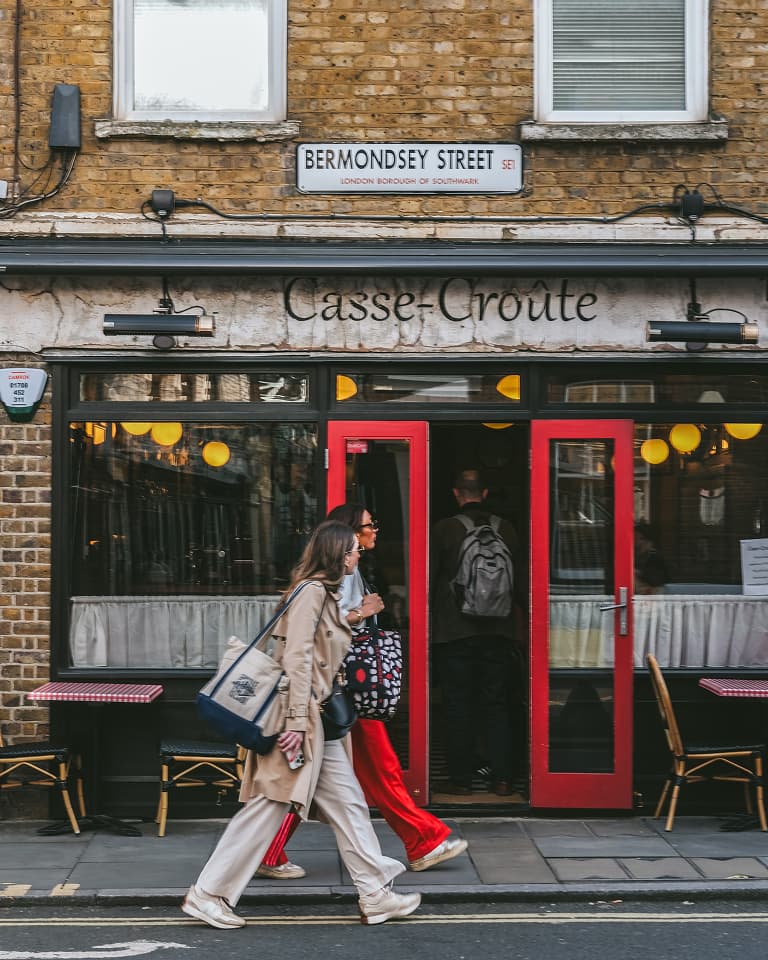
London
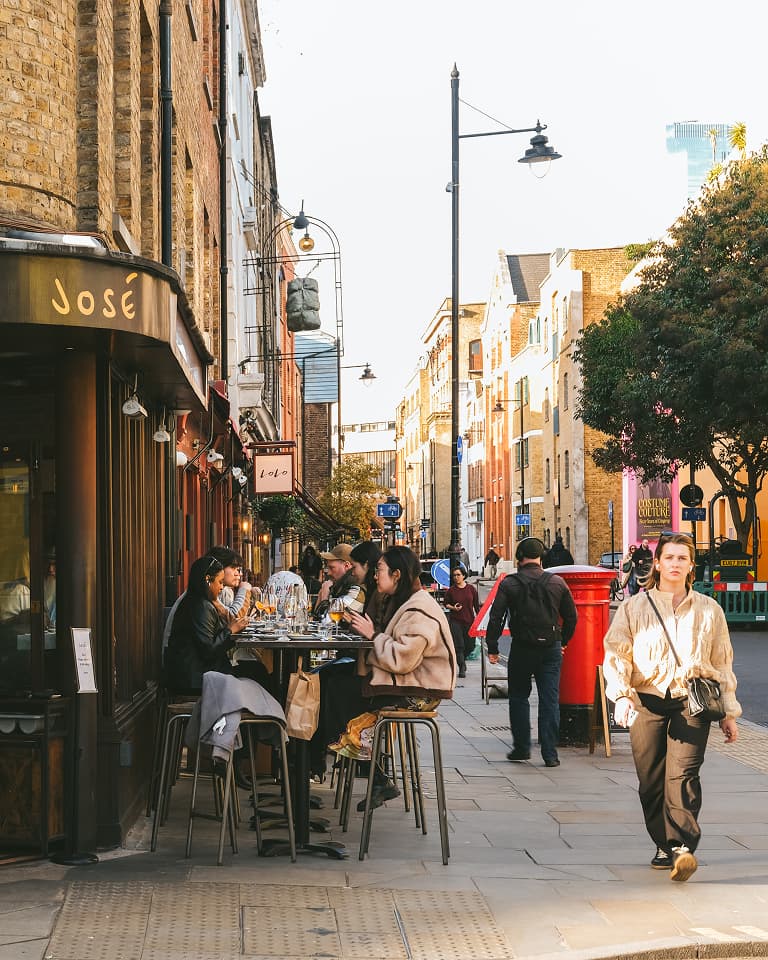
London
In Dublin, it became the walk between a bookshop and a familiar pub, taken at different hours and in different weather. In London, a stretch of Bermondsey Street I returned to repeatedly, until I no longer needed to check directions. In Rome, the short route between Campo de’ Fiori and the Pantheon, traced so often it began to feel less like a route and more like a ritual. The geography grew smaller; the looking grew deeper.
There is often a subtle pressure to “do” a place properly and to leave no quarter unexplored, but returning to the same street can reveal more than constantly moving on
If you are visiting somewhere new, it can be tempting to resist this narrowing. Yet there is value in choosing one manageable stretch and walking it more than once. At different times of day, without headphones, without urgency. The first pass will be about navigation. The second might allow you to look up. By the third, you may start to notice what has changed – or what has remained.
Cities edit themselves slowly: a sign is repainted; a shop changes hands; ivy thickens along the brick; a lamp glows warmer against winter stone; a café rearranges its tables by a few careful inches. The shifts are subtle enough to miss unless you have walked the same route before. Repetition becomes a way of reading those edits, of understanding a place not as a fixed image but as something gently in motion. Meanwhile, the walker is rarely the same.
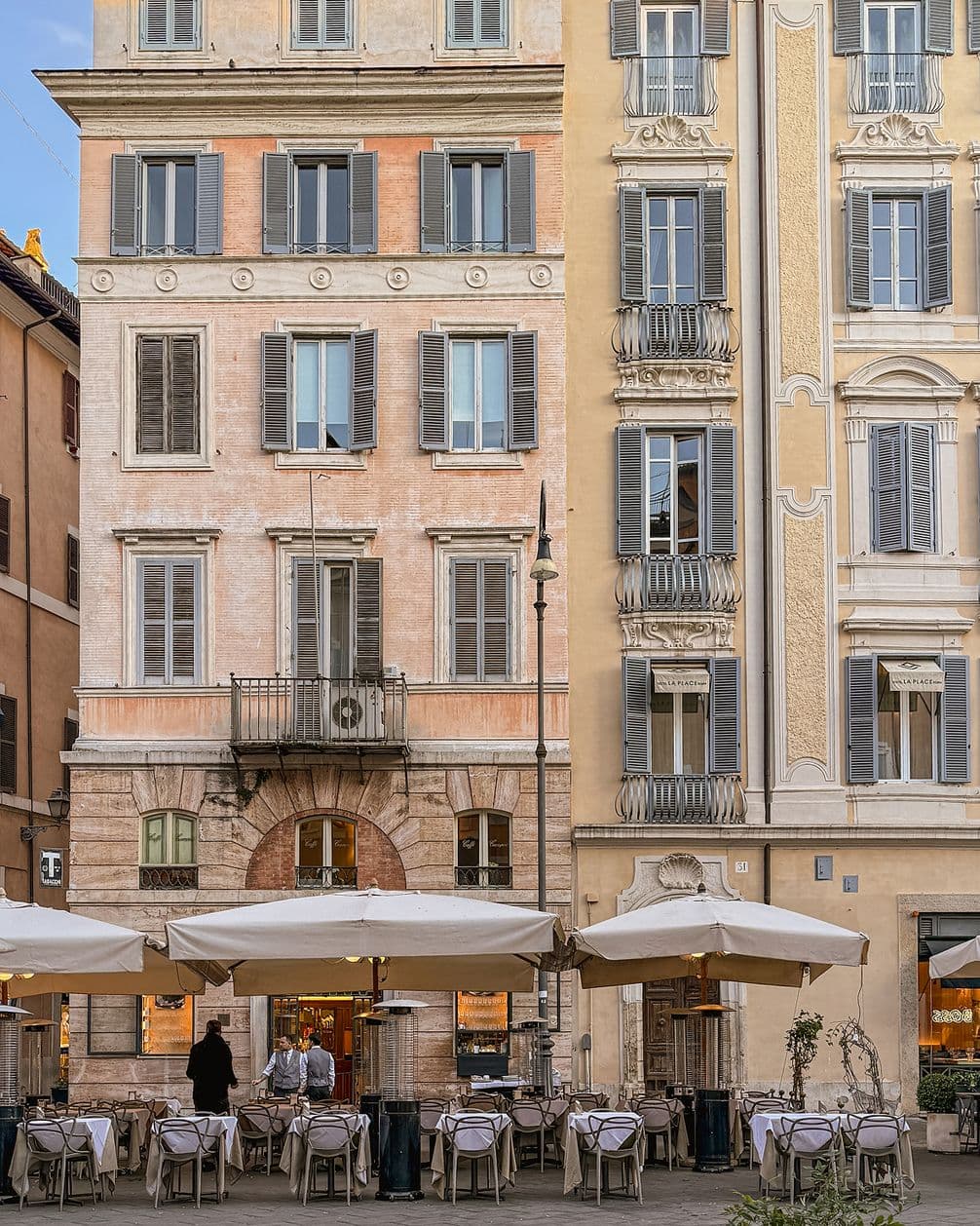
Rome. Photo: Siobhan Ferguson
Over time, the frame moves closer. Whole streets give way to façades. Façades to shutters. A piazza reduces to a single table beneath an awning. Eventually, a city can be held in something as modest as an espresso cup on white linen. If you carry a camera, this shift often happens naturally. The wide establishing shot satisfies at first. Later, you may find yourself drawn to the detail – the worn edge of a step, the way light pools briefly on stone. Allowing that progression rather than forcing it can change how you see.
Repetition becomes a way of reading a city’s edits, of understanding a place not as a fixed image but as something gently in motion
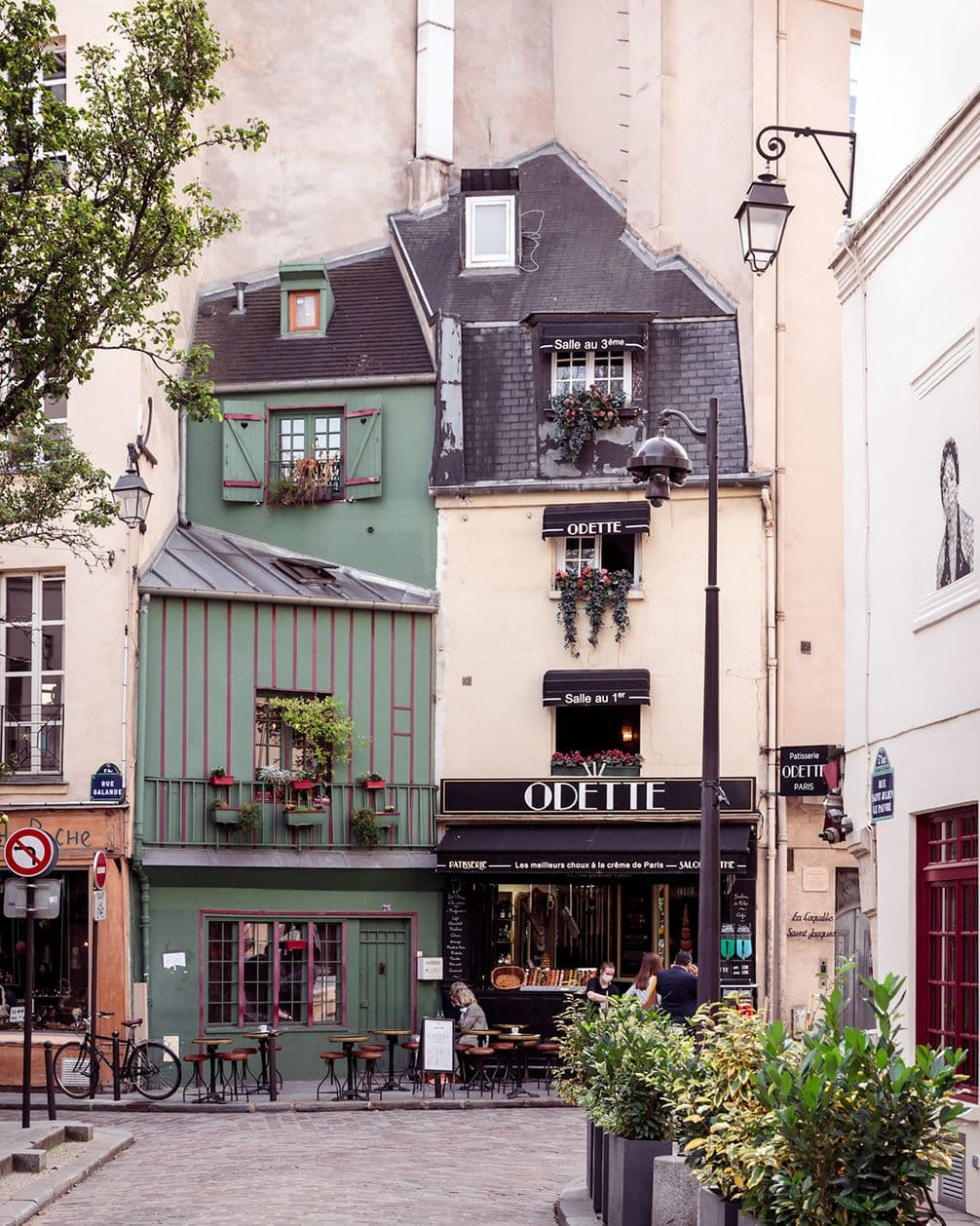
Paris. Photo: Siobhan Ferguson
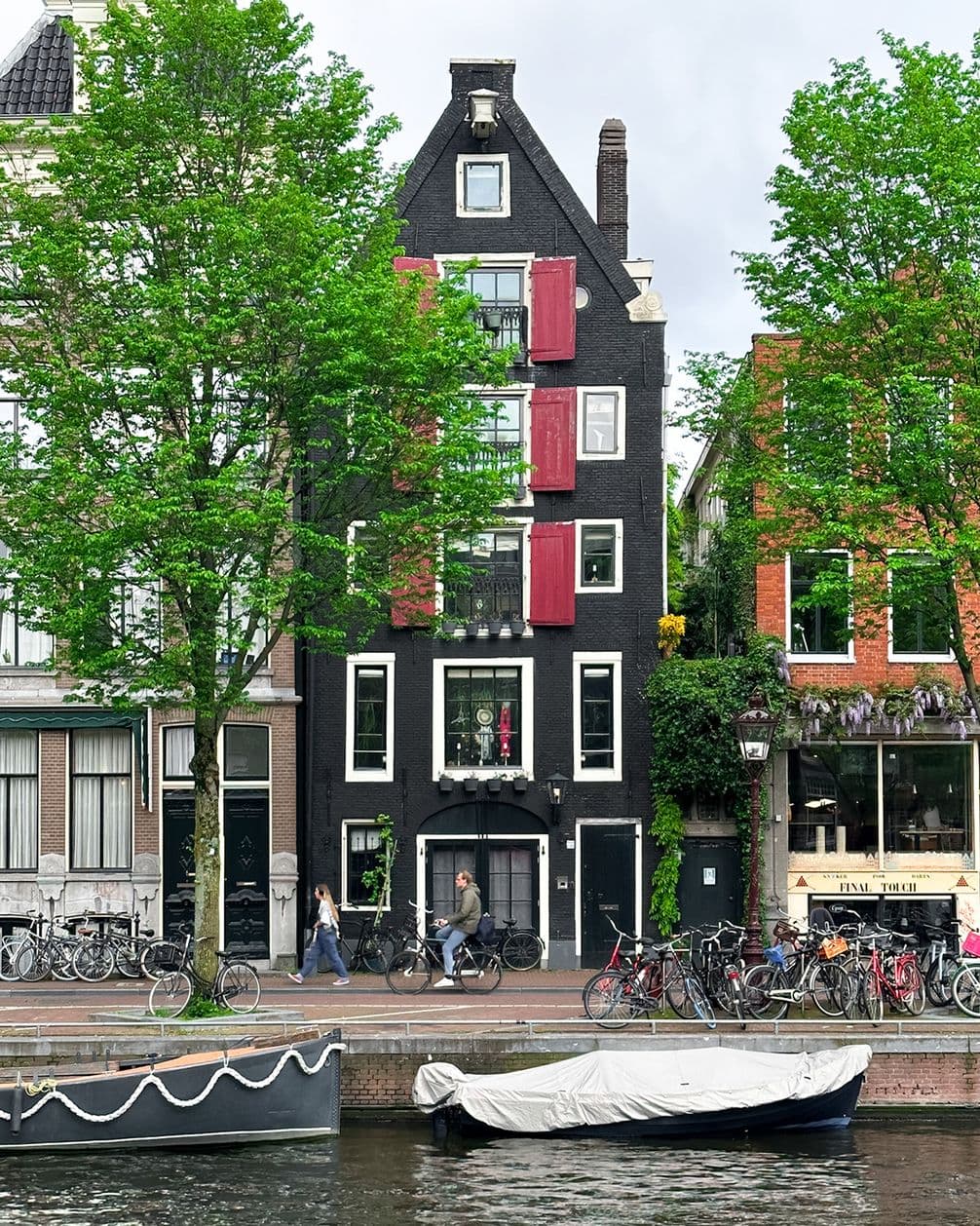
Rome. Photo: Siobhan Ferguson
Anyone who has opened an old photo album will recognise the feeling. The background appears steady – the same house, the same street, the same cornershop – yet the person standing within it has changed in ways only time reveals. Photographs are deceptive in that way. They suggest permanence but look closer and you notice the small edits. The setting might feel constant, but the context has shifted.
Returning to a familiar street carries a similar sensation. The paving stones hold their place and the shop windows reflect the same curve of sky – yet the pace has altered. What once demanded to be captured in its entirety now invites attention in fragments. A practical approach, if you are documenting a place over time, is to stand in almost the same position on each visit. Notice what enters the frame that was not there before. Notice, too, what you choose to exclude.
Repetition does not diminish a place, it deepens it. Well-travelled routes begin to feel less like discovery and more like quiet acknowledgement. The city is no longer performing for you; it is simply present, and you are present within it.
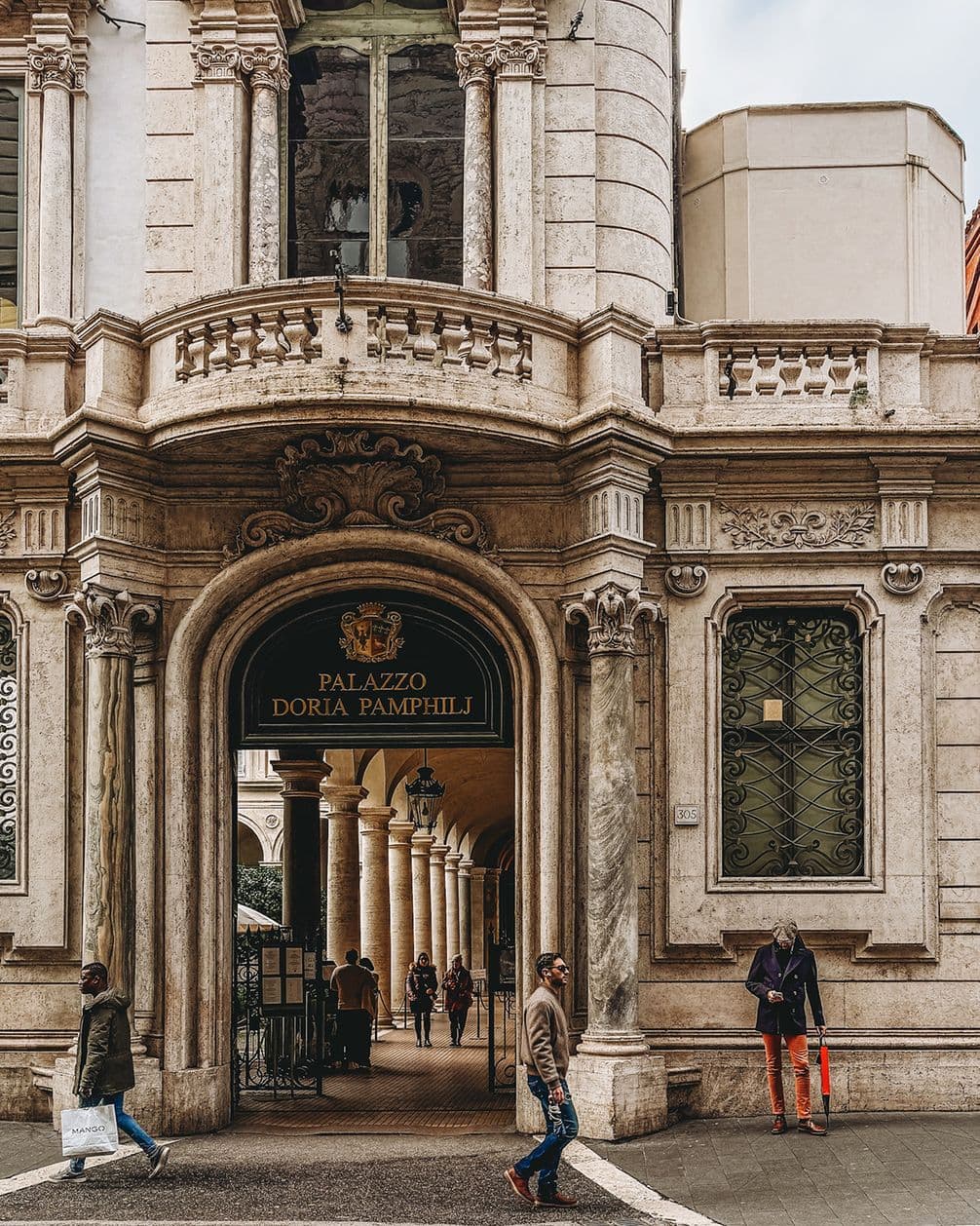
Rome. Photo: Siobhan Ferguson
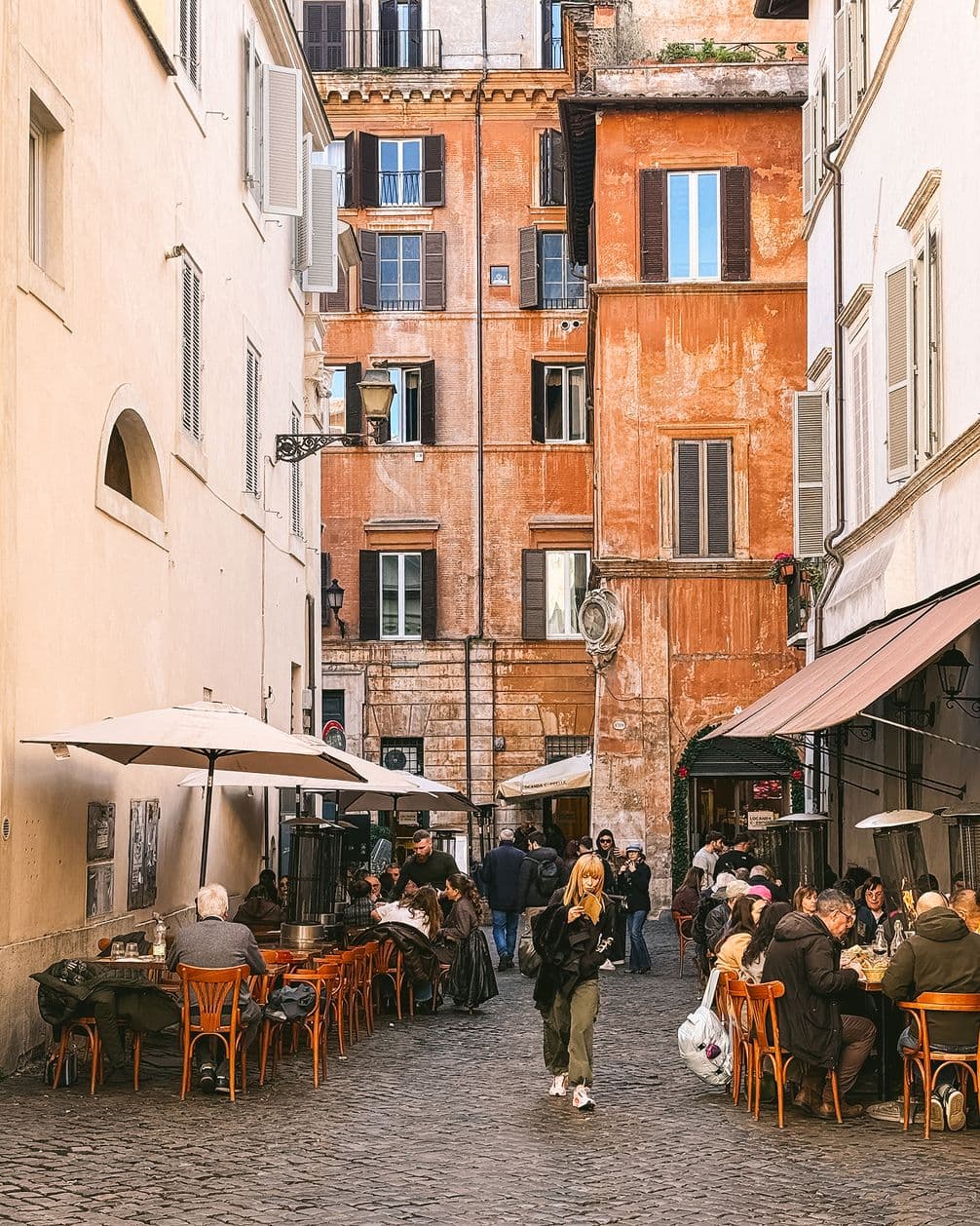
Rome. Photo: Siobhan Ferguson
In Rome, that presence feels contained within a smaller map. The differences are incremental, but together they form a layered record. If you return enough times, you begin to sense which hour belongs best to which stretch, and where to find shade in summer, where the light lingers longest in winter.
A route repeated across visits becomes a kind of private cartography. The city holds its outline but you bring new preoccupations, a different rhythm or a quieter gaze. Even mood alters what is visible – a street walked in haste reveals one version of itself; the same street walked slowly, with nowhere else to be, offers another.
Perhaps that is why familiar streets draw us back. Not because they promise something entirely new, but because they allow us to measure change gently. And so the walk continues, not in search of more, but in quiet recognition of what has been there all along.
Descubra memórias mais rapidamente com funcionalidades exclusivas, como o reconhecimento facial e álbuns inteligentes.



&w=96&q=75)
&w=96&q=75)

&w=96&q=75)


 Estados Unidos