Travel

The most photographed French national parks

From the turquoise waters of the Mediterranean to the lush rainforests of the Amazon, we rank the national parks that Popsa travellers love across mainland France and its overseas territories

Bradley Grantham

29. apr. 20267 min

The most photographed French national parks

Words by Georgina Groom-Rietschy

Whether in mainland Europe or in one of its overseas territories, France’s national parks reach across the world – from the volcanic peaks of the Indian Ocean to the palm-fringed Mediterranean coast and the forests of the Amazon basin. The scale brings remarkable diversity, with awe-inspiring landscapes and rare species offering something for every type of traveller. 

To determine this list, we’ve analysed millions of customer photos using a data science-led approach to pinpoint the parks that Popsa travellers loved in 2025. The Calanques claim the top spot, their dramatic coastline just 30 minutes from the bustle of Marseille proving as compelling to photographers as major landmarks. Further down the rankings, parks such as Port-Cros and Écrins draw visitors for their protected waters and exquisite wildlife. 

To learn more about how the data was analysed and ranked to determine the photo index scores, see the methodology at the end of this article.

Parc National des Calanques, Bouches-du-Rhône. Photo: Pexels

1. Parc National des Calanques, Bouches-du-Rhône

Photo index score: 100

Sandwiched between Marseille and Cassis, the Calanques deliver a dramatic range of compositions along the Mediterranean coastline – sheer white limestone cliffs plunging into shimmering waters, fringed by lush Aleppo pines. Calanque d’En-Vau, just 30 minutes from Cassis, is the standout shot. Arrive by boat as the narrow inlet frames the cliffs, or tackle the hike from Port-Miou for sweeping sea views from above. Offshore, Île Riou – accessible only by boat during daylight hours – shelters one of France’s largest seabird colonies, while golden hour at Cap Morgiou bathes the limestone in orange and pink hues.

Parc National de La Réunion, Réunion. Photo: Pexels

2. Parc National de La Réunion, Réunion  

Photo index score: 69

Rising from the Indian Ocean 700km east of Madagascar, Réunion’s national park is defined by lush forests and two active volcanoes. The Unesco World Heritage site covers nearly 40 per cent of the island, with Piton de la Fournaise – erupting every nine months – dominating the eastern flank. Arrive at dawn for unparalleled shots of its sprawling lava fields before temperatures rise and haze builds. To the west, the cirques of Mafate, Salazie and Cilaos are accessible only on foot (or by helicopter), revealing waterfalls, basalt walls and more than 90 bird species including the rare Mascarene paradise flycatcher.

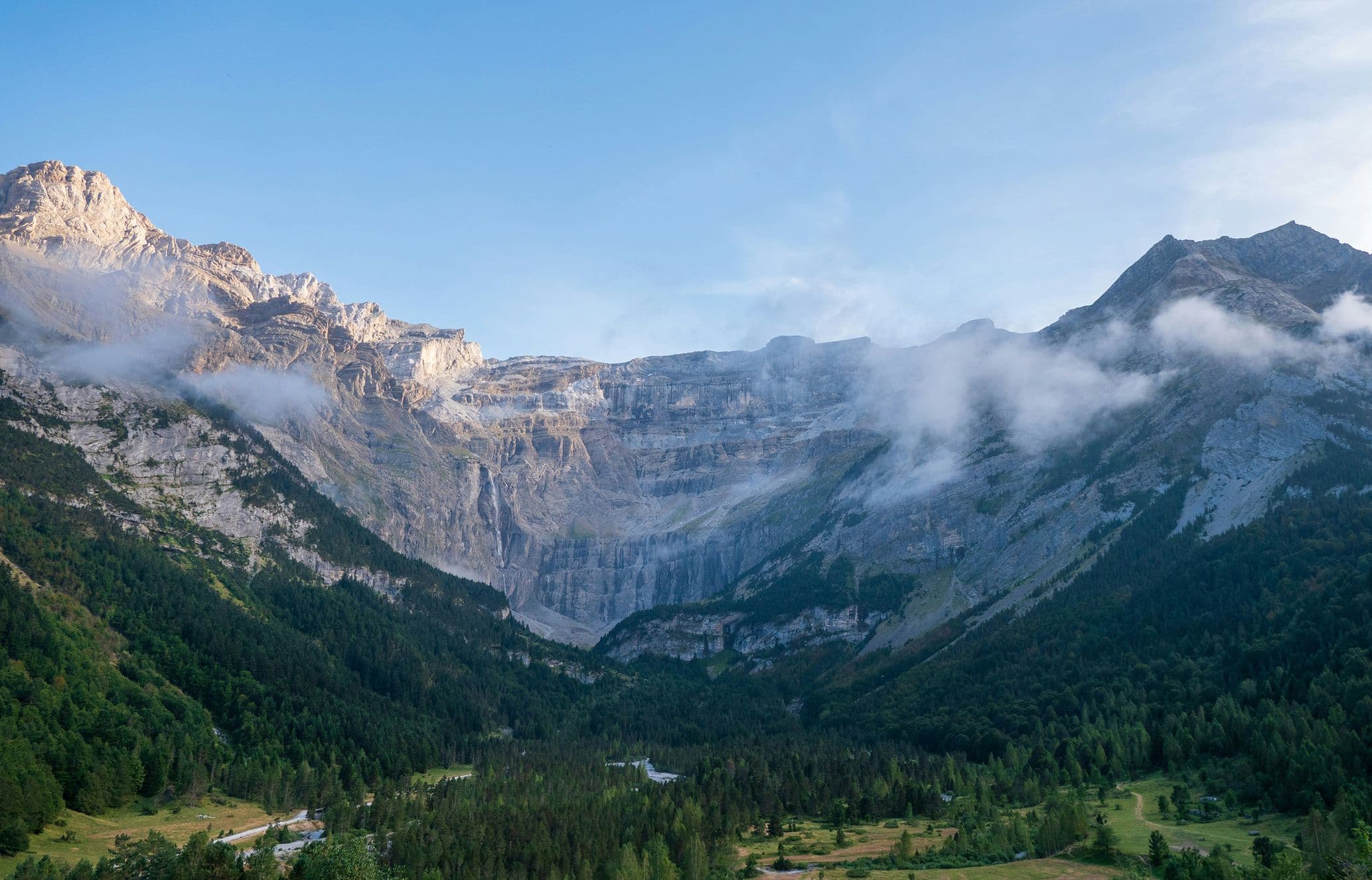
Parc National des Pyrénées, Hautes-Pyrénées. Photo: Unsplash

3. Parc National des Pyrénées, Hautes-Pyrénées 

Photo index score: 41

Extending 100km along the Spanish border, the Parc National des Pyrénées protects a landscape of glacial lakes, ancient forests and jagged peaks. The Cirque de Gavarnie is a highlight, its vast horseshoe shape of rock walls and Europe’s highest waterfalls best captured at sunrise before cloud builds at altitude. Elsewhere, the Vallée d'Ossau frames the twin-peaked Pic du Midi d'Ossau, while Pyrenean chamois (known locally as izards) roam the surrounding slopes. For keen hikers, the 15km Tour des Lacs d’Ayous offers high-altitude lakes and panoramic mountain views. 

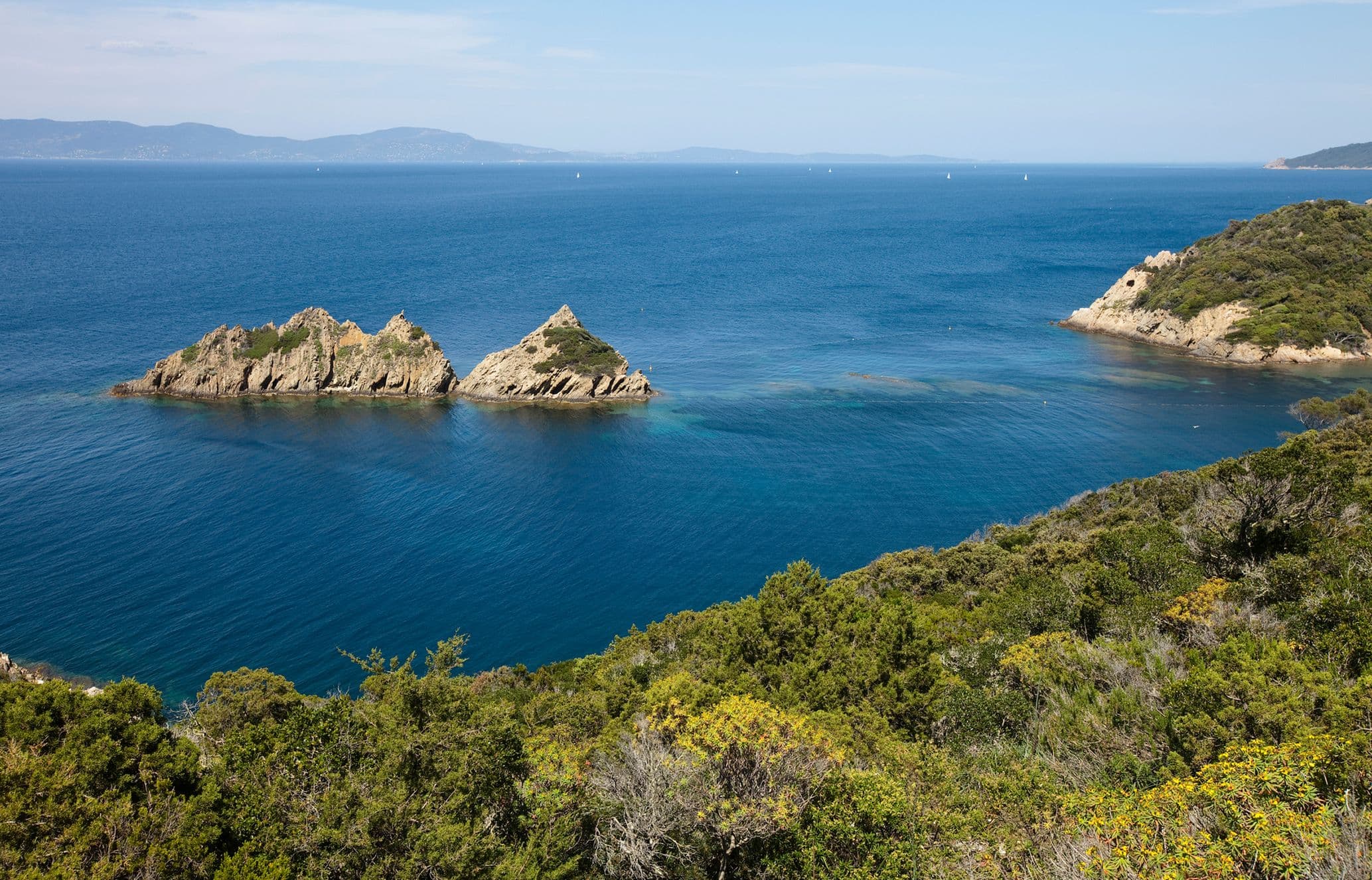
Parc National de Port-Cros, Var. Photo: iStock

4. Parc National de Port-Cros, Var

Photo index score: 32

France’s smallest national park, Port-Cros more than makes up for what it lacks in size with remarkable biodiversity above and below the waterline. Dense Mediterranean scrub shelters more than 100 bird species, while the protected waters teem with grouper, moray eel and seahorse, best explored via the marked snorkelling trail at La Palud beach. For hikers, the sentier des crêtes traces the ridgeline with 360-vistas across Îles d'Or, with the ruins of Fort du Moulin adding a historic dimension.

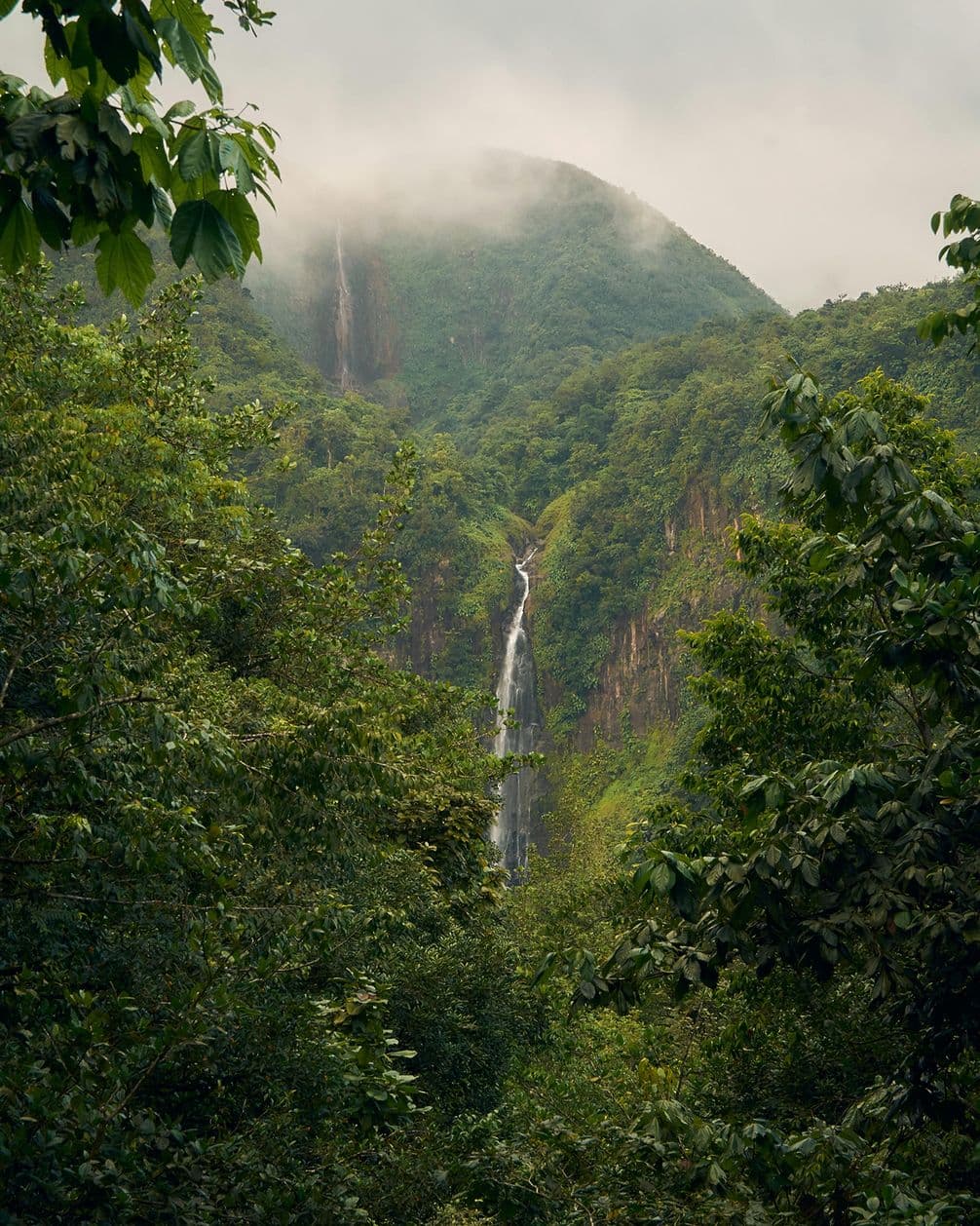
Parc National de la Guadeloupe, Guadeloupe. Photo: Pexels

5. Parc National de la Guadeloupe, Guadeloupe

Photo index score: 30

Spread across the butterfly-shaped island of Guadeloupe in the eastern Caribbean, this spot delivers a landscape unlike anything in metropolitan France – cascading waterfalls, volcanic peaks and dense rainforest. La Soufrière, one of the Caribbean’s most active volcanoes, dominates the skyline of Basse-Terre and is best photographed at dawn before cloud shrouds the summit. The Chutes du Carbet’s three-tiered waterfalls reward the hike in, while the park’s forests shelter the endangered Guadeloupe woodpecker, found nowhere else on Earth.

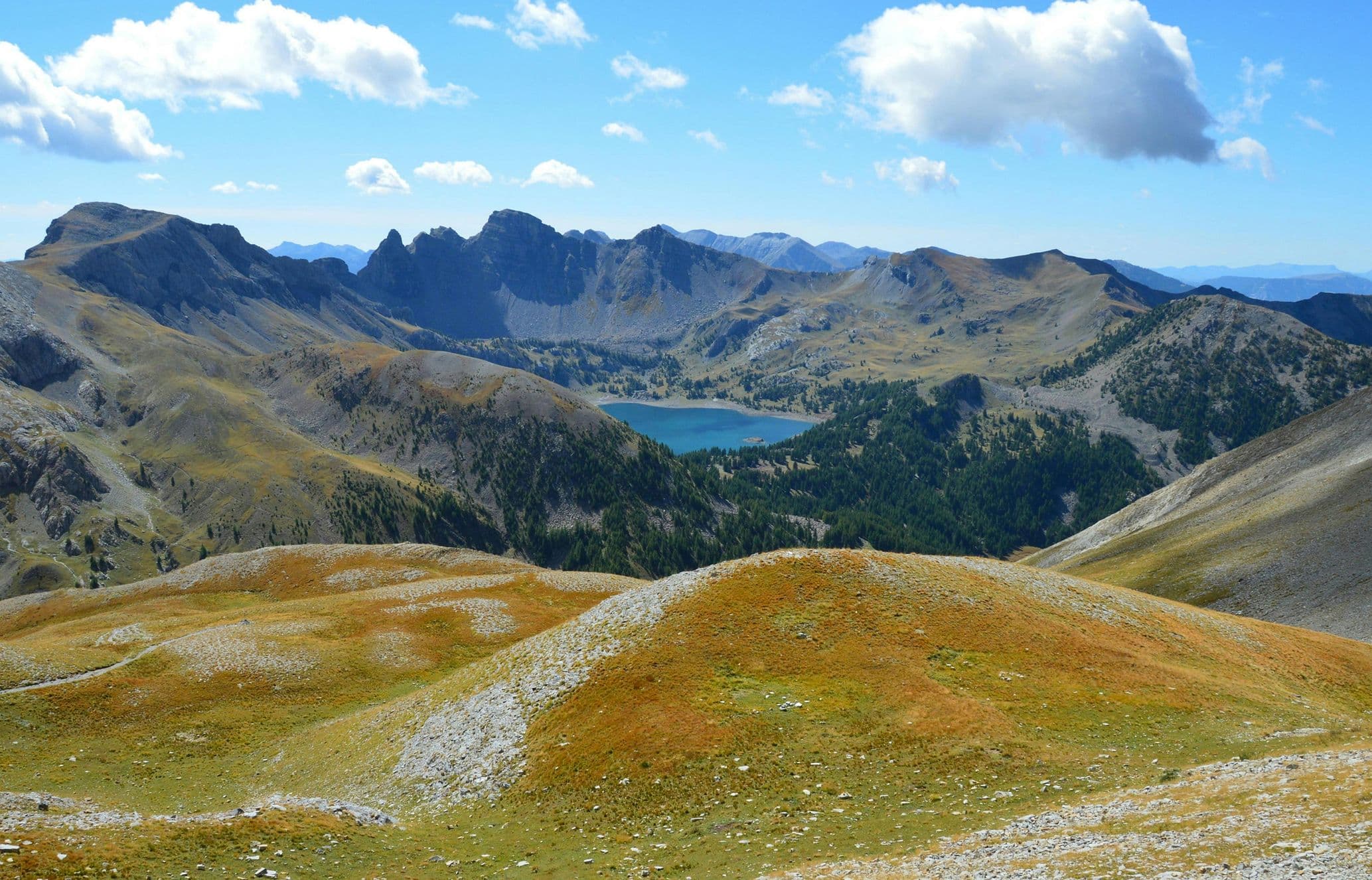
Parc National du Mercantour, Alpes-Maritimes. Photo: Pexels

6. Parc National du Mercantour, Alpes-Maritimes

Photo index score: 19

Located in France’s south-eastern corner on the Italian border, the Parc National du Mercantour rises from near the Mediterranean to summits above 3,000m within a short distance. The Vallée des Merveilles is its historic centrepiece – a remote glacial valley containing more than 40,000 Bronze Age rock engravings, best reached on foot from Lac des Mesches. Above the treeline, the park is one of France’s best places to spot wolves, alongside chamois, ibex and golden eagles in the high alpine meadows.

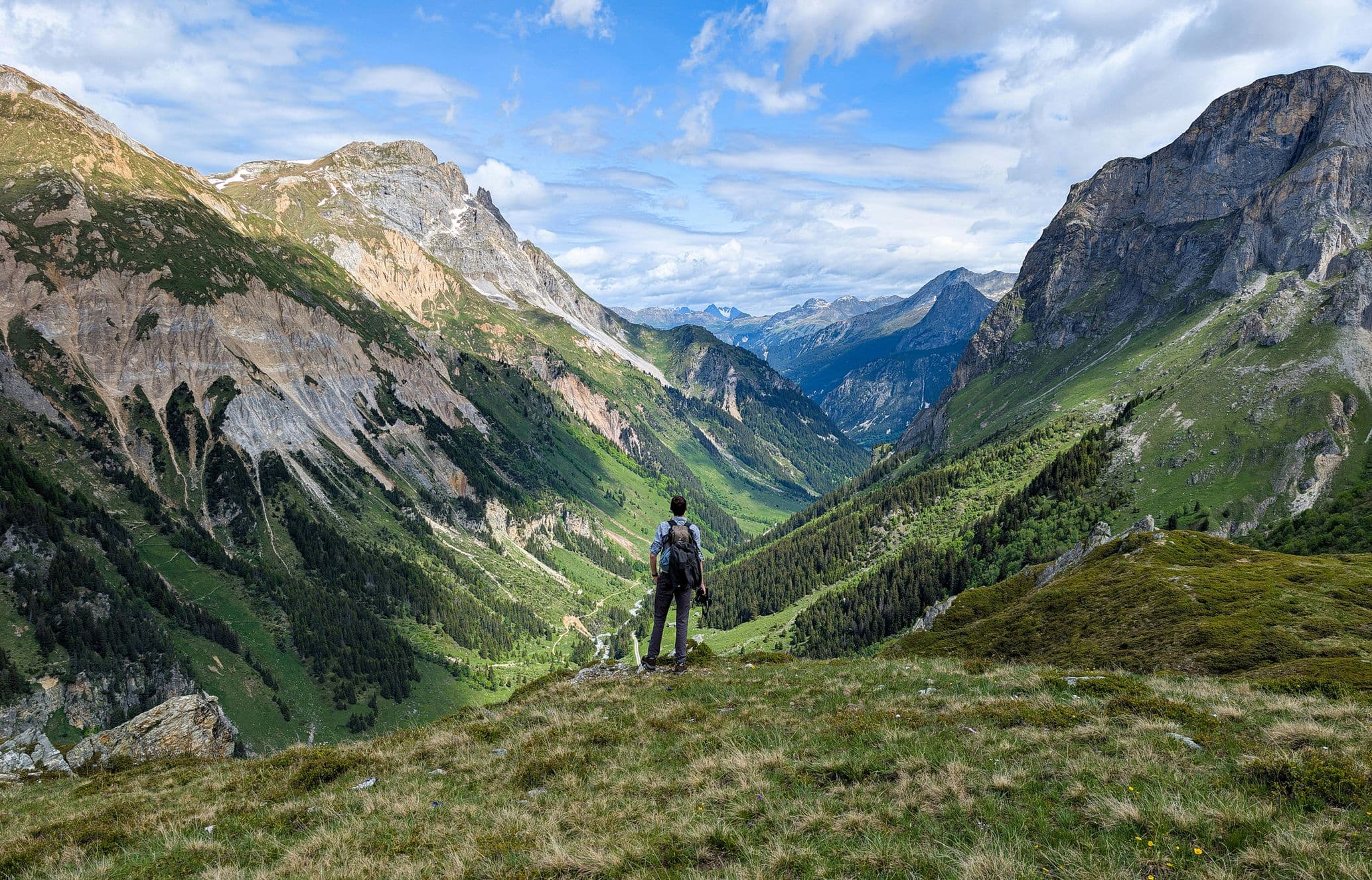
Parc National de la Vanoise, Savoie. Photo: Pexels

7. Parc National de la Vanoise, Savoie

Photo index score: 16

France’s first national park and the birthplace of alpine conservation, the Vanoise protects a high-altitude landscape of glaciers, mountain passes and alpine meadows right on the Italian border. The park’s 107 glaciers make it particularly rewarding for dawn photography, when low light catches the ice fields above the Tarentaise valley. The park is home to France’s largest population of ibex – more than 2,000 – often spotted above Pralognan-la-Vanoise in summer. The Grande Traversée connects the park with Italy’s Gran Paradiso, forming one of Europe’s greatest long-distance walks.

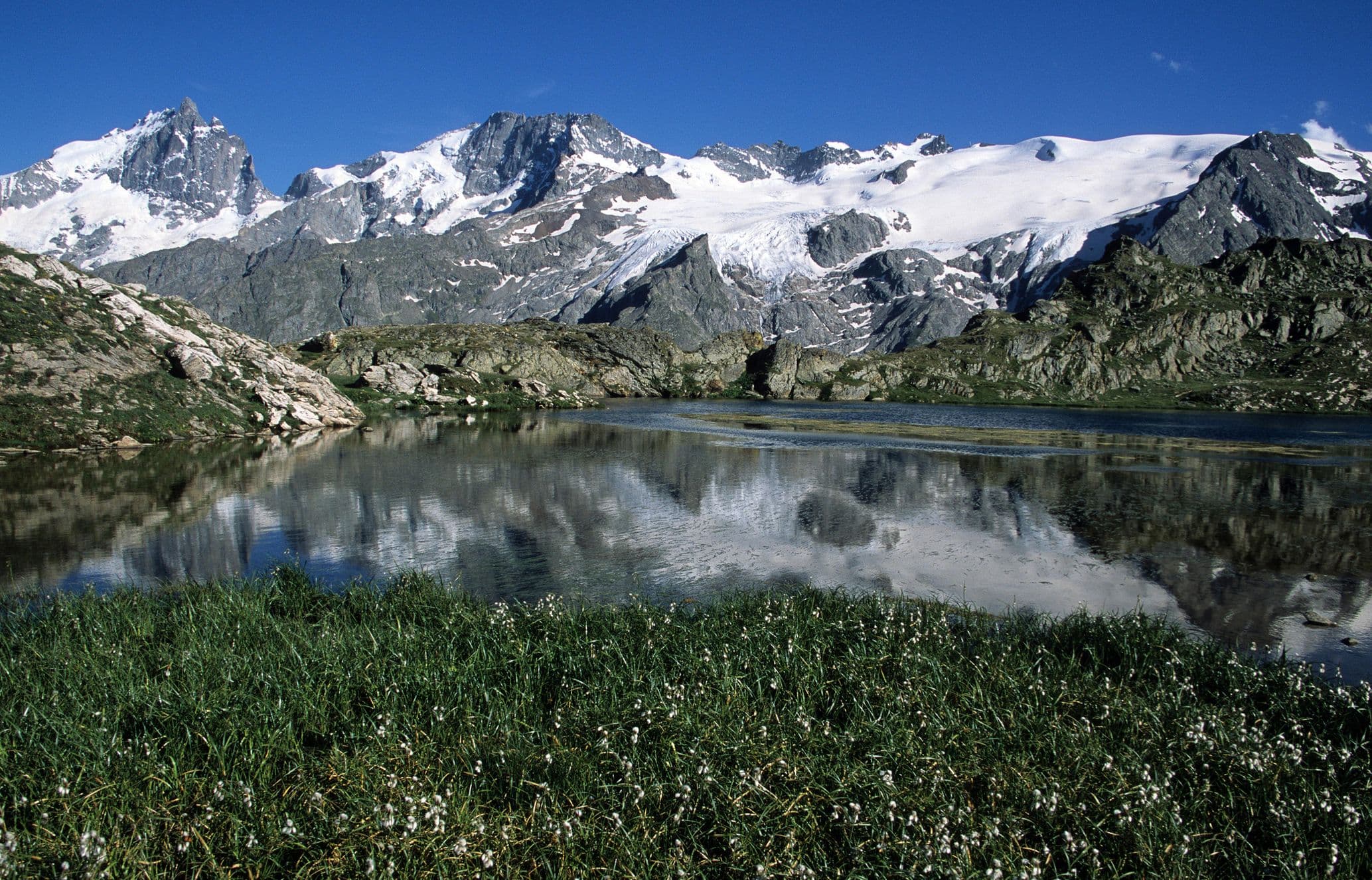
Parc National des Écrins, Hautes-Alpes. Photo: Pexels

8. Parc National des Écrins, Hautes-Alpes

Photo index score: 13

One of France’s wildest alpine parks, the Écrins rises to 4,102m at the Barre des Écrins, with a landscape of glaciers, deep valleys and flower-strewn meadows that shifts dramatically with the seasons. The Glacier Blanc, accessible from Ailefroide, is a striking composition, its frozen fields framed by jagged rock faces best captured at sunrise. In summer, more than 1,000 plant species carpet the lower slopes, while golden eagles, bearded vultures and the elusive Alpine ibex reward patient wildlife photographers above the treeline.

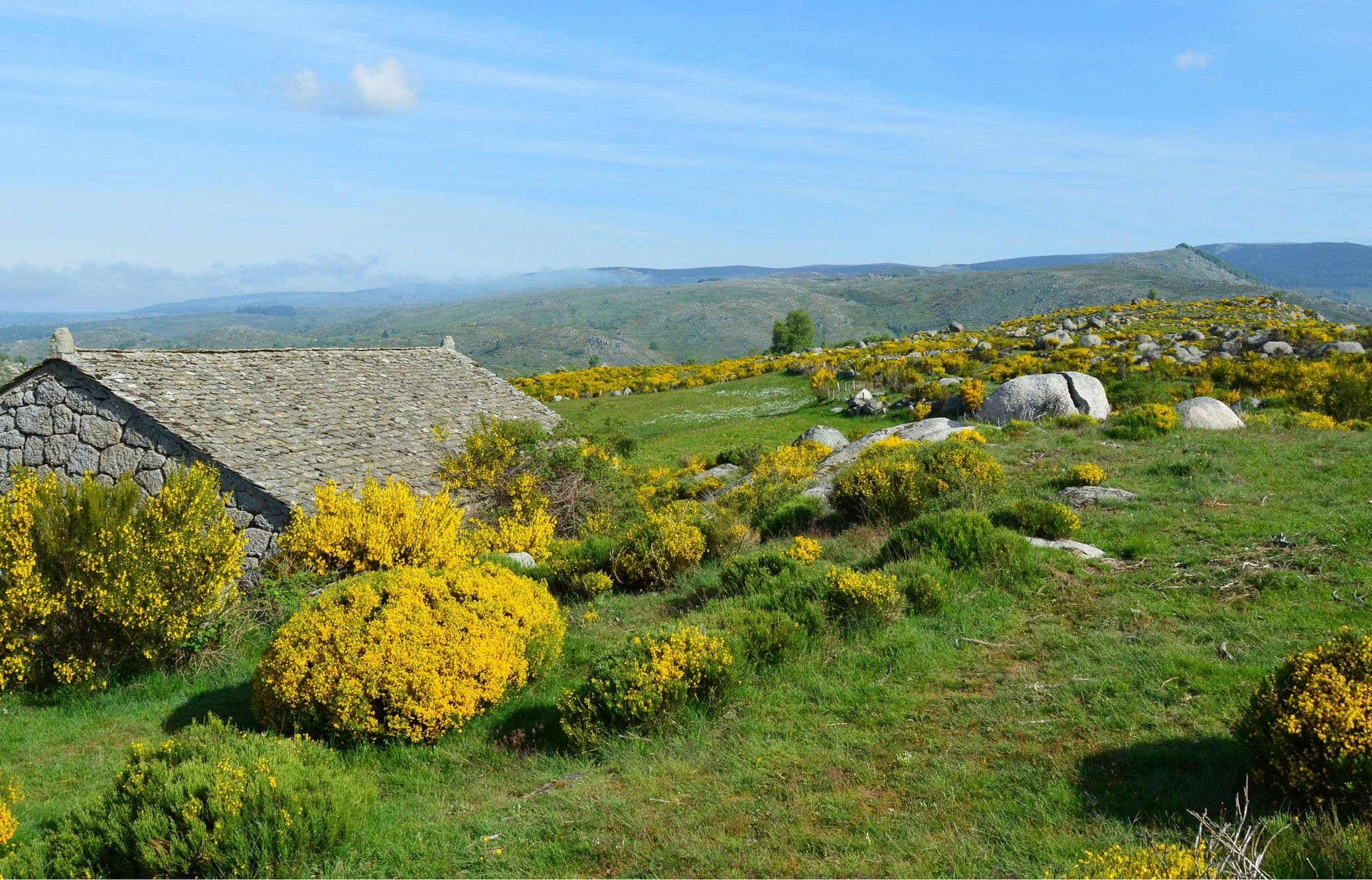
Parc National des Cévennes, Lozère. Photo: Pexels

9. Parc National des Cévennes, Lozère

Photo index score: 12

The only national park in France designated as both a Unesco World Heritage site and an International Dark Sky Reserve, the Cévennes stretches across a landscape of granite plateaux, chestnut forests and deep river gorges in the southern Massif Central. The Gorges du Tarn is a standout viewpoint – sheer limestone walls dropping to the river below, best photographed from the Roc des Hourtous at golden hour. After dark, exceptionally low light pollution makes this one of Europe’s finest locations for astrophotography, with Mont Aigoual and the expansive Causse Méjean plateau as hotspots for undisturbed views of the Milky Way.

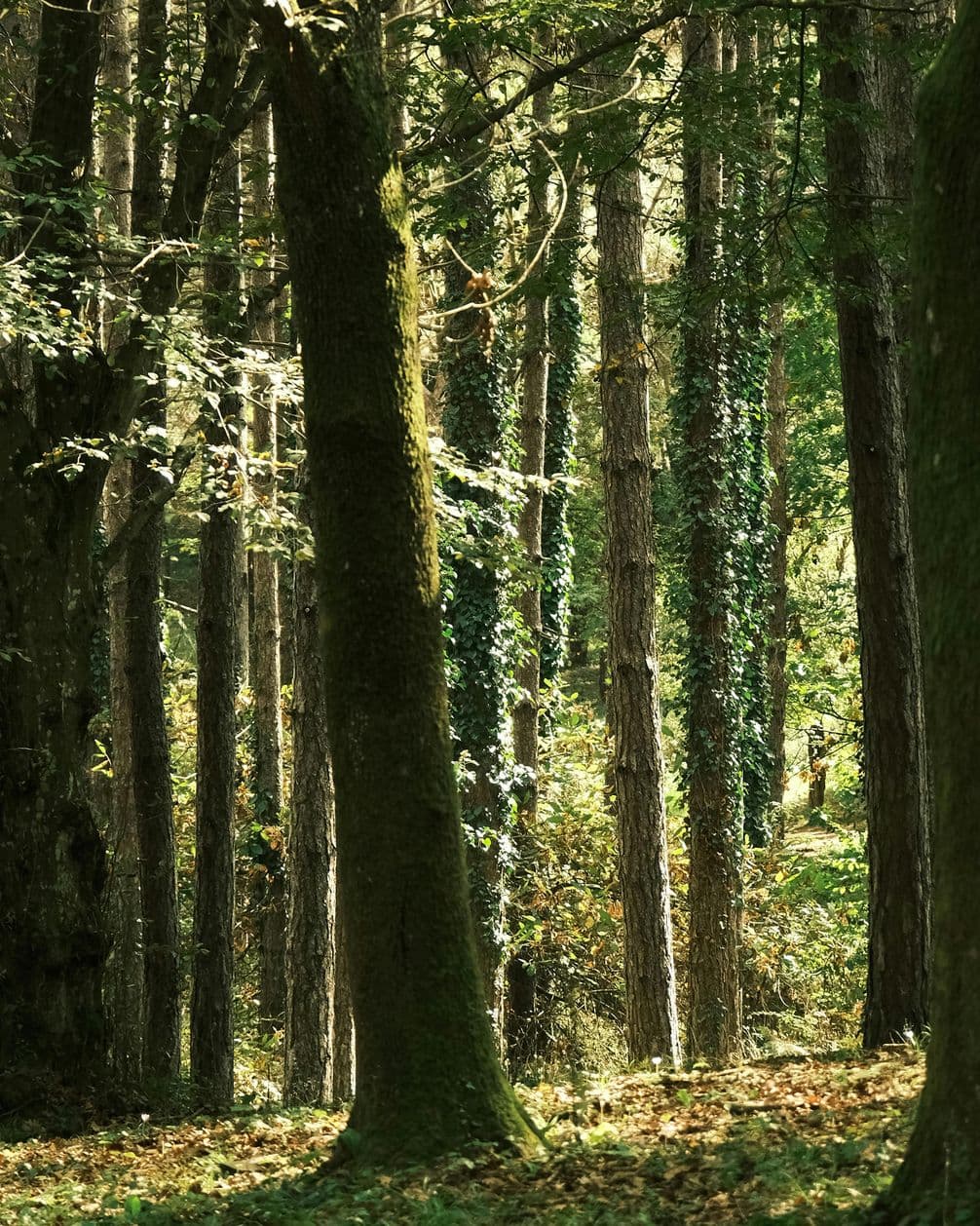
Parc National de Forêts, Haute-Marne. Photo: Pexels

10. Parc National de Forêts, Haute-Marne

Photo index score: 1

France’s newest national park and its only lowland forest park, the Parc National de Forêts showcases an extensive ancient woodland between Burgundy and Champagne. Unlike its alpine counterparts, it rewards slower exploration – dense oak and hornbeam forests create atmospheric compositions year-round, from spring wildflowers to vivid autumn colours. Red deer, roe deer and wild boar roam freely, while the park’s network of unmarked trails and lack of crowds adds to its appeal.

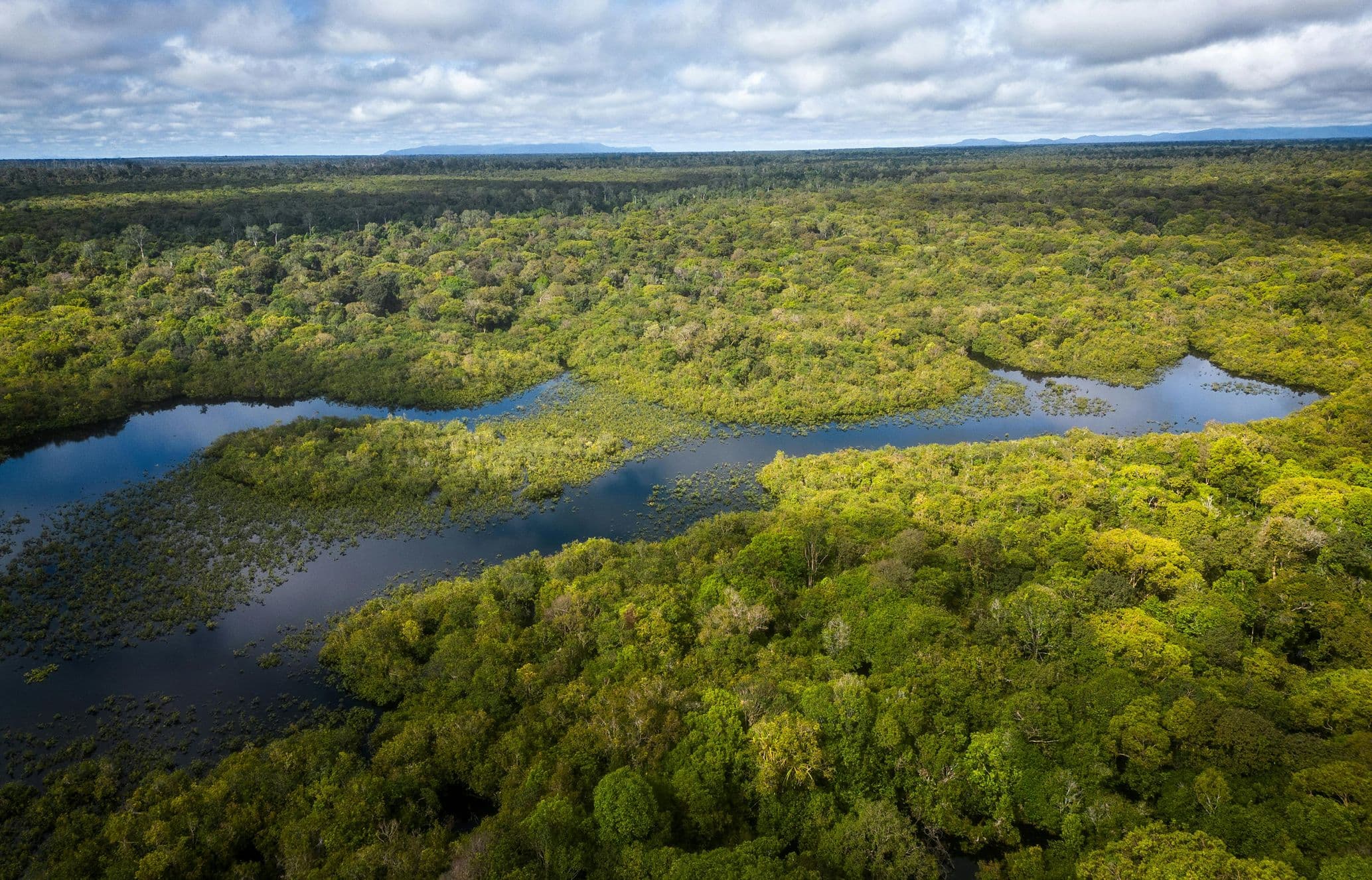
Parc Amazonien de Guyane, French Guiana. Photo: Pexels

11. Parc Amazonien de Guyane, French Guiana

Photo index score: 0

The largest national park in France and the European Union, the Parc Amazonien de Guyane is home to one of the finest biodiverse ecosystems on Earth. Covering an immense swathe of Amazonian rainforest bordering both Brazil and Suriname – in an area larger than Switzerland – the park’s main challenge is accessibility. Much of the site can only be reached by pirogue along the Maroni and Oyapock rivers, or on foot through dense jungle, housing jaguars, river otters, eagles and various primate species.

Methodology

To determine the most photographed French national parks, Popsa’s data science team analysed millions of photos uploaded by customers in 2025. Using location metadata, we identified images taken within the boundaries of French national parks and ranked by total photo volume.

Each park was assigned a photo index score reflecting its relative share of images within the dataset. Scores were then normalised on a scale of 0-100, with the most photographed park set as the benchmark. The result is a ranking that reflects real traveller behaviour, highlighting not just where people visit, but where they are most inspired to capture their memories.

Last ned appen

Finn minnene raskere med eksklusive funksjoner som ansiktsgjenkjenning og smarte album.

App StoreApp Store
Last ned appen