
Viaggi
21 Photos: finding silence and solitude in the Seychelles
Far from the polished inner islands, the Seychelles’ outer atolls offer true remoteness – and a chance to shoot paradise at its wildest

4 Dec, 2025∙10 min
Viaggi
Far from the polished inner islands, the Seychelles’ outer atolls offer true remoteness – and a chance to shoot paradise at its wildest
4 Dec, 2025∙10 min
Journalist and travel writer Luke Abrahams has spent years chasing stories across continents, but it’s the quieter corners of the world that continue to pull him back.
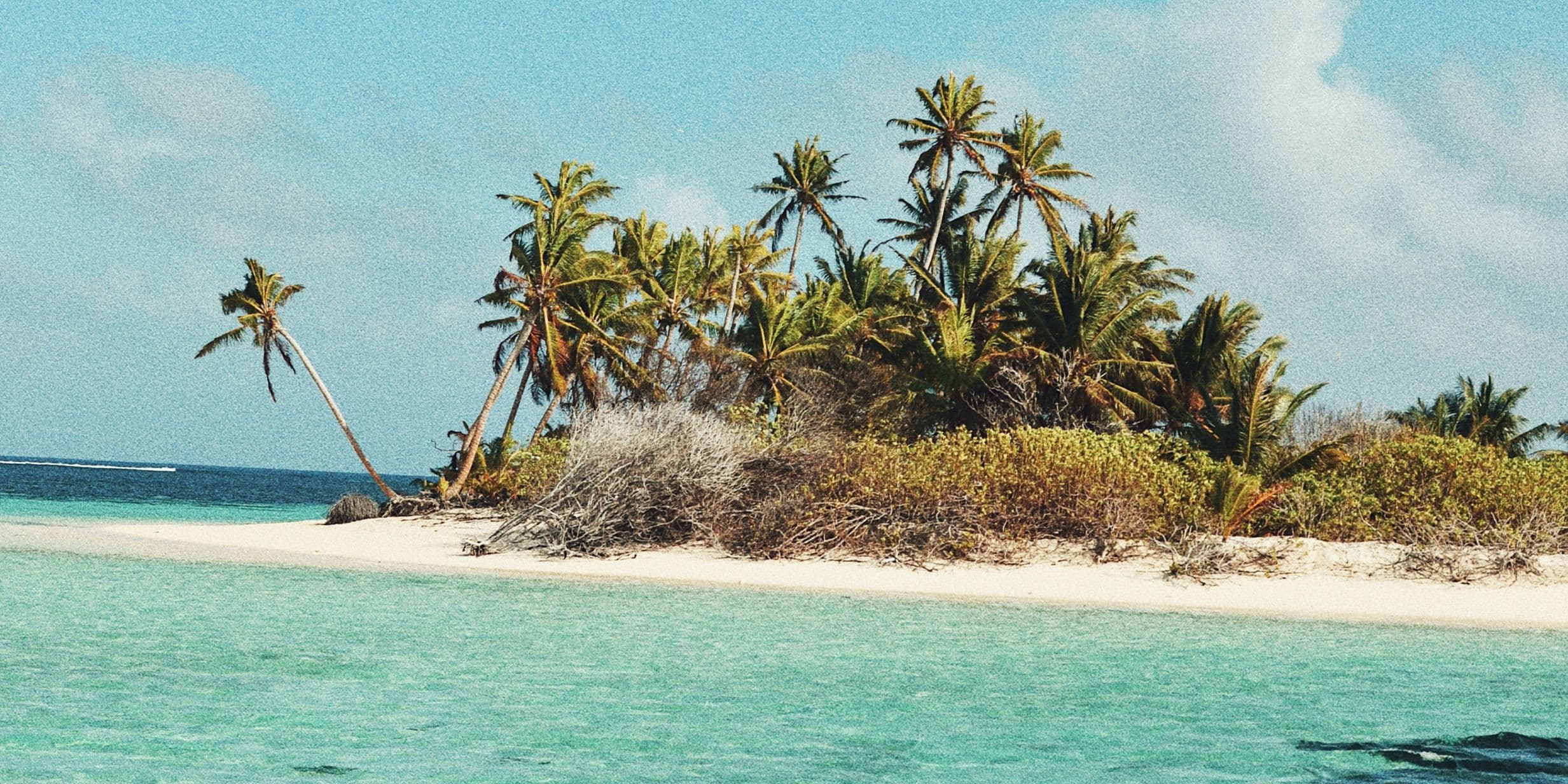
When you picture the Seychelles, chances are the iconic granite boulders fringing the shores of La Digue come to mind. It’s the quintessential scene along with whale sharks weaving through shimmering schools of fish and brilliant white sands framed by coconut palms – paradise is synonymous with this island nation set in the languid waters of the Indian Ocean.
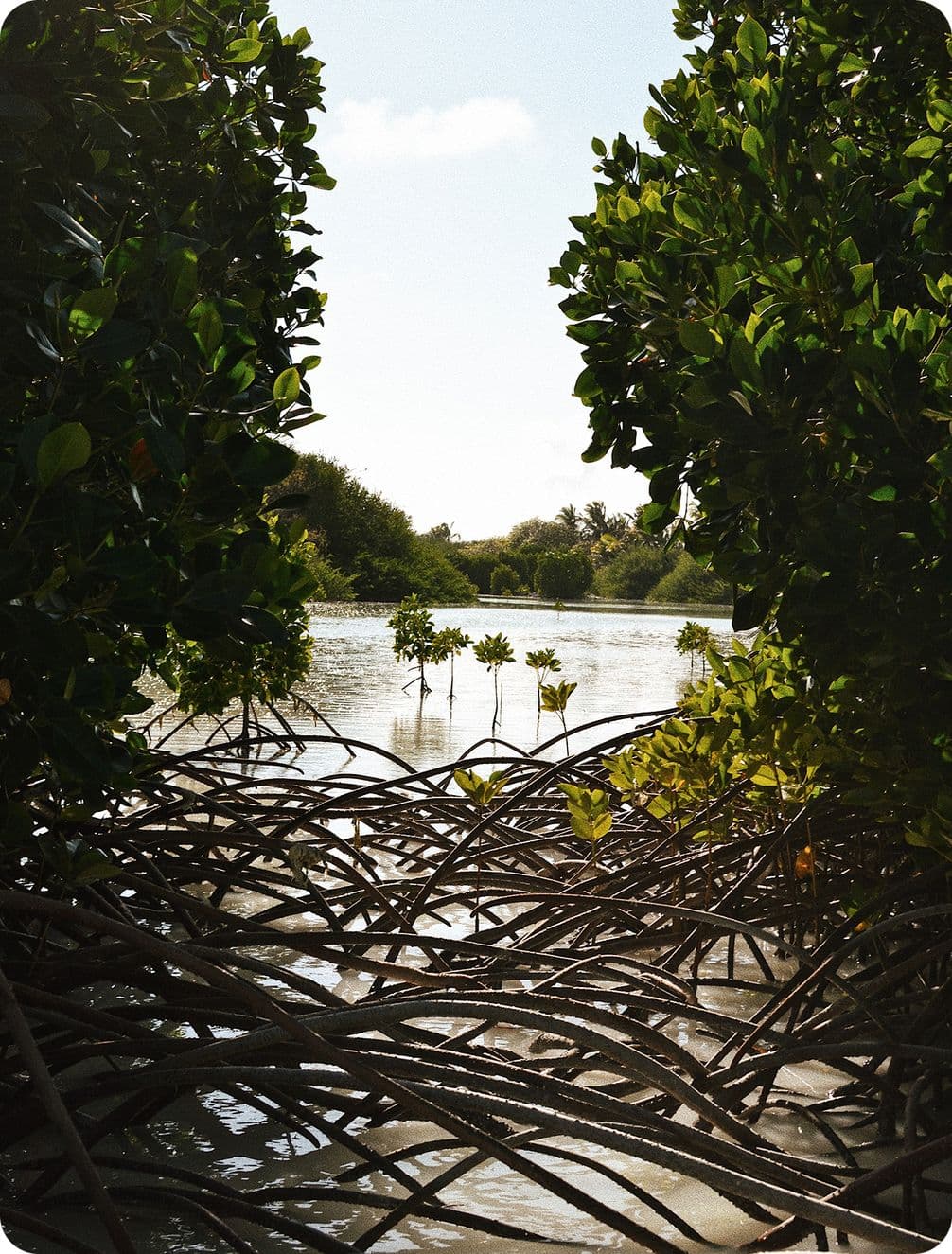
Photo: Luke Abrahams
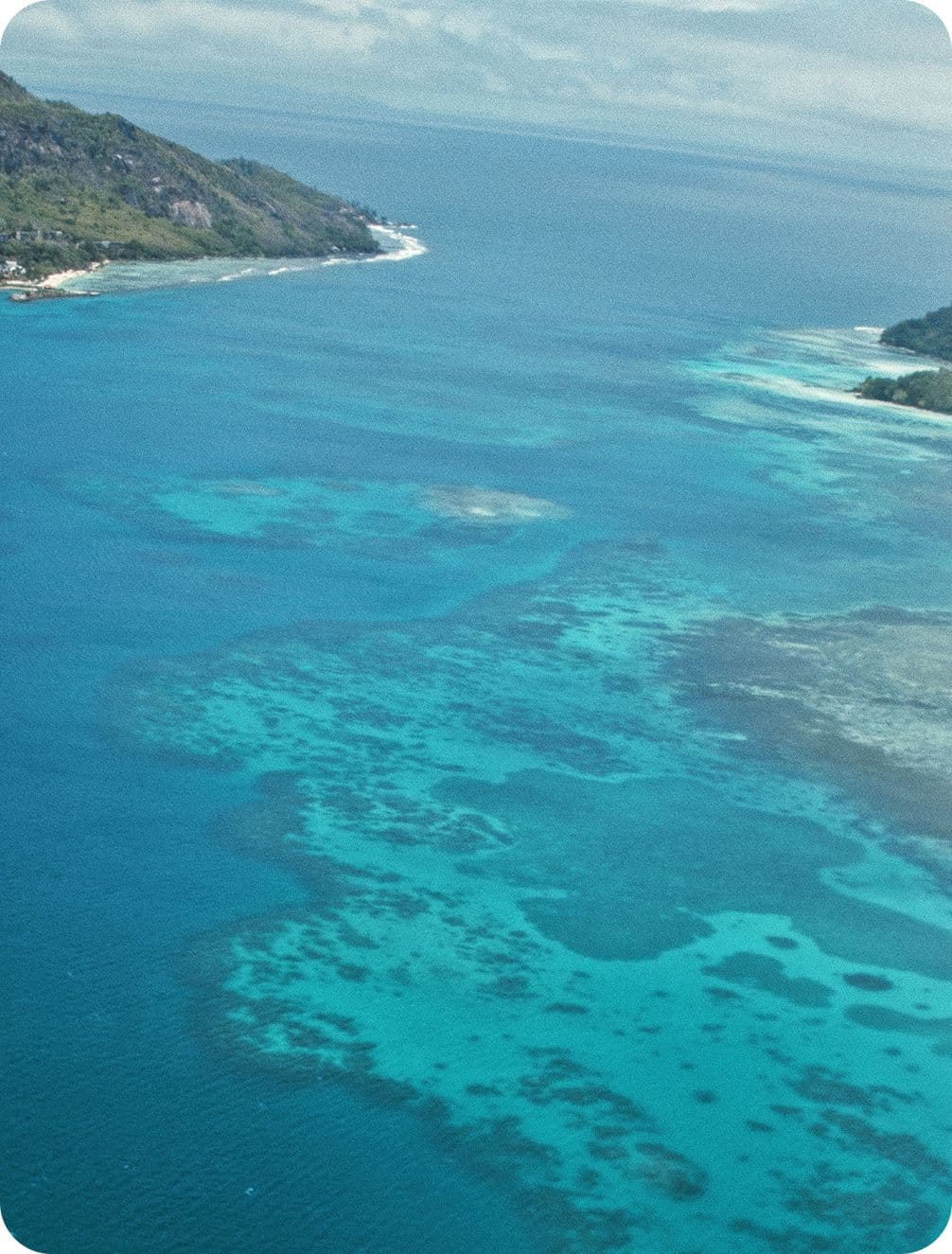
Photo: Luke Abrahams
Despite its utopian image, the Seychelles has a raw, untamed side that often slips under the radar, thanks, in part, to the curated version we often see on Instagram. Scroll through the Explore feed and you’ll find an endless reel of glossy resorts, emerald forests and those boulder-studded beaches. But that’s only one face of the Seychelles’ paradisiacal coin. If it’s remoteness you’re after, my advice is simple: trade the polished resorts of the inner islands for the untouched outer atolls. Out there, the world feels so primal, so otherworldly, it’s as if you’ve stepped onto another planet. Eerie? Perhaps. But these days, finding such silence and solitude feels nothing short of a privilege.
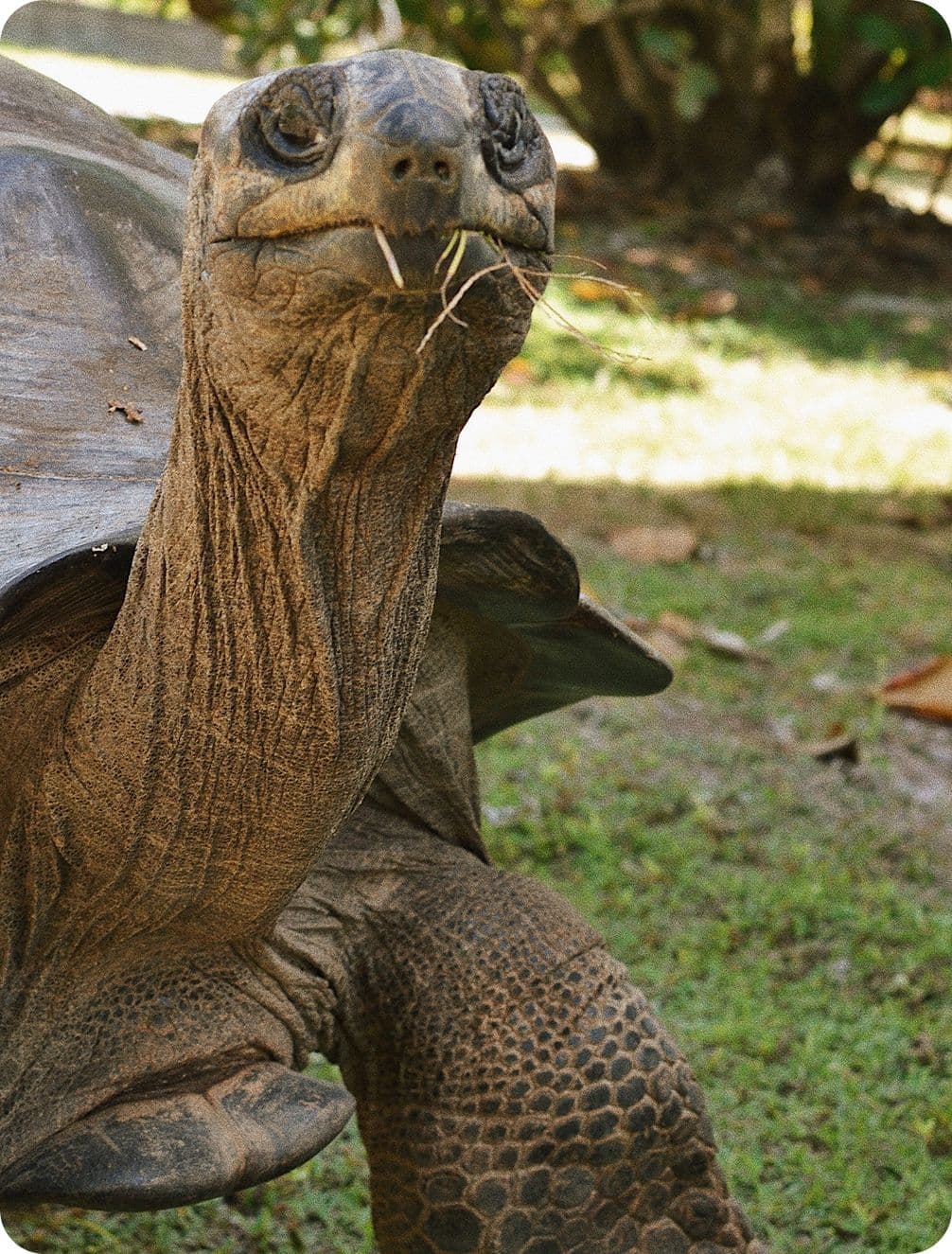
Photo: Luke Abrahams
Set 400km off the southeastern coast of Mahé (the main atoll), the Alphonse Island group is one of the planet’s most naturally isolated wonders. The remains of ancient undersea mountains, it’s surrounded by nothing but endless ocean and uninhabited islands. The only hint of civilisation here comes in the form of a lodge, managed by Blue Safari. Most visitors come to fish – it’s one of the best catch-and-release destinations on Earth – while others dive or get involved in the group’s many conservation projects centred around giant manta rays, numerous shark species, giant tortoises (I met a particularly strapping one named George) and turtles.
Photos: Luke Abrahams
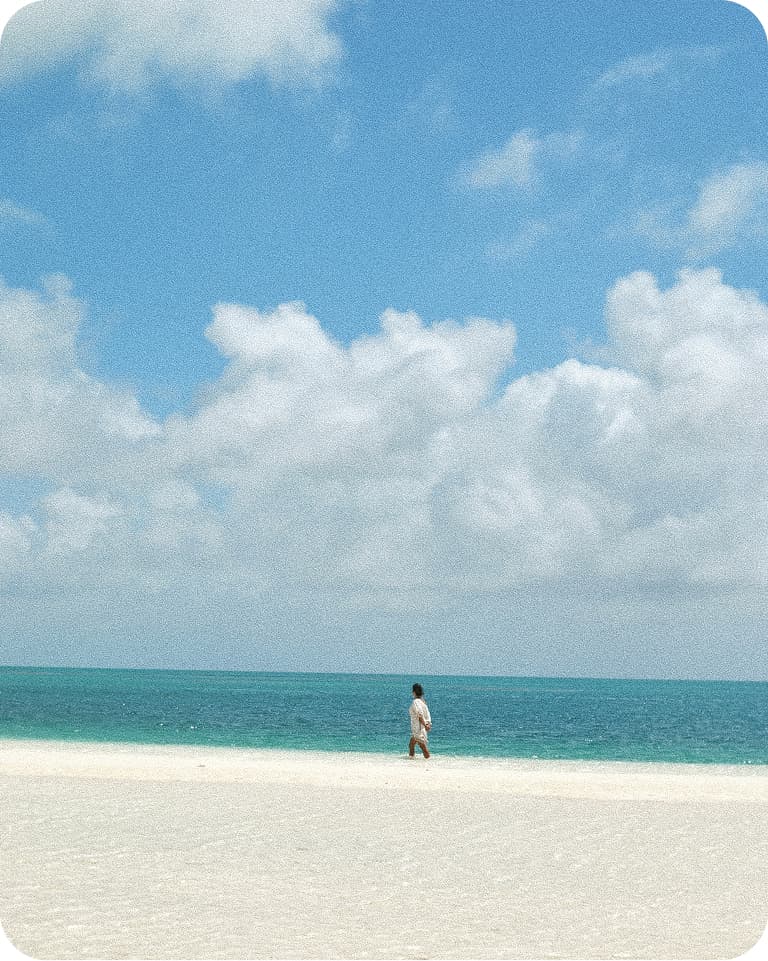
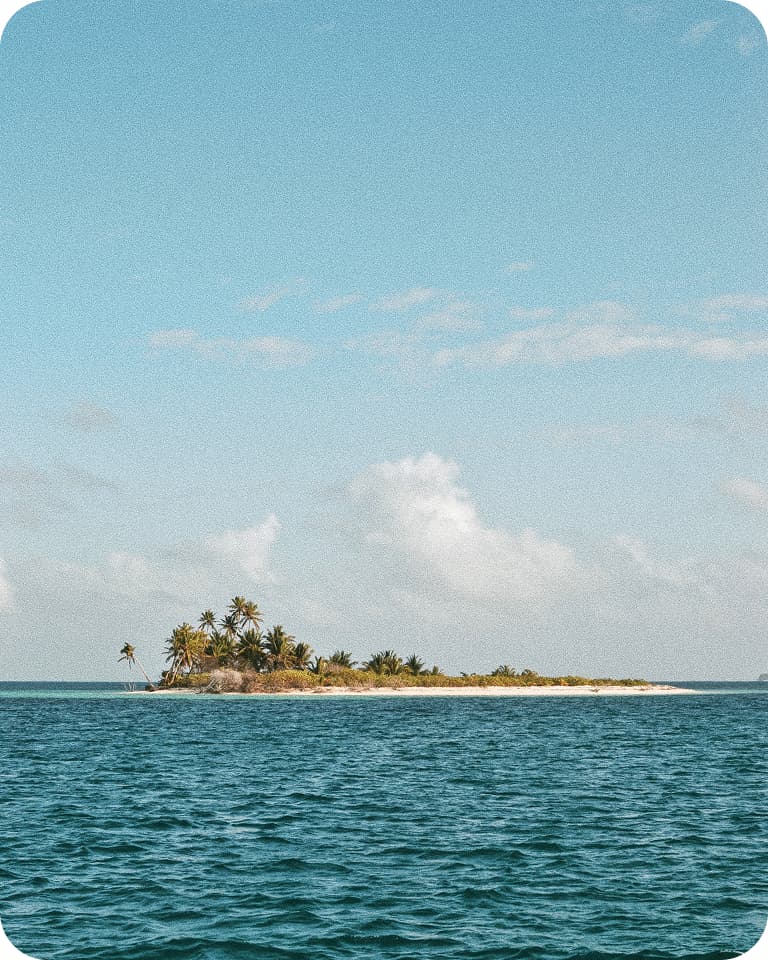
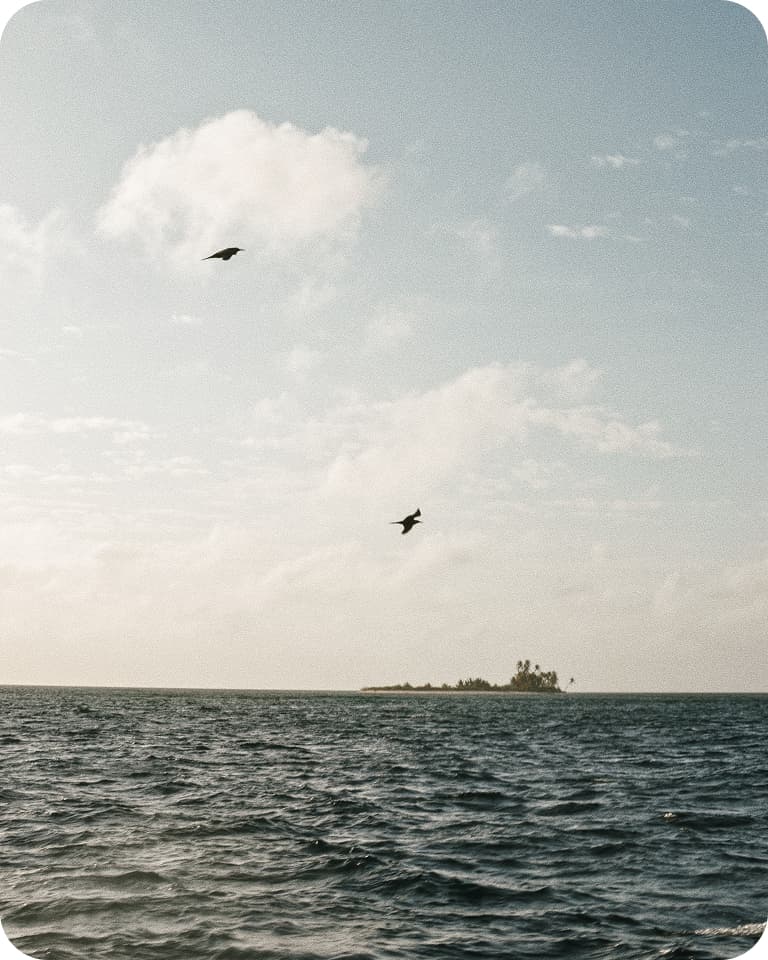
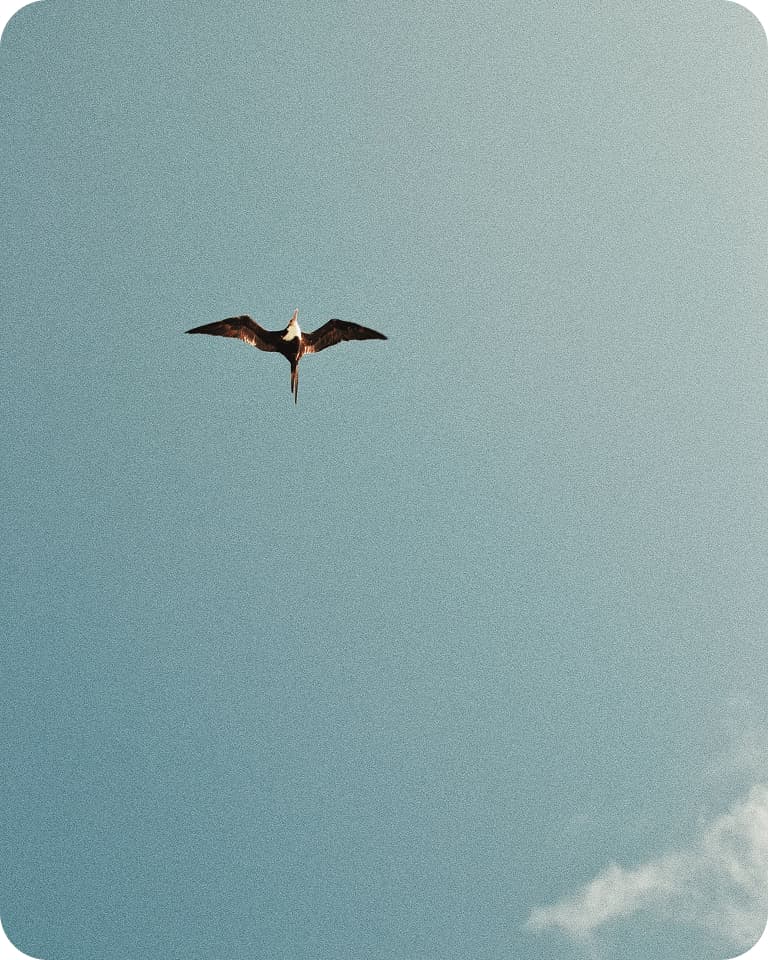
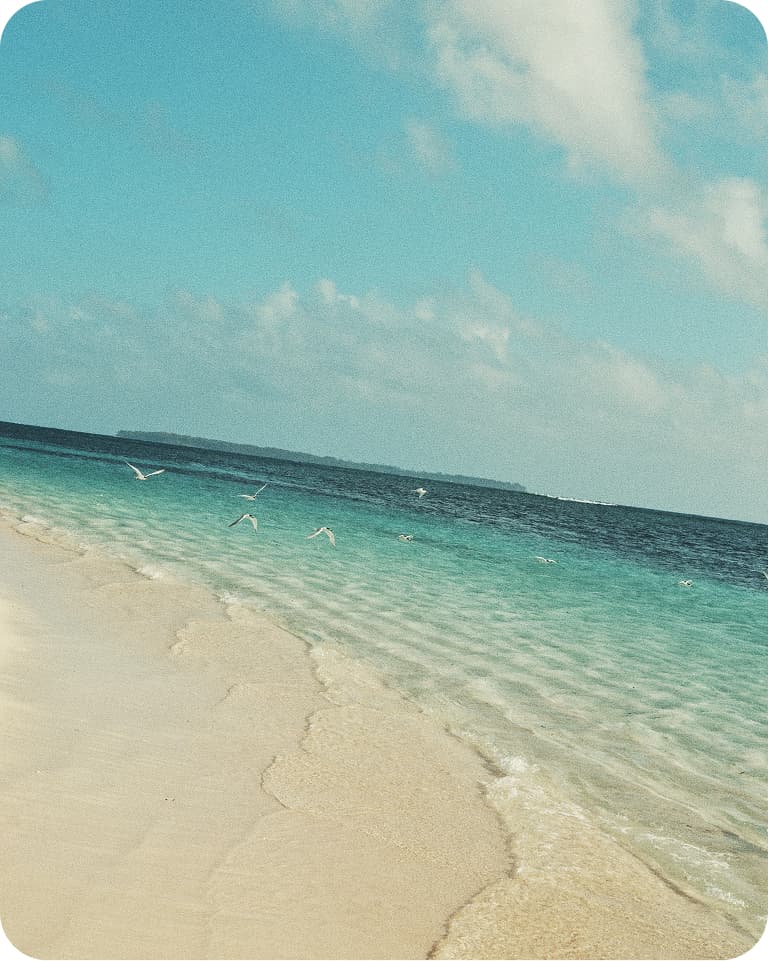
I like to revel in the topic du jour: glorious isolation. If ever there was a place to escape to and photograph without another soul in sight, this is it. Between you and a 5,234-metre plunge into an undersea trench lies a dazzlingly clear reef and, quite literally, nothing else. Here, you feel truly alone – and that’s the magic. With human life virtually non-existent, the neighbouring islands and protected marine reserves remain untouched. You see a raw world, one unscarred by globalisation or mobile signals.
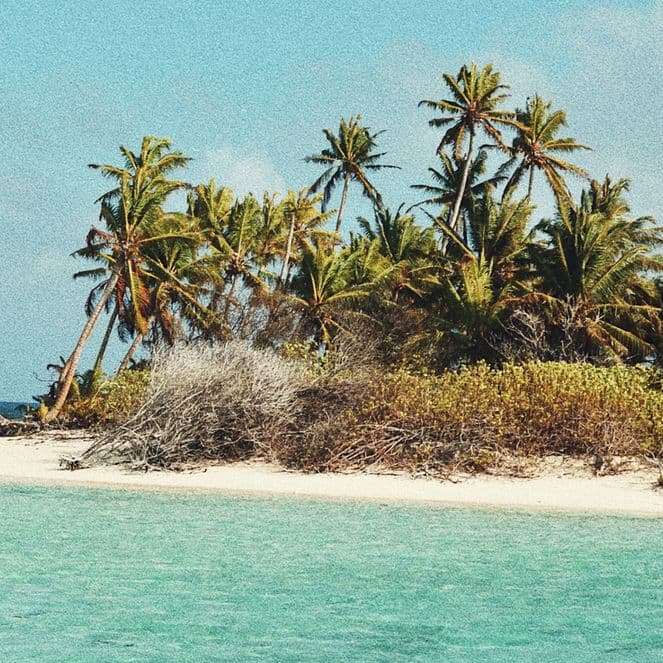
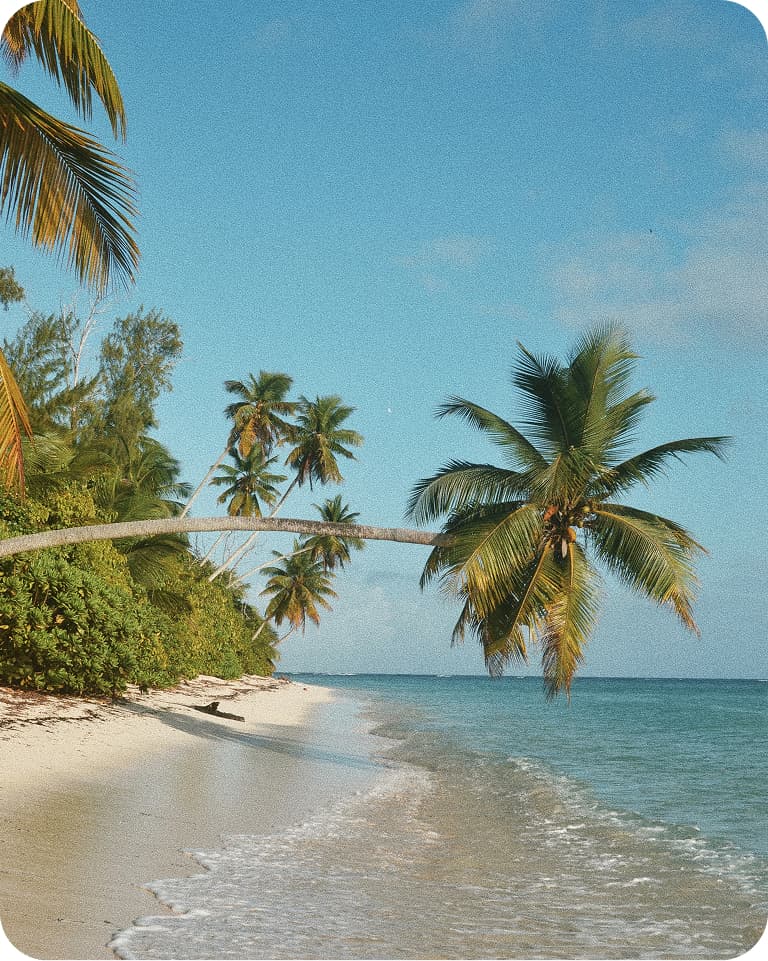
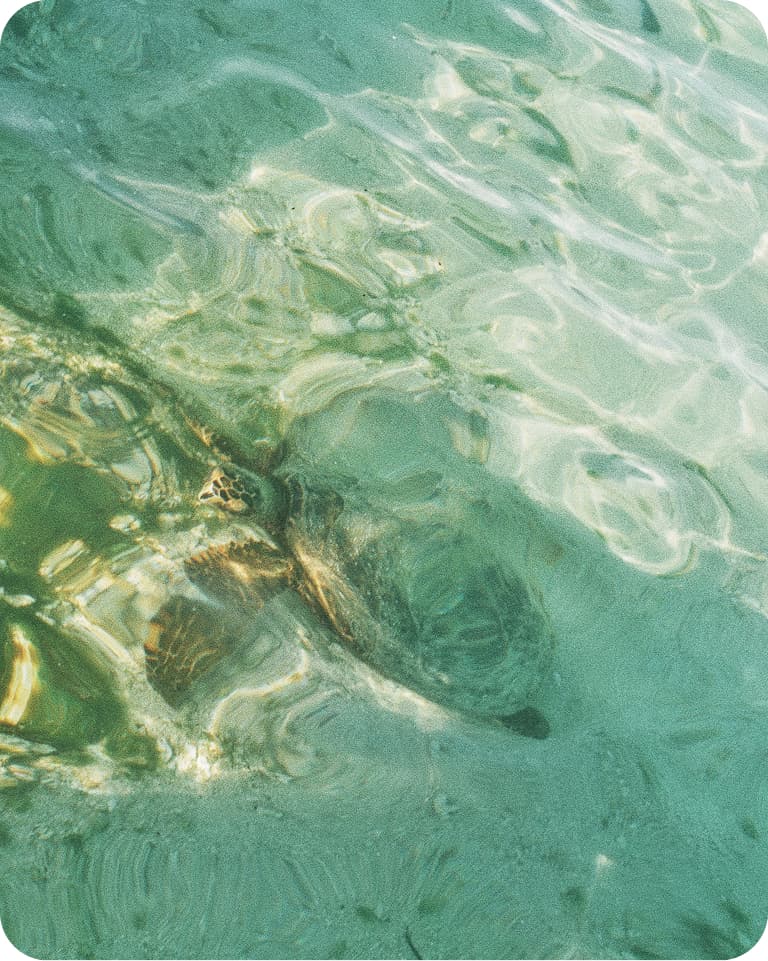
The islands here – unlike those of the Maldives – are as Robinson Crusoe as it gets. On Alphonse Island, the sands are blindingly white, sprinkled with seagrass and other ocean-borne plants washed ashore from the deep. Out at sea, it’s wild. Wade waist-deep at high tide and green sea turtles glide around you, curious and hungry, often mistaking your shadow for the seagrass they love so much. Stingrays and darting reef fish flash through the corals, adding bursts of colour to the blue.
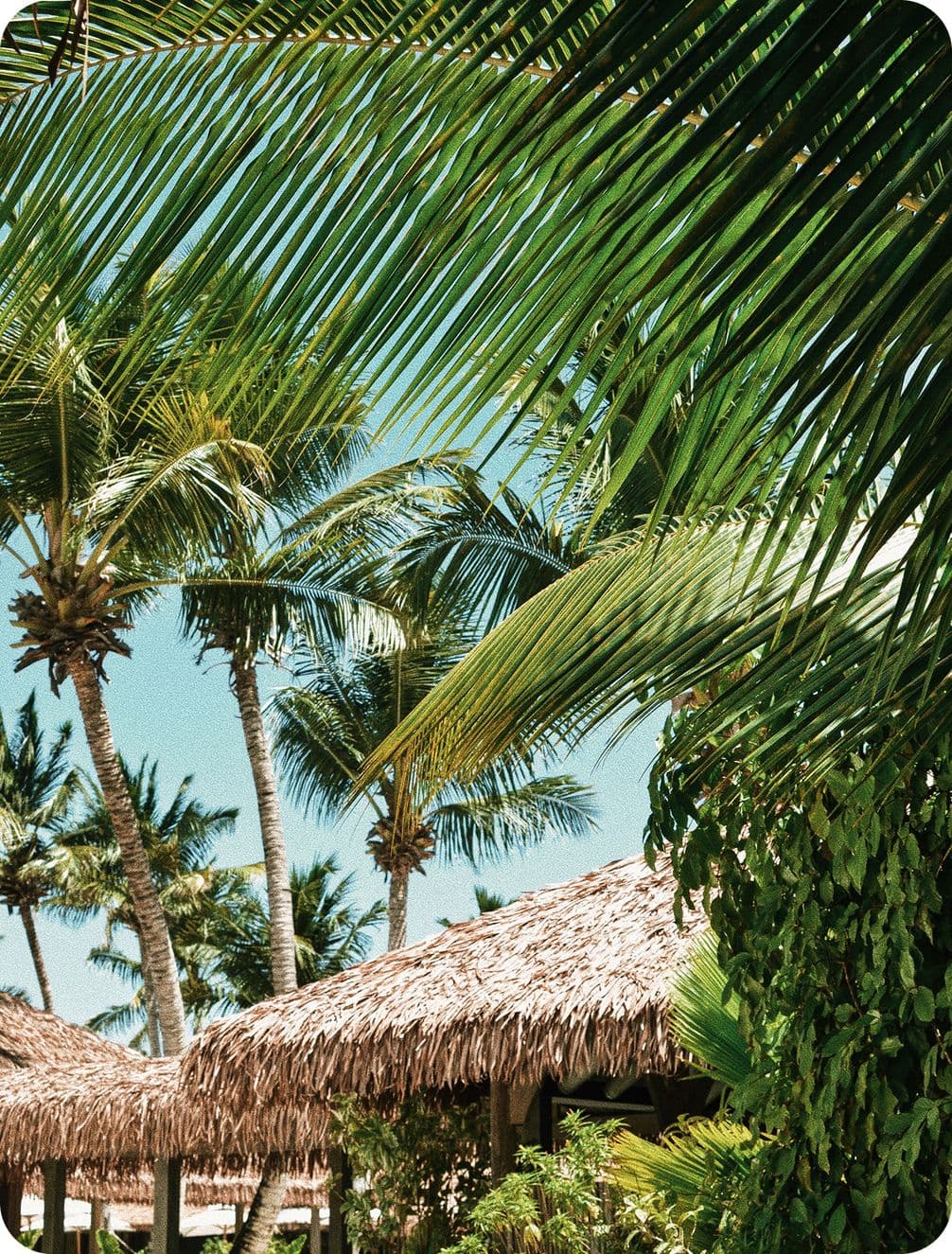
Photo: Luke Abrahams
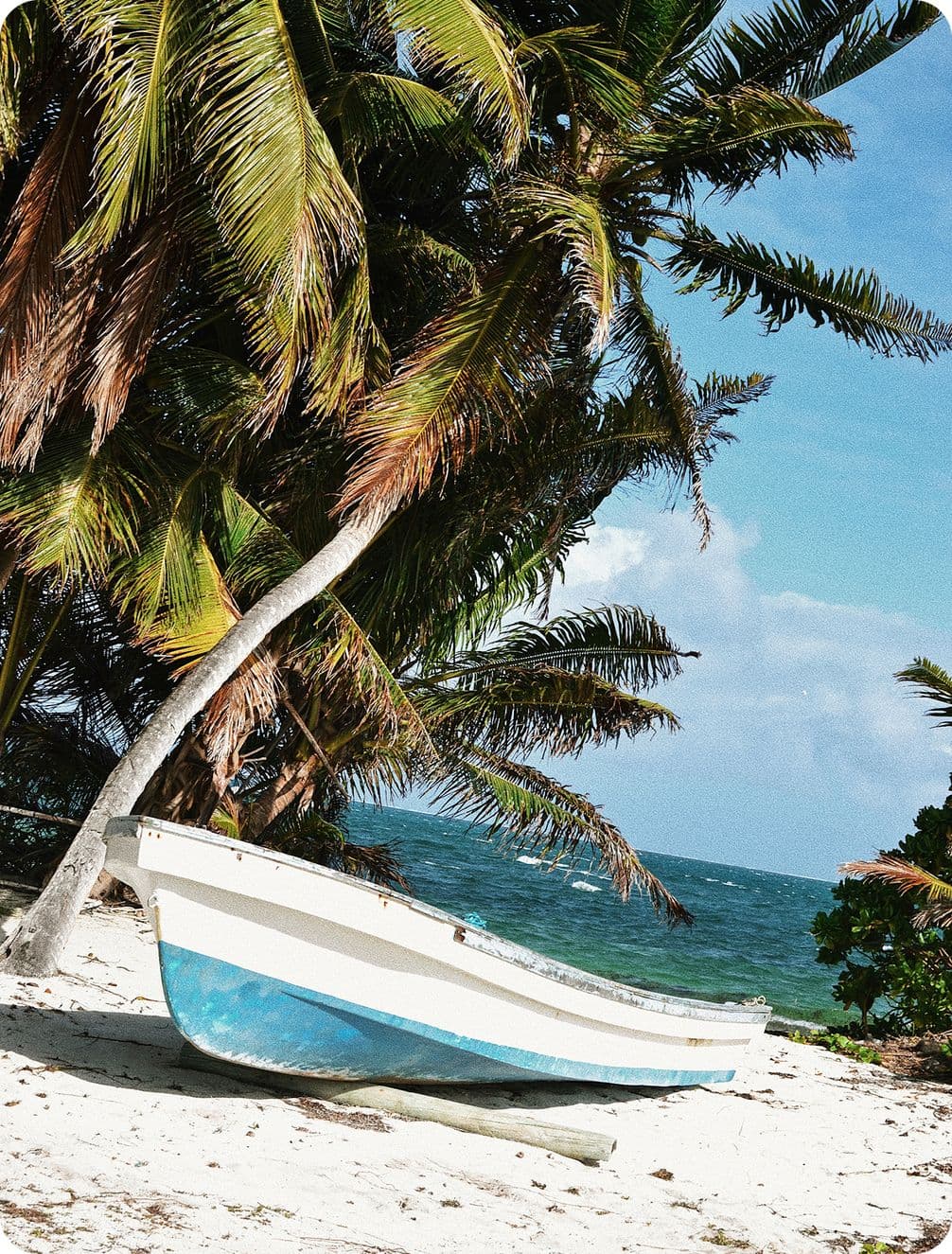
Photo: Luke Abrahams
Photos: Luke Abrahams
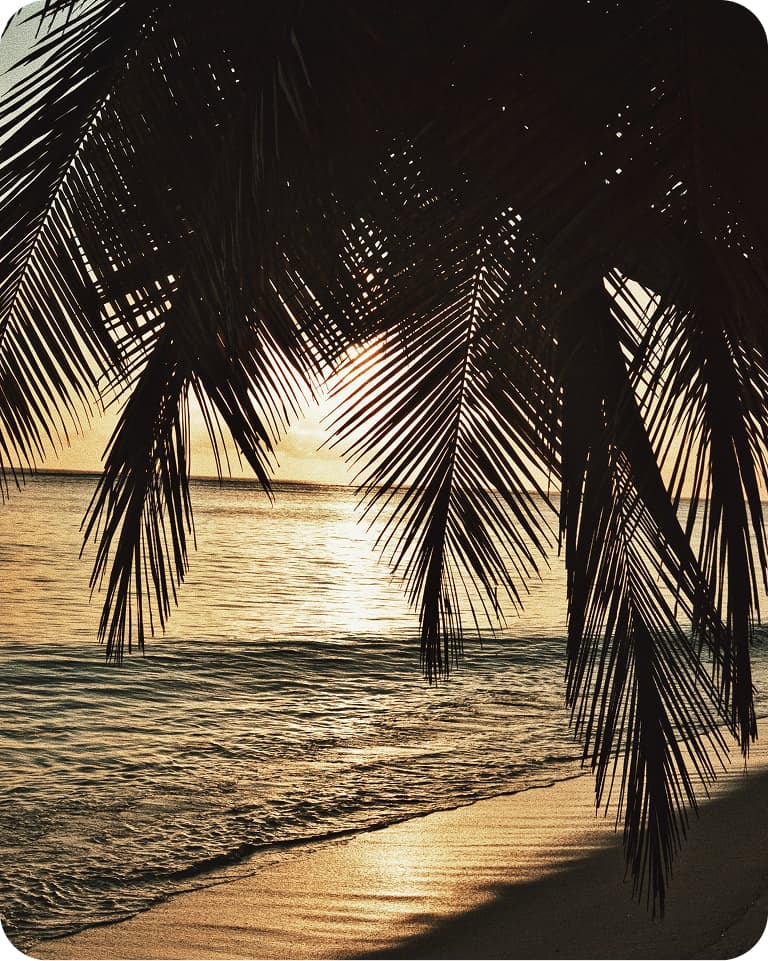
Inland, the adventures continue around the palms. Most of the outer islands in the Seychelles are former coconut plantations and have either been left to overgrow, or in the case of Alphonse, transformed into luxe hotels. Remnants of the island’s past are visible throughout: old lodges, grave sights and trails that wind through this sand patches’ trail of forests. All are best photographed around midday when the light pierces through the tops of the trees. The casting shadows give an almost luminous halo effect that spreads from the trunks onto the forest floor.
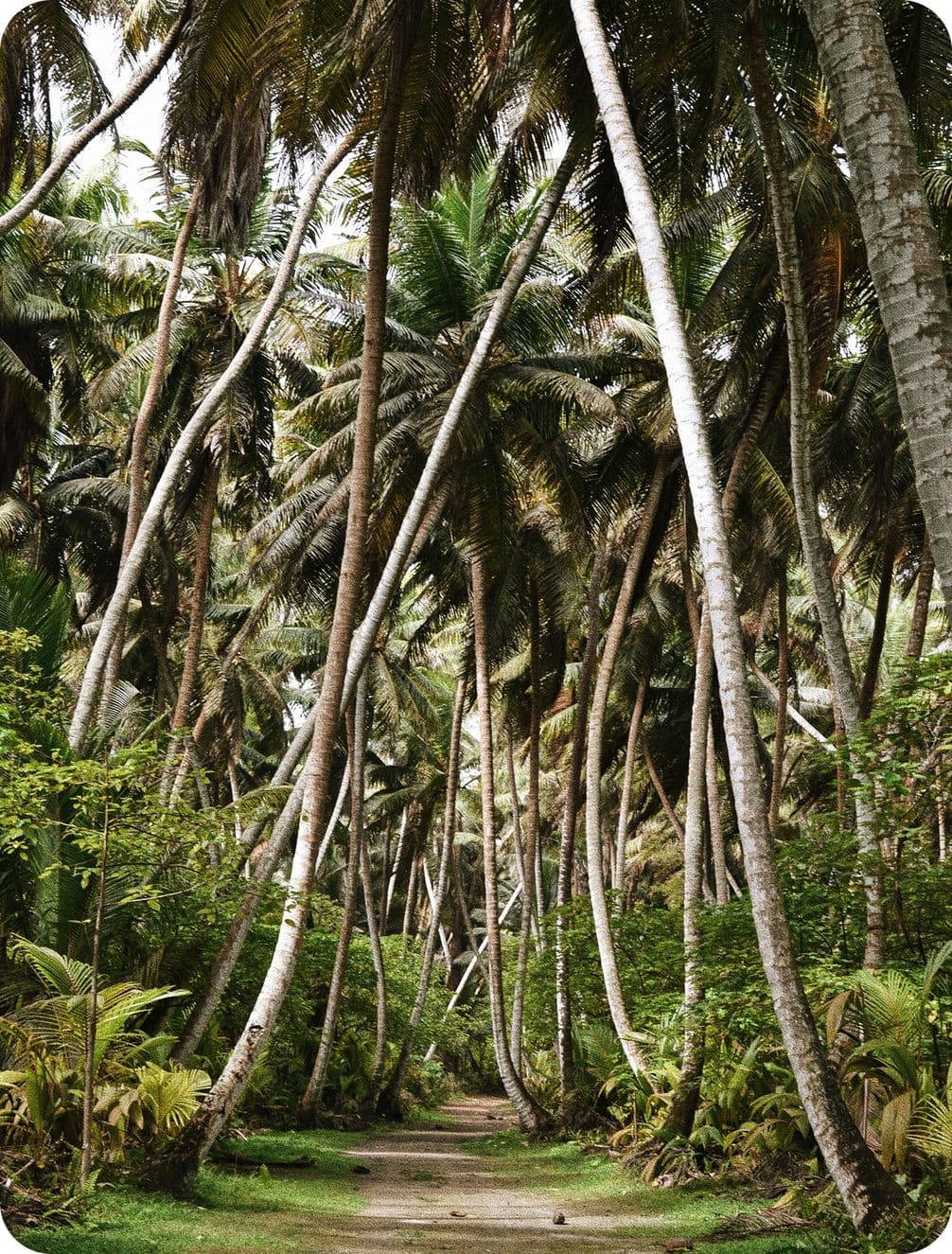
Photo: Luke Abrahams
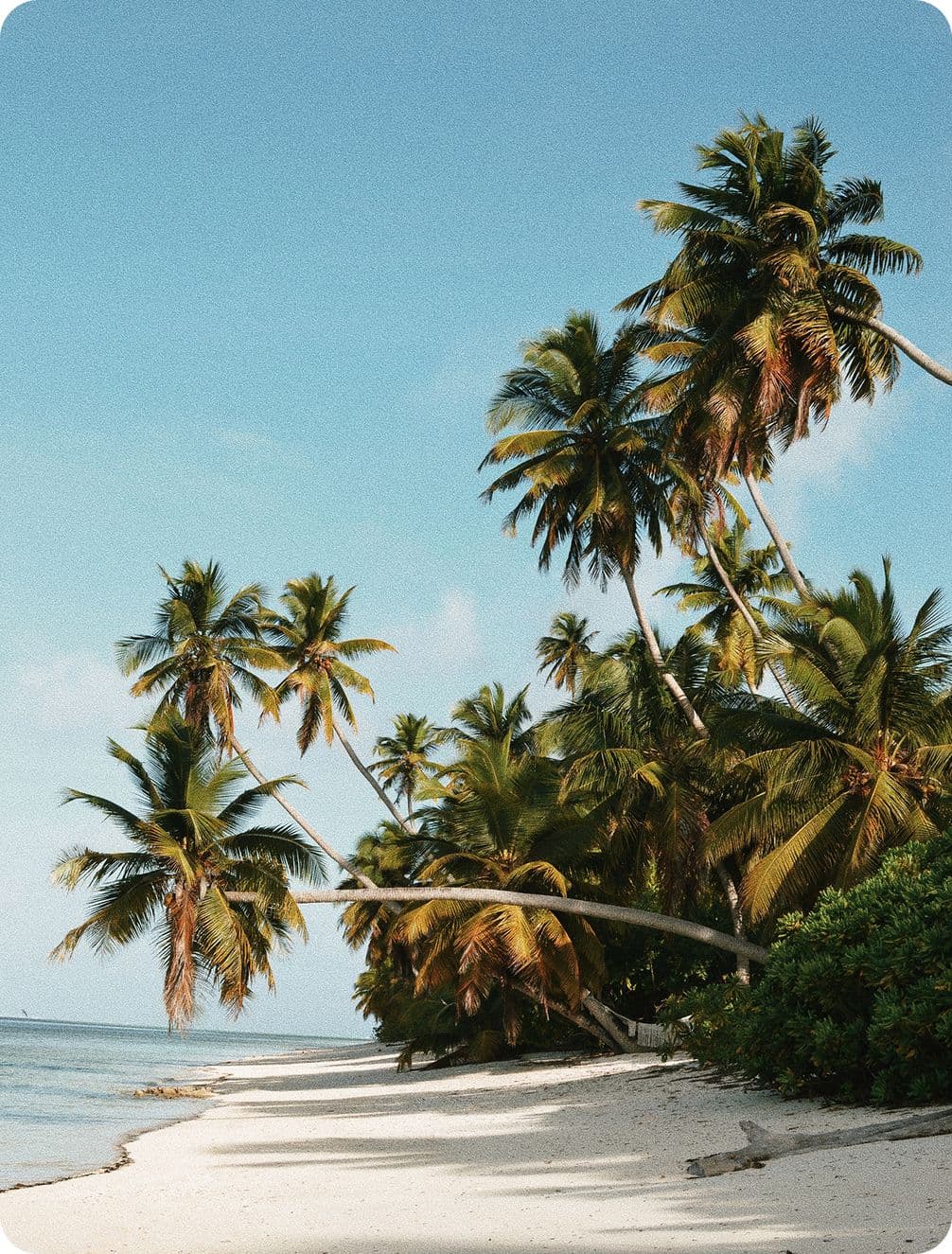
Photo: Luke Abrahams
The splendid isolation extends to Bijoutier Island. Guides often say it’s the kind of island a child would draw at school – perfect palms, pristine sand and crystal waters. Accessible only at high tide, this tiny circular isle is a sanctuary for nesting turtles and countless birds. The water is so clear you can photograph schools of fish, sharks, rays and turtles right at your feet. The wind can stir the surface, but if you steady yourself and stay patient, the reward is worth it. The trick is to stay perfectly still and let the wildlife come to you. With no humans around, the animals are naturally curious and see us as no threat. When shooting, be patient and mute your equipment to avoid spooking them.
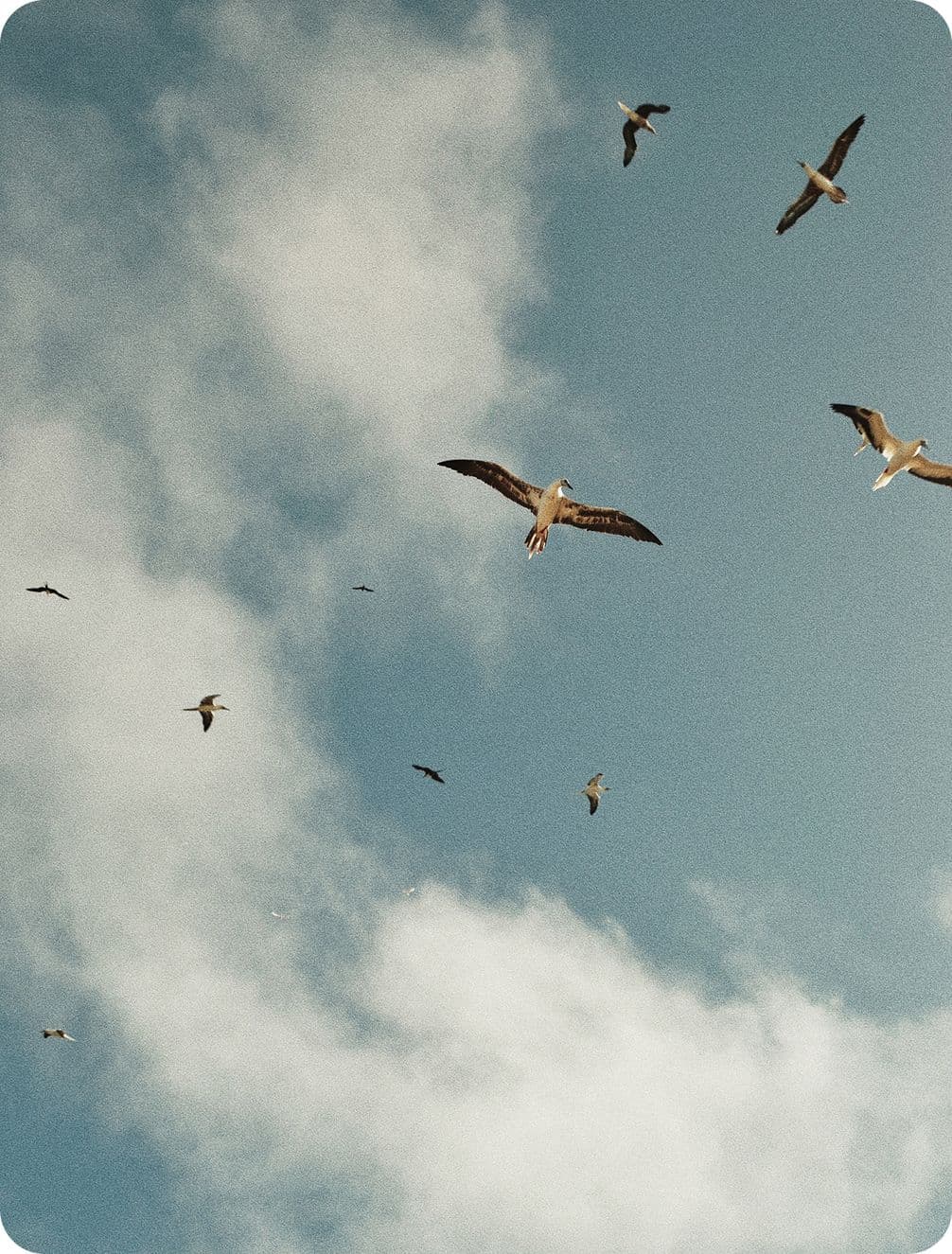
Photo: Luke Abrahams
Another 20 minutes south lies St François Island, often called the crown jewel of the Seychelles’ outer islands. Photographing it feels like a privilege – a feast for both the eyes and the memory. Like Bijoutier, it’s entirely uninhabited, with visits limited to early-morning low tides. The birdlife here is staggering, and the air is thick with their presence – and their scent. Every surface bears the marks of nesting and territorial claims. From the beach to the atoll’s heart, thousands of red-footed boobies and black-naped terns swirl above, perch in branches and nest in clusters.
Photos: Luke Abrahams
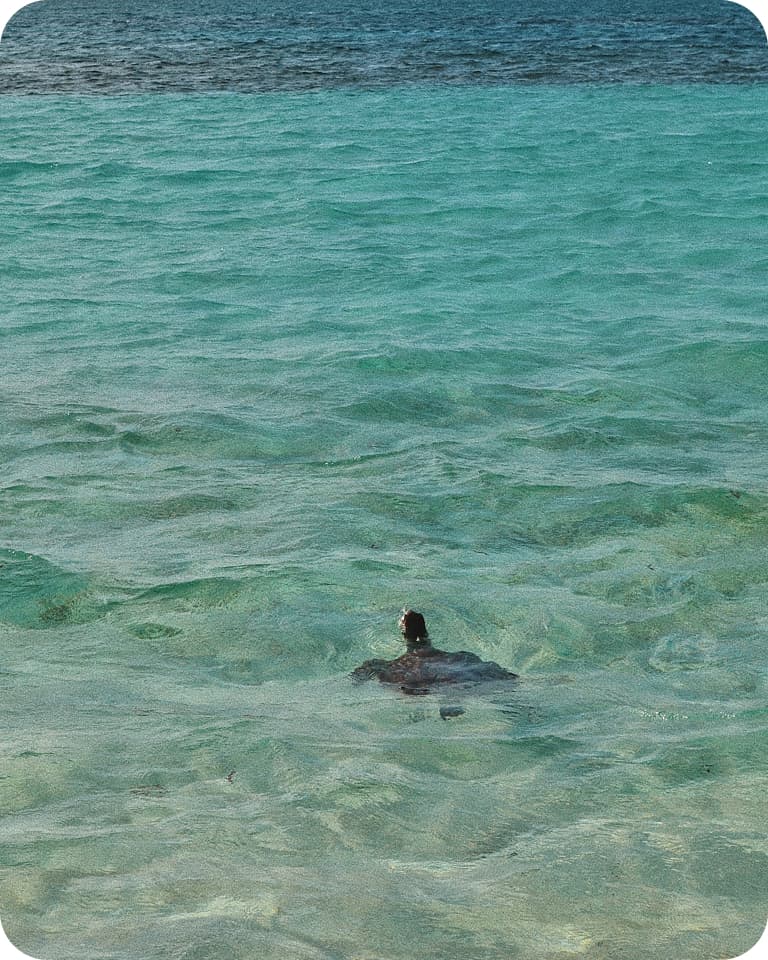
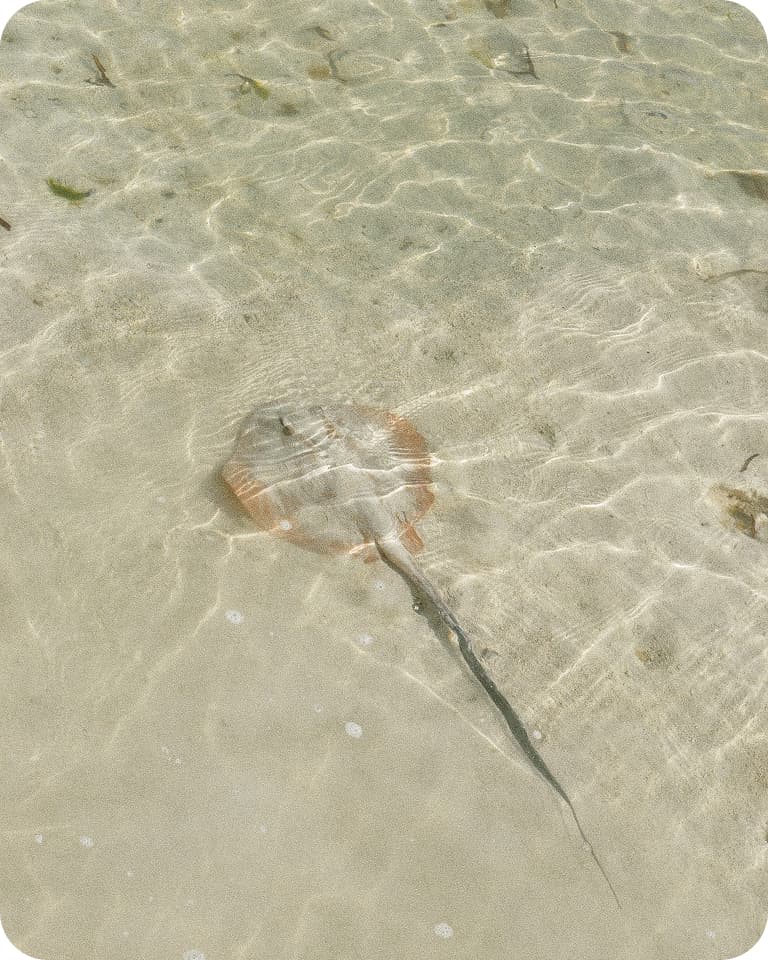
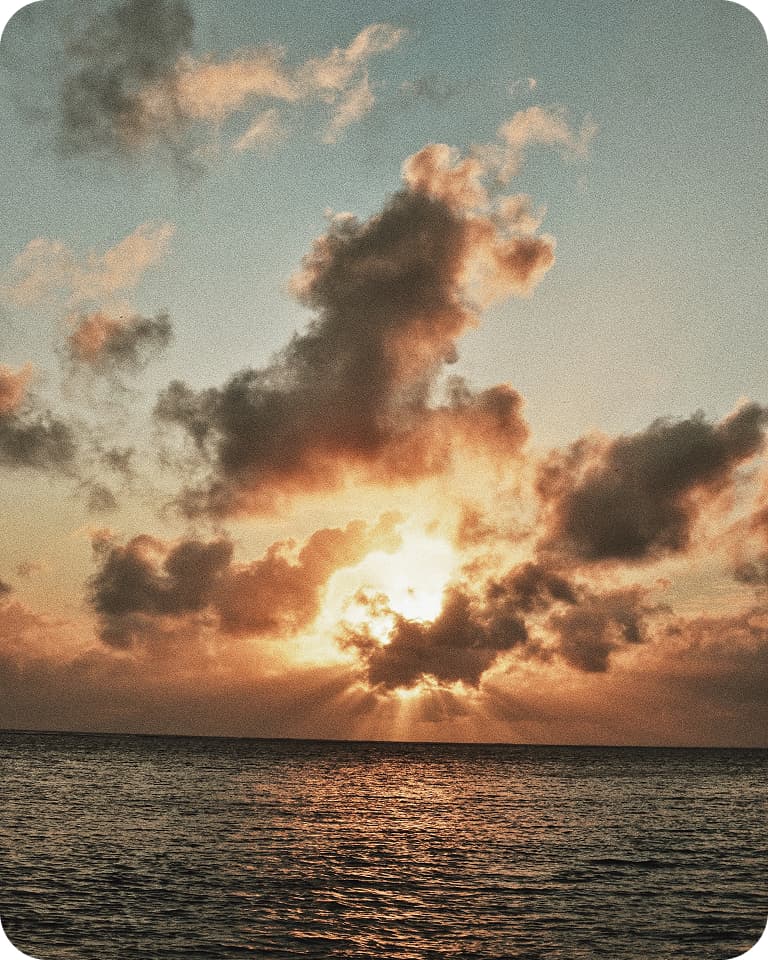
A vital breeding ground, turtle tracks crisscross the sand, and if you’re lucky, you might witness a mother laying her eggs. Deeper inland, mangrove forests dominate, while the tidal flats host nurseries for stingrays and lemon sharks. Photographing it all is a challenge thanks to the intense mid-morning light – the brilliant sand and clear water combine into a blinding scene. Use the sun to your advantage by shooting into it to achieve a luminous, glossy effect that enhances both the landscape and the creatures within your frame.
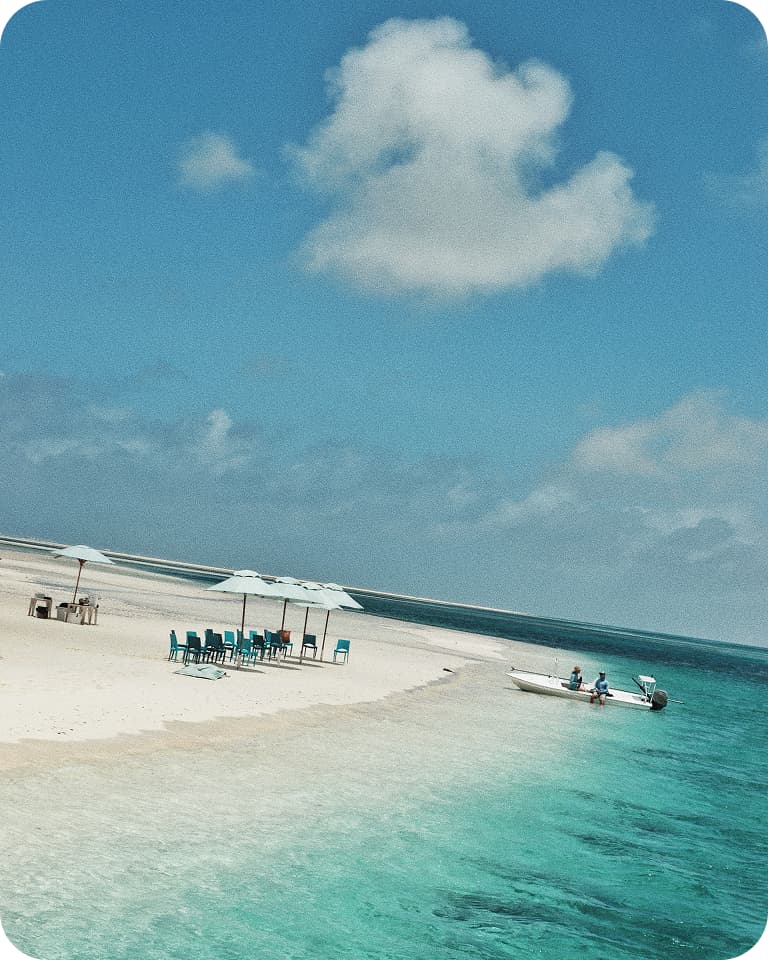
The same technique applies to the sand flats. Once you step onto one, the clock starts – you’ll have just over an hour before the tide reclaims it. Wide shots work best from the boat as you approach, capturing the full scale of the landscape. When you’re walking, focus on the outer sands where wildlife sightings are most frequent. If you’re lucky enough to lunch on a flat, as I did, photograph the barbecue setup – part novelty, part testament to the rare joy of dining in the middle of nowhere.
Preparation is key when photographing places like this. Bring a variety of lenses – wide-angle and telephoto are essential – and always keep a lens guard handy to shield from the sun. You’re at the mercy of the sea here, so don’t plan on venturing out for a sunset picnic; the reefs will block your path long before golden hour. Timing is everything: for those classic island shots, either stay boat-ready or find a high inland vantage point. Keep an eye on the weather too – wind shifts can flatten the light quickly. On the water, switch your camera to shutter-priority mode (1/250 second or faster) for crisp captures of passing whales and birds.
Trova più velocemente le foto che stai cercando con funzionalità e prodotti esclusivi come il riconoscimento facciale e gli album smart.


&w=96&q=75)
Lucy Halfhead
Responsabile editoriale di Popsa
19 Sep, 2025∙9 min
&w=96&q=75)
Ben Olsen
Editor Popsa
14 Aug, 2025∙5 min
Ben Olsen
Editor Popsa
2 Oct, 2025∙9 min


 Stati Uniti