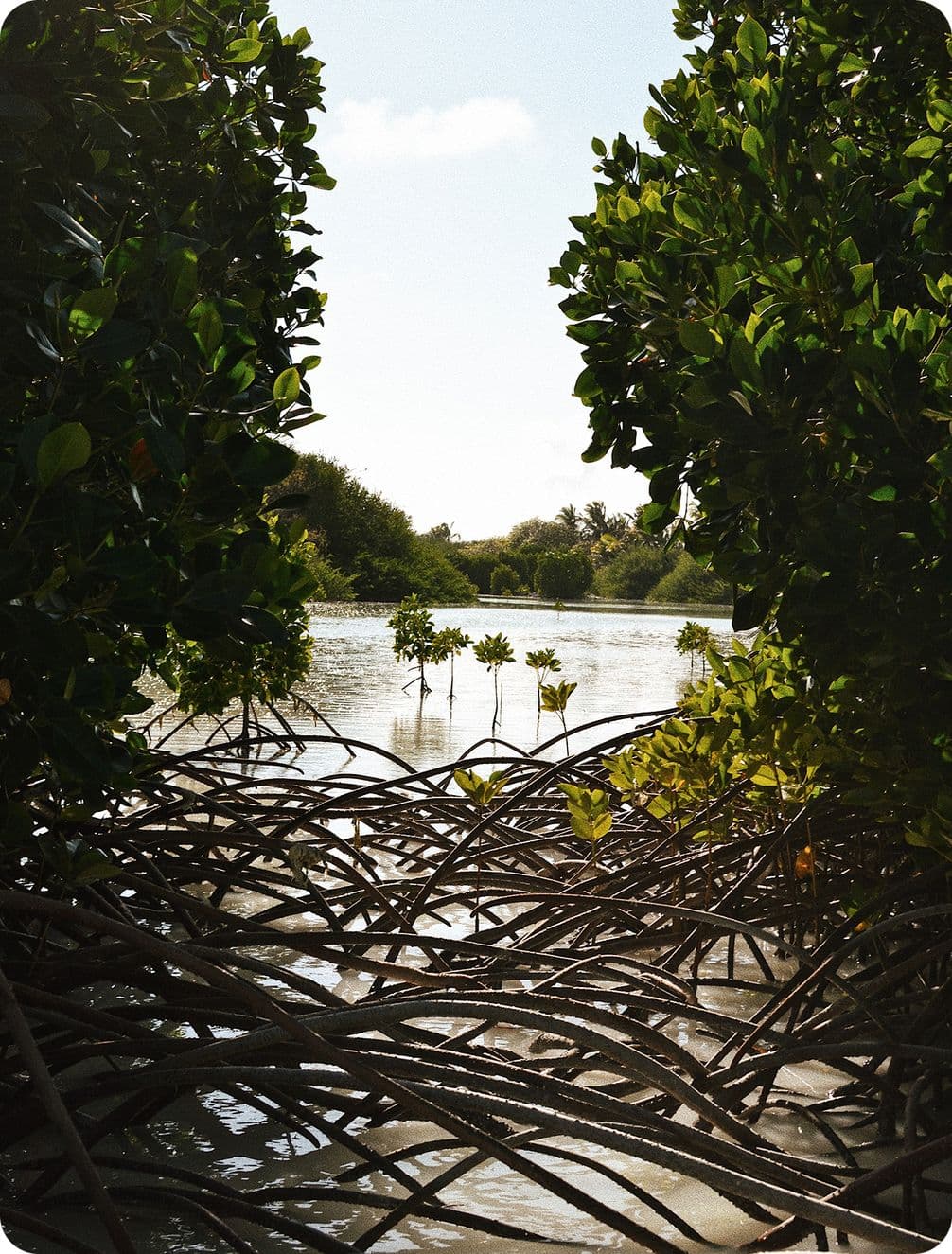
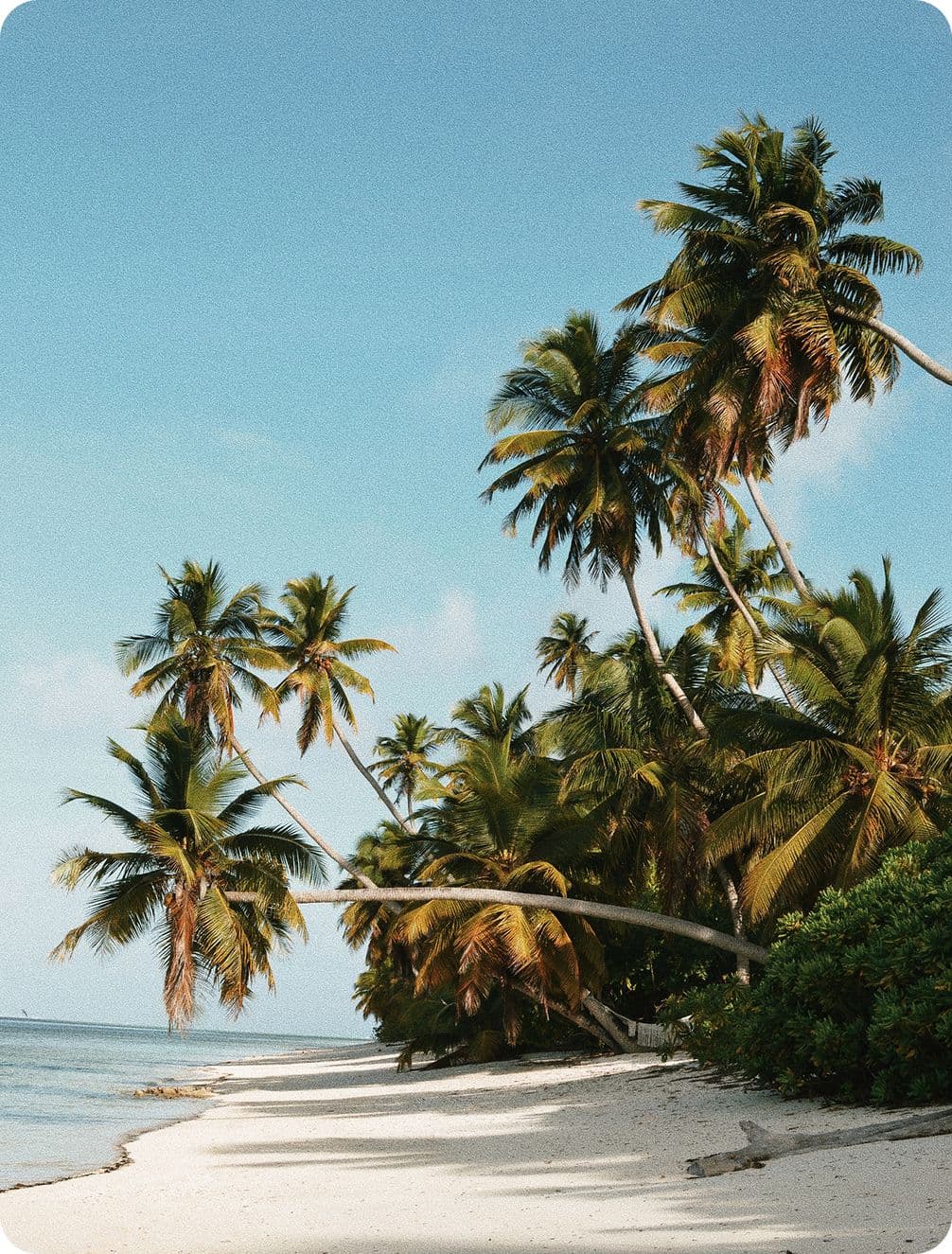
A vital breeding ground, turtle tracks crisscross the sand, and if you’re lucky, you might witness a mother laying her eggs. Deeper inland, mangrove forests dominate, while the tidal flats host nurseries for stingrays and lemon sharks. Photographing it all is a challenge thanks to the intense mid-morning light – the brilliant sand and clear water combine into a blinding scene. Use the sun to your advantage by shooting into it to achieve a luminous, glossy effect that enhances both the landscape and the creatures within your frame.
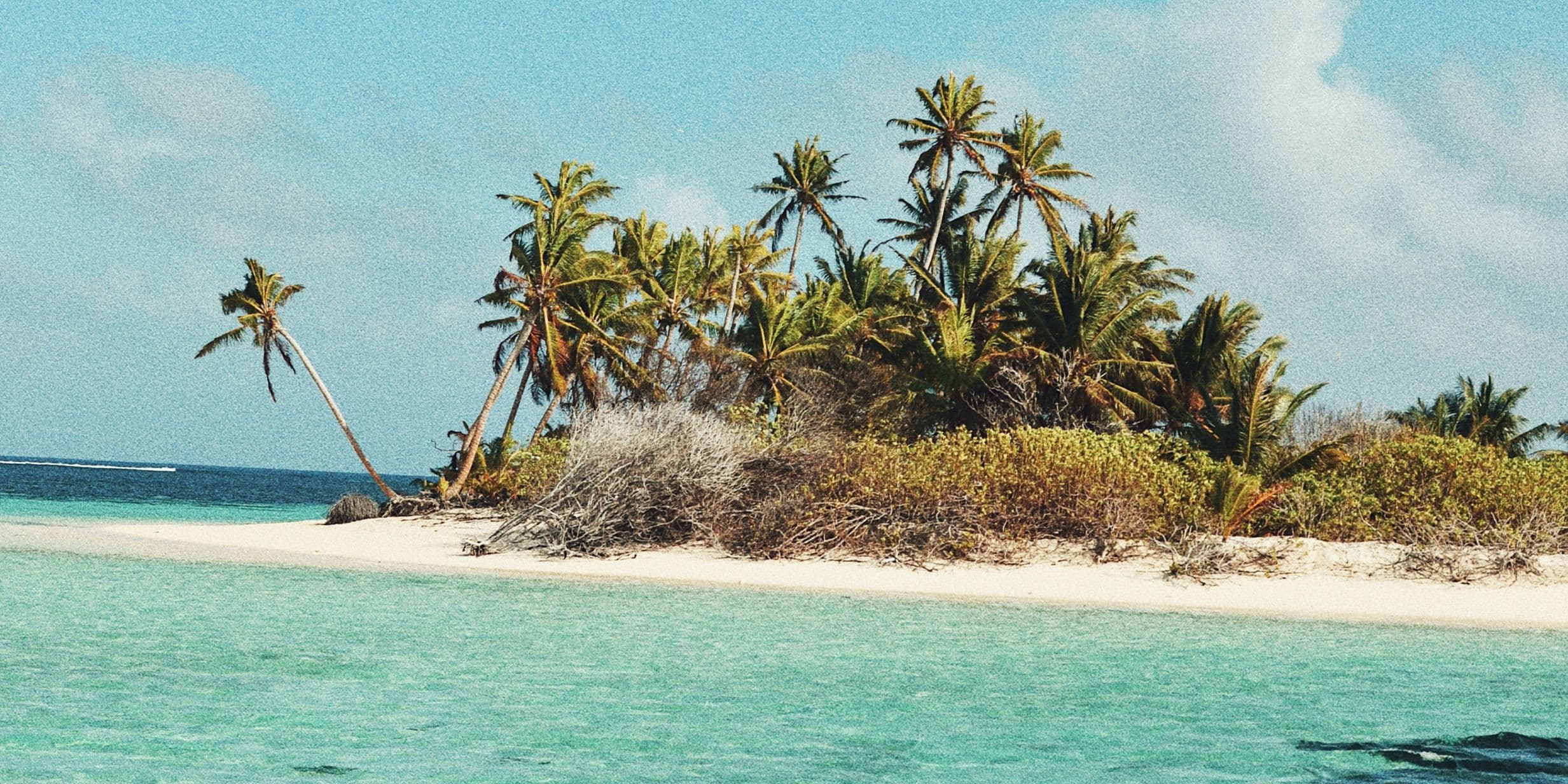
The same technique applies to the sand flats. Once you step onto one, the clock starts – you’ll have just over an hour before the tide reclaims it. Wide shots work best from the boat as you approach, capturing the full scale of the landscape. When you’re walking, focus on the outer sands where wildlife sightings are most frequent. If you’re lucky enough to lunch on a flat, as I did, photograph the barbecue setup – part novelty, part testament to the rare joy of dining in the middle of nowhere.
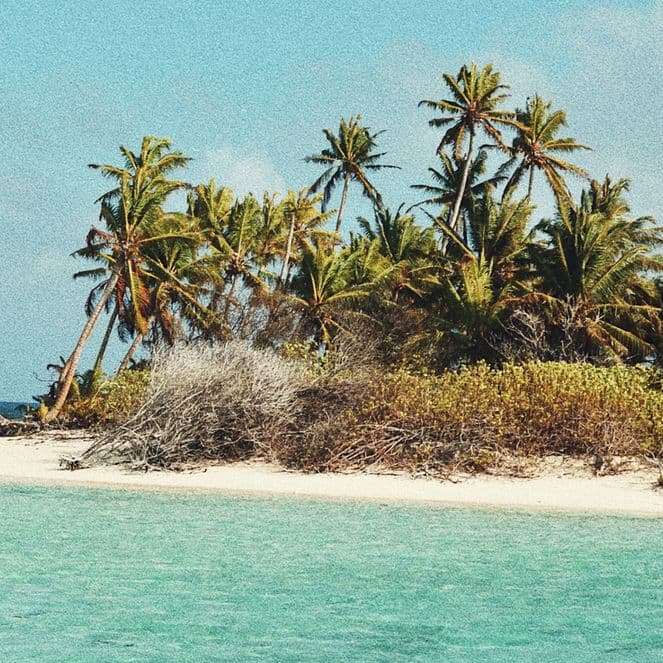
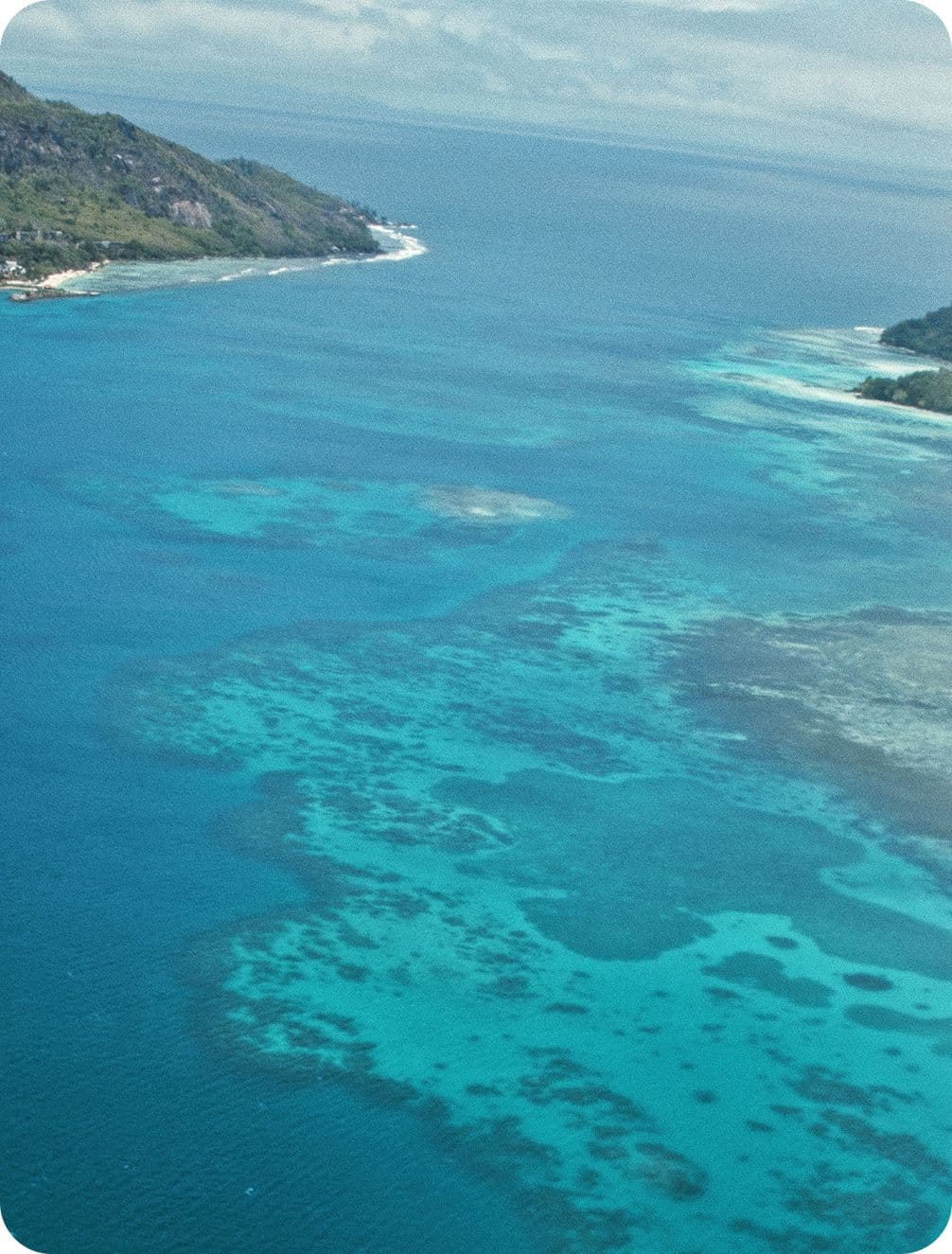
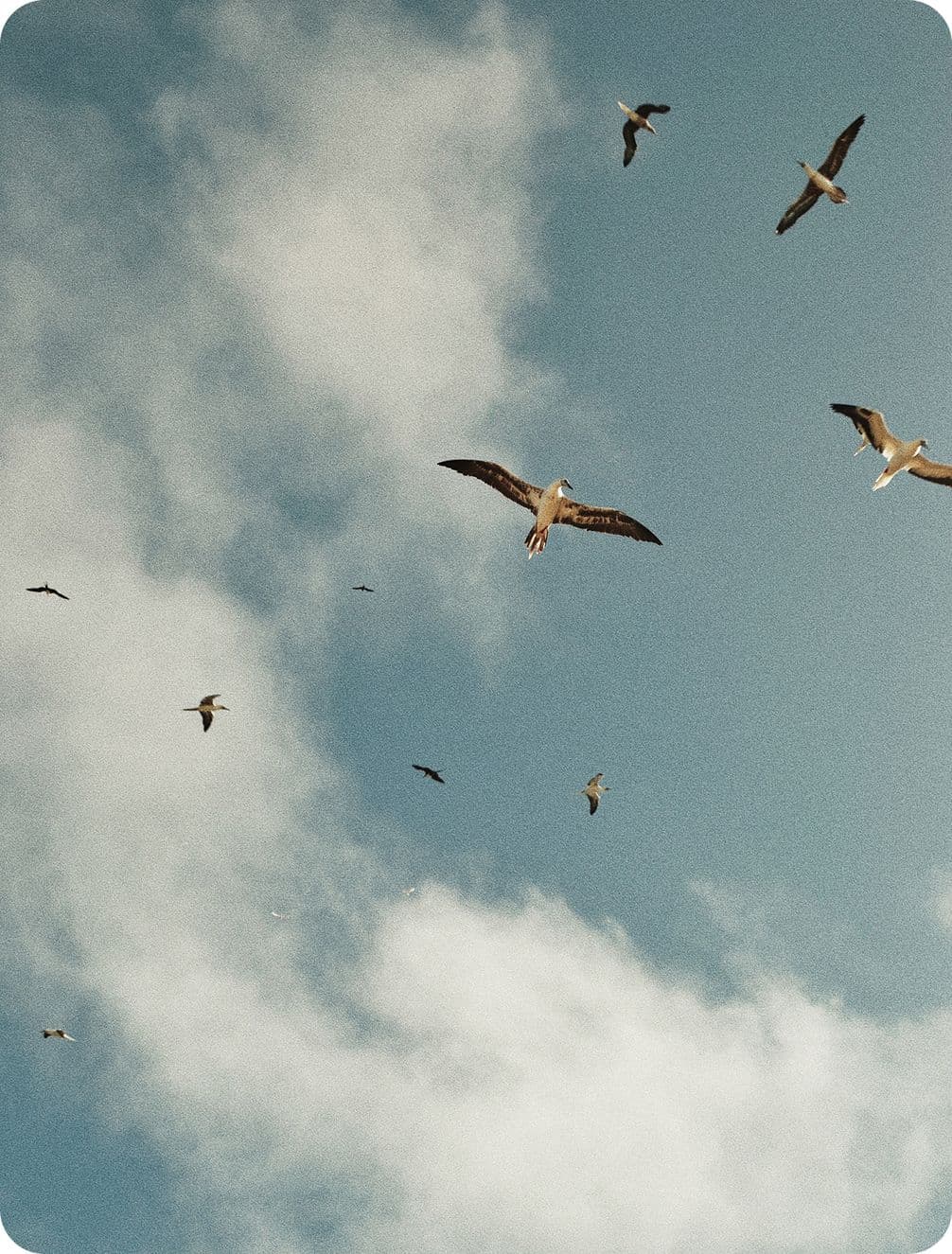
Preparation is key when photographing places like this. Bring a variety of lenses – wide-angle and telephoto are essential – and always keep a lens guard handy to shield from the sun. You’re at the mercy of the sea here, so don’t plan on venturing out for a sunset picnic; the reefs will block your path long before golden hour. Timing is everything: for those classic island shots, either stay boat-ready or find a high inland vantage point. Keep an eye on the weather too – wind shifts can flatten the light quickly. On the water, switch your camera to shutter-priority mode (1/250 second or faster) for crisp captures of passing whales and birds.





&w=3840&q=75)
&w=3840&q=75)
&w=3840&q=75)
&w=3840&q=75)
&w=3840&q=75)
&w=3840&q=75)
&w=3840&q=75)
&w=3840&q=75)
&w=3840&q=75)
&w=3840&q=75)
&w=3840&q=75)
&w=3840&q=75)

&w=96&q=75)

&w=96&q=75)
&w=96&q=75)


 Estados Unidos