Ispirazione

How colour transforms our world

Colour consultant Harriet Slaughter finds beauty in both carefully chosen and accidental palette pairings

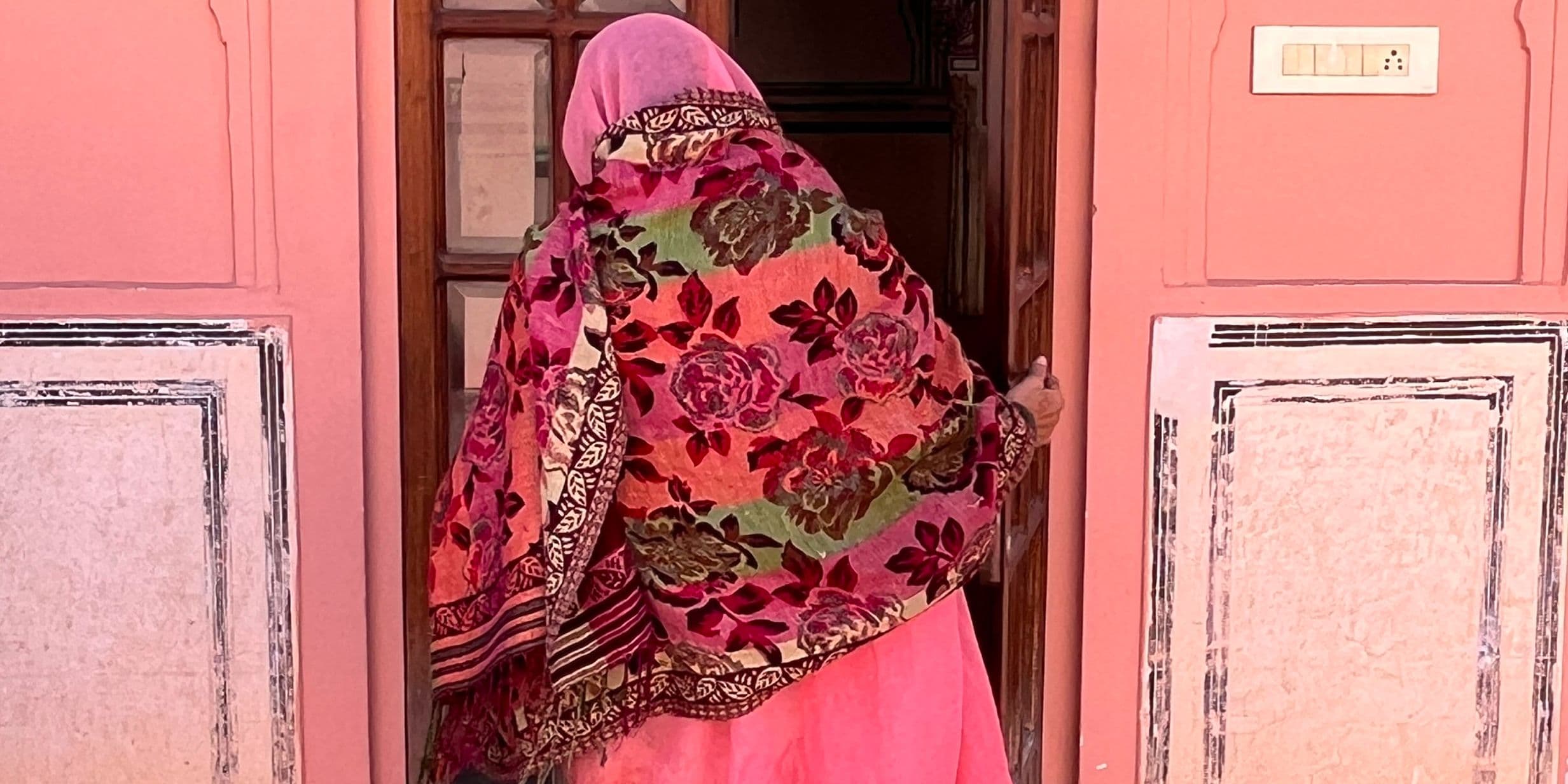
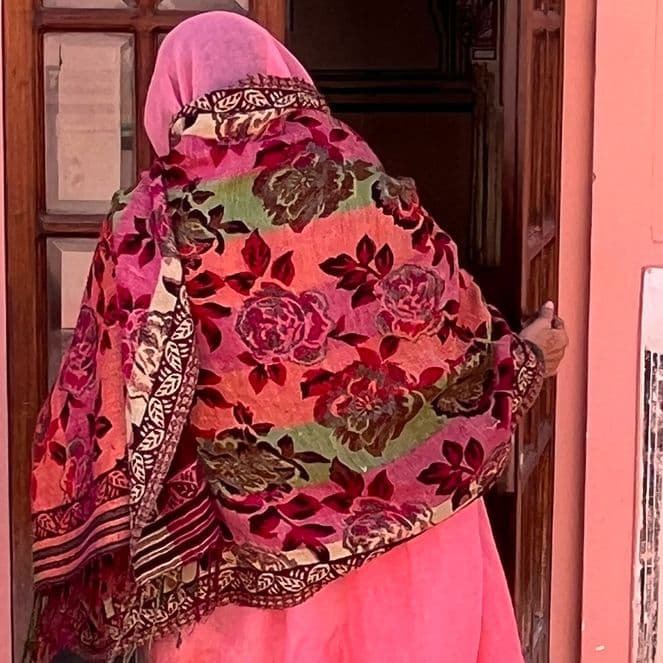
A person in a colorful floral shawl and pink attire enters a building with a pink wall and white decorative accents.

L’articolo in breve

  • Colour is an emotional experience, not just visual – each shade carries memories and sensory associations.

  • Light constantly rewrites your home’s palette – morning light cools colours down while evening softens even the boldest tones.

  • There are no “bad” colours – it’s all about finding combinations that speak to you.

Harriet Slaughter has spent her career noticing the magic in unexpected combinations. Here, she shares why training your eye can transform everyday life.

Sitting at dinner last week with friends, someone asked if I would like to invent my own “new” colour. At first, I disputed that it was even possible. Surely all colours already exist. But as we talked, I became less certain. We wondered whether some people see more colours than others. They do. There’s a condition called tetrachromacy, which involves having a fourth type of cone cell in the eye. Most people with typical vision, known as trichromats, can see about a million colours. Tetrachromats may see up to one hundred million. My idea of heaven.

Green, weathered truck parked on a narrow street beside a tall, textured orange building with visible pipes and a rusty door.

Photo: Harriet Slaughter

I have no idea whether I am a tetrachromat, though I secretly hope I might be. What I do know is that for me, colour is one of the greatest joys of being alive. And through my job as a colour consultant, helping people to choose paint colours for their interiors, I am able to try to draw people’s attention to this special part of life.

My love of colour and all its associated nuances started when I was little. According to my parents, my grandad once drew my attention to the “black” night sky – I immediately corrected him with complete and rather hilarious conviction. “No Grandpa, it’s navy blue.” Later in life, working with flowers whilst running a floral design business only sharpened my sensitivity. I realised noticing, analysing and pairing colours was not simply something I enjoyed, it was a vocation and something I really wanted to share with others.

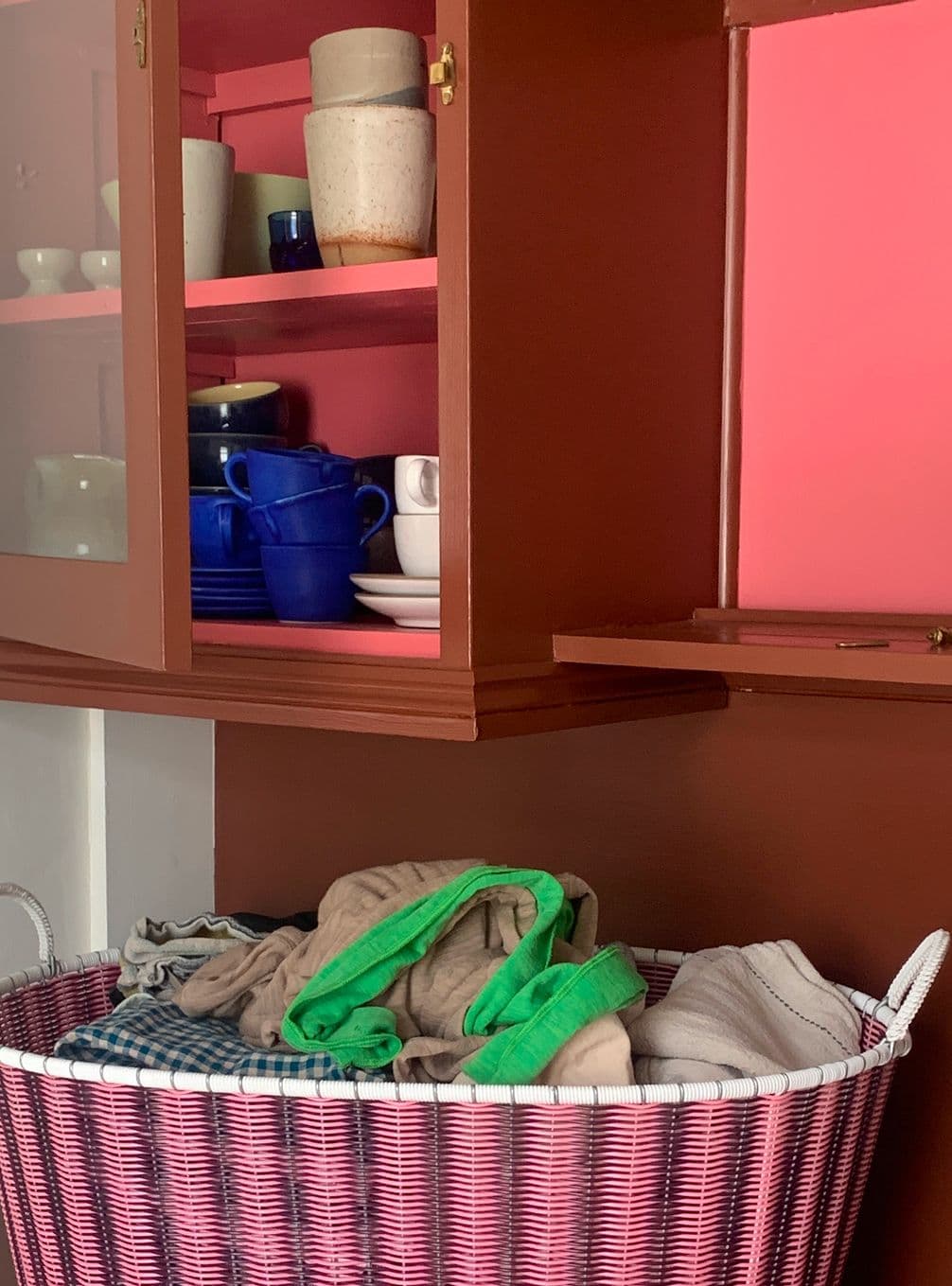
A pink basket with clothes sits below a brown cabinet displaying blue and white dishes and cups against a pink interior backdrop.

Photo: Harriet Slaughter

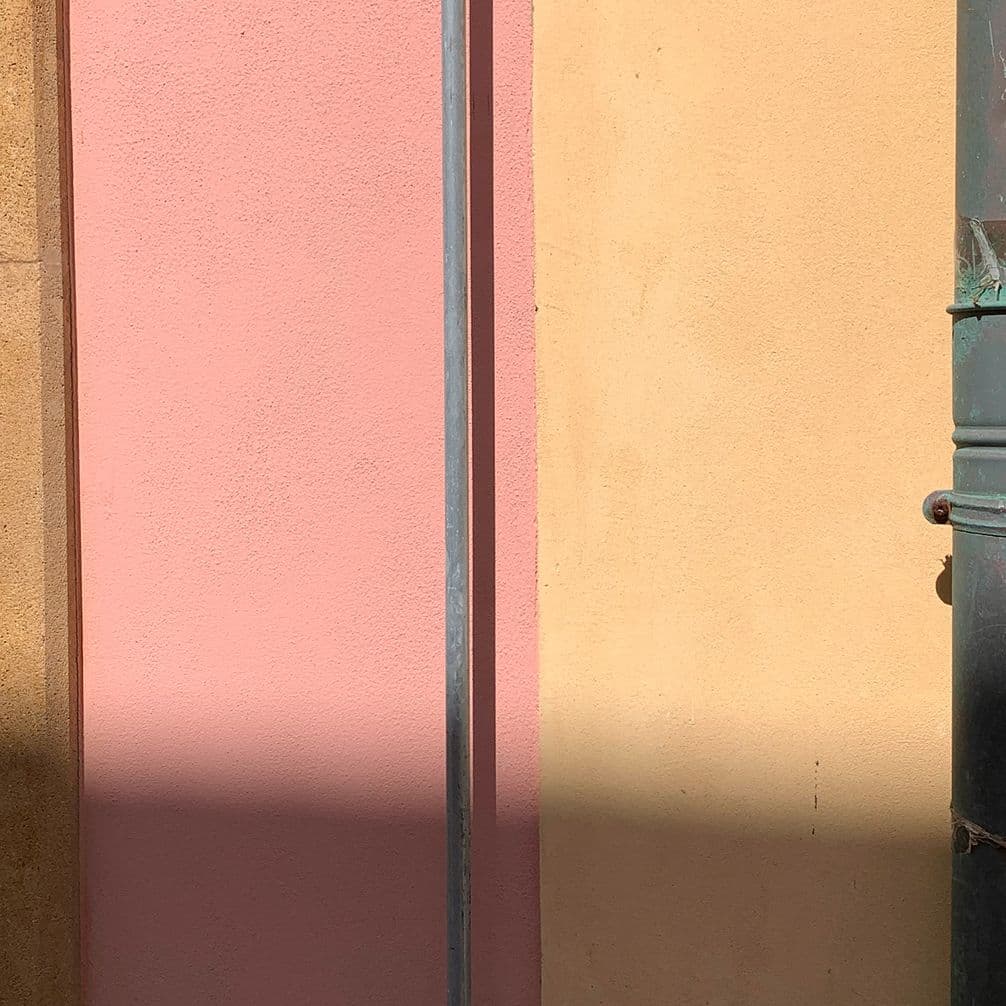
Every day there is a moment when I walk into a space and I feel myself pause, caught enjoying a special hue or an accidental pairing of colours. I might appreciate a simple thing like our raspberry-pink bed linen sitting next to emerald-green silk cushions, the warm evening light shifting a creamy painted wall towards a ruddy blush or the way some brightly coloured clothes are tangled in the laundry basket. I can feel my mind almost taking a snapshot to capture the colour combinations, but inevitably I will often grab my phone and try to take a photograph, too.

However, sometimes it does just remain as a private moment where I feel so happy to have made my home somewhere I love to be and look at. And this is something I try to create for my clients so that they feel happy, at home and gently delighted by their homes on a daily basis.

Photo: Harriet Slaughter

Photo: Harriet Slaughter

These little colour “snaps” extend to all adventures outside my home, too. Even on walks around my local area, I will spot a pile of colourful buckets, bright and muddy tones haphazardly thrown together or the dusty, almost-velvety, sun-faded paint on a garden gate. Moments that are just so happy and joyful, adding a boost to my day. Of course, the opportunity to travel is the most exciting, where new types of light and colour palettes bring exciting combinations that feel novel and unusual. In fact, as I write this, I am in Jaipur, India where the explosion of colour and its specular golden light have meant myriad ideas have been committed to some sort of colour memory bank, stored as inspiration for future interior projects.

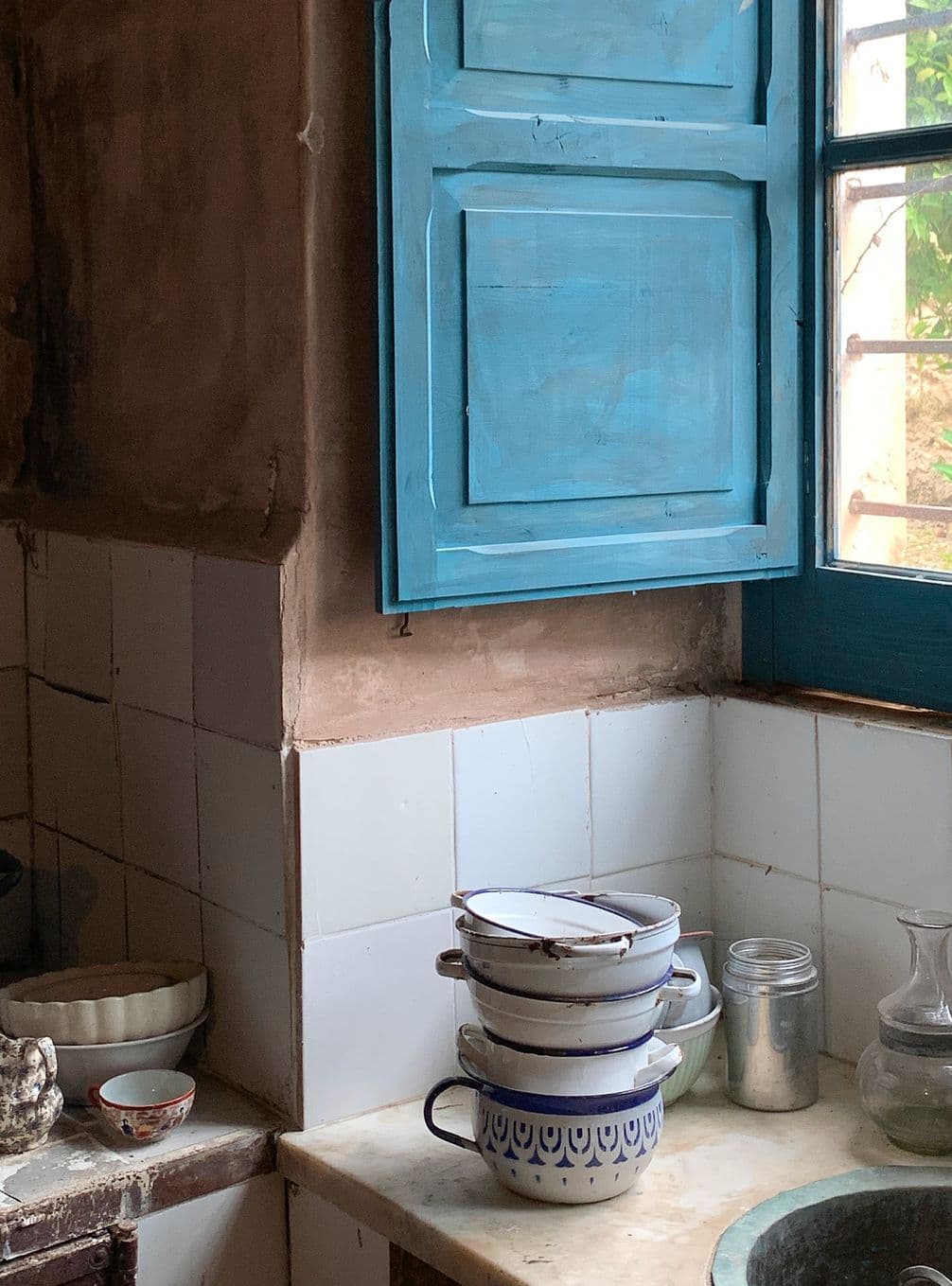
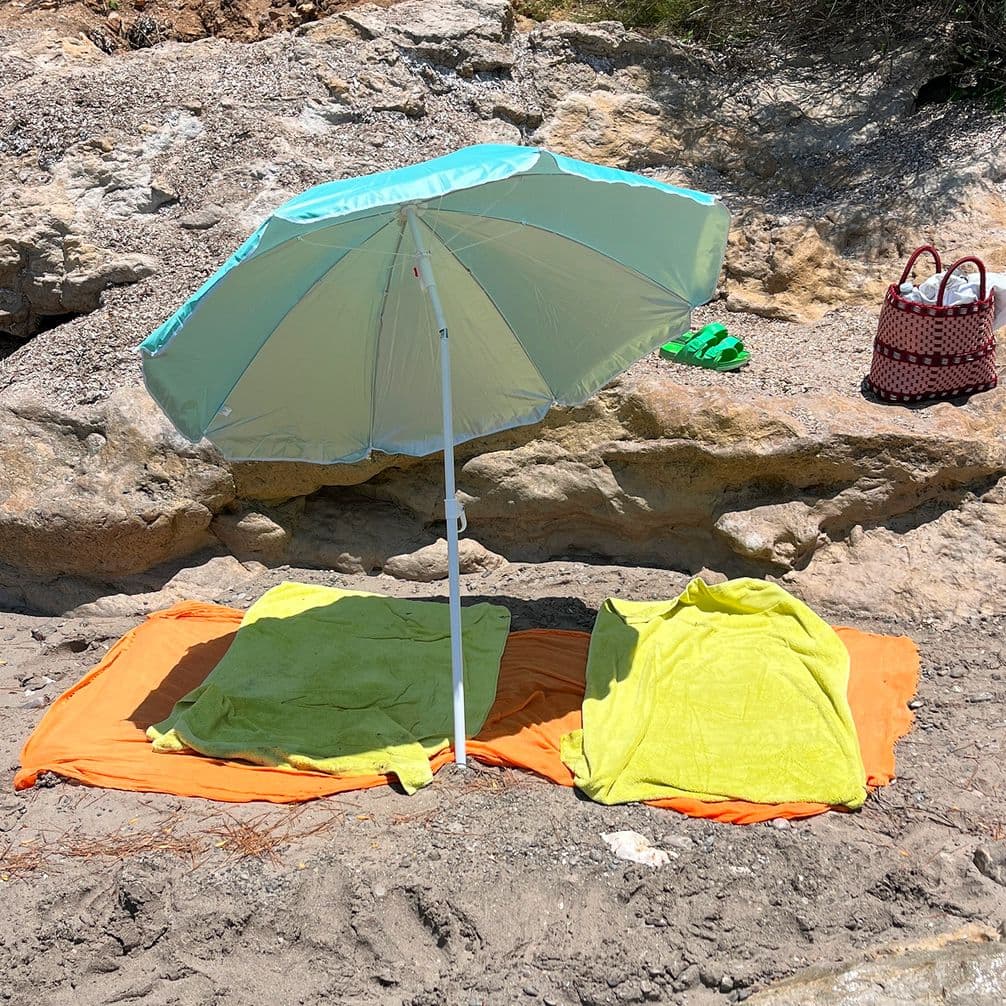
Colour will often be spoken about as a visual experience but it really is such an emotional one, too, and I sometimes wonder if it is also genetic. The green-blue shades are where this really comes home for me. I can’t see a turquoise piece of pottery without thinking of my mother, and my childhood home, full of Jade-green glazed pots and vases that my mother collected and used on a daily basis. I rebelled when I was a little younger and threw out those green-blue shades from my palette, but I’ve realised that I can’t get away from them – they run in my blood. I have embraced that nostalgia and childhood association and I have invited these shades into my home in all their forms; turquoise, jade green, aquas, powder blues, duck eggs and verdigris. I mean, for goodness’ sake, my middle name is Jade! I really believe that your home is an opportunity to decorate through memories, travels you have taken and moments from your childhood. By introducing colours we feel fondly about or associate with positive memories, we create a reflection of our inner selves to feel truly at home.

A rustic kitchen scene with stacked enamel mugs, a glass jar, and a ceramic bowl on a tiled counter. A blue shuttered window lets in natural light.

Photo: Harriet Slaughter

Photo: Harriet Slaughter

Before we register a hue, we feel it. And with each shade comes not only a visual note but a sensory one, too. The deep red dresser in our last kitchen felt rich and hearty, calling you to sit down and enjoy a warming meal. A lively blue in our hallway was invigorating, breezy, playful and a little bit cheeky. Chartreuse with its lemony-lime feel, almost smells like sherbet, wakes you up and keeps you on your toes. A soft earthy pink can feel cosy and comforting, (and also flattering when you look at yourself in the mirror) – so it’s perfect for bathrooms and bedrooms, where you’d like to feel at your calmest and most cosseted.

Photo: Harriet Slaughter

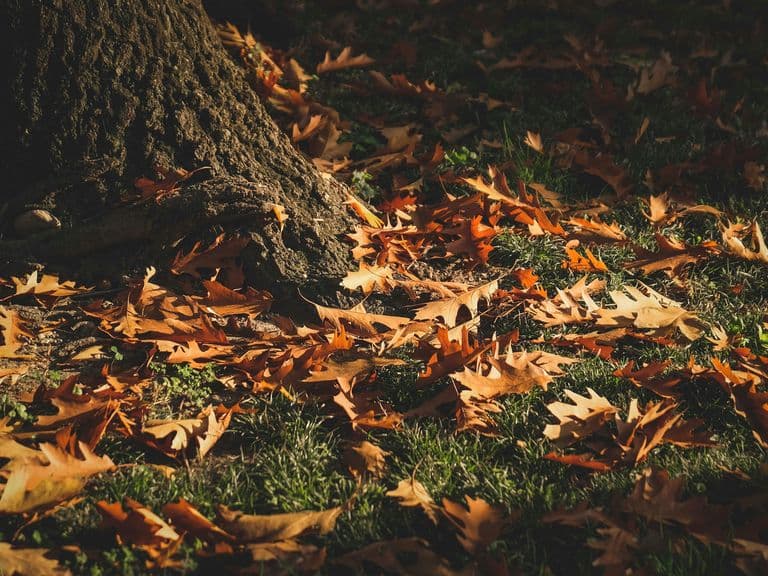
Light, of course, is colour’s silent companion and it rewrites the palettes we have chosen for our homes, sometimes almost disconcertingly so. Morning light is thin and quite blue, cooling down colours but providing a freshness. Afternoon light arrives with conviction – brightening yellows and sharpening contrast. Evening does the opposite, it softens the edges and can mute even the boldest of tones. And, of course, at night we rely on lamps that often cast a golden hue on every colour.

Artists often talk about how most of the challenge of creating work is in the “looking” and “seeing”. I really believe that if you can draw your attention to how colours sit together and their combinations, both accidental and purposeful, you will bring an extra dimension to your life. It’s something I’m trying to teach our two-year-old – to really get him to notice his surroundings and just how beautiful the ordinary and seemingly everyday can be. I also want to show him how there are no “bad” colours. Indeed, I may not want to paint my bathroom violet, but have you ever seen wild violets popping up in spring? Look carefully next year and you will see these miniature regal flowers growing gaily in front gardens and lawns.

I’d like to understand more about the science behind the spectrum of light but I don’t think I am perhaps best placed to give a lecture on this. My relationship with colour is far too emotional and irrational. However, the long and the short is that biology dictates that we cannot create a new colour. Everything already exists within the spectrum of light. Still, I love the idea of mixing a paint shade that feels unusual or unexpectedly personal. A colour that speaks to me and is not easy to find. Something for the future perhaps.