

Viaggi
Why the best family travel photos are never the ones you planned
Presence beats perfection when it comes to telling the story of your trip

19 mag 2026∙6 min
Viaggi
Presence beats perfection when it comes to telling the story of your trip
19 mag 2026∙6 min
Bavaria-based travel writer Nanda Haensel has spent a lifetime seeking out remote and culturally rich places. Here, she and her husband – whose photography documents their journeys – share how they now explore the world with twin toddlers in tow.
Traveling with toddlers is challenging, but extraordinary in equal measure. When we found out we were having twins, my husband and I refused to let the difficulties deter us from exploring the places that inspire us. Parenting should not reduce our world, but expand it. We wanted our children to learn to notice what is around them, not scroll past it. With that in mind, we planned a six-week trip, traversing one of the world’s most extensive wild frontiers, journeying by boat and road. We packed no screens, just three small suitcases, a few toys, teddies, crayons and children’s books – and a camera.
One cold summer morning in Punta Arenas, at the southern tip of Chile’s Patagonia, we boarded a 50ft vessel. We set sail through the Strait of Magellan, connecting the Atlantic and Pacific Oceans, navigating fjords and channels bursting with wildlife accessible only by boat. Amid ice fields and towering mountains, this is a territory so remote and untrodden that animals wander without fear. Over three days, we spent hours at sea and watched humpback whales feeding alongside penguins, albatrosses, sea lions and dolphins, without another human in sight. Each evening, we returned to the only camp in the protected marine park on Isla Carlos III. We anchored near the ice fields of Santa Inés Island in Kawésqar National Park. Our three-year-old twin girls gathered seashells inside the boat, and despite the brutal wind they eagerly awaited the moment they could rush to the deck at the first sight of a whale.
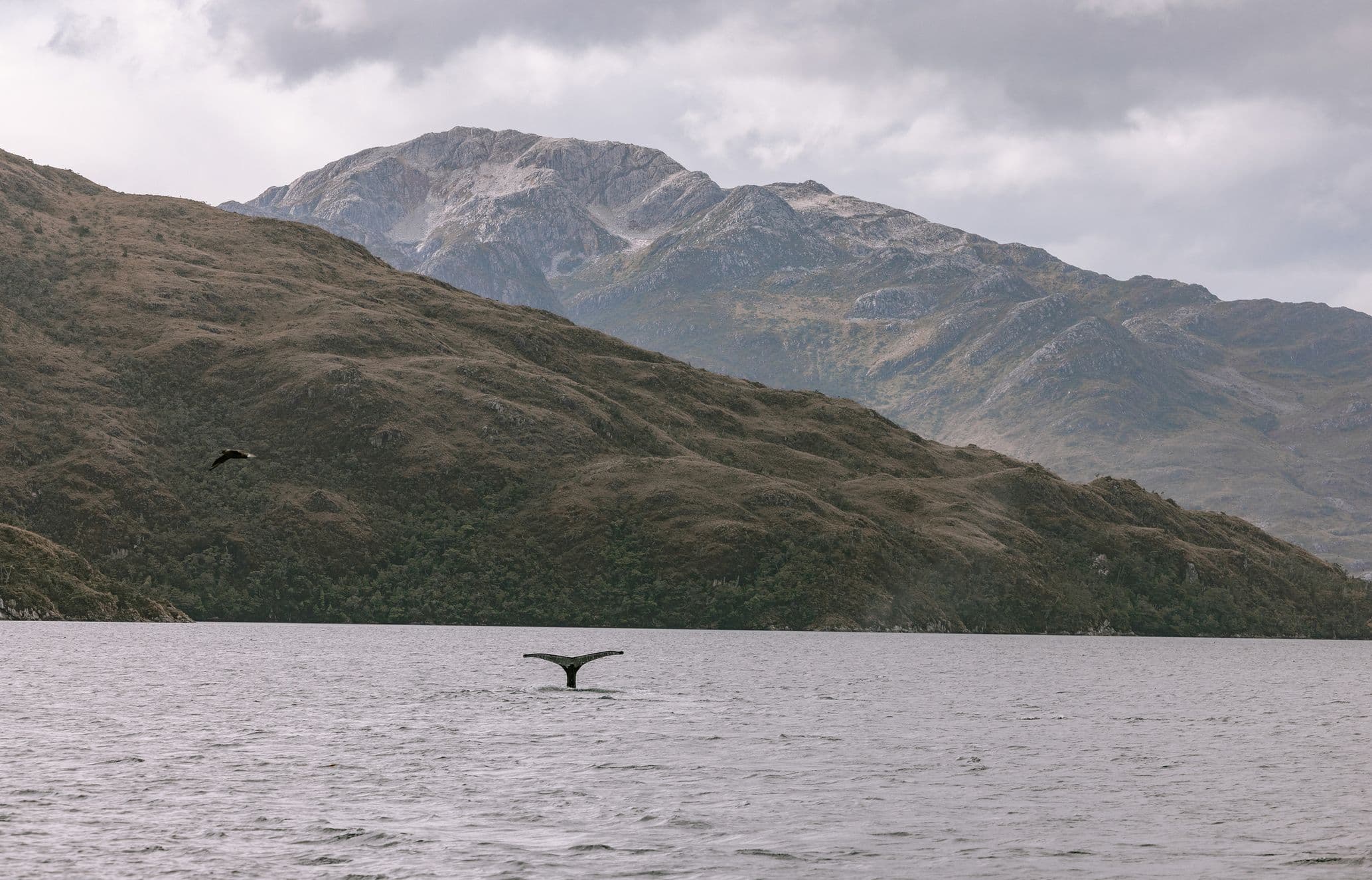
Humpback whale in the Strait of Magellan, April 2025. Photo: Max Haensel
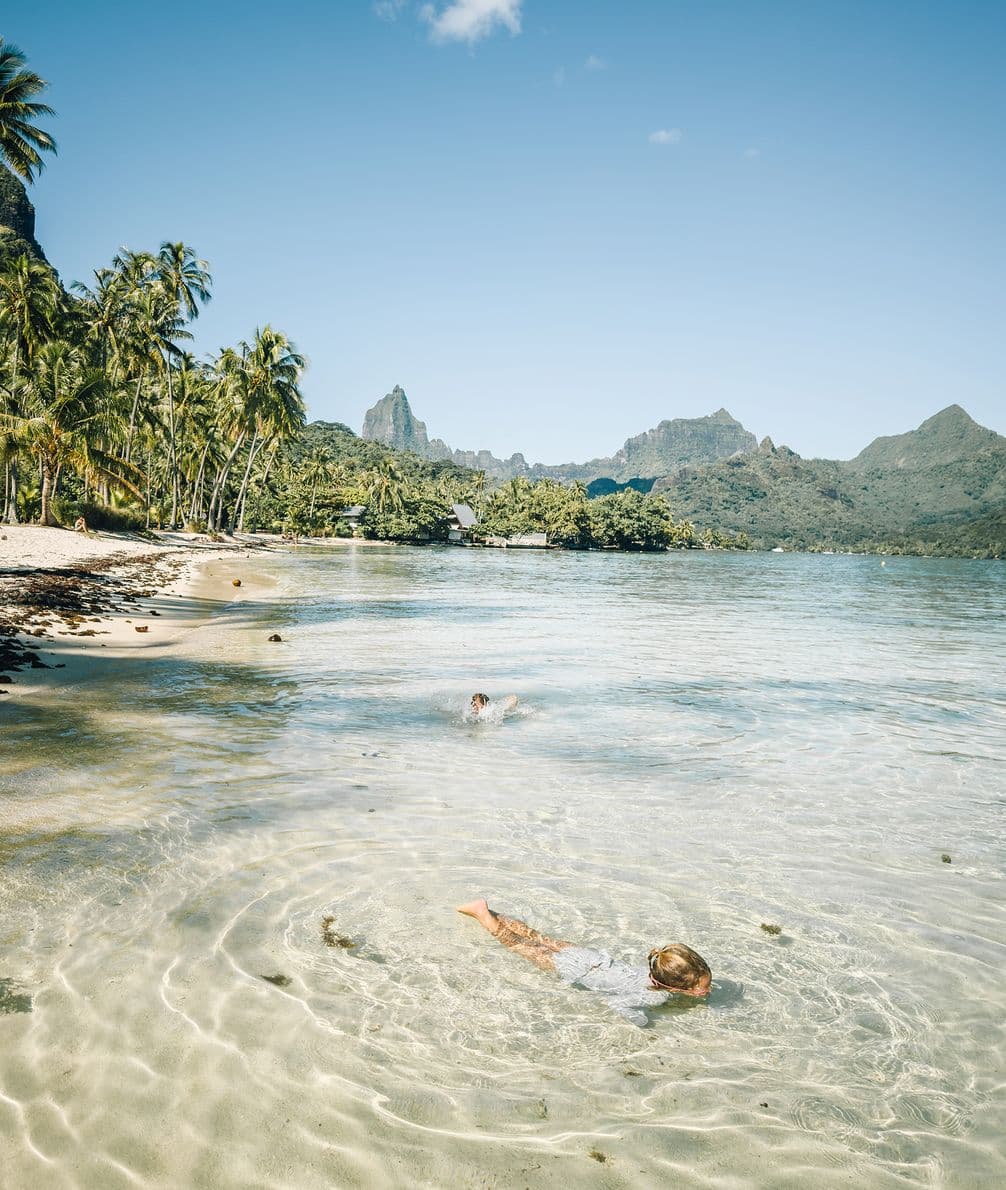
Girls swimming in the sea in Moorea, French Polynesia, July 2025. Photo: Max Haensel
There was one afternoon when I watched one of them crouch over a small pile of shells she had arranged on the deck. The light was flat and grey, the boat rocking gently – not ideal conditions for a photograph. But I felt the urge to reach for my camera – and then I paused. Not because the moment isn’t worth capturing, but because I was suddenly aware that picking up my camera would take me out of the moment. I watched instead. A few minutes later, I photographed her unnoticed from where I was sitting, without moving closer, without saying her name.
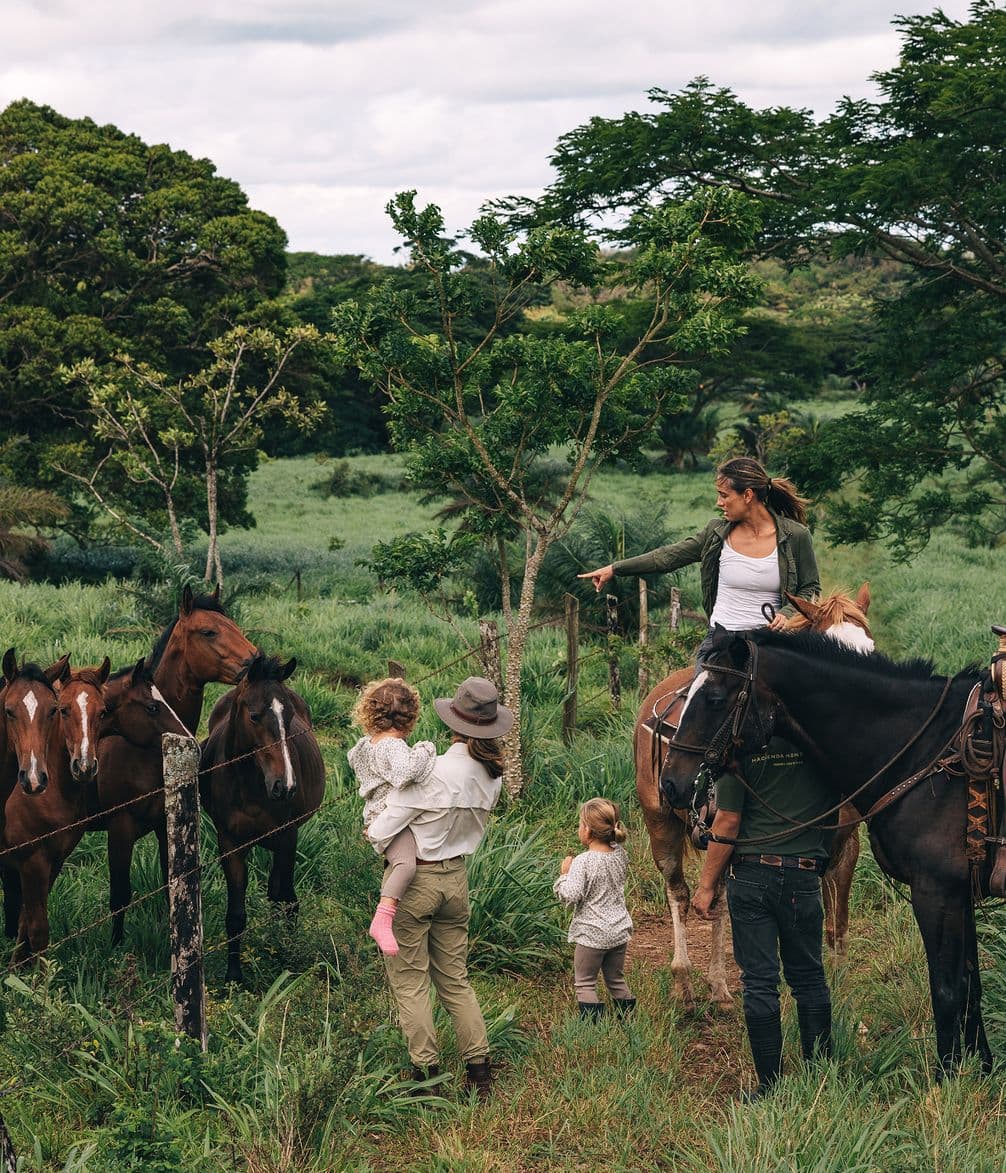
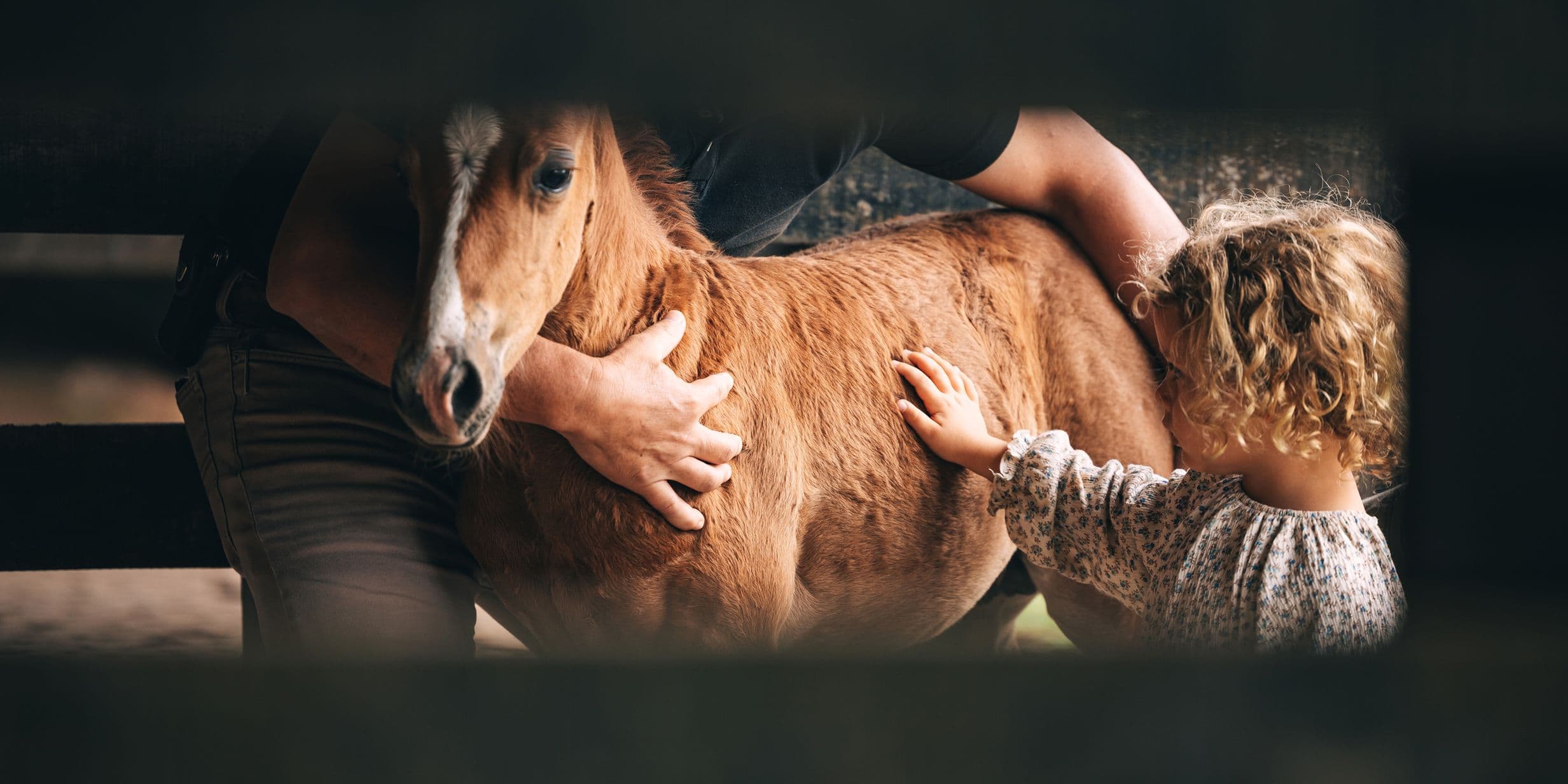
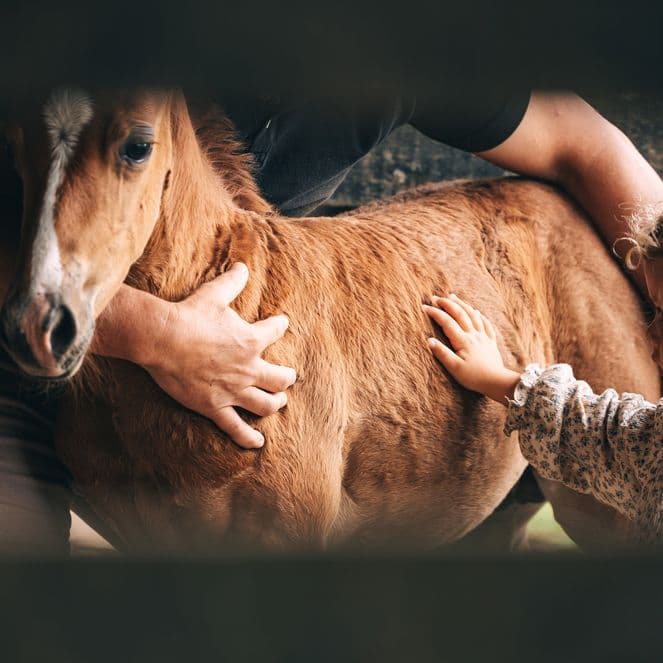
Horses in Hacienda Montezuma, Costa Rica, June 2025. Photo: Max Haensel
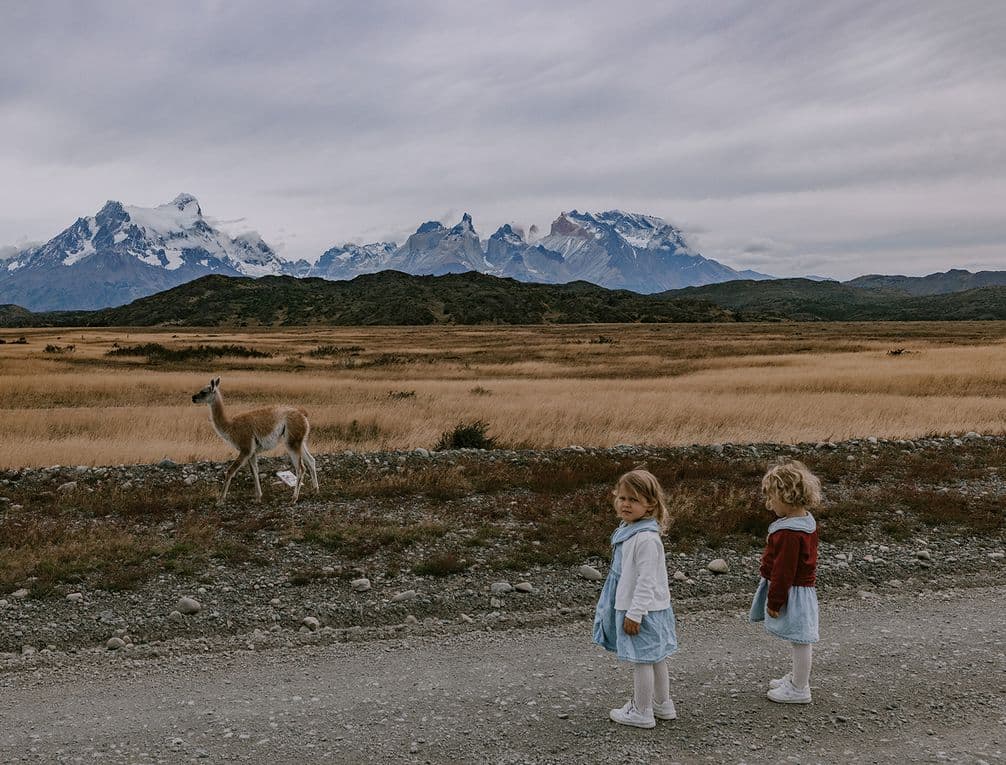
Wild Guanacos in Torres del Paine, Chile, February 2025. Photo: Max Haensel
I’m an amateur photographer. I’ve taken thousands of pictures I never look at. But somewhere between Patagonia, French Polynesia and the Colombian Amazon, something shifted. I stopped trying to document our trips and started trying to notice them. The camera stopped being just a tool and became a reason to pay attention and to be present.
Parenting should not reduce our world, but expand it. We wanted our children to learn to notice what is around them, not scroll past it.
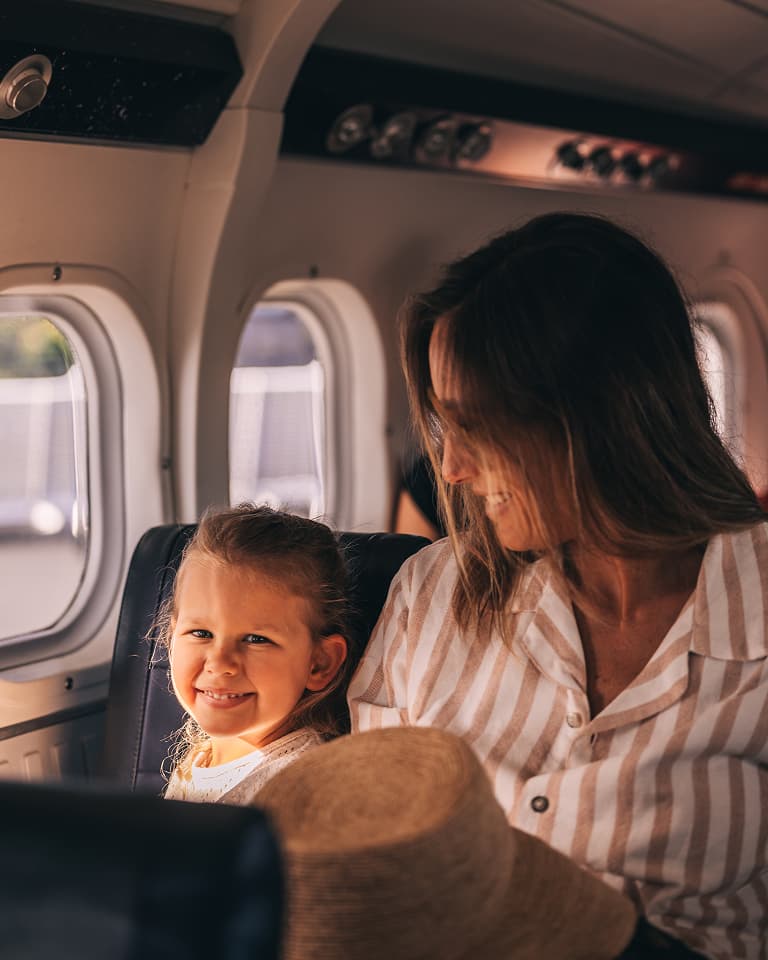
Flying in French Polynesia, July 2025. Photos: Max Haensel
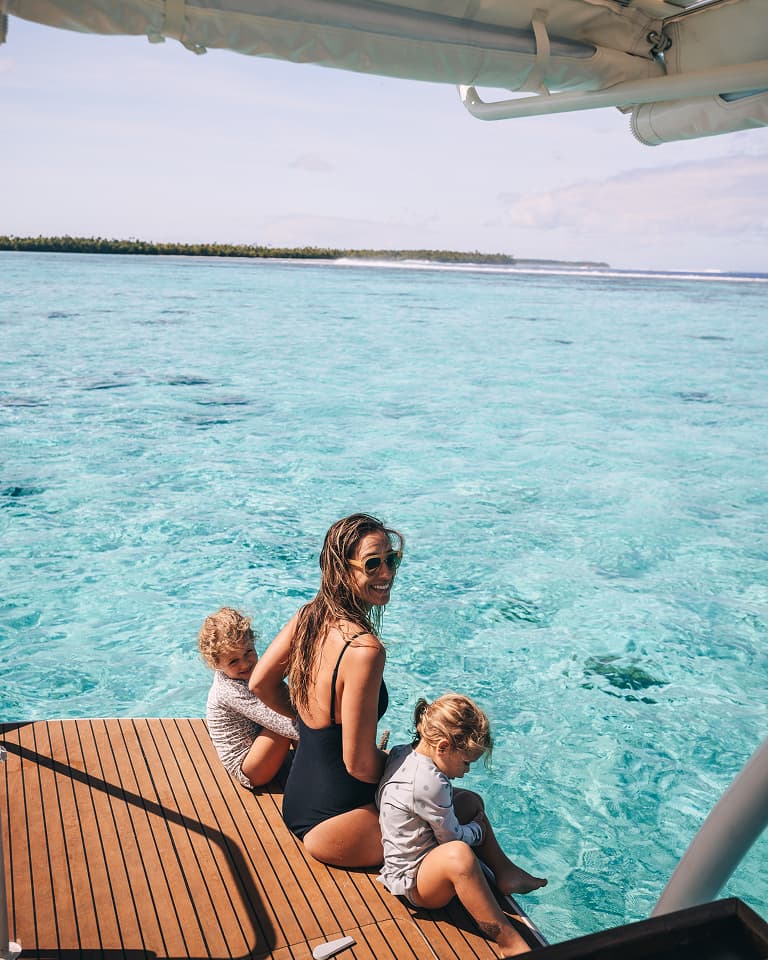
Swimming in the lagoon of Tetiaroa, French Polynesia, July 2025
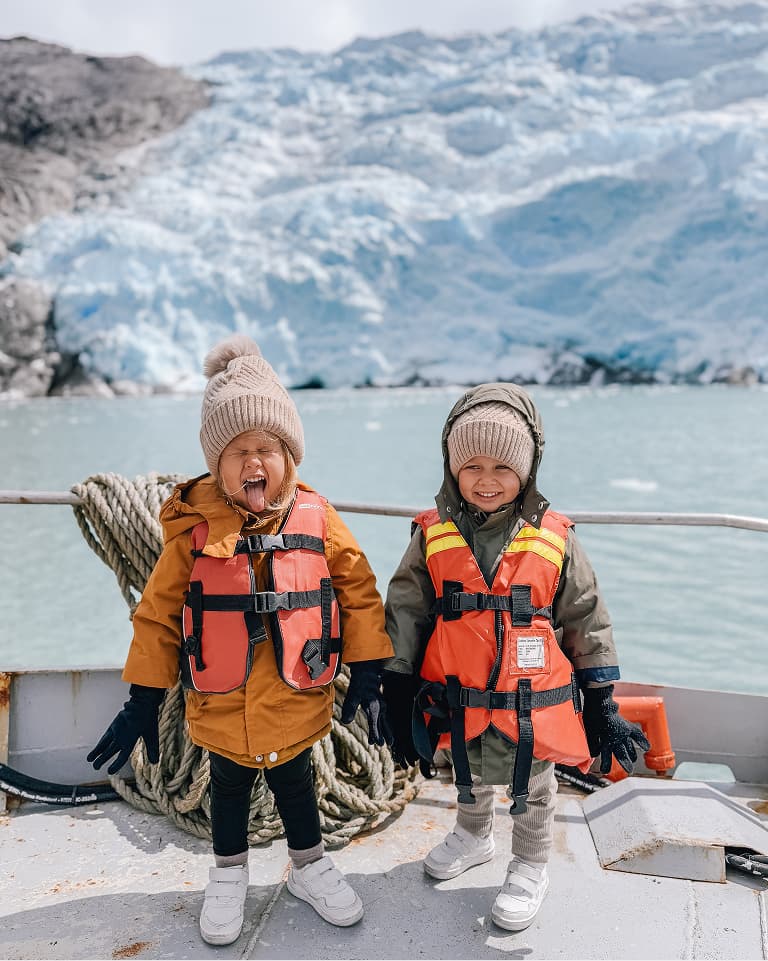
Girls in front of Sarmiento Glacier in Patagonia, Chile, July 2025
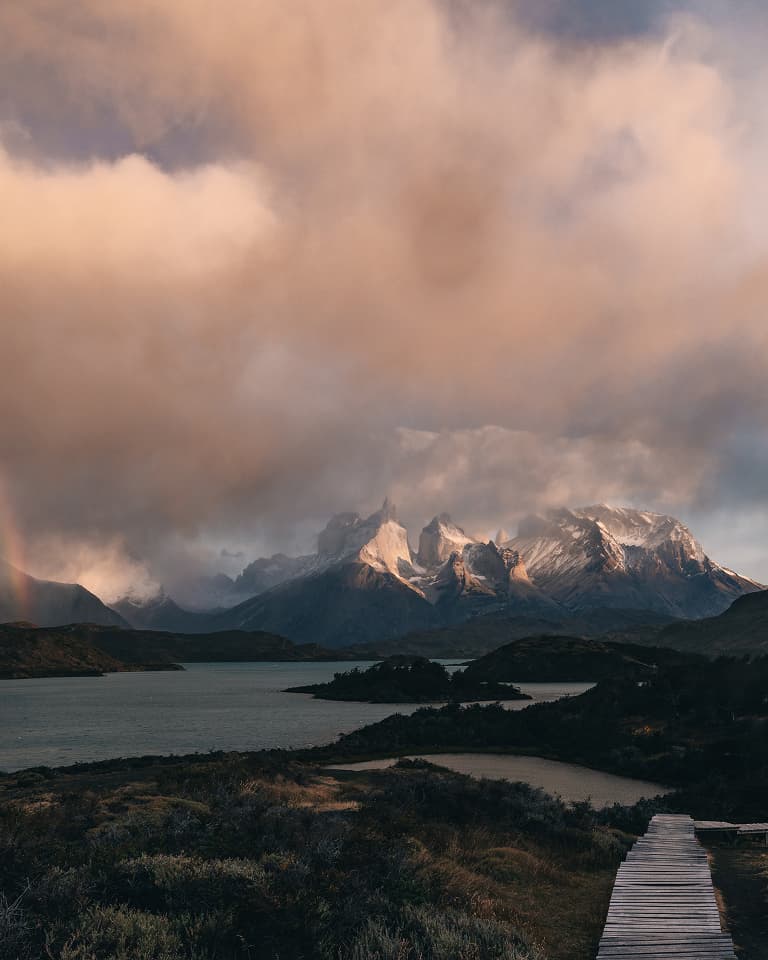
Patagonia, Chile, July 2025
My husband is a professional travel photographer. We can be on the same trip but he will see everything differently – and over the years, some of that has rubbed off on me. Not the technical side of it, but something simpler: the habit of waiting – his patience in not rushing to fill the frame the moment something happens. I’ve learned that my best pictures are rarely the ones I had planned.
Most family holiday photos with small kids are chaotic. A child who refuses to look at the camera; sunscreen smeared across faces; someone moving the moment we press the button; a restaurant meltdown with the only good light of the day – I’ve learned these are not obstacles to the photograph, they are the moments to photograph.
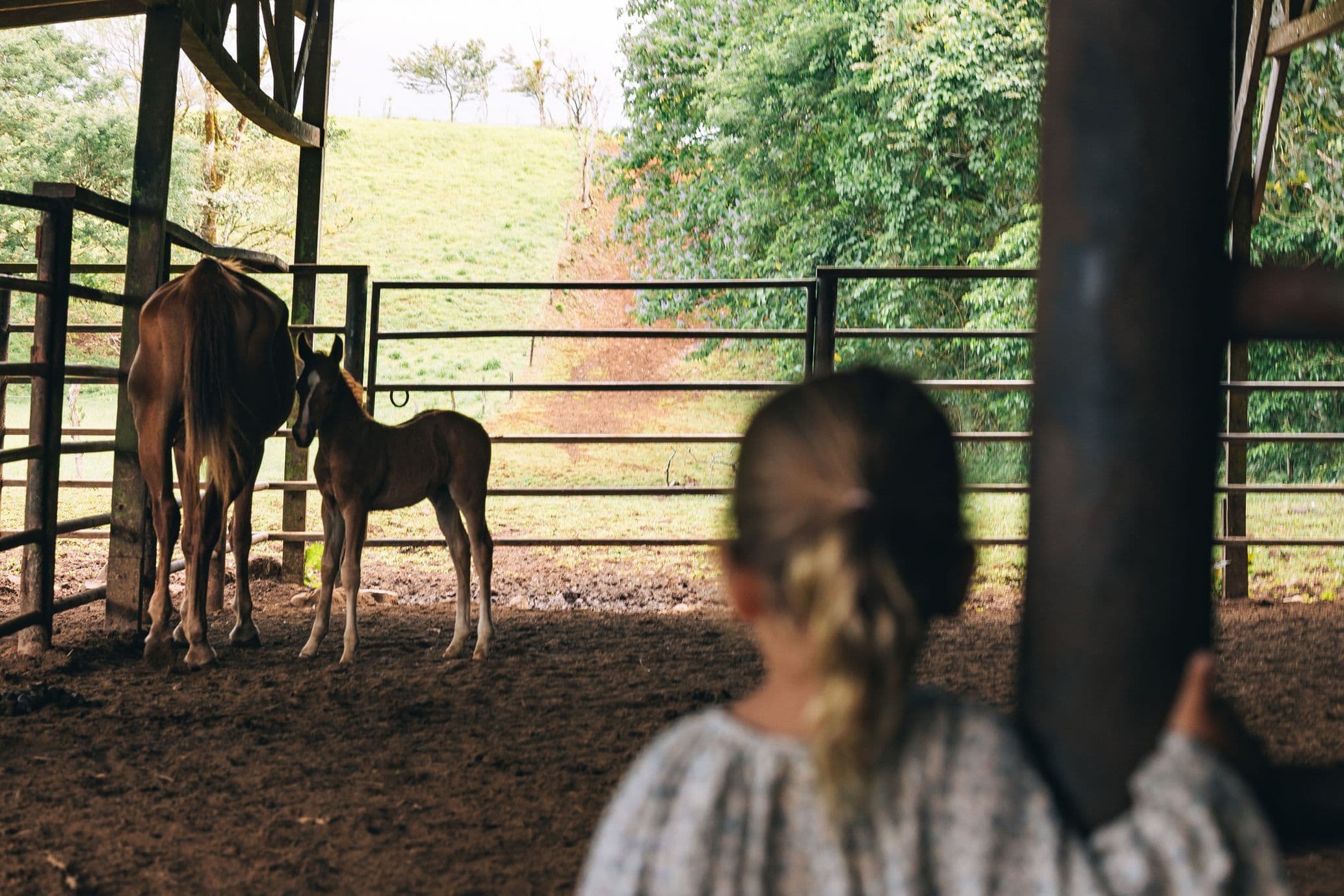
Horses in Hacienda Montezuma, Costa Rica, June 2025. Photo: Max Haensel
I stopped trying to document our trips and started trying to notice them. The camera stopped being just a tool and became a reason to pay attention – to be present
The shots I keep coming back to aren’t the wide dunes at sunrise or the perfectly framed postcard shots. They’re my daughter asleep against a car window on a long drive down the Carretera Austral; the first time the girls spotted a wild animal in its natural habitat; their sleepy faces waking to Cuernos del Paine from their cots; eating poisson cru (raw fish with crisp vegetables) from a food truck in French Polynesia; and faces covered with food and greasy fingers leaving marks on my white dress. Those unposed, messy moments keep surfacing in my mind long after the scenic shots have faded.
We all carry the pressure to produce picture‑perfect holiday photos, often without realising it. Social media has amplified that pressure in ways that feel overwhelming. These staged images flatten something. They show we were there, but they don’t show what it felt like to be in those places. Letting go of that pressure isn’t a technique – it’s a choice.
Photograph the messy hotel room, the child who doesn’t know you're watching, the sideways glance. In ten years, these photos will tell us more about who our children were than any staged portrait. It means shooting in the rain, resisting the urge to wait for everyone to be ready, and trusting the imperfect moments to tell the story. Learning to notice these moments is less about photography and more about presence. Put the phone down, look first and enjoy the moment. Then, if it feels right, reach for the camera. Our best family travel photographs are not choreographed.
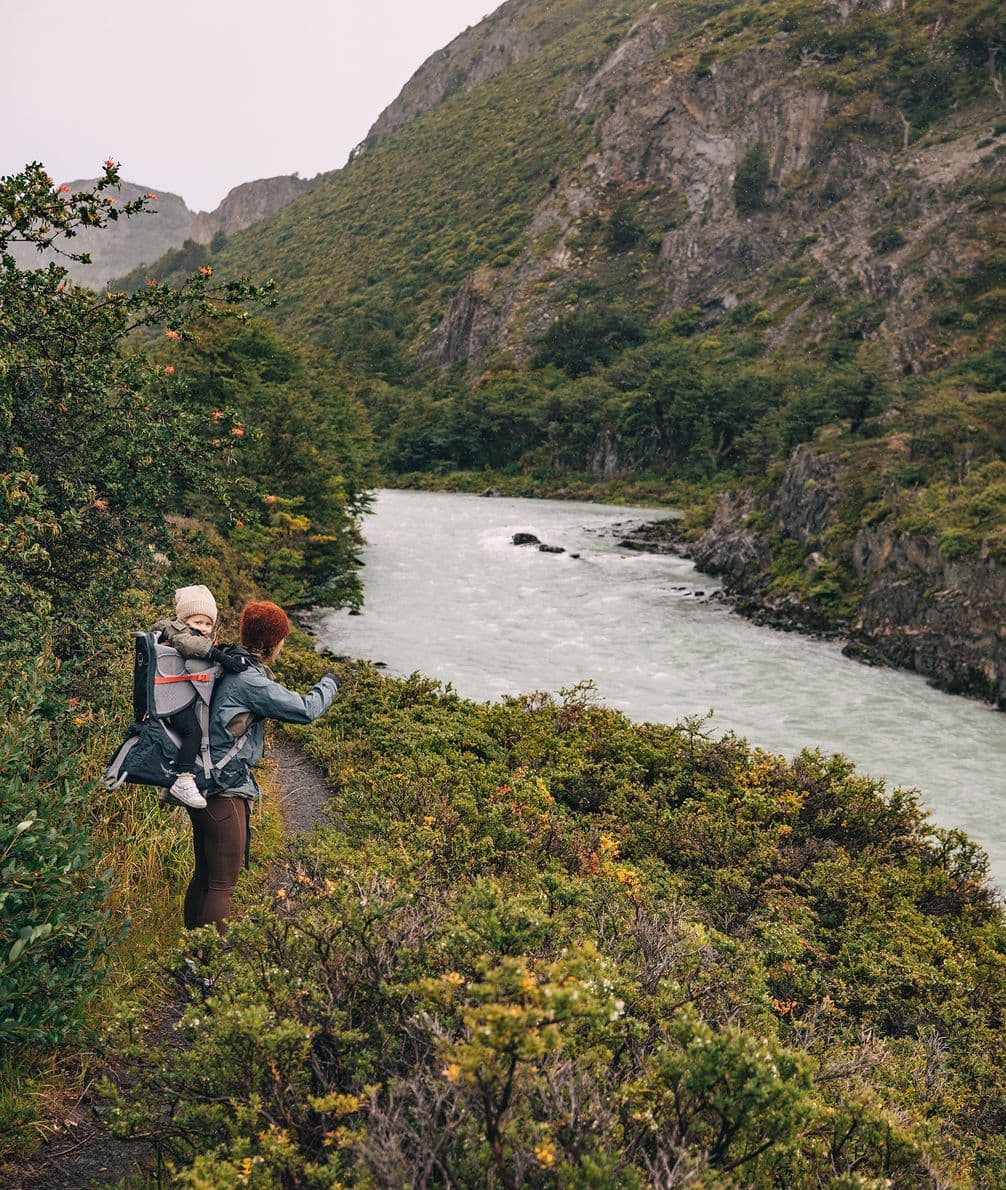
Hiking in Chile, February 2025. Photo: Max Haensel
Put the phone down, look first and enjoy the moment. Then, if it feels right, reach for the camera
Editing is a natural final step. Keep it simple – a couple of presets in Lightroom, nothing more. The goal is never transformation. A small lift in exposure, a touch of warmth to bring back what the light actually felt like in that moment. When we plan to print, the image gets a little extra care. Messy clothes, rain‑matted hair, awkward angles – those all stay. These little details are what we love and will always make us smile.
After the most remarkable trips, my husband and I turn our best shots into photo albums – the kind that live on a shelf or coffee table. Away from screens and the endless scroll, opening one with a friend or sitting with our daughters and turning the pages changes how the images land – they feel permanent in a way a phone gallery never does, and we’re not distracted by a screen. These aren’t just pictures of places. They are records of who we were there, together, in that exact moment.
Trova più velocemente le foto che stai cercando con funzionalità esclusive come il riconoscimento dei volti e gli album smart.


&w=96&q=75)
Mathias Fernandes
Fotografo di viaggi e avventura
15 giu 2026∙6 min
&w=96&q=75)
Bella Falk
Fotografa e autrice di racconti di viaggio
16 set 2025∙11 min
&w=96&q=75)
Ben Olsen
Editor Popsa
16 ott 2025∙9 min


 Stati Uniti