

Insights
The most photographed spots in Iceland
From dramatic waterfalls and black-sand beaches to geothermal lagoons – here’s where to go for frame-worthy shots in Iceland

Bradley Grantham
Científico jefe de datos
20 oct 2026∙8 min
Insights
From dramatic waterfalls and black-sand beaches to geothermal lagoons – here’s where to go for frame-worthy shots in Iceland
Bradley Grantham
Científico jefe de datos
20 oct 2026∙8 min
Words by Georgina Groom-Rietschy
Iceland is experiencing a decline in international tourism, driven partly by high costs and flight route changes impacting visitors from the US and UK. Yet the Icelandic Tourist Board is deliberately moving from high-volume tourism to sustainable, considered travel to protect its landscapes and communities. Autumn brings waterfalls, glacier lagoons and the chance of the Northern Lights.
To find Iceland’s most photographed spots, our data science team compared 2024 and 2025 photo activity. Gullfoss, Reynisfjara and the Blue Lagoon held on to the top three spots respectively, despite photo activity falling by an average of 26% across the ranking. Elsewhere, Jökulsárlón’s glacial waters and the towering Seljalandsfoss waterfall remain firm favourites, while Sky Lagoon slipped to 10th place, overtaken by Diamond Beach.
Curious how we calculated the photo index scores? Read the methodology at the end of the article.
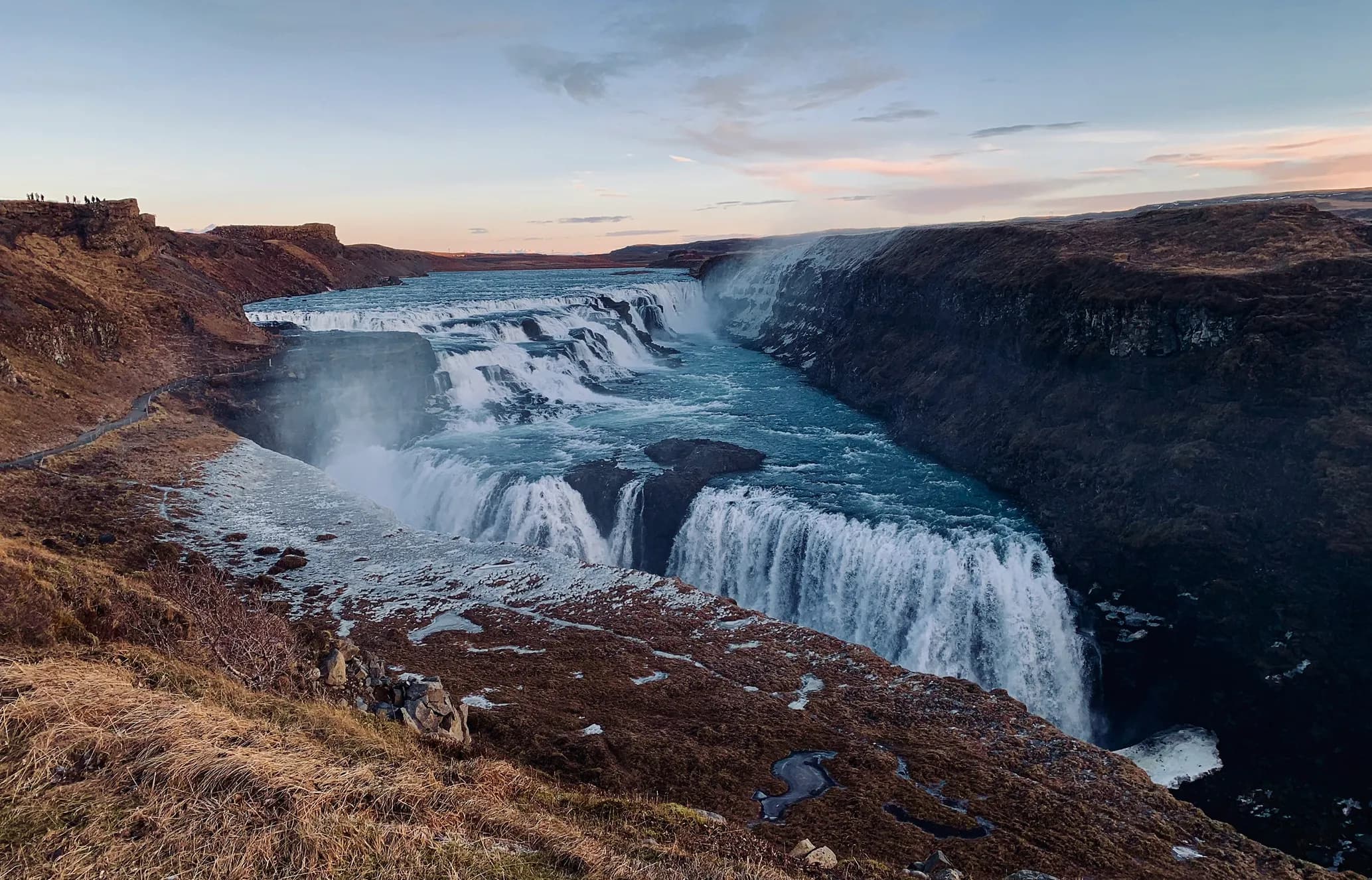
Gullfoss, Golden Circle. Photo: Joey Clover, Unsplash
Photo index score: 100
Gullfoss is one of Iceland’s most remarkable landmarks and a highlight of the Golden Circle. Fed by the Hvítá glacial river, its water tumbles down two rocky tiers into a narrow canyon as spray rises from the gorge. The waterfall is free year-round, and most Golden Circle tours stop here. Head to the Upper Lookout Platform for sweeping views of the cascades – and, on clear days, rainbows in the mist. Late September to mid-April offers your best chance to see the Northern Lights glowing fluorescent green above the falls, although sightings depend on clear skies, darkness and aurora activity.
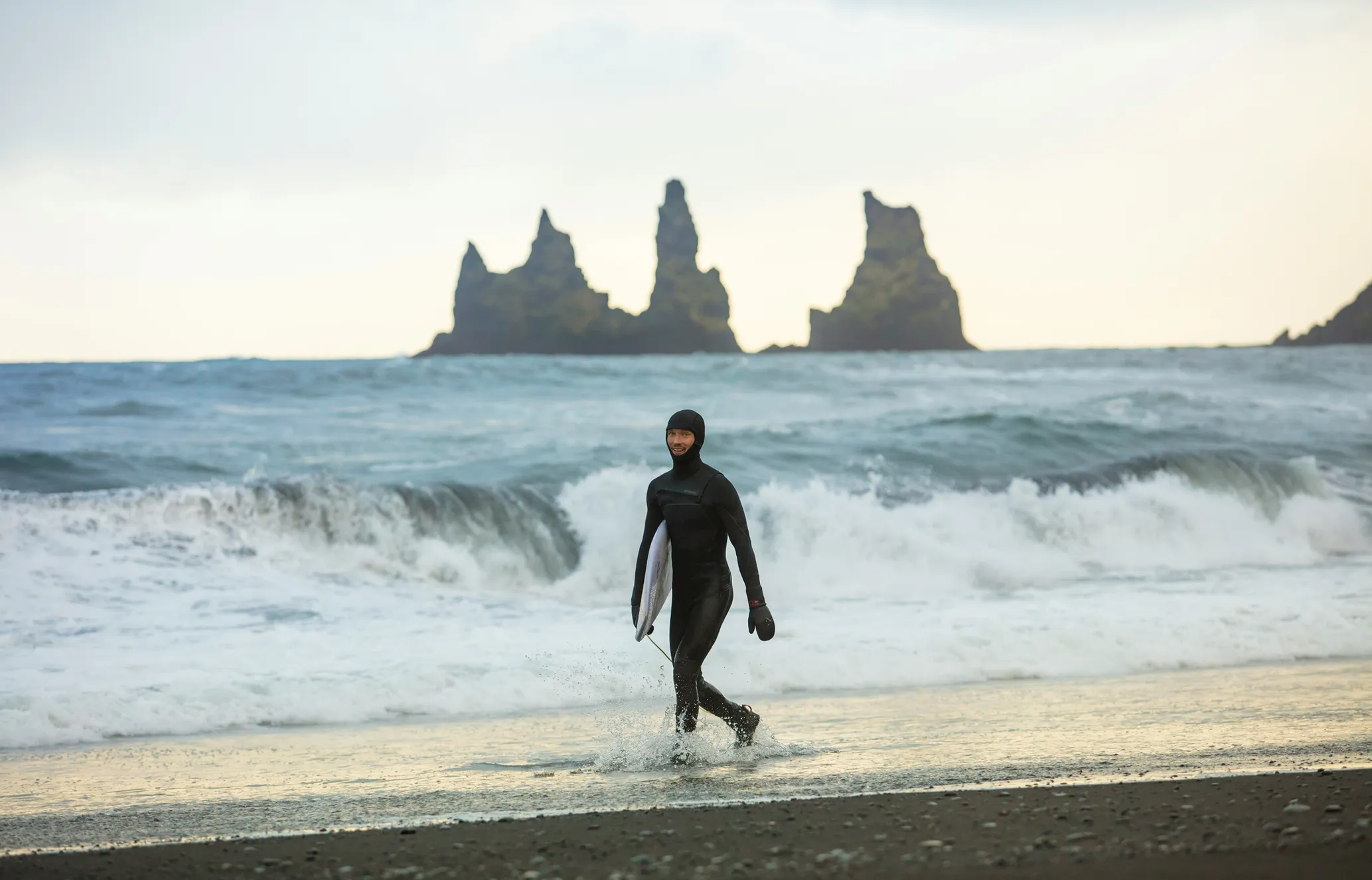
Reynisfjara, South Coast. Photo: Leo Visions, Unsplash
Photo index score: 86
Reynisfjara’s black-sand coastline has starred in Game of Thrones, Star Trek Into Darkness and Rogue One: A Star Wars Story, standing in for everything from the remote home of the Night’s Watch to a galaxy far, far away. Off screen, the beach is just as arresting, with basalt columns, sea stacks rising from the Atlantic and the Hálsanefshellir sea cave. Come early morning or late afternoon to catch the light against the dark sand and white surf. You might even spot a surfer – but keep back from the water, as sneaker waves can surge unexpectedly far up the beach.
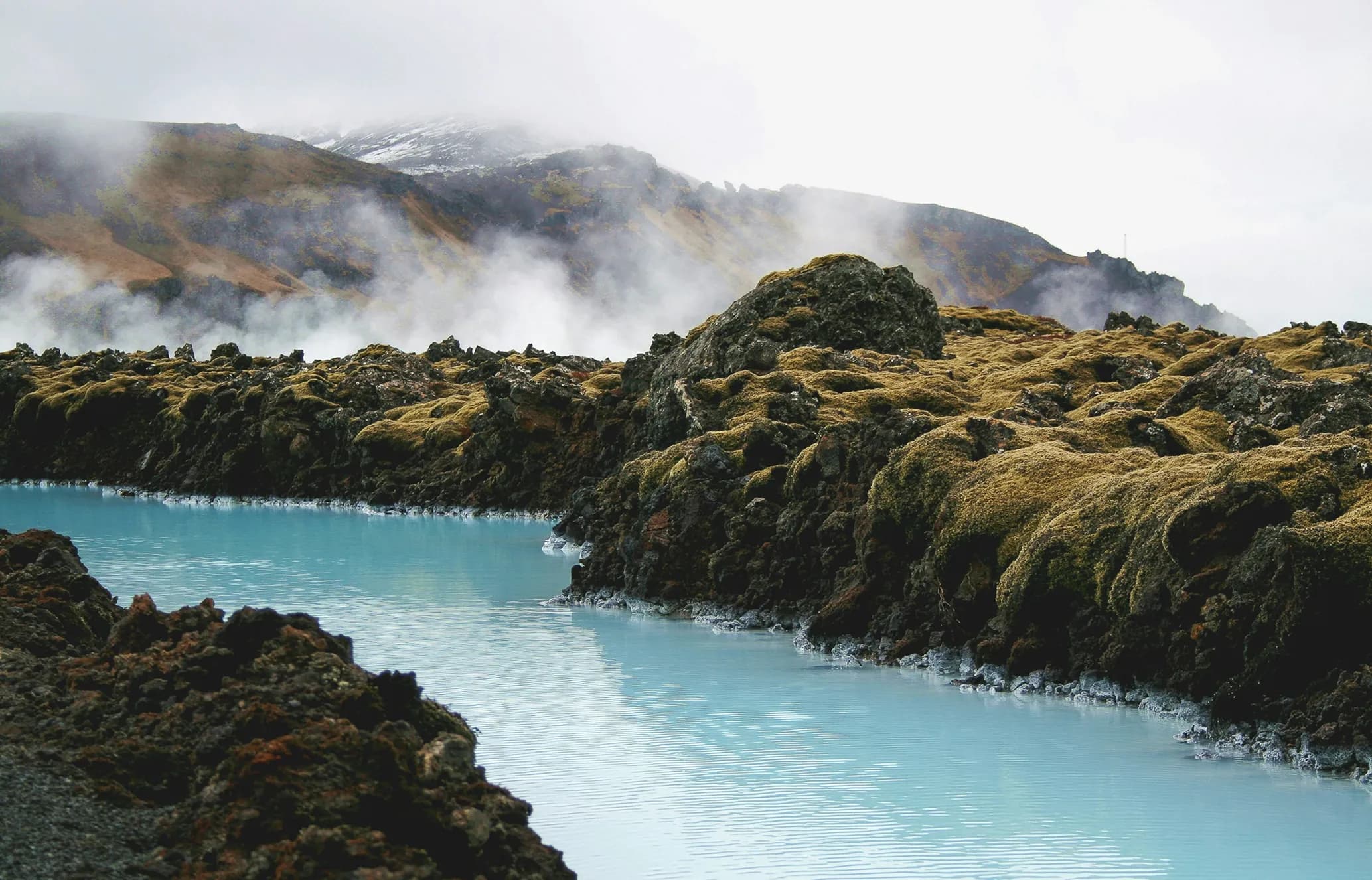
Blue Lagoon, Reykjanes Peninsula. Photo: Daniel Schoibl
Photo index score: 84
The Blue Lagoon’s milky-blue geothermal waters stand out against black lava fields, steam drifting across the surface. Rich in silica, algae and minerals, the water gives the lagoon its colour and anchors its signature four-step ritual: salt scrub, mud mask, algae mask and an ice towel to lock in moisture and soothe the skin. Visitors can soak in the warm water all day. For quieter photos, book an early-morning session, and check local updates before travelling, as volcanic activity on the Reykjanes peninsula can affect access.
Seljalandsfoss, South Coast. Photo: Yvon Hoogers, Unsplash
Photo index score: 73
Seljalandsfoss offers a rare perspective, with visitors able to walk behind its 60-metre curtain of cascading water into a shallow cave in the ancient sea cliffs. Fed by meltwater from Eyjafjallajökull, the waterfall drops into lowlands that were once the coastline. Come at dusk, when the west-facing falls catch the sunset and the spray turns orange. After dark, floodlights pick out the falls; in autumn and winter, the Northern Lights flash green and purple overhead. The path behind the waterfall often closes in winter owing to ice, so check access first and bring waterproofs.
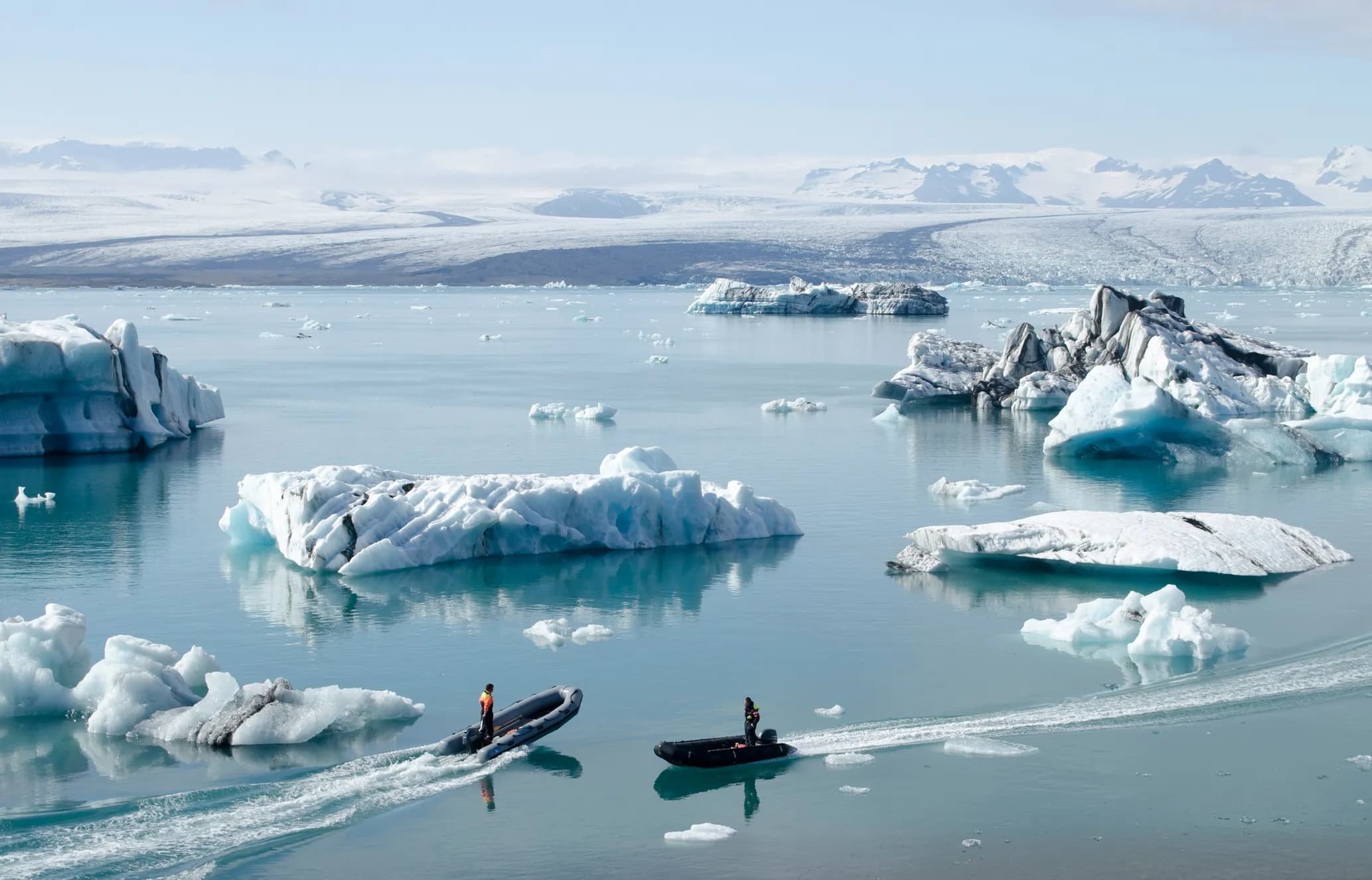
Jökulsárlón, Southeast Iceland. Photo: Rof Gelpke, Unsplash
Photo index score: 73
Jökulsárlón is a glacial lagoon in Vatnajökull National Park, where icebergs calve from the Breiðamerkurjökull glacier and drift seawards, shifting between brilliant white and electric blue. Formed in the 1930s as the glacier retreated, it is Iceland’s deepest lake. Seals often sunbathe on floating ice or swim between icebergs. Take a summer boat tour to see the ice up close. In winter, ice across parts of the lagoon may halt boat tours. Instead, explore the shoreline on foot or take a guided blue ice cave tour inside the ancient glacial ice.
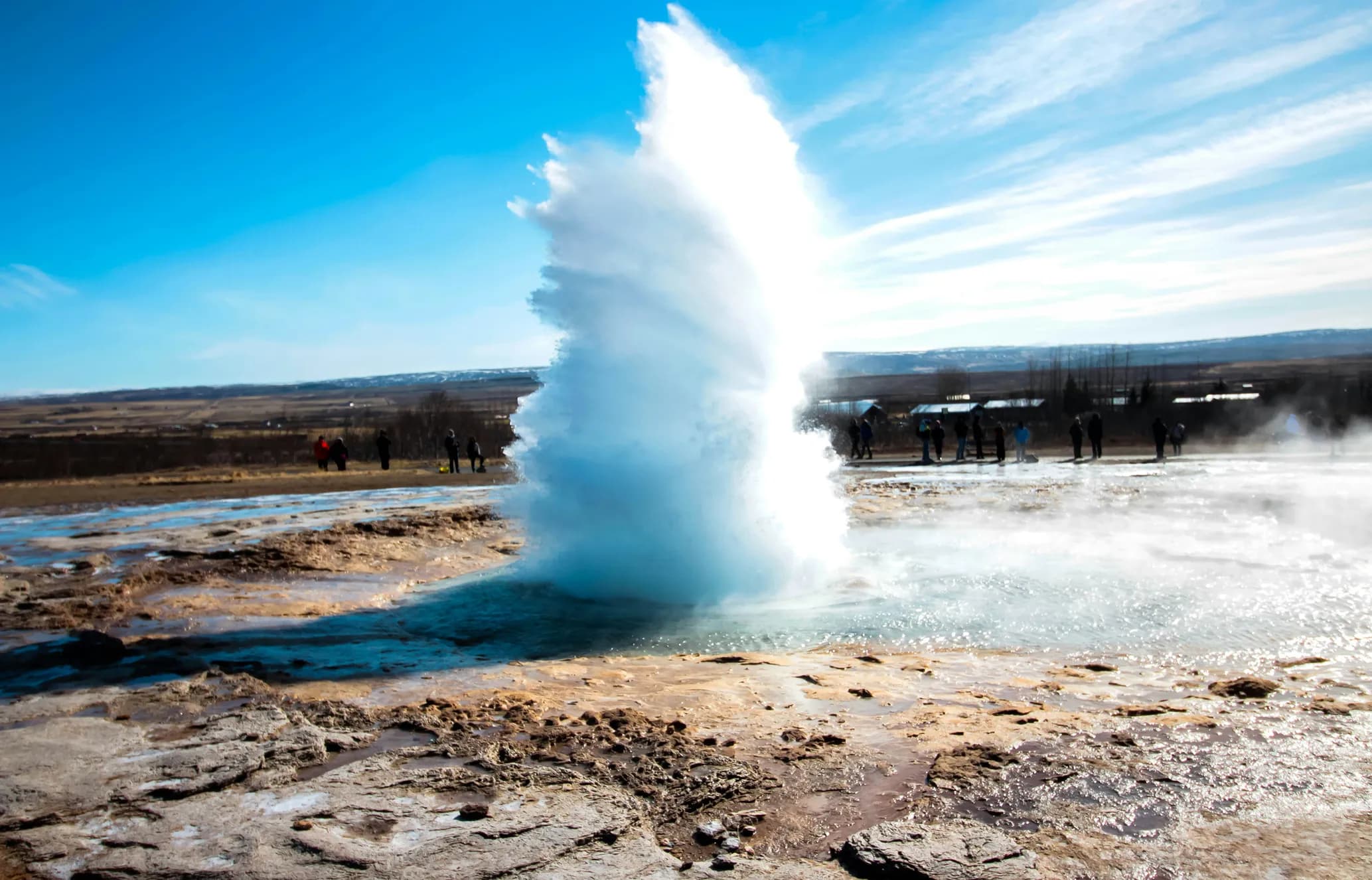
Geysir, Golden Circle. Photo: Kuba Regulski, Unsplash
Photo index score: 61
You’ve no doubt seen Geysir before. At the heart of Iceland’s geothermal landscape, the hot spring has given its name to geysers worldwide, with the Icelandic verb geysa meaning ‘to gush’. Its star attraction, Stokkur, erupts every few minutes, sending boiling water up to 30 metres skywards. Keep your camera on the churning pool to catch it turn from bubbling water to soaring plume. The Great Geysir is now largely dormant, but steaming vents, bubbling pools and mineral-stained earth make the area worth exploring. It’s conveniently just a 90-minute drive east of Reykjavik, making for an easy pitstop on the Golden Circle route.
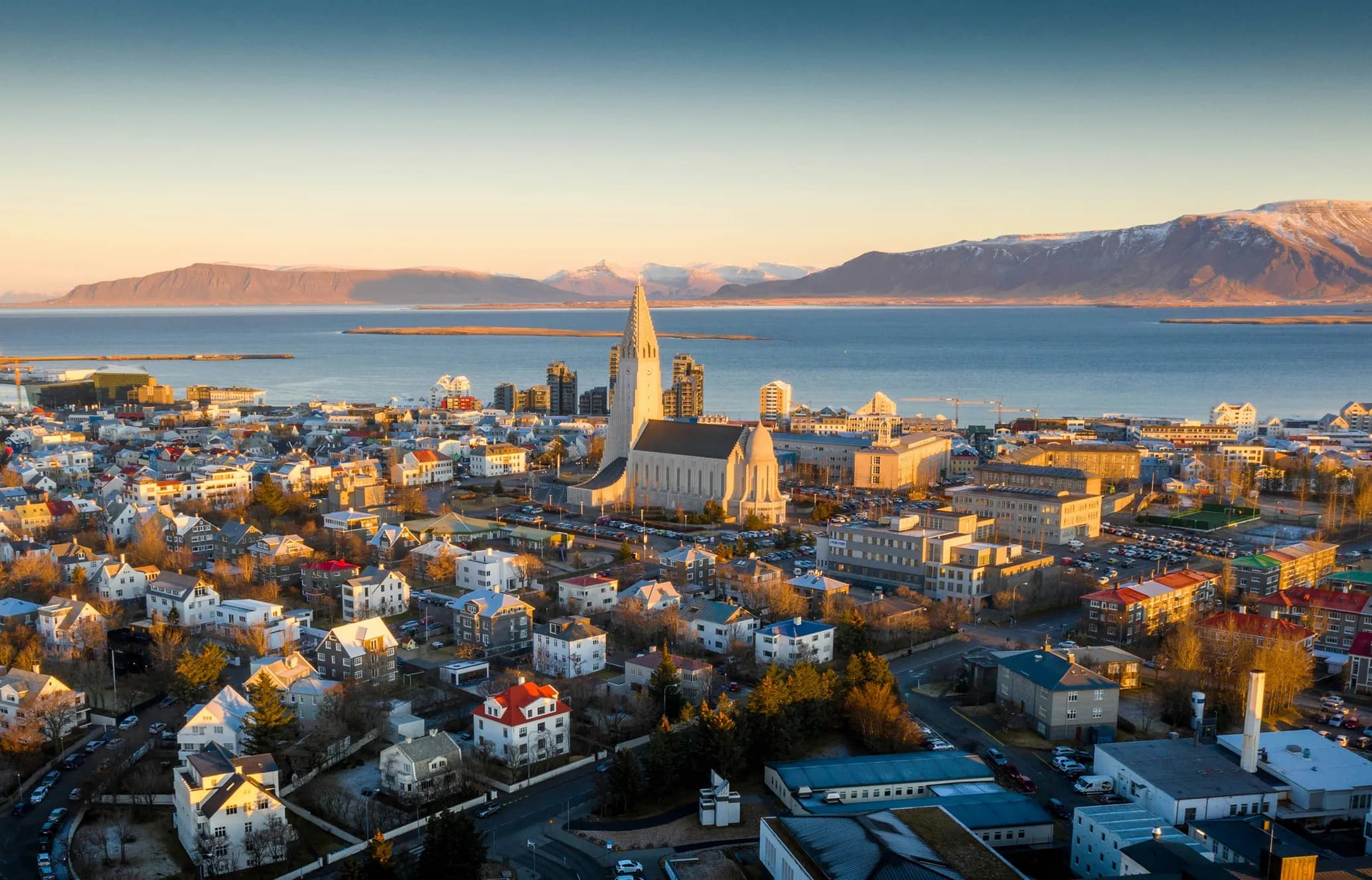
Hallgrímskikja, Reykjavík. Photo: Einar Reynis, Unsplash
Photo index score: 59
Hallgrímskirkja is impossible to miss, its angular concrete façade inspired by the basalt columns found across the country. Guðjón Samúelsson was commissioned in 1937; the church took more than 40 years to complete, opening in 1986. Take the lift to the eighth-floor observation deck for views across the capital’s colourful rooftops to the mountains and Atlantic coastline. At street level, the statue of the explorer Leif Erikson makes a compelling foreground, particularly when low northern light catches the church’s sculptural exterior. Don’t miss rainbow-painted Skólavörðustígur, lined with independent shops and artisan coffee roasters.
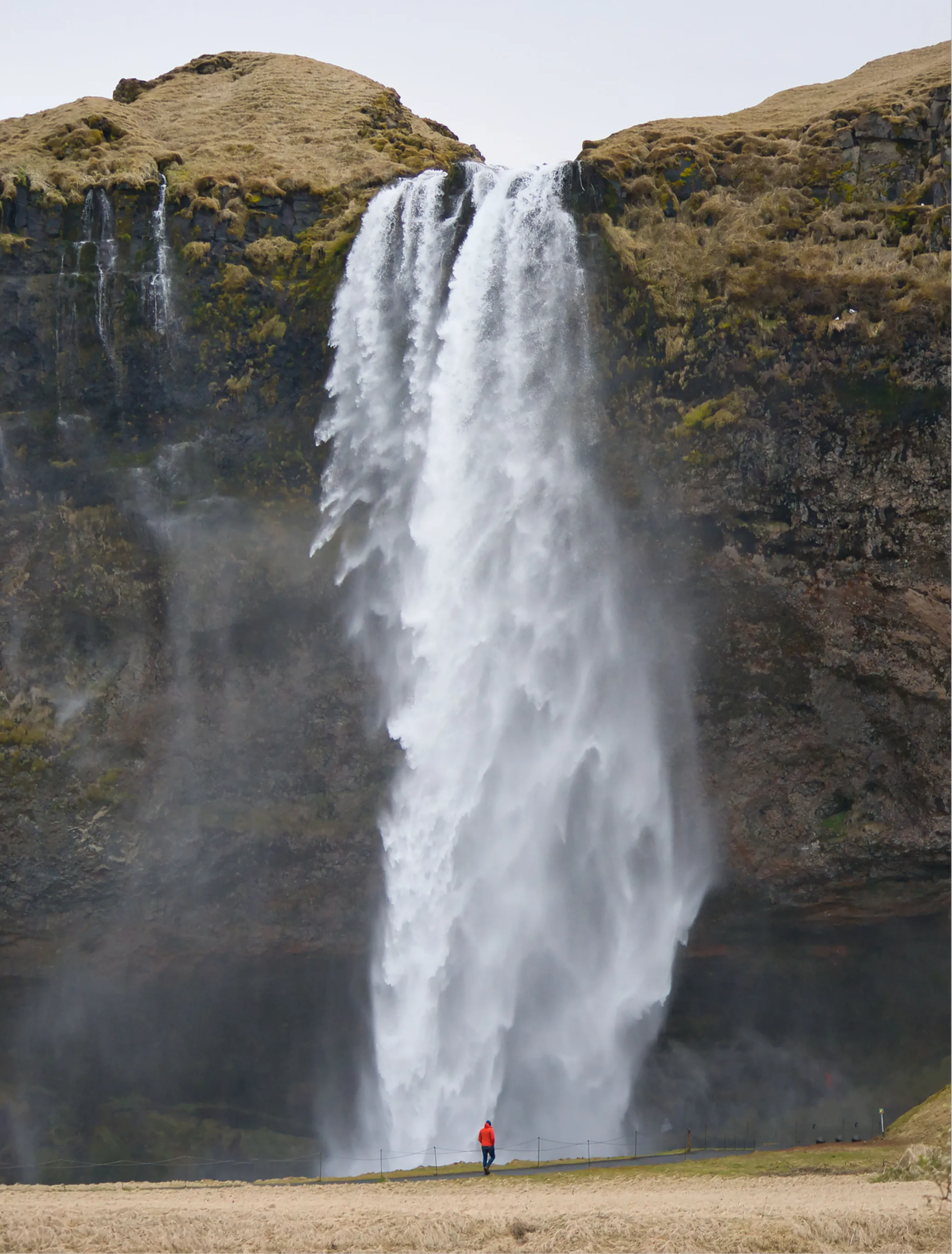
Skógafoss, South Coast. Photo: Roi Dimor, Unsplash
Photo index score: 55
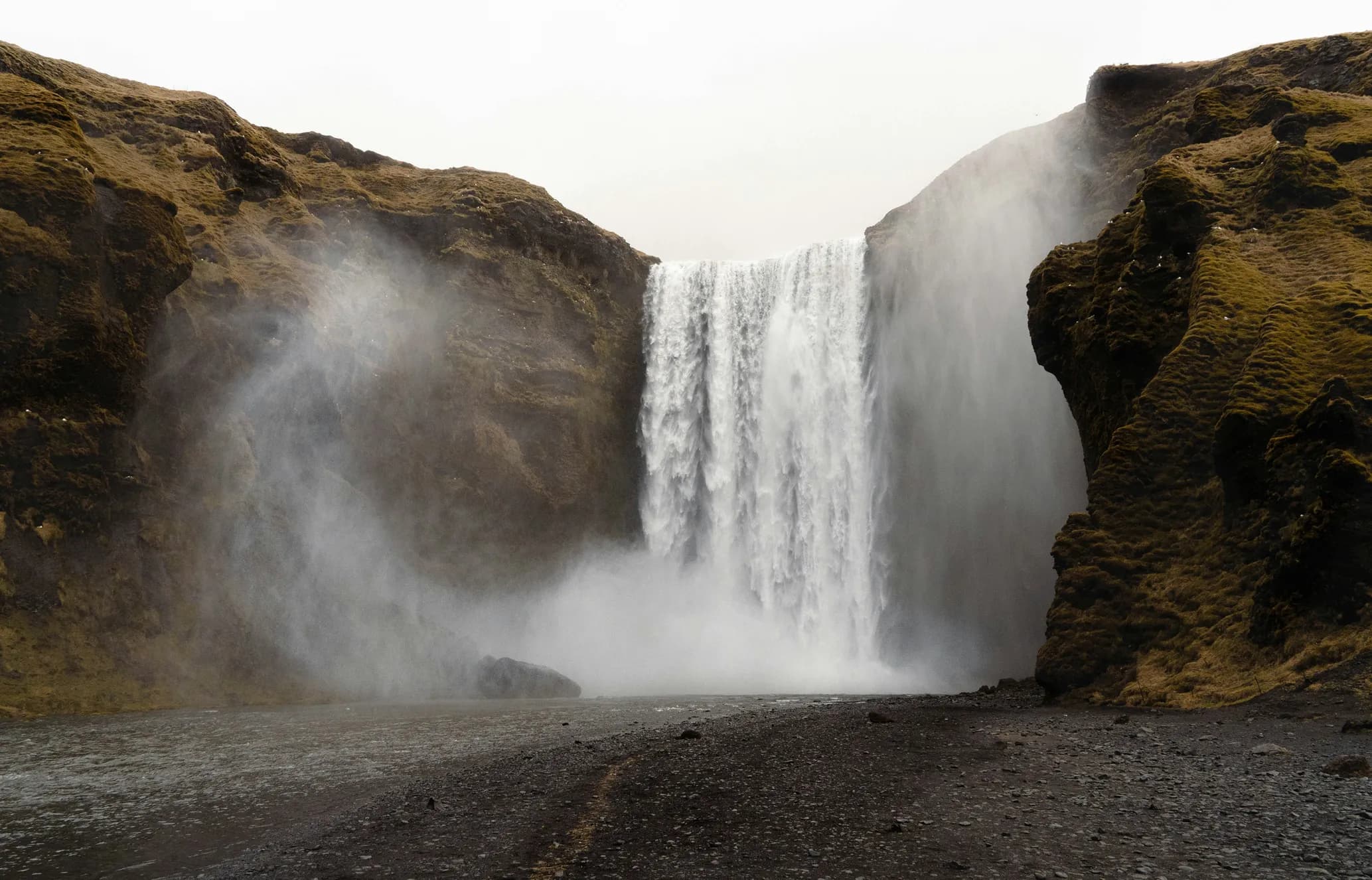
Skógafoss thunders 60 metres over a former sea cliff, its broad curtain of water fed by two glaciers: Eyjafjallajökull and Mýrdalsjökull. At its foot, the falls fill the frame, and if the sun catches the spray you might capture a vivid rainbow. For a bird’s-eye view, climb the steep staircase beside the falls to the clifftop, where the Skógá river winds inland and the south coast stretches towards the Atlantic. The falls also mark the start of the Fimmvörðuháls trail, which crosses between the glaciers into the lush Þórsmörk valley.
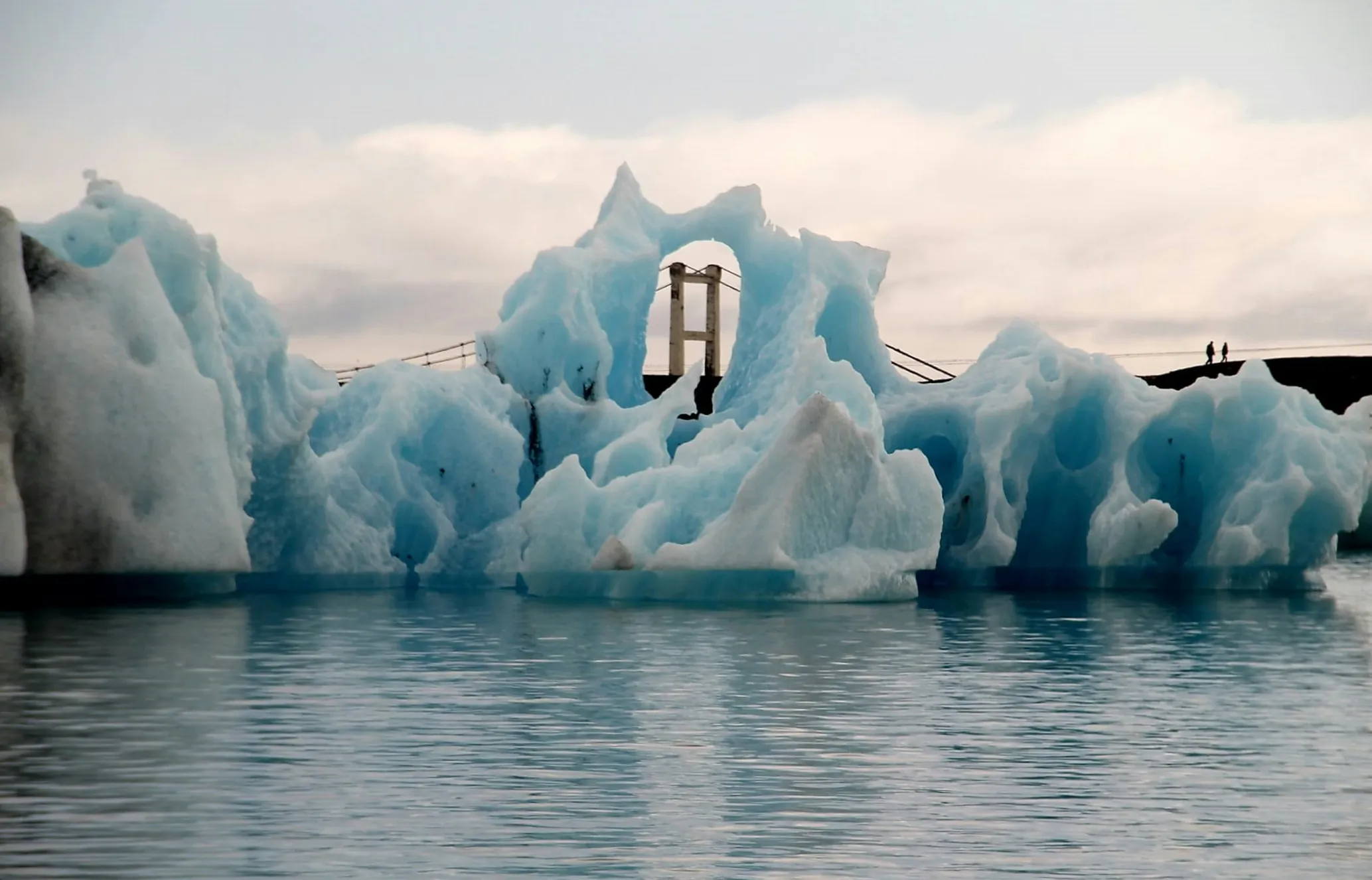
Diamond Beach, Iceland. Photo: Ole Kloth, Unsplash
Photo index score: 46
Known locally as Breiðamerkursandur, Diamond Beach is black volcanic sand defined by sculpture-like glacial ice. White and blue ice fragments wash ashore from neighbouring Jökulsárlón, making an ever-changing landscape with exceptional contrast for photos. Winter’s low sun brings out the ice’s textures – but daylight dwindles to around four hours near the solstice, so time your visit. Keep well clear of the freezing water and never climb onto the ice, as waves can surge unexpectedly and shift seemingly stable blocks.
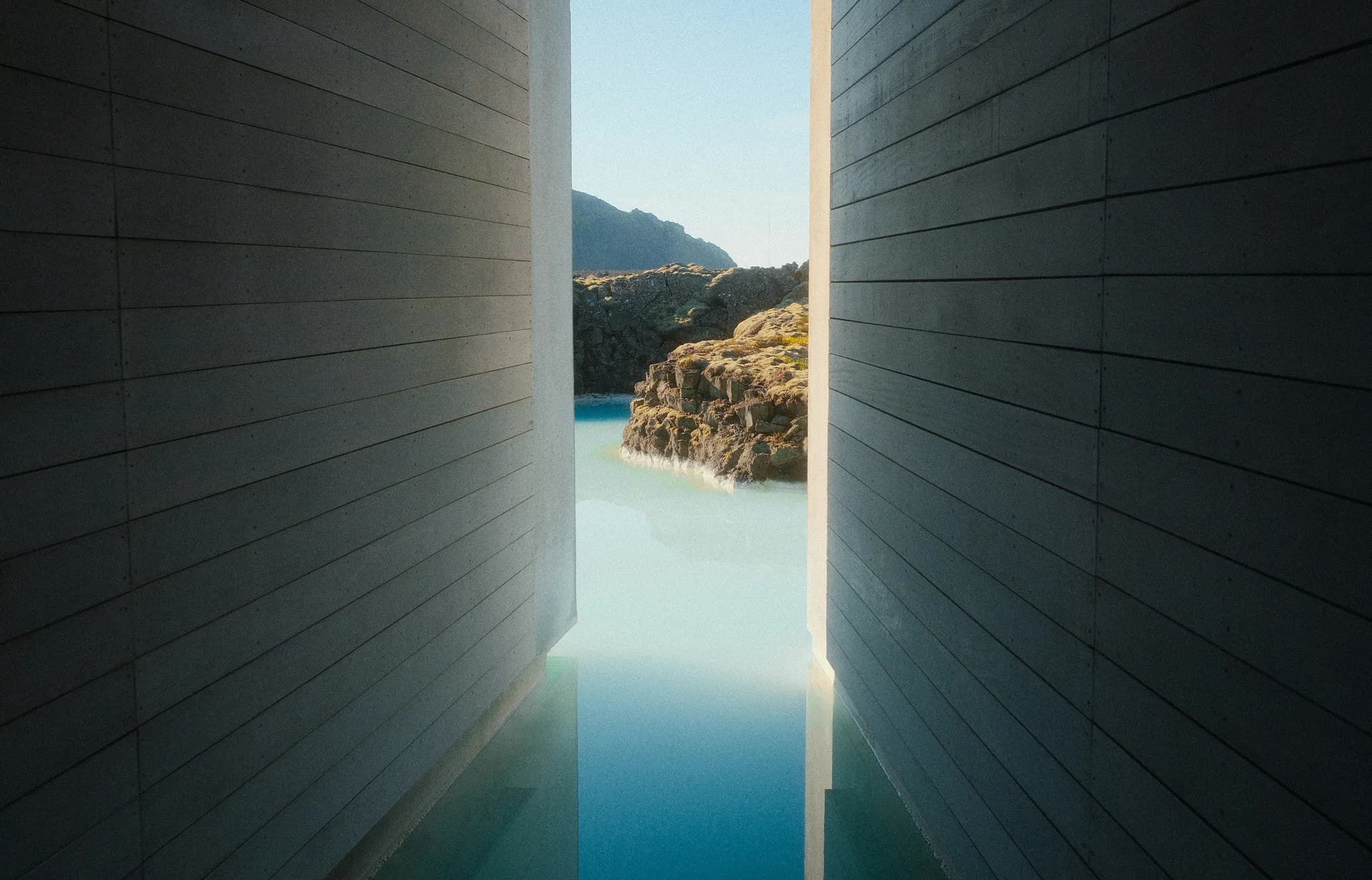
Sky Lagoon, Reykjavík. Photo: Karsten Winegeart, Unsplash
Photo index score: 45
Sky Lagoon, with its geothermal waters and showstopping North Atlantic views, is just a 15-minute drive from the city centre. Swim to its infinity edge to take in the cliffs and mountains before braving a cold plunge. The seven-step bathing ritual includes a sauna, cold mist room, body scrub, steam room and signature herbal tea shot – though a swim-up bar awaits those seeking a more chilled-out visit. Arrive at sunset to capture the lagoon at its most atmospheric, then retreat to the restaurant for warming soups and sourdough pizzas.
To determine the most photographed spots in Iceland, Popsa’s data science team analysed anonymised, aggregated metadata from millions of photos across 2024 and 2025.
Each location then received an index score from 0 to 100, scaled relative to the top scorer at 100. The result reflects real behaviour: not just where people visited, but where they were most moved to capture their memories.
Descubre recuerdos más rápido con funciones exclusivas, como el reconocimiento facial y los álbumes inteligentes.





Bradley Grantham
Científico jefe de datos
5 ago 2026∙7 min
Bradley Grantham
Científico jefe de datos
15 abr 2026∙10 min
Bradley Grantham
Científico jefe de datos
27 ene 2026∙8 min


 Estados Unidos