

Insights
The most photographed beaches in Germany
Cross-border coastlines, storybook towns and sweeping sands – discover the spots dominating Popsa travellers’ camera rolls
&w=96&q=75)
Bradley Grantham
Científico jefe de datos
7 ago 2026∙7 min
Insights
Cross-border coastlines, storybook towns and sweeping sands – discover the spots dominating Popsa travellers’ camera rolls
Bradley Grantham
Científico jefe de datos
7 ago 2026∙7 min
Words by Georgina Groom-Rietschy
When thoughts turn to a beach break, Germany might not be the first destination that springs to mind – yet its North Sea and Baltic coastlines are home to some of Europe’s most underrated shores. From vast sandy beaches and rolling dunes to tranquil island hideaways, its coastline offers something for every kind of visitor.
To uncover Germany’s most photographed beaches, our data science team analysed millions of customer photos using a rigorous, data-led methodology. Comparing the 2025 hotspots with our 2024 rankings, the soft sands of St Peter-Ording continue to lead the table, closely followed by Hauptstrand Westerland on the windswept island of Sylt. Elsewhere, Strand Heringsdorf and Scharbeutz Strand both climbed higher within the top ten, likely reflecting their growing popularity on social media.
To learn how the data was analysed and how the photo index scores were calculated, see the methodology at the end of this article.
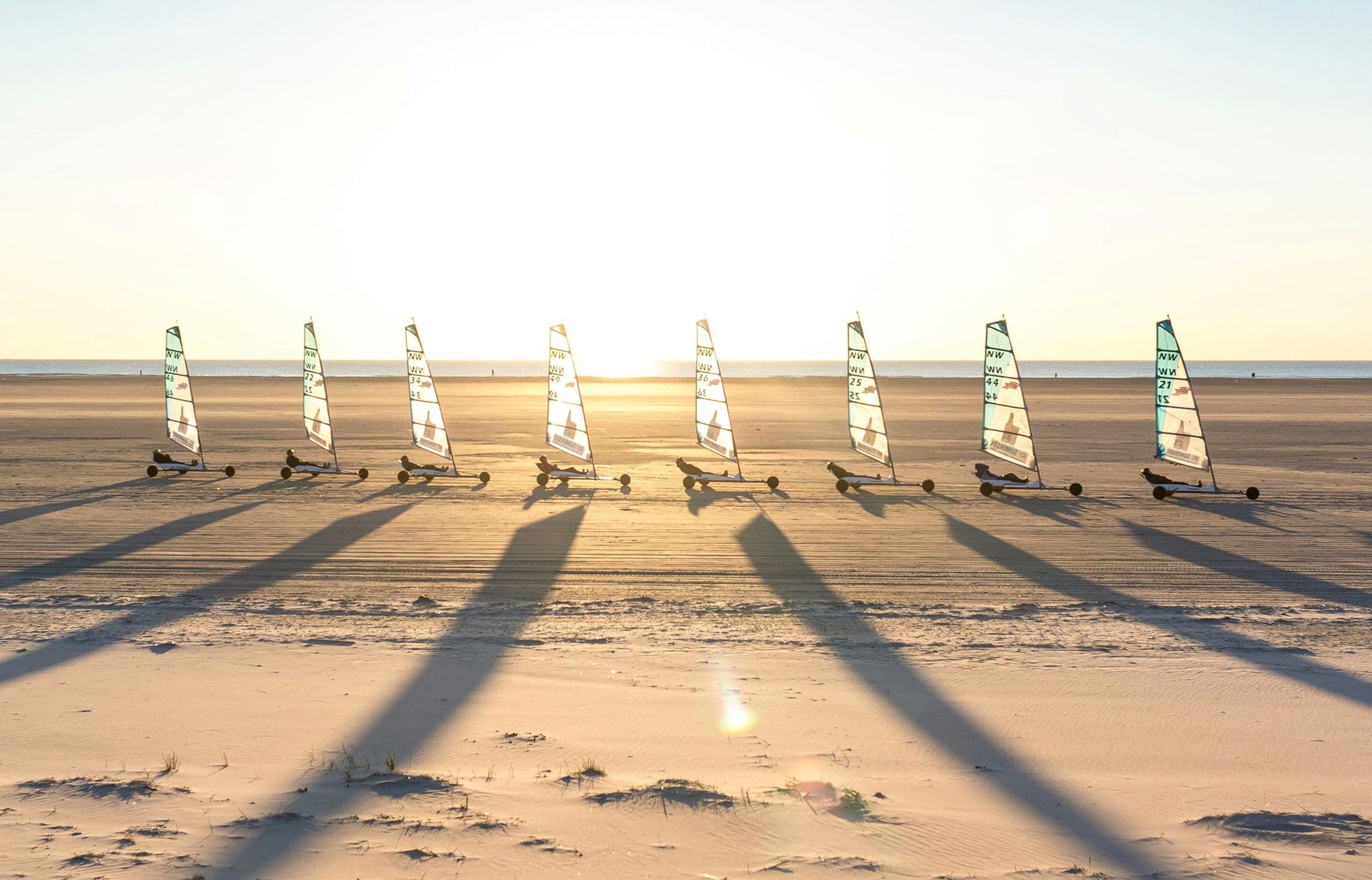
St Peter-Ording Strand, Schleswig-Holstein. Photo: Marvin Radke, Unsplash
Photo index score: 100
Sprawling across 12km of Germany’s North Sea coast, St Peter-Ording Strand is renowned for its sweeping tidal flats. At low tide, the sea retreats for more than a mile, revealing rippled sand perfect for barefoot walks and kite flying. The beach’s striking pfahlbauten – stilted houses and restaurants perched on wooden posts – give the shoreline an unmistakable silhouette and a perfect backdrop for a sunset photoshoot. Families should head for the shallow, sheltered Bad area, while kitesurfers and buggy racers can skip further north to the Ording section, where coastal winds make this a favourite watersports destination.
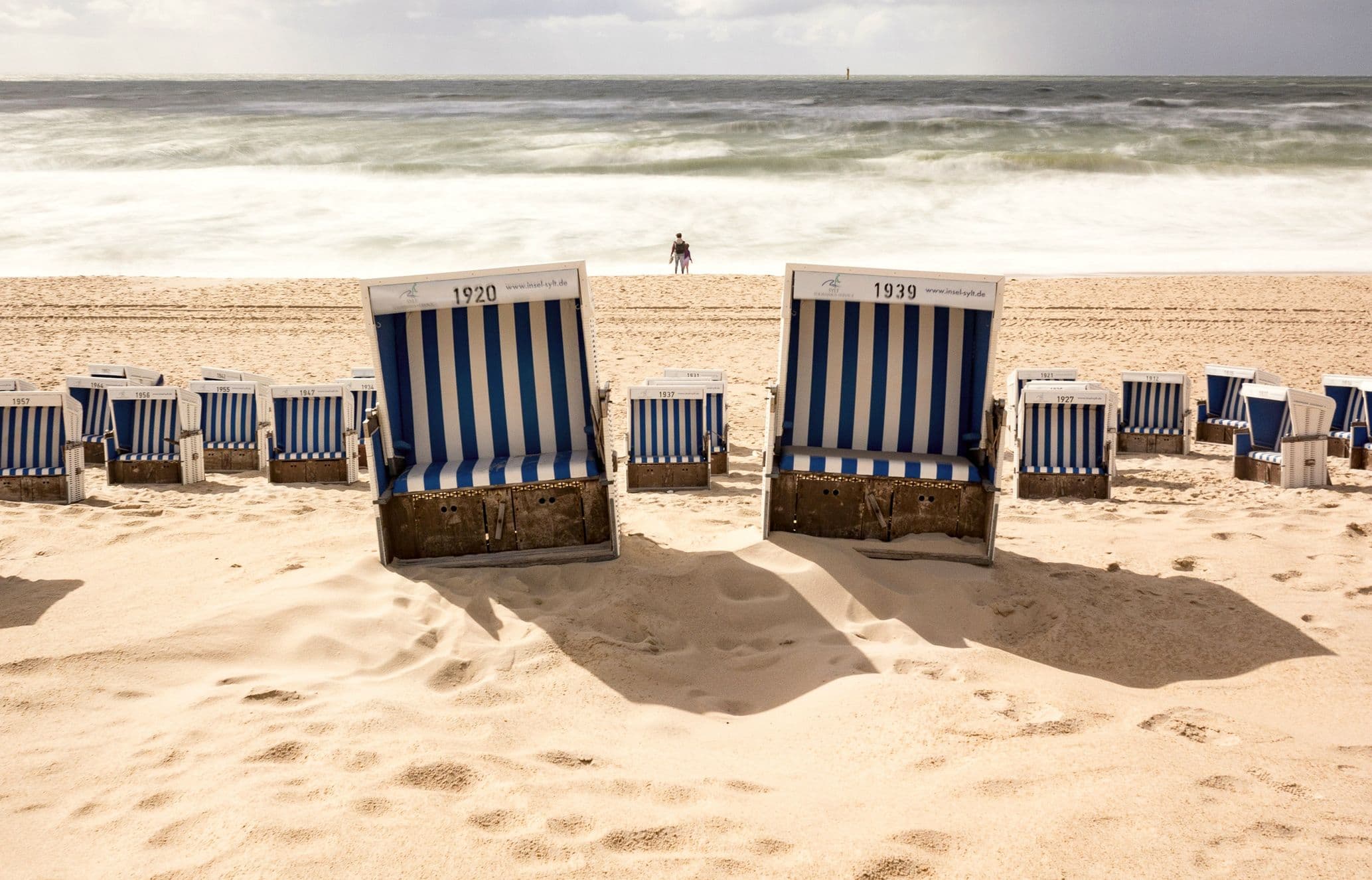
Hauptstrand Westerland, Schleswig-Holstein. Photo: Marvin Radke, Unsplash
Photo index score: 76
Situated on the island of Sylt, Westerland is a popular staycation destination for Germans thanks to its vast beach. In summer, traditional strandkörbe (wicker-hooded beach chairs) line the sand, offering sun-chasers welcome shelter from the North Sea breeze. Its shoreline has a gentle slope, ideal for little ones to splash around in, while behind the dunes, a buzzy promenade is lined with cafes, restaurants and boutiques. Tuck into fresh seafood at Sunset Beach Restaurant’s outdoor terrace. The west-facing beach is known for its showstopping sunsets, with the sky bathed in vivid pinks and oranges.
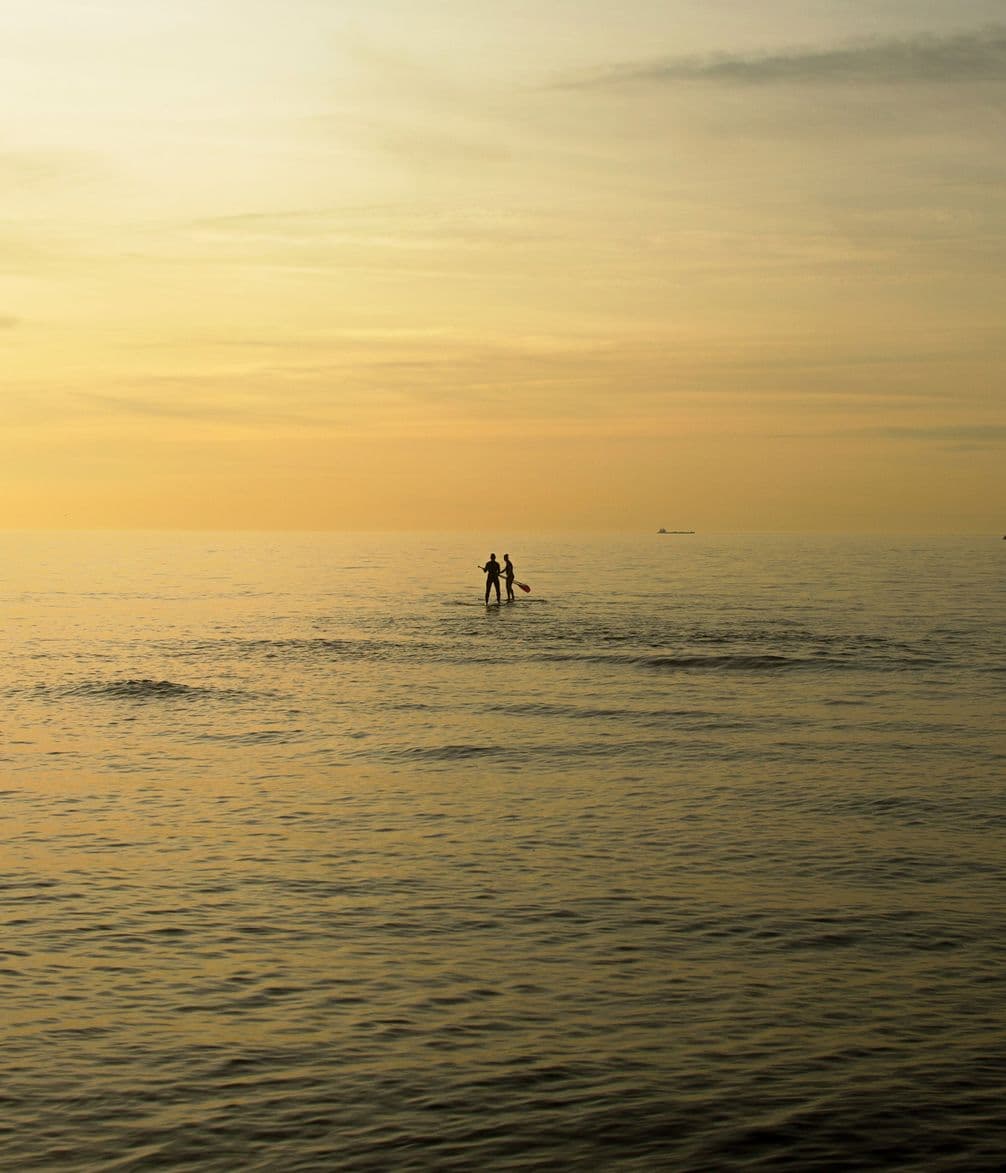
Strand Warnemünde, Mecklenburg-Vorpommern. Photo: Mariam Soliman, Unsplash
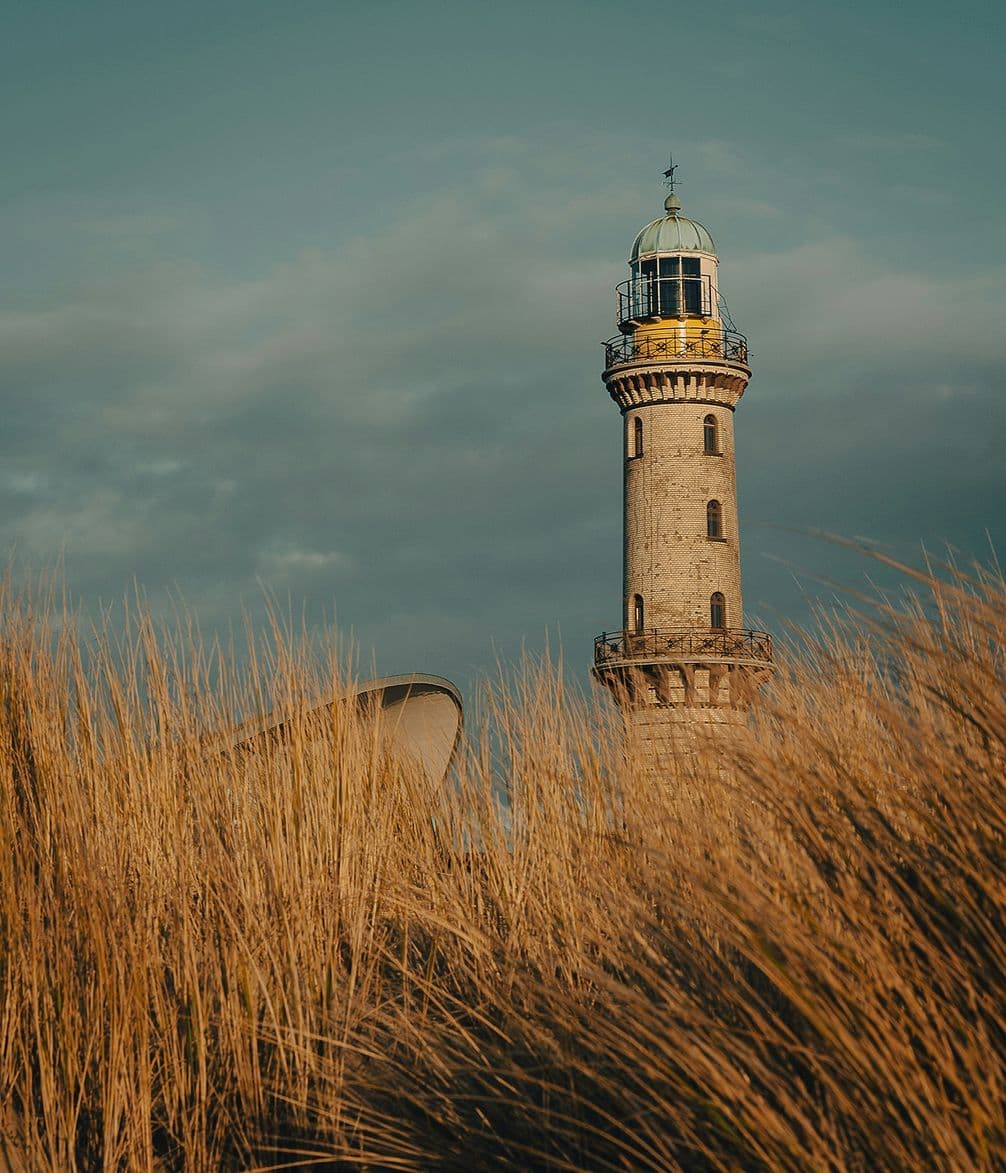
Warnemünde lighthouse, Mecklenburg-Vorpommern. Photo: Stefanie Jockschat, Unsplash
Photo index score: 68
On Germany’s Baltic coast, where the River Warnow meets the sea, Strand Warnemünde is loved for its broad stretch of golden sand and calm, shallow waters. Colourful parasols and patterned windbreaks sit alongside rows of strandkörbe creating a quintessential summer scene. Climb the 19th-century Warnemünde Lighthouse for panoramic views or stroll along the waterfront to the end of the West Mole to watch boats glide in and out of the harbour. Round off your day with a freshly made fischbrötchen (a traditional German sandwich, typically filled with fish and various toppings), which is a local speciality served from kiosks along the waterfront. Then retreat to the nearby Hotel Am Leuchtturm, where sea-facing rooms and private terraces offer a peaceful base.
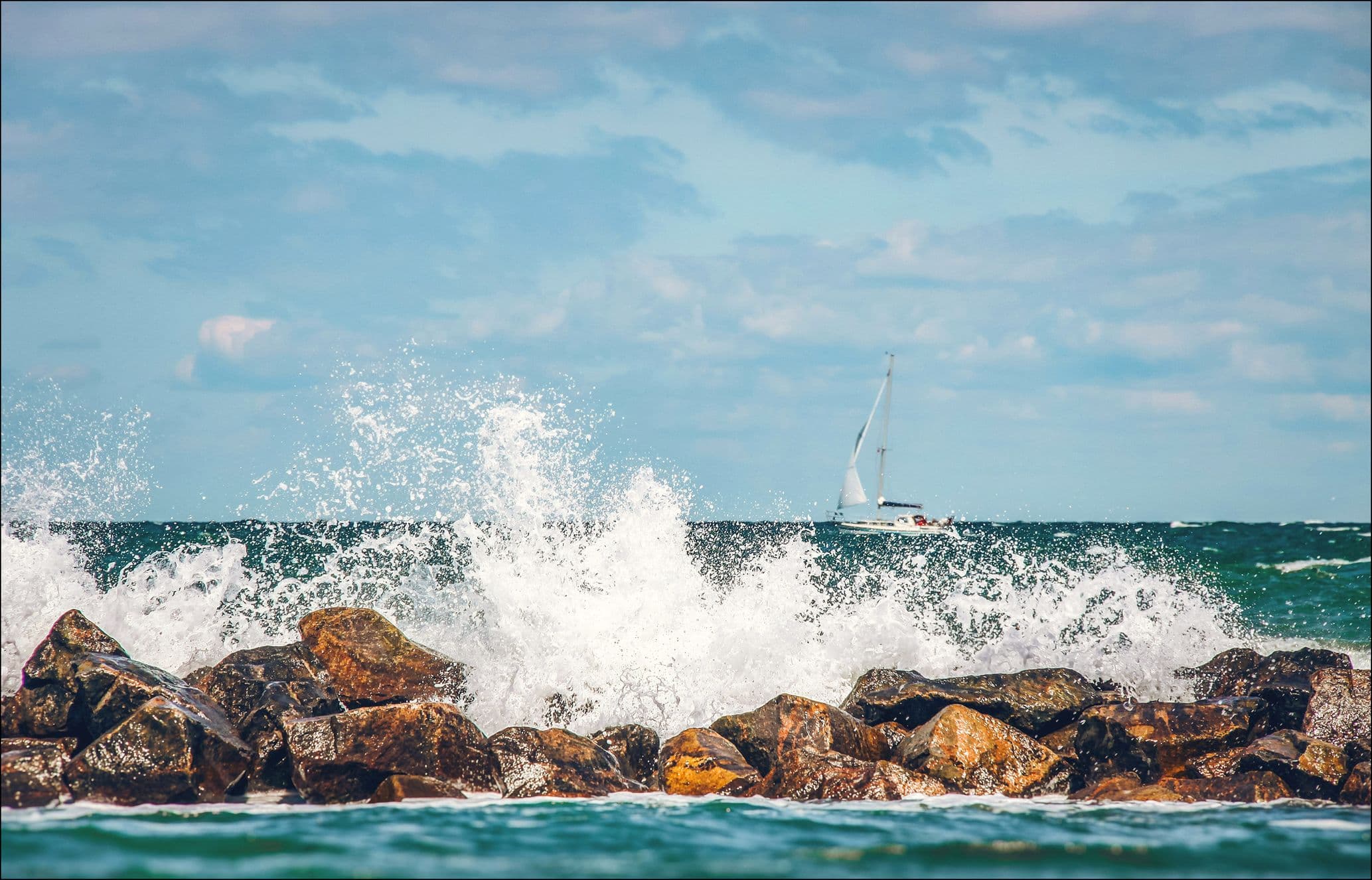
Strand Kühlungsborn, Mecklenburg-Vorpommern. Photo: David Koch, Unsplash
Photo index score: 55
What sets Strand Kühlungsborn apart is its rare setting, framed by the Baltic Sea on one side and the wooded hills of the Kühlung on the other. The beach is backed by the quaint town of Kühlungsborn, characterised by tree-lined avenues, grand villas and historic architecture, creating a charming contrast to the coastal scenery. The pier provides a scenic viewpoint, where visitors can capture the coastline and Baltic Sea awash in golden light at sunset. With calmer waters than Germany’s North Sea coast, it’s a popular spot for swimming or a relaxing long weekend. Check out wellness resort and hotel Upstalsboom Kühlungsborn for a stylish stay.
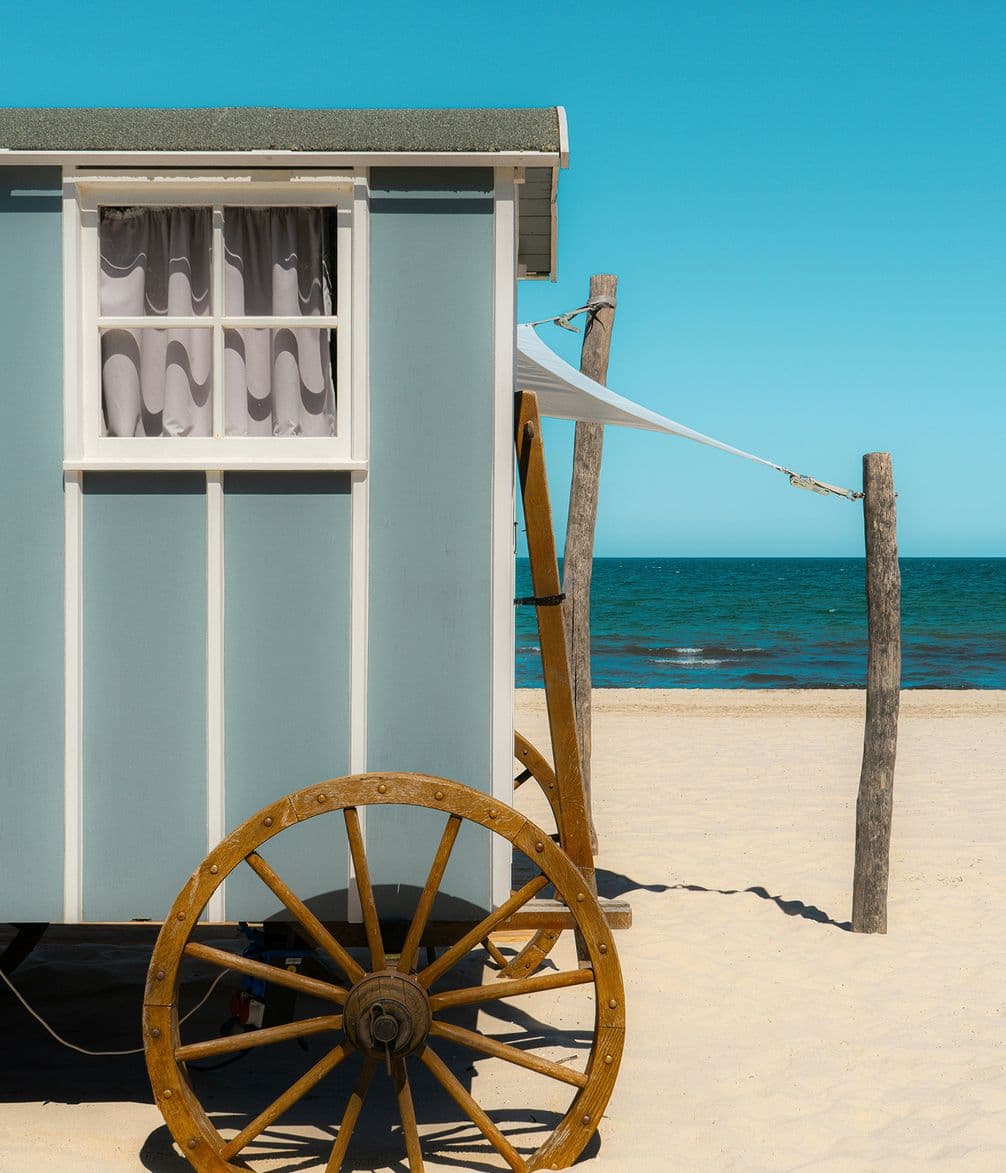
Binzer Strand, Mecklenburg-Vorpommern. Photo: Max Bhome, Unsplash
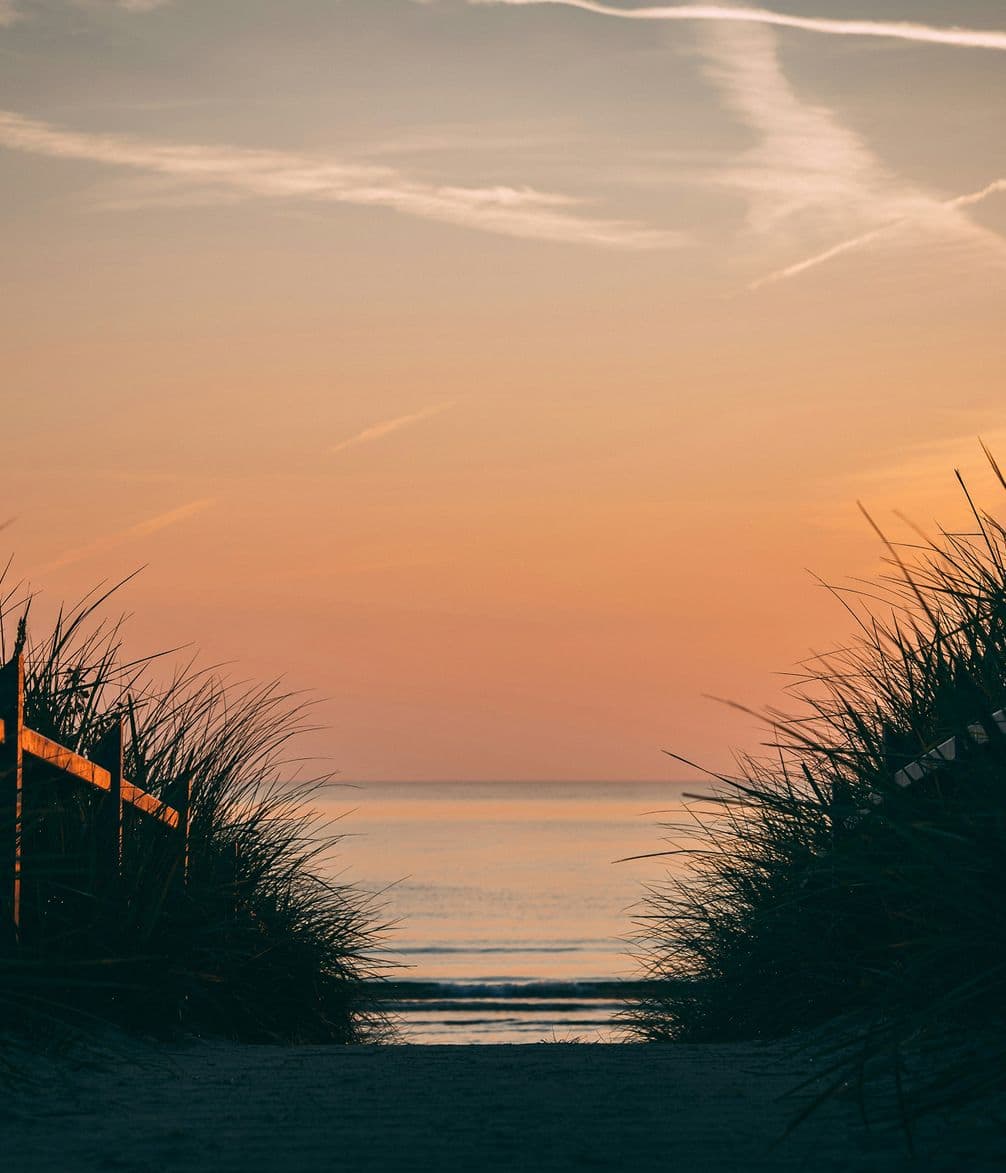
Photo: Phillip Deus, Unsplash
Photo index score: 52
There’s a timeless elegance to Binz, where grand white villas and sea views recall the glamour of Germany’s 19th-century Baltic resorts. Bordering the town, Binzer Strand unfolds as a stretch of pale sand backed by ornate bäderarchitektur (resort architecture featuring white facades, decorative balconies and classic details such as columns and turrets) and the calm waters of the Baltic Sea. Take a stroll along the pier for views back towards the shoreline, where the town gives way to the forests of the Granitz.
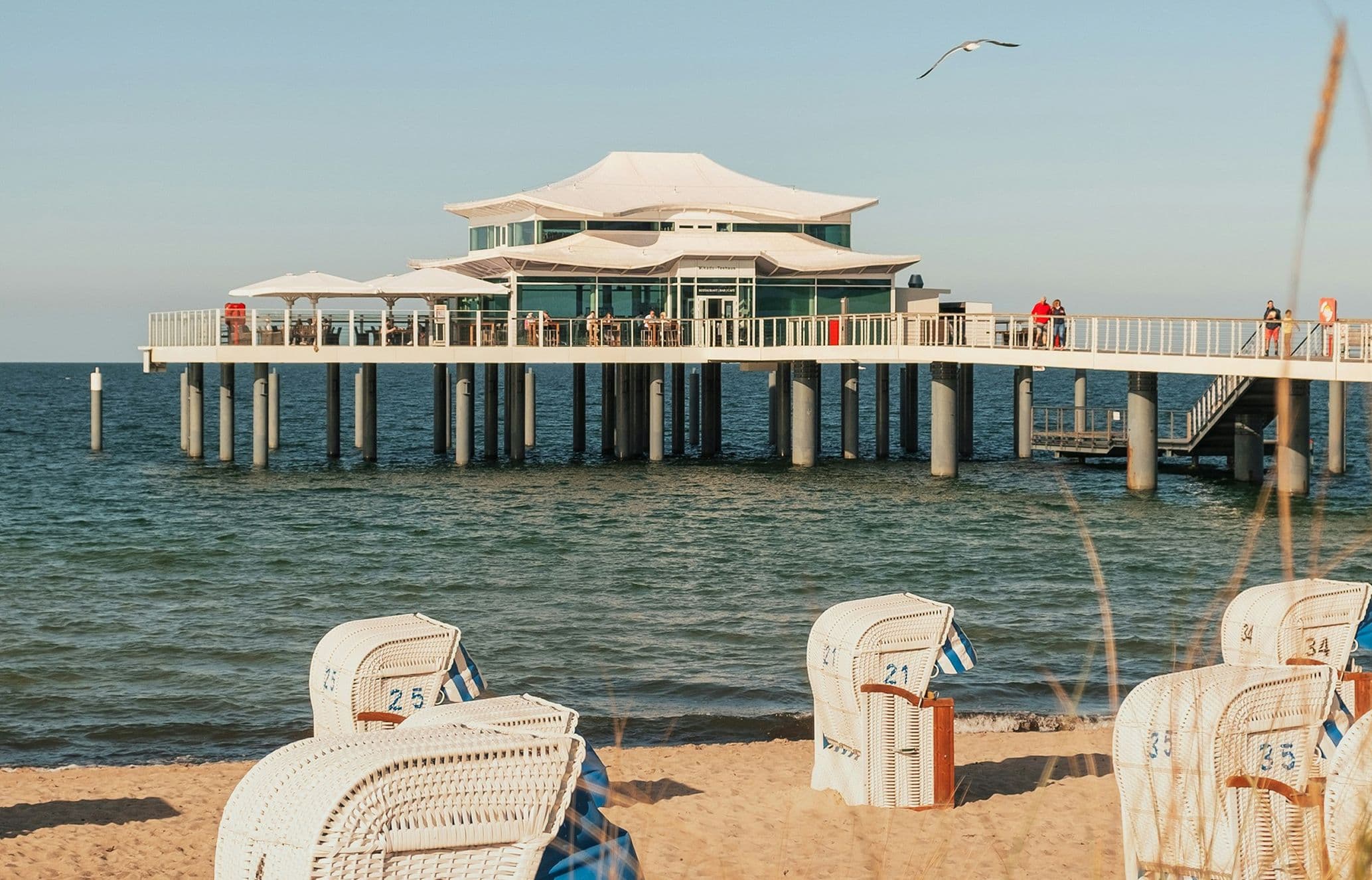
Timmendorfer Strand, Schleswig-Holstein. Photo: Julia Solonina, Unsplash
Photo index score: 40
Just along the Baltic coast from Scharbeutz, Timmendorfer Strand offers a more refined take on the traditional German seaside holiday. Its broad sandy beach stretches beneath a lively promenade, where rows of strandkörbe face the waters of the Baltic Sea. The striking Seeschlösschen Bridge, famous for its Japanese-style teahouse, extends gracefully into the water, creating one of the coast’s most recognisable viewpoints and a perfect spot to watch the evening sky. From here, visitors can look back towards the shoreline, where elegant beachfront buildings and dunes capture the charm of this classic resort.
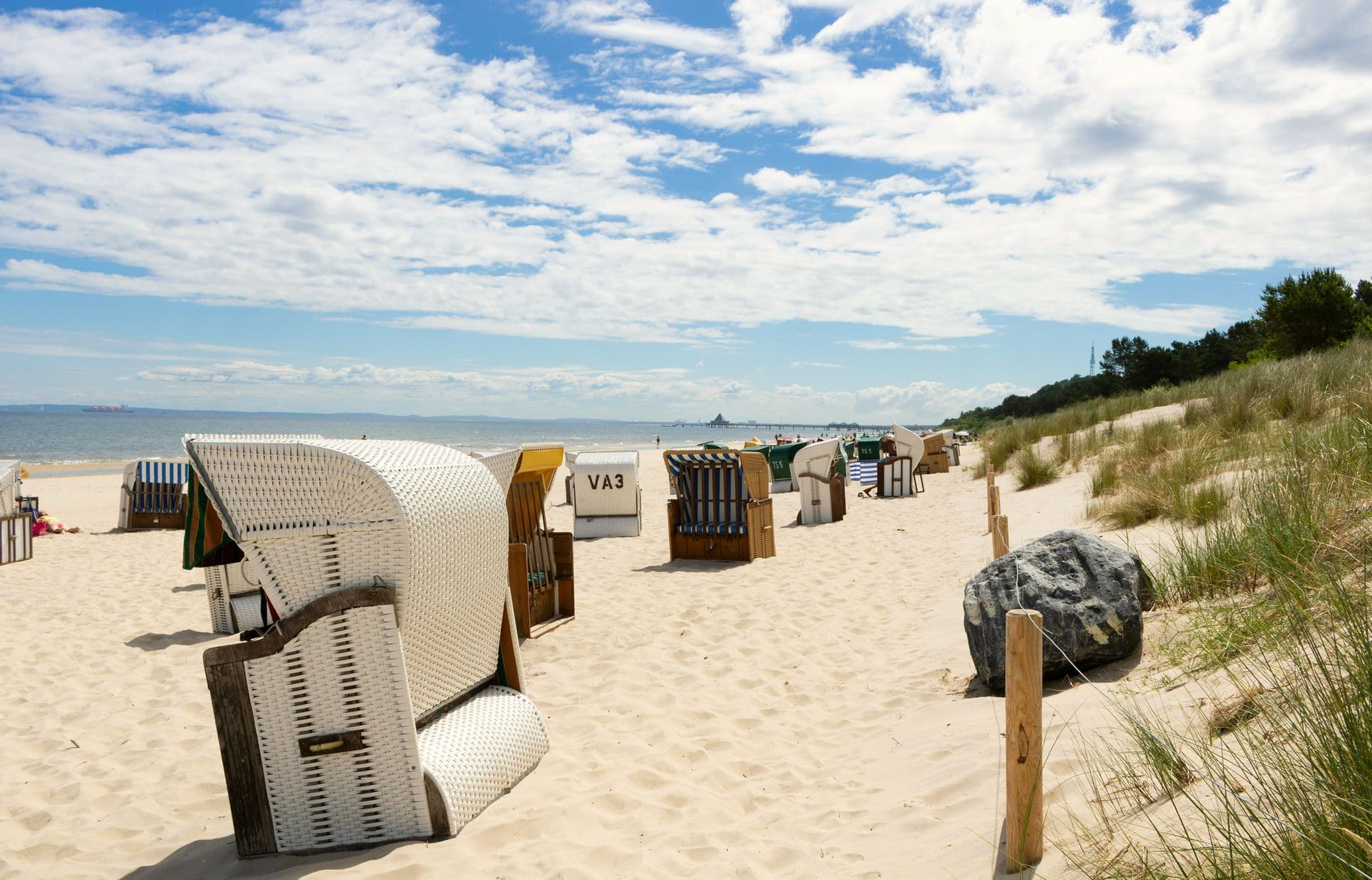
Strand Heringsdorf, Mecklenburg-Vorpommern. Photo: Stephan Glauner, Unsplash
Photo index score: 37
Heringsdorf embodies the grandeur of Germany’s imperial seaside era, with ornate villas, sweeping promenades and a coastline once favoured by aristocracy – including Emperor Wilhelm II. One of the three kaiserbäder (imperial resorts) on the island of Usedom, the town’s defining landmark is its 508m pier, Germany’s longest, stretching far into the Baltic Sea with panoramic views from its glass pyramid. The beach offers a wide expanse of soft sand and gentle waves, creating the perfect setting for long summer days by the water. Stroll along the pier or follow the coastal walk towards neighbouring Ahlbeck and Bansin, where the grand architecture of Usedom’s historic resorts continues.
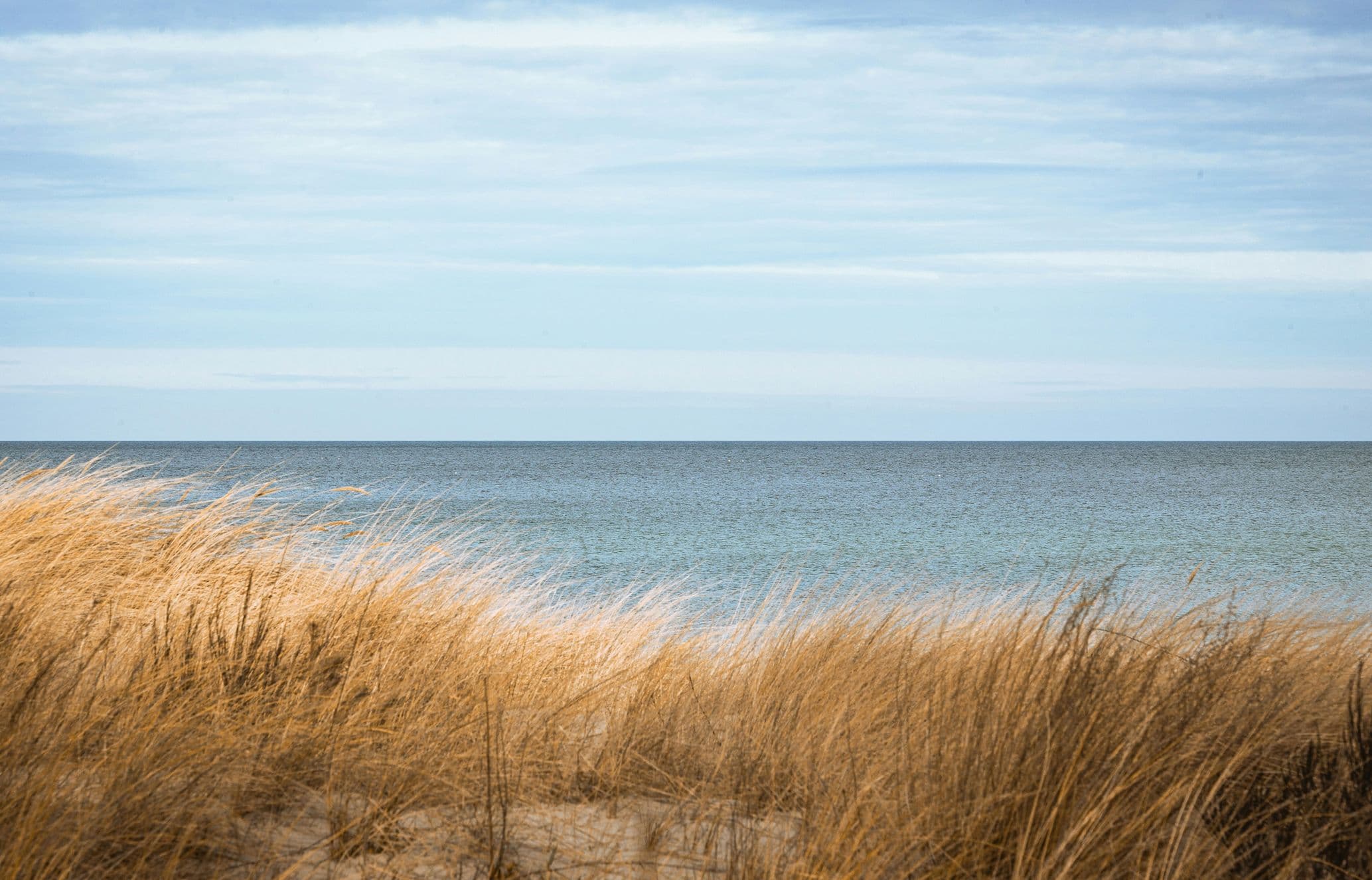
Scharbeutz Strand Ostsee, Schleswig-Holstein. Photo: Alexander Henke
Photo index score: 35
Set on the shores of the Bay of Lübeck, Scharbeutz Strand is loved for its contemporary take on the classic Baltic seebrücke (pier). The Seebrücke Scharbeutz extends around 310m into the Baltic Sea, with viewpoints across the water and along the coastline. Built as a place to experience the sea rather than simply reach it, the bridge offers a dramatic setting for sunset walks, coastal photography and panoramic views over the bay. Meanwhile, the dune-backed sandy beach and rows of strandkörbe below capture the relaxed rhythm of a traditional German seaside escape.
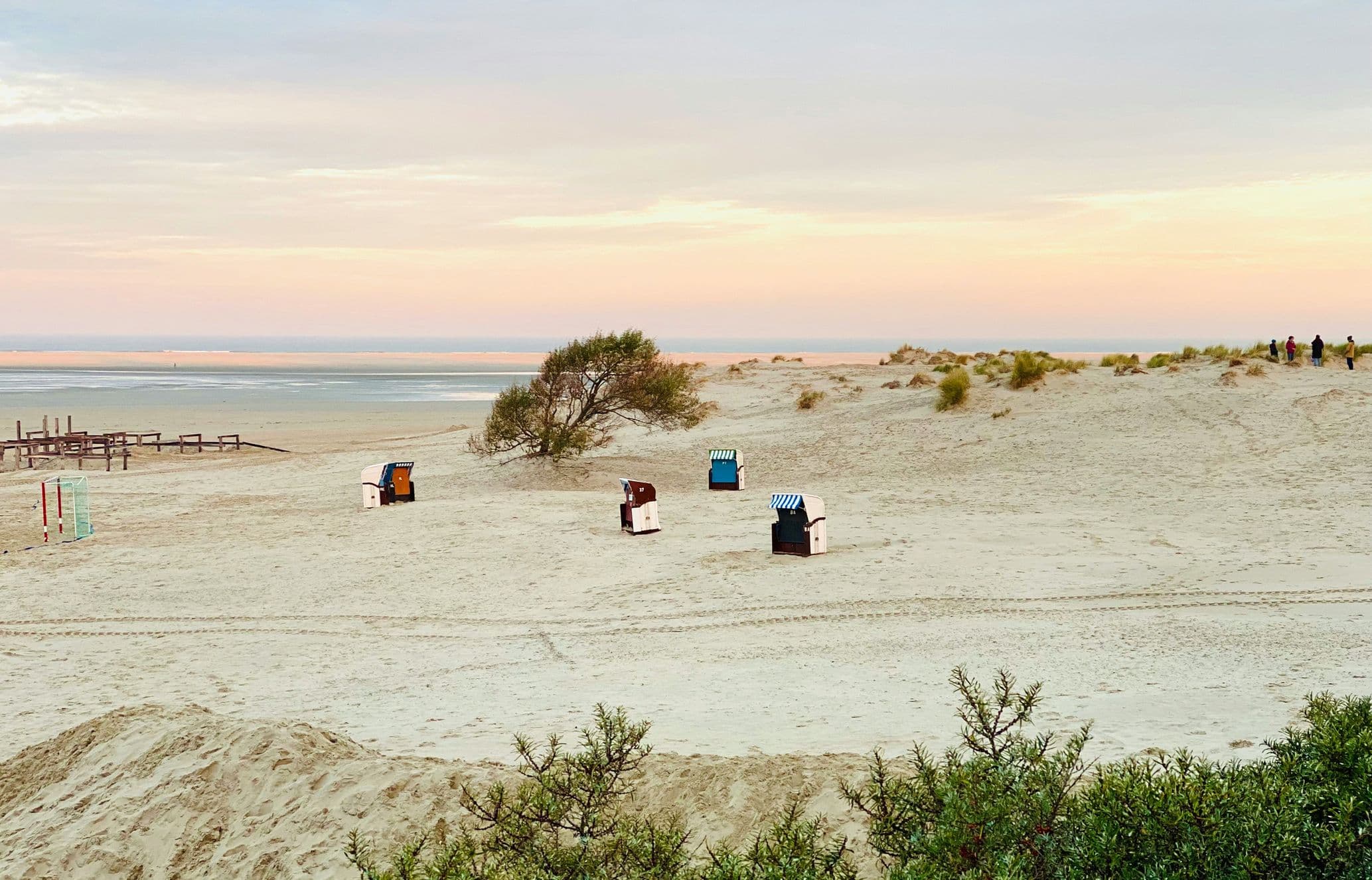
Borkums Strande, Niedersachsen. Photo: Susanne Braun, Unsplash
Photo index score: 34
As the largest of the East Frisian Islands, Borkum offers a rare sense of space, with a sandy coastline stretching between grassy dunes and the waters of the North Sea. Reached by ferry from Emden, the island’s broad beaches, open horizons and ever-changing tides create a dramatic landscape unlike mainland Germany’s seaside towns. Explore the quieter stretches by foot or bicycle, or settle into a strandkörbe among the dunes and spot seals resting on the offshore sandbanks. For the best views, climb the New Lighthouse, where the island’s beaches, Wadden Sea and North Sea horizon unfold below.
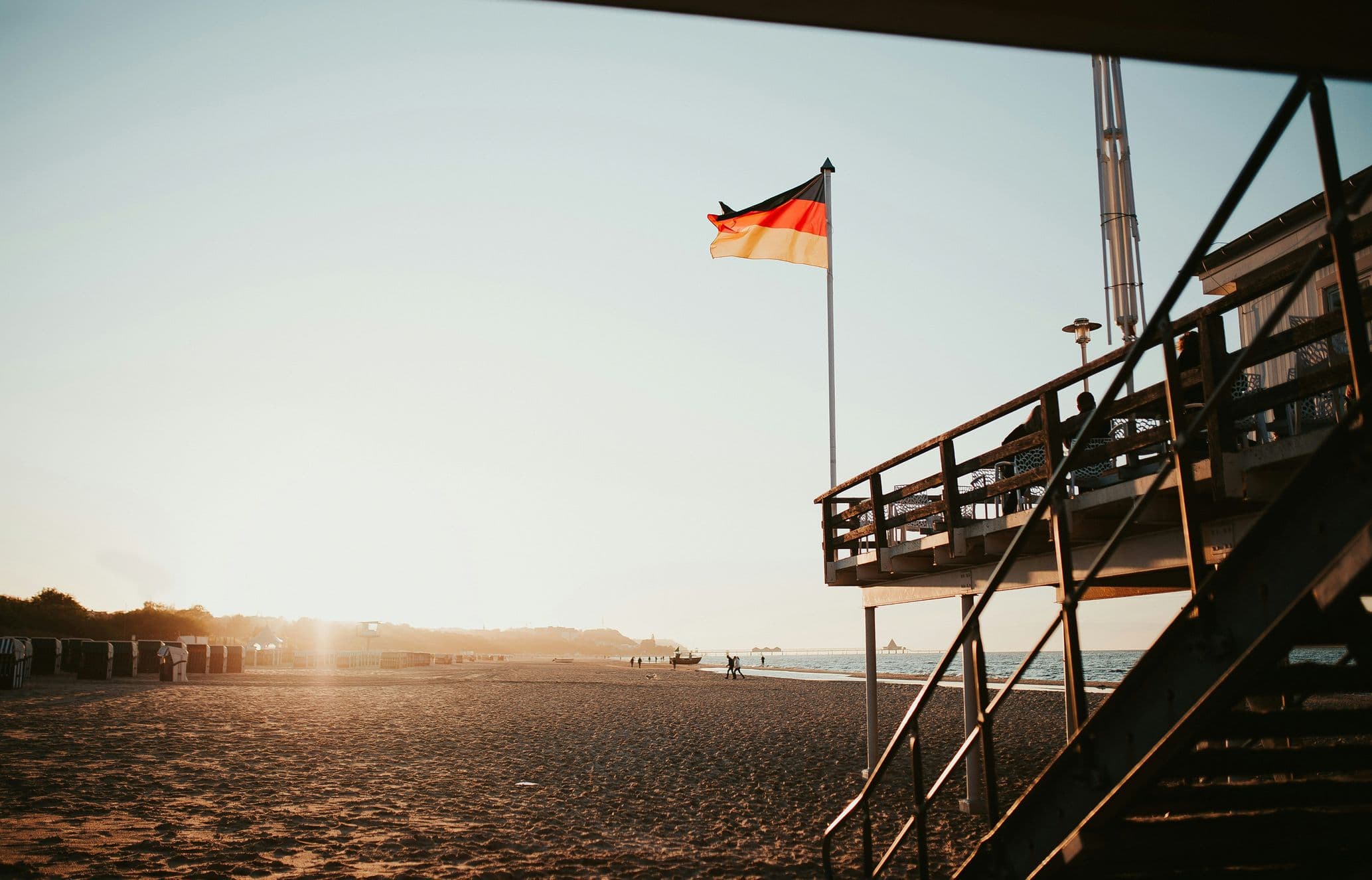
Strand Ahlbeck, Mecklenburg-Vorpommern. Photo: Vincent Eisfeld, Unsplash
Photo index score: 33
Strand Ahlbeck ranks as one of Europe’s few cross-border coastlines, where a stroll along the Baltic can take you from Germany into neighbouring Poland. Its shoreline stretches uninterrupted towards the Polish town of Świnoujście, making it easy for visitors to wander between both countries in a single day. Back in Ahlbeck, Germany’s oldest surviving pier extends into the sea, its distinctive pavilion creating one of Usedom’s best-known coastal views. Behind the beach, elegant spa villas and leafy avenues preserve the resort’s 19th-century charm, while the calm waters make it an ideal spot for swimming or soaking up the slower pace of island life.
To determine the most photographed beaches in Germany, Popsa’s data science team analysed millions of photos uploaded by customers in 2025. Using location metadata, we identified images taken within the boundaries of German beaches and ranked them according to total photo volume.
Each beach was assigned a photo index score reflecting the relative volume of photos taken there compared with all other beaches in the dataset. Scores were then normalised on a scale of 0-100, with the most photographed beach used as the benchmark. The result is a ranking that reflects real traveller behaviour, highlighting not only where people visit, but also the places that most inspire them to capture their memories.
Descubre recuerdos más rápido con funciones exclusivas, como el reconocimiento facial y los álbumes inteligentes.




%3Agrayscale()&w=96&q=75)
Bradley Grantham
Científico jefe de datos
5 ago 2026∙7 min
Bradley Grantham
Científico jefe de datos
23 jun 2026∙8 min

Bradley Grantham
Científico jefe de datos
9 jun 2026∙6 min


 Estados Unidos