Inspiración

Brick Lane Jazz Festival’s Juliet Kennedy on why festivals create the best memories

The visionary founder reflects on her earliest music memories, the gap she spotted in London’s underground music scene, and what’s next for the festival

Photo of Georgina Groom-Rietschy

10 jun 20266 min

Brick Lane Jazz Festival’s Juliet Kennedy on why festivals create the best memories

“I hope they leave feeling creatively inspired and with a sense of radical camaraderie with the people they danced next to and connected with,” says Juliet Kennedy on the question of how she hopes audiences feel after attending Brick Lane Jazz Festival. It’s a modest response for someone who has helped redefine London’s underground music scene with her multi-venue festival concept staged across east London’s liveliest street. The forward-thinking founder, who is creative director of music venues at The Old Truman Brewery, has captured the attention of the capital’s creative crowd following the recent success of the festival’s fifth edition. 

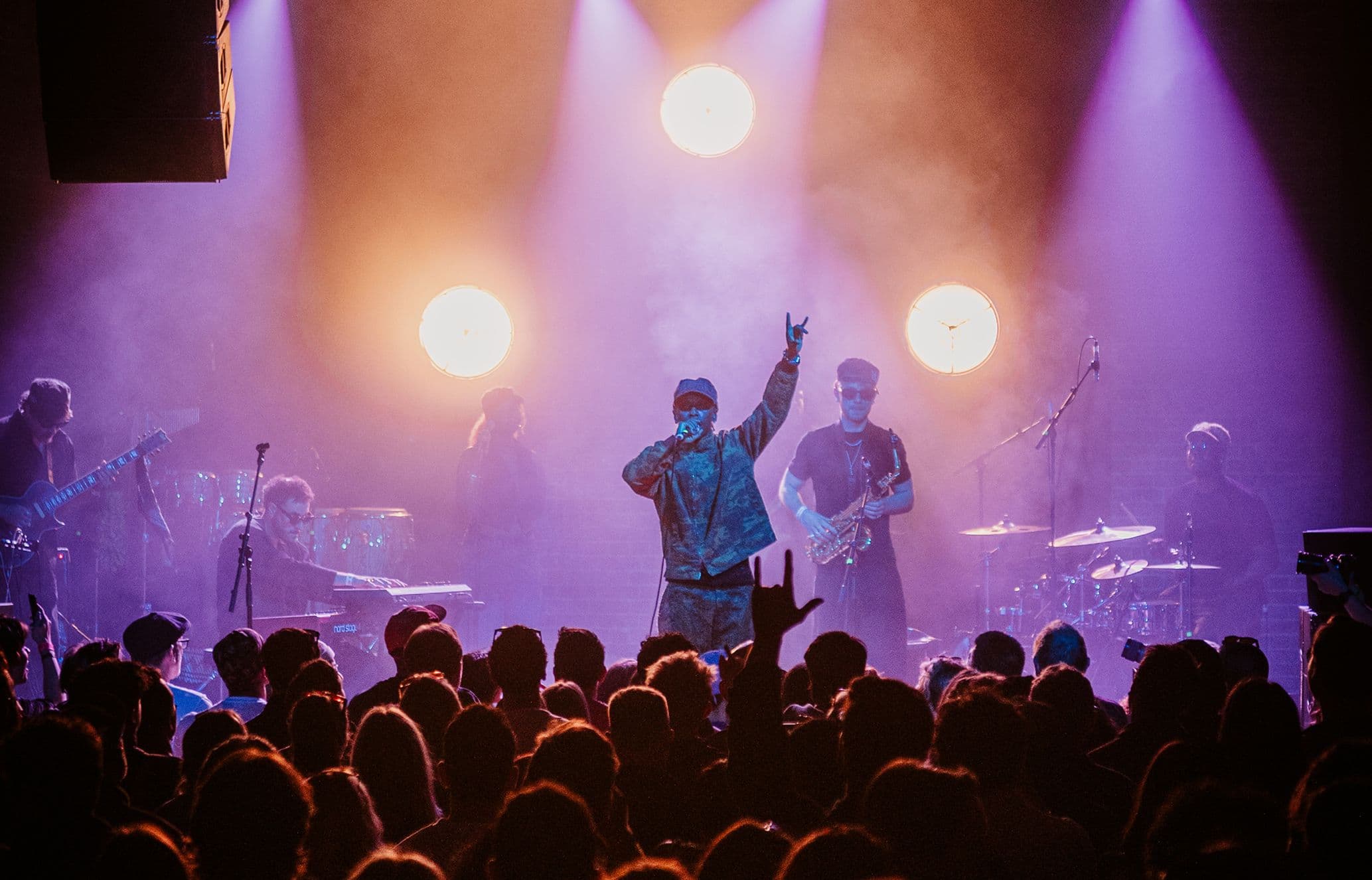
The 2026 bill featured a mix of rising talent and established stars, with more than 100 artists performing at venues in E1 and E2, including a standout set from Brian Cox at the newly refurbished Village Underground. There is little sign of the festival slowing down, with the launch of Conference – a new programme of talks, workshops and networking sessions – alongside overseas collaborations connecting artists across borders and cultures.

We talk to Juliet about her early inspirations, the increasing appetite for live music and what keeps audiences returning.

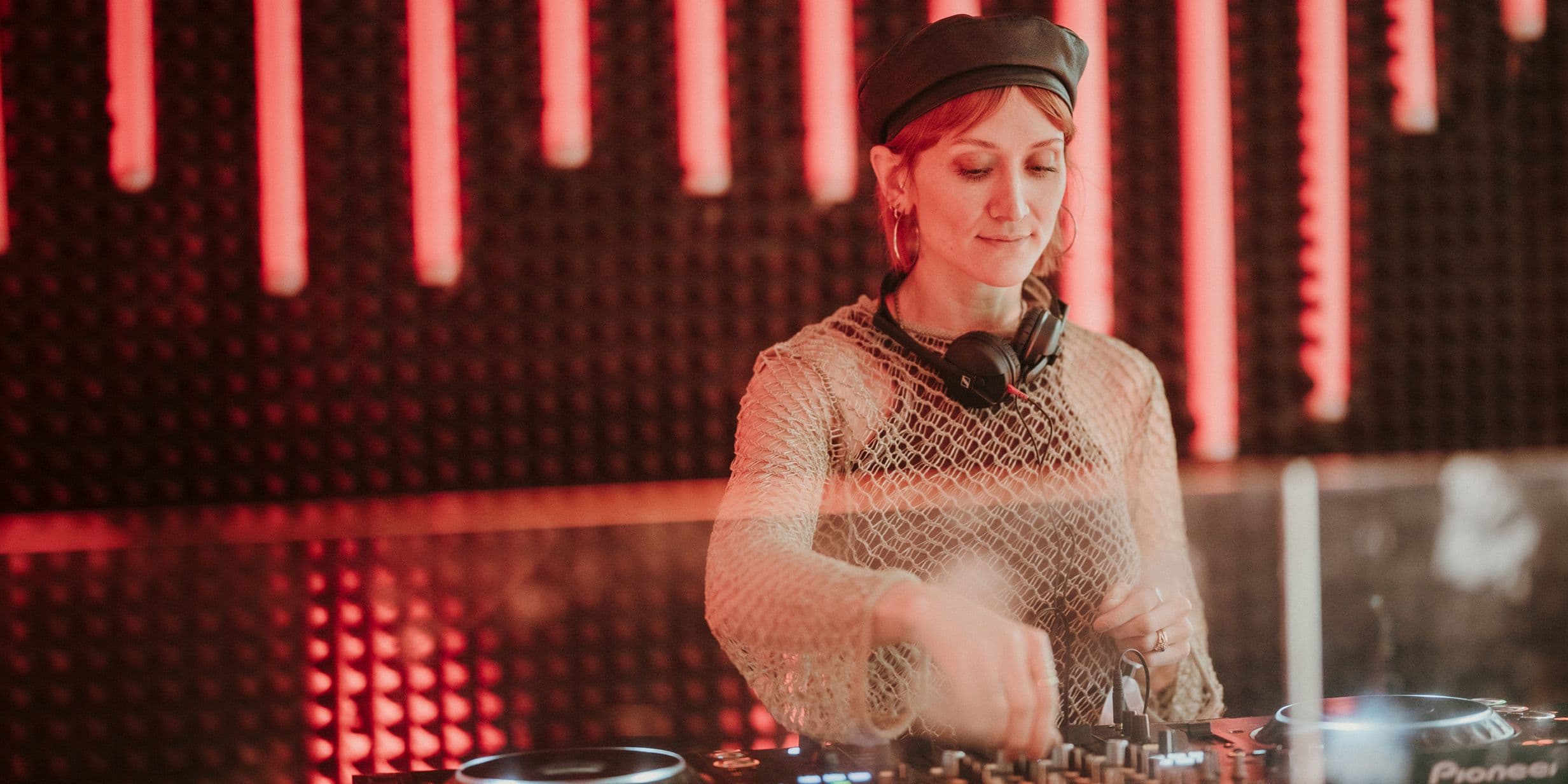
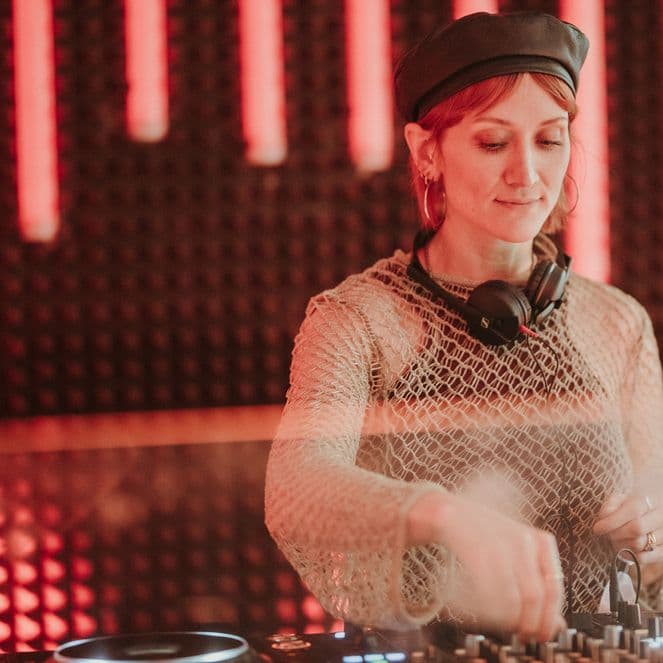
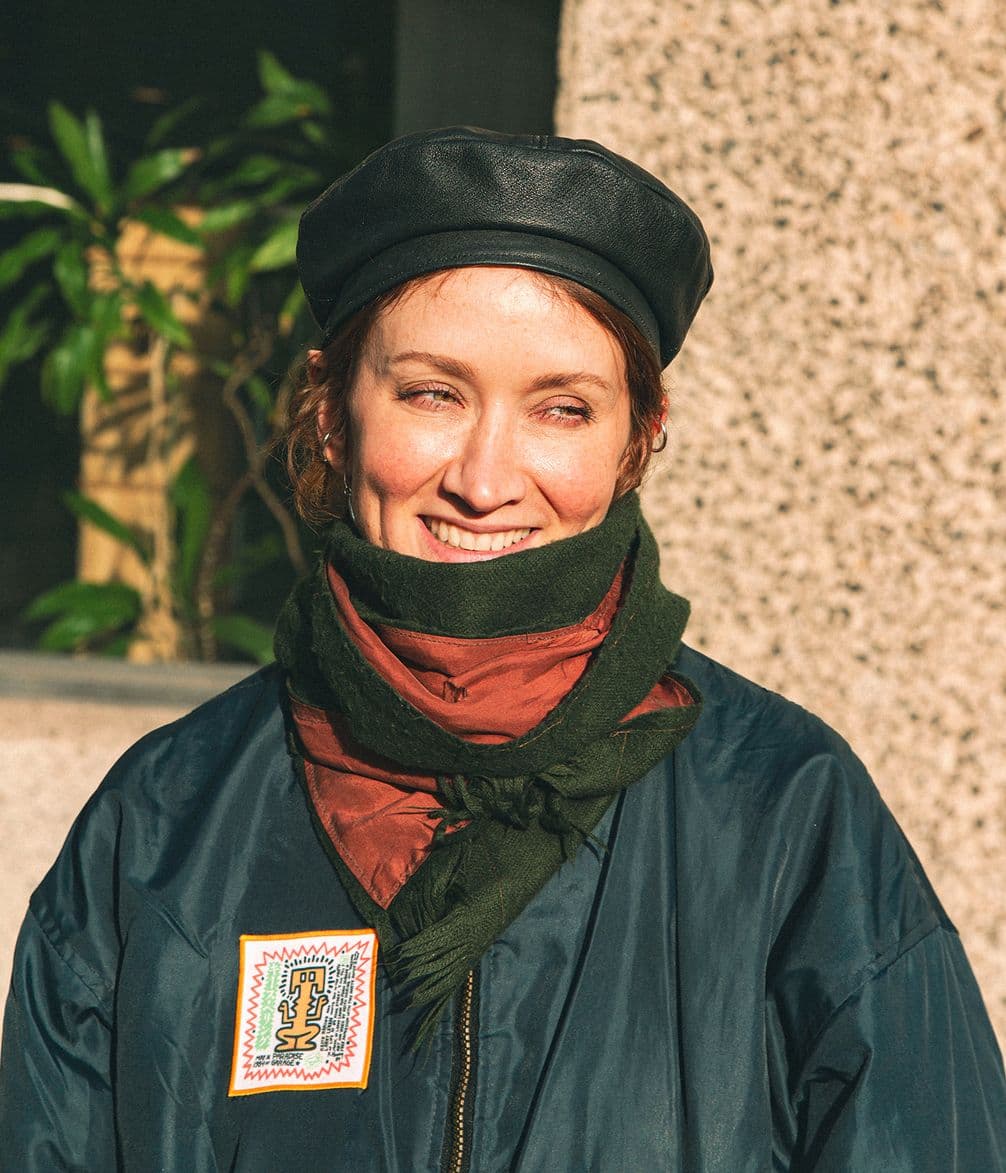
Juliet Kennedy

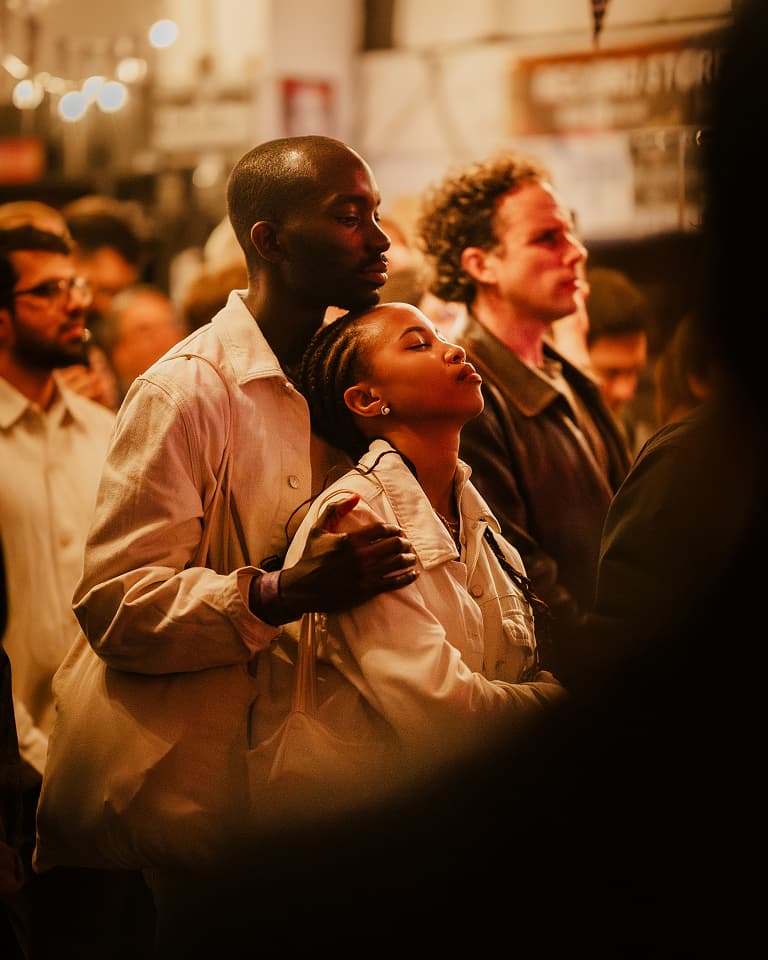
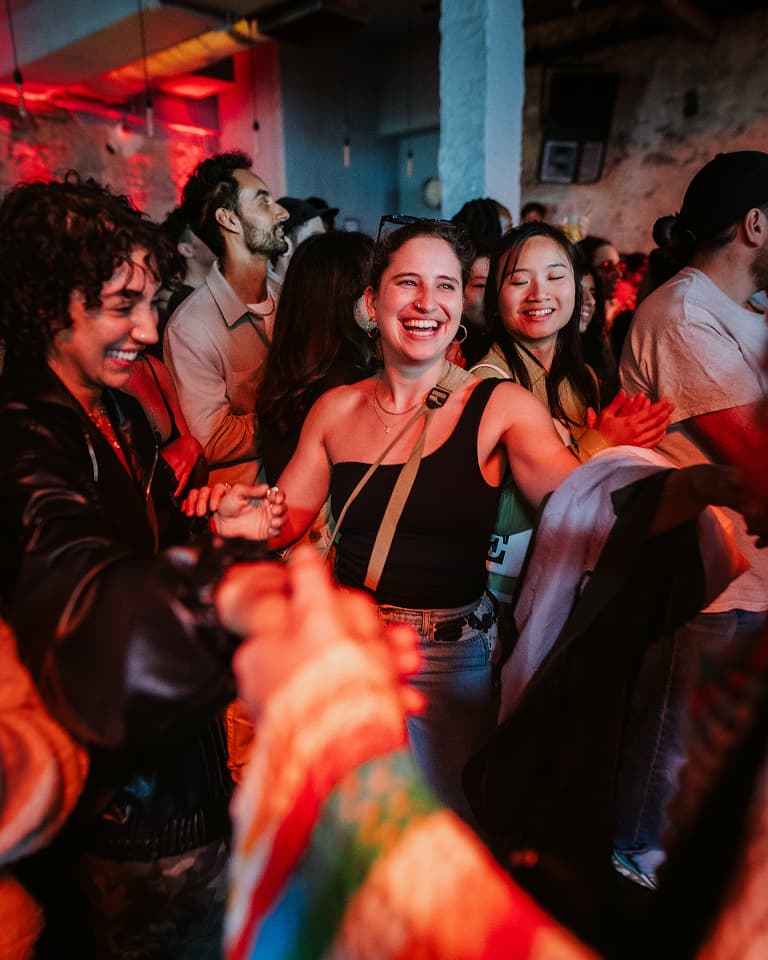
The crowd at Village Underground

What are your earliest memories of music?

I’ve always been surrounded by music. My mother played the cello, my brother had bongo drums and we had a piano at home, so I taught myself to play when I was really young before taking clarinet lessons at age eight. My uncle was a professional musician – Mark Knopfler, the lead guitarist of Dire Straits – so we often went to his shows and played on his guitars, while my parents constantly had music on. I grew up in a creative, bohemian environment where creativity was encouraged. Music is something I have always relied on to soothe my feelings.

Is there a particular artist that has shaped your attitude towards music?

Discovering late-1960s psychedelic music was a turning point – artists like Jimi Hendrix, Gil Scott-Heron, Love, The Velvet Underground and Jefferson Airplane opened up a new world for me. That led me to Pharoah Sanders, Miles Davis, Coltrane and Sun Ra, which became my gateway into jazz more broadly. As a teenager, I was drawn to trip hop and electronica – Massive Attack and Portishead in particular – before diving into indie and Americana in my twenties. I’ve explored all sorts of genres, from fingerstyle country guitar to gypsy jazz and New Orleans jazz, but I didn’t properly discover London’s contemporary jazz scene until my thirties.

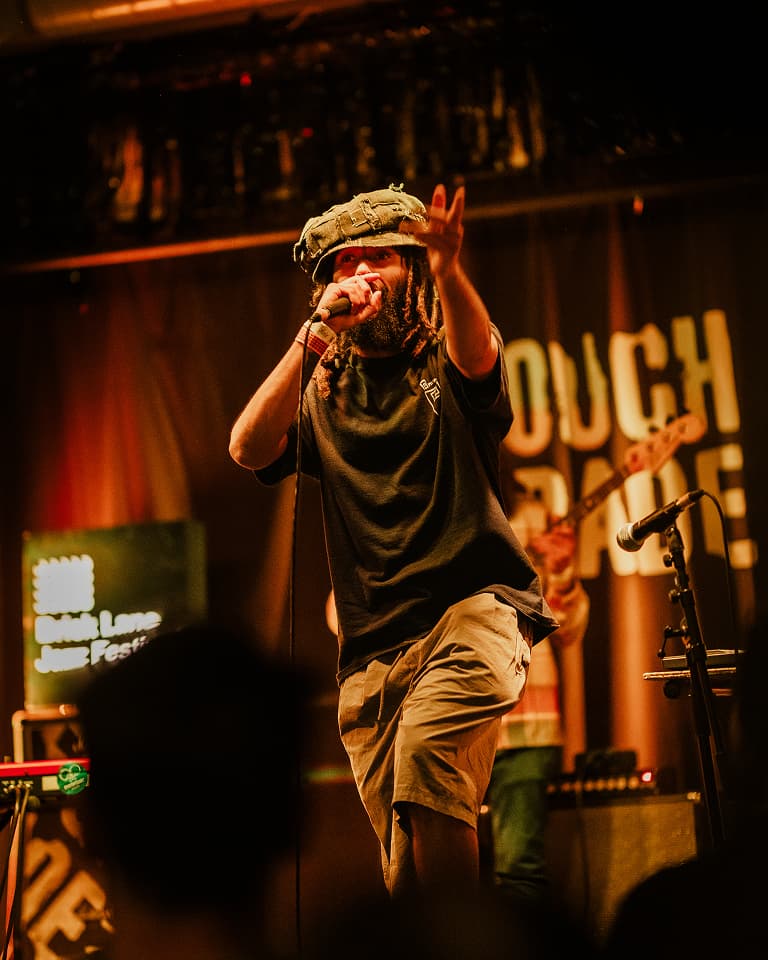
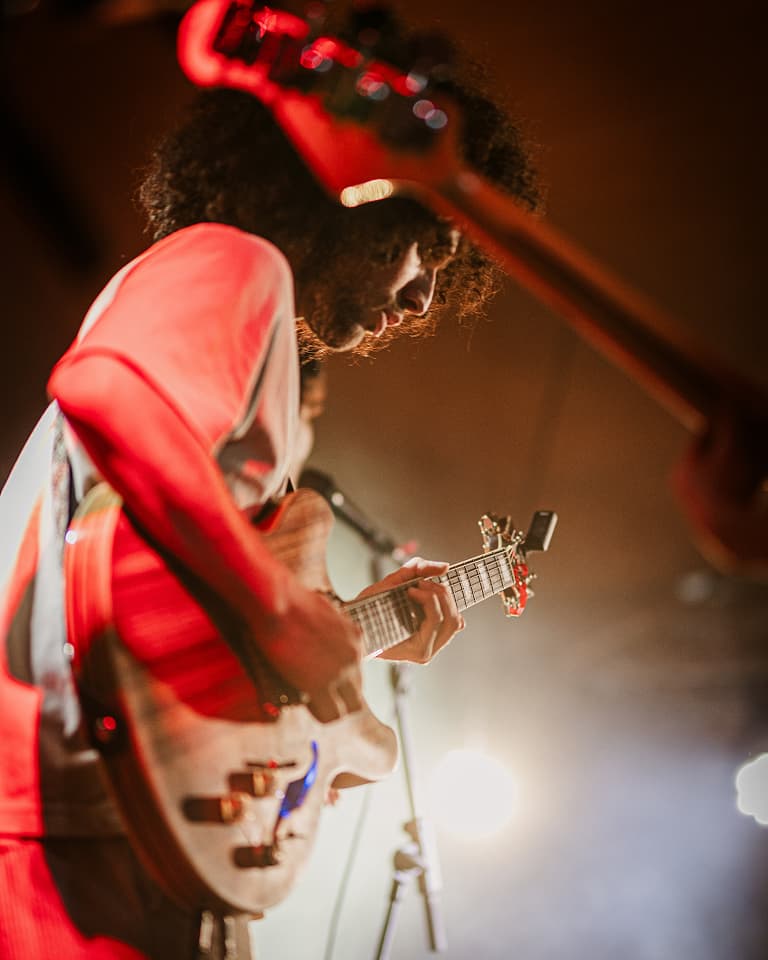
Sticky Dub at Rough Trade East

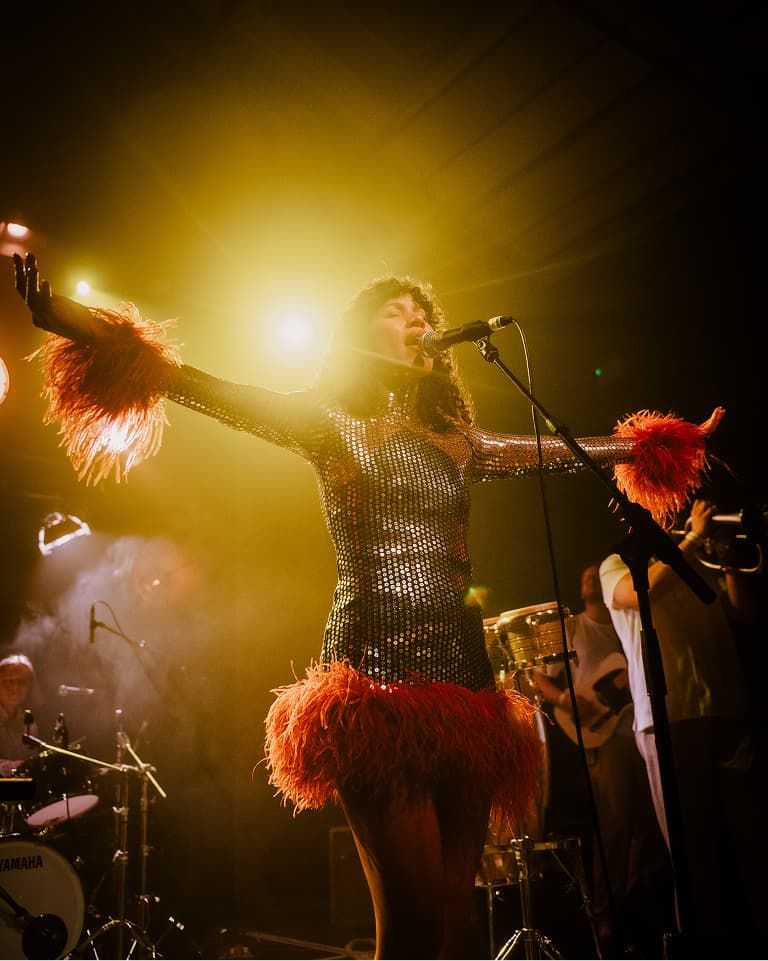
Charlotte Dos Santos at Village Underground

Ferdi at Rough Trade East

What is the inspiration behind Brick Lane Jazz Festival?

I was blown away by the music across London’s grassroots venues leading up to the pandemic. Jam nights like Steez and Steam Down, and small venues including Troy Bar, were hosting some of the best live music I’d ever experienced. The atmosphere was electric – the music was rooted in jazz, but it was fresh, experimental and completely addictive. Then lockdown happened, and it became clear how much those spaces meant beyond music. They offered connection, identity and belonging. When the world reopened, I was determined to help rebuild that community and create a platform that could bring underground artists to wider audiences.

Why jazz – and why a festival rather than another format?

At the time, the UK jazz resurgence felt like the most exciting thing happening in music. I didn’t overthink it – it was simply what I was most inspired by. Jazz is constantly evolving and spilling into new territory, so it’s a genre I could never tire of. I was programming a few music venues at the Truman Brewery and decided to host a string of shows across a few venues one weekend. I called it a festival, with no idea what it would become.

The Truman Brewery

Five years on, why do you think audiences keep returning?

More than anything, it’s the sense of community. People come as themselves and leave feeling connected – not just to the music, but to each other. That comes through every year in messages and reviews. It’s become a meeting point for both audiences and the wider music industry. We’ve built strong relationships with grassroots organisations, promoters and charities in the UK and overseas, and those collaborations have become increasingly meaningful. Accessibility is also key. We were the first multi-venue festival in London concentrated in one area, which creates an intimate experience that is open and inclusive.

How much does Brick Lane itself shape the festival and the memories people make there?

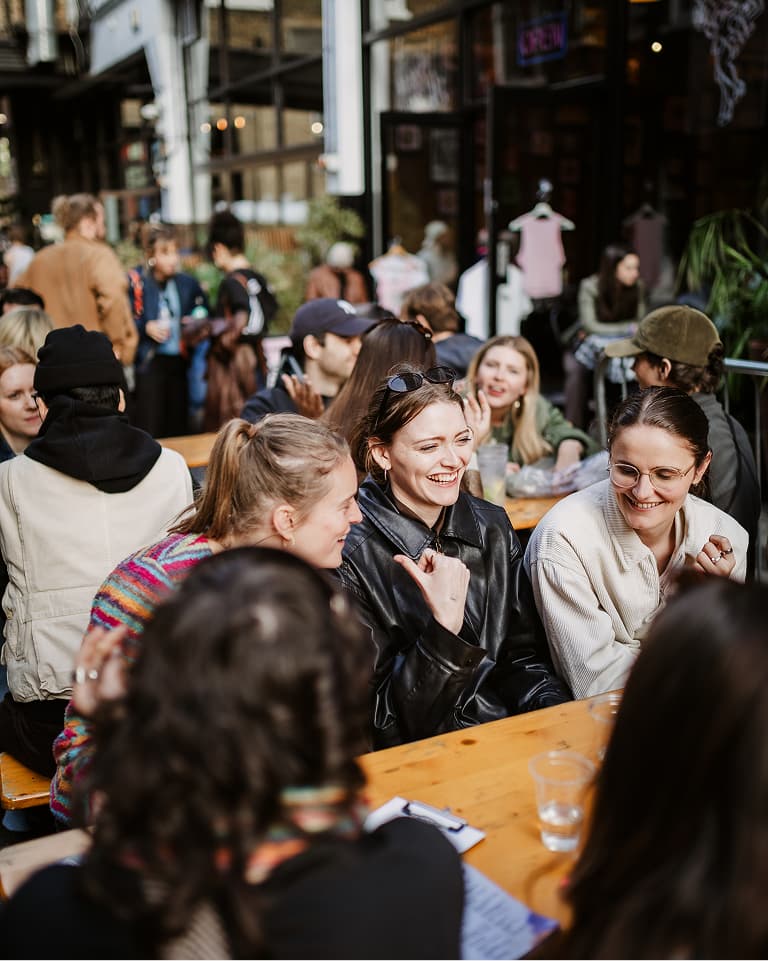
Brick Lane’s creative history naturally shapes the atmosphere. People often fall in love with the area – the markets, vintage shops, curry houses and street energy. But it’s also important to recognise the South Asian community whose experience of the area hasn’t always been straightforward. From the outset, we wanted the festival to feel inclusive. That’s why affordability has always been non-negotiable, with free stages alongside ticketed events.

I lived on Brick Lane in the ’90s and 2000s, when Plastic People, Asian Dub Foundation and Talvin Singh were reshaping the cultural landscape. I’ve known some of the Bengali shop owners since I was a teenager. Today, we work with a South Asian promoter who curates an entire night of the festival for and by the community. Seeing generations come together for those events has been truly special.

Steam Down and the National Jazz Youth Orchestra at Village Underground

What were some of the highlights from the 2026 festival?

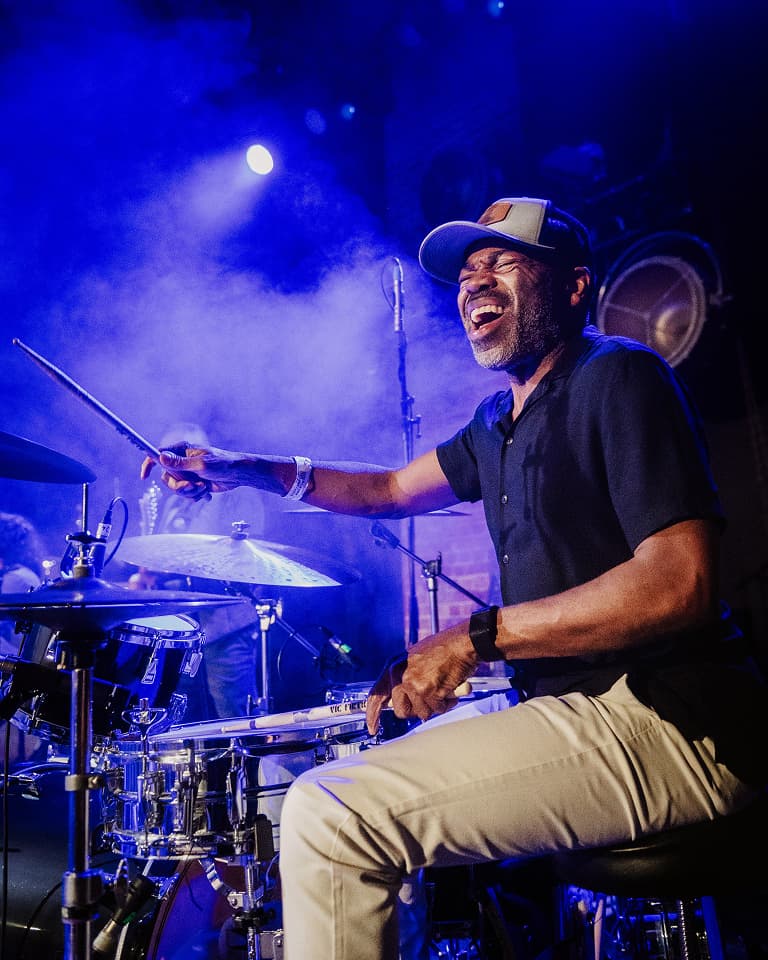
I have to start with Brian Jackson. Seeing one of my heroes perform the music that soundtracked my upbringing was incredibly emotional – and he delivered a phenomenal set. We hosted the UK premiere of anaiis & Grupo Cosmo, while Steam Down collaborated with NYJO for an explosive performance that completely blew the roof off Village Underground. Finn Rees and SHOLTO debuted a brand new collaboration featuring Chip Wickham, which was a monumental moment, while JGrrey’s return was another highlight for us.

Why do you think live music has the power to connect people and create memories that stay with us?

When people are inspired by art, they open up emotionally. It releases something in us and softens us. When you bring people together in a space where art is alive and being experienced collectively, they leave feeling moved, connected and expanded by that shared moment.

Sam Wise at Village Underground

David Mrakpor at the Flow State Hub

What music trends are you loving so far in 2026?

The biggest trend I’m seeing is the continued blurring of boundaries between jazz, electronic music, listening culture and community spaces. There’s an appetite for more human, improvisational, emotionally driven music again – from broken beat and bruk influences returning to club culture, to spiritual jazz aesthetics shaping ambient and electronic sounds, and jazz musicians increasingly working with live electronic performance.  

At the same time, audiences are gravitating towards more intimate, intentional experiences: listening bars, artist-led venues, hybrid cultural spaces and smaller community-driven festivals rather than large-scale commercial events. Genre is less important than energy and curation now. The most exciting scenes are those bringing together jazz, soul, dub, ambient, Afro-fusion and leftfield electronic music in a way that is open, communal and future-facing.

Any jazz venues we should have on our radar?

In London, I like Total Refreshment Centre – more of a creative hub than a traditional venue, and where some of my favourite new wave jazz artists have emerged. For more avant-garde nights, Cafe Oto or Mu always deliver. Brilliant Corners and Space Talk are fun spots for dancing to jazz-adjacent sounds. Internationally, I like Nublu in New York, and I’d love to visit Pit Inn in Tokyo.

What’s next for Brick Lane Jazz Festival?

We’ve just completed our first artist residency programme in Marseille, bringing together UK jazz-hop artists and local musicians to collaborate and build relationships between the two cities. We’ll also be curating at Fifty Lab in Brussels later this year, alongside announcing a wider programme of headline events and collaborations across the UK for 2026. The conference is here to stay. Its debut exceeded expectations, and we’re only scratching the surface of what it can become. The next chapter is about deepening our impact, nurturing emerging scenes and expanding our international reach.

Descargar la aplicación

Descubre recuerdos más rápido con funciones exclusivas, como el reconocimiento facial y los álbumes inteligentes.

App StoreApp Store
Descargar la aplicación