
Lifestyle
Why food is such a powerful memory trigger
A London chef, a Brooklyn perfumer and an Oxford psychologist on how transportive the meals from our past can be

18 Dec, 2025∙9 min
Lifestyle
A London chef, a Brooklyn perfumer and an Oxford psychologist on how transportive the meals from our past can be
18 Dec, 2025∙9 min
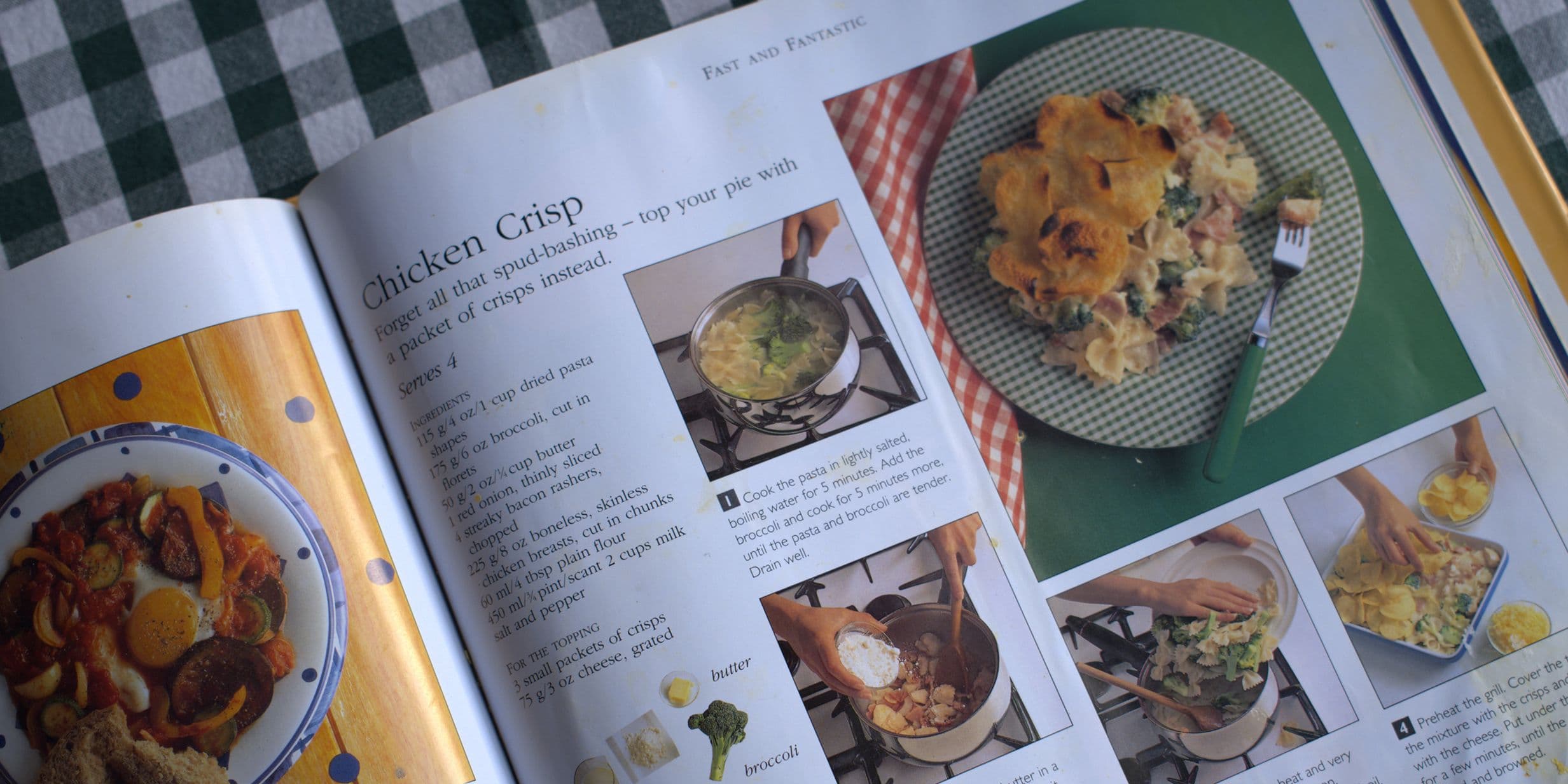
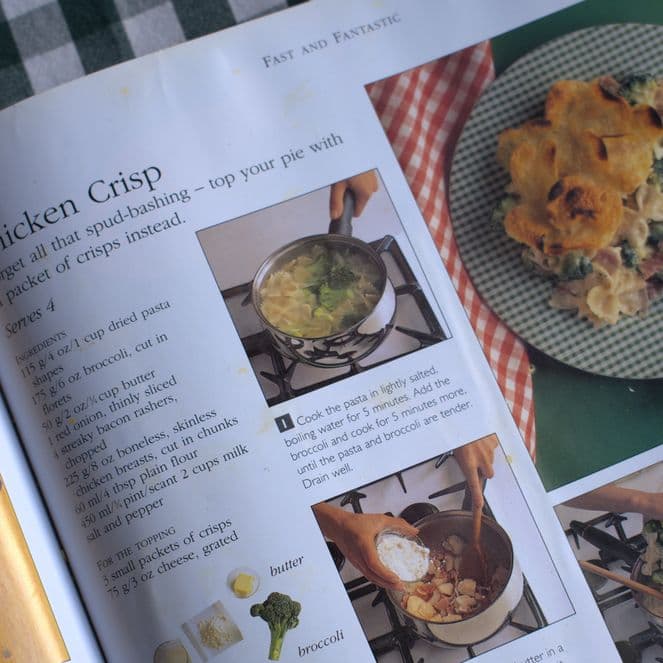
It’s the ’90s and my mother, the main cook in the house, has gone out for the evening, her Guerlain perfume trailing in her wake. I still seek out that grapefruit scent in duty-free today, for a quick spritz of nostalgia – but what I really remember is that mum’s night out meant it was dad’s turn to make dinner. I can picture him now, rustling up three bowls of farfalle bows, coated with a cheddar sauce and dotted with cubes of diced ham. Even better, my sister and I were allowed to eat them on beanbags in front of the TV – an absolute rarity.
To this day, my brain associates the macaroni cheese we ate with the Winnie-the-Pooh film we watched. In fact, I get deep feelings of comfort any time I eat cheesy pasta, whether it’s the fluorescent orange boxes of Kraft Easy Mac I’d bring back to university from my parents’ house in the States or the plate of twirlable cacio e pepe from my favourite Roman trattoria a couple of weeks ago. For me, the connection between the dish and home is as strong as Pooh’s obsession with pots of honey – and I wanted to understand the hold this has over me.
Taste and smell are closely tied to memory, largely thanks to the olfactory bulb, which is connected directly to the parts of the brain that handle emotion and memory (the hippocampus and amygdala). This is something University of Oxford psychologist Charles Spence has been researching for years. “Sight and sound first go to the back of the brain for sensory processing before they slowly make their way to the brain’s emotional centres,” he explains. “Smell, however, has a much more direct route. The smell receptors in the nose are actually part of the brain, so they’re just a couple of neurons away from the brain’s emotional and memory areas.”
What I really remember is that mum’s night out meant it was dad’s turn to make dinner. I can picture him now, rustling up three bowls of pasta
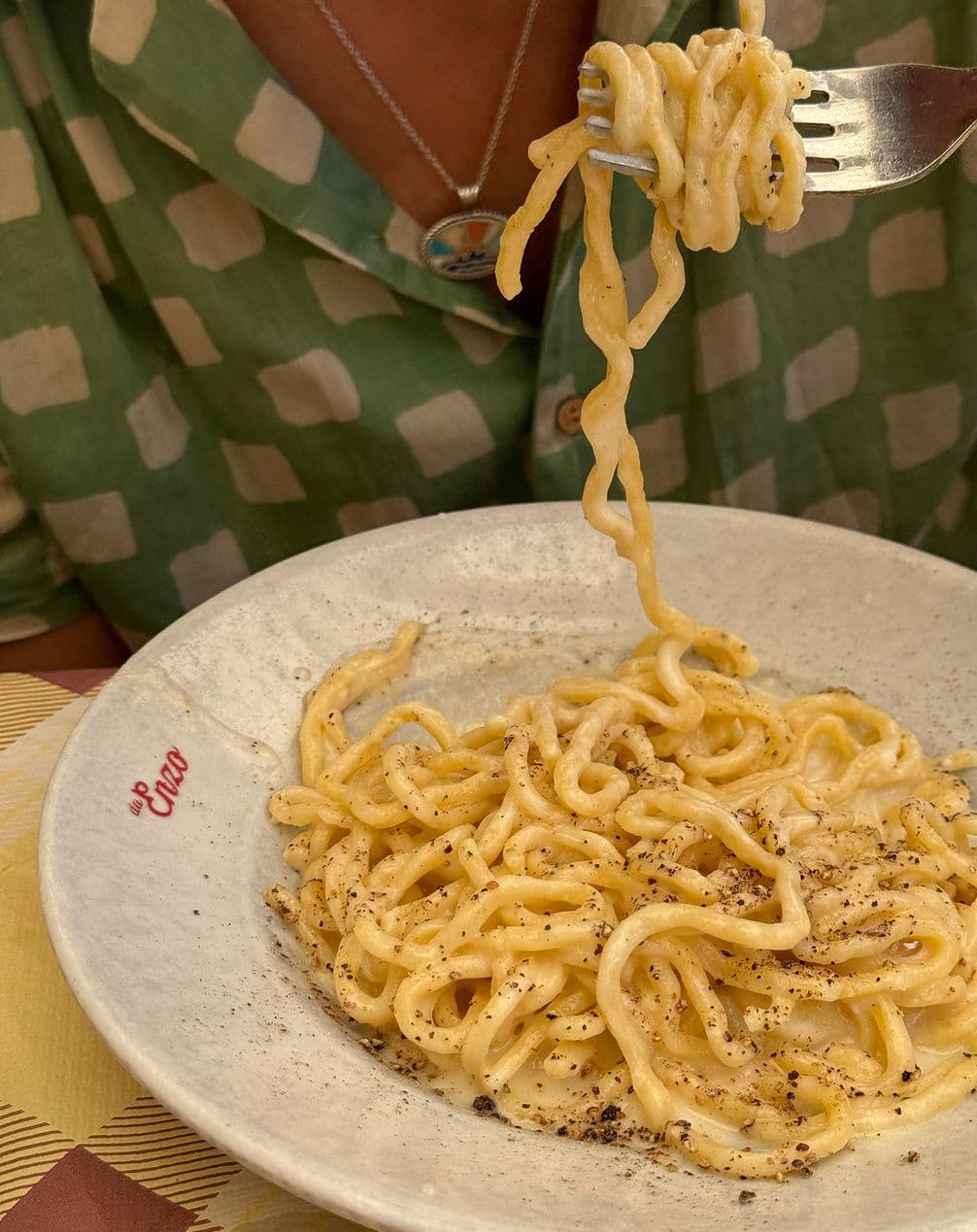
Da Enzo Rome
Perhaps the most famous example of food and memory coming together is in the ‘Proustian moment’. This is a vivid, involuntary memory triggered by a sensory experience. The term originates from the French writer Marcel Proust, who described how the taste of a madeleine dipped in tea instantly brought back detailed childhood memories in his novel In Search of Lost Time. My own Proustian moment involves pasta – and so does Charles’s. “Penne arrabbiata is always what I crave when I come back from holiday,” he says. “While the recipe has evolved over the decades, it takes me back to being a child at home, as this was what we’d eat every Sunday lunchtime when my older brother would cook.” Just like my dad was for me, Charles’s brother is perhaps the key figure here. “I also wonder whether smells are often not tied to a specific object, but may be associated with an entire scene,” says Charles. “This could be part of the reason why smells make such good memory triggers – they are not just a very specific sensory cue.”
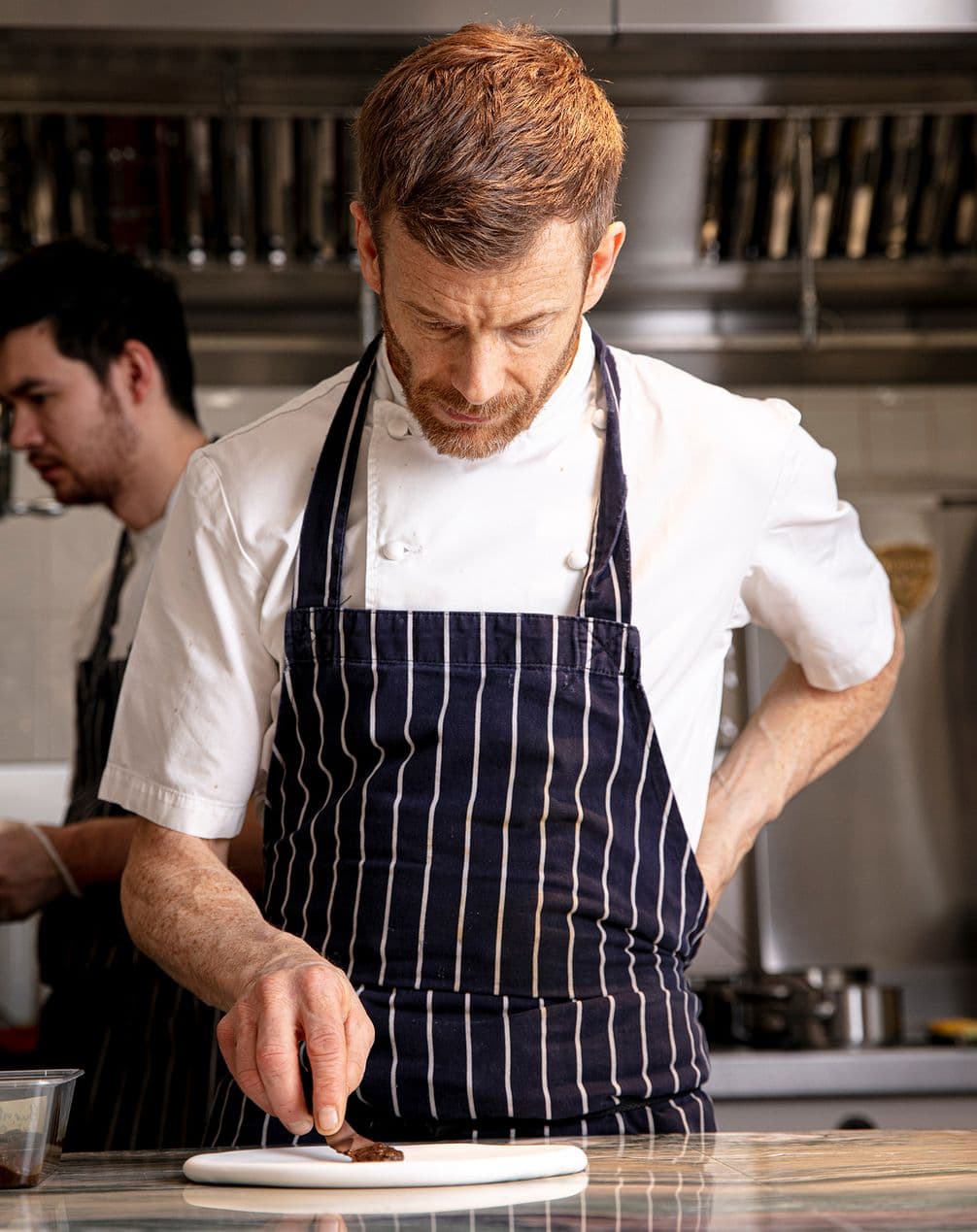
Tom Aikens at Muse. Photo: Thomas Alexander
Scene setting is exactly what chef Tom Aikens does at his much-lauded Chelsea restaurant, Muse, where the 10-course tasting menu is rooted in nostalgia. “Each dish is a memory reworked, a small ritual that tells a story and lingers long after the meal,” he explains. “I think food anchors us to people and places. The smells, textures and the act of sharing make those moments vivid and lasting. That’s why a single bite can transport you straight back to a kitchen decades later.”
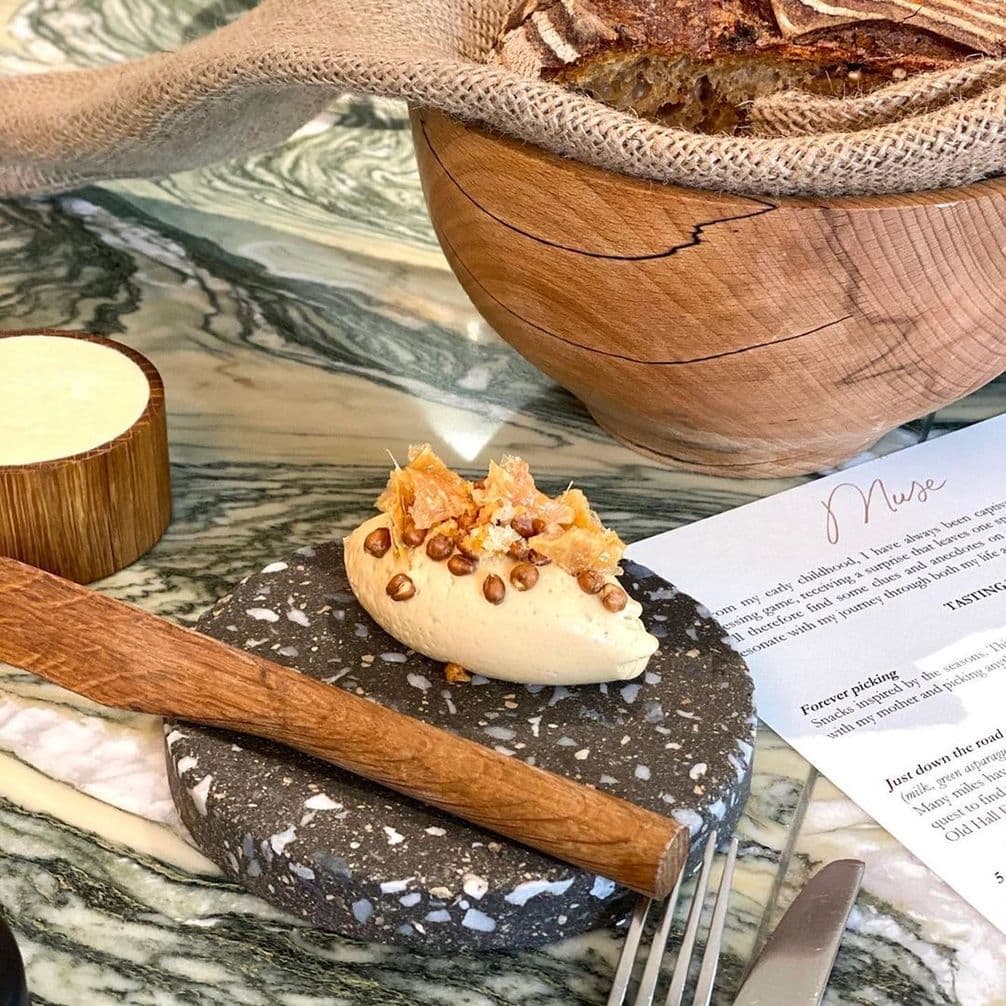
Bread & Butter at Muse
Bread & Butter is one of Muse’s signature dishes, and it encapsulates Tom’s approach. “Bread has always meant a great deal to me,” he says. “For as long as I can remember, my twin brother and I helped our mother in the kitchen. She would involve us in making cakes and bread, just weighing things out, but we were always on hand to help lick out the occasional sticky raw cake mix. I have a great memory of her making milk bread. The smell was incredible.”
Food anchors us to people and places. The smells, textures and the act of sharing make those moments vivid and lasting
Tom Aikens
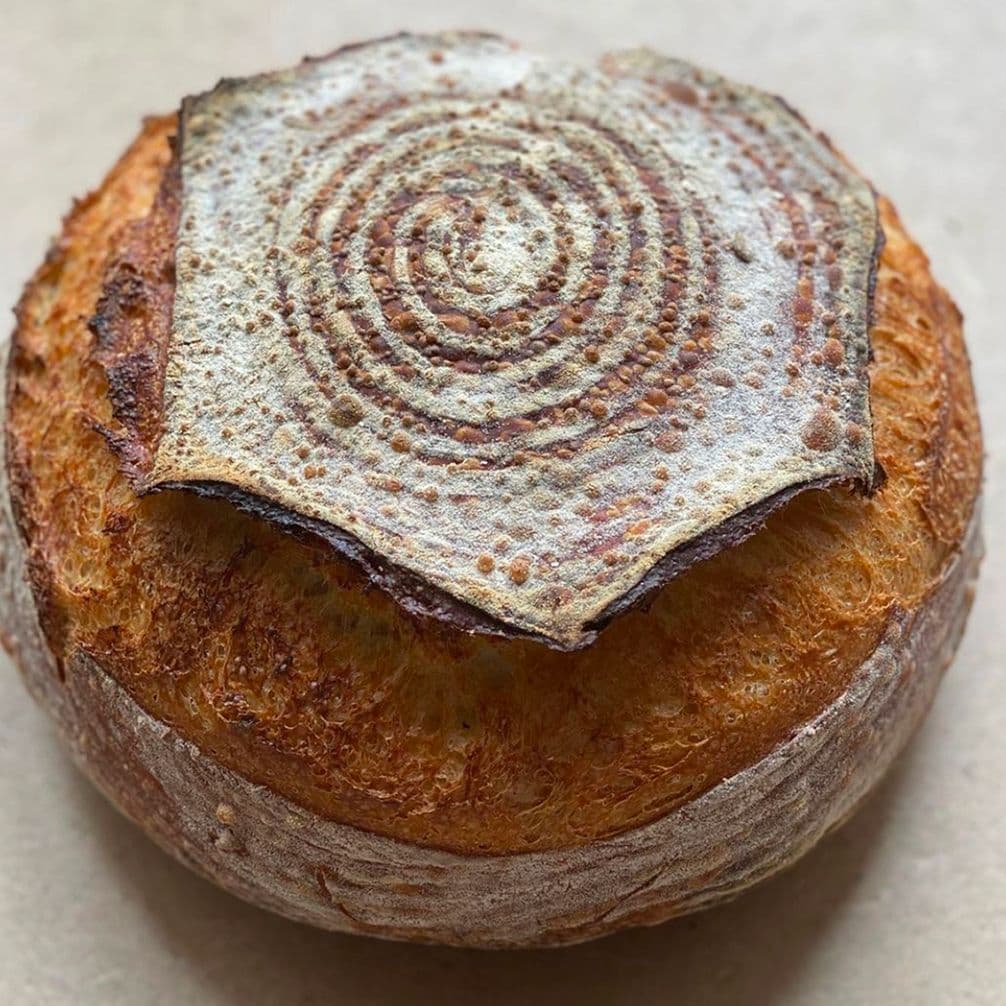
Tom Aikens’ bread
This is the memory that has become Bread & Butter, where homemade bread is served with two cultured butters: a chicken and cep creation, served with crispy chicken skin, chicken salt and puffed barley; and a burnt leek butter made from charred leek tops. “The whole menu is designed to evoke warmth, curiosity and a sense of home, using flavours that recall those childhood moments – in this case, the smell of baking bread, and jam from the garden – reworked with refined, unexpected twists,” Tom explains.
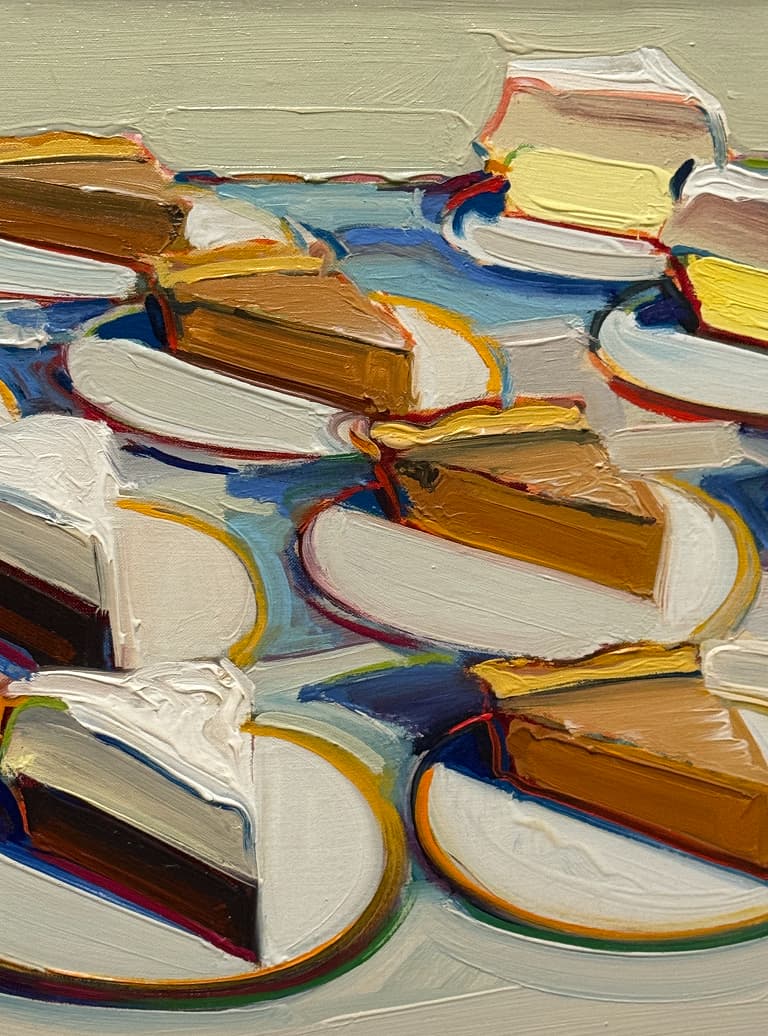
Pie Row by Wayne Thiebaud
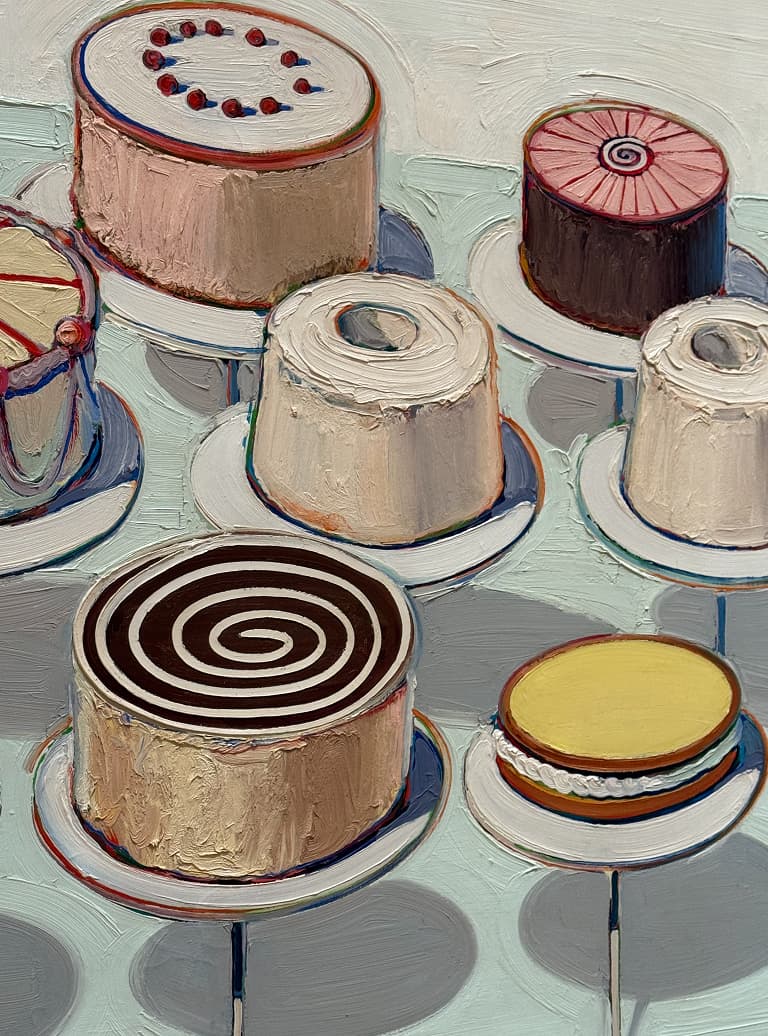
Cakes by Wayne Thiebaud
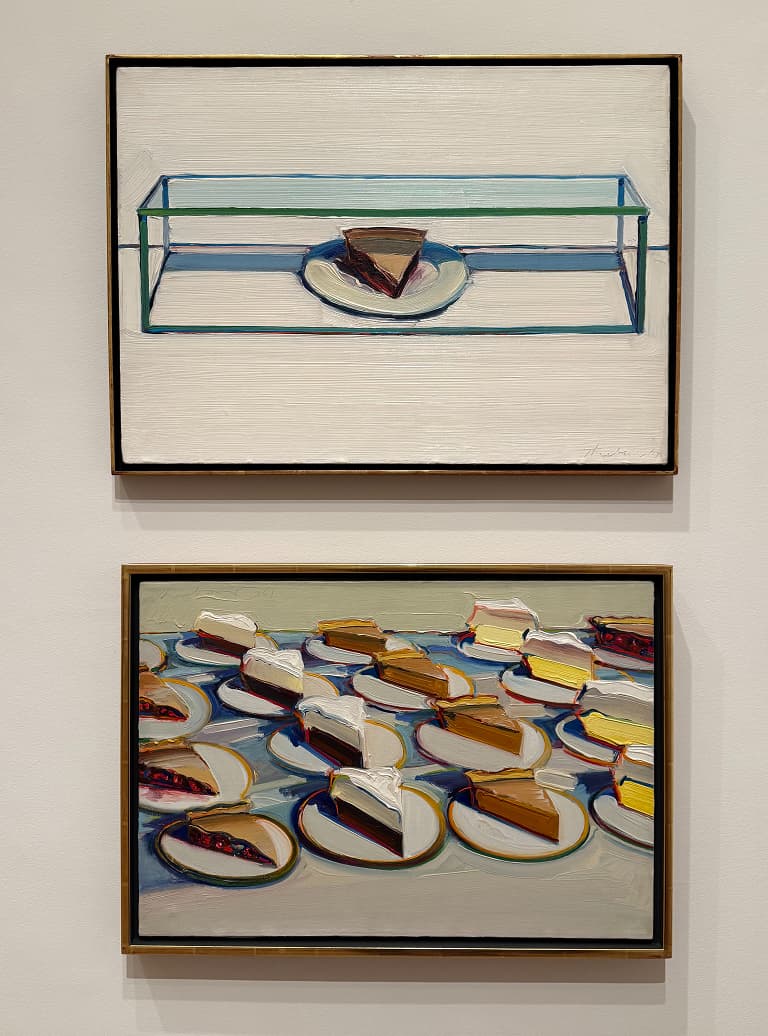
Paintings by Wayne Thiebaud
Right now, there’s a Wayne Thiebaud exhibition at the Courtauld in Somerset House. The American artist has been described as “the laureate of lunch counters and diners”, and his big, glossy paintings of intricately iced cakes and thickly painted cream pies are wonderful. As well as being struck by the works themselves (they really are magnificent), I noticed a quote next to his 1962 painting Caged Pie, where a single slice of pie remains within a glass case: “Most [of my paintings] are fragments of actual experience. From when I worked in restaurants, I can remember seeing rows of pies, or a tin of pie with one piece out of it. Those little vedute [views], in fragmented circumstances, were always poetic to me.” His work is another example of how food can be the fuel for enduring memories.
Thiebaud’s paintings work their magic without scent, but as Charles explains, smell might actually be memory's closest source of inspiration. In which case, the gourmand scents that are trending right now should surely be rocket fuel for the memory, more potent even than my mother’s citrusy Guerlain Pamplelune is for me.
Breakfast Leipzig is a whole breakfast in a scent – like Willy Wonka’s three-course dinner chewing gum in Charlie & The Chocolate Factory
David Seth Moltz
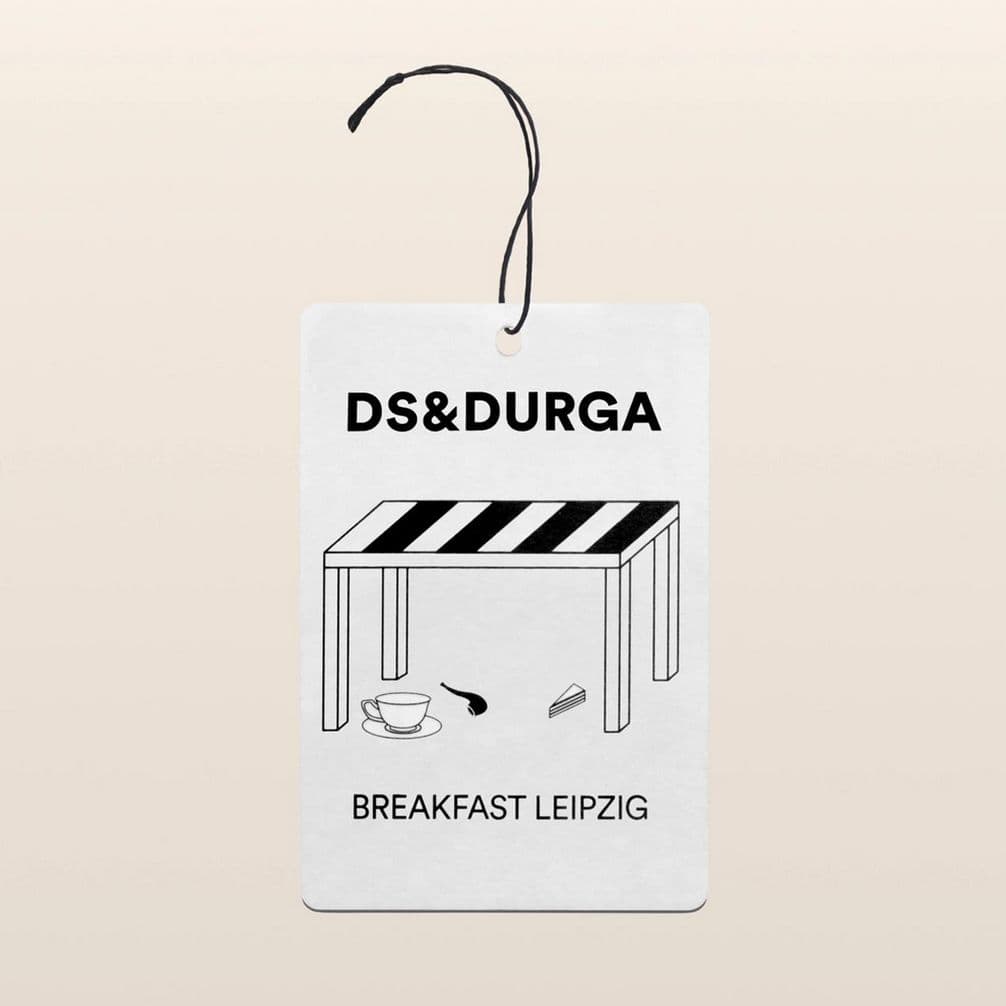
DS & Durga – Breakfast Leipzig
While many gourmand perfumers lean into dessert-like vanilla and chocolate notes, Brooklyn-based fragrance house DS & Durga does indeed try to bottle some very specific moments. “Everything we make has a rich, detailed narrative,” says David Seth Moltz, the brand’s cofounder and master perfumer. “Breakfast Leipzig smells of the interior of the café where Bach wrote Coffee Cantata. It has distinctive notes of coffee, almond pastries and tobacco. It’s a whole breakfast in a scent – like Willy Wonka’s three-course dinner chewing gum in Charlie & The Chocolate Factory.”

DS & Durga – Bistro Waters Eau de Parfum
One of my favourite scents of David’s is green pepper and pea flower-laden Bistro Waters: “A savoury gourmand that uses notes from a weird, early-2000s vegan restaurant I worked at in Manhattan, when tourists ordered Peartinis, veggies got fancy and people wore fresh, aquatic perfumes,” he explains. “Working in food service forever influences your understanding of the world. You’re literally in ‘the place to be’ in the frenzy of service. It’s electric: yelling orders, laughter, crazy line cooks, drinking, first dates, possibilities, old friends. The world outside is cut off by the bistro’s walls. Inside, you escape or go inwards to experience the scene, the aroma, the food.”
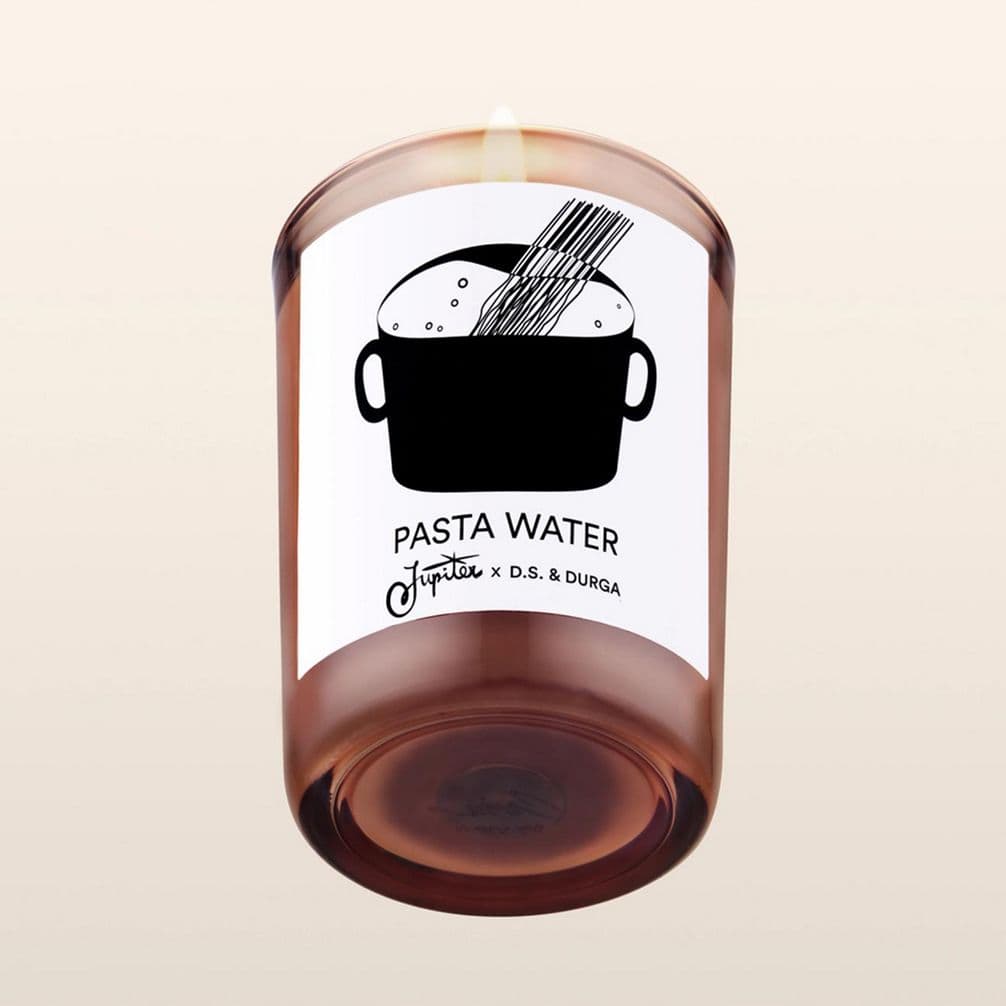
DS & Durga – Pasta Water Candle
Now, thanks to David’s willingness to go inwards, if I want to conjure the days of childhood, I don’t have to reach for the macaroni. One day I might rue the loss of this excuse, but for now I can put a match to DS & Durga’s Pasta Water candle. Created in partnership with New York restaurant Jupiter, it has a scent with the faint umami depth of boiling spaghetti. “It took a while to get the scent of water and starch just right,” says David. “But I think it’s chef's kiss.”
Descubra memórias mais rapidamente com funcionalidades exclusivas, como o reconhecimento facial e álbuns inteligentes.



&w=96&q=75)
16 Oct, 2025∙10 min

&w=96&q=75)
26 Nov, 2025∙6 min


 Estados Unidos