Guias
Popsa vs Photobox: choosing the right Photo Book experience
Discover how Popsa and Photobox differ on mobile experience, design flow, paper quality and delivery – helping you decide which one fits your habits, priorities and pace


Guias
Discover how Popsa and Photobox differ on mobile experience, design flow, paper quality and delivery – helping you decide which one fits your habits, priorities and pace


When it comes to designing a photo book, it’s natural to wonder which platform will best suit the way you work. Choosing between Popsa and Photobox depends largely on how you like to create and what you value most in the process.
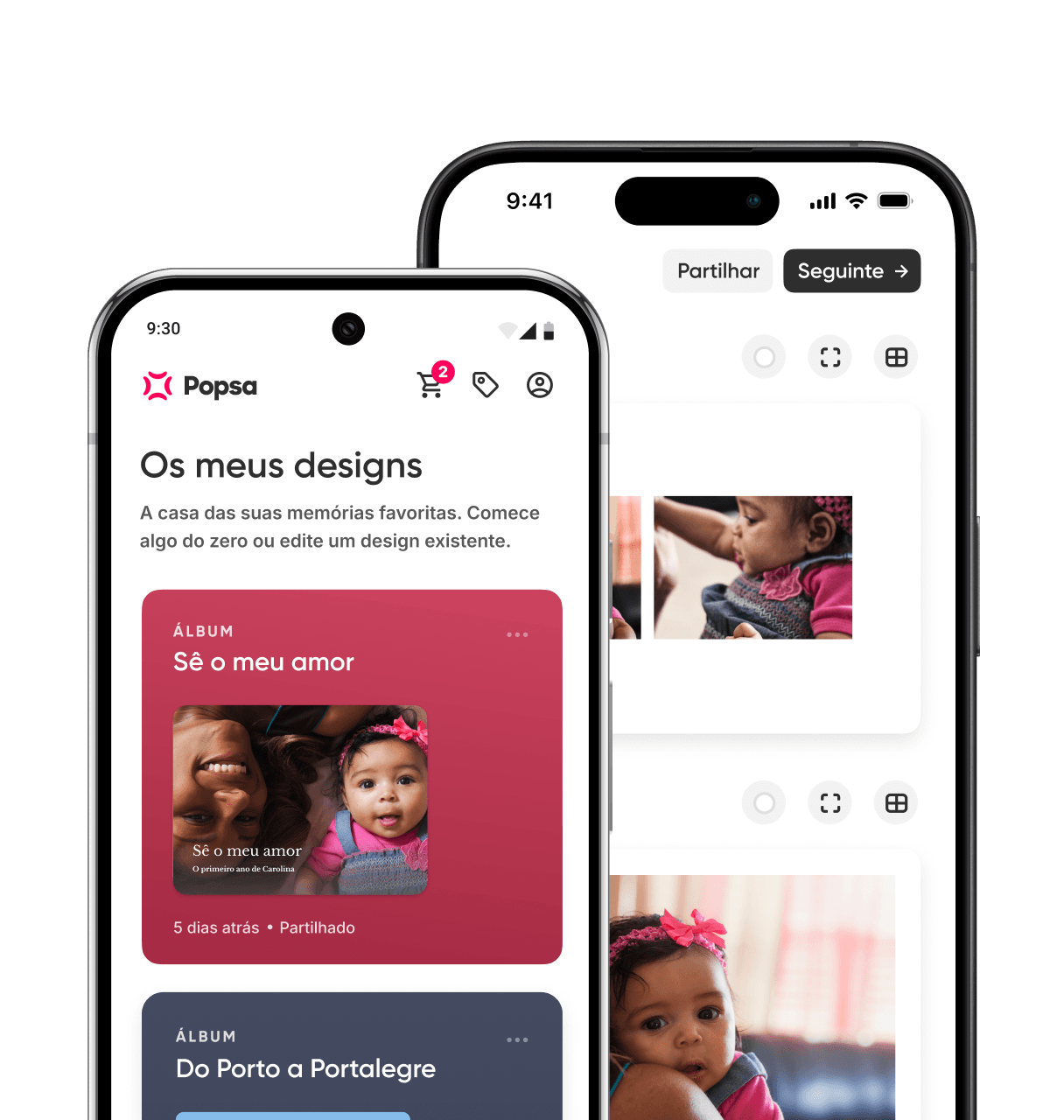
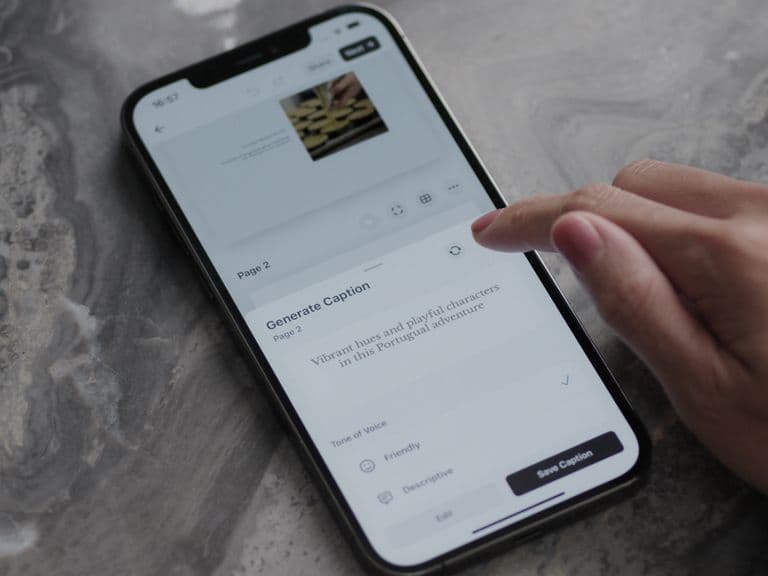
Popsa is better for people who want to create a high-quality photo book quickly, mainly on their phone, and feel confident it will arrive on time. It’s designed to help you finish your photo book via fewer steps from opening the app to checkout – a genuinely mobile-first experience on both iOS and Android. Smart photo organisation keeps images in a predictable, chronological flow as you create.
Popsa also stands out for fast, tracked delivery, clear communication around paper quality (200gsm), and strong trust signals through reviews and guarantees. Photobox may be a better fit if you prefer a more desktop-led creation experience or want different pricing structures for certain upgrades.

Popsa | Photobox | |
|---|---|---|
| Base price (24-page large landscape hardcover photo book) | £40 | £41.99 |
| Additional page cost | £0.69 per page | £1.60 per 2 pages |
| Quickest delivery | 4-7 days | 7 days |
| Tracked delivery | ✓ | ✓ |
| Trustpilot rating | 4.4 | 4 |
| Satisfaction guarantee | ✓ | ✓ |
| Layflat format | ✓ | ✓ |
| Paper weight | 200gsm | 200gsm |
| AI auto-curation | ✓ | ✗ |
| Photo book creation journey | 10 steps | 11 steps |
| Full-page rearrangement | ✓ | ✗ |
| Text-only pages | ✓ | ✗ |
| iOS app available | ✓ | ✓ |
| Android app available | ✓ | ✓ |
| B-Corp certification status | ✓ | ✗ |
Popsa is best for you if you:
Want to create a photo book from start to finish on your phone, without switching to a laptop.
Prefer a faster, more streamlined creation process with fewer steps.
Like the idea of your photos being organised for you rather than sorting them manually.
Care about how the finished book feels, with immersive, edge-to-edge layouts and clearly communicated paper quality.
Need reliable, fast delivery – especially for gifts or time-sensitive occasions.
Want reassurance from strong customer reviews and a clear satisfaction guarantee.
Value brands with independently verified social and environmental commitments.
Photobox may be a better fit if you:
Prefer creating photo books on a desktop rather than primarily on your phone.
Don’t mind a longer, more step-based creation process in exchange for a more traditional workflow.
Are less focused on finishing quickly and more comfortable spending longer refining a project.
Want alternative pricing structures for certain upgrades depending on book size.
Prefer phone-based customer support.
Don’t need the fastest possible delivery for a specific date.
If you’re worried about starting a photo book and never finishing it, this is where Popsa stands out. Popsa is designed to help people complete a book quickly without needing to plan everything upfront. The creation flow uses fewer steps from opening the app to checkout, reducing friction and repeated decisions. The experience is genuinely mobile-first on both iOS and Android, allowing full book creation, editing and ordering on a phone, rather than treating mobile as a cut-down option.
Popsa applies smart photo organisation during creation, keeping photos in a clear and predictable order as you add them. This reduces one of the most common points of friction: losing momentum because photos become disorganised. If the ease of finishing a photo book is your priority, Popsa is built to reduce effort, decision fatigue and drop-off, especially for people creating books in short sessions or in the midst of a busy life.
Both Popsa and Photobox produce high-quality printed photo books, but Popsa places more emphasis on clarity and visual impact. Popsa supports full-page, edge-to-edge layouts that allow images to fill the page without borders, creating a more immersive look for standout photos. Photobox also offers full-page photo layouts within its templates. Popsa's photo books use 200gsm paper, with the paper weight clearly stated upfront – helping customers understand how substantial the finished book will feel. Photobox also states paper weight for its photo books, meaning both brands meet expectations on material quality.
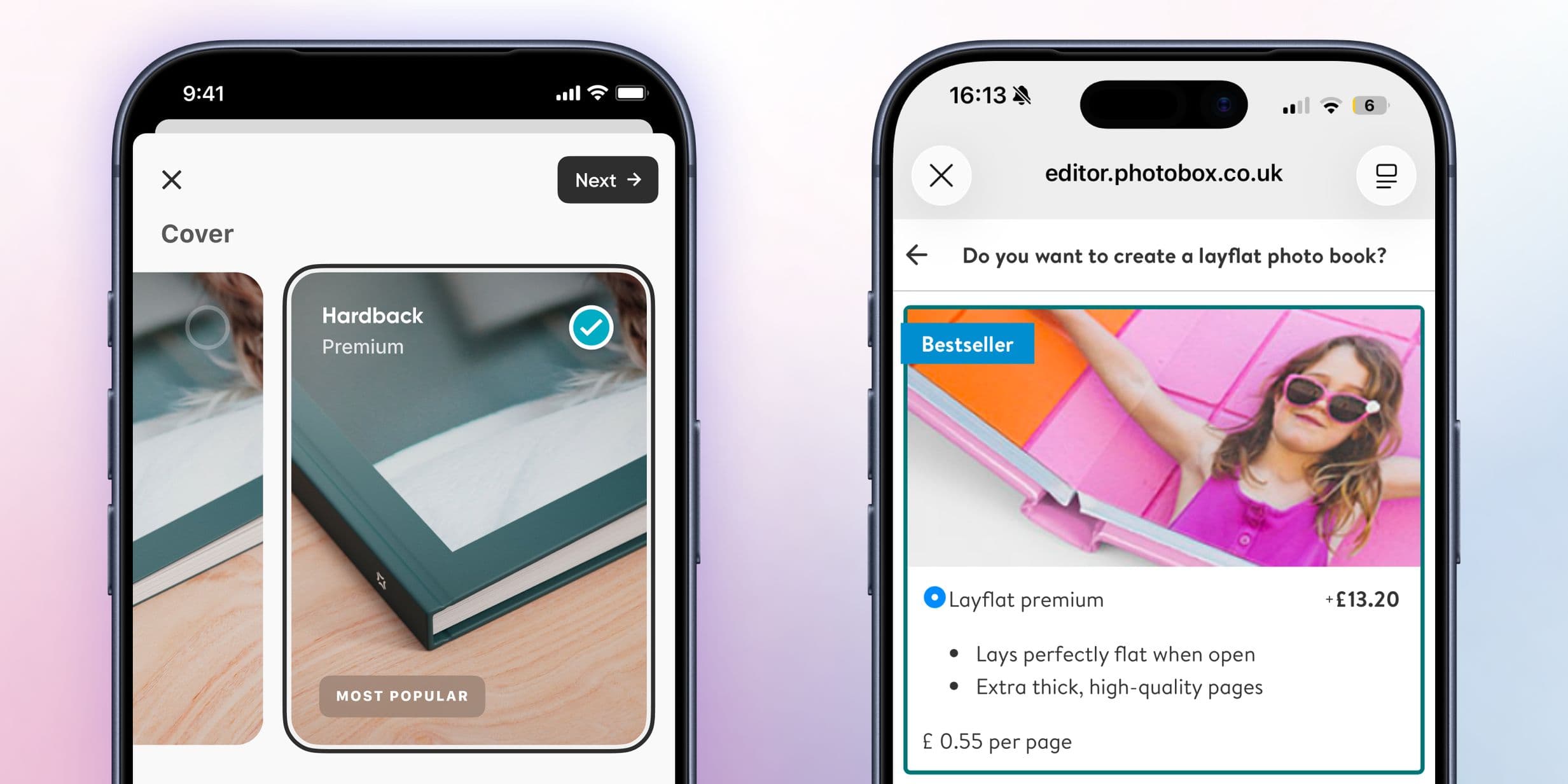
Both brands offer layflat books, meaning thicker pages that open flat rather than closing into the spine. These improve viewing comfort for wide layouts, though neither brand currently supports printing a single image seamlessly across two pages. If you care about how your book looks and feels when it arrives, not just how easy it is to make, Popsa’s focus on paper quality and full-page layouts helps set expectations clearly.
Delivery speed and certainty often matter most when photo books are ordered as gifts or for specific dates. Popsa offers the fastest overall delivery option between the two brands, with rush delivery available when time is critical. It also provides tracked delivery options that can arrive earlier than Photobox’s comparable services, giving customers clearer visibility on where their order is and when it will arrive.
Photobox offers standard and express delivery but does not match Popsa’s fastest delivery timelines. If timing is non-negotiable, Popsa offers more reassurance that your book will arrive when you need it, and that you’ll be able to track it along the way.
Popsa aims to keep pricing predictable as projects grow. The starting non-sale price for a large landscape hardcover photo book is lower on Popsa, and additional pages are charged at a lower per-page rate. Pages can be added individually rather than in fixed pairs, giving more flexibility and control as you build longer books.
Photobox uses different pricing structures for additional pages and upgrades, which may suit some users depending on book size and configuration. If you’re concerned about costs increasing unexpectedly as you add pages, Popsa’s pricing model makes it easier to anticipate the final price before checkout.
Popsa balances ease of use with flexibility for people who want to refine their story. Whole pages can be rearranged freely during creation, allowing you to adjust the flow of events without starting again. With Photobox, photos can be moved within the book, but entire pages cannot be reordered in the same way.
Text-only pages are also supported by Popsa, making it easier to add written context, reflections or chapter breaks without forcing text onto image pages.
Photobox offers text features but with more constraints on layout flexibility. If you want creative control without feeling locked into early decisions, Popsa allows you to make changes late in the process with minimal disruption.
Ordering a printed product sight unseen carries risk, and both brands recognise this. Popsa has a higher Trustpilot score based on a large volume of reviews and presents its reviews under a single consolidated profile. It also offers a clear satisfaction guarantee, with reprints available if something goes wrong.
Photobox also offers a satisfaction guarantee, though customer feedback is spread across multiple review profiles. If reassurance and social proof influence your decision, Popsa’s reviews and guarantees help reduce uncertainty before you order.
For customers who consider the broader impact of their purchases, Popsa positions values more prominently. Popsa is a certified B Corporation, meaning it meets independently verified standards for social and environmental responsibility. This goes beyond individual sustainability claims and reflects how the business operates overall.
Photobox publishes sustainability commitments but is not B Corp certified. If you want independent confirmation that a brand meets recognised standards for responsible business practices, B Corp certification provides an additional layer of confidence.