
Stories
Why looking at old photos is good for your mind and mood
The power of old photos lies not in their shareability but in how they anchor us in life’s moments.

Jason Kaye
Escritor Popsa
2 Jun, 2025∙7 min


Stories
The power of old photos lies not in their shareability but in how they anchor us in life’s moments.
Jason Kaye
Escritor Popsa
2 Jun, 2025∙7 min
Look at your smartphone photos right now. What’s in there? For many of us, our image galleries are filled with the mundane: a quick snap of lunch, a blurry parking space photo, endless screenshots.
Social media, with its curated perfection, can make those ordinary moments seem unworthy of capturing. But perhaps those “insignificant” shots matter more than we realise. They reveal the threads that weave our life stories together.
What if looking at photo memories could help us rediscover joy, connection or accomplishment and gently uplift our self-esteem?
Can they boost our mind, body and soul, helping us appreciate the fact that life, with all its complexities, is worth capturing and cherishing.

Experiencing nostalgia can often be brushed off as sentimentality or seen negatively as living in the past. However, a growing body of scientific research supports the view that nostalgia is good for our mental health and helps us to:
Helps us reflect on personal growth
Regulate our emotions
Provides emotional closure on past events
Remind us of the people we love
Strengthens our sense of identity.
Think about it: in moments when you’re feeling down, your mind can unexpectedly drift back to a cherished memory, like building sandcastles as a child with your siblings. In these moments, you can almost relive the laughter and feel the warmth of the sun on your skin. These reflections aren't about escaping the present, but about finding resilience in it.
These nostalgic reflections aren’t about escaping the present day. Rather, they’re our brain’s way of offering respite from acute stress.
One study found that looking at personal photos boosted children’s self-esteem. For older generations, reliving happy memories through photos improved cognitive function, lifted mood and increased social engagement.

Modern life moves fast, often at the expense of connection. Yet research shows that small, everyday interactions matter most – an impromptu coffee meet-up, helping a friend move furniture or even just sending voice notes – and revisiting them can help combat loneliness and depression.
Remembering to take quick candid snaps of daily interactions – even if they’re not perfectly posed portraits to post on social media – can:
Become a healthy mindful practice
Spark deeper conversations
Help you ask meaningful questions
Bridge physical distance between you and others
Focus on positive memories, even when looking at old photos that trigger sadness.
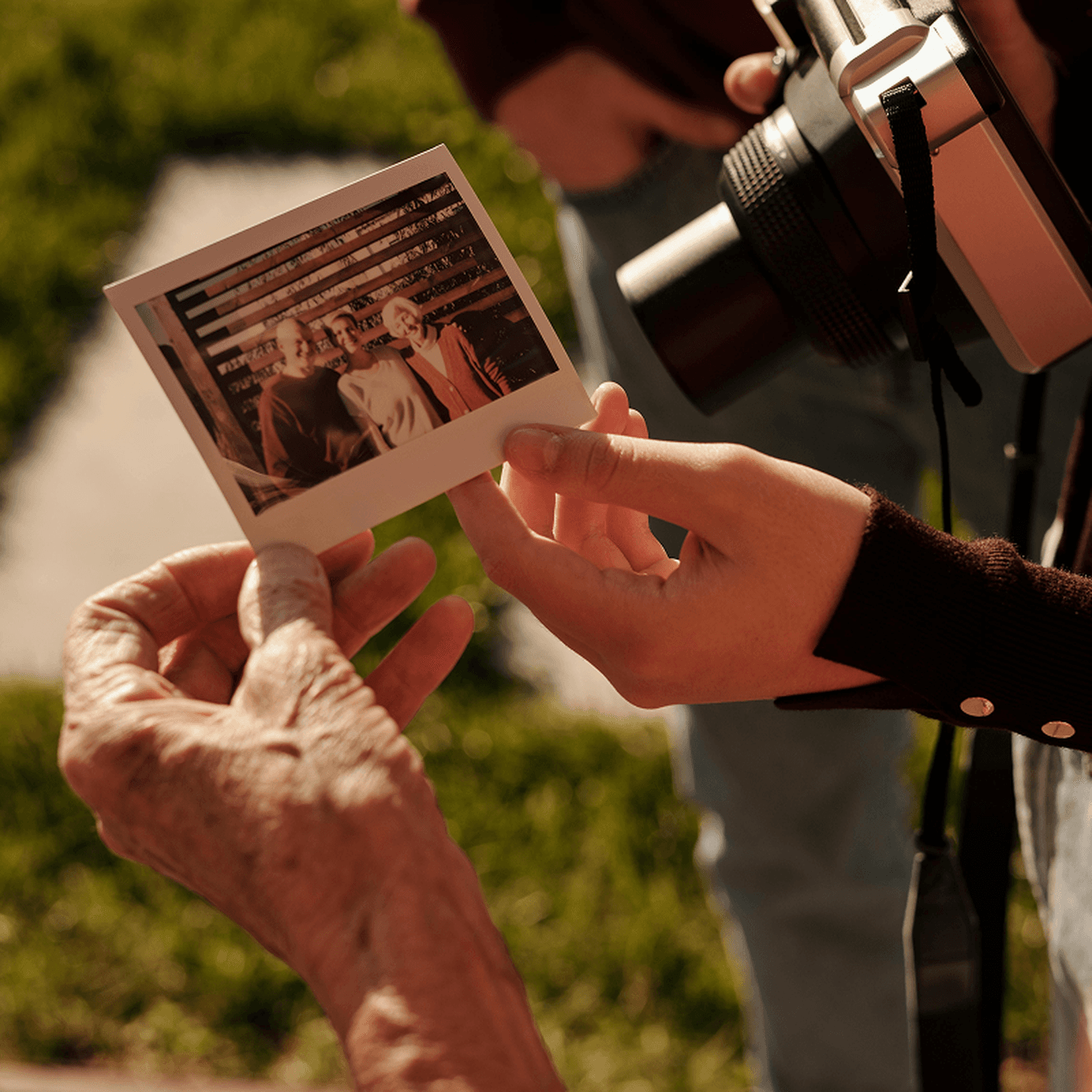
The average smartphone user holds around 2,000 images on their phone and stores potentially thousands more in the cloud and on various digital memory cards. Plus, let’s not forget that many of us also have photo albums and boxes brimming with dusty old photos, perhaps even reels of undeveloped film, lurking in deep storage. Turning this clutter into an emotional memory archive can be deeply rewarding.
Here are a host of ways to organise your photos into a mood-boosting photo archive to look back on.
Use the KonMari Method: developed by professional organiser Marie Kondo, the KonMari Method encourages you to look through your photos one by one and ask yourself: “Does this image spark joy?” or other common emotional themes you would like your visual story to evoke, such as accomplishment, gratitude or connection.
Anchor with major life events: identify photos depicting major life milestones such as marriages, births and holidays – images with clear dates attached to them. Then, fill in the gaps with surrounding photos to build your visual autobiography. Check digital timestamps or look for visual cues in the frame to help place each moment in your chronological timeline.
Group by recurring themes: group your images by recurring visual details such as days out in nature, family get-togethers or hobbies. This technique can help you compile photo memories into a coherent narrative that highlights the common interests and connections you share with friends and family – even on ordinary days.
Sequence to amplify emotion: place images that have a relationship side by side can be fun and also create nostalgic emotions. For example, find an old photo of yourself as a child with your favourite toy and your own child playing with theirs. Revealing unexpected connections between details can help you see familiar subjects in a brand-new light.
Ask for contributions: to truly unlock the psychological benefits of photo albums, go beyond the image and incorporate the voices of those who shared the moments. Ask family for quotes about the photos they’re in and include them as captions.

Displaying nostalgic photos is a powerful form of creative expression that celebrates your past and reinforces emotional bonds in the present.
Whether you create gallery walls or intimate vignettes with photo prints, these displays add personality, warmth and timeless elegance to your living space. Consider mixing Polaroid-style prints with square frame photo tiles for a modern, easily changeable arrangement. You can also incorporate personal items like concert tickets or postcards to add depth and context to your visual storytelling.
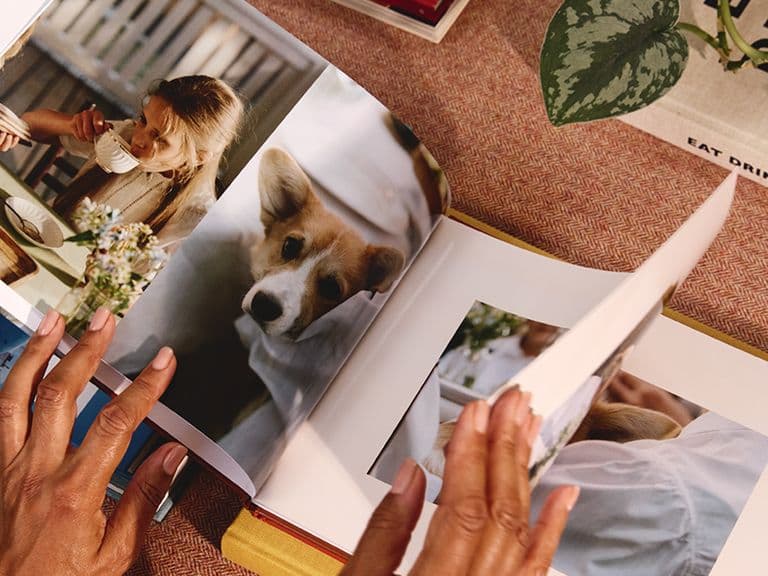
Alternatively, creating sleek and display-worthy photo books can help you relive precious moments whenever you need a dose of nostalgic comfort.
Curating these displays can be collaborative, allowing you and your loved ones to reflect on joyful moments or find comfort in difficult times.
Descubra memórias mais rapidamente com funcionalidades exclusivas, como o reconhecimento facial e álbuns inteligentes.



&w=96&q=75)

&w=96&q=75)

&w=96&q=75)


 Estados Unidos