Photography

How to turn travel photography into a career

Travel photographer Chris Schalkx lifts the curtain on life behind the lens – from building a portfolio and finding your visual voice to the realities of making a living on the road

Colorful, ornately decorated row of shophouses with intricate details and pastel hues.

Artikel in één oogopslag

  • Finding a distinctive visual voice is essential in a crowded market, whether through subject matter, location expertise or a recognisable style.

  • Relationships matter as much as talent, with consistent work coming from trust, reliability and staying visible to editors and brands.

  • Travel photography is rarely glamorous behind the scenes, requiring multiple income streams, business savvy and resilience alongside creative skill.

It sounds like a dream job: getting paid to travel the globe with a camera in hand. And in many ways it is. Having shot in every continent over the last few years, I still count my lucky stars whenever, say, I’m eye-to-eye with a wild gorilla in Gabon, or I check in at a one-percenter’s private island getaway that I couldn’t possibly afford to stay in on my own.

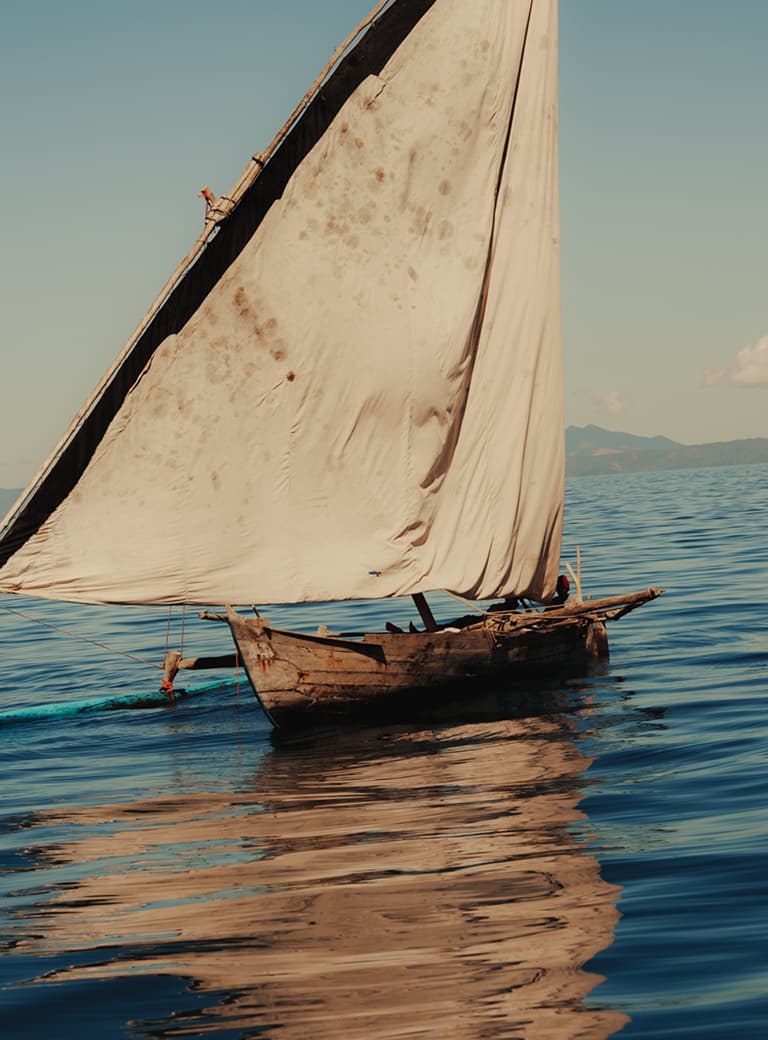
A small wooden sailboat with a large white sail glides over calm blue waters under a clear sky. Distant mountains are visible in the background.

Madagascar by Chris Schalkx

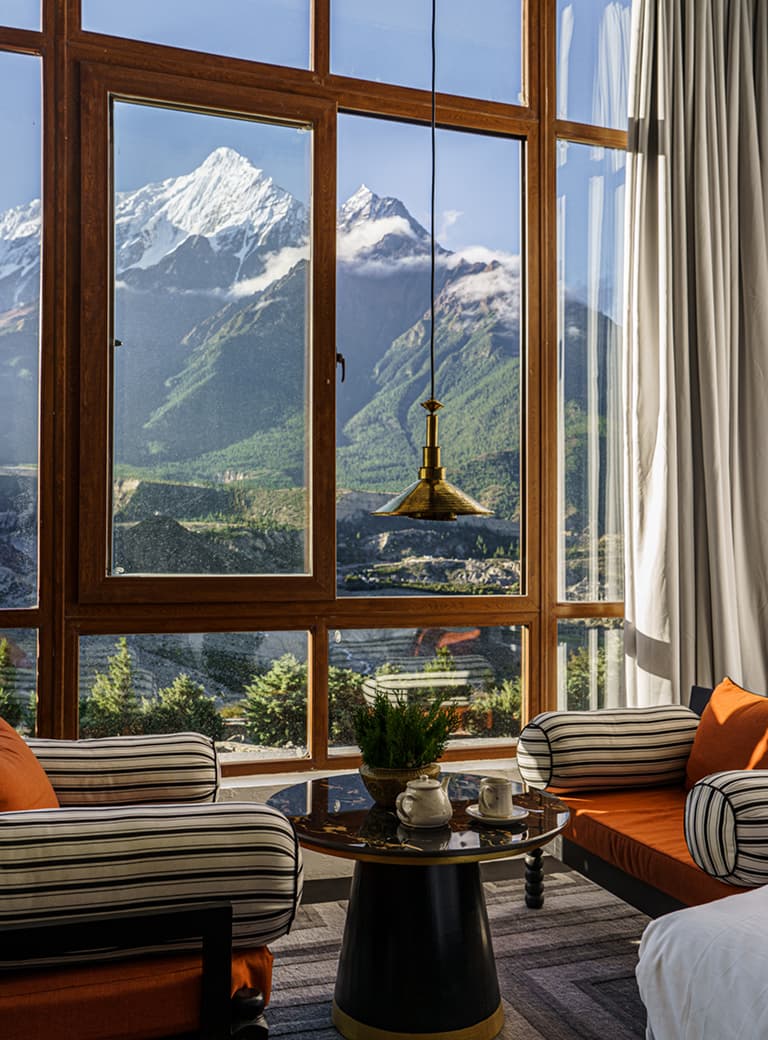
Cozy room with striped chairs, a small table, and a large window showcasing a majestic mountain landscape under a clear sky.

Mustang, Nepal by Chris Schalkx

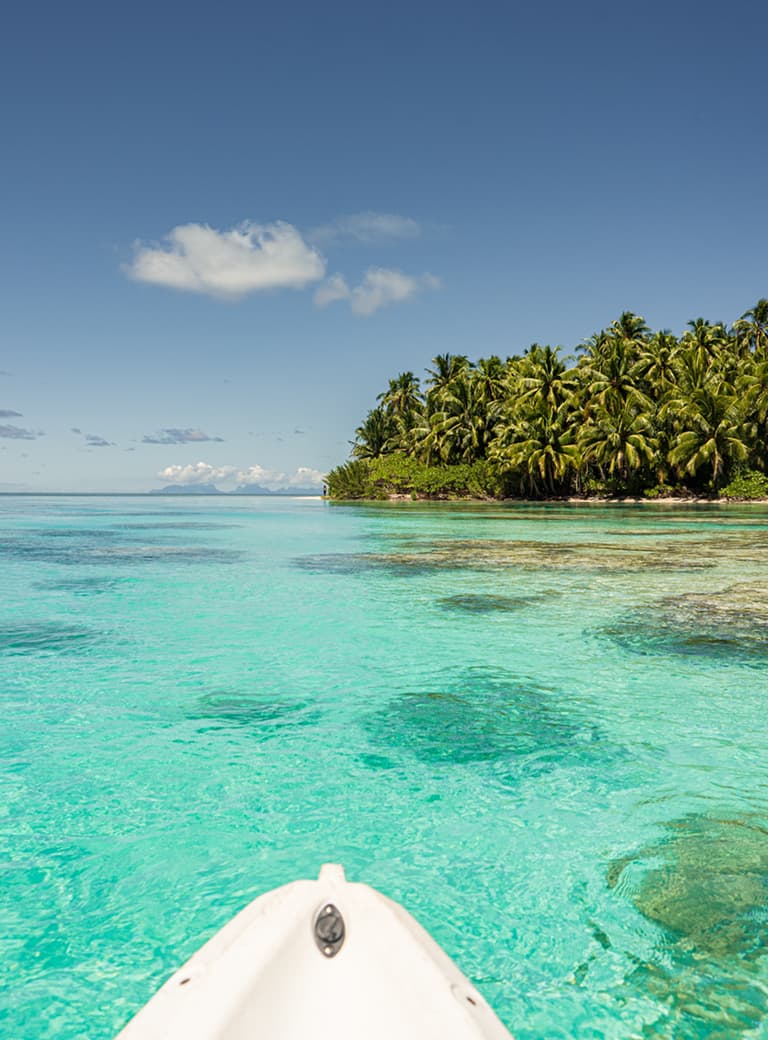
A small boat on clear turquoise water near a tropical island with lush palm trees under a blue sky.

French Polynesia by Chris Schalkx

I rolled into this career through my work as a freelance travel writer. I was already travelling often for editorial assignments, and it made sense to bring a camera along so that my editors could stop relying on press folders and stock photography. And while my early shots were serviceable rather than cover-worthy, they did the job. Those first opportunities were modest: a magazine would buy a picture or two to accompany a story I wrote, or a hotel asked me to shoot some social media images in exchange for a stay. Nothing paid especially well but it helped me build enough confidence, and more importantly, a portfolio that showed a wide variety of places through my lens. Eventually, bigger commissions started trickling in, and over the following years, travel photography and adjacent projects such as books and hotel shoots became a sizeable chunk of my yearly income. 

That path, however, is far from universal, and in this time of ever-tightening marketing budgets and a growing pool of incredibly talented photographers, it’s arguably becoming even harder to replicate. Still, people continue to build careers in this space. If you’re considering a similar path, read on to find out what the job actually involves, and how to get started. 

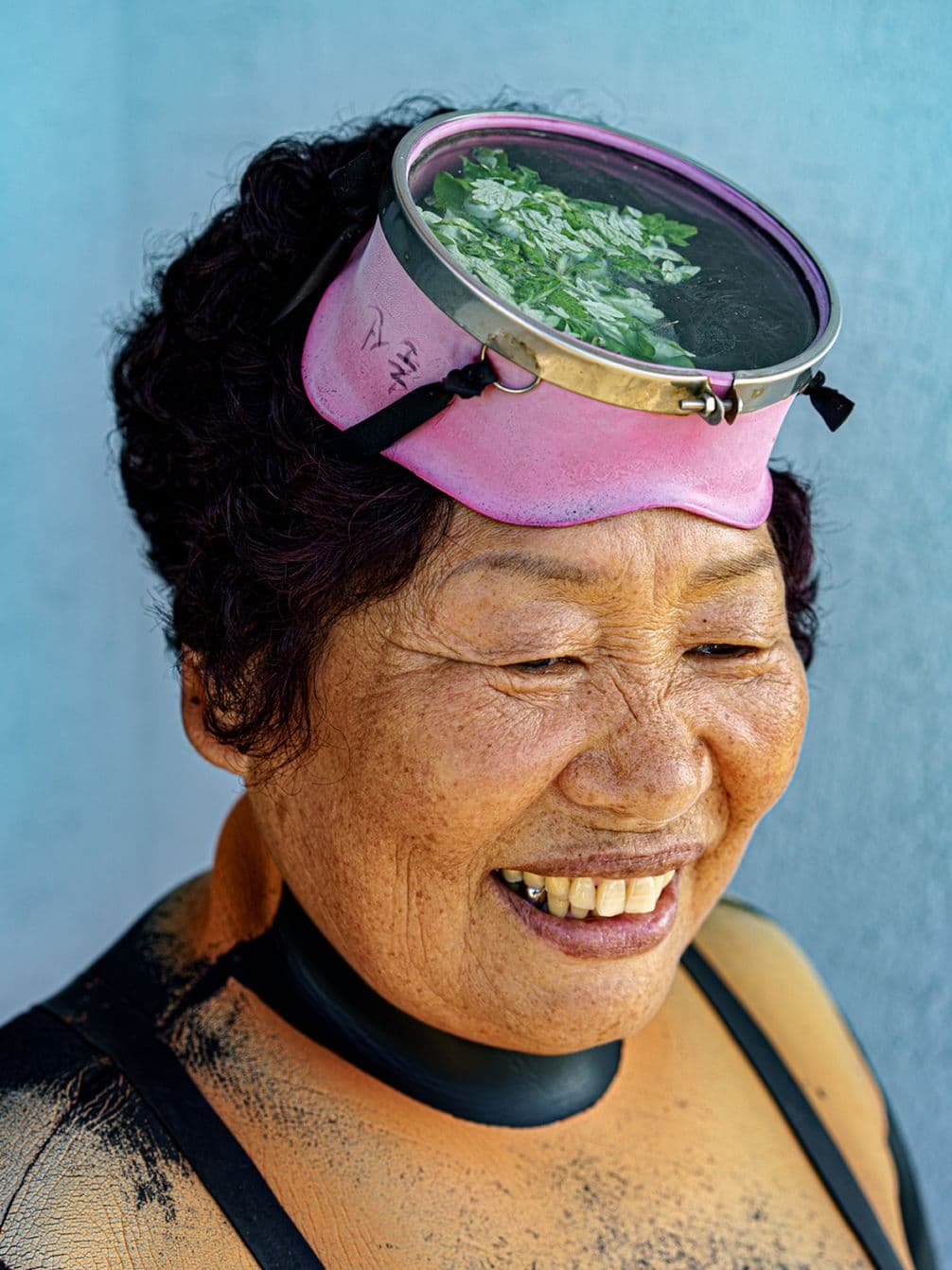
Smiling woman with a snorkeling mask on her head, wearing a wetsuit, against a blue background.

Jeju, South Korea by Chris Schalkx

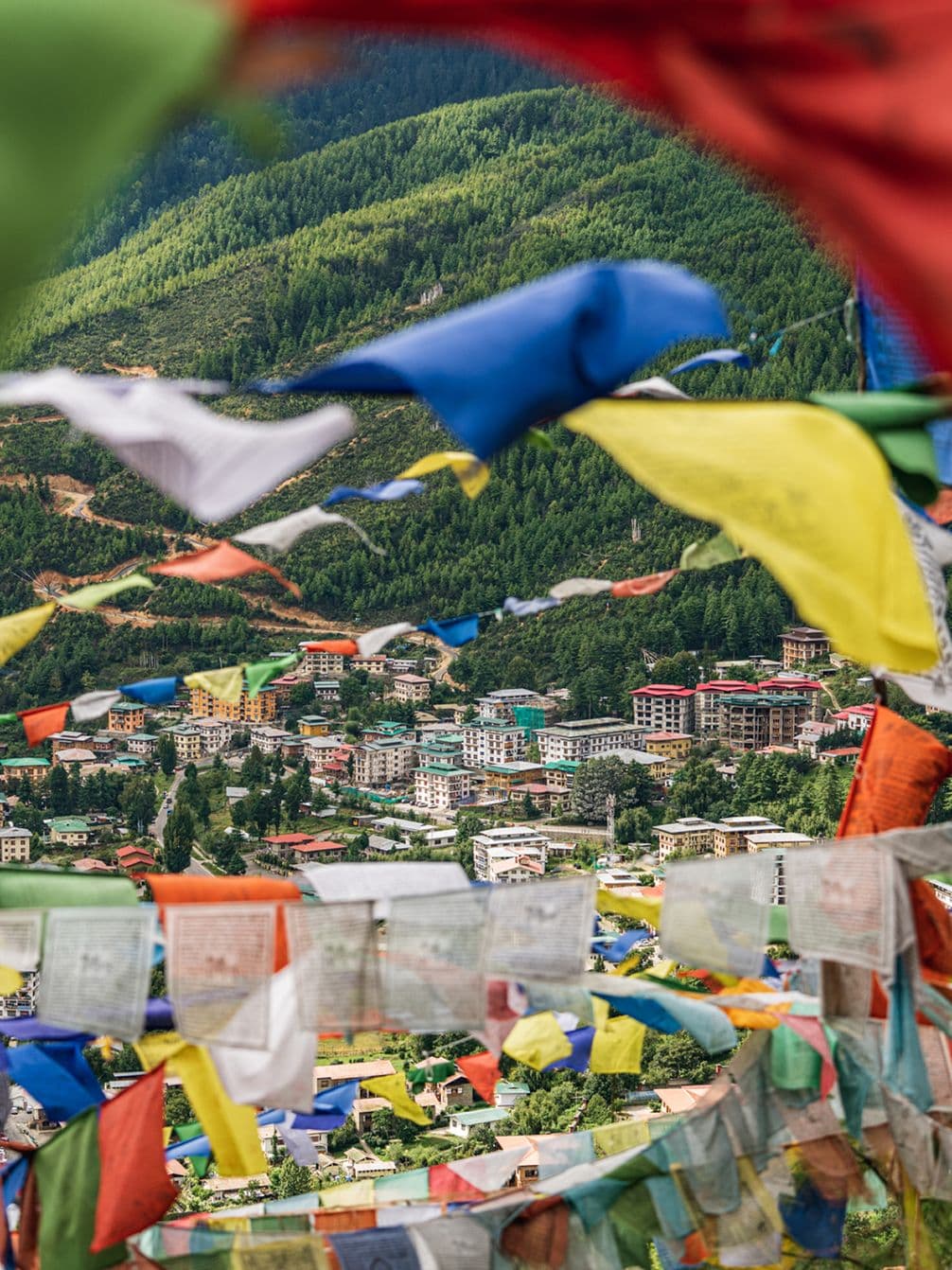
Colorful prayer flags fluttering over a hillside town surrounded by lush green mountains, with a variety of buildings visible in the background.

Thimpu, Bhutan by Chris Schalkx

Find your voice

Scroll through Instagram and you’ll notice many popular photographers share similar shots: the lone hiker silhouetted against Alpine ridges, the breakfast trays floating in azure-hued pools, and perfectly tanned crowds sunbathing under candy-striped umbrellas along the Mediterranean coast. Those images are technically great, but they’re interchangeable. Clients paying for photography don’t need more of them.

Finding your “voice” as a travel photographer helps you stand out in this saturated field. Many successful travel photographers have cornered a niche in the market, whether that’s a certain location that they know well and can shoot in a culturally sensitive way (for example, I’m based in Thailand and clients know to find me when they need something shot here), or a signature editing style to create a mood that’s hard to mimic. Others have a knack for photographing destinations in a way that instantly transports readers there, or have become pros at shooting certain subjects or settings, like beach resorts, cities or wild animals. Being able to consistently deliver solid pictures within your niche will help you to get noticed by editors and brands.

An elephant walking past trees in a forest, with a large tree trunk in the foreground.

Central African Republic by Chris Schalkx

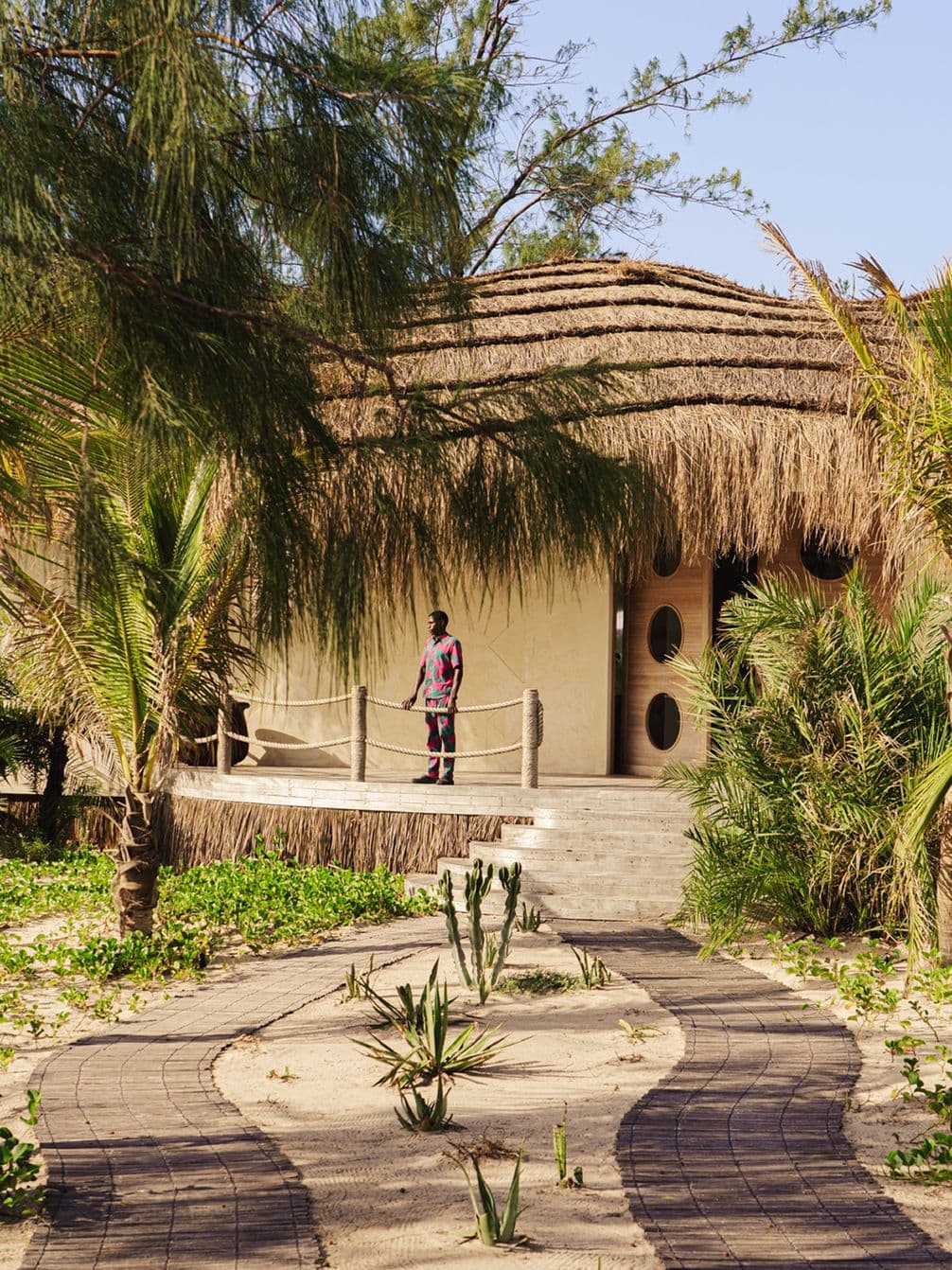
Thatched-roof bungalow surrounded by tropical plants, with a person standing at the entrance, on a sunny day.

Kisawa, Mozambique by Chris Schalkx

Build a network

Your photos might be pixel-perfect but that doesn’t mean they’ll sell. While talent often gets the attention, it’s the solid relationships with clients (and potential clients) that generates consistent work. Travel photography is largely a relationship-driven field, especially at the editorial and commercial levels. Those buying photography aren’t just looking for excellent images, they also want reliable partners who can execute briefs, deliver projects on time and are able to roll with unexpected hiccups. 

If you’re starting out, begin by identifying who actually commissions shoots or buys from photographers’ archives. In magazines, that’s the photo editor or visuals editor, whose name you can usually find on the masthead. At hotels and travel brands, it’s often a content lead or marketing manager, who you can track down on LinkedIn. Find and follow them on Instagram, or introduce yourself with a concise email and a tight edit of work that’s relevant to their business. Don’t expect a reply from everyone (this constant non-response requires a thick skin, it’s part of the culture we’re working in), but even a single response is a step in the right direction.

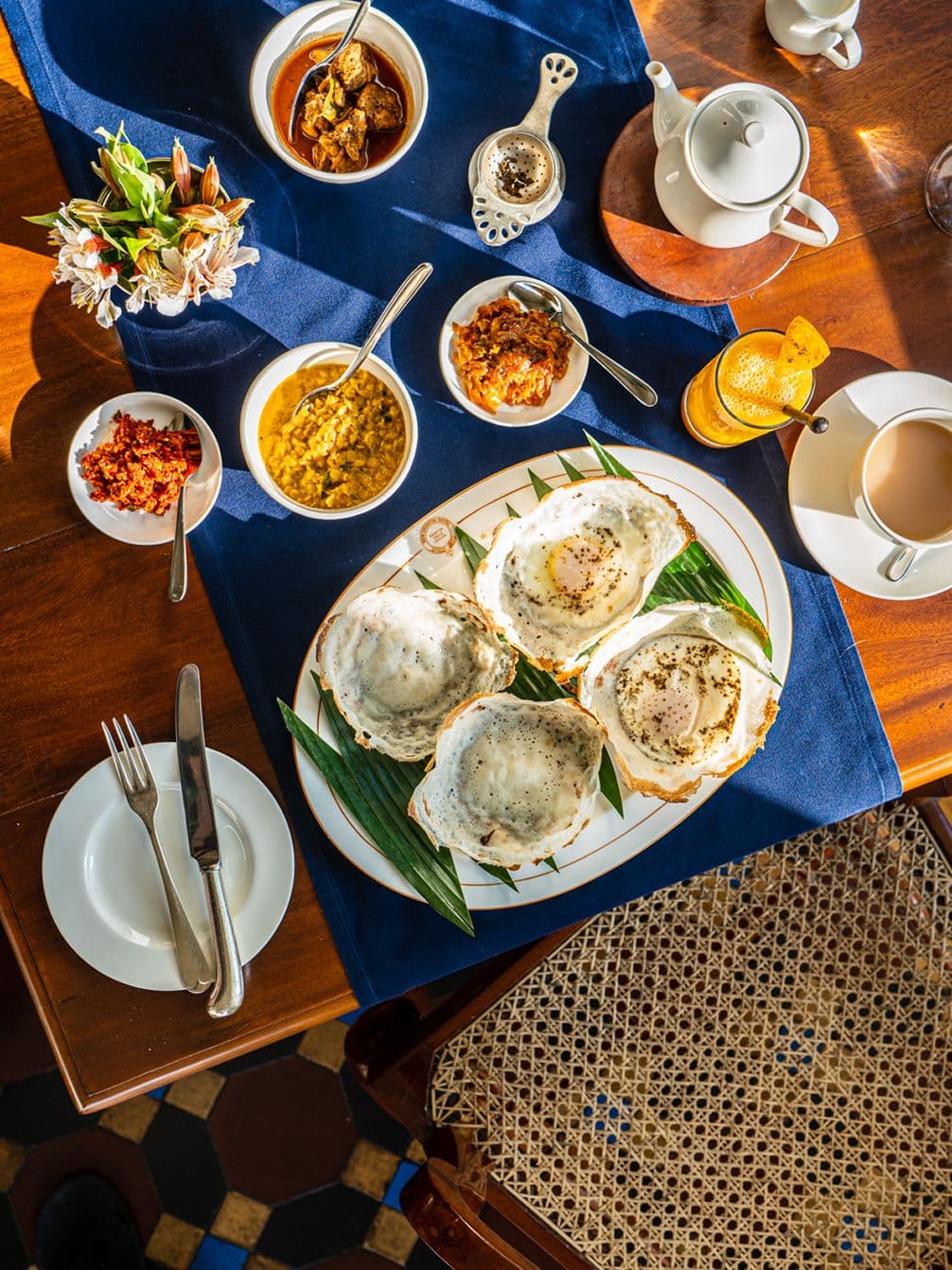
Aerial view of a wooden table with a breakfast spread including hoppers, curries, tea, and flowers on a blue tablecloth.

Sri Lanka by Chris Schalkx

From there, it’s all about staying on the radar. Use your Instagram as an up-to-date portfolio, showing shots from previous trips and current whereabouts, which might lead to enquiries to look through your archive of photos from a certain location. From time to time, it’s worth checking in over email with an update on past and future travels, or to see if there’s any upcoming gigs in your region that they’re looking to commission photography for. If you’re in the same city, a coffee catch-up is a great way to get to know someone on a deeper level. But even if you’re far away, building long-lasting relations can be as simple as just staying in touch. Send over a quick email to a magazine’s visual lead when you’ve completed a strong project, or congratulate someone on LinkedIn when they’ve landed a new role. 

And don’t discount the importance of building relationships with your peers, the fellow travel photographers who are both colleagues and, in a way, competitors. This job is a largely solitary affair, so having a group of like-minded professionals around you to share industry gossip, rates and contacts with can often be a big help.

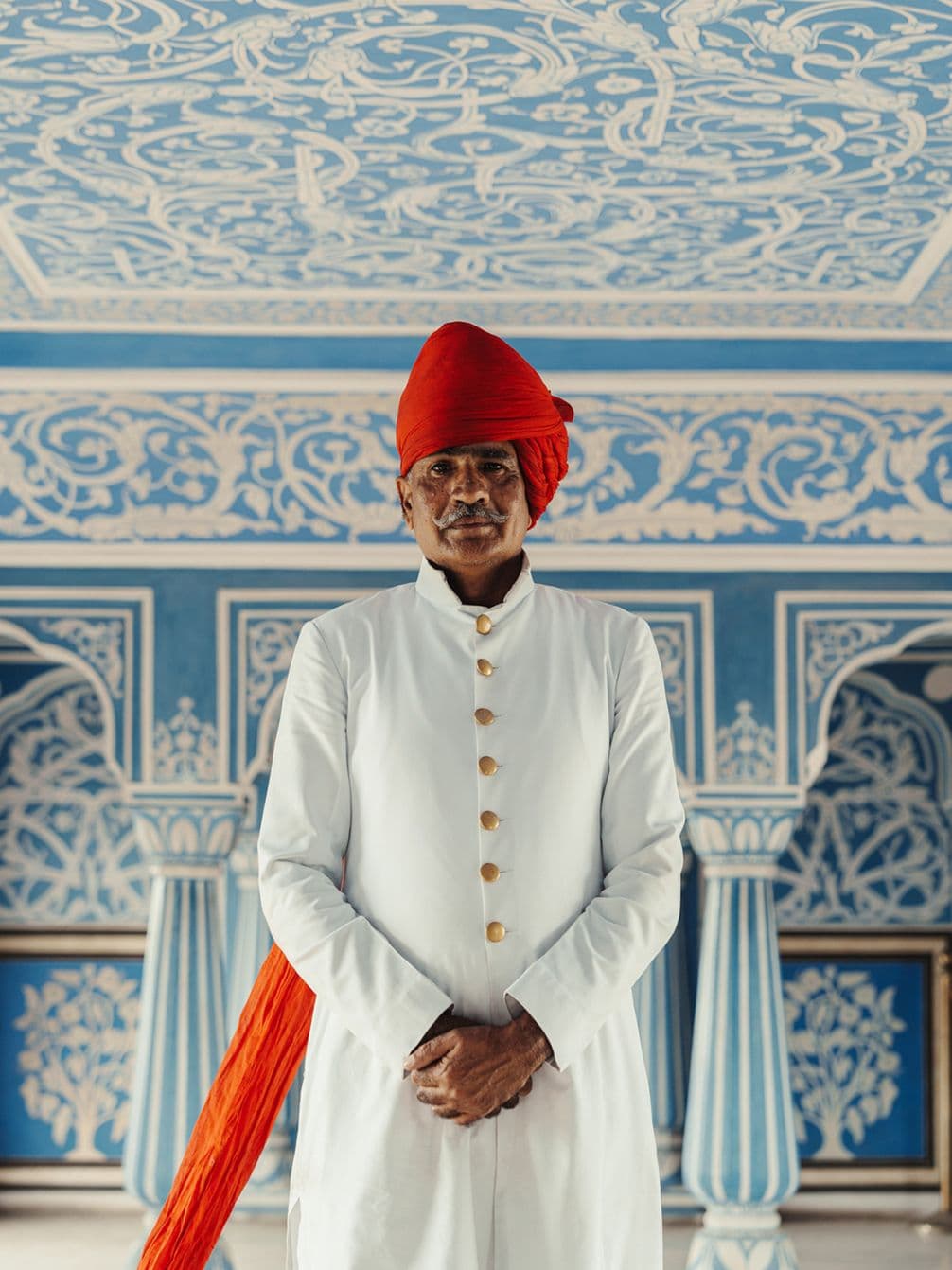
Man in white traditional attire with red turban stands in ornately decorated blue room with intricate patterns.

Jaipur by Chris Schalkx

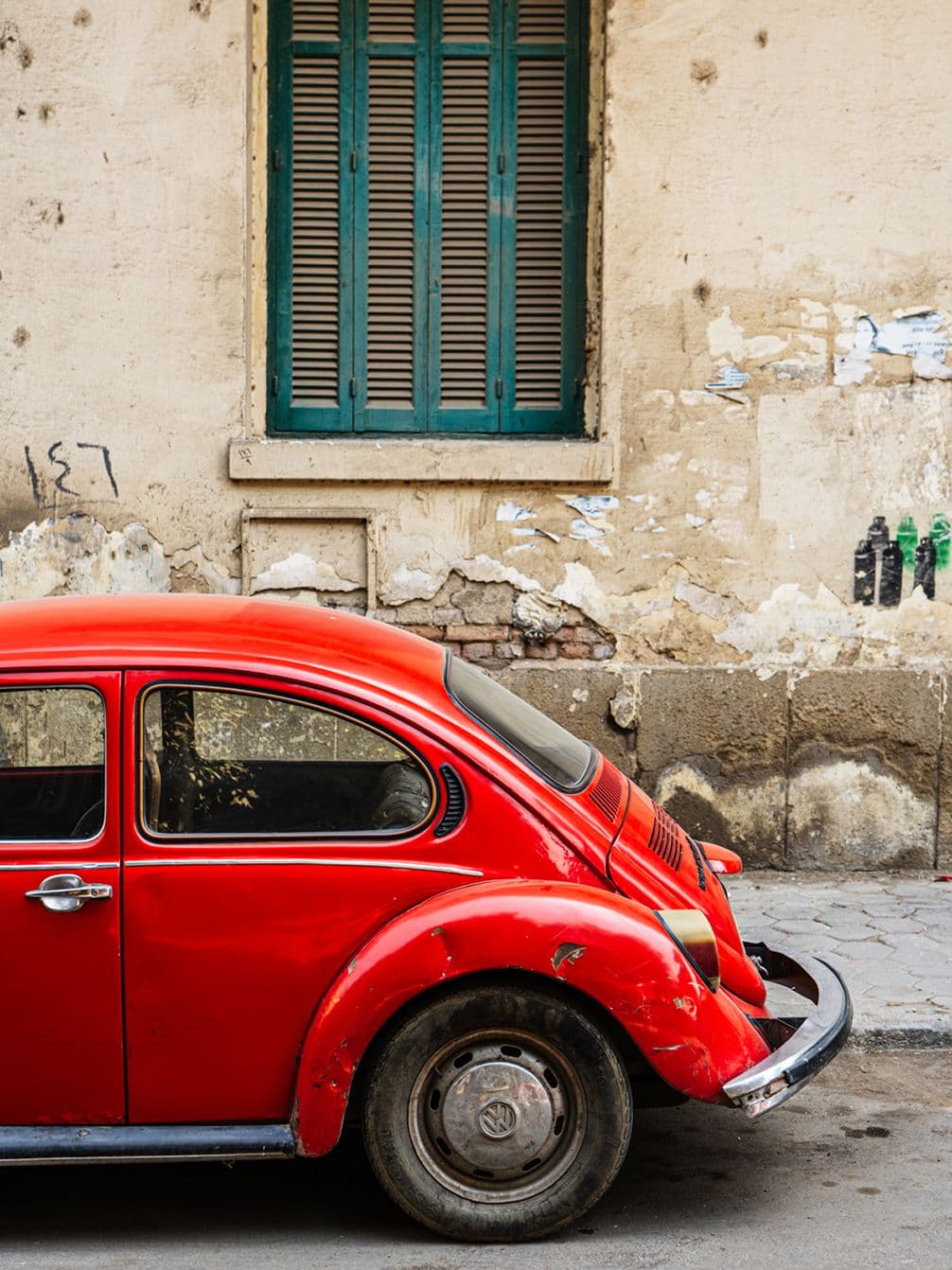
A red vintage car parked on a street in front of an old beige wall with a closed teal window. Peeling paint and a cracked sidewalk are visible.

Cairo by Chris Schalkx

Editorial, commercial and everything in between

There’s no single way to carve out a successful career in travel photography, and many photographers rely on a combination of income streams to generate a sustainable monthly salary. 

Editorial work remains the foundation of many travel photographers’ careers. It doesn’t usually pay well, but it makes up for that with credibility, access and, often, creative freedom. Shooting for magazines helps build a visible archive and gets your work in front of potential clients with bigger budgets. It’s also where many photographers develop their storytelling skills, which come in handy during other types of projects. 

Commercial content, whether that’s for a tour operator brochure, travel agency website or a hotel’s social media feed is where more substantial budgets come into play. Hotel groups, tourism boards, airlines and lifestyle brands all need imagery that feels authentic but polished, and will often require photographers to work with a team of art directors, models and retouchers. These jobs mostly come with in-depth briefs and higher expectations, and photographers consistently landing these gigs will likely want to team up with an agent (a wholly different ball game) to negotiate contracts and fees.

Modern stone bathtub with water flowing from a sleek faucet, wooden bucket and bowls on a small bench, set against dark tiled walls.

Tokyo, Japan by Chris Schalkx

Stock photography still exists, though it has changed dramatically. Generic, royalty-free stock websites are largely saturated and poorly paid (I’ve received mere cents for some pictures I licensed there before deleting my accounts). Niche, well-captioned and editorial-style imagery, however, can still perform on invite-only boutique platforms such as Kintzing and Trunk Archive, particularly when it documents underrepresented destinations or cultural moments. While it’s unlikely to become your sole income stream, it can turn your archive into a welcome source of passive revenue over time.

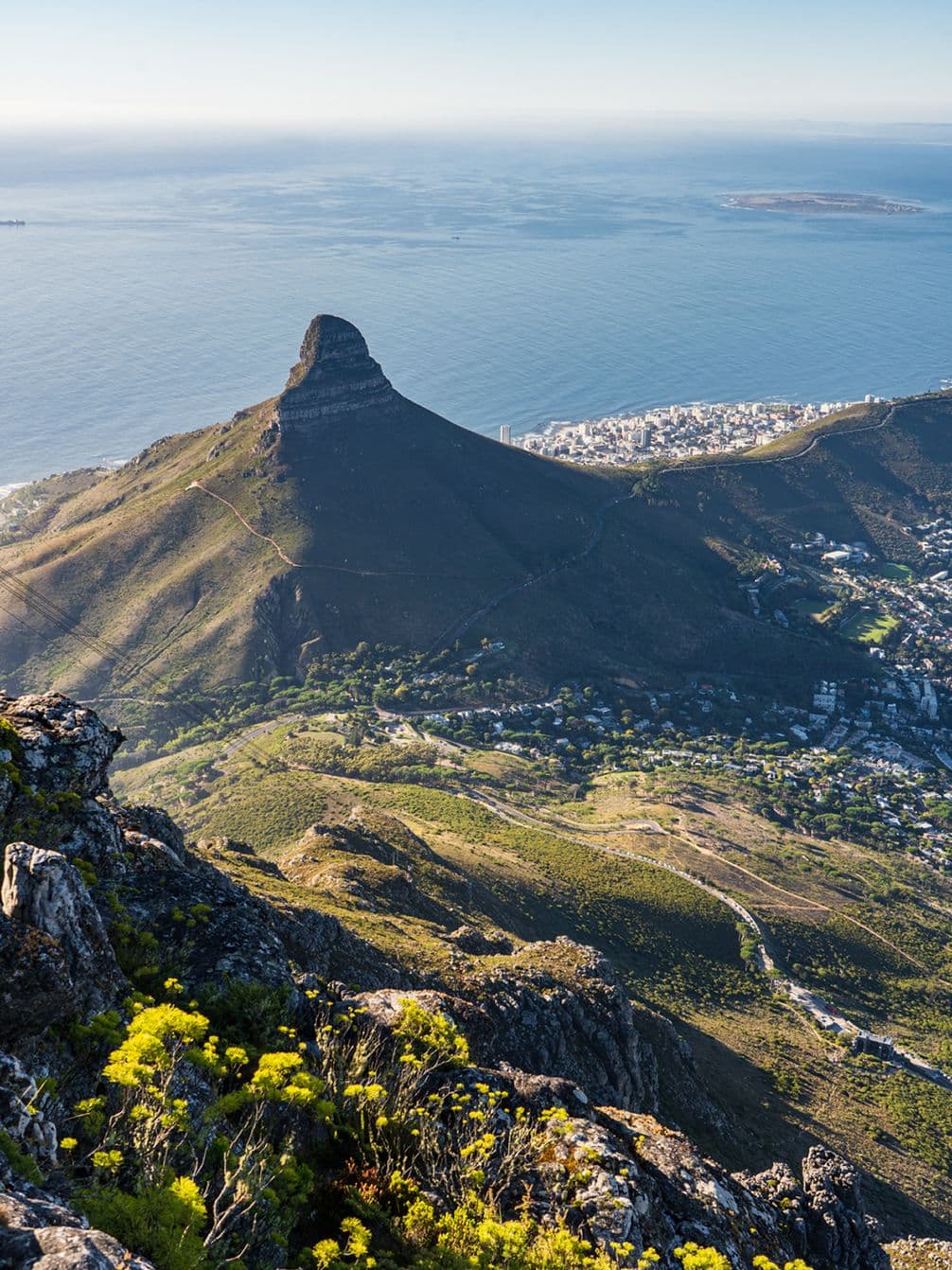
Cape Town by Chris Schalkx

Cozy train cabin with a window view of greenery, a teapot, teacup, and postcards on a wooden table, and colorful cushions on a blue seat.

Eastern Oriental Express, Malaysia by Chris Schalkx

The reality of this “dream job”

Mark Twain famously said: “Find a job you enjoy doing, and you’ll never have to work a day in your life.” And while that certainly rings true when I’m pointing my tele-lens at giraffes on a safari in Botswana, or bouncing around a luxury camp in Antarctica to capture a magazine story – a typical workday isn’t always as rosy. 

What you don’t see on Instagram are the moments in between. While well-timed updates may make it look like travel photographers are always on the move, there are often long spells of thumb-twiddling between gigs. There’s the stress of chasing tight deadlines, the long, lonely days away from family and the constant jet lag you’re fighting between flights. There’s the mental load, too, of running a freelance business – the endless negotiations of usage rights, budgets and anxiety about clients who could suddenly stop responding or invoices that take forever to get paid. 

And when you are on a job, it’s certainly no vacation. Days are often long and tightly scheduled – there are pre-dawn alarms to catch the light at sunrise, recces in the midday heat and late dinners that double as shoots. Before you can slip into bed, there are backups to be made, emails to be responded to and next-day shoot schedules to be reviewed. And since you’re not working in a studio, like many other photographers do, you’re always dependent on weather, access and permissions – often frustratingly so. The risk of burnout is real, especially when travel becomes constant instead of special. 

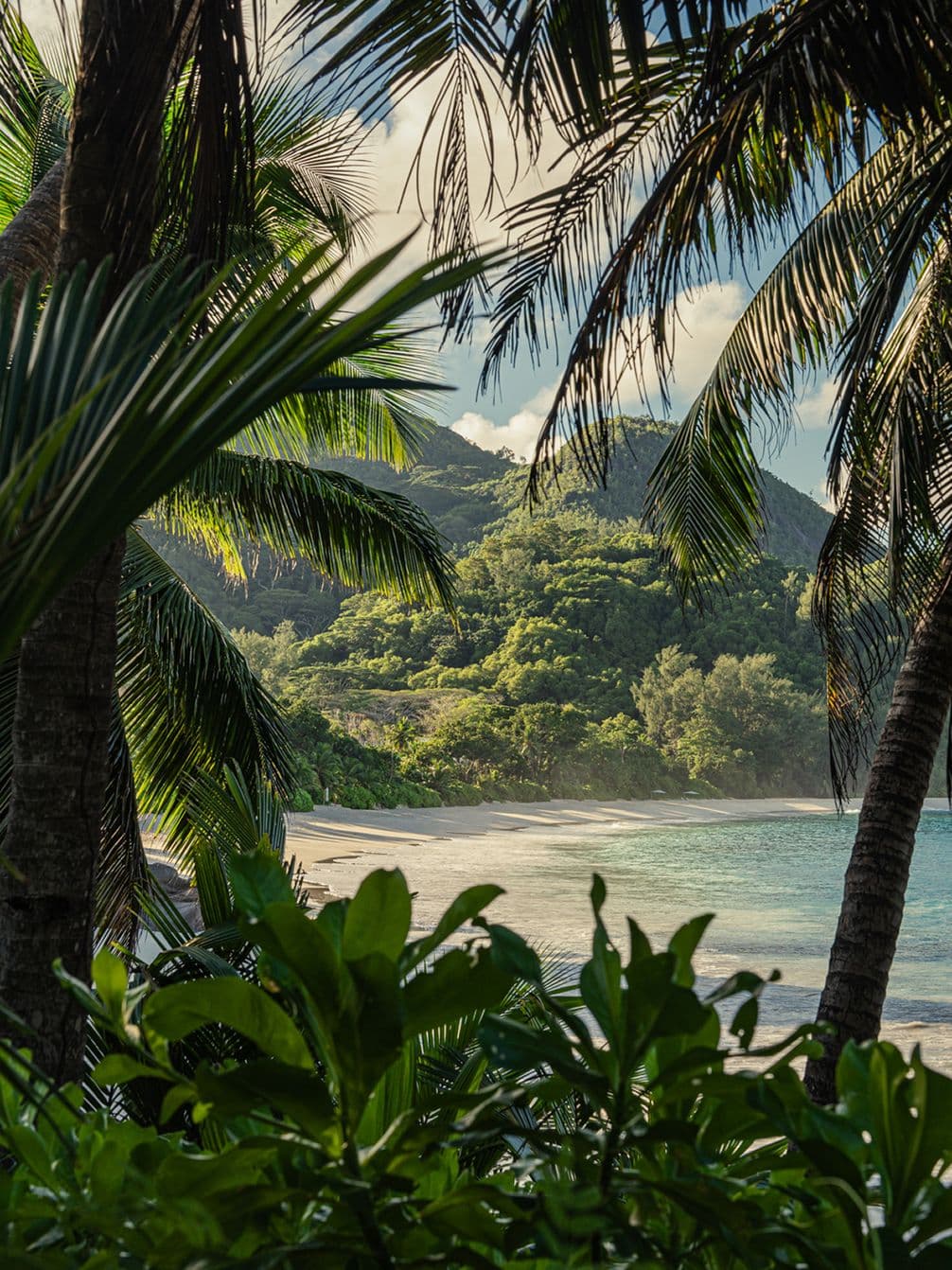
Tropical beach scene with palm trees framing a sandy shore, clear turquoise water, and lush green mountains in the background.

Seychelles by Chris Schalkx

But despite the challenges, I wouldn’t have it any other way. The perks, of course, are nice, but to make a solid living from your travel pictures, free travel alone shouldn’t be your main drive. If you’ve got the curiosity, tenacity and skills, travel photography is still a viable career path. Just don’t expect it to look like a highlight reel.