Ispirazione

Table Talk: French farmhouse cooking with Manon Lagrève

The former Bake Off quarter-finalist shares her food experiences growing up in the French countryside – and her recipe for the perfect tarte aux pommes

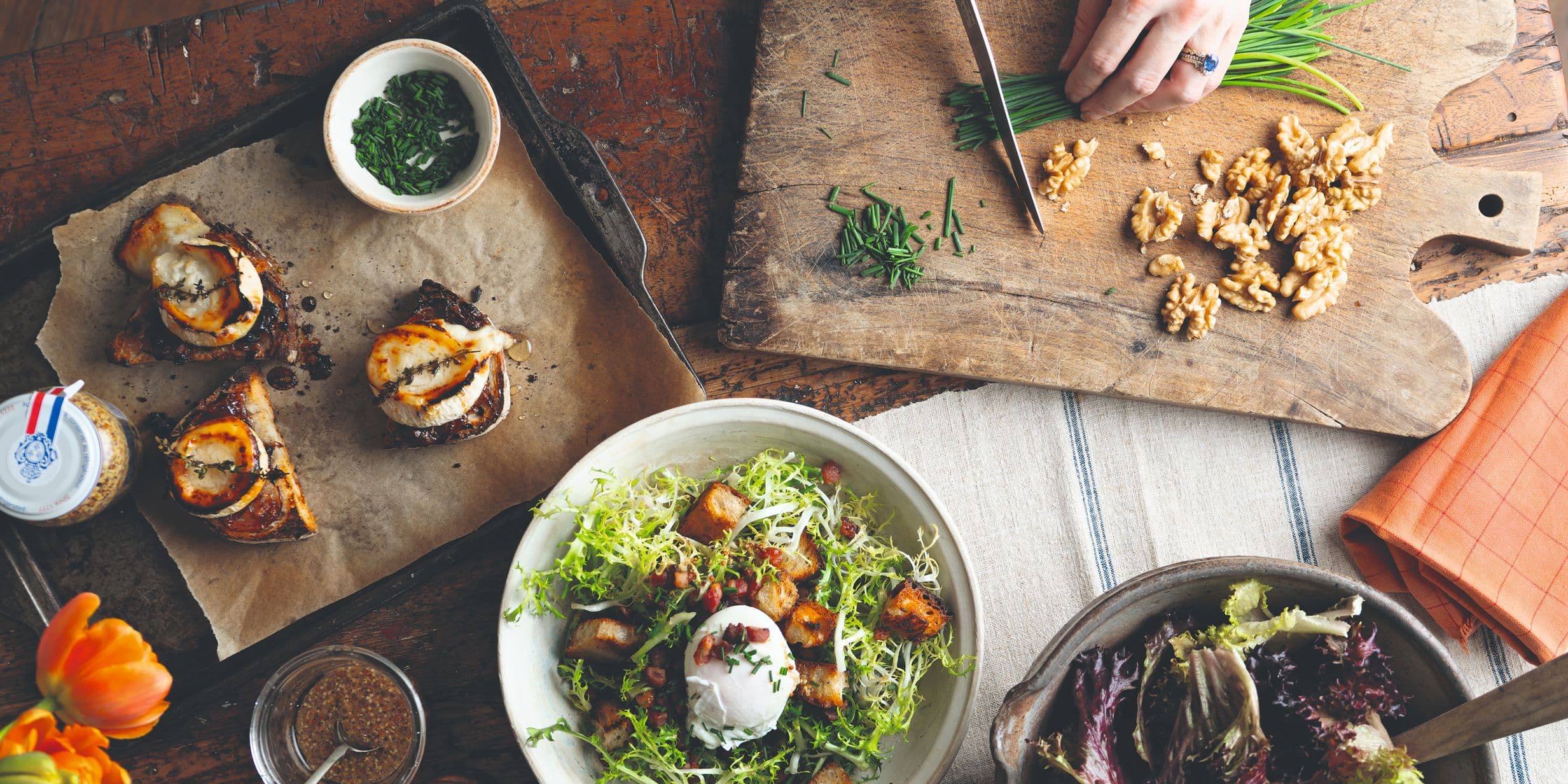
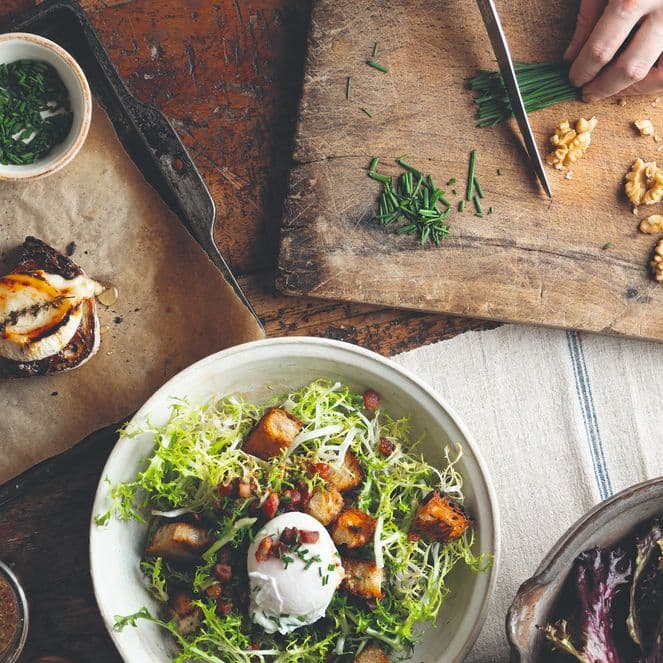
A rustic dining table with a salad, bruschetta, nuts, and chopped herbs. A hand is chopping chives on a wooden board.

Manon Lagrève is a French baker, cookbook author and content creator, best known as a quarter-finalist on The Great British Bake Off (2018). Raised in Brittany, France, she now lives in London, where she shares simple French-inspired recipes and family lifestyle inspiration.

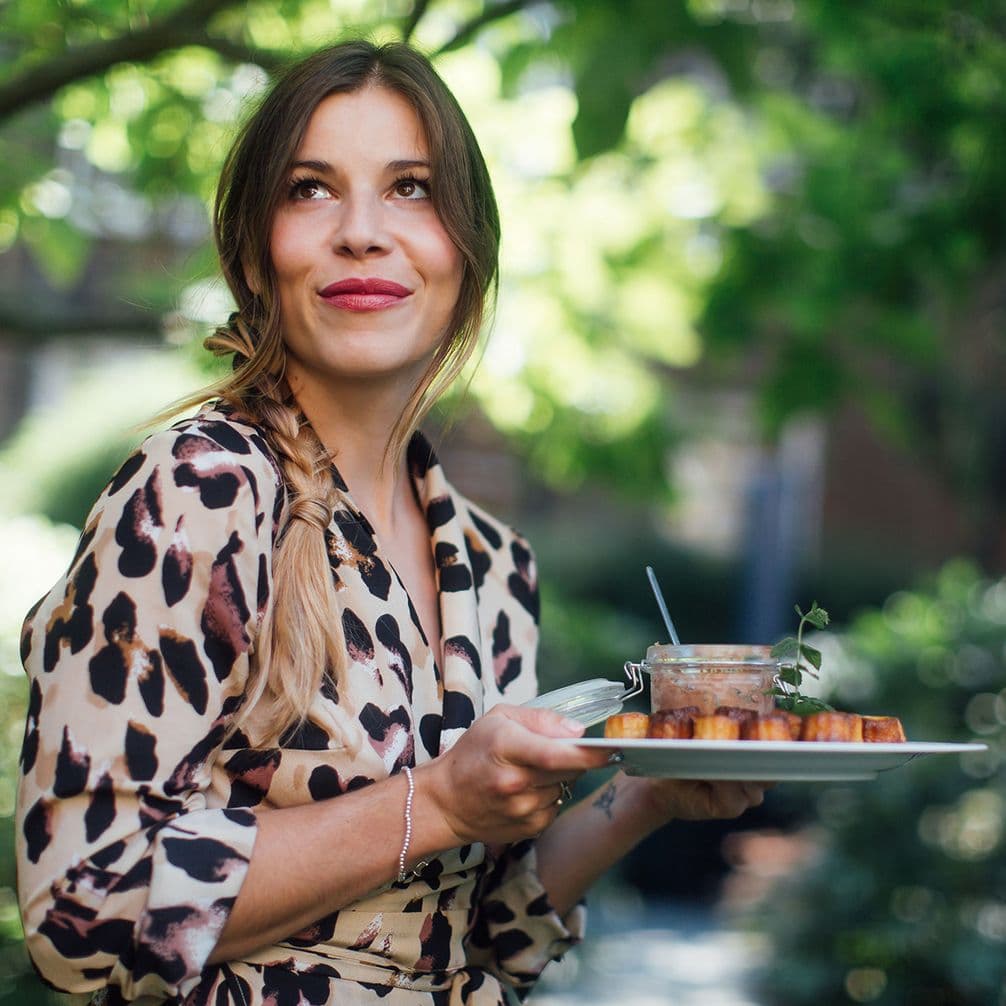
A woman in a leopard-print dress holds a plate with food, smiling confidently outdoors, surrounded by greenery.

Manon Lagrève with mini canelés – a traditional pastry from the Bordeaux region

For Manon, food has always been about more than cooking. It’s about family, seasons and the quiet rituals that shape everyday life. Growing up on a farm in rural France, she learned early on that good food starts long before it reaches the kitchen – it’s rooted in the land, the people who tend it and the moments shared around the table. We delve into the memories that shaped her cooking, and on a dish that still brings her back to her grandmother’s (mamie’s) kitchen.

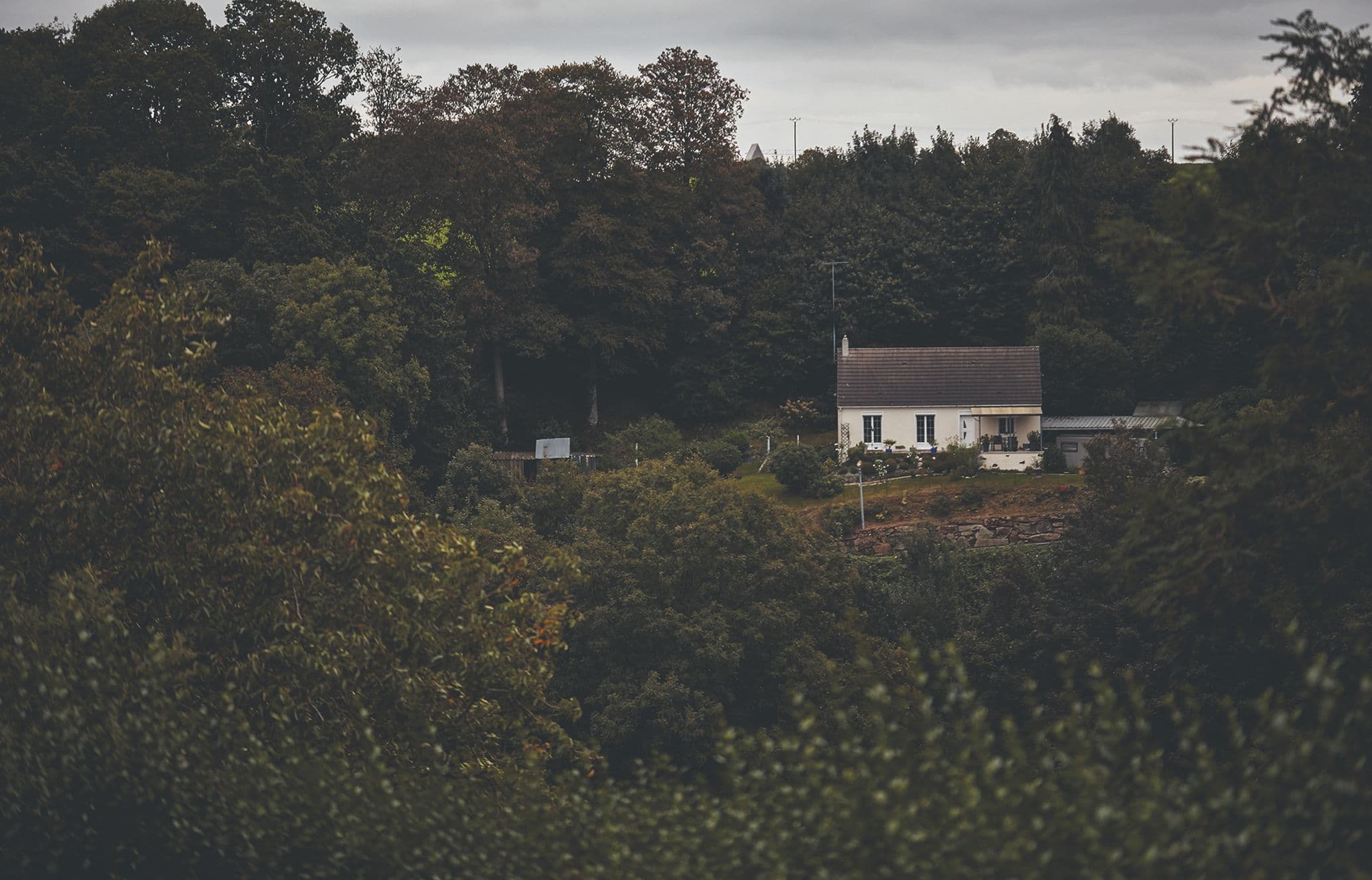
A small white house with a brown roof surrounded by dense trees under an overcast sky.

A house in the hills of Fougères

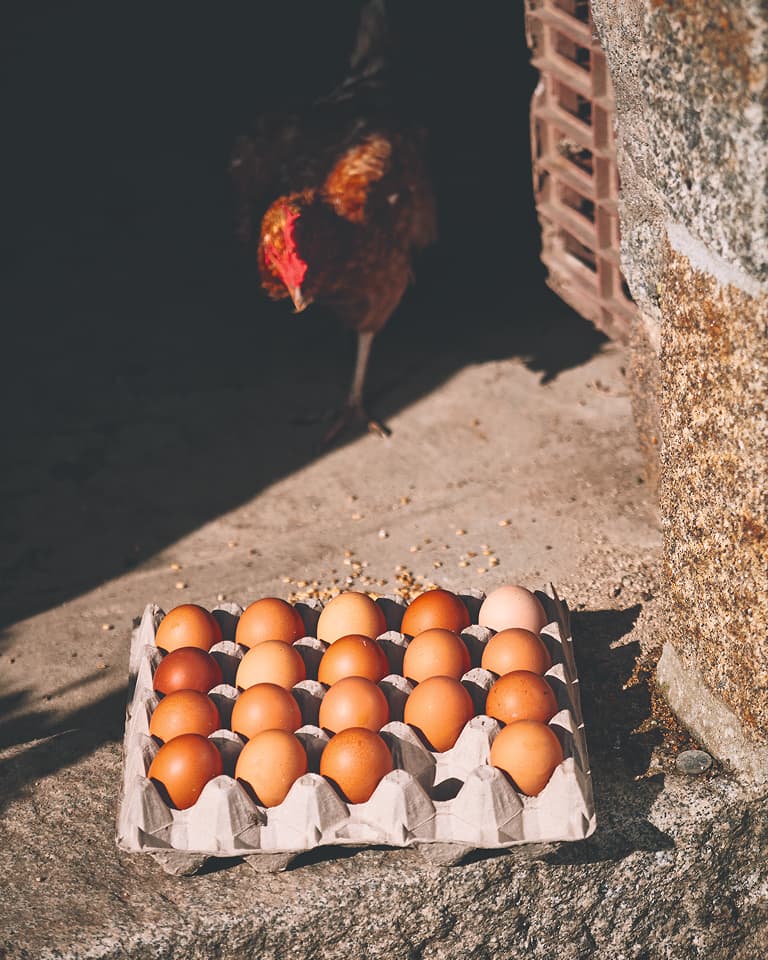
A rooster approaches a carton filled with brown eggs, placed on a stone surface in the sunlight.
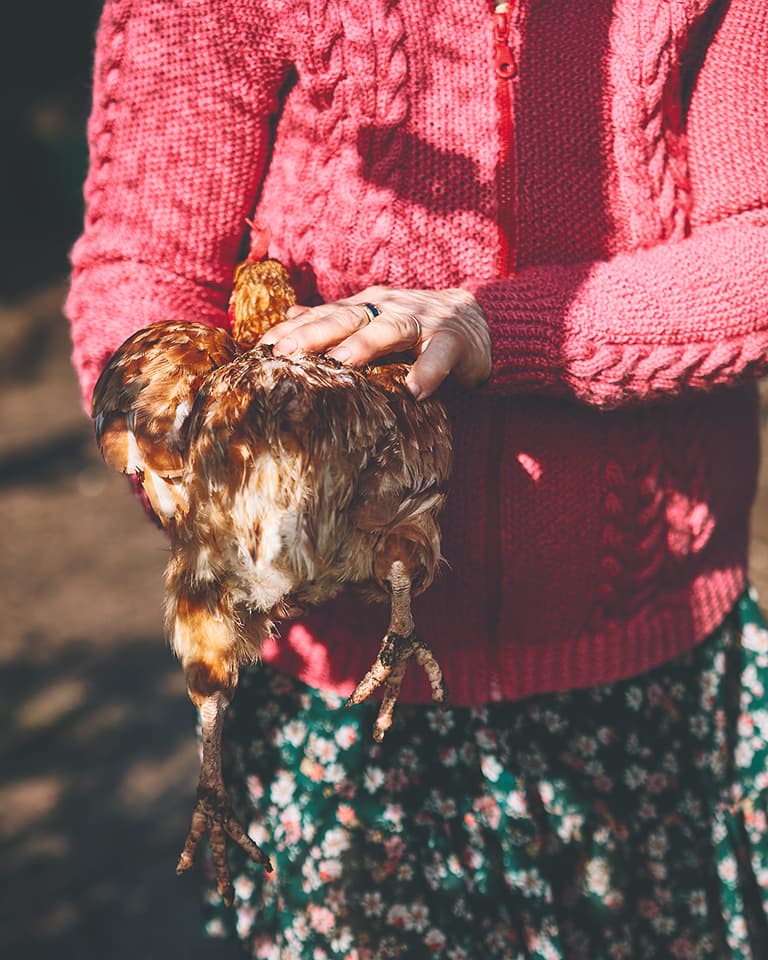
Person in a red knitted sweater holding a brown chicken, standing outdoors. The person is wearing a floral skirt.
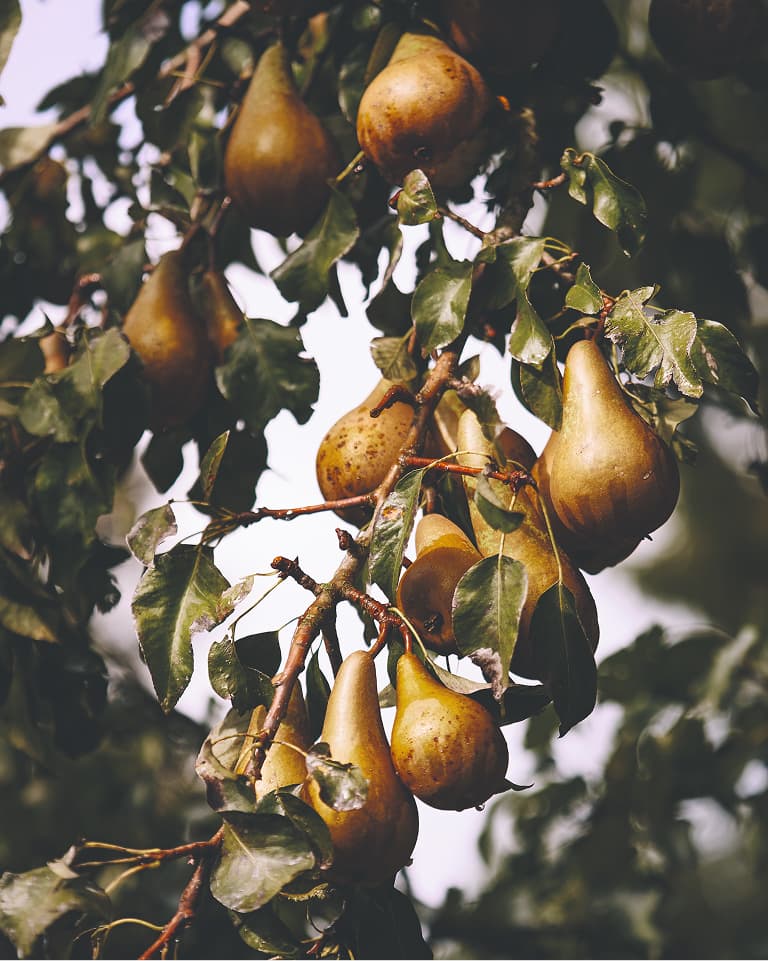
A cluster of ripe pears hanging from a tree with lush green leaves on a sunny day.
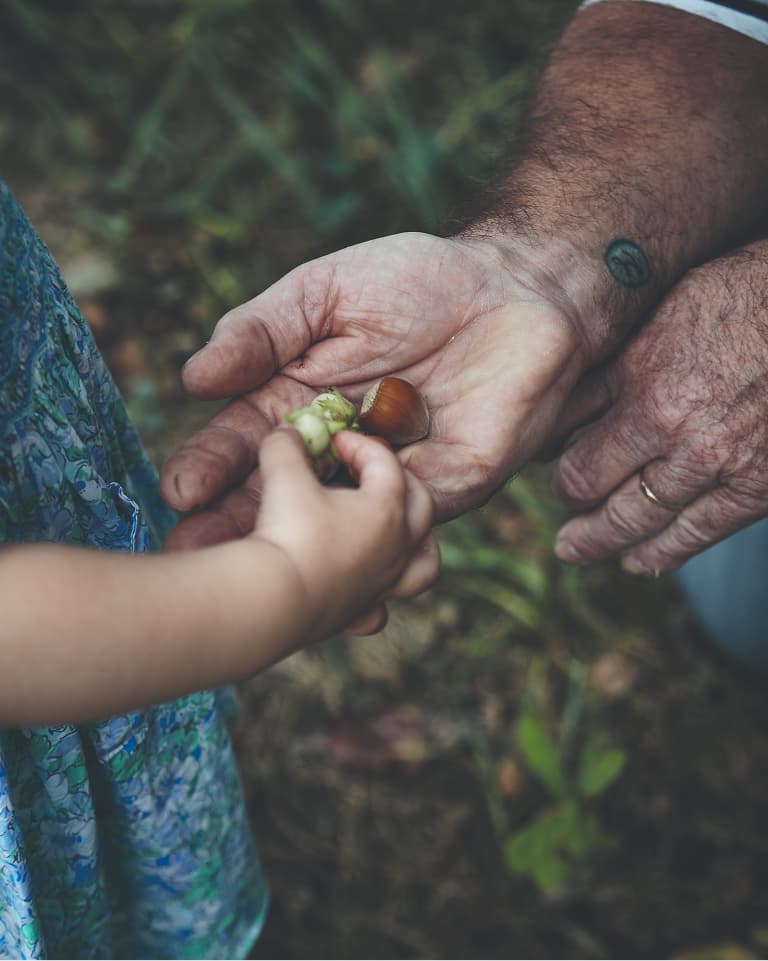
An adult's tattooed hand giving acorns to a child in a floral dress, signifying a moment of sharing in a natural setting.

What first drew you to cooking – was there a defining moment or influence?

I grew up on a farm, and both my grandparents were farmers as well. Food has always been the biggest thing in my family. Homemade food and quality produce were simply part of everyday life, although I only realised later what a privilege that was. My grandma always said people came to the countryside when times were hard, and we always had sheep, chickens, fruit trees and small vegetable patches to sustain the family.

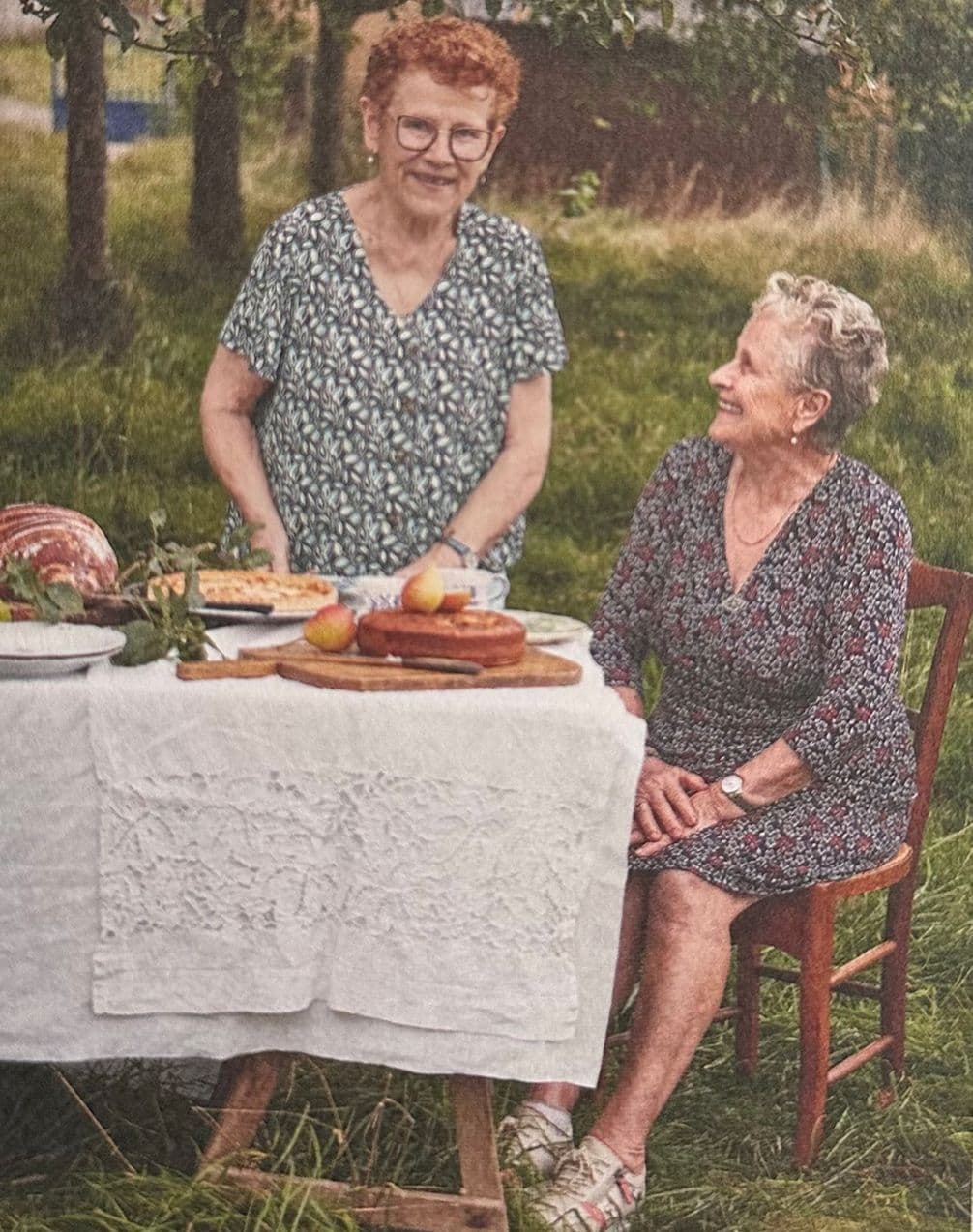
Two elderly women in floral dresses enjoy an outdoor picnic with bread and fruits on a table, surrounded by greenery.

Mamie Suzanne Lagrève, left, with Mamie Gilberte Coquelin

Who were your early food mentors or inspirations?

At home, it was definitely my mum and my grandmothers. They were always in the kitchen cooking, and I joined them as a young teenager. Now, as an adult, I’m still part of the kitchen crew. We have a big family, so sitting down to dinner with 20 or more people was quite normal. I learned how to host very early on – you could say my parents are professional hosts. Another big influence was Didier, a family friend who owned a local butcher’s shop and catering business. He loved haute cuisine and offered me my first job when I was 15. I worked in the shop serving customers and got a real taste of kitchen life. It was hard work, but so much fun.

How has your upbringing shaped the way you cook today?

French food, for me, is about enhancing the flavour of a key ingredient. My recipes are simple – you don’t need lots of ingredients to create something good. I focus on finding the best meat, fish or vegetables I can, and learning how to cook them properly. There’s no “best way” to cook something if the produce isn’t good to begin with.

How would you describe your cooking style now?

Seasonal and intuitive. I cook to nourish my family – and following the seasons is really important to me. Nature does an incredible job of providing us with flavour. I don’t believe in overworking ingredients. When I’m hosting, I love making dishes that are technically simple but look impressive. Family-style serving is always my go-to.

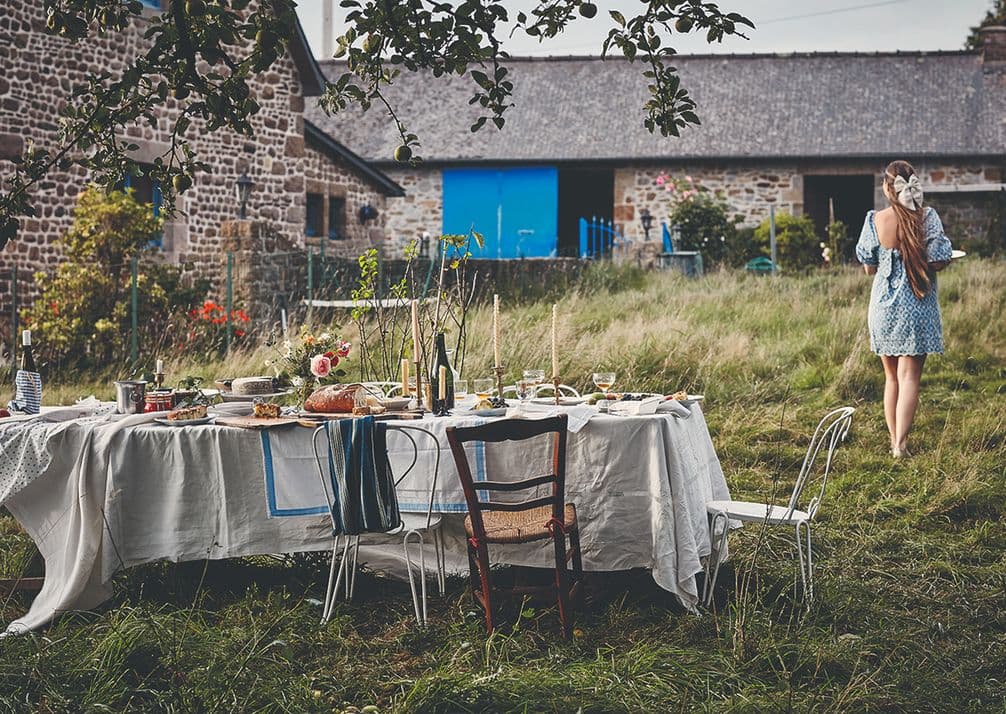
Outdoor dining setup with a rustic table covered in dishes and wine, next to stone buildings. A person in a blue dress walks nearby.

Manon’s grandparents’ sheep field next to their Breton farm, which sits above her parents’ egg farm

What role do memory and storytelling play in your cooking?

I’m inspired by colours, smells and shapes. I truly live to eat, and so many of my strongest memories are tied to food and the people I love. The best moments in my life have been spent around a table.

Manon’s tarte aux pommes de mamie 

This recipe belongs to my Mamie Suzanne, who has always been an incredible cook. As a young girl, she made butter by hand (there was no electricity at the time) and sold it at the market. Even now, at 87, she’s still thriving, tending her vegetable patch, making jams and hosting the family every week. She and my late grandad left the farm before he passed, and she’s now surrounded by a close village community.

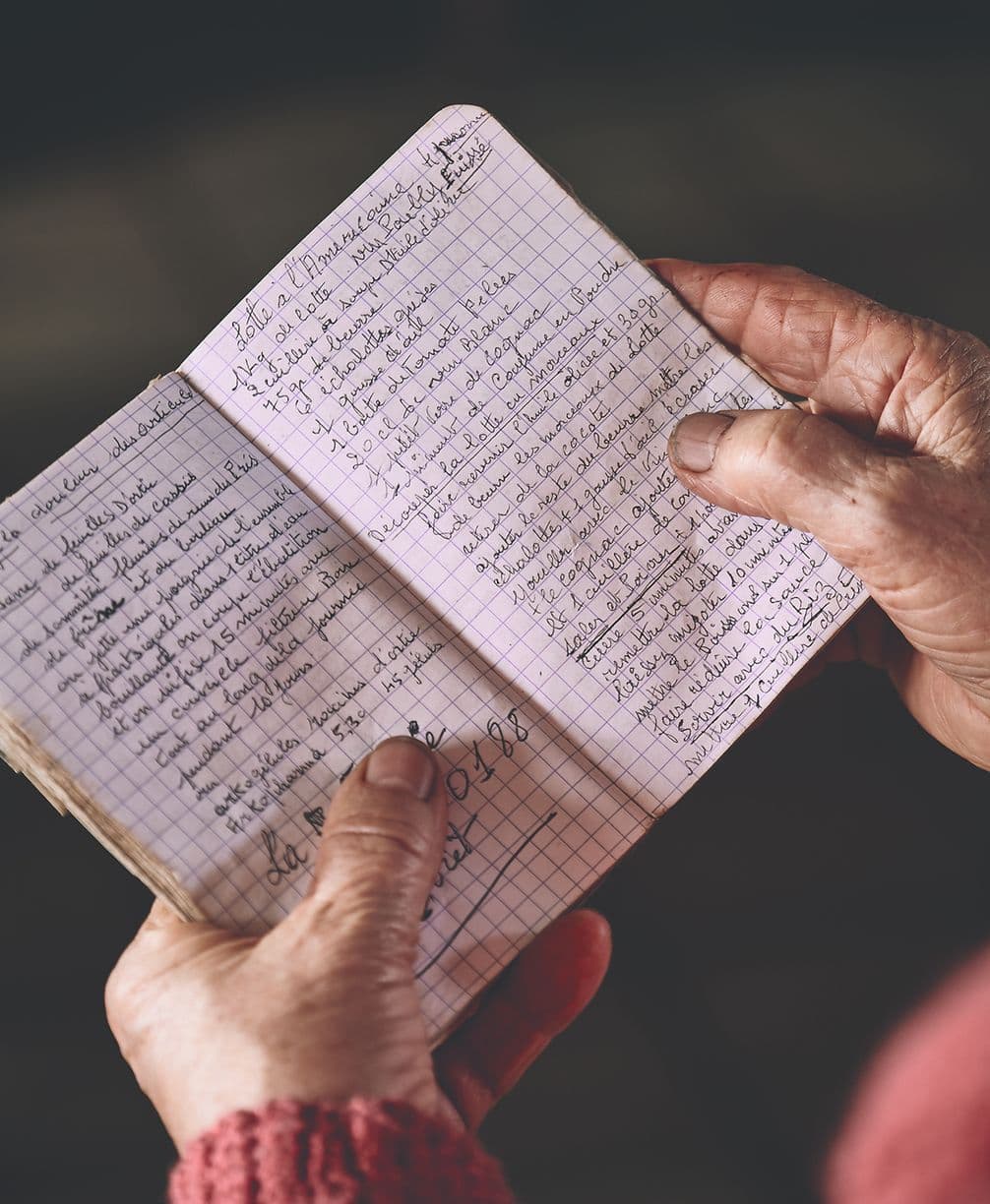
Hands holding an open notebook filled with handwritten text on grid paper.

Mamie Gilberte’s little black book of recipes

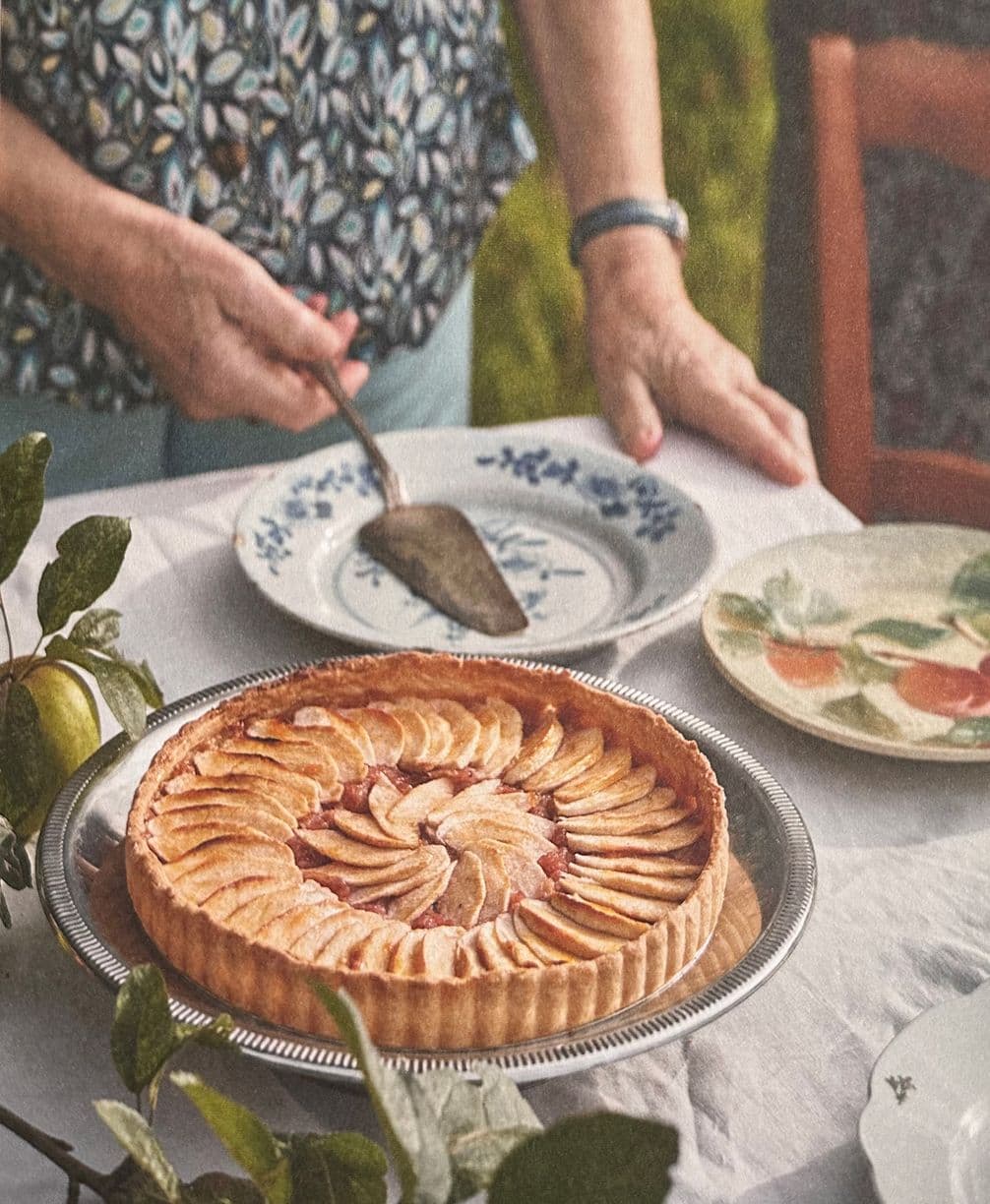
Person serving apple tart on a table outdoors, with decorative plates and foliage around.

Tarte aux pommes

This is one of my earliest baking memories, and I can still picture it so clearly. My grandma would collect fresh milk straight from the farm – the cows were being milked just a few steps away – then boil it and leave it to cool. A thick layer of cream would form on top, which she’d carefully gather and mix with flour and a little sugar to make the most delicious pastry I’ve ever tasted. She would roll it out to fit her well-used, serrated tart tin and turn it into the apple tart we all loved so much.

This tart was a real winter favourite. My grandad used to make his own cider and Calvados, so we always had plenty of apples. There was usually a crate stored in the cellar, which we worked through slowly during autumn and winter – apples keep so well in a cool space. Eating it still feels like pure childhood comfort. Warm baked apples are one of my favourite winter flavours, and nothing beats that smell coming out of the oven.

Over time, I’ve allowed myself to adapt the recipe. Sometimes I mix the apple compote with plums, or add a little cinnamon, or even replace the compote with a jam of my choice. I included the recipe in my second cookbook, Chez Manon, with Mamie Suzanne proudly sitting next to it. Having that moment printed forever feels very special.

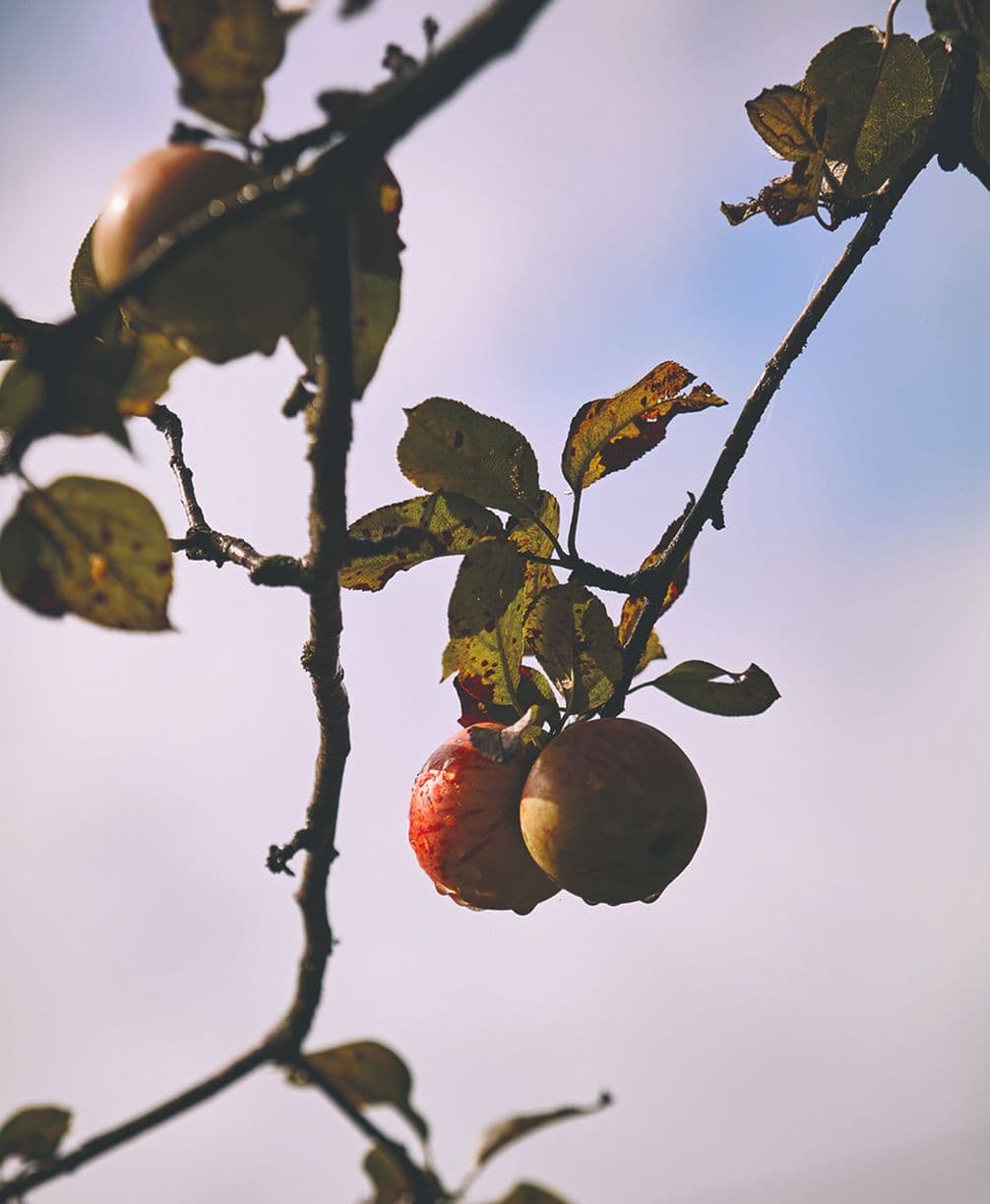
Close-up of two apples hanging from a tree branch with leaves, set against a clear sky background.
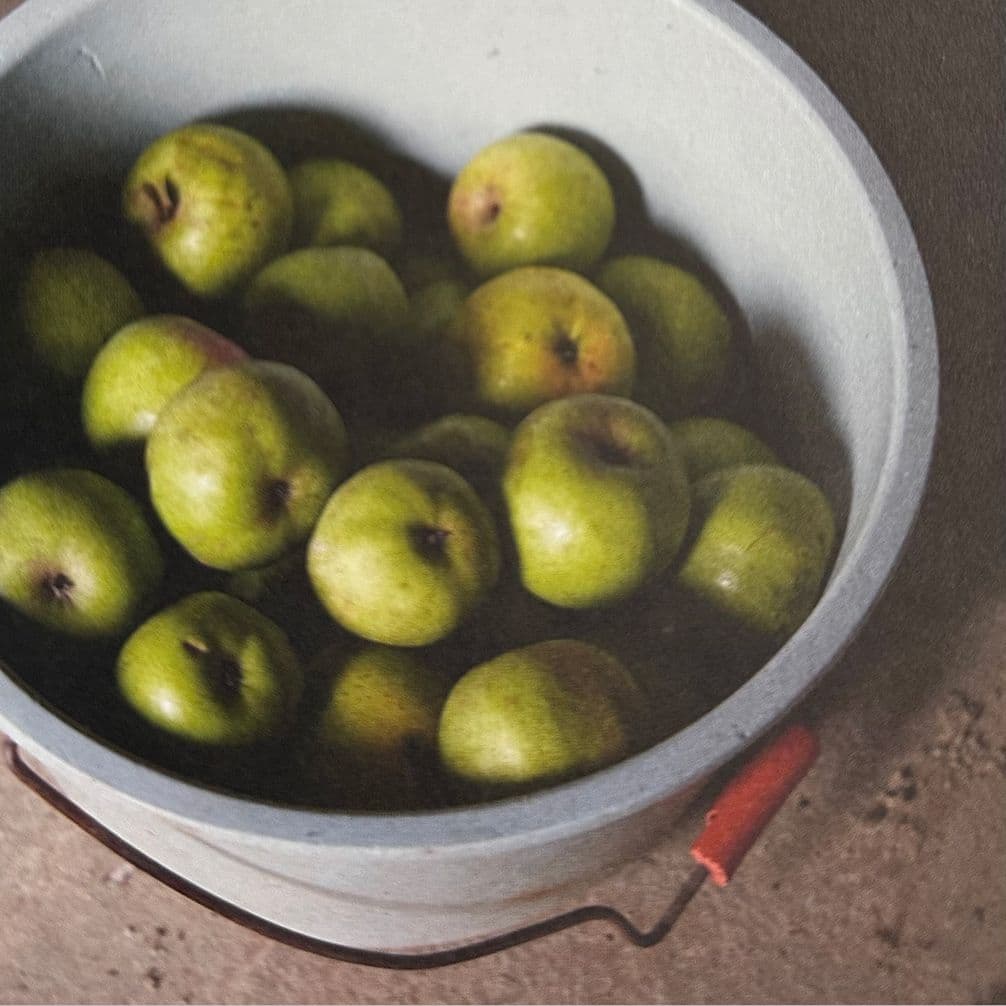
A grey bucket filled with green apples, placed on a rough, gray surface. The bucket has a red handle.

Ingredients

For the pastry:

  • 75g salted butter

  • 1 tbsp crème fraîche

  • 200g plain flour

  • 30g caster sugar

For the topping:

  • 4–5 apples (Braeburn are my favourite), peeled and thinly sliced

  • 4 tbsp homemade apple compote (from 2-3 apples)

  • 2 tbsp caster sugar

You’ll need a 24-26cm round tart tin.

Process

Make the pastry by rubbing the butter into the flour and sugar until crumbly, then add the crème fraîche and bring together into a ball. Chill for 30 minutes.

To make the compote, stew the diced apples in a covered pan for around 30 minutes until soft.

Roll out the pastry on a lightly floured surface to 3-4mm thick, line the tin and trim the edges.

Prick the base with a fork. Spread a 1cm layer of compote over the base, arrange the sliced apples on top and sprinkle with sugar.

Bake at 180°C for 40-45 minutes, until golden.

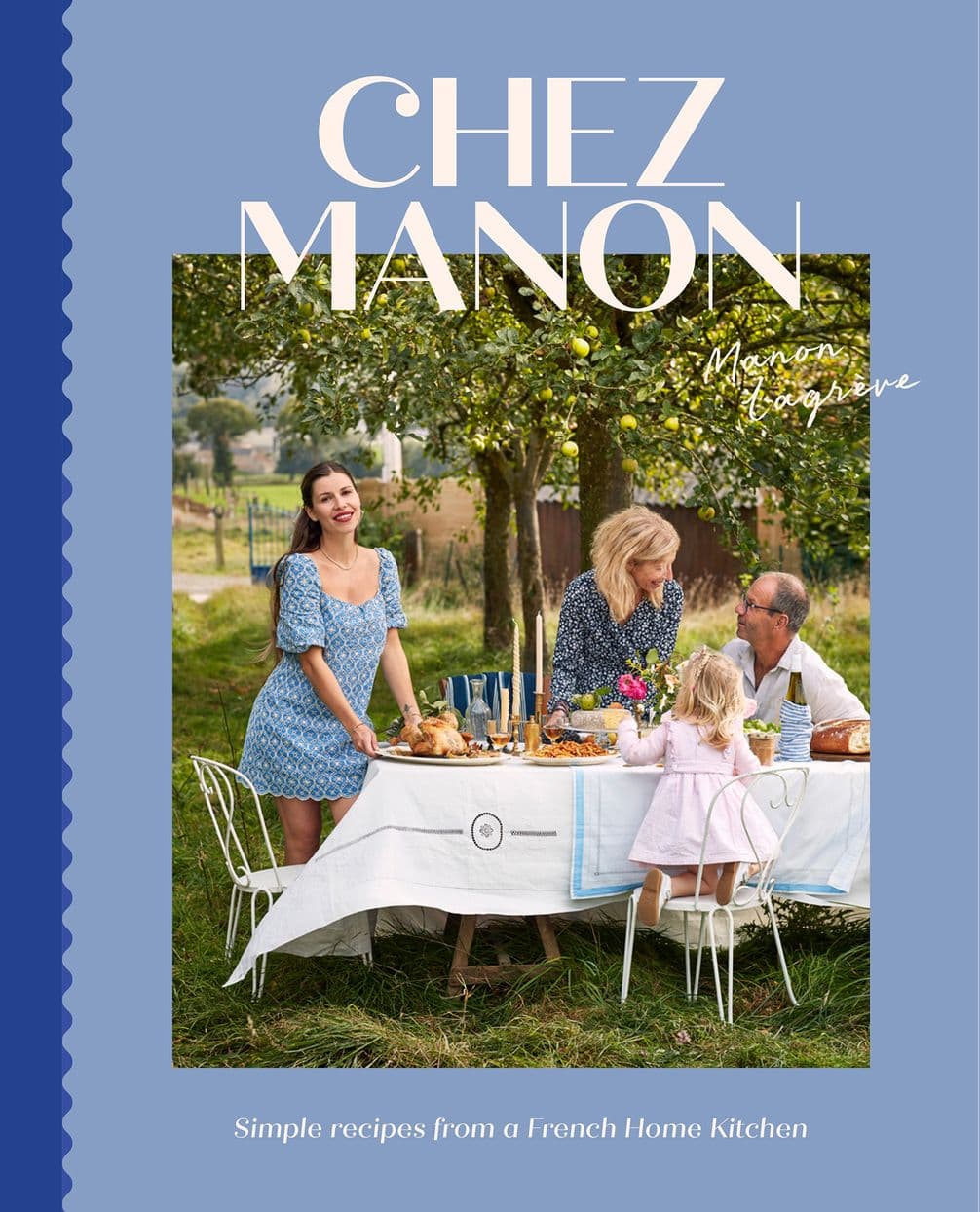
A family enjoys an outdoor meal under a tree. A woman in a blue dress stands smiling, while two adults and a child sit at a table with food.

Chez Manon: Simple Recipes From A French Home Kitchen is published by Penguin.