Ispirazione

Table Talk: Britain’s best bakeries with Milly Kenny-Ryder

Photographer, stylist and author Milly Kenny-Ryder shares her lifelong love of bakeries, from childhood memories in Provence to the people, pastries and places shaping Britain’s vibrant baking scene today

Table Talk: Britain’s best bakeries with Milly Kenny-Ryder

For as long as Milly Kenny-Ryder can remember, bakeries have been synonymous with pleasure. They’re tied to childhood bargains struck in the Provençal heat, to the smell of warm pastry after a morning at the brocante, and to the quiet thrill of choosing a treat from behind a glass counter. What began as an instinctive love of pain au chocolat has since grown into a career spent seeking out, documenting and celebrating the best bakeries in Britain.

Now a photographer, food stylist and writer – and the author of Britain’s Best Bakeries – Milly approaches baking not just as something to eat, but as a craft shaped by place, patience and community. From laminated pastries perfected over days to neighbourhood bakeries that anchor daily life, she reflects on the people, flavours and stories that have shaped her palate, and on a small, nostalgic bake that still feels like the perfect ending to any meal.

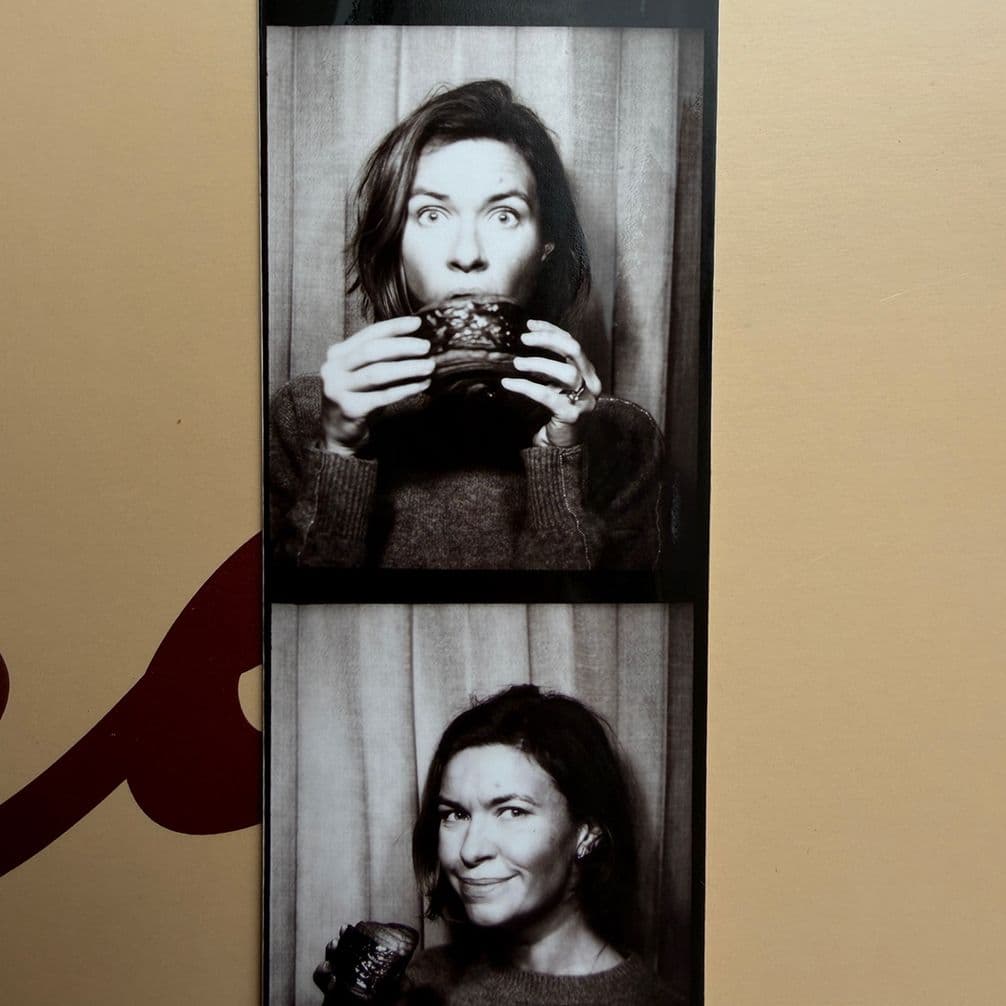
Photo: Milly Kenny-Ryder

Could you tell us a little about yourself and your journey into the world of bakeries?

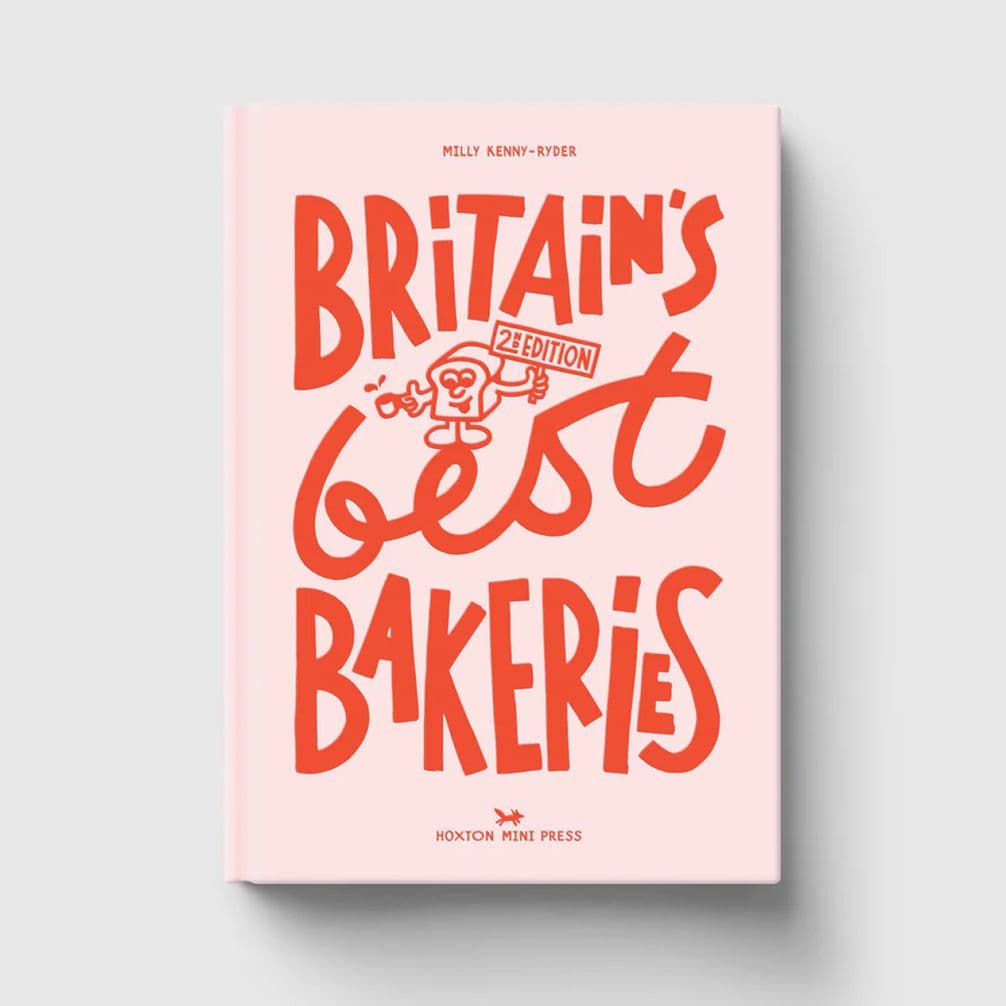
I grew up in a big French family, spending long hazy summers in Provence. My siblings and I would negotiate with my parents – we would dutifully visit the brocantes and flea markets with them in return for a trip to the town’s local boulangerie for a just-out-the-oven pain au chocolat. Since childhood, a bakery breakfast has felt like the ultimate treat, and hunting down, photographing and writing about the best bakeries in Britain has been the best excuse to reframe my obsession as “work”! As I am a photographer, food stylist and writer, it made sense to publish a book: Britain’s Best Bakeries.

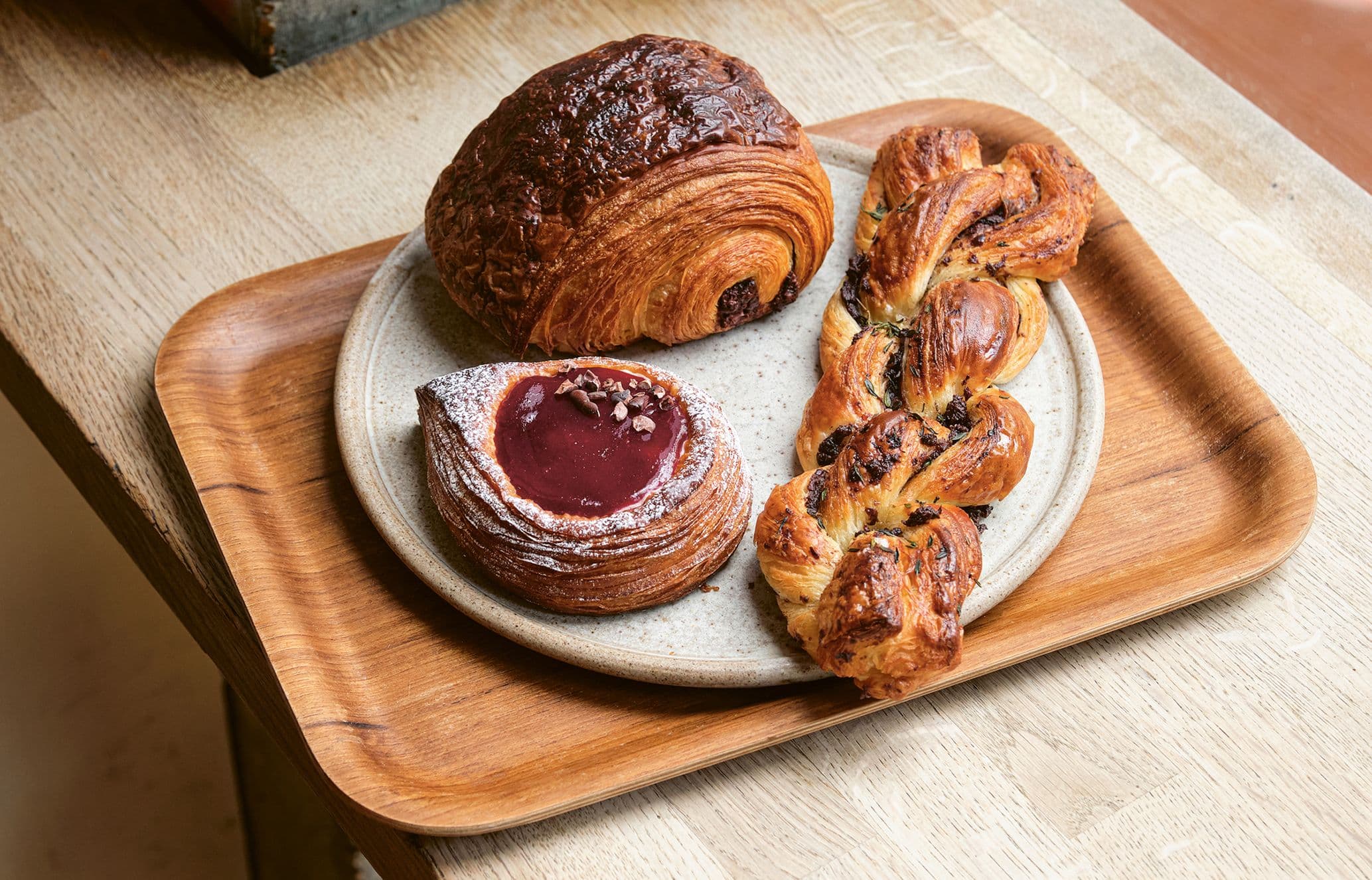
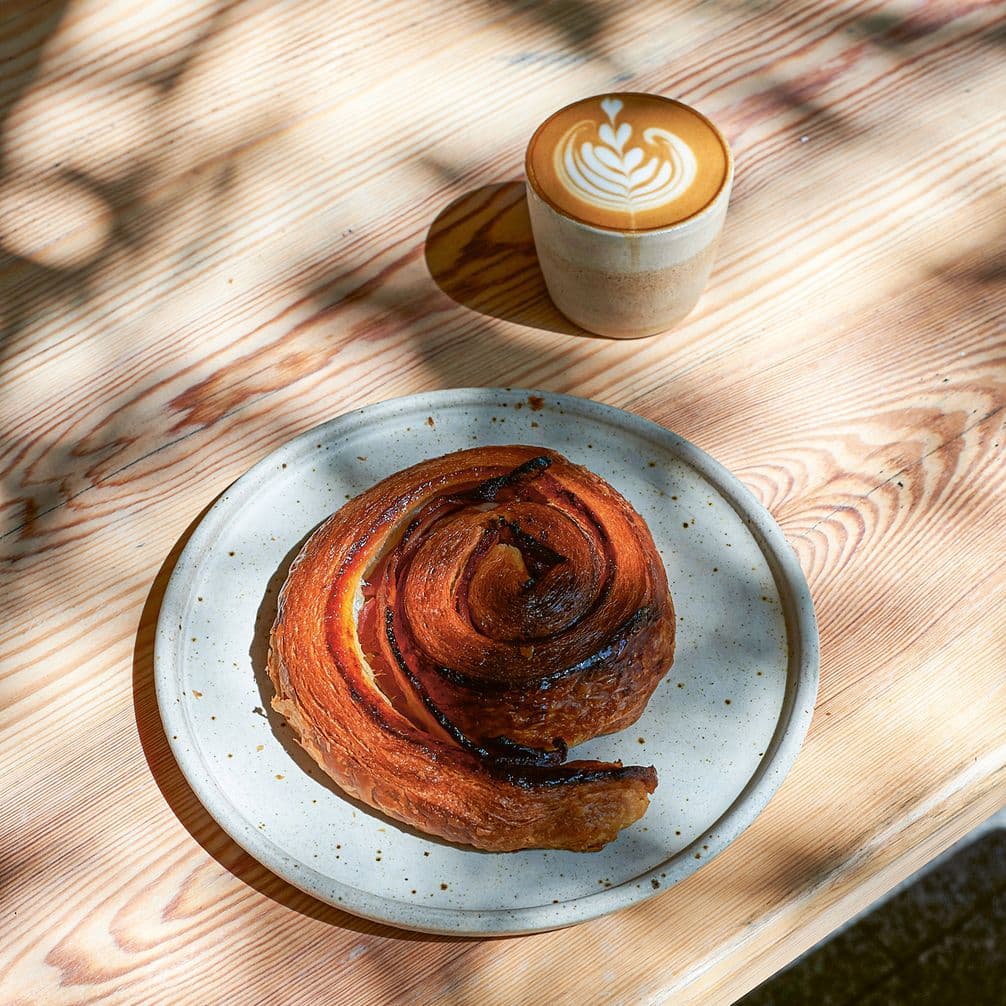
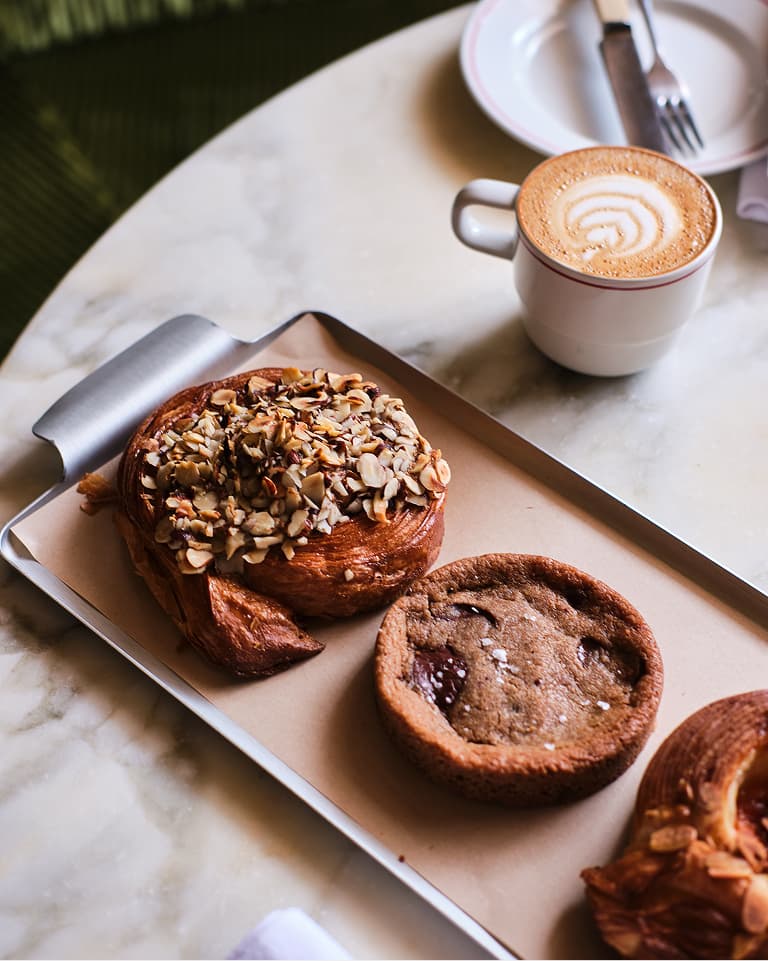
Assorted pastries on a wooden tray: a chocolate croissant, a berry tart with powdered sugar, and a braided pastry with chocolate chips.

Pophams. Photo: Adriana Giakoumis

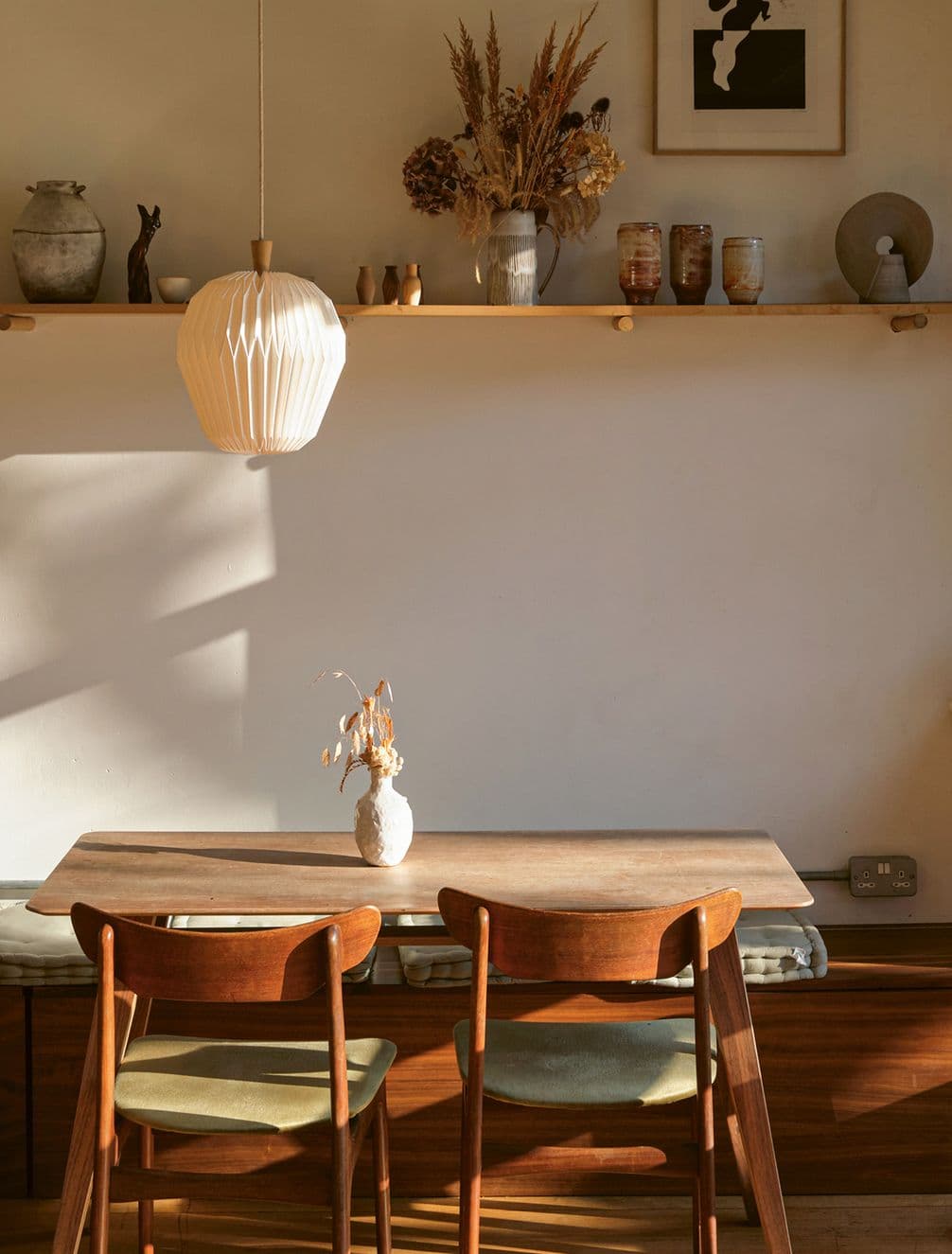
A cozy dining area with a wooden table and two chairs. A shelf with dried flowers and ceramics is above, and a pendant lamp hangs overhead.

Pophams. Photo: Gabriel Kenny-Ryder

Pophams. Photo: Milly Kenny-Ryder

What first drew you to bakeries in particular – was there a moment, place or experience that sparked your fascination?

My first memory of a speciality bakery in London was the original Pophams in Islington. A tiny, low-budget venue with steamed up windows and an alluring aroma of butter; I remember queuing in the cold and feeling a real buzz of anticipation. Its Bacon Maple (a croissant swirl stuffed with a high-quality rasher of bacon and lashings of maple syrup) was my first taste of inventive viennoisserie – using classic French baking techniques but adding a bold modern flavour combination.

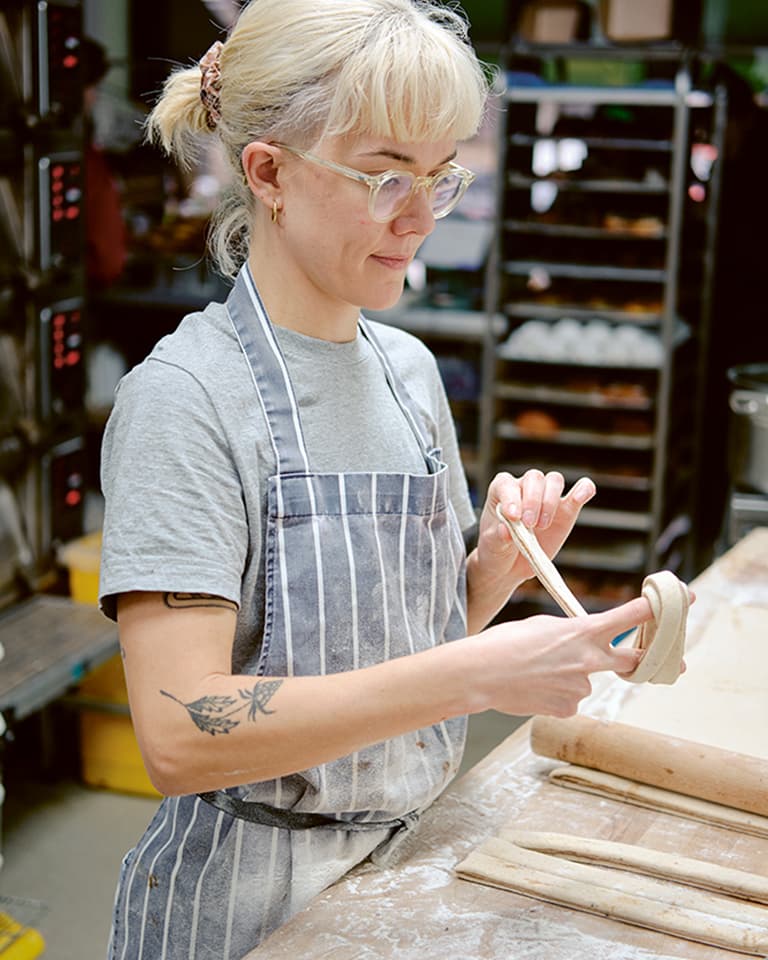
Person with glasses and striped apron shaping clay in a pottery studio, surrounded by tools and pottery materials.

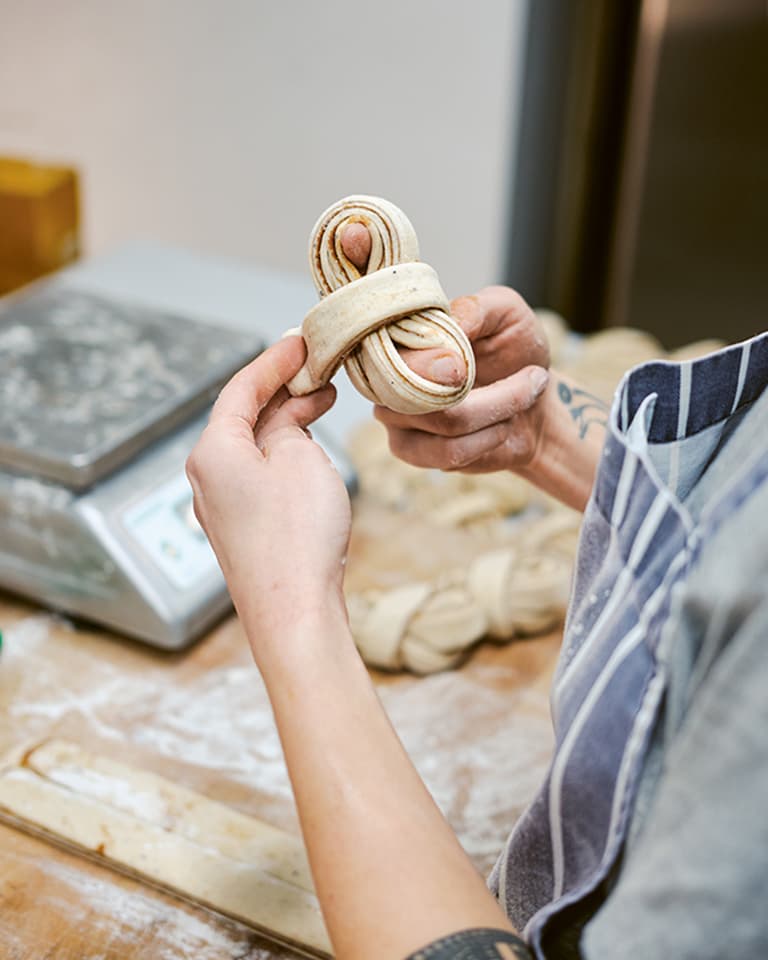
TOAD Bakery. Photos: Milly Kenny-Ryder

Person shaping a piece of dough in a kitchen, with a weighing scale and more dough on the floured surface in the background.
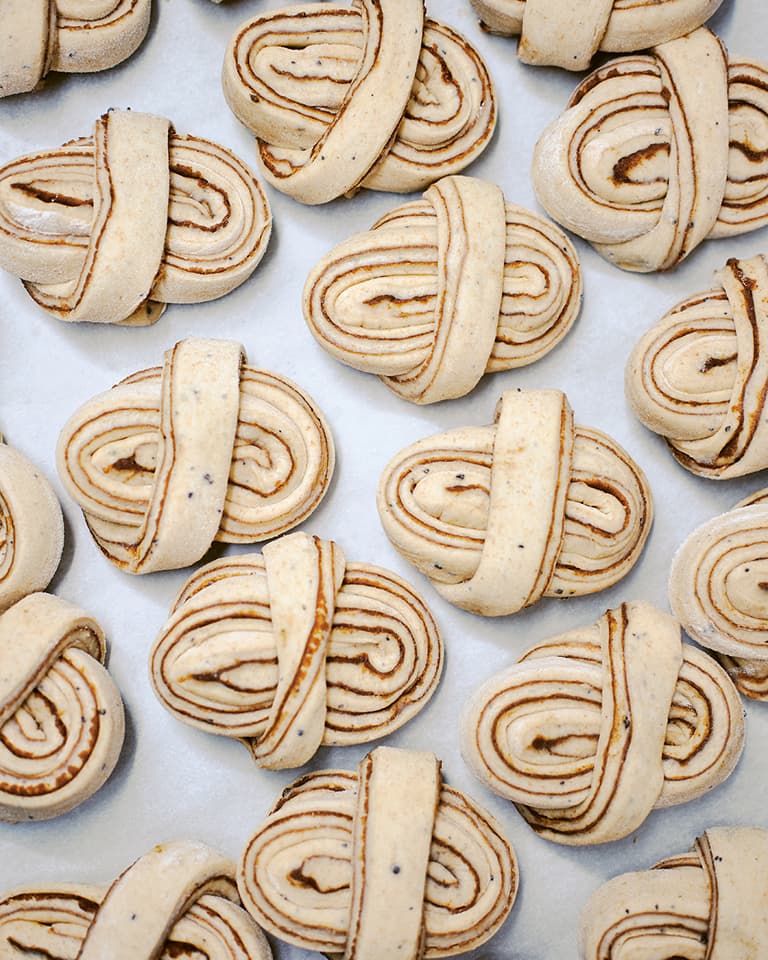
Several intricately shaped dough pieces, resembling knots, are arranged on a baking sheet, showcasing layers of dough and spices.

Through your research for Britain’s Best Bakeries, were there any early discoveries that fundamentally changed how you understood British baking?

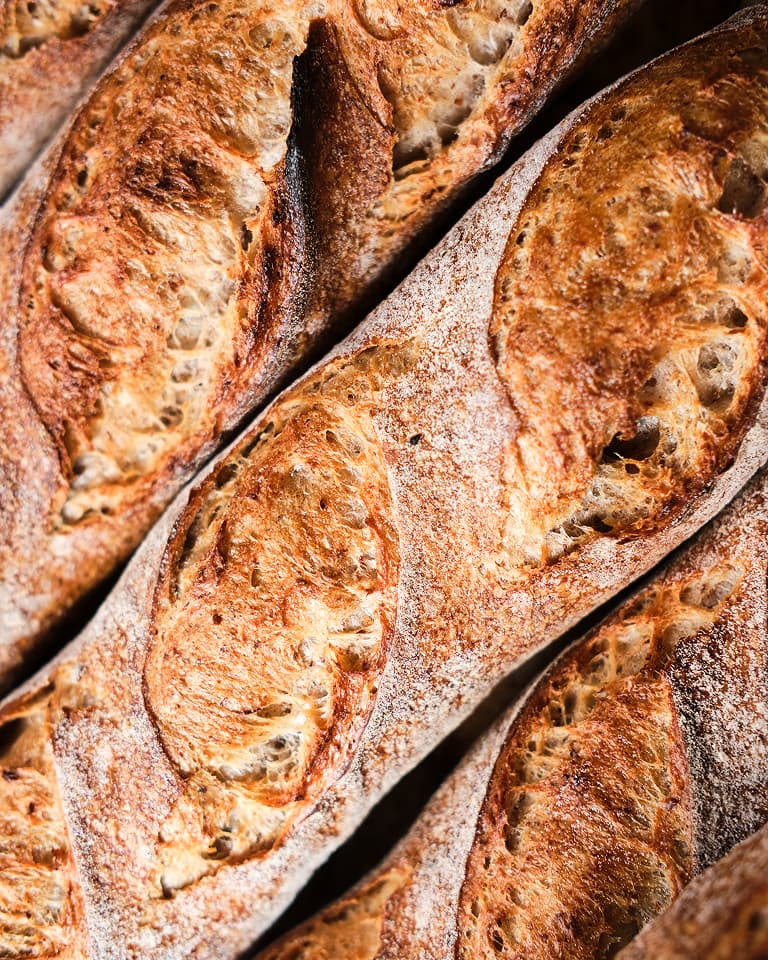
The second (bigger) edition of my book features 76 bakeries – in truth there are many many more worth visiting in Britain. Everyone will have their own favourite. My earliest discovery was of the brilliantly diverse range of bakeries across the country, producing everything from fluffy Jewish challah and St Lucian cornbread, Turkish pide, Portuguese tarts, and of course a plethora of traditional teashops offering the typically English sponges and scones. I quickly had to decide what baking styles I would be focusing on and prioritising in my book. As my love of bakeries came from the French boulangeries (a style also most obvious in the popular bakery openings), I decided to champion viennoisserie (laminated pastries) and artisan bread. These are also styles of baking that are most difficult to recreate at home – without a lot of time and expensive equipment – so it feels even more worthy of our attention and money.

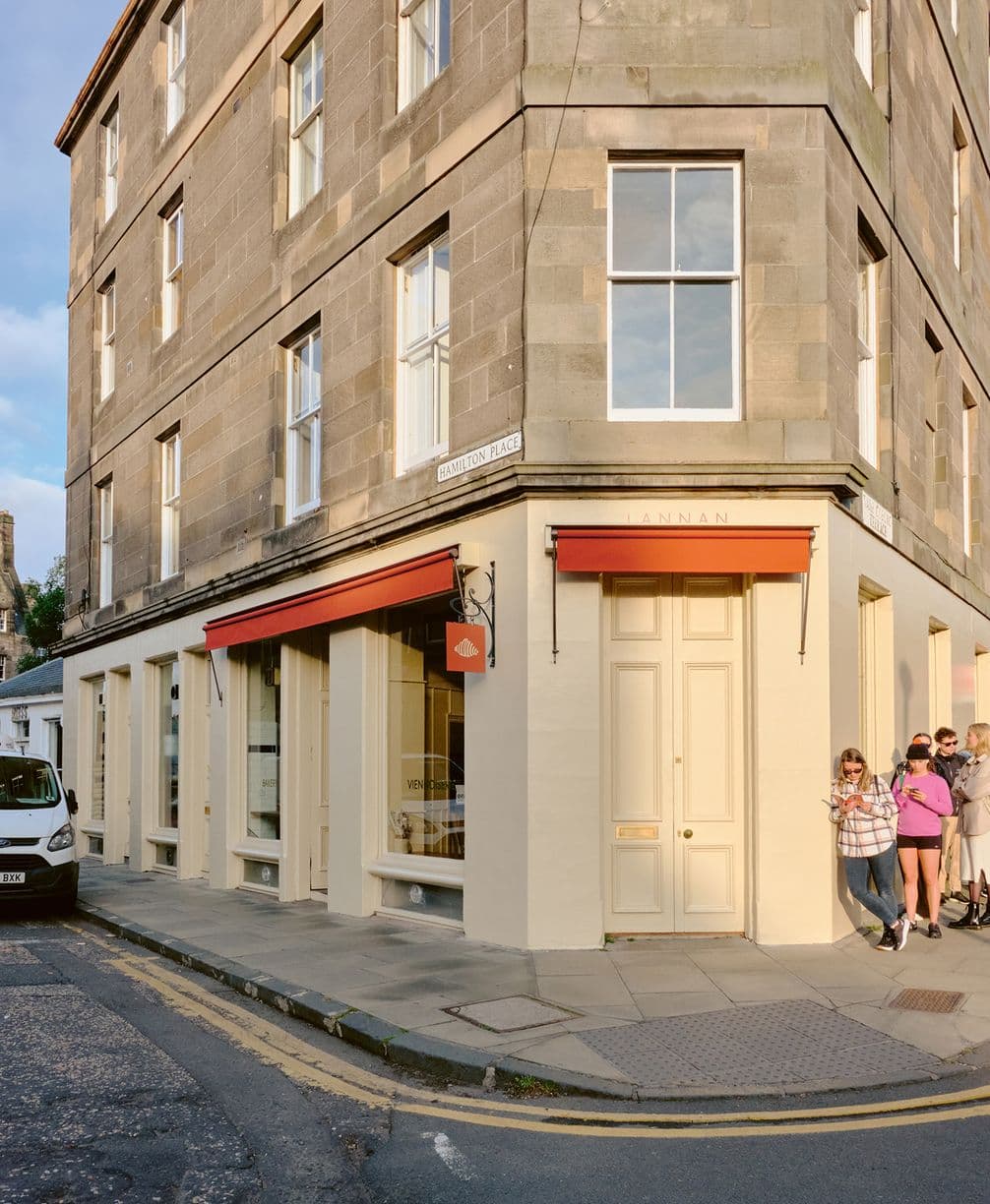
Lannan Bakery. Photo: Milly Kenny-Ryder

Lannan Bakery. Photo: Milly Kenny-Ryder

Lannan Bakery. Photo: Milly Kenny-Ryder

Were there people – bakers, writers, family members or even shopkeepers – who influenced your palate or your curiosity early on?

Absolutely. As I visited more bakeries I was privy to more knowledge and opinions. When I stumbled across a bakery I really loved, I made sure to quiz the head baker on their main influences and any bakeries they knew and loved – although many were too busy in their own kitchens to travel elsewhere! I remember Darcie Maher from Lannan giving me her list of preferred bakeries – and I made sure I visited them all. 

I am lucky to have a very foodie family. My grandmother has an immaculate palate so I could always trust her opinion, and if I was on the fence about including a bakery, my two young boys would always give a helpfully unfiltered opinion.

Milk Run. Photo: Milly Kenny-Ryder

Milk Run. Photo: Milly Kenny-Ryder

How have your own background and experiences shaped the way you approach food writing and bakery research?

My family life is centred around shared meals, I look forward to my dad’s Sunday lunches all week. My passion for food has infiltrated every part of my personal and work life. Professionally, I have been in the food industry for 17 years and eat out most days. Because I eat out a lot I have had a lot of mediocre meals, but when something is really delicious I want to tell the world about it. I found I was getting endless requests for recommendations, particularly on the topic of bakeries, so it felt obvious to produce an anthology of my favourites. After years of tasting and trying I feel very confident in my ability to recognise and understand what makes a great dish or standout pastry. 

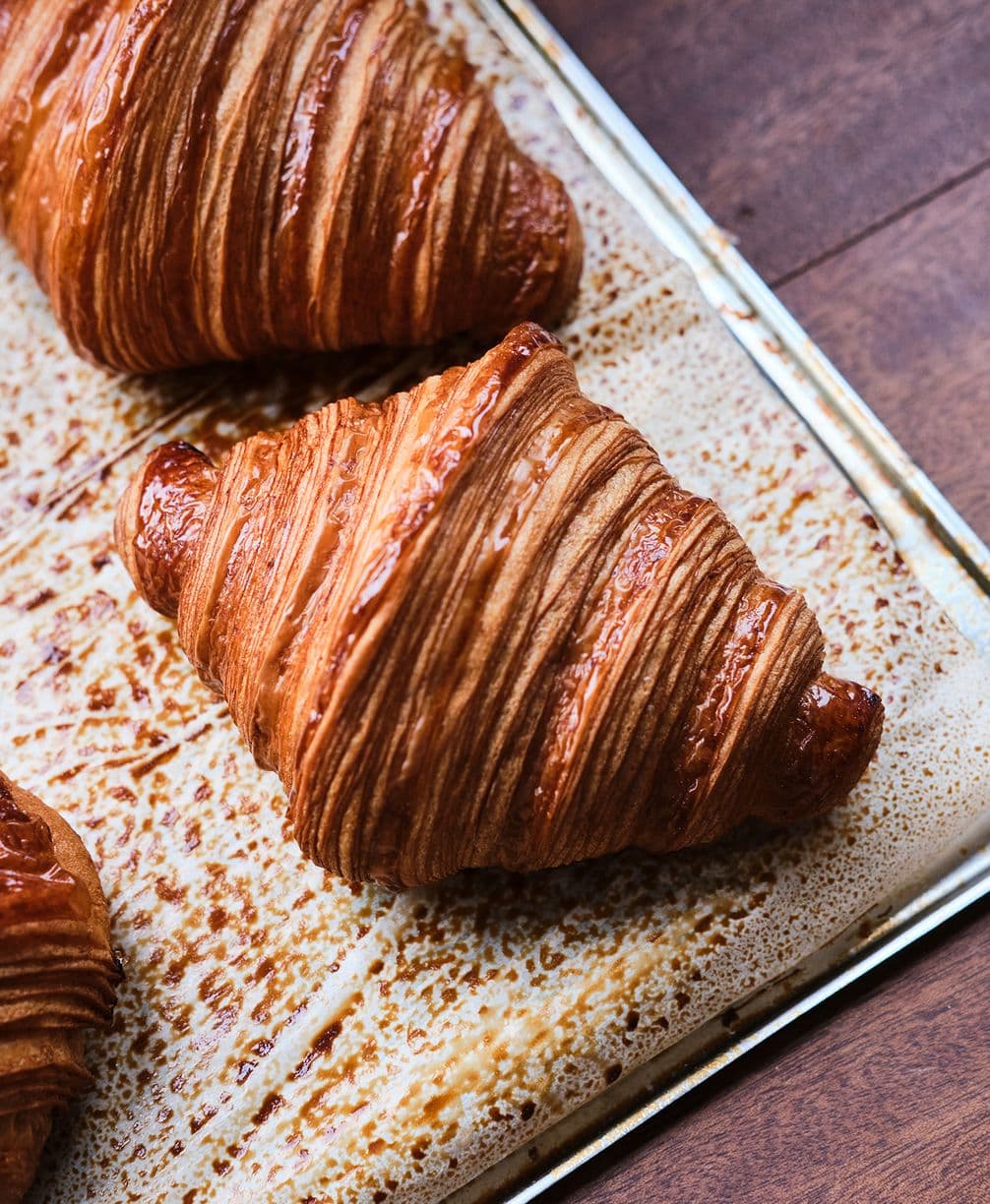
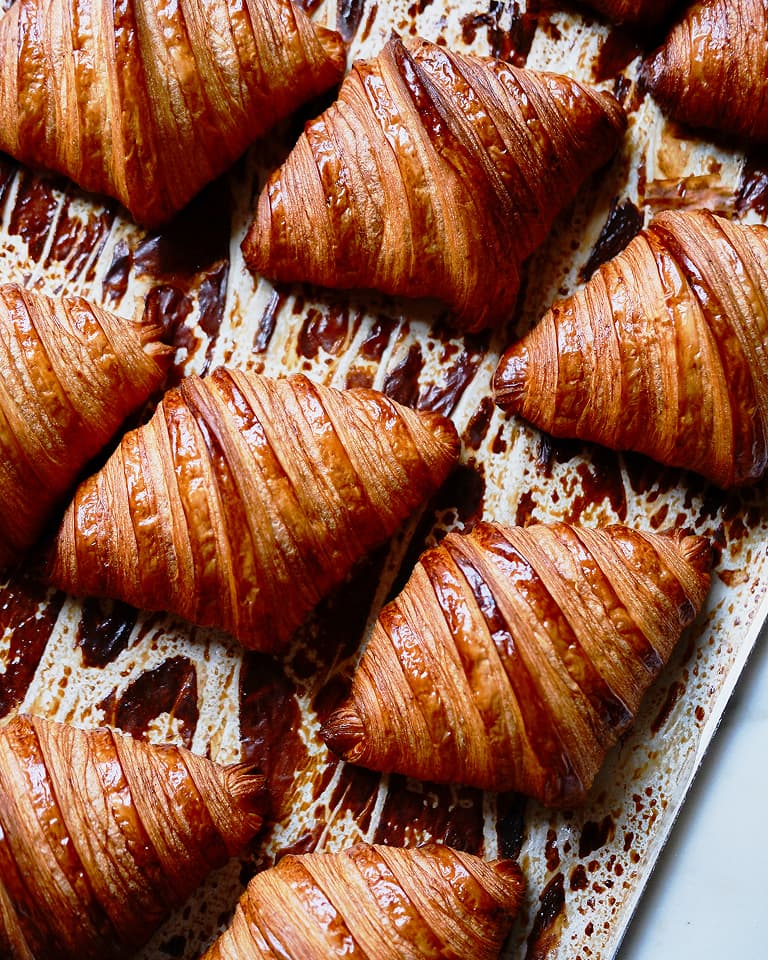
I am in awe of the time and energy that goes into an independent bakery. A croissant usually takes two to three hours to make – endless folding, chilling and shaping. A product that requires such patience and love deserves to be showcased. With my writing and photography I try to tell the story of these bakeries, while I hope my images elevate the beautiful bakes to illustrate the artistic beauty of viennoiserie and bread.

TOAD Bakery. Photo: Milly Kenny-Ryder

Toklas Bakery. Photo: Milly Kenny-Ryder

Pause. Photo: Milly Kenny-Ryder

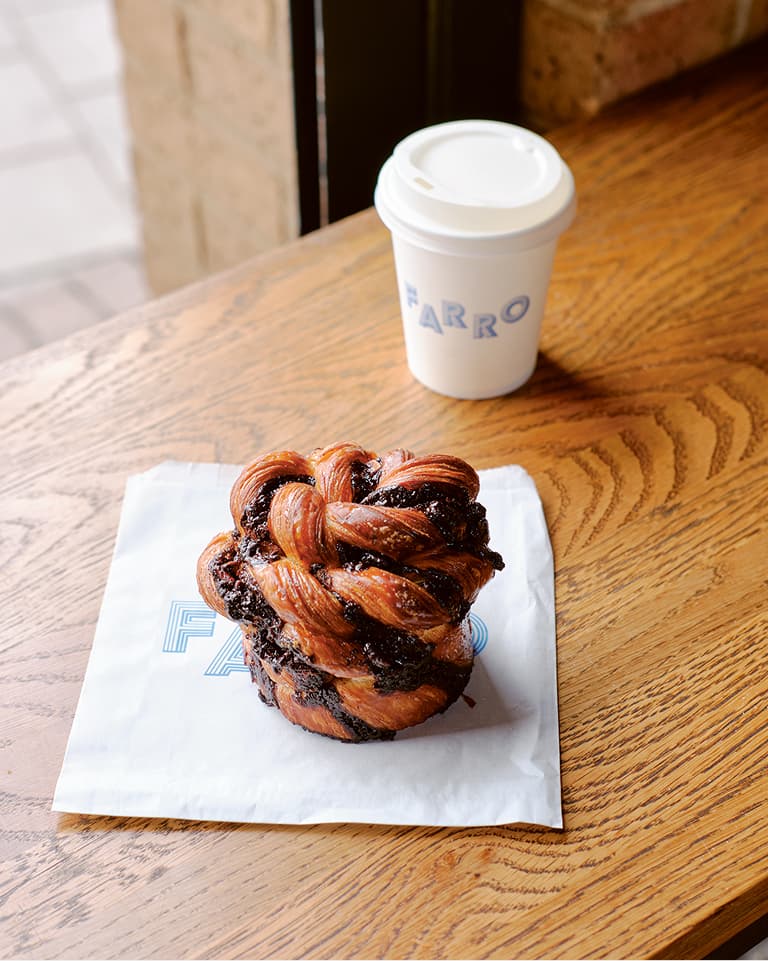
Farro Bakery. Photo: Milly Kenny-Ryder

After visiting and writing about so many bakeries, how would you describe your “bakery style” or taste today?

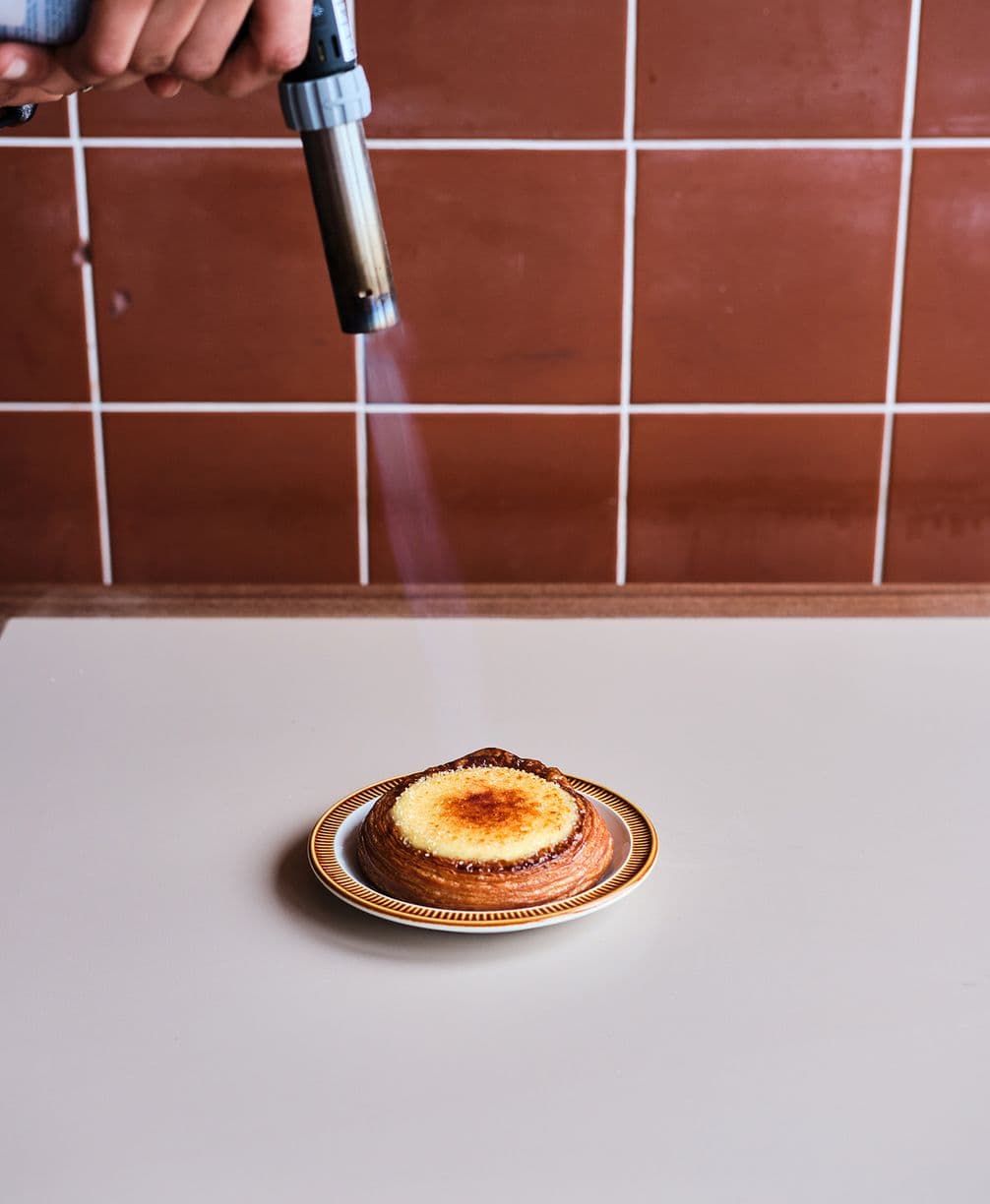
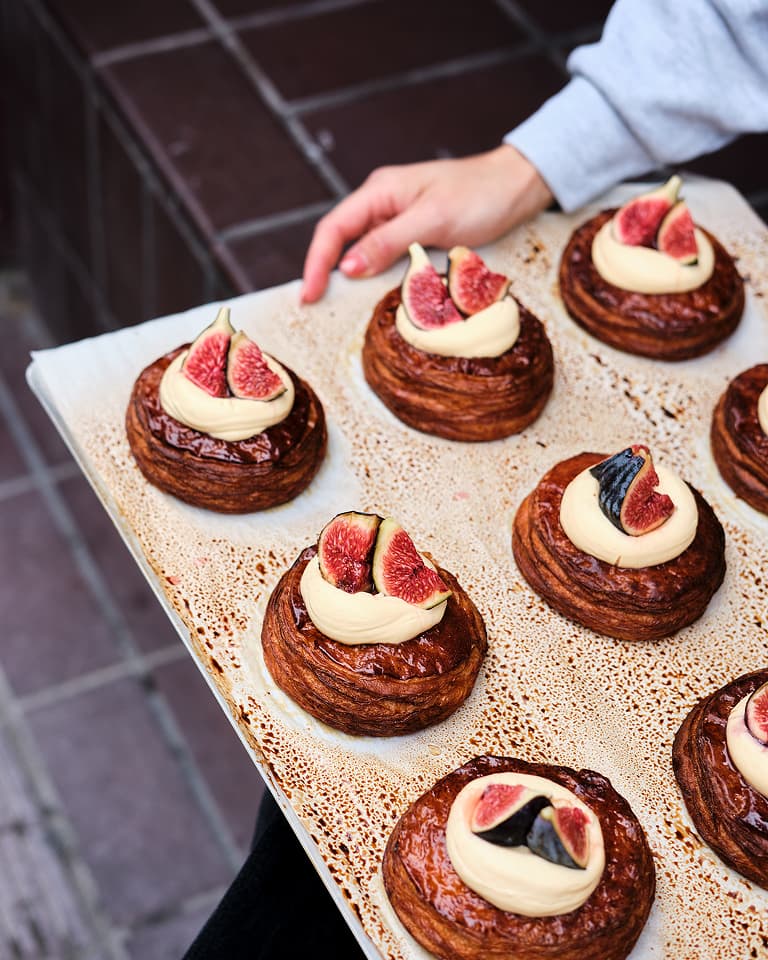
As the bakery boom continues to thrive, I find my enthusiasm for bakeries becomes more particular. There are unfortunately a lot of bakeries who produce sugary treats that have been developed solely with social media in mind, I cannot deal with a tooth-achingly sweet cruffin or crookie! As a food photographer and stylist I appreciate the aesthetics of a bakery but it has to feel authentic and genuine. My favourite bakeries are those who have found their own style and niche, whether that’s the quirky fun flavours at Toad, the citrus inspired collection of pastries at Toklas, picture-perfect patisserie at Cedric Grolet, or wholesome British bakes at Quince. And those are just examples from London, the scope and variety of bakeries you can find in every corner of the country now is phenomenal.

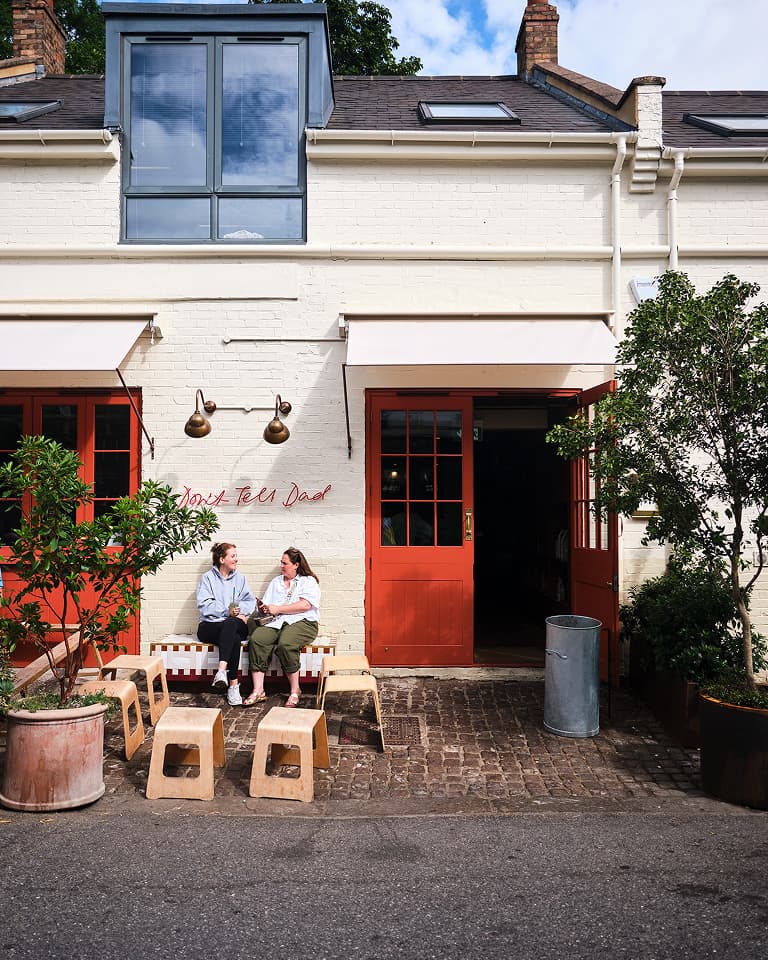
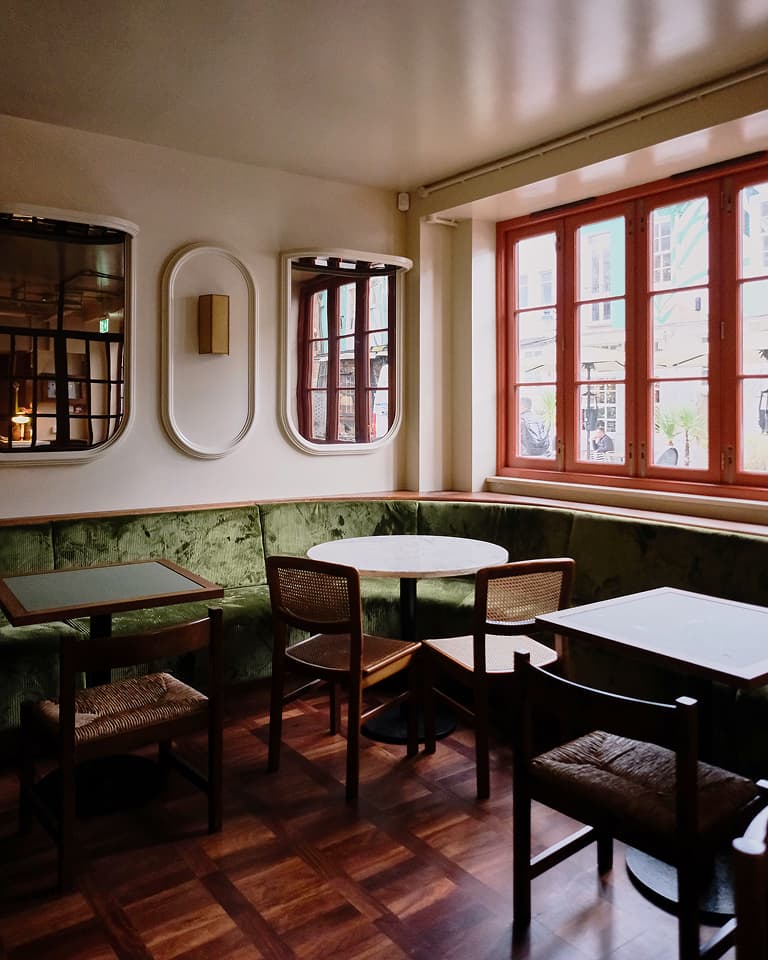
Don’t Tell Dad. Photos: Milly Kenny-Ryder

How important are stories, personal histories and community to the way you think about bakeries and the food they produce?

When most people visit a city bakery they are in and out in minutes – a transactional interaction that is usually just about securing the goods. At the more remote bakeries I visited, they are the centre of the community, sometimes a vital part of locals’ everyday routines. The stories I gathered while researching my book were heartwarming – again, testament to the incredible bakers and teams that run these hard-working small businesses. I was so touched to see many of my featured bakeries open on Christmas Day, not to trade but to offer free hot drinks and baked goodness to those who needed it. As pubs and alcohol consumption decline, bakery and coffee shop culture continues to soar – it is a slower, more nourishing way of socialising that champions craftsmanship and flavour.

Photo: Milly Kenny-Ryder

Is there a particular dish that holds strong memories for you?

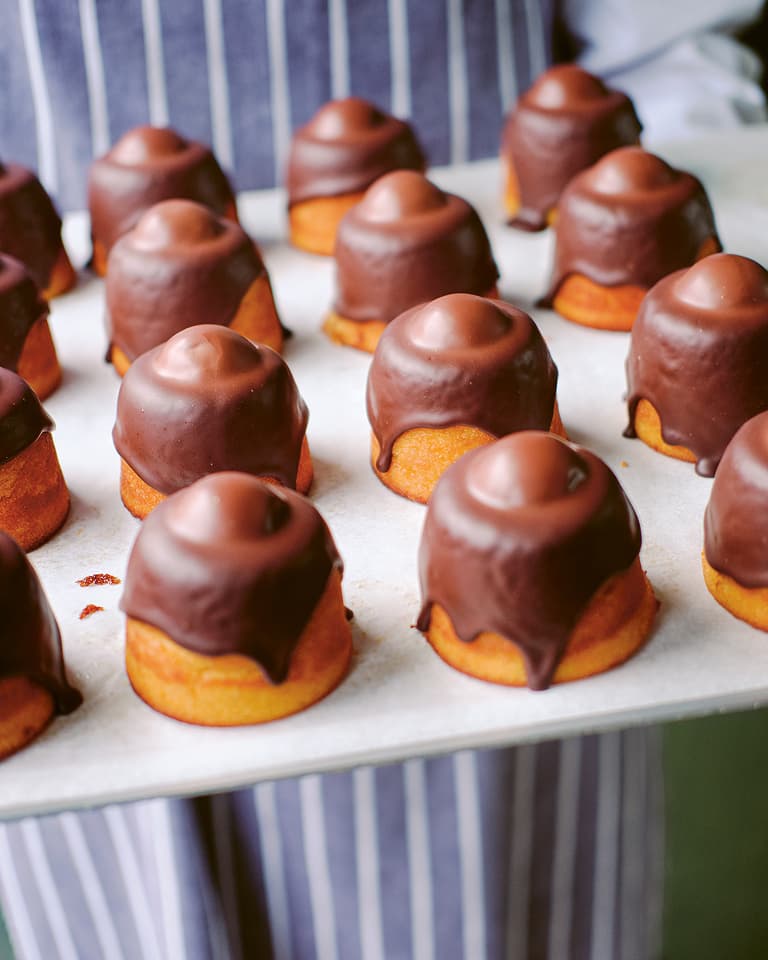
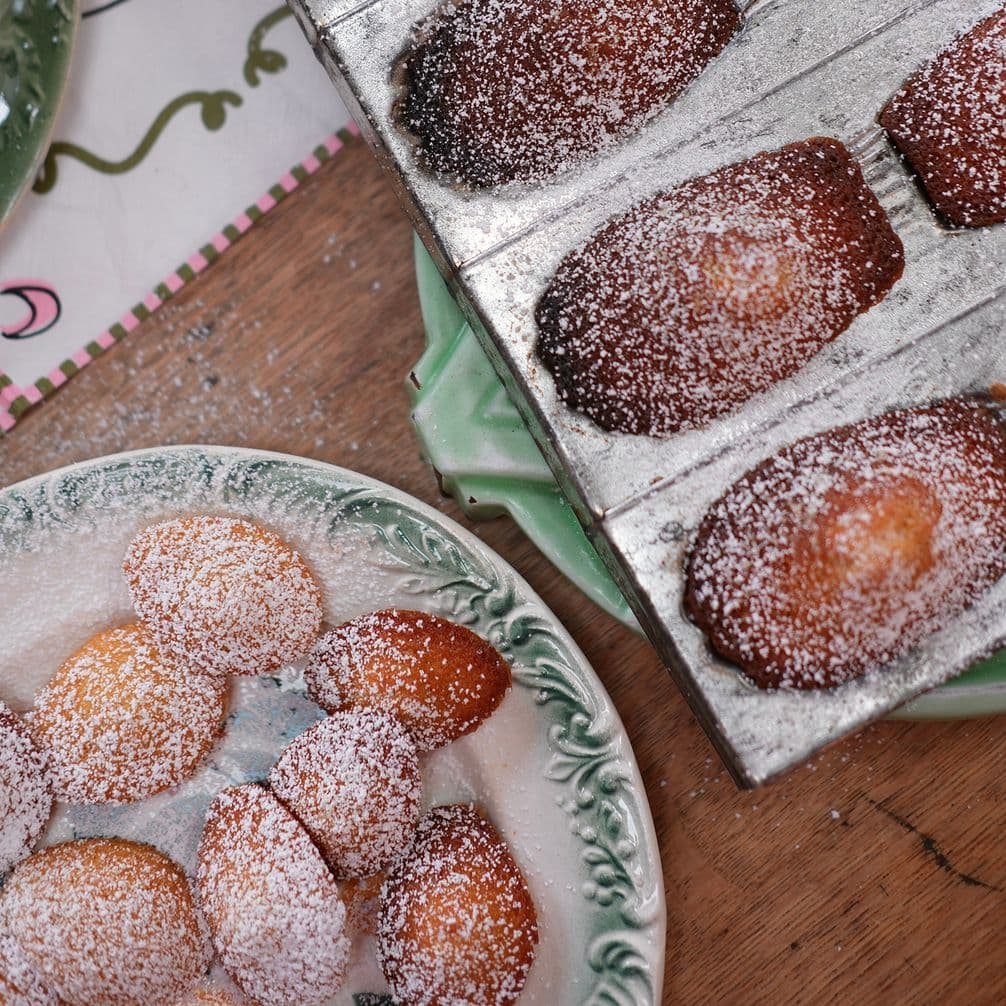
Madeleines, freshly baked, ideally consumed within moments of emerging from the oven. 

As a child I always loved eating out, my parents used to joke about it. And so it seemed natural to carve a career out for myself that involved and relied on eating out. When I first discovered fine dining with my grandparents in my early twenties, I was fascinated by all the “extras” – an amuse bouche to start, a bread course perhaps, a palate cleanser before dessert, and then (the best bit) petit fours to finish, tiny bite-sized confectionary or cakes. These little surprises are what made the meal special, and memorable. A tray of freshly baked madeleines is often the final part of a dessert ceremony – soft, warm (ideally), sweet (but not too sweet), comforting and nostalgic. But crucially they are easy for even the most novice bakers to make at home.

The French enjoy treating themselves, I guess that’s why the “le goûter” ritual is so cherished (a pause in the afternoon to enjoy a sweet, often baked, snack). And madeleines are one of the most accessible but delicious baked treats to enjoy at home. Before having friends over for lunch I often make the mixture, leave it in the fridge and then pop a tray in the oven at the end of the meal to eat fresh with coffee. I very much believe in the French way of treating yourself, in moderation, every day. A perfectly light little madeleine is the ideal way to do just that.

Many restaurants in London now offer madeleines as part of their pastry offering, either as a dessert option or as an additional petit fours. The St John variety are particularly loved, and many people visit the restaurant just to try their madeleines. They can be flavoured with chocolate, nuts or fruit but I prefer the purist kind, with just a hint of vanilla, brown butter or honey.

Brown butter madeleines

Ingredients

200g unsalted butter

100g golden caster sugar

100g self-raising flour

2 large eggs

1 tablespoon of good quality honey

A pinch of sea salt

Icing sugar to serve

Method

1.  Make the brown butter. Melt the butter in a small (ideally light coloured) pan until a foam begins to form. When the foam subsides it will turn from yellow to pale brown. Take it off the heat and pour into a heatproof bowl to cool. 

2.  Pre-heat oven to 210C. Grease a standard 12-hold madeleine tray with butter.

3.  Mix the eggs, sugar and honey together, then add the flour and salt. Finally mix in the brown butter.

4.  Spoon the mixture evenly into the madeleine holes and bake for 8-10 minutes or until they are golden. 

5.  Turn out on a rack and eat immediately (with optional dusting of icing sugar).

Britain's Best Bakeries Vol 2 by Milly Kenny-Ryder. £22.95 is published by Hoxton Mini Press. Available now.