
Travel
The most photographed national parks in the US
From geyser basins to desert arches, we reveal and rank the US national parks Popsa travellers can’t get enough of
&w=96&q=75)
27 Jan, 2026∙8 min
Travel
From geyser basins to desert arches, we reveal and rank the US national parks Popsa travellers can’t get enough of
27 Jan, 2026∙8 min
The United States’ national parks seem designed with the camera in mind. They stretch from glacier-carved peaks to red-rock deserts and misty coastal forests, offering scenes that beg to be captured, shared and printed. This year, in a first-of-its-kind initiative, we analysed millions of customer photos using a rigorous, data science-led approach to reveal the spots that dominated camera rolls in 2025, and the viewpoints that keep showing up again and again.
When we compare the data to last year, the top of the leaderboard remains strikingly unchanged. The Grand Canyon, Yellowstone and Yosemite continued to reign supreme in 2025, proving the enduring power of bucket-list landscapes, even as photography patterns beneath the surface quietly shift. While the big-hitters still dominate, emerging “hidden gems” such as Crater Lake are surging as travellers seek quieter alternatives – fuelled by last-chance visits ahead of trail closures and a growing aversion to overcrowding. International visitors are also rewriting the map: Death Valley has become a largely European photography destination, while Utah and California’s desert parks now form a well-trodden “Southwest circuit” for overseas road-trippers. At the other extreme, vast Alaskan wilderness parks remain almost untouched by cameras, revealing a stark divide between parks designed for awe-filled snapshots and those that remain truly wild, remote and largely unseen.
To learn more about how the data was analysed and ranked to determine the photo index scores, check out the methodology at the end of this article.

Grand Canyon National Park, Arizona. Photo: Unsplash
Photo index score: 100
Few landscapes photograph quite like the Grand Canyon. Its immense depth and shifting colours reward patience, with photographers returning at sunrise and sunset as shadows carve new patterns into the rock. Hopi Point and Mather Point are firm favourites, while aerial-like compositions from the rim capture the canyon’s vast geometry. Cloud cover and changing light conditions can dramatically alter the mood, making repeat visits especially rewarding.

Yellowstone National Park, Wyoming. Photo: Unsplash
Photo index score: 94
The world’s first national park remains one of its most visually explosive. Yellowstone’s colour-saturated geothermal pools (especially Grand Prismatic Spring) appear most frequently on Popsa travellers’ camera rolls, alongside Old Faithful’s perfectly timed eruptions. Photographers also gravitate towards the Lamar Valley, where bison silhouettes and roaming wolves add life to vast, cinematic plains. Early morning steam and low sun create the most dramatic results.

Yosemite National Park, California. Photo: Unsplash
Photo index score: 91
Yosemite is a masterclass in scale. El Capitan’s sheer granite face, Half Dome glowing at sunset and Yosemite Falls in full spring flow make this park one of the most consistently photographed in the country. Tunnel View remains the most iconic composition, while Glacier Point delivers jaw-dropping panoramas that dominate landscape spreads. Seasonal changes, from snow-dusted winters to golden autumn meadows ensure no two visits look quite the same.
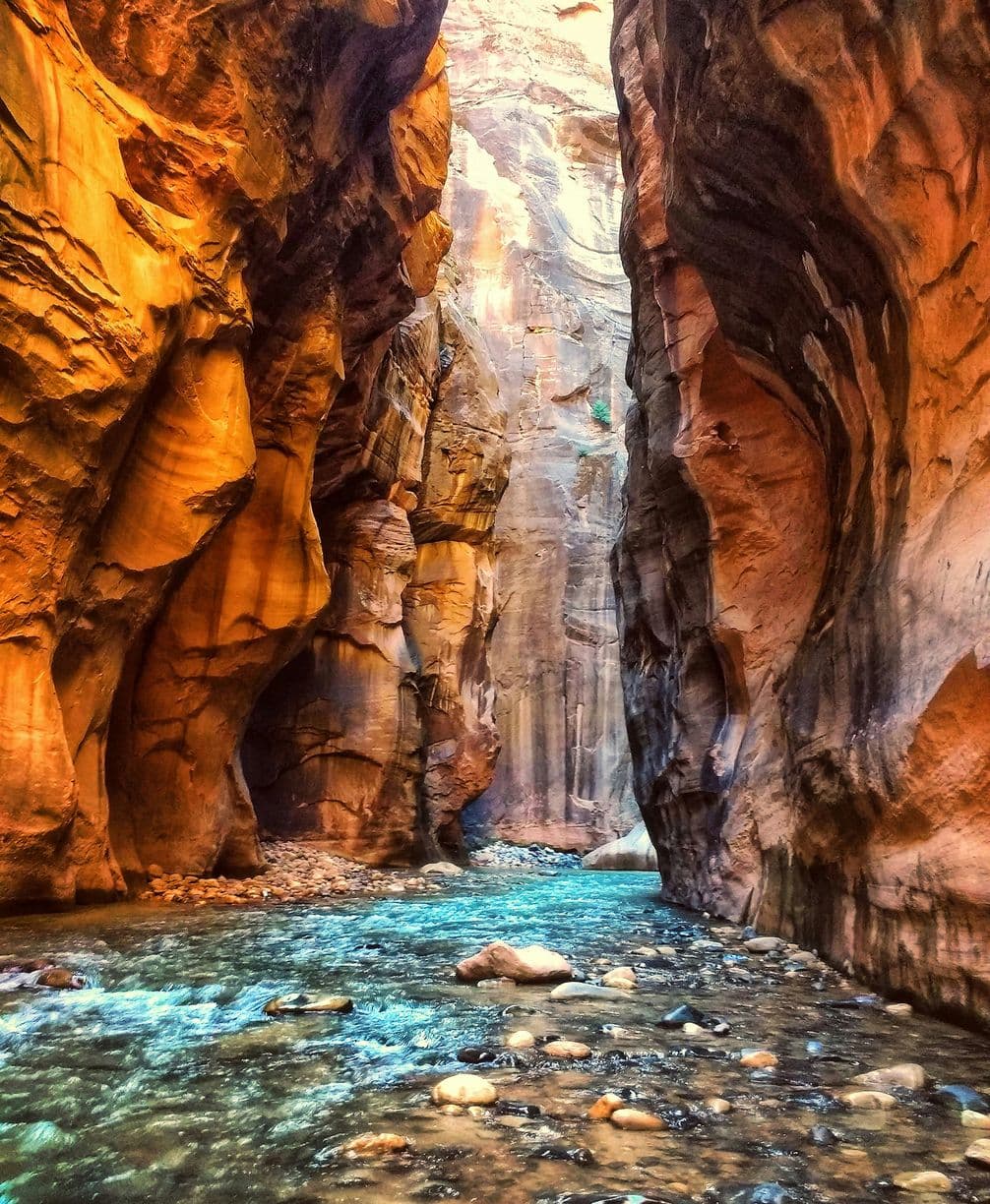
Zion National Park, Utah. Photo: Unsplash
Photo index score: 59
Zion’s towering canyon walls create a sense of immersion few parks can match. The Virgin River winding through The Narrows is one of the most photographed scenes in the US, while Angels Landing delivers vertigo-inducing perspectives from above. Soft reflected light bouncing off canyon walls makes midday shooting surprisingly effective, particularly for capturing texture and depth.
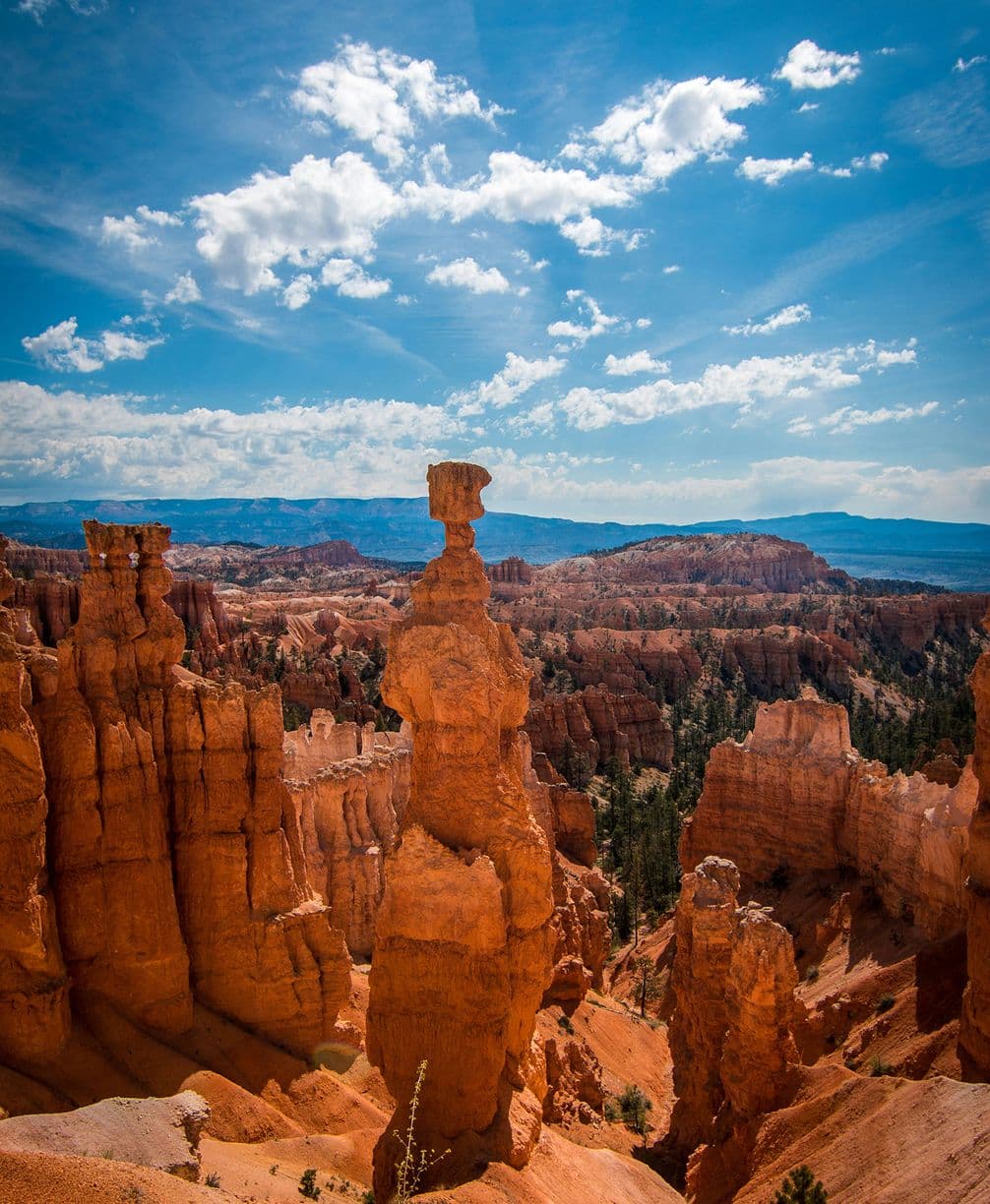
Bryce Canyon National Park, Utah. Photo: Unsplash
Photo index score: 51
Bryce’s hoodoos look almost unreal, and that’s exactly why photographers love them. Sunrise from (aptly named) Sunrise Point sets the amphitheatre ablaze in warm oranges and pinks. The repeating spires create natural patterns that work beautifully in both wide landscapes and tightly cropped compositions.

Grand Teton National Park, Wyoming. Photo: Unsplash
Photo index score: 37
In the Tetons, you’ll find clean lines and dramatic symmetry in abundance. The jagged peaks rise abruptly from the valley floor, perfectly reflected in calm waters at Schwabacher Landing and Oxbow Bend. Sunrise is king here, with alpenglow turning the range rose-gold as mist lingers over the Snake River. Minimal foregrounds and bold horizons make these images especially print-friendly.
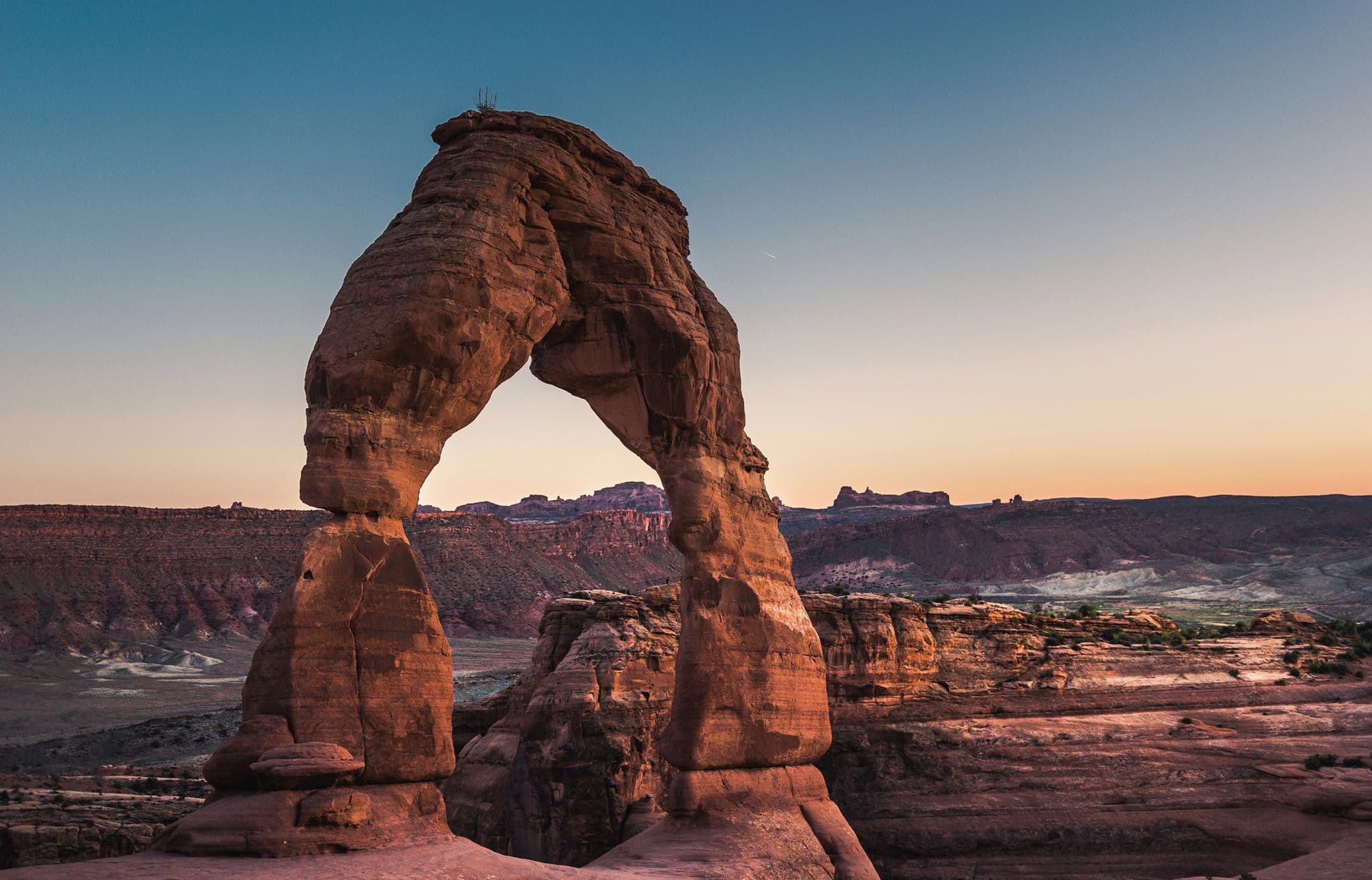
Arches National Park, Utah. Photo: Unsplash
Photo index score: 35
Natural stone sculptures dominate Arches, with Delicate Arch reigning supreme. Sunset shots, often with the La Sal Mountains in the background, are among the most popular with Popsa travellers. Elsewhere, balanced rocks and massive fins create playful compositions that reward exploration beyond the main trail. The park’s sculptural forms translate especially well into bold, graphic prints.
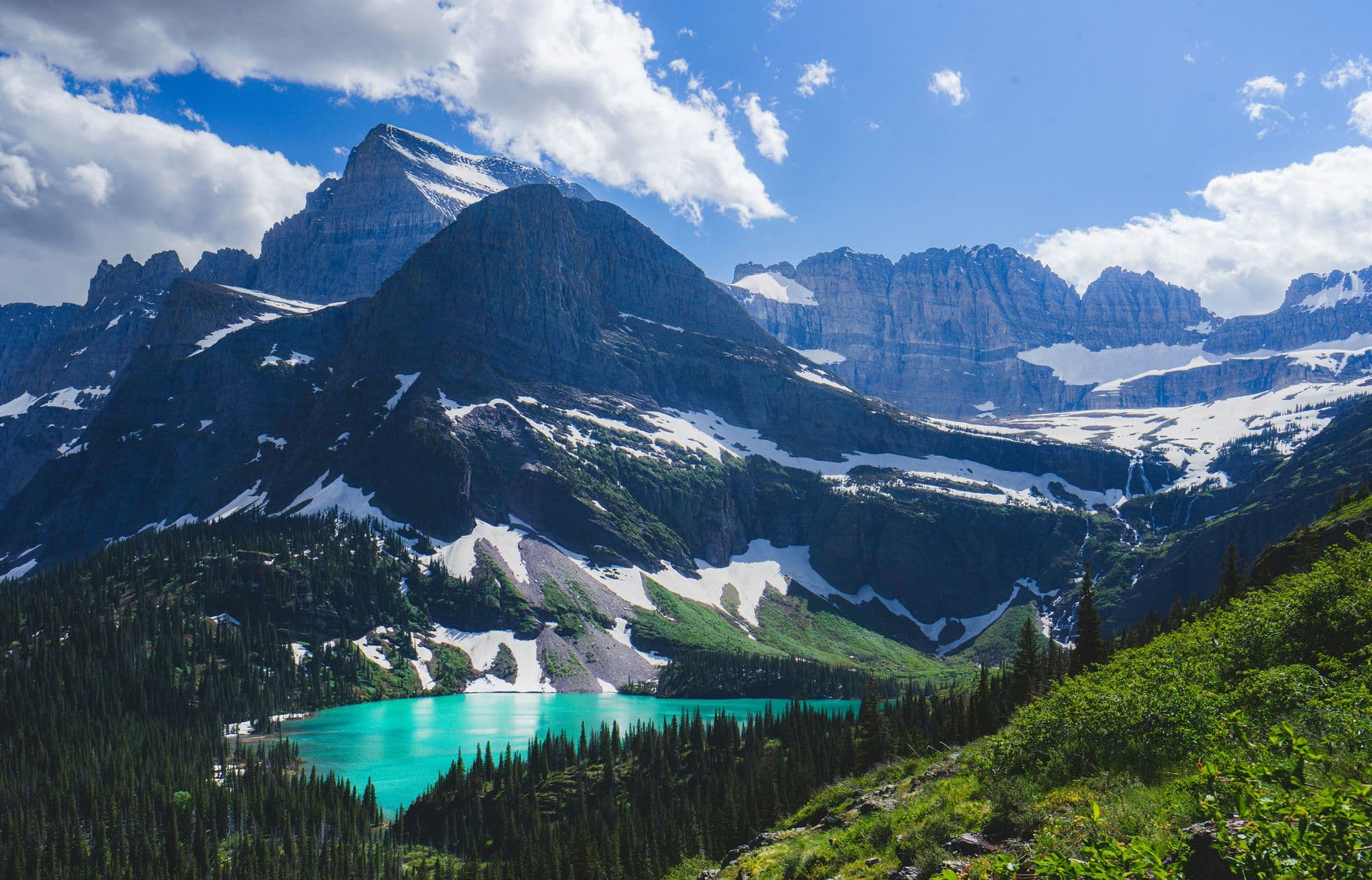
Glacier National Park, Montana. Photo: Unsplash
Photo index score: 33
Often called the “Crown of the Continent”, Glacier is all alpine drama. Turquoise lakes like Grinnell and Swiftcurrent steal the spotlight, while Going-to-the-Sun Road provides endless pull-offs for perfectly framed mountain vistas. Late summer delivers wildflowers; early autumn brings golden larches and crisp light. Snow-capped peaks reflected in still water are among the park’s most saved shots.

Death Valley National Park, California. Photo: Unsplash
Photo index score: 31
Extreme landscapes define Death Valley, with photographers drawn to its stark contrasts. Mesquite Flat Sand Dunes appear repeatedly on camera rolls, their rippling forms catching long shadows at sunrise and sunset. Badwater Basin’s vast salt flats offer striking minimalism, while Zabriskie Point delivers layered badlands that glow gold and amber in low light. Clear skies and near-total darkness also make Death Valley one of the most photographed parks for astrophotography.
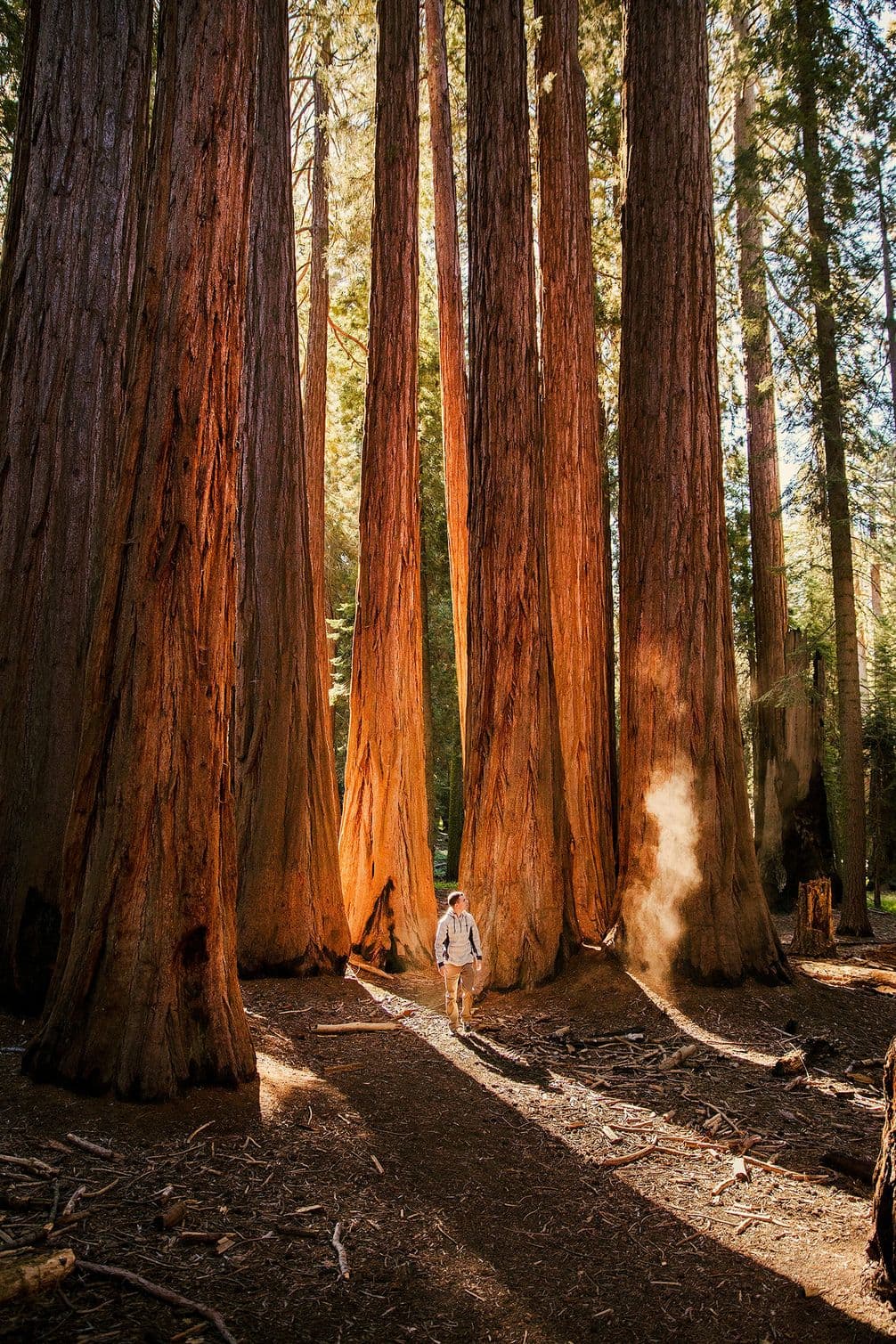
Sequoia National Park, California. Photo: Unsplash
Photo index score: 29
Scale takes on a new meaning among the giant sequoias. The General Sherman Tree is the most photographed subject, often framed from below to emphasise its staggering height. Elsewhere, wide forest scenes along the Congress Trail capture shafts of light filtering through colossal trunks. In Kings Canyon, granite cliffs and deep valleys add variety, while winter snow transforms the groves into hushed, monochrome dreamscapes.

Joshua Tree National Park, California. Photo: Unsplash
Photo index score: 27
Joshua Tree’s surreal desert aesthetic makes it instantly recognisable. The park’s twisted yucca silhouettes, scattered boulders and vast open skies dominate Popsa travellers’ photos, particularly at golden hour. Keys View provides sweeping panoramas across the Coachella Valley, while Hidden Valley and Skull Rock invite more playful compositions. After dark, Joshua Tree becomes a hotspot for star-filled night shots, with Milky Way images ranking among the park’s most saved and shared.

Rocky Mountain National Park, Colorado. Photo: Unsplash
Photo index score: 25
High-altitude drama defines Rocky Mountain National Park. Trail Ridge Road offers sweeping views above the treeline, while Bear Lake and Dream Lake reflect jagged peaks in glassy stillness at dawn. Rapid weather changes mean skies are often as compelling as the mountains themselves. Wildlife, such as elk, moose and bighorn sheep frequently find their way into frames, adding scale and movement.

Great Smoky Mountains National Park, Tennessee/North Carolina. Photo: Unsplash
Photo index score: 23
The most visited national park in the US is, unsurprisingly, also one of the most photographed. Layers of blue-tinged ridgelines stretch into the distance, especially from Clingmans Dome and Newfound Gap. Morning mist drifting through forested valleys gives images a soft, painterly quality that appeals to Popsa travellers. In autumn, dense hardwood forests ignite with colour, driving another surge of snappers.
Photo index score: 20
Photo index score: 19
Photo index score: 18
Photo index score: 18

Mount Rainier National Park, Washington. Photo: Unsplash
Photo index score: 16
Photo index score: 14
Photo index score: 11
Photo index score: 11
Photo index score: 11
Photo index score: 9
Photo index score: 9
Photo index score: 8
Photo index score: 7
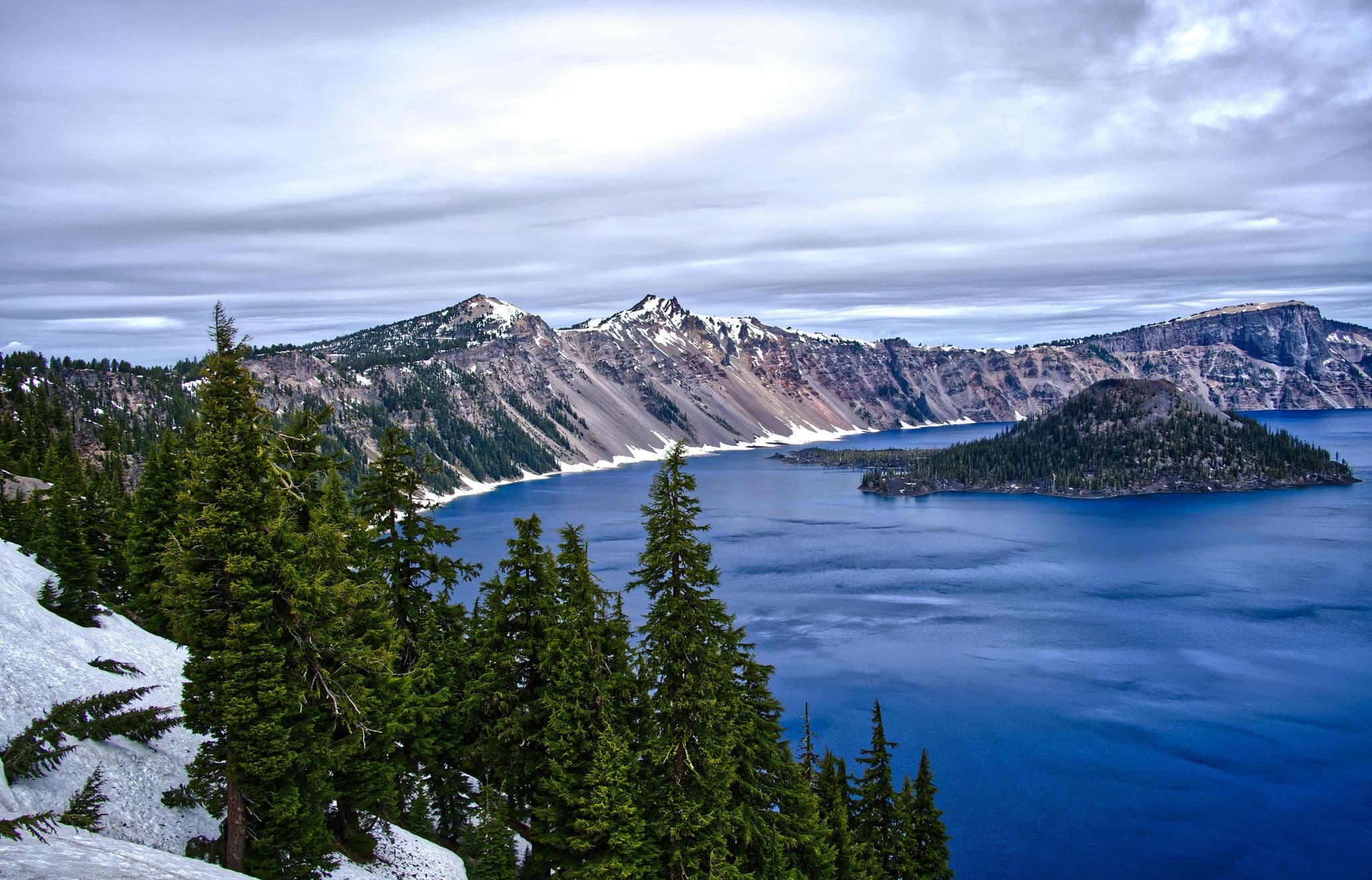
Crater Lake National Park, Oregon. Photo: Pexels
Photo index score: 6
Photo index score: 6
Photo index score: 5
Photo index score: 5
Photo index score: 5
Photo index score: 4

White Sands National Park, New Mexico. Photo: Unsplash
Photo index score: 4
Photo index score: 4
Photo index score: 3
Photo index score: 3
Photo index score: 3
Photo index score: 2
Photo index score: 2
Photo index score: 2
Photo index score: 2

Lassen Volcanic National Park, California. Photo: Pexels
Photo index score: 2
Photo index score: 2
Photo index score: 1
Photo index score: 1
Photo index score: 1
Photo index score: 1
Photo index score: 1

Carlsbad Caverns National Park, New Mexico. Photo: Pexels
Photo index score: 1
Photo index score: 1
Photo index score: 1
Photo index score: 1
Photo index score: 1
Photo index score: 1
Photo index score: 1
Photo index score: 1

Dry Tortugas National Park, Florida. Photo: Pexels
Photo index score: 0
Photo index score: 0
Photo index score: 0
Photo index score: 0
Photo index score: 0
Photo index score: 0
Photo index score: 0
To determine the most photographed national parks in the US, Popsa’s data science team analysed millions of photos uploaded by customers in 2025. Using location metadata, we identified images taken within the boundaries of US national parks and ranked them based on total photo volume.
Each park was assigned a photo index score, which reflects the relative volume of photos taken there compared with all other parks in the dataset. Scores were then normalised on a scale of 0-100, with the most photographed park set as the benchmark. The result is a ranking that reflects real traveller behaviour, highlighting not just where people visit, but where they are most inspired to capture and keep their memories.
Discover memories faster with exclusive features like facial recognition and smart albums.




&w=96&q=75)
30 Oct, 2025∙10 min

&w=96&q=75)
17 Sep, 2025∙9 min
&w=96&q=75)


 United States