
Stories
Memory Architects: the collector – Martina Calvi
Meet Martina Calvi, the mixed-media creative and collector whose careful eye elevates everyday objects into meaningful records of life

17 Dec, 2025∙9 min
Stories
Meet Martina Calvi, the mixed-media creative and collector whose careful eye elevates everyday objects into meaningful records of life
17 Dec, 2025∙9 min
This edition of Memory Architects features Martina Calvi, an Australia-based collector, mixed-media creative and founder of Tiny Store, her stationery and ephemera shop in Sydney. Calvi is known for her careful approach to gathering everyday objects – photographs, handwritten notes, scraps of paper, domestic items, textiles – and arranging them into collections that highlight their personal and historical value.
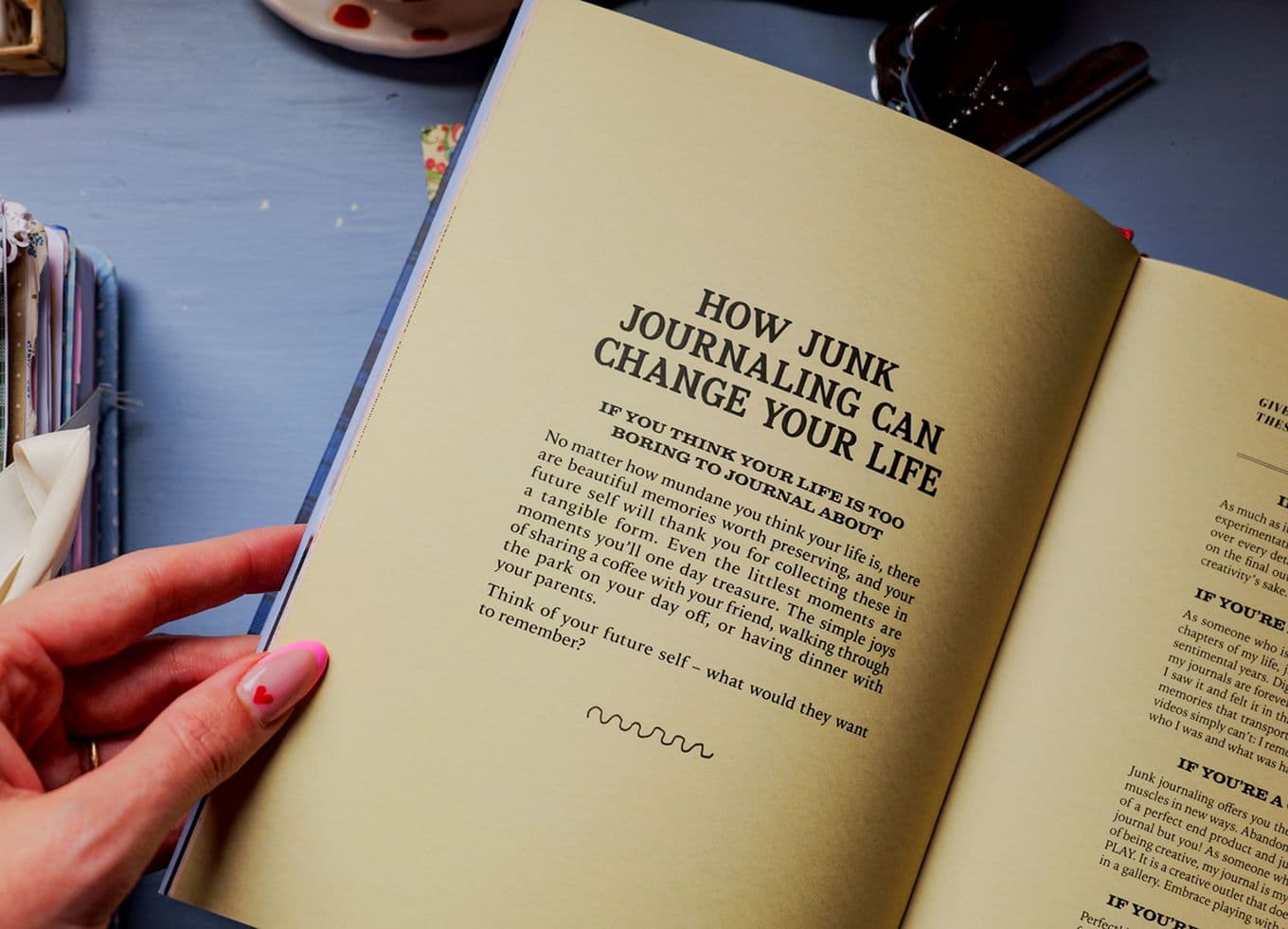
Martina Calvi’s book, A Year of Junk Journaling
Alongside her physical collections, Calvi is the author of books such as The Art of Memory Collecting and A Year of Junk Journaling, where she documents simple ways people can preserve their own memories. Through her shop, her online community and her publications, she shows how ordinary items can become meaningful records of a moment, a feeling or a life.
Calvi’s work demonstrates that memory doesn’t need to be grand to matter. Sometimes a small object like a snapshot, a label, a ticket or a fabric scrap, is enough to hold a story and help someone recognise part of their own.
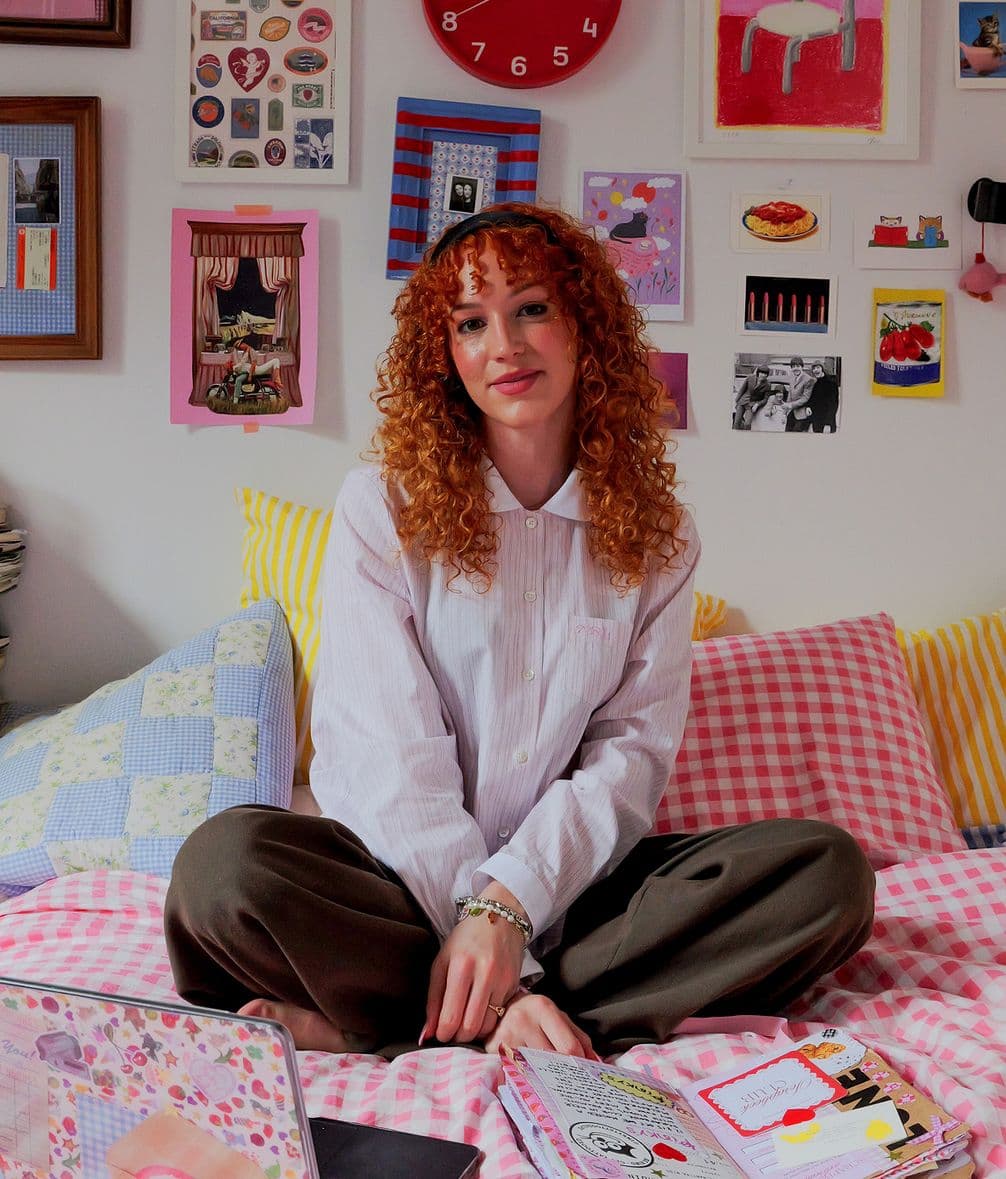
Martina Calvi
I’ve always been drawn to old things and history, ever since I was a little girl. I think it started when I was younger and spent my school holidays at my German grandmother’s house full of her things. Omi passed away when I was too young to remember her, so the only way I got to know her was through the various objects she had collected in her lifetime. Her astrology books, old records, souvenirs from India, Chanel No.5 perfume and a fabulous collection of colourful suits and chunky heels. The objects we collect can say so much about our personality and the lives we lead, and I was eager to start collecting evidence of my own story.
I’ve collected so many things over the years – but I remember my best friend in primary school cross-stitched me a pillow with a cat and a moon on it. Knowing she’d spent months making something for me touched my little girl's heart in a brand new way. I cherish anything handmade – it’s my love language.
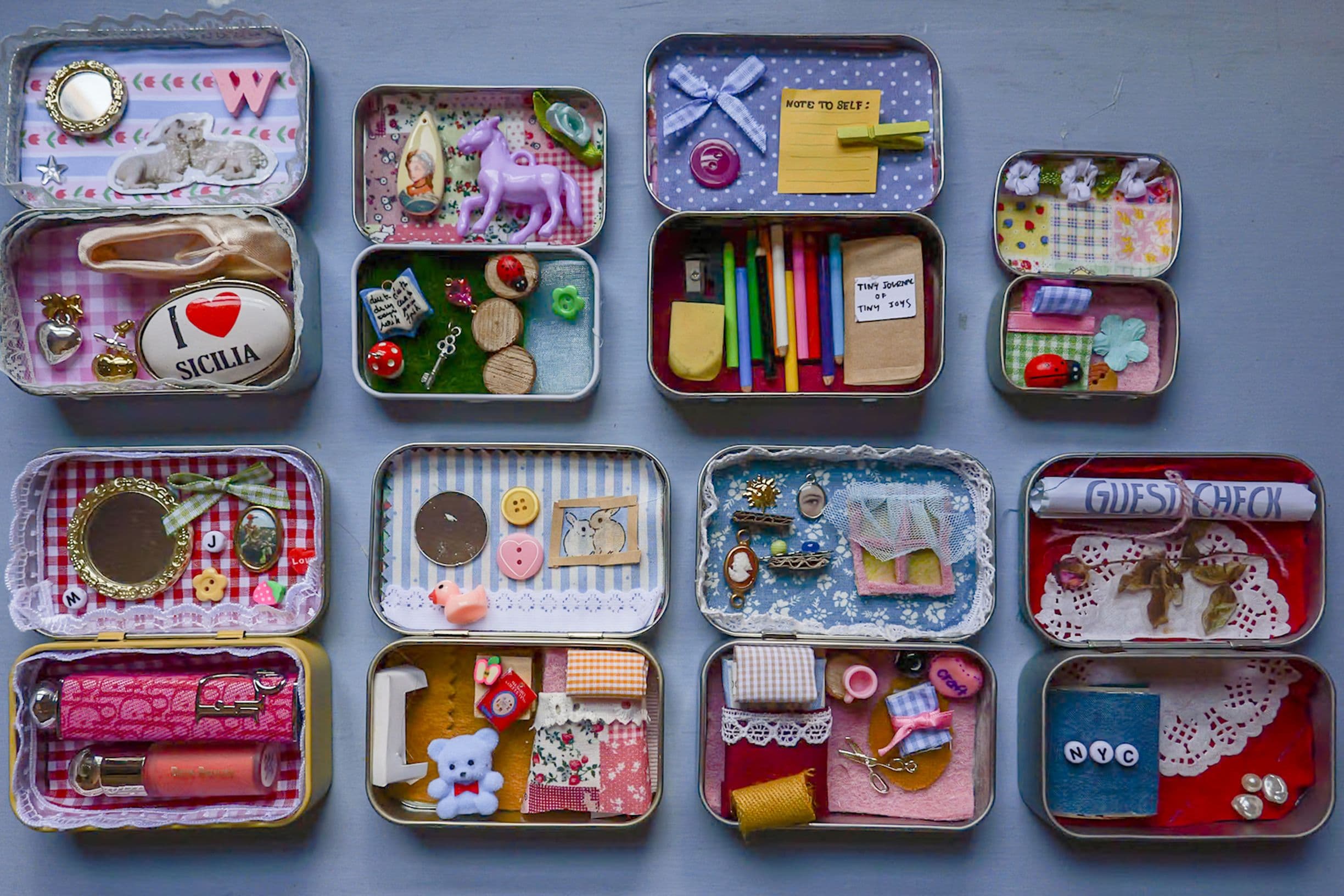
Tiny Store literally started out as my “tiny store” to sell a singular sheet of stickers I designed, originally just for my own journal/craft projects. I was never interested in running a business or selling products. I was an artist before I was a businesswoman. But when I saw how much joy the stickers brought people, that they actually inspired people to start scrapbooking and crafting again, I discovered a new passion for creating physical products. I’m guided by a mission to firstly give people joy, and secondly to facilitate and inspire creativity. Everything I design and create for Tiny Store can be used to create something – just because! Every last detail, even the packaging, is designed to be cut up, crafted with or to bring some delight.
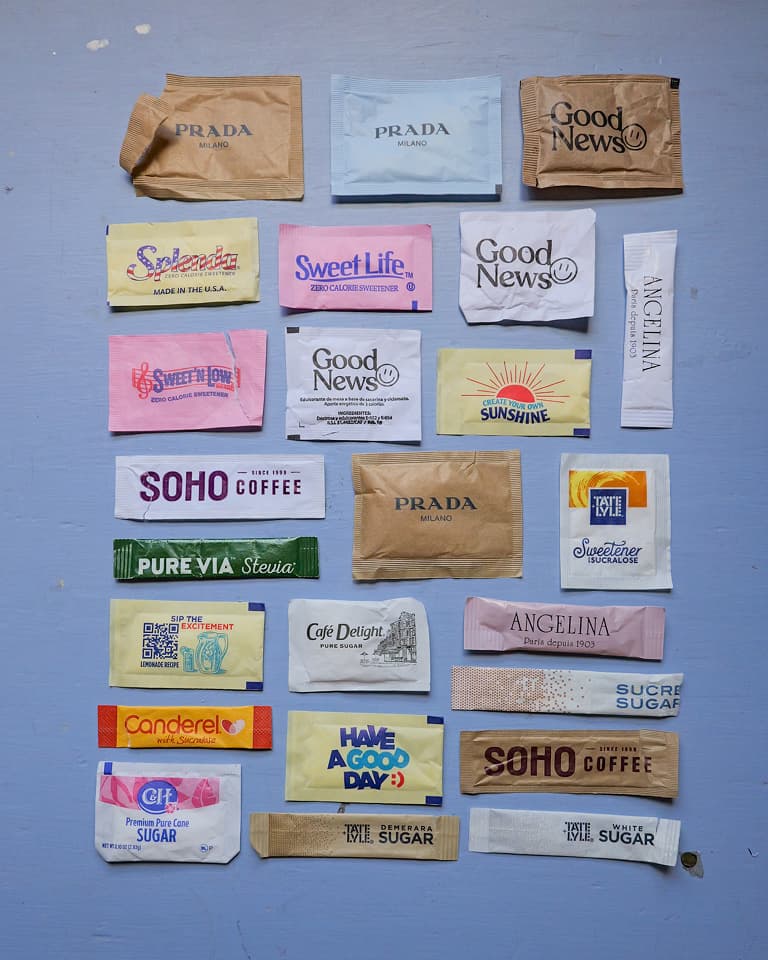
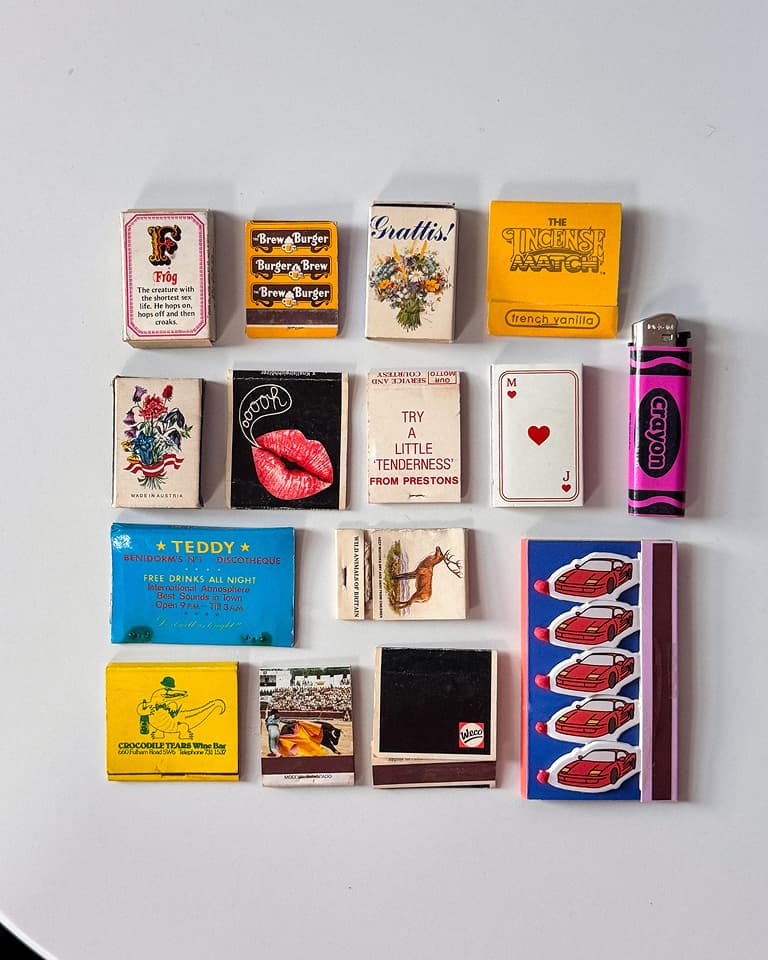
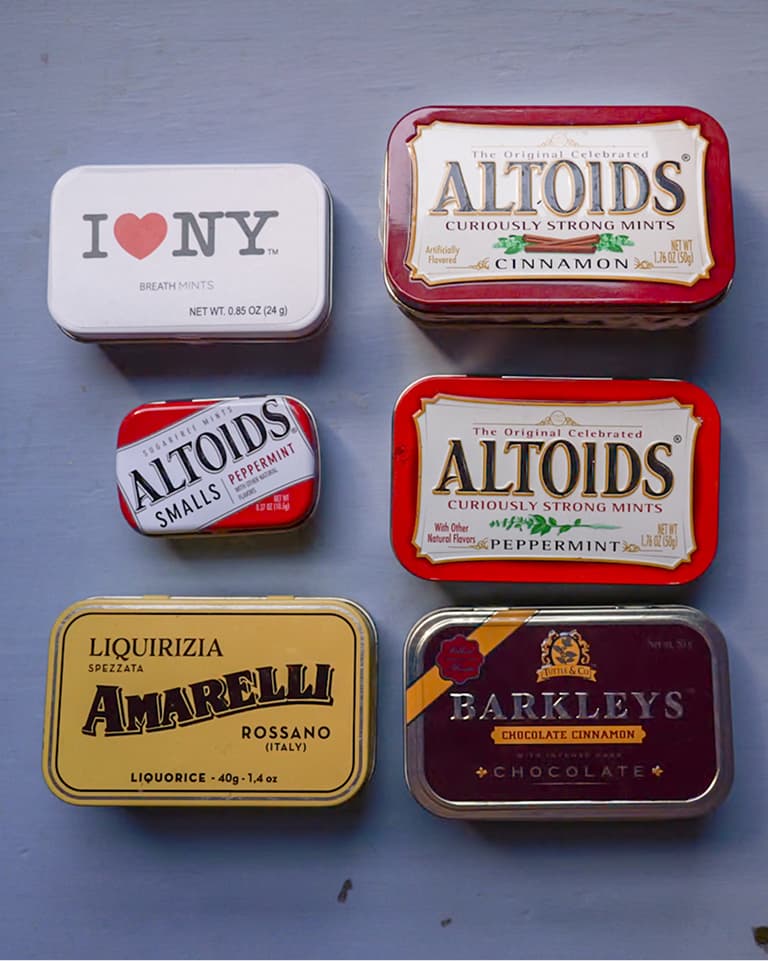
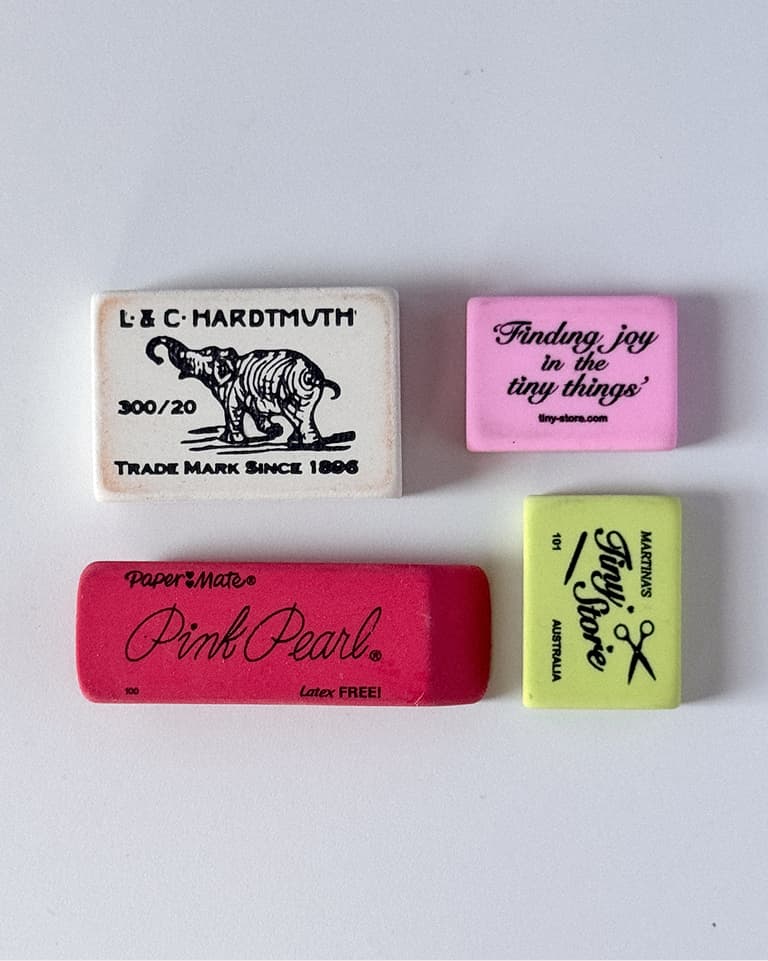
There is a film-like, dreamy version of reality that lives inside my head. Whenever I find an object that looks or feels like it’s from that film, I am drawn to it. It feels like evidence that my little world exists.
I think it’s when an object shows evidence of life. When you can see or feel that someone lived with or cared for the object. When the leather has patina’d or aged, when jewellery has slight wear, when objects have been mended or repaired.
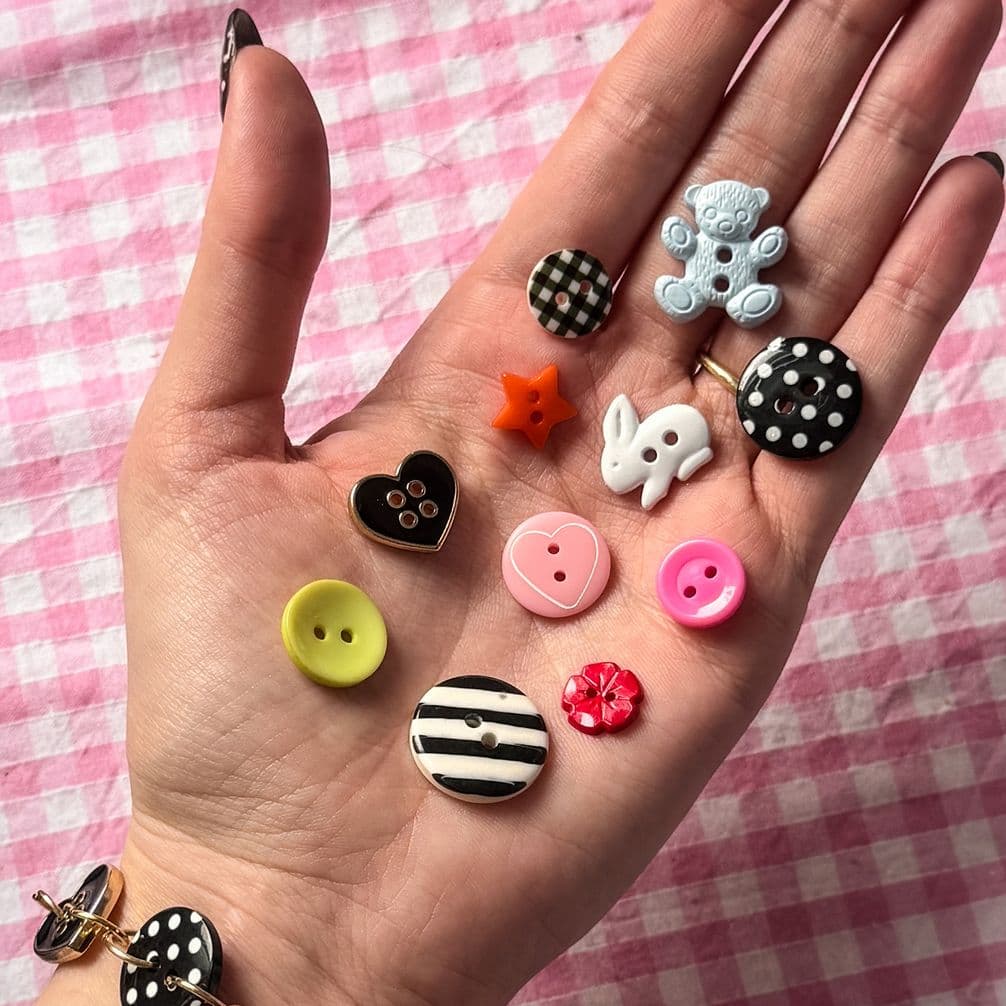
It might be because small objects require us to zoom in, notice the thing in our hands and be present. We remember the things we held.
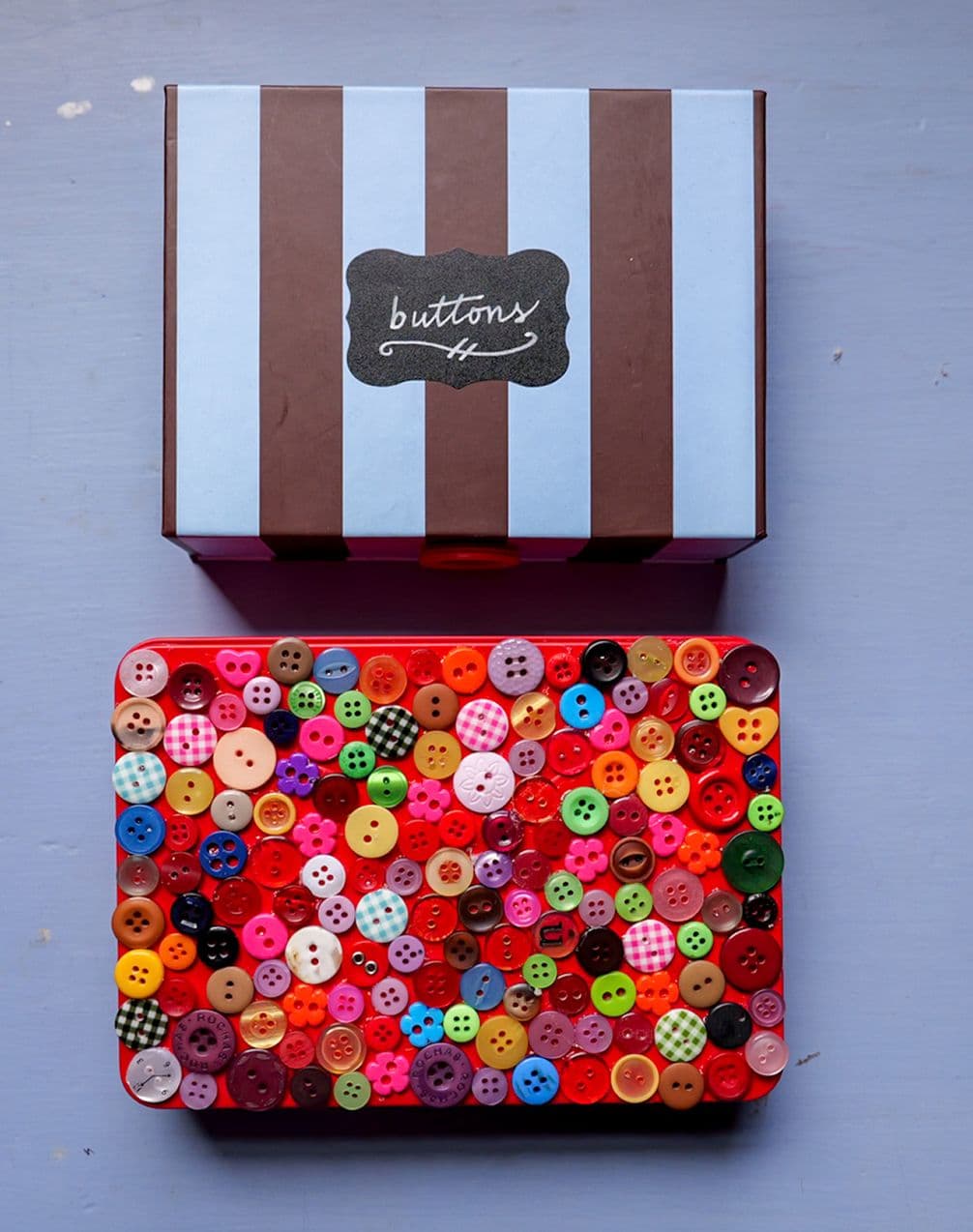
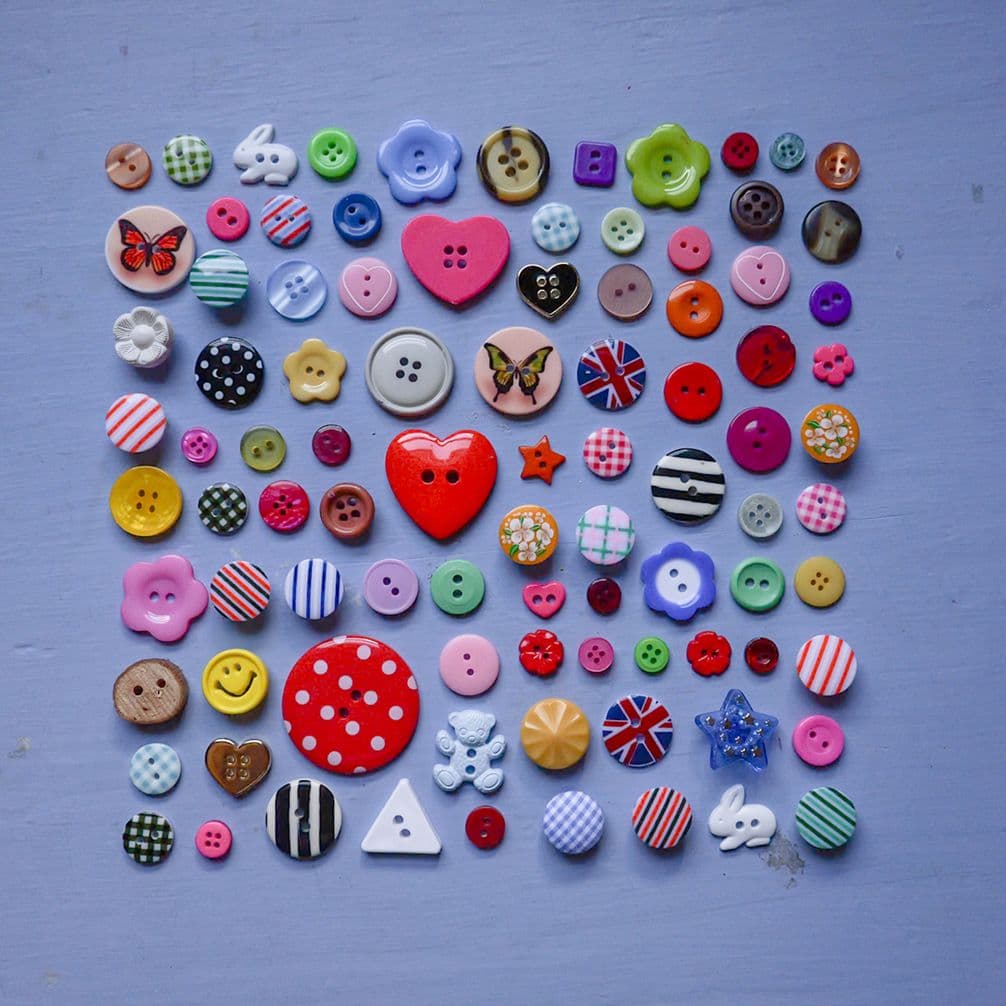
It’s very organic. Over the past few years I’ve been drawn to collecting buttons, the more unusual and pretty the better. Collecting is so much fun. Now I look for buttons in every op shop, flea market or unexpected place I can. It becomes my own secret scavenger hunt.
It itches our brain the right way. Maybe we’re all looking for some kind of order in the chaos. Arranging objects makes me feel calm, like I have some kind of control.
The wooden nutcrackers from Germany that we pull out of a box to display each Christmas. When I see them, I’m transported to memories of being a small child playing with them.
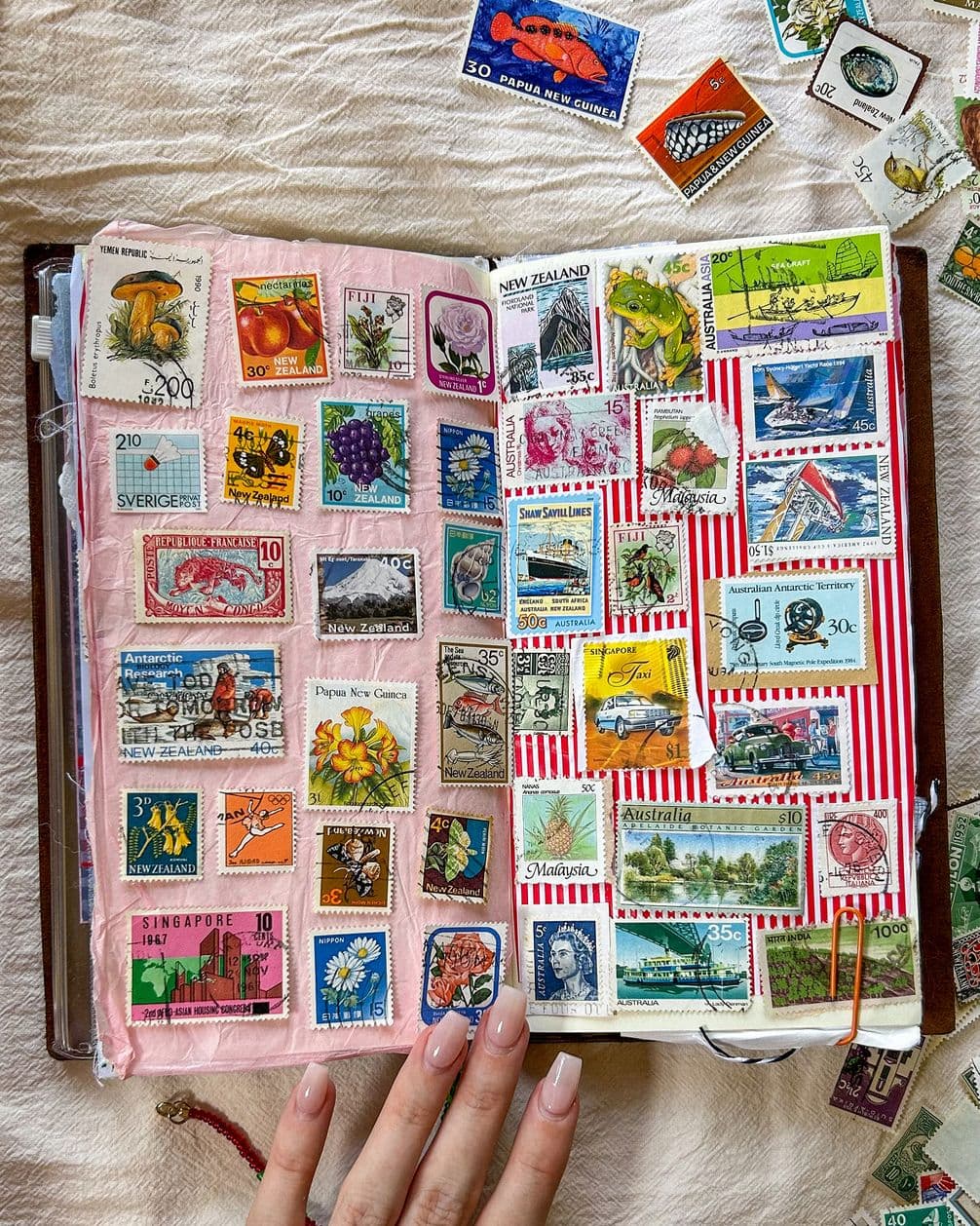
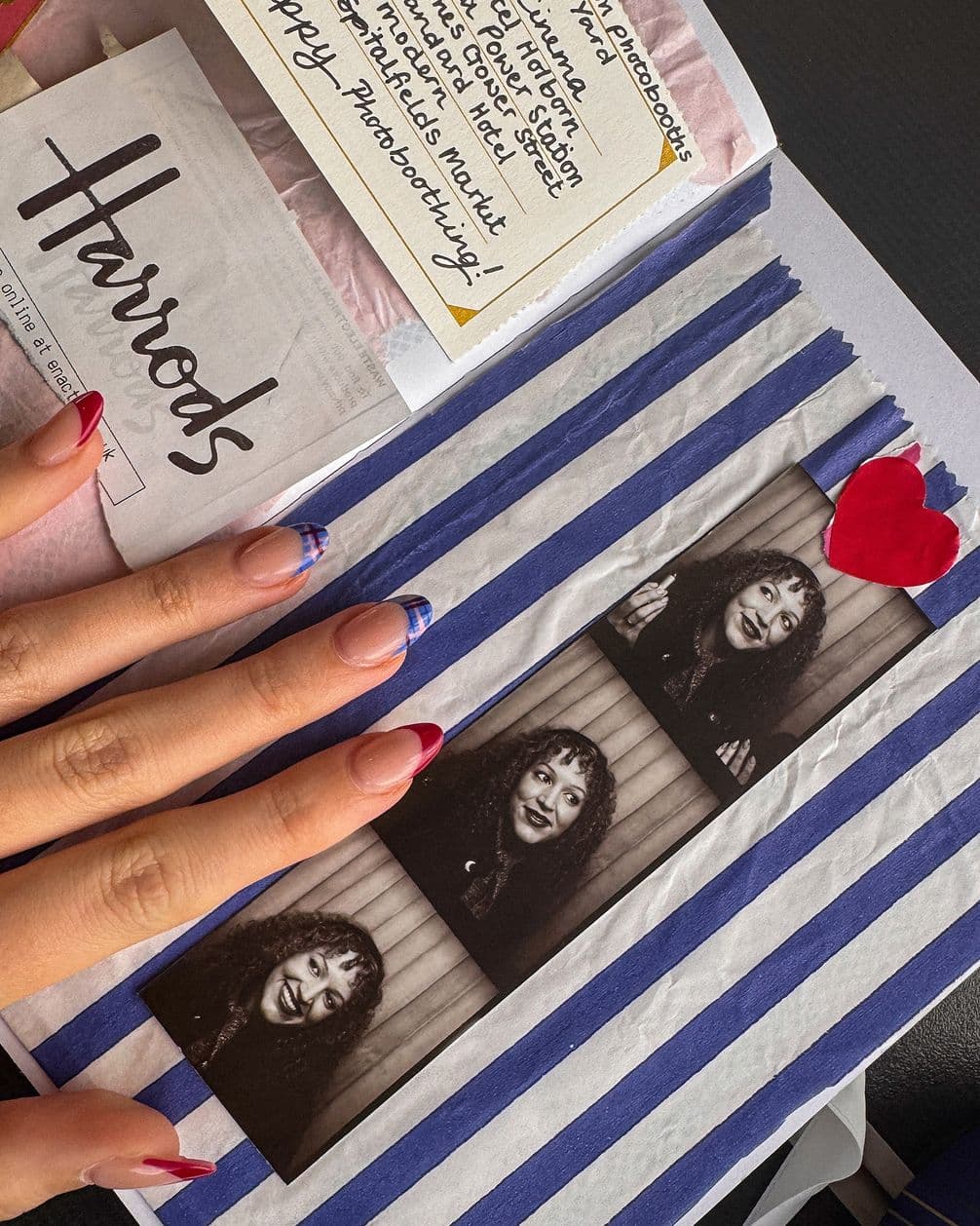
I have been journalling since I was 8 years old – writing or pasting things in the pages to record my memories. I’ve recently started keeping a small photo album of instax photos and framing plane tickets and other memorabilia.
Love notes and letters feel too personal to display. I tuck them away in a keepsake box.
Use what you have already, embrace imperfection, and remember there are no rules to creativity.
Discover memories faster with exclusive features like facial recognition and smart albums.


&w=96&q=75)
&w=96&q=75)


 United States