Photography

Spring garden photography tips: how to capture blossom, light and seasonal colour

A practical guide to photographing spring flowers – from snowdrops and cherry blossom to wildflowers – using light, composition and simple camera techniques

Smiling woman with blonde hair, wearing a brown sweater and necklace, stands outdoors in front of a tree and grass.

26 Mar, 20265 min

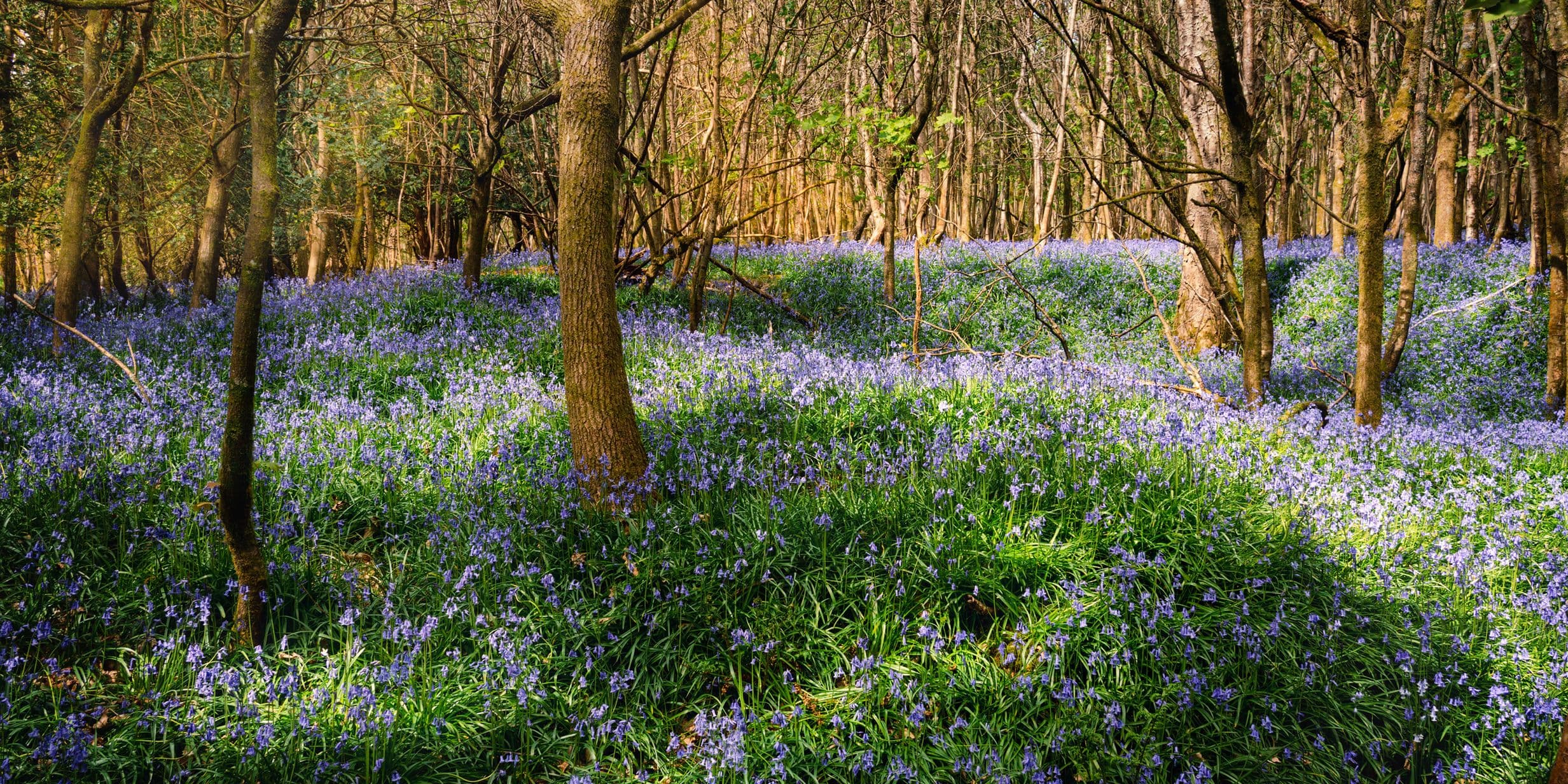
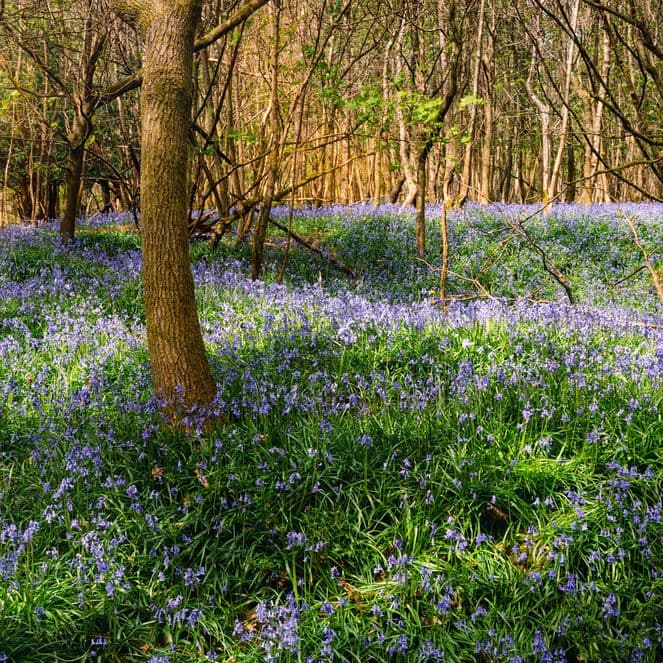
bluebells in soft summer light

By the time the light begins to return in spring, I’m itching to get out with my camera and look for signs of new growth. Various frenzies tend to hit us garden photographers – Snowdrop Fever, Blossom Mania, Wisteria Hysteria and more. Getting outdoors does wonders for our mental health, and using a camera to document the cycle of the year is a wonderful way to notice those uplifting details.

Spring light has a particular luminosity to it and, with pale blooms such as snowdrops, cherry blossom or magnolia, it can be a tricky balance to capture. Let’s look at a few approaches.

Photo by Julie Skelton

1. Harness the light

Take control of your camera rather than letting it decide all the settings when photographing the translucency of blossoms. Often at this time of year the petals in bloom are white or pale pink, and on sunny days your camera may display these highlights too brightly. The yellow of daffodils can also be prone to losing detail. One way to judge this is to imagine printing the photograph: are there areas that would need no ink at all, or a large patch of exactly the same colour? That is often a sign that detail has been lost.

Dial your exposure back slightly if the image is looking too bright. Giving your spring garden photographs a light, airy feel can beautifully express the ambience of the season, but it is something worth monitoring so that the fine detail in petals and leaves remains visible.

Photo by Julie Skelton

magnolia tree

Photo by Julie Skelton

2. Yin and yang

It can be rewarding to experiment with different background options. By adjusting your position slightly, you might place your chosen flowers against a darker background, allowing them to stand out more clearly. On bright blue-sky days, you may prefer to angle your camera upwards so that the sky forms part of the background, communicating the freshness of the spring months.

magnolia flower

Photo by Julie Skelton

Overcast days can work just as well. The cloud cover acts as a giant softbox, creating balanced, gently diffused light that is ideal for close-up detail. On days with softly shifting clouds, you have the opportunity to photograph both in sun and in shade and compare which results you prefer.

spring flowers

Photo by Julie Skelton

spring flowers

Photo by Julie Skelton

Backlighting – where the light source sits behind the subject – is one of my favourite techniques. Sunlight passing through pale petals can reveal delicate veins, the colour of the stamens and the internal structure of the leaves. Because the light is so bright, your camera may try to overexpose the subject, so you may need to reduce the exposure slightly. When you find the right balance, the result can be beautifully luminous and full of life.

spring flowers

Photo by Julie Skelton

a garden in soft spring light

Photo by Julie Skelton

3. Making a composition decision

There are no strict rules here, so follow what naturally draws your eye. My process often begins with a wider view that shows a blossoming tree within its surrounding environment. From there, I may move a little closer to find a branch that is particularly full of flowers or interesting detail. Eventually I might notice a single unblemished bloom and decide to isolate it from the background entirely.

Varying your approach helps create a more interesting collection of images and reflects the generosity of the season. Shooting through nearby leaves or flowers can also produce attractive foreground blur, while allowing the background to dissolve into the soft patches of light known as bokeh.

magnolia tree

Photo by Julie Skelton

A wider image might explain the setting, while a close-up invites the viewer into the richness of the blossoms themselves. With a smartphone, you can follow exactly the same approach by adjusting where you position the lens and how much you zoom in.

camera in the garden with flowers

Photo by Julie Skelton

two sprouting spring flowers

Photo by Julie Skelton

4. Quick hack

For flowers that grow close to the ground, a small support can make photography much easier. One simple solution is to create a makeshift mini tripod. I often fill a travel compression cube with beanbag beads, which creates a waterproof and stable base to rest the camera on. It’s particularly helpful if your camera has a flip-out screen. An even simpler option is filling a large freezer bag with dry rice or pulses, which can be shaped into a steady support and will balance a smartphone quite easily.

If you are familiar with adjusting apertures (the f-stop), remember that both lenses and phones have a minimum focusing distance. Macro lenses are often used by photographers who want very close-up detail, and they are available both for DSLR cameras and as attachments for smartphones. Because macro lenses focus so closely, depth of field becomes extremely shallow.

When using a small f-stop number such as f/2.8, only a very small area of the subject will appear sharp - even more so when you are working very close to the flower. For maximising detail, starting around f/5 is often a good approach, and you can adjust from there depending on the effect you prefer. If your phone’s portrait mode allows you to adjust the f-number, it is worth experimenting with this as well.

spring flowers in a garden

Photo by Julie Skelton

5. Keeping plant colours natural

As spring progresses, the arc of the sun begins to track slightly higher in the sky. While the sun is not yet directly overhead at midday, I still tend to favour photographing during the softer light at either end of the day.

This sideways light – often called golden hour when it occurs within an hour of sunrise or sunset – has a naturally warmer tone than midday light. These times of day can be especially enjoyable to photograph in, when birds are singing and everything feels a little calmer.

Because this warm light is naturally pleasing, it’s worth checking whether your camera or smartphone is trying to neutralise it. Colour temperature will also change depending on whether your subject is in sunlight or shade. You can adjust this by changing the white balance in your camera settings or later in editing. Many editing apps include a simple “warmth” control, but it’s best to use it sparingly so the colours remain close to what you saw.

close up of flowers in a spring garden

Photo by Julie Skelton

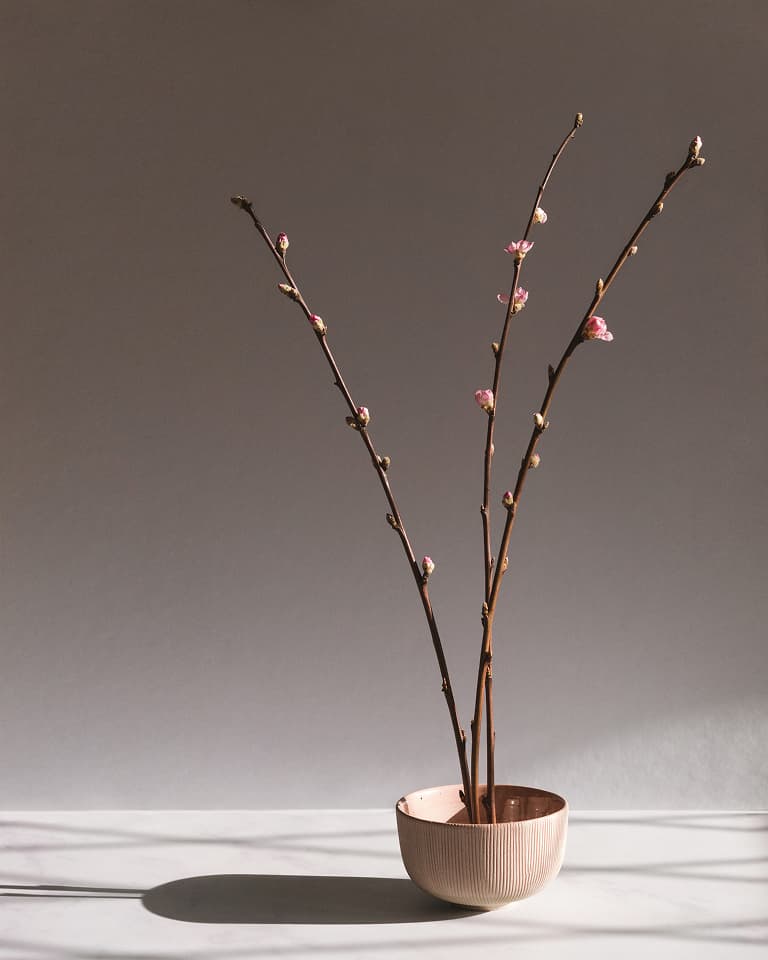
spring stems with pink blooms

Photo by Julie Skelton

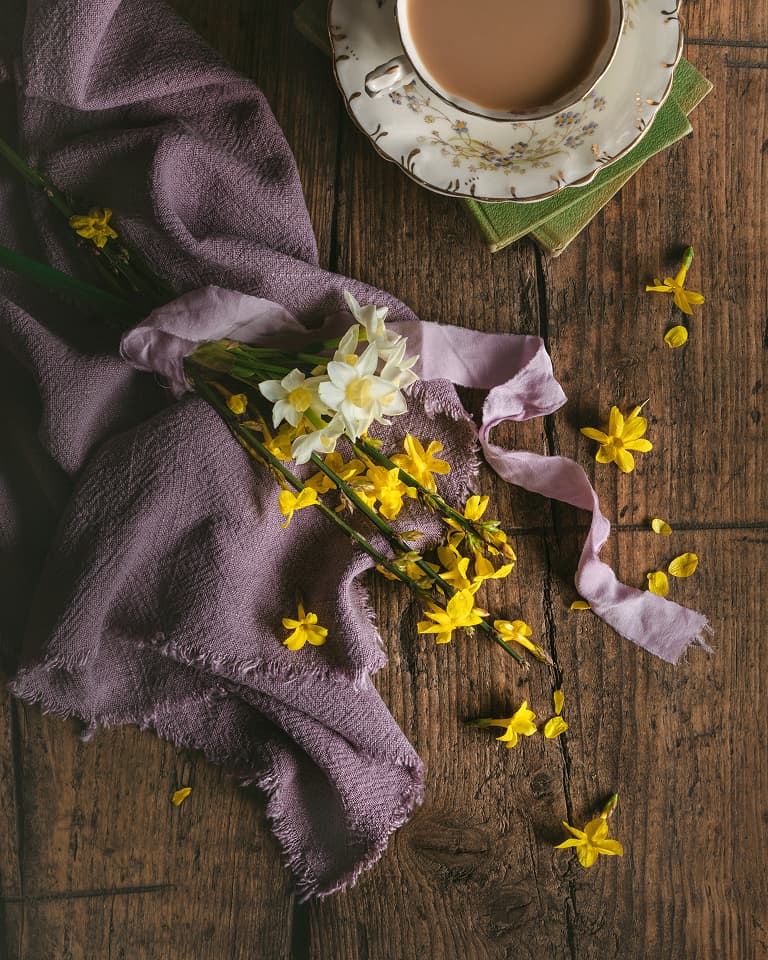
yellow flowers on a table with a cup of tea

Photo by Julie Skelton

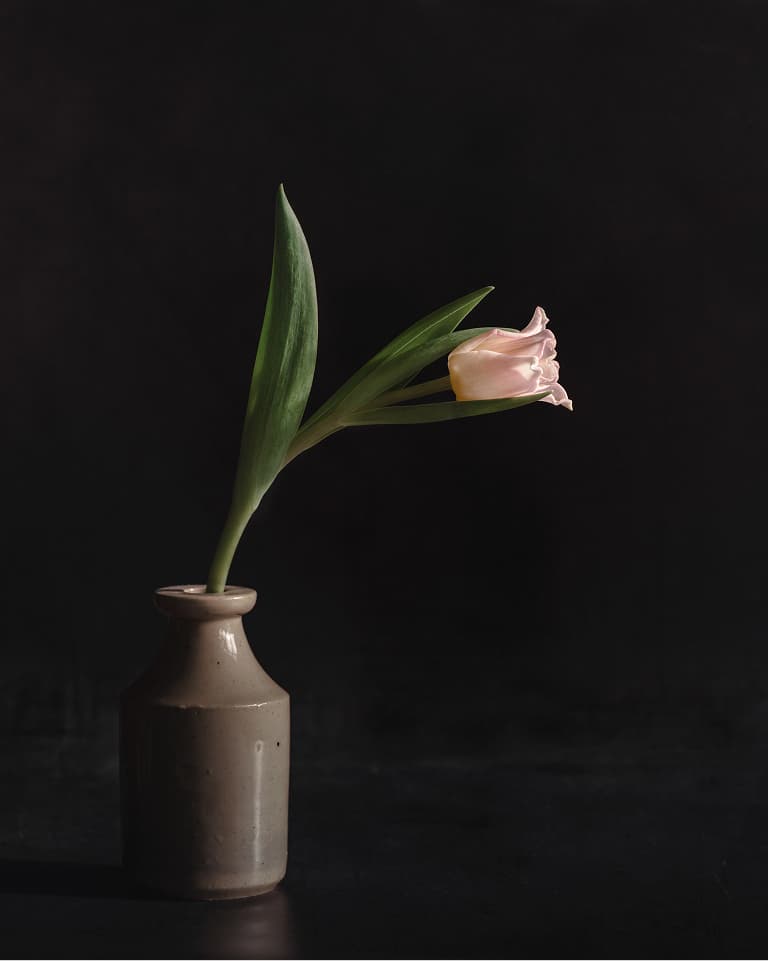
tulip in a vase

Photo by Julie Skelton

6. Choosing your subject

If you do not have access to gardens, remember that spring flowers appear almost everywhere. Woodlands, countryside paths and even roadside verges can be rich in wildflowers as the season unfolds. Wild garlic, cow parsley and bluebells all make wonderful photographic subjects. If the weather isn’t cooperating, you can even bring the outdoors inside. Pale flowers photographed against either dark or light backgrounds can produce beautiful results.

Above all, once you’ve taken the time to notice the natural world waking up again, allow it to inspire your creativity. Spring offers endless details worth photographing, and your images can become a personal record of the small moments that caught your eye as the season unfolded.

Download the app

Discover memories faster with exclusive features like facial recognition and smart albums.

App StoreApp Store
Download the app